Top 7 Castles in North Wessex Downs Aonb
Best castles in North Wessex Downs Aonb are found within a landscape characterized by rolling chalk downs, ancient woodlands, and river valleys. This Area of Outstanding Natural Beauty features a diverse range of historic sites, from prehistoric hill forts to grand country estates. These locations offer insights into thousands of years of history, alongside extensive views and opportunities for exploration. The region's varied terrain provides a backdrop for discovering these historical landmarks.
Best castles in North Wessex Downs Aonb
- The…
Last updated: October 9, 2026
Ashdown House
Highlight • Monument
Tip by

Barbury Castle Iron Age Hill Fort
Highlight • Natural Monument
Tip by

Sign up now to discover places like this
Get recommendations on the best single tracks, peaks, & plenty of other exciting outdoor places.
Basildon Park Mansion
Highlight • Historical Site
Tip by

Segsbury Camp Iron Age Hill Fort
Highlight • Historical Site
Tip by
Grimsbury Castle Hillfort
Highlight • Viewpoint
Tip by
Sign up for free to discover even more castles in North Wessex Downs Aonb.
Already have an account?
Start today with a free account
Your next adventure awaits.
Popular around North Wessex Downs Aonb
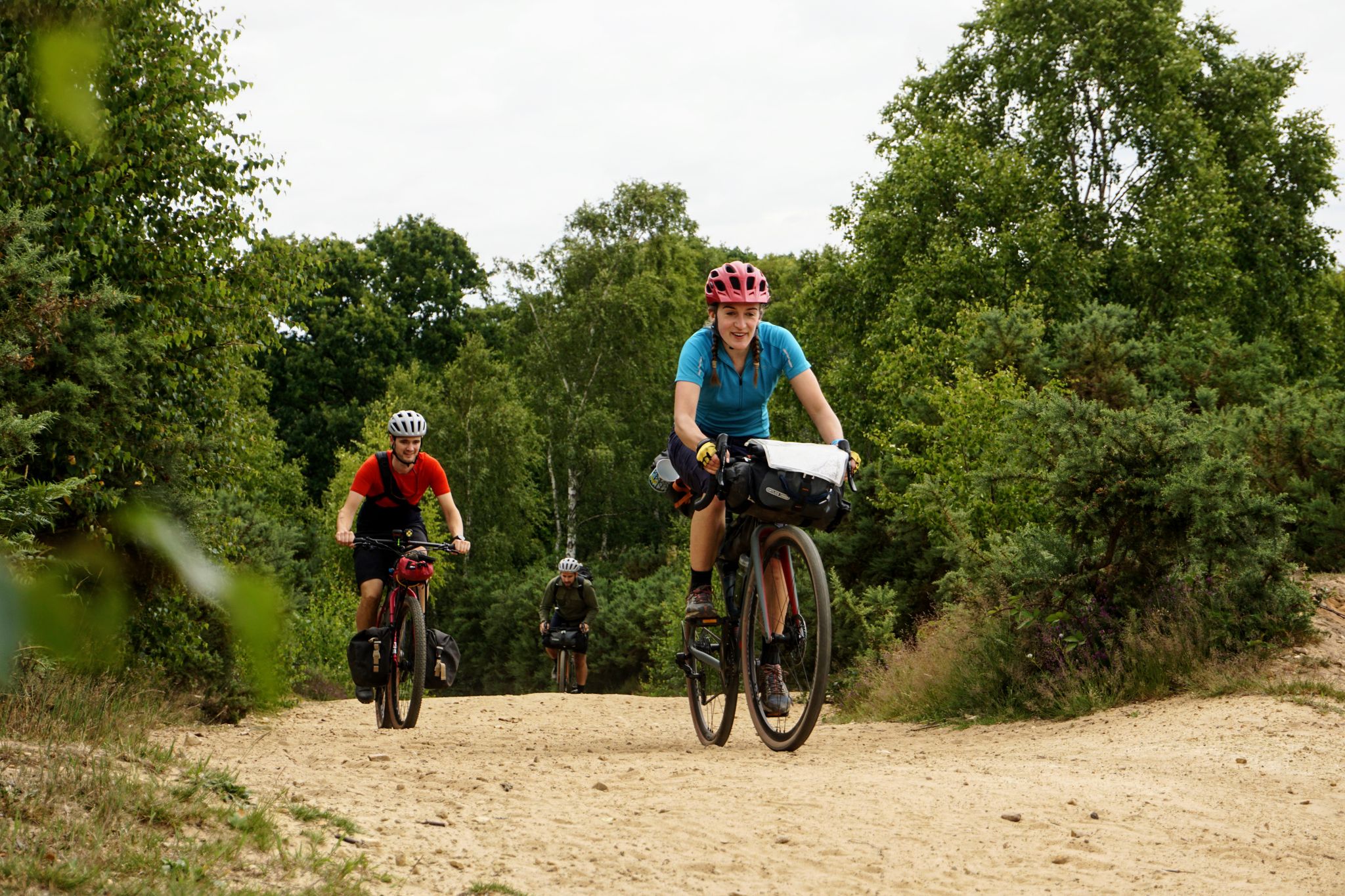
King Alfred's Way — History, chalk, grassland and forest
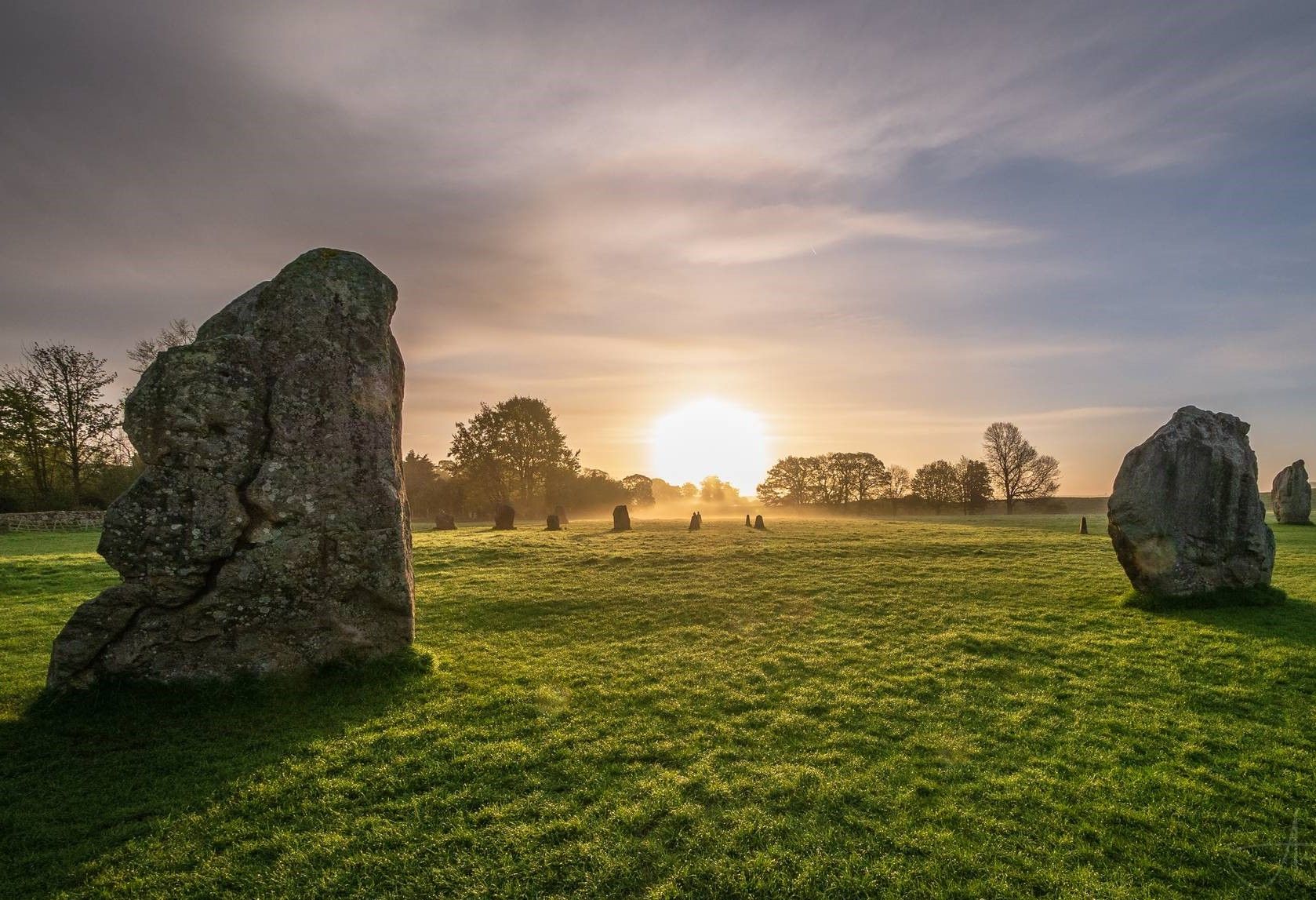
Celtic Way — An epic pilgrimage through prehistory and wild beauty
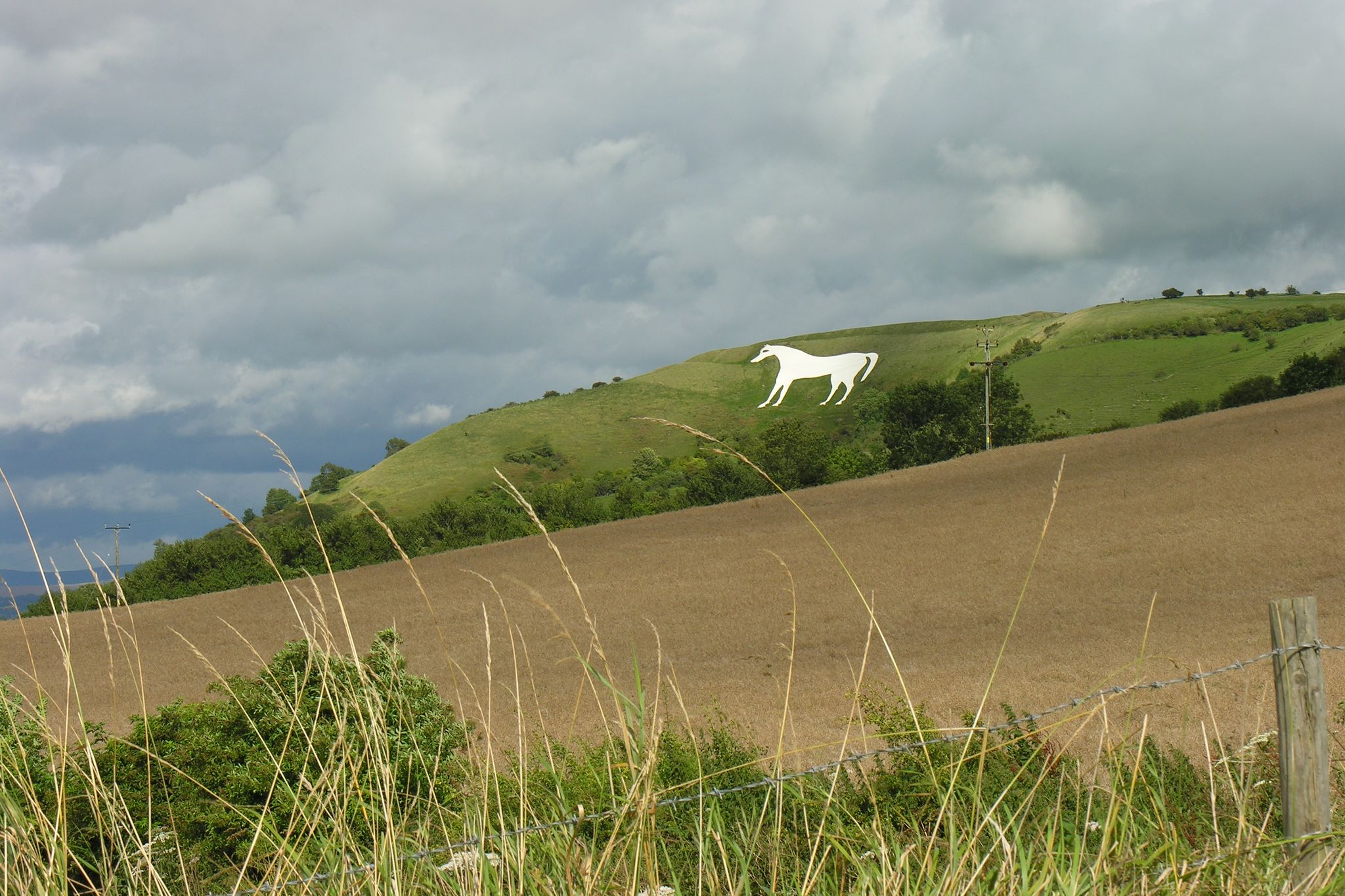
White Horse Trail — Linking Wiltshire's epic hill carvings
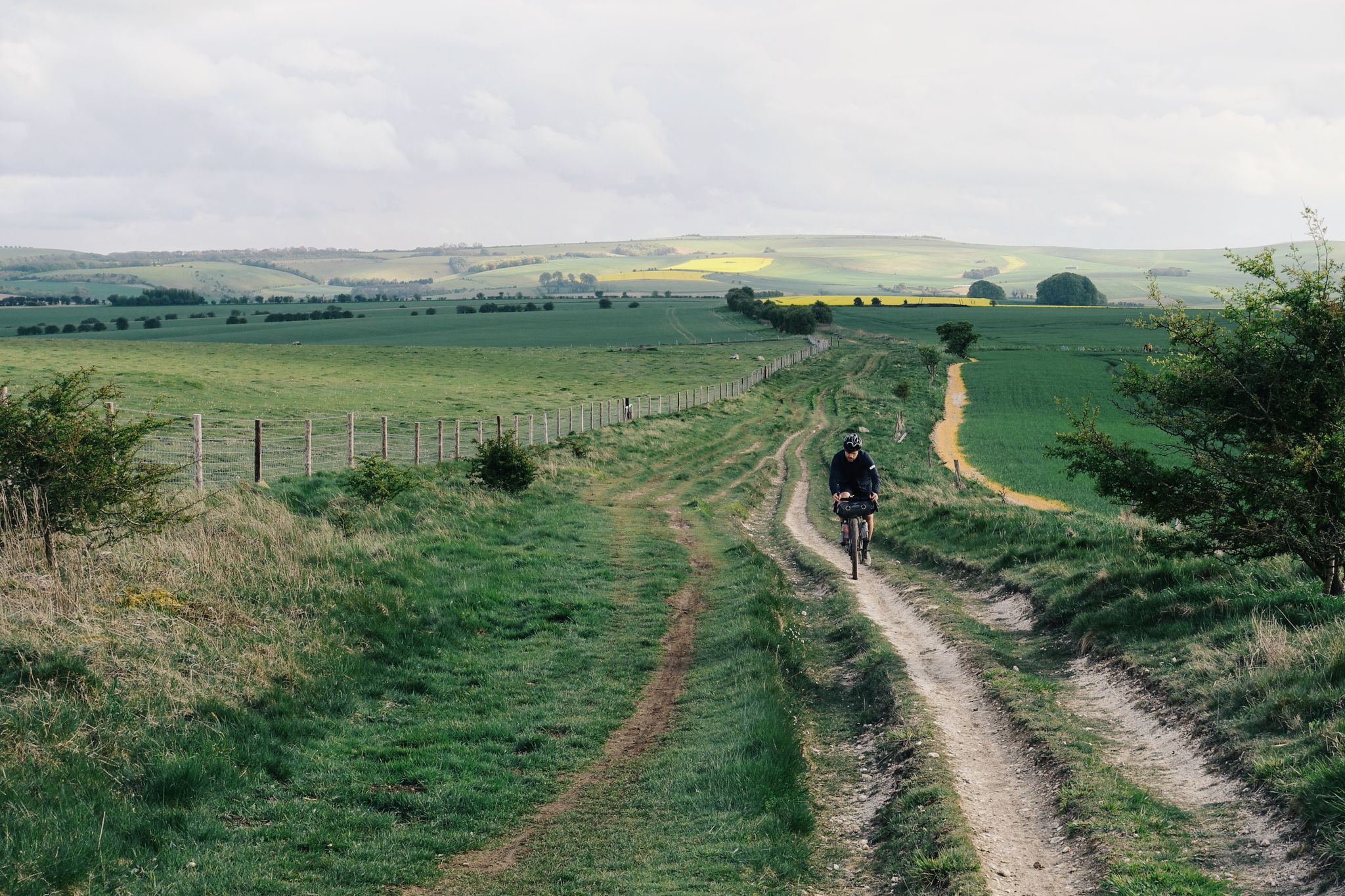
The Old Chalk Way
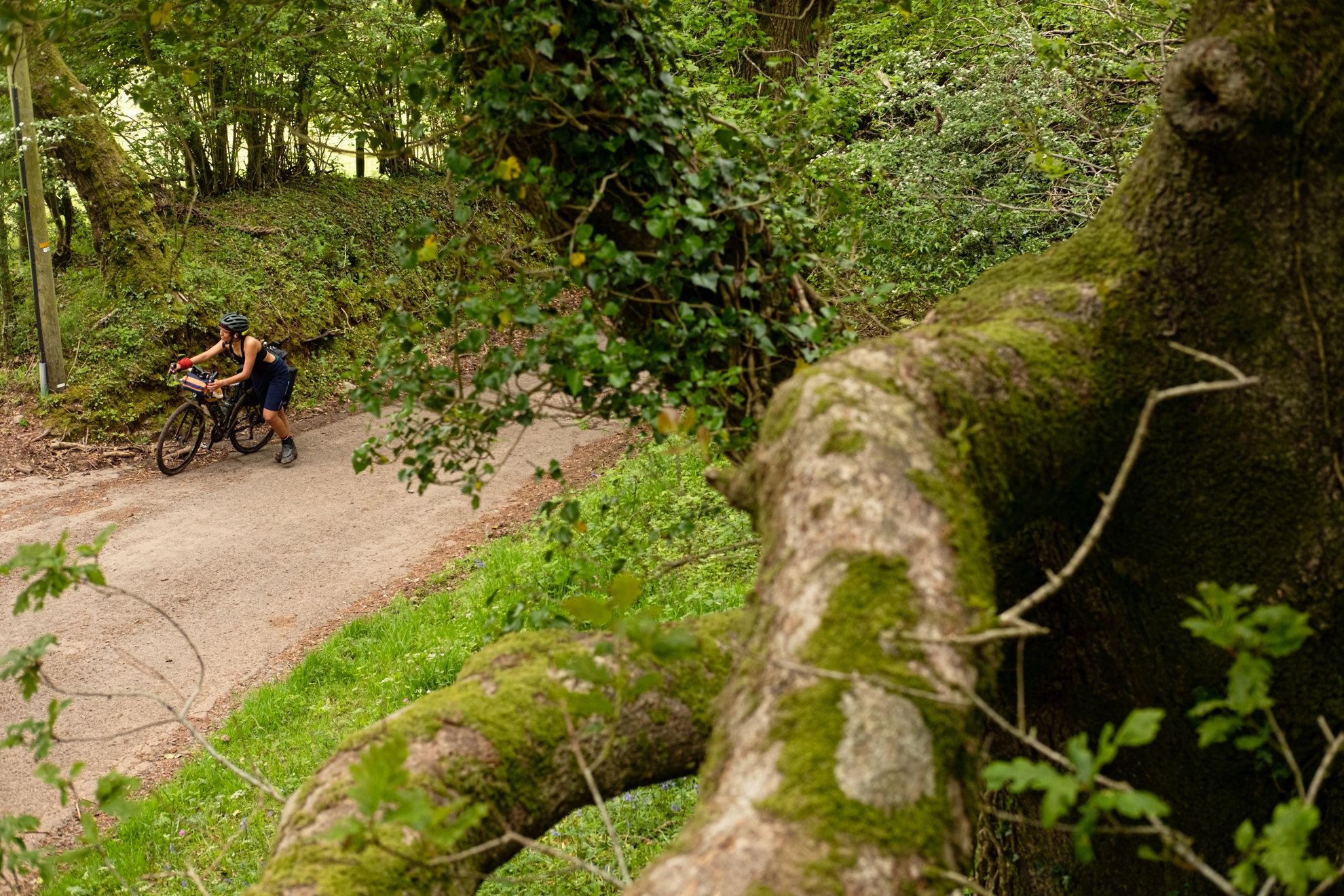
Just Around The Corner — exploring the best of the South West by bike
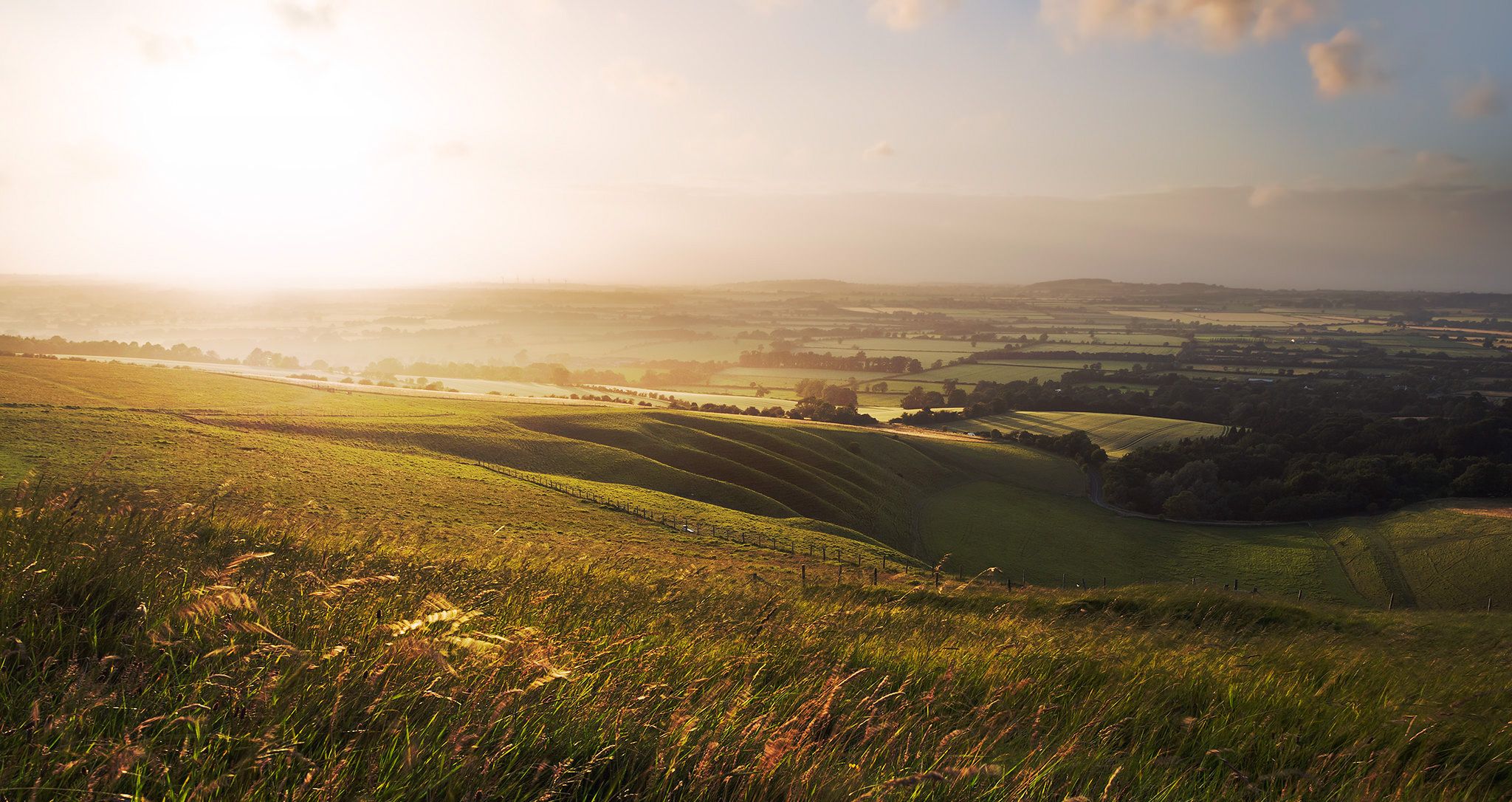
Hiking the Greater Ridgeway — Following Roman roads across England
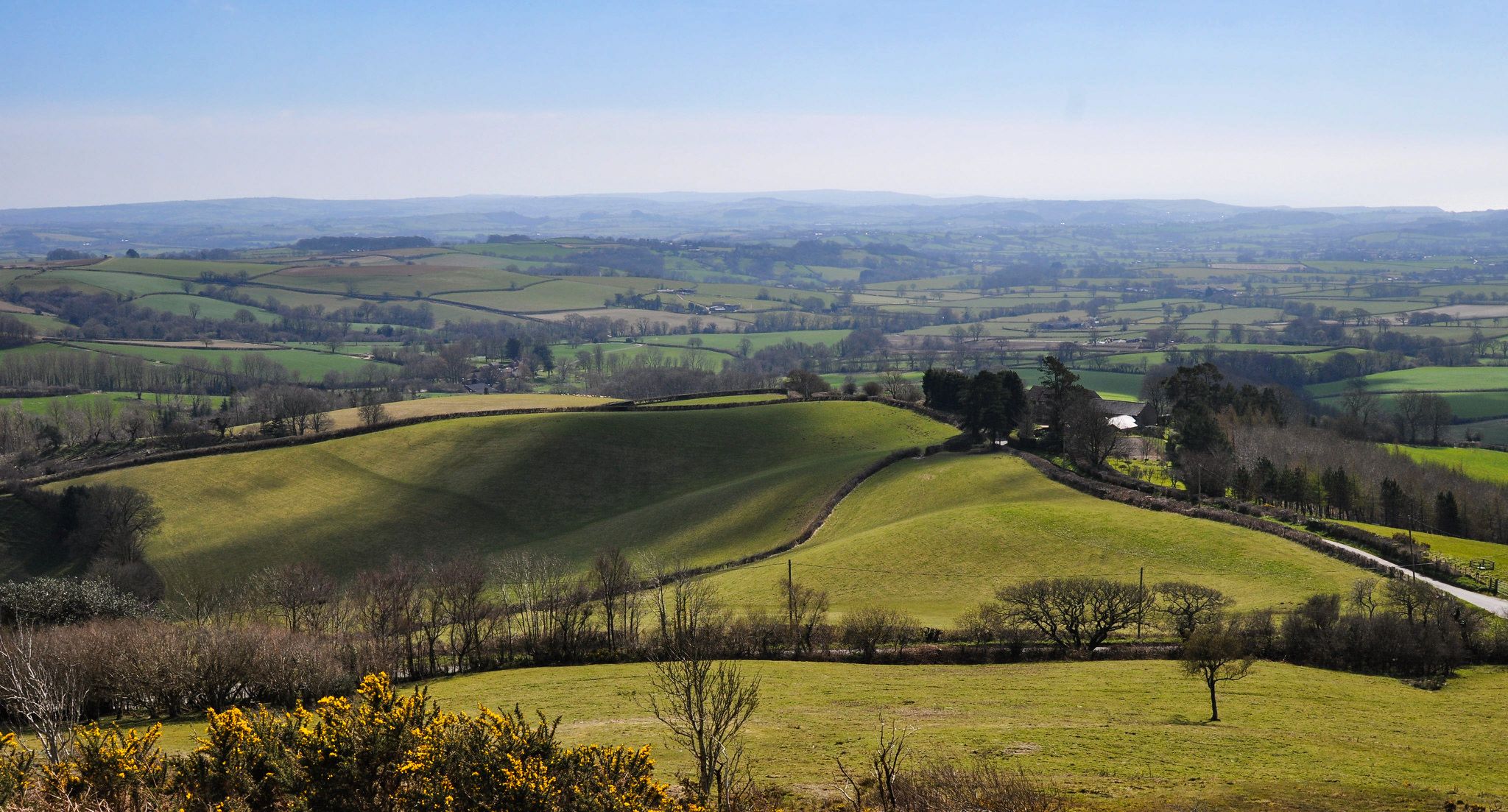
Hiking the Orange Way — Southern England in the footsteps of a king
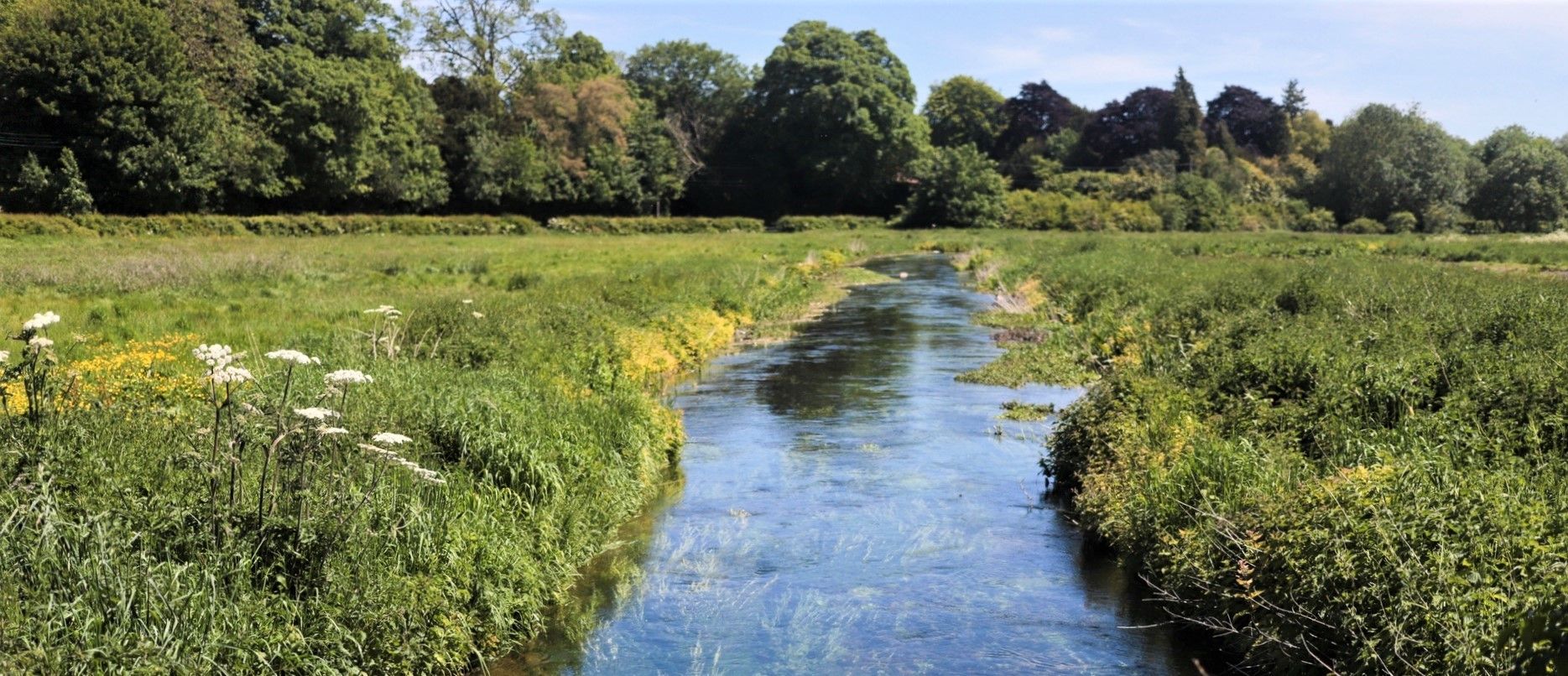
Test Way — Hike the length of Hampshire's longest and finest river
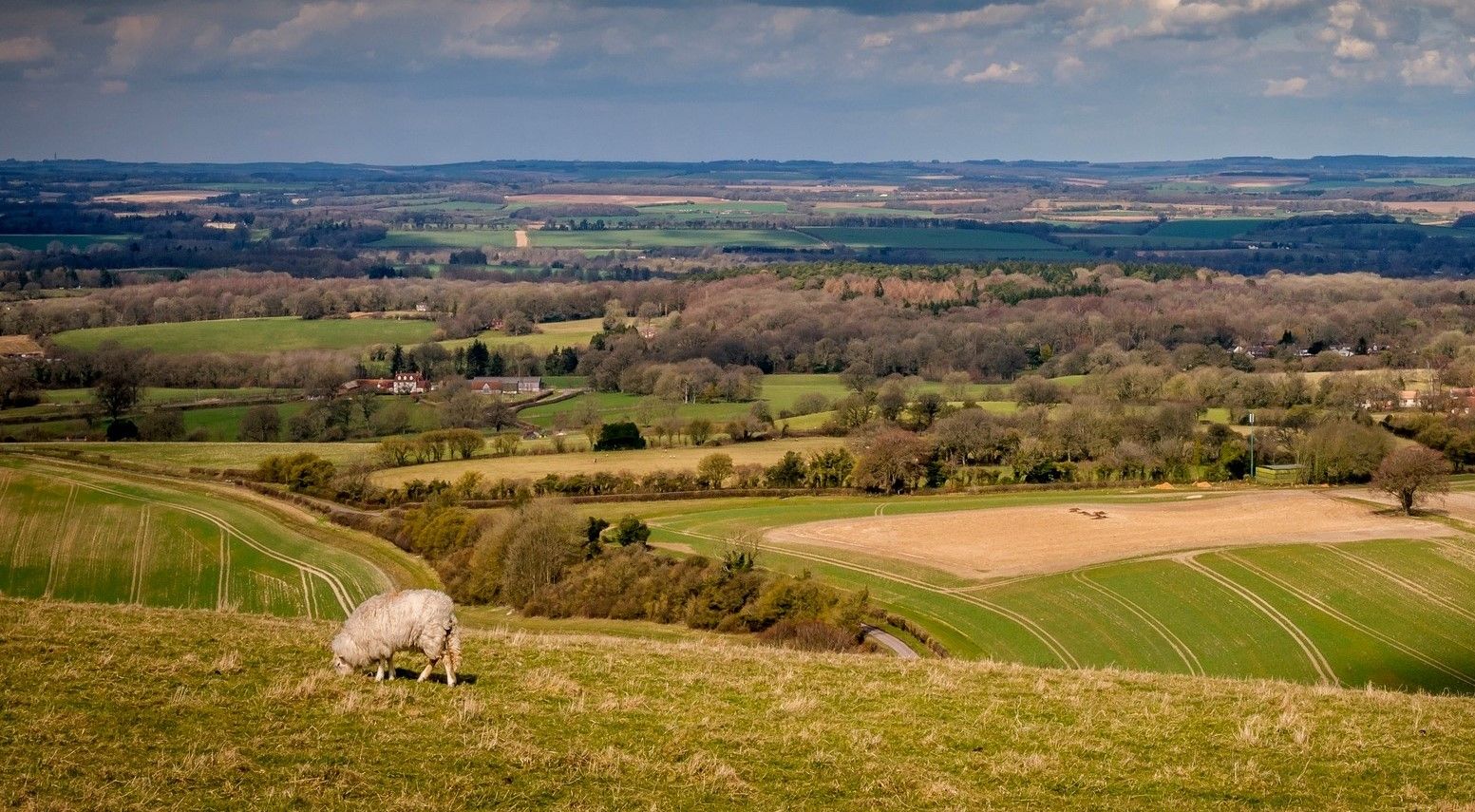
Wayfarer's Walk — Hike an old drovers' road from hills to coast
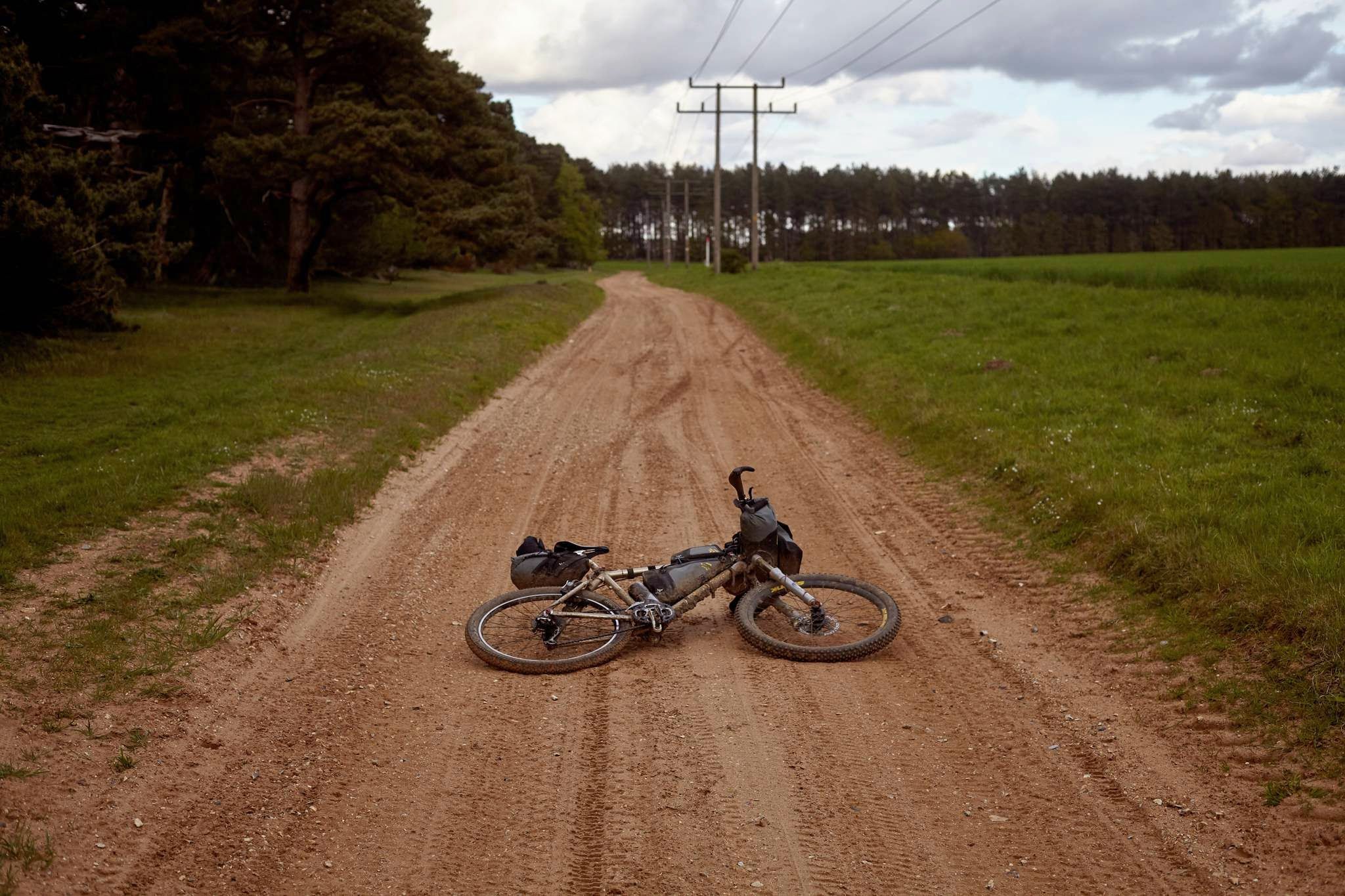
Cycle the Greater Ridgeway Trail — English Channel to North Sea
Other adventures in North Wessex Downs Aonb


Tips from the Community

Best approached from the east by mountain bike so that you get a nice downhill to the ridgeway trail after the fort!
0
0

Hike a bike for me on my gravel bike to get up here from the west but worth it, the views are stunning and the archeology very interesting
1
0

Ashdown House (also known as Ashdown Park) is a 17th-century country house in the civil parish of Ashbury in the English county of Oxfordshire. Until 1974 the house was in the county of Berkshire, and the nearby village of Lambourn remains in that county. It is a Grade I listed building and the grounds are included in the Register of Historic Parks and Gardens at Grade II*. The house features 8,000 square feet of living space, a large central staircase, reception rooms, interlinking drawing and sitting rooms, a kitchen, a dining room and eight bedrooms. The property includes two lodges, three cottages and a hundred acres of land. The house was originally built at the junction of the four rides in Craven's hunting park – the four avenues no longer survive as they once did, but portions of them remain. The house is isolated, and the view from the roof includes park-like grounds and gardens, and beyond, woods and pastures. At least one of the woods of Ashdown Park predates the house. Glastonbury Abbey held the manor of Ashbury until the Dissolution of the monasteries in 1539. A deer park was established for the Abbey in the south of the parish. It is bounded by an ancient embankment enclosing a rounded area characteristic of Medieval deer parks. The embankment would have been topped by a park pale, probably of cleft oak stakes. The park may equate to the Aysshen Wood that a terrier of the parish in 1519 recorded as covering 415 acres. The former deer park is now the Upper Wood of Ashdown Park. Ashdown Park is a Site of Special Scientific Interest. Although a few alterations were made to the house, the building remained largely as-built until it was requisitioned for use by the army during World War II. The occupation left it in a near derelict state. The National Trust has owned Ashdown House since 1956 when it was donated to the trust by Cornelia, Countess of Craven (wife of William Craven, 4th Earl of Craven). The house is tenanted, and has been renovated by recent lease holders. In 2010 Pete Townshend bought a 41-year lease on the property and in 2011 a structural renovation was begun. Public access is restricted to the stairs and roof, with broad views of Berkshire Downs. There is also public access to the neighbouring Ashdown Woods. Admission to the house is by guided tour on Wednesdays and Saturdays from April to October.
2
1

The Grade I listed, National Trust-owned Basildon House is a sensational country manor house located in Berkshire, between the villages of Upper Basildon and Lower Basildon. The mansion is surrounded by glorious parkland, including an impressive rose garden, created by Lady Iliffe and recently restored
1
0
Grimsbury Castle Fort is an Iron Age hillfort situated on top of a high hill in Berkshire. The hillfort would have been occupied between the 2nd and 3rd centuries. It had three original entrances, which the best preserved being the Northern entrance.
1
0

Barbury Castle is a well-preserved Iron Age hill fort. The site was first occupied around 2,500 years ago and has been used by the Romans, the Saxons, and even played a role in the Second World War. From the fort, you are afforded wonderful views over the landscape. In clear conditions, you can see the Cotswolds and the River Severn.
2
0

Ashdown House was built in the late 17th century by the 1st Earl of Craven who, it was said, was in love with Elizabeth, Queen of Bohemia. The house was built to offer Elizabeth a refuge from plague-ridden London, but unfortunately she died of a disease in 1662 before ever setting eyes on Ashdown. The Earl of Craven lived into his late 80s and never married.
2
0
Segsbury Camp is an Iron Age hill fort in the Vale of White Horse. You can explore extensive and well-preserved ramparts and gateways in the fort. Historians believe this site was occupied between the sixth and the second centuries BC and was used as a communal centre for many activities.
3
0
Frequently Asked Questions
What types of 'castles' can I explore in the North Wessex Downs AONB?
The North Wessex Downs AONB features a diverse range of historic sites often referred to as 'castles'. These include ancient Iron Age hill forts like Barbury Castle Iron Age Hill Fort, Segsbury Camp Iron Age Hill Fort, and Uffington Castle, which are characterized by their earthworks and panoramic views. The region also boasts grand country houses and estates such as Ashdown House, Highclere Castle, and Basildon Park Mansion, which offer insights into later historical periods and architectural splendor.
Which castles offer the best panoramic views in the North Wessex Downs AONB?
Several hill forts provide exceptional panoramic views. Barbury Castle Iron Age Hill Fort offers extensive vistas as far as the Cotswolds and the River Severn on clear days. Oliver's Castle provides awe-inspiring views across the plain over Devizes, while Uffington Castle overlooks the Berkshire Downs and the iconic Uffington White Horse. Oldbury Castle also boasts 360° views of the Wiltshire landscape.
Are there family-friendly castles to visit in the North Wessex Downs AONB?
Yes, several sites are suitable for families. Basildon Park Mansion, a National Trust property, offers beautifully presented interiors, art collections, and extensive parkland with waymarked trails, picnic spots, and play areas. Highclere Castle, known as 'Downton Abbey,' allows families to explore opulent rooms and beautiful gardens. The Iron Age hill forts like Barbury Castle and Uffington Castle are also great for outdoor exploration and imagining ancient history, often with space for picnics.
What outdoor activities can I do near the castles in North Wessex Downs AONB?
The region around these historic sites is excellent for outdoor activities. You can find numerous hiking, mountain biking, and gravel biking routes. For instance, near Barbury Castle, you can access the Ridgeway National Trail. Explore options like 'The Archaeology Trail & the Ridgeway loop from Avebury' for hiking or 'King Alfred's Way: Marlborough and Avebury Loop' for mountain biking. You can find more routes on the hiking guide, MTB guide, and gravel biking guide for the North Wessex Downs AONB.
What is the best time of year to visit the castles in North Wessex Downs AONB?
The best time to visit depends on your preference. Spring and summer offer pleasant weather for exploring the outdoor hill forts and enjoying the gardens of country houses like Highclere Castle and Basildon Park Mansion. Autumn provides beautiful foliage, especially in areas with woodlands. While some country houses may have seasonal closures or reduced hours in winter, the hill forts remain accessible year-round for bracing walks, though paths can be muddy.
Are there any less-known or 'hidden gem' castles worth visiting?
While not entirely 'hidden,' Grimsbury Castle Hillfort is a significant Iron Age hillfort on a high hill in Berkshire, offering historical interest and views. Ashdown House, with its unique 17th-century Dutch-style architecture, is also a distinctive site that offers a different experience from the more famous Highclere, and public access is sometimes available via guided tours.
What historical periods do the castles in North Wessex Downs AONB represent?
The 'castles' in this region span a vast historical timeline. The Iron Age hill forts like Barbury Castle, Segsbury Camp, Uffington Castle, and Oldbury Castle date back thousands of years, with evidence of Roman and Saxon use at some sites. Later periods are represented by grand country houses such as Ashdown House (17th century), Basildon Park Mansion (18th century), and Highclere Castle (19th-century Jacobethan style).
Can I visit Highclere Castle, known as 'Downton Abbey'?
Yes, Highclere Castle is open to the public on a seasonal basis. Visitors can explore the opulent interiors featured in 'Downton Abbey,' stroll through the beautiful gardens designed by Capability Brown, and discover the impressive Egyptian Exhibition in the cellars, which showcases artifacts from the 5th Earl of Carnarvon's expeditions with Howard Carter. Check their official website for specific opening dates and to book tickets.
Are there facilities like parking and toilets available at the hill forts?
Facilities vary by site. Barbury Castle Iron Age Hill Fort, for example, has a large car park, picnic benches, and toilets, making it convenient for visitors. Other hill forts, being more remote, may have limited or no dedicated facilities, so it's advisable to check specific site information before visiting, especially for parking.
What do visitors enjoy most about the castles in North Wessex Downs AONB?
Visitors frequently appreciate the stunning panoramic views offered by the hill forts and the historical depth of the sites. The opportunity to explore ancient earthworks and imagine past civilizations is a major draw. For country houses, the architectural grandeur, beautiful gardens, and unique historical connections (like Highclere's 'Downton Abbey' fame or Ashdown House's Dutch design) are highly valued. The komoot community has shared 13 photos and given 26 upvotes to these highlights, indicating a strong appreciation for their beauty and historical significance.
Are the castles in North Wessex Downs AONB accessible by public transport?
While some larger country estates like Basildon Park Mansion may have bus routes nearby or be accessible via train stations with subsequent taxi rides, many of the more remote Iron Age hill forts are best reached by car. Public transport options can be limited within the AONB, so planning your journey in advance is recommended, especially for sites off the main roads.
Can I bring my dog to the castles and surrounding areas?
Many of the outdoor hill fort sites, being part of the wider AONB landscape, are generally dog-friendly, especially if dogs are kept on leads to protect livestock and wildlife. Country estates like Basildon Park Mansion often welcome dogs in their parklands and gardens, though usually not inside the historic houses themselves. Always check the specific property's dog policy before your visit.
Most popular routes in North Wessex Downs Aonb
Most popular attractions in North Wessex Downs Aonb

Get inspired with the komoot mobile app


Explore more
Looking for the best castles somewhere else? Discover other guides in North Wessex Downs Aonb:
