St Abb'S Head National Nature Reserve
St Abb'S Head National Nature Reserve
Attractions and Places To See around St Abb'S Head National Nature Reserve - Top 5
Best attractions and places to see around St Abb'S Head National Nature Reserve include dramatic cliffs, significant natural features, and cultural sites. This promontory in Berwickshire, Scotland, is administered by the National Trust for Scotland and the Scottish Wildlife Trust. The area features sheer cliffs formed from hard volcanic rock, providing a habitat for a large seabird colony. Visitors can explore a picturesque fishing village and discover historical ruins within the reserve.
Best attractions and places to see around St…
Last updated: August 29, 2026
Mire Loch
Highlight • Natural
Translated by Google •
Tip by

Starney Bay, St Abb's Head National Nature Reserve
Highlight • Natural Monument
Tip by

Sign up now to discover places like this
Get recommendations on the best single tracks, peaks, & plenty of other exciting outdoor places.
Sign up for free
Horsecastle Bay
Highlight • Natural
Tip by

View of Broadhaven Bay
Highlight • Viewpoint
Tip by

View of Pettico Wick
Highlight • Natural
Tip by
Start today with a free account
Your next adventure awaits.
Login or Signup
Tips from the Community


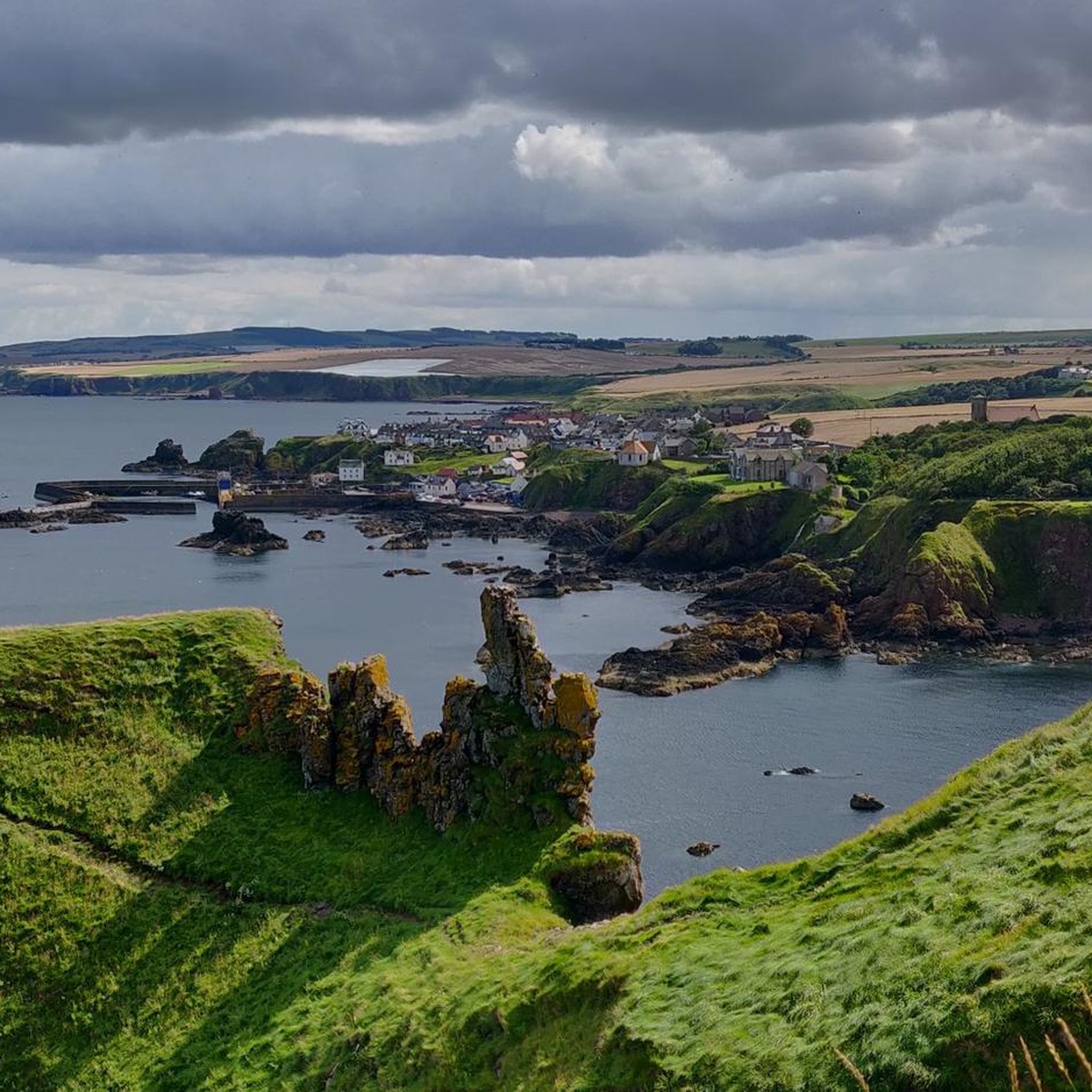
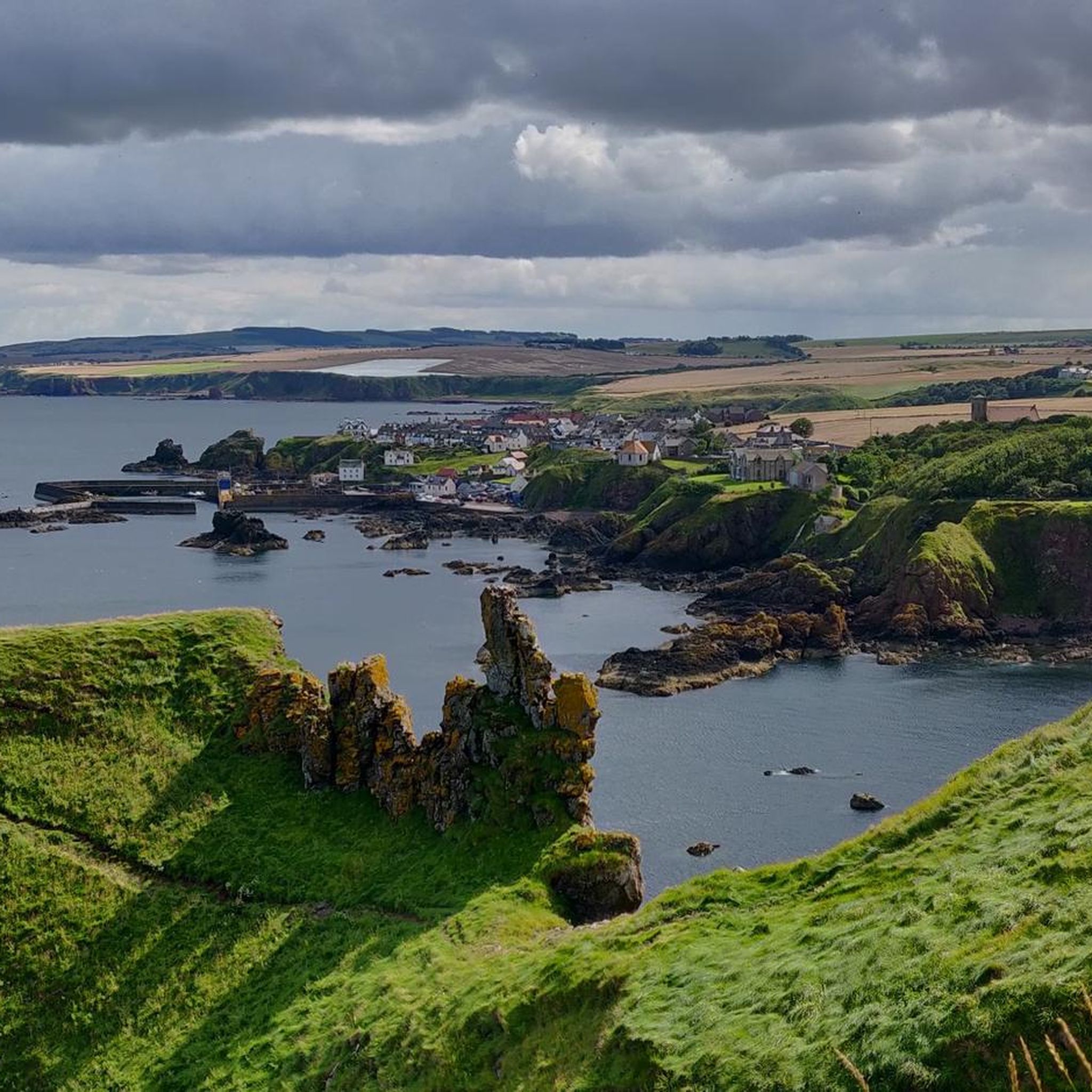
Views north along the coastline , on a clear day Bass Rock is visible in the distance
0
0

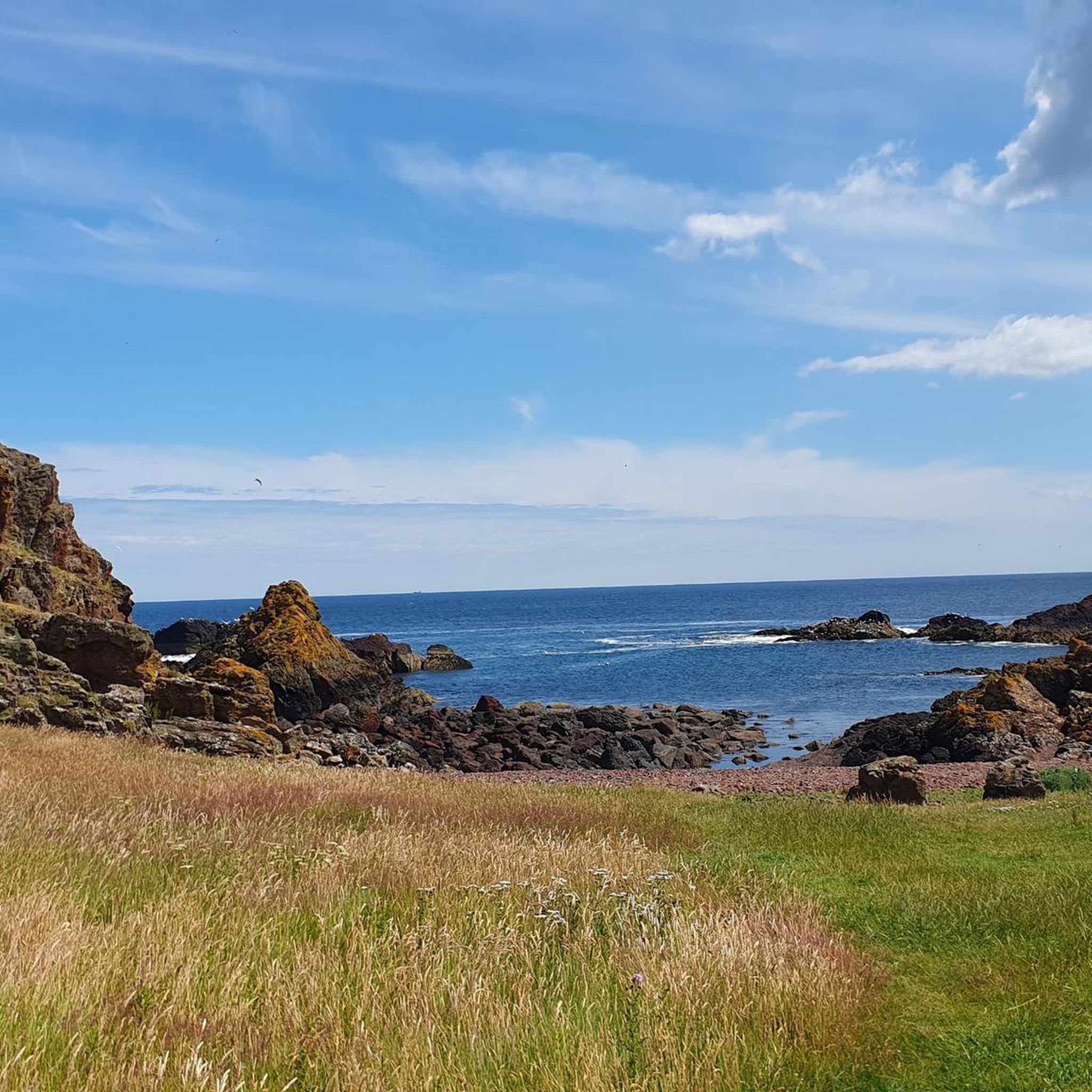
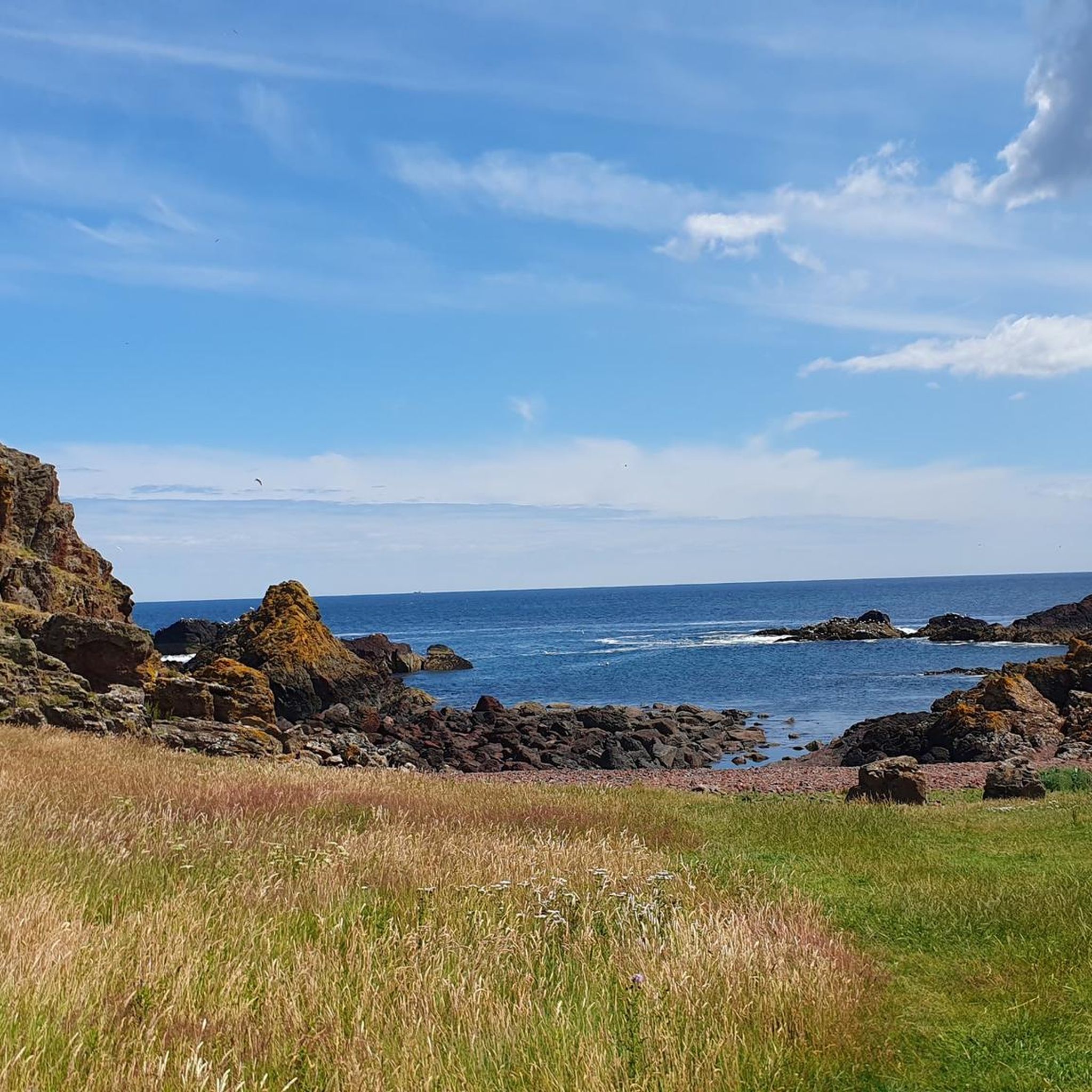
Beautifully rugged coastline with rocks.
0
0

The cliff on the right is made of irregular layers of tough lavas and less resistant rocks, all of which slope down towards the sea.
0
0
The coastal path along the rocky coast is an absolute recommendation.
2
0
Frequently Asked Questions
What natural features can I explore at St Abb's Head National Nature Reserve?
The reserve is renowned for its dramatic natural features. You can explore the sheer cliffs, which reach up to 90 meters high and were formed from volcanic rock. Mire Loch, a long, thin freshwater loch, is an important inland bird sanctuary. Away from the cliff edge, you'll find flower-rich grasslands with a diverse array of flora. You can also visit Horsecastle Bay, known for its unique geological formations.
Where are the best spots for birdwatching at St Abb's Head?
St Abb's Head is a premier destination for birdwatching. The cliffs host a 'seabird city' with a 60,000-strong colony. Excellent viewpoints include St Abb's Head Viewpoint and View of Broadhaven Bay, where you can observe guillemots, razorbills, kittiwakes, fulmars, shags, puffins, and herring gulls. The best time for seabird activity is from April to August.
Are there any historical sites to visit within the reserve or nearby?
Yes, the area is rich in history. Perched atop the cliffs is the picturesque St Abb's Head Lighthouse, which began service in 1862. Within the reserve, you can find the site of a ruined 7th-century medieval nunnery, founded by Northumbrian princess Ebba. The nearby village of St Abbs also contains the remains of a priory established around 1098. Additionally, Pettico Wick Bay once housed a fishing station from the late 19th century.
What types of walking trails are available at St Abb's Head?
Numerous footpaths wind along the clifftops, offering stunning views and opportunities for birdwatching. A popular circular walk takes in the ruined nunnery, the lighthouse, and Mire Loch. These trails vary in difficulty, with options for moderate coastal paths. For specific running trails, you can explore routes like the 'St. Abb's Head Trail' or 'View of St. Abbs Harbour – St Abb's Head Visitor Centre loop from St Abbs' found in the Running Trails around St Abb'S Head National Nature Reserve guide.
Can families with children enjoy St Abb's Head National Nature Reserve?
Absolutely. The reserve offers several family-friendly attractions and activities. Children can enjoy spotting seabirds from viewpoints like View of Broadhaven Bay, exploring the walking trails, and learning about nature at the St Abb's Head National Nature Reserve Centre. The Pumphouse also provides information boards about the reserve in a small, sheltered space. Coldingham Bay, a short walk away, is ideal for rock pooling and watersports.
What wildlife can I expect to see and when is the best time to spot them?
St Abb's Head is teeming with wildlife. From April to August, the cliffs are home to thousands of nesting seabirds, including guillemots, razorbills, kittiwakes, and puffins. Mire Loch attracts swans and various wildfowl, damselflies, and butterflies. In the winter months, particularly November and December, you can observe a thriving grey seal colony on the beaches. The flower-rich grasslands also support a variety of insects.
Are there opportunities for cycling or running near St Abb's Head attractions?
Yes, the area offers several routes for cycling and running. For cycling, you can find options ranging from moderate to difficult, such as the 'View of St. Abbs Harbour – St Abb's Head Visitor Centre loop from St Abbs' in the Cycling around St Abb'S Head National Nature Reserve guide. Road cyclists can explore routes like the 'Wojtek the Soldier Bear Statue – St Abb's Head Visitor Centre loop from St Abbs' in the Road Cycling Routes guide. Runners have trails like the 'St. Abb's Head Trail' available in the Running Trails guide.
Where can I find information or visitor facilities at St Abb's Head?
You can visit the St Abb's Head National Nature Reserve Centre at Northfield Farm, which offers an exhibition, coffee shop, art gallery, textile shop, and maps for walks. Ranger-led guided walks are also available from here. Additionally, the St Abbs Visitor Centre, located in the old village hall, provides free admission, interactive exhibits, and information on the village's history, geology, and local flora and fauna. You can find more details at stabbsvisitorcentre.co.uk.
What is there to do in the nearby village of St Abbs?
The picturesque fishing village of St Abbs serves as a natural starting point for exploring the reserve. You can visit the St Abbs Visitor Centre for local information and history. The village also offers cafes and pubs, providing a place to relax and refuel after exploring the headland. From St Abbs, you can easily access walking trails leading into the reserve or to nearby Coldingham Bay.
Are there any beaches suitable for swimming or watersports nearby?
Yes, Coldingham Bay is a popular sandy beach located a short walk from St Abbs. It's an ideal spot for swimming, exploring rock pools, and during summer, it's suitable for watersports like surfing and paddleboarding. While the reserve itself is known for its dramatic cliffs, Coldingham Bay offers a more accessible beach experience.
What do visitors particularly enjoy about the viewpoints at St Abb's Head?
Visitors frequently praise the breathtaking landscapes and stunning coastal views from the various viewpoints. From St Abb's Head Viewpoint, you can see dramatic coastal rocks and observe nesting seabirds like Razorbills and Guillemots. View of Broadhaven Bay is noted for its impressive coastal stratigraphy and is a great spot to watch guillemots. Many describe the views as 'sensational' and 'absolutely amazing and stunning'.
When is the best time of year to visit St Abb's Head National Nature Reserve?
The best time to visit largely depends on your interests. For prime seabird watching, May to August is ideal when the colonies are most active. If you wish to see the grey seal colony, November and December are the best months. The flower-rich grasslands are vibrant in spring and summer. The clifftop walks offer stunning views year-round, though weather conditions can be more challenging in winter.
Most popular routes around St Abb'S Head National Nature Reserve

Get inspired with the komoot mobile app


Explore more
Still not found the Highlight you’re looking for? See guides of the top attractions in other regions:
