Pewsey Downs National Nature Reserve
Pewsey Downs National Nature Reserve
Attractions and Places To See in Pewsey Downs National Nature Reserve - Top 4
Best attractions and places to see in Pewsey Downs National Nature Reserve, a region nestled within the North Wessex Downs Area of Outstanding Natural Beauty, offers a rich tapestry of natural beauty and historical landmarks. This area features extensive chalk downland, providing panoramic views and diverse ecosystems. It is also home to ancient archaeological sites and significant geological features.
Best attractions and places to see in Pewsey Downs National Nature Reserve
- The most popular attractions is Alton Barnes White Horse…
Last updated: July 6, 2026
Walkers Hill
Highlight • Natural Monument
Tip by

Alton Barnes White Horse
Highlight • Viewpoint
Tip by

Sign up now to discover places like this
Get recommendations on the best single tracks, peaks, & plenty of other exciting outdoor places.
Sign up for free
Sarsen Stones Circle
Highlight • Natural Monument
Tip by

View of the Alton Barnes White Horse
Highlight (Segment) • Structure
Tip by

Start today with a free account
Your next adventure awaits.
Login or Signup
Popular around Pewsey Downs National Nature Reserve
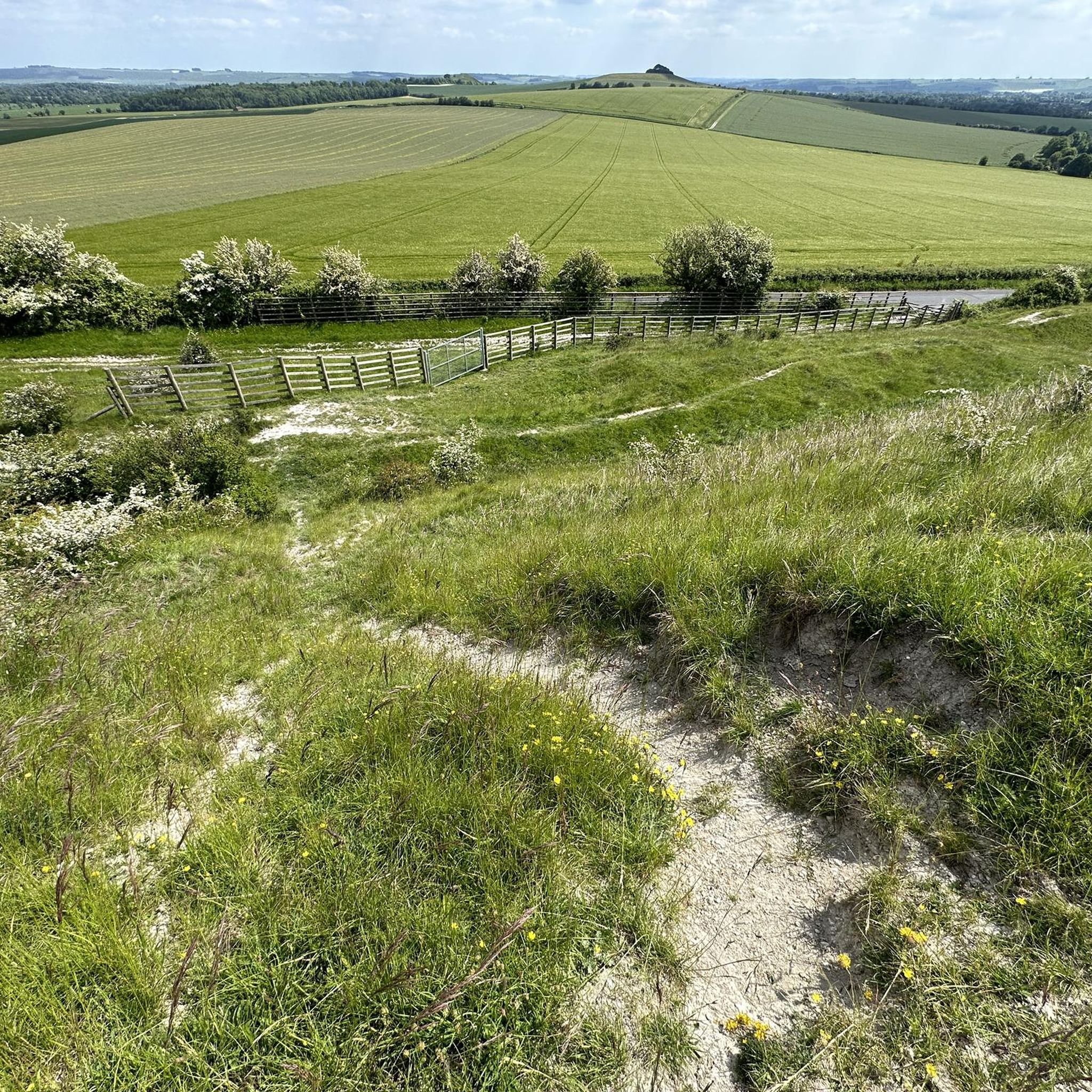
Hiking in Pewsey Downs National Nature Reserve
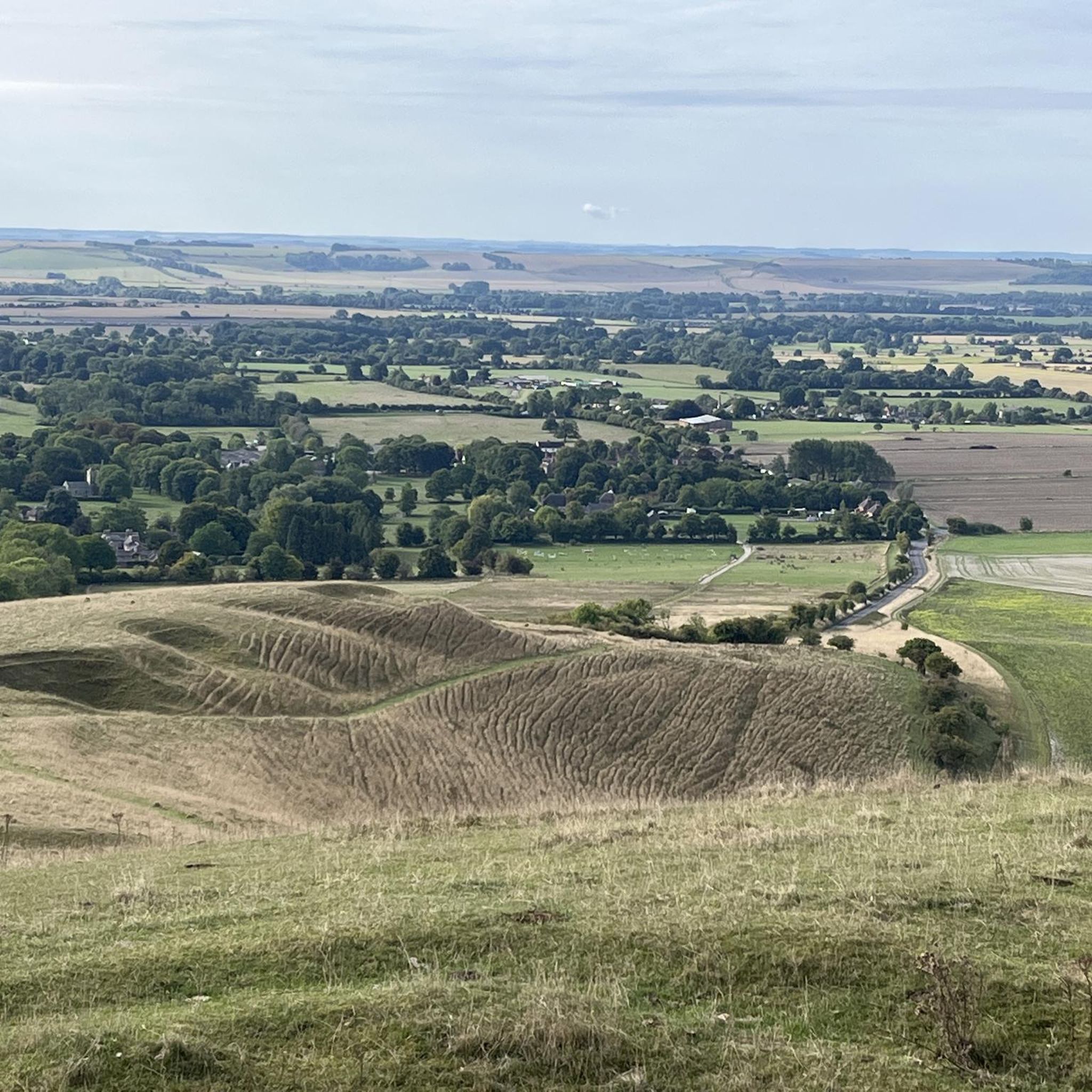
Cycling in Pewsey Downs National Nature Reserve
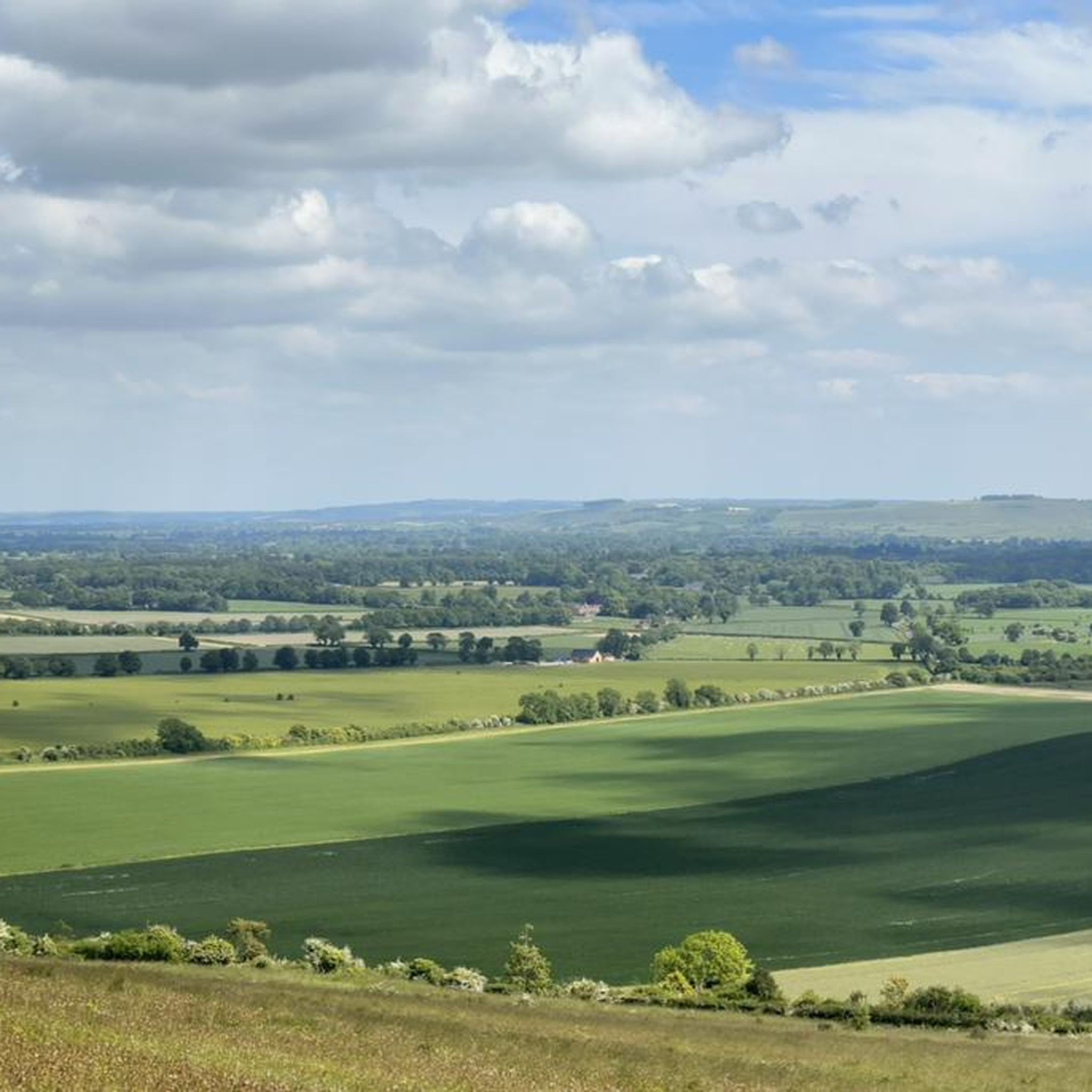
MTB Trails in Pewsey Downs National Nature Reserve
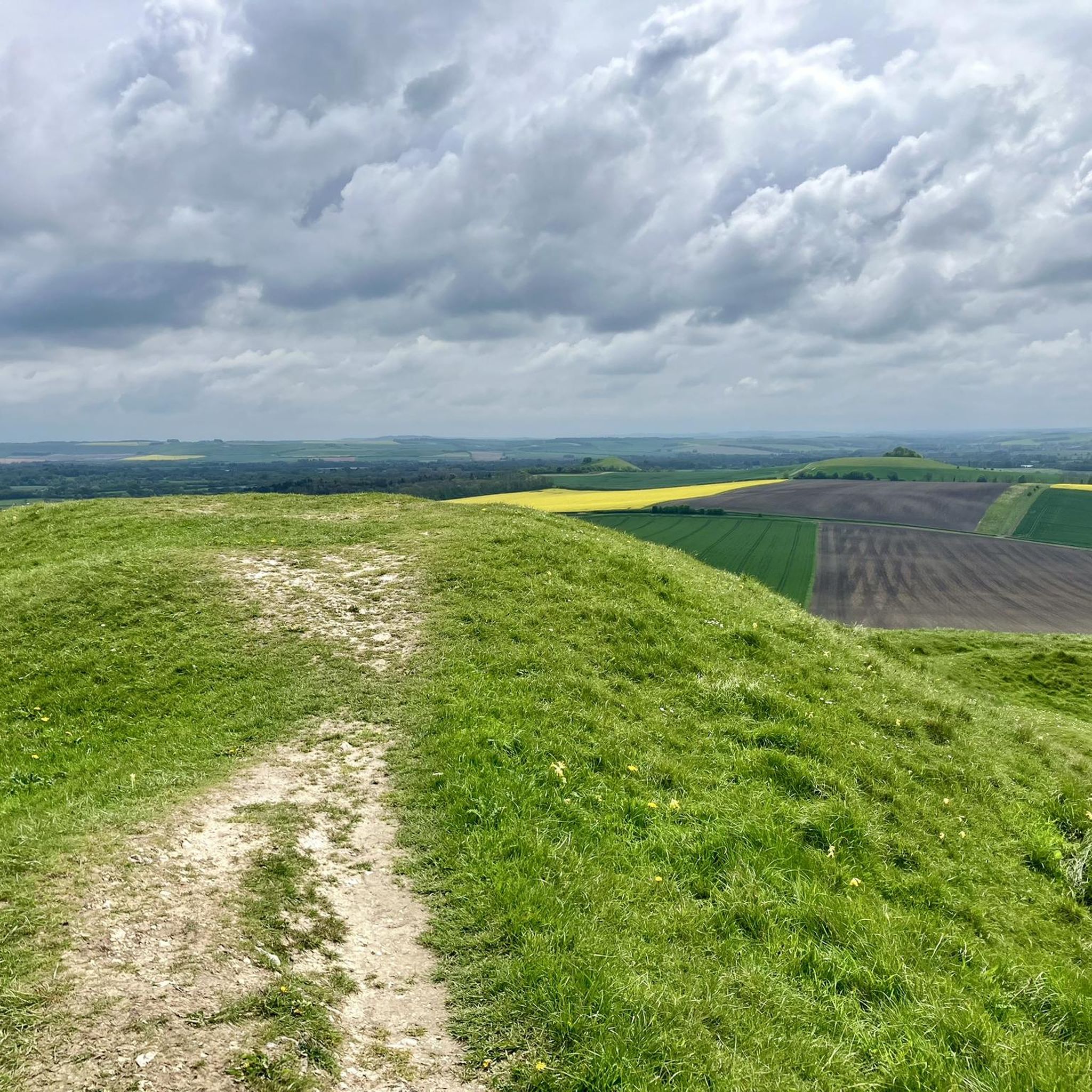
Road Cycling Routes in Pewsey Downs National Nature Reserve
Gravel biking in Pewsey Downs National Nature Reserve
Running Trails in Pewsey Downs National Nature Reserve
Tips from the Community


A small collection of stones in a circle, with one smoother flat stone in the center. Sarsens are a type of sandstone that formed on chalk deposits over 30 million years ago Glaciation cracked the layer and dragged the stones across the landscape As the ice melted, the stones were left scattered across the fields of Wiltshire.
0
0
Adam’s Grave on Walker's Hill in Alton, the most dramatically located Neolithic long barrow in Wiltshire and the site of battles in 592 and 715. The area surrounding Walker's Hill is pitted and speckled with barrows and ditches of many sizes and shapes.
0
0
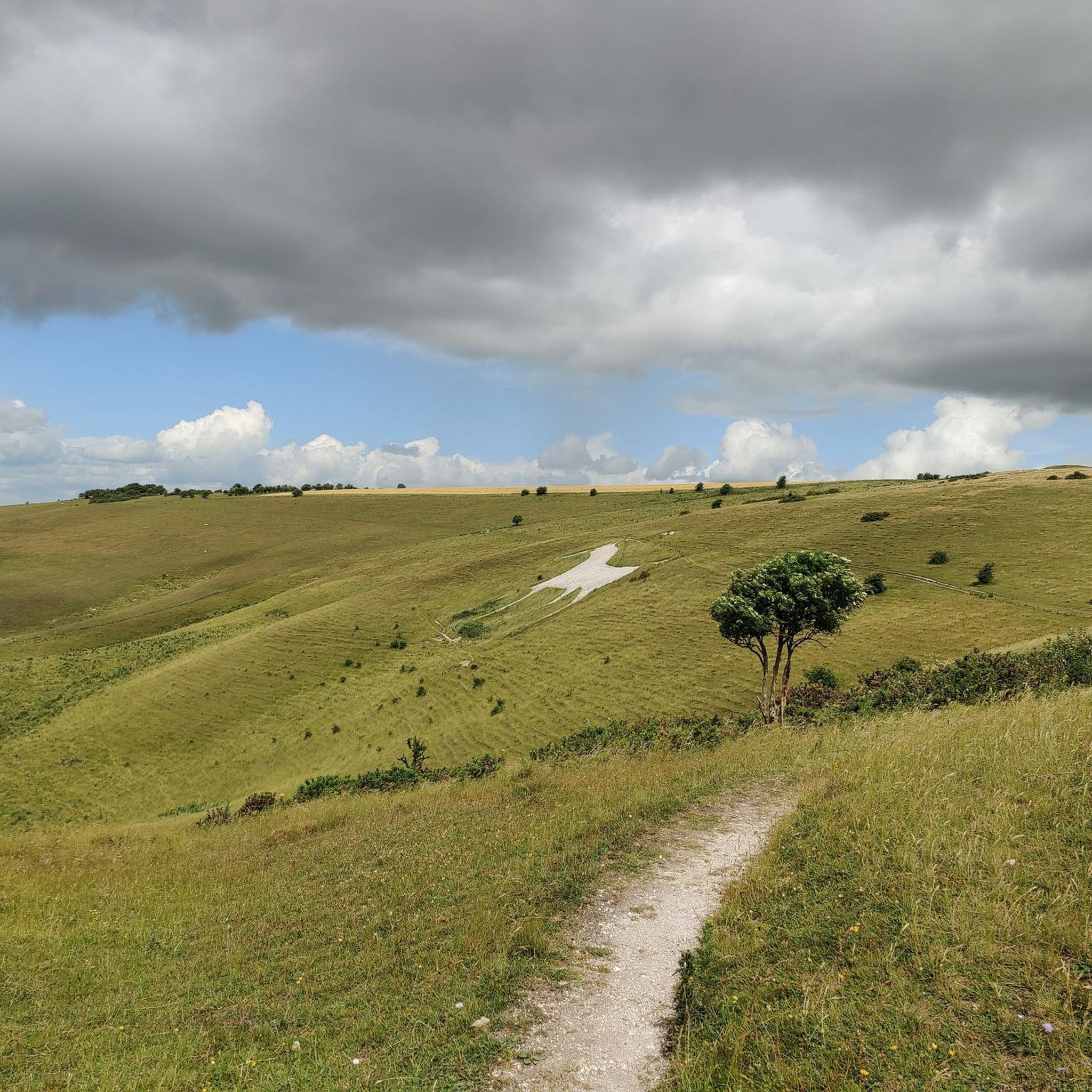
A wonderful sweep of chalk downland located to the north of the Pewsey Vale and in the North Wessex Downs National Landscape. The reserve covers three hills and includes Alton Barnes White Horse cut into the chalk hillside. There are great opportunities for wildlife and landscape photography with views stretching across the Vale of Pewsey to Salisbury Plain. Pewsey Downs National Nature Reserve is also part of a Site of Special Scientific Interest (SSSI), recognising the range of chalk grassland plants and the associated butterflies (28 species). While you are there, also look out for the Sarsen stones, known locally as ‘Grey Weathers’.
0
0

Great area with a myriad of beautiful walks including to the famed Alton White Horse.
1
0
Milk Hill 294m, Pewsey Down, Wiltshire (County High Top). A longish but easy walk over undulating hills to get Milk Hill, the county top for Wiltshire. Thought I would do Tan Hill as well to bag a trig point. Turns out there was no summit marker on Milk Hill or a Trig Point on Tan Hill. Still, a lovely walk and well worth doing. Took Walkers Hill as well which is a great historic tomb. Route Statistics: Easy undulating trails with minimal ascent really. 9.2km done in 2hrs with 250m of height gain.
2
1
Frequently Asked Questions
What are the most prominent natural features to explore in Pewsey Downs National Nature Reserve?
The reserve is renowned for its extensive chalk downland, a Site of Special Scientific Interest (SSSI) and Special Area of Conservation (SAC). You can discover rare wildflowers like early gentian and burnt-tip orchid. Geological features include ancient Sarsen Stones Circle, also known as 'Grey Weathers', scattered across the landscape.
What historical landmarks can I visit in the Pewsey Downs National Nature Reserve?
The reserve is rich in history. You can see the iconic Alton Barnes White Horse, carved into the chalk hillside in 1812. On Walkers Hill, you'll find Adam's Grave, a dramatically located Neolithic long barrow. The area also features ancient earthworks, including cross dykes and tumuli, and parts of the Early Medieval Wansdyke and a Roman Road.
Are there good viewpoints for panoramic vistas in the reserve?
Yes, the Pewsey Downs offer exceptional views. Walkers Hill provides fantastic vistas across the Vale of Pewsey. Milk Hill, the highest point in Wiltshire, also offers extensive views across the Vale and extending to Salisbury Plain. The Alton Barnes White Horse area is also a great spot for landscape photography with wide-ranging views.
What kind of wildlife can I expect to see in Pewsey Downs National Nature Reserve?
The diverse flora of the chalk grassland supports a wide variety of butterflies, including the internationally rare marsh fritillary, Adonis blue, and chalkhill blue, making spring and summer ideal for viewing. Birdwatchers can spot skylarks, kestrels, buzzards, and yellowhammers, with green woodpeckers often seen feeding on anthills.
What outdoor activities are popular in the Pewsey Downs National Nature Reserve?
The reserve is crisscrossed by numerous paths, perfect for walking and exploring. You can find many running trails, including loops from Alton. For cyclists, there are various road cycling routes and touring bicycle routes that pass through the area, including Route 45 of the Sustrans National Cycle Network.
What do visitors enjoy most about the attractions in Pewsey Downs National Nature Reserve?
Visitors frequently highlight the amazing views and the rich history of the area. Many appreciate the opportunity for landscape photography, especially around the Alton Barnes White Horse, and the chance to explore ancient sites like Adam's Grave on Walkers Hill. The unique geological features of the Sarsen Stones Circle are also a point of interest.
Are there any family-friendly options or easy walks in the reserve?
While specific family-friendly routes aren't detailed, the reserve offers many paths suitable for walking. The terrain can be undulating, but there are easy sections. For specific route details, checking local walking guides or komoot's running or cycling guides for the area might provide suitable options, as some routes are graded as 'easy'.
When is the best time to visit Pewsey Downs National Nature Reserve?
Spring and summer are ideal for experiencing the reserve's diverse flora and butterfly populations. The chalk grassland is vibrant with wildflowers, and many butterfly species are active. However, the panoramic views and historical sites can be enjoyed year-round, with clear days offering exceptional vistas.
Is the Pewsey Downs National Nature Reserve dog-friendly?
The reserve is generally dog-friendly, with many public rights of way. However, as a National Nature Reserve and SSSI, it's important to keep dogs under close control, especially during nesting seasons for ground-nesting birds and to protect grazing livestock and sensitive wildlife habitats. Always follow local signage and guidance.
Where can I find parking when visiting the Pewsey Downs National Nature Reserve?
Parking is available at various points around the reserve. Knap Hill, for instance, is located near a car park, making it a convenient starting point for exploring the Neolithic camp and surrounding areas.
What is the significance of the Sarsen Stones in the reserve?
The Sarsen Stones Circle and other scattered sarsen stones are ancient sandstone blocks that formed on chalk deposits over 30 million years ago. They are a fascinating geological feature, often referred to as 'Grey Weathers', and provide insight into the area's natural history.
Are there opportunities for cycling within the Pewsey Downs National Nature Reserve?
Yes, the reserve is suitable for cycling. Route 45 of the Sustrans National Cycle Network passes through the reserve. You can find various road cycling and touring bicycle routes in the area, offering different distances and difficulty levels.
Most popular routes in Pewsey Downs National Nature Reserve

Get inspired with the komoot mobile app


Explore more
Still not found the Highlight you’re looking for? See guides of the top attractions in other regions:
