Holme Fen National Nature Reserve
Holme Fen National Nature Reserve
The best walks and hikes in Holme Fen National Nature Reserve
4.4
(160)
1,513
hikers
11
hikes
Hiking in Holme Fen National Nature Reserve takes place across a predominantly flat, lowland landscape in Cambridgeshire. The reserve is characterized by the largest silver birch woodland in lowland England, interspersed with meadows and wetlands. The area sits on the former site of Whittlesey Mere, and its network of paths explores this unique environment. A key feature is the Holme Post, which marks the lowest land point in Great Britain.
Best hiking trails in Holme Fen National Nature Reserve
- The most popular hiking route is Holme Fen National Nature Reserve loop, a 3.9 mile (6.3 km) trail that takes around 1 hour 35 minutes to complete. This easy route follows paths through the reserve's silver birch woodland.
- Another top favourite among local hiking enthusiasts is Holme Posts – Holme Fen Forest Trail loop from Yaxley, a moderate 5.5 mile (8.8 km) path. The trail combines sections of forest with open fenland scenery.
- Local hiking enthusiasts also love the Hiking loop from Yaxley, a 2.4 mile (3.8 km) trail leading through the fen, often completed in about 1 hour.
- Hiking in Holme Fen National Nature Reserve is defined by its silver birch woodlands, expansive wetlands, and historic fenland. The network of Holme Fen National Nature Reserve walking trails offers accessible options for different ability levels.
- The routes in Holme Fen National Nature Reserve are highly rated by the komoot community with an average score of 4.4 stars from over 130 reviews. More than 1,400 hikers have used komoot to explore Holme Fen National Nature Reserve's varied terrain.
Last updated: October 10, 2026
4.4
(7)
25
hikers
6.29km
01:36
20m
20m
Hike the easy 3.9-mile Holme Fen National Nature Reserve loop, exploring silver birch woodlands and wetlands to see the historic Holme Post.
4.3
(4)
16
hikers
8.41km
02:08
30m
30m
Moderate hike. Good fitness required. Easily-accessible paths. Suitable for all skill levels.

4.8
(4)
22
hikers
3.90km
00:59
10m
10m
Easy hike. Great for any fitness level. Easily-accessible paths. Suitable for all skill levels.
3.3
(3)
9
hikers
Easy hike. Great for any fitness level. Easily-accessible paths. Suitable for all skill levels.
3.3
(3)
8
hikers
Easy hike. Great for any fitness level. Easily-accessible paths. Suitable for all skill levels.
Get access to more routes and recommendations from other explorers.
Already have an account?
Our route recommendations are based on thousands of hikes, rides, and runs completed by other people on komoot.
Start today with a free account
Your next adventure awaits.
Tips from the Community

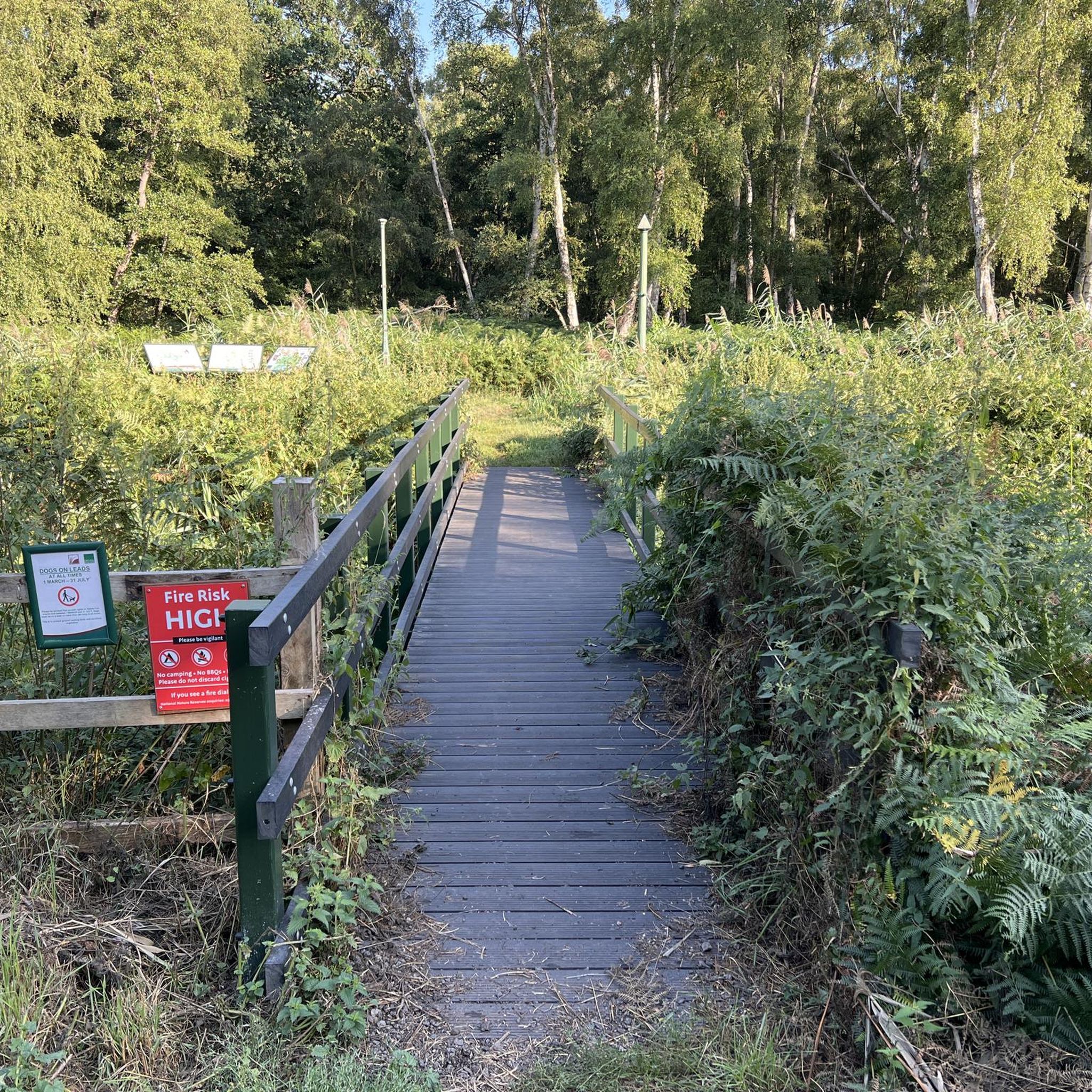
Be careful when starting route 2 as the start can be easily missed going through the gate.
0
0

They may look like out of place lampposts but Holme Posts are part of history. The posts were buried in 1848 to measure how much the land sunk after Whittlesey Mere, once on this site, was drained. The peat lake floor had been soaked in water but after drainage, the peat shrank, as did the height of the land. The top of the posts, once level with the ground, are now around 4m above it. The posts are generally accepted to mark the lowest land point in Great Britain at 2.75m below sea level.
0
0
Holme Fen is a Site of Special Scientific Interest (SSSI) as well as a National Nature Reserve (NNR). It is in the location of Whittlesey Mere, once the biggest lake in England, which was drained in the mid 19th century so the land could be used for farming. This south western shore of the huge lake could not be made dry enough for farming.
0
0
They may look like strange green lampposts but Holme Posts are part of history. The posts were buried in 1848 to measure how much the land sunk after Whittlesey Mere, once on this site, was drained. The peat lake floor had been soaked in water but after drainage, the peat shrank, as did the height of the land. The top of the posts, once level with the ground, are now around 4m above it. The posts are generally accepted to mark the lowest land point in Great Britain at 2.75m below sea level.
0
0
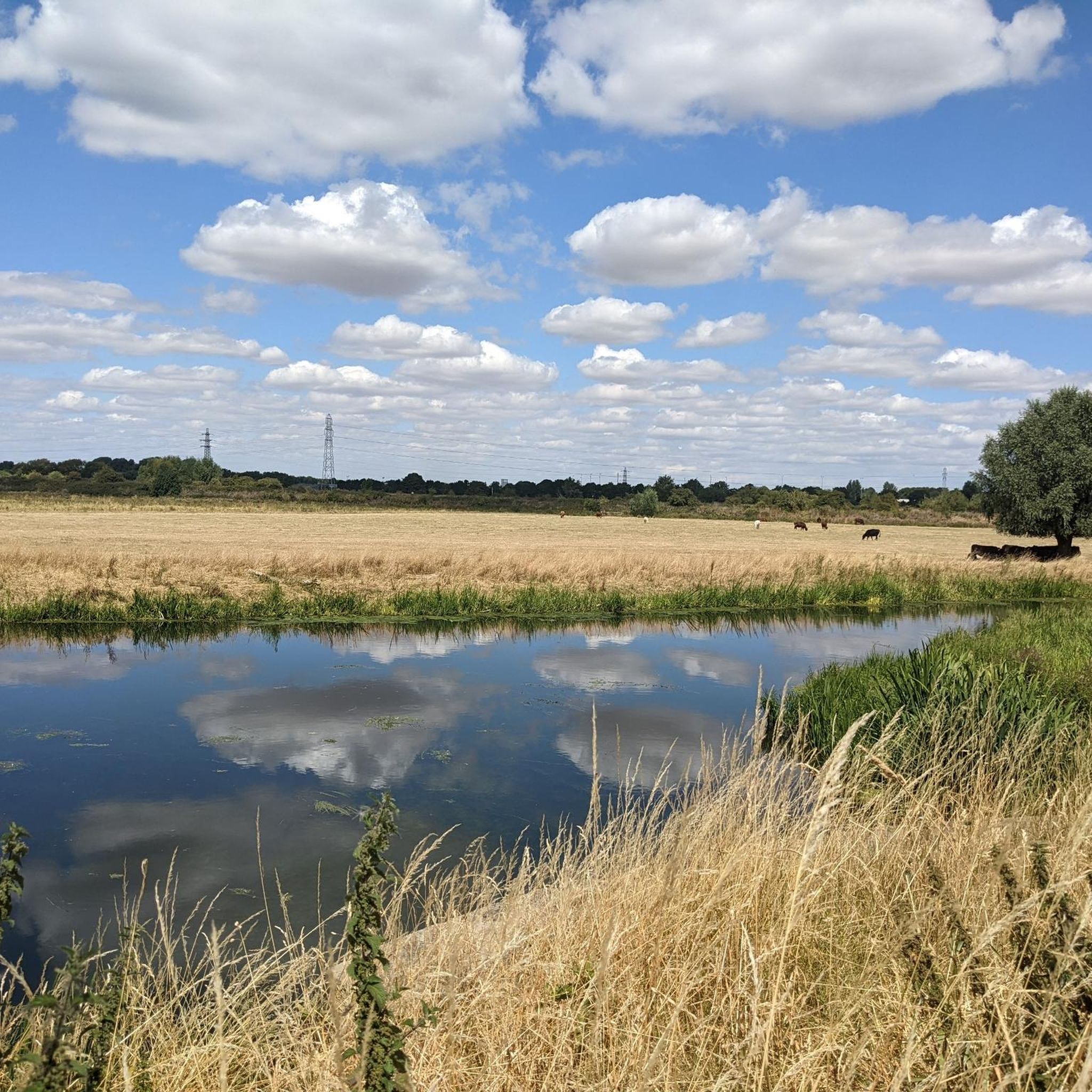
Burnhams Mere was created when the area was cut for peat, resulting in this wildlife haven.
0
0
Holme Fen is a Site of Special Scientific Interest (SSSI) as well as a National Nature Reserve (NNR). It is in the location of Whittlesey Mere, once the biggest lake in England, which was drained in the mid 19th century so the land could be used for farming. This south western shore of the huge lake could not be made dry enough for farming.
0
0

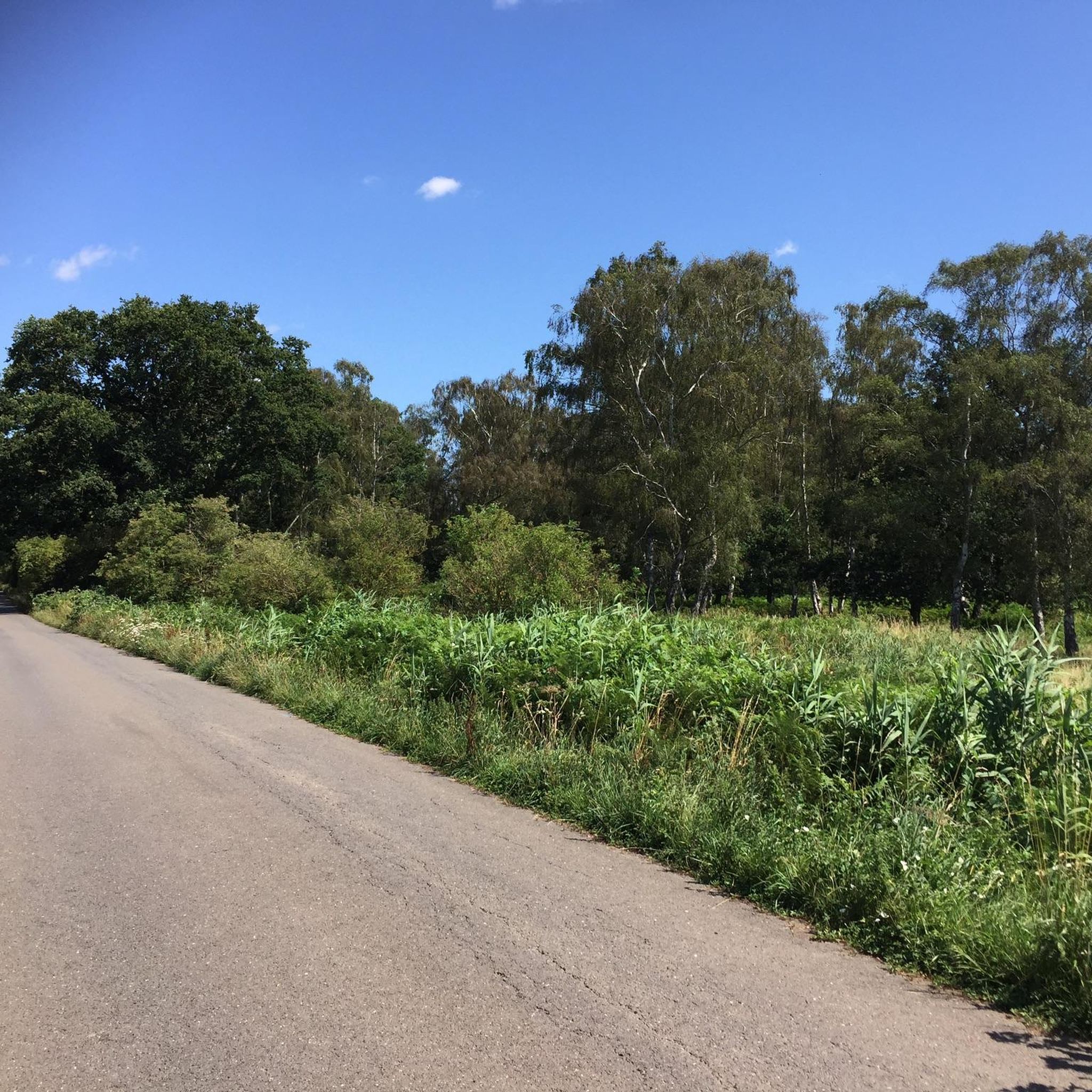
Quiet, narrow lane leading through Holme Fen nature reserve, the lowest point in the UK.
0
0
Congratulations, you are at the lowest point in the UK, 3m below sea level. The top of the iron posts marks ground level when the fen was first drained in 1850. Since then they have been progressively exposed by the shrinking peat until the tops now stand 4m above modern ground level.
0
0
Frequently Asked Questions
Are there any circular walks in Holme Fen?
Yes, many of the trails in Holme Fen are loops. For a shorter, accessible walk, the Holme Fen Forest Trail – Holme Posts loop from Holme is a great option that takes you through the birch woodland. Most paths in the reserve are designed as circular routes, making it easy to return to your starting point.
What are the Holme Fen Posts?
The Holme Posts are historic cast-iron posts that were driven into the peat in 1850. Their tops were originally level with the ground. Today, they stand several meters tall, visually demonstrating how much the peat soil has shrunk since the fens were drained in the 19th century. One of the posts marks the lowest land point in Great Britain, at 2.75 meters below sea level.
Is there parking available at Holme Fen National Nature Reserve?
Yes, there are car parks available for visitors. However, be aware that some of the access roads to the reserve are unpaved and can be rough or uneven in places. It's a good idea to drive carefully, especially on the final approach to the parking areas.
Are dogs allowed in Holme Fen?
Yes, dogs are welcome in Holme Fen National Nature Reserve. The woodland trails are popular with dog walkers. To protect the area's wildlife and for the consideration of other visitors, please keep your dog under control at all times.
What kind of wildlife can I see while hiking?
Holme Fen is a designated Site of Special Scientific Interest (SSSI) and offers rich wildlife spotting opportunities. You might see deer moving through the silver birch woodlands, and the meres attract a wide variety of birdlife. In warmer months, the ditches are full of dragonflies and damselflies. The reserve is also home to over 500 types of fungi.
Are there any easy, family-friendly trails?
The landscape is predominantly flat, making most trails accessible. The 'Lost Lake discovery trail' is a one-mile way-marked loop perfect for families, starting from the Holme Post. For a slightly longer but still easy walk, consider the Holme Fen Forest Trail – Holme Posts loop from Yaxley, which is under 3 miles.
What are the trail conditions like?
The paths are generally well-maintained but are mostly natural tracks through woodland. The ground is soft peat, and you'll find many tree roots near the surface, so it's important to watch your step to avoid trips. After rain, some sections can become muddy and boggy.
Are there toilets or a cafe at the reserve?
Facilities at Holme Fen are very limited. There are no toilets, cafes, or visitor centres directly within the reserve. It is best to plan ahead and use facilities in nearby villages before you arrive.
Is there an entrance fee for Holme Fen?
No, there is no entrance fee to visit Holme Fen National Nature Reserve. Access to the reserve and its walking trails is free of charge.
What is the best time of year to see the scenery?
Holme Fen offers unique beauty in every season. Spring brings wildflowers, while June is known for a spectacular display of foxgloves. Summer is ideal for spotting dragonflies. In autumn, the silver birch woodlands turn a beautiful golden colour, creating a stunning landscape for hiking.
How does Holme Fen compare to Woodwalton Fen?
Both are part of the Great Fen project, but they offer different experiences. Holme Fen is known for having the largest silver birch woodland in lowland England and its famous Holme Post. Woodwalton Fen is one of Britain's oldest nature reserves and is particularly renowned for its rich insect life and more open, classic fenland landscape of reedbeds and wetlands.
How many hiking trails are in Holme Fen?
You can explore over 90 different routes in and around Holme Fen National Nature Reserve. These range from short, way-marked discovery trails to longer loops, with a near-even split between easy and moderate difficulty levels, ensuring there's a path for almost every hiker.
Most popular routes in Holme Fen National Nature Reserve
Most popular attractions in Holme Fen National Nature Reserve

Get inspired with the komoot mobile app


Explore more
Browse the best Hikes in other regions.
