Moor House National Nature Reserve
Moor House National Nature Reserve
Attractions and Places To See in Moor House National Nature Reserve - Top 9
Best attractions and places to see in Moor House National Nature Reserve encompass a vast and wild expanse in the North Pennines. As England's highest and largest terrestrial National Nature Reserve, it is recognized as a UNESCO Global Geopark. The reserve features dramatic landscapes, unique flora and fauna, and historical points of interest, shaped by the headwaters of the River Tees and its spectacular waterfalls. Visitors can explore diverse upland habitats, including extensive blanket bogs and unique 'sugar' limestone grasslands.
Best attractions and places to see in Moor House National Nature Reserve
- The most popular attractions is High Force Waterfall, a viewpoint and waterfall where the River Tees drops 69 feet (21 m) into a plunge pool. It is one of England’s largest waterfalls, especially impressive after heavy rain.
- Another must-see spot is Wynch Bridge, a chain suspension bridge across the River Tees. The current bridge, built in 1820, is Grade II-listed and offers views over the river.
- Visitors also love Cauldron Snout Waterfall, a rocky ravine below Cow Green Reservoir where the infant River Tees descends. These falls are caused by the Tees passing over dolerite steps of the Whin Sill.
- Moor House National Nature Reserve is known for its impressive waterfalls, historic bridges, and expansive fells. The region offers a variety of natural and man-made attractions to see and explore.
- The attractions in Moor House National Nature Reserve are appreciated by the komoot community. These highlights have received 240 upvotes and feature 208 photos from visitors.
Last updated: July 6, 2026
High Force Waterfall
Highlight • Viewpoint
Tip by

Wynch Bridge
Highlight • Bridge
Tip by
Sign up now to discover places like this
Get recommendations on the best single tracks, peaks, & plenty of other exciting outdoor places.
Sign up for free
Low Force Waterfall
Highlight • River
Tip by
Cauldron Snout Waterfall
Highlight • Natural Monument
Tip by
Cow Green Reservoir and Dam
Highlight • Structure
The area surrounding the reservoir is an important habitat for rare alpine plants.
Tip by

Sign up for free to discover even more attractions in Moor House National Nature Reserve.
Sign up for free
Already have an account?
Start today with a free account
Your next adventure awaits.
Login or Signup
Popular around Moor House National Nature Reserve
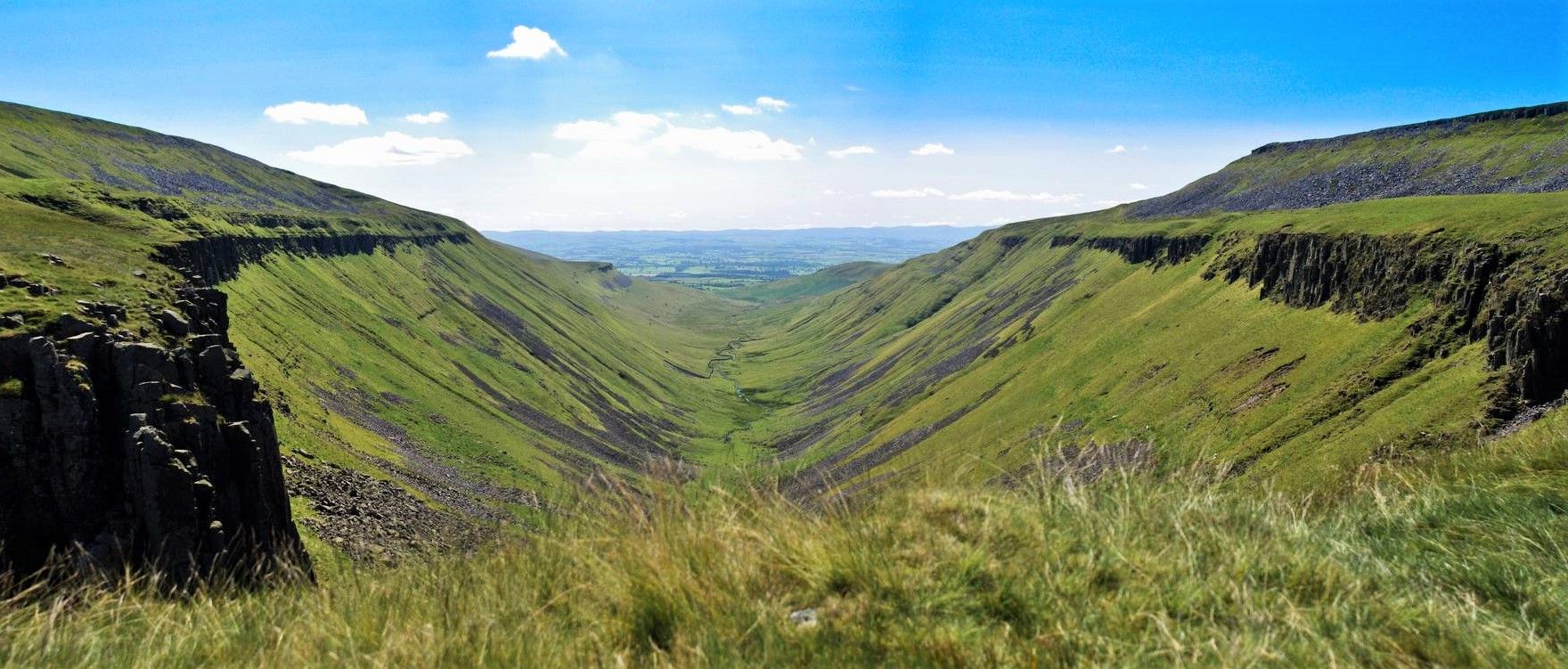
Teesdale Way — A riverside hike from wild Pennines to the North Sea
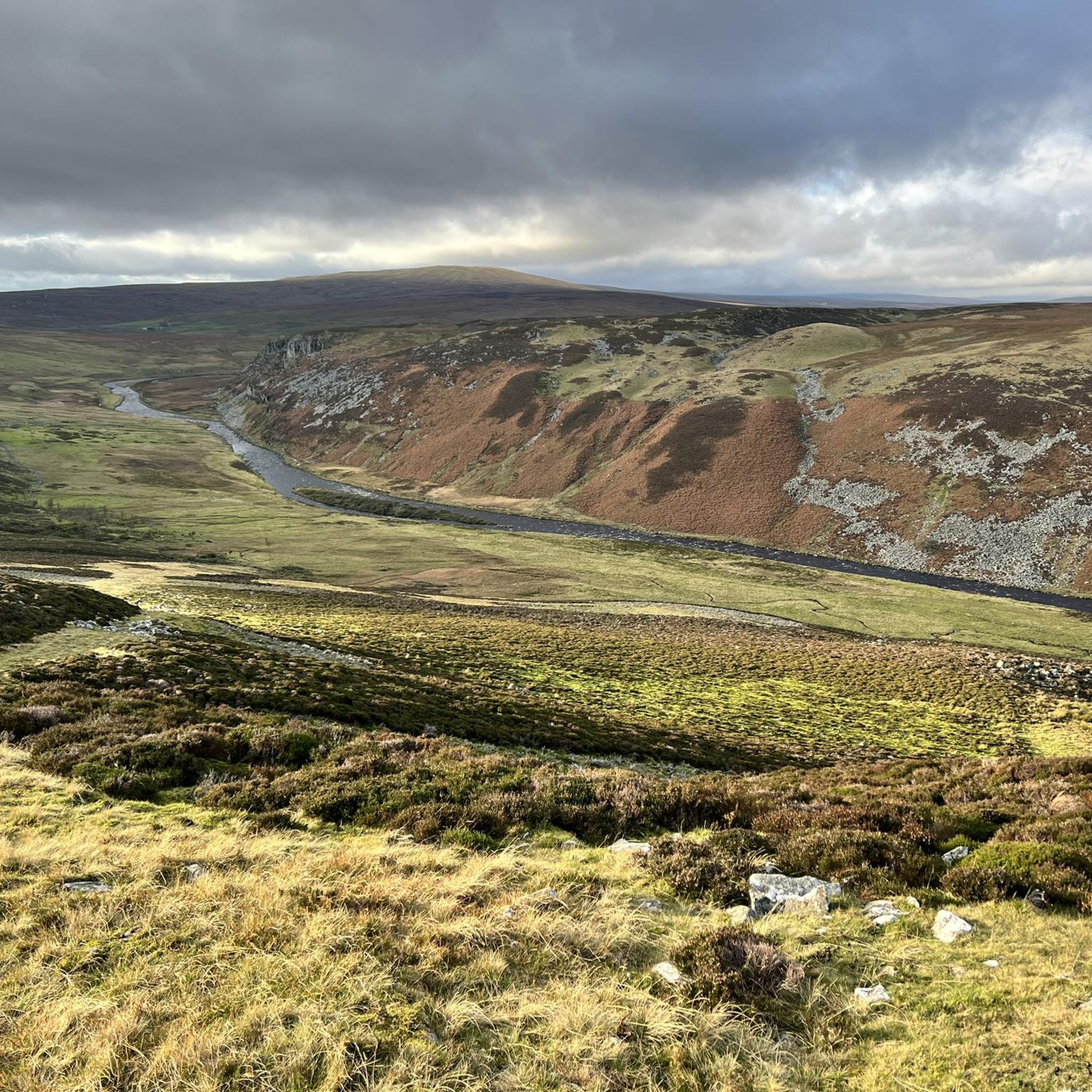
Hiking in Moor House National Nature Reserve
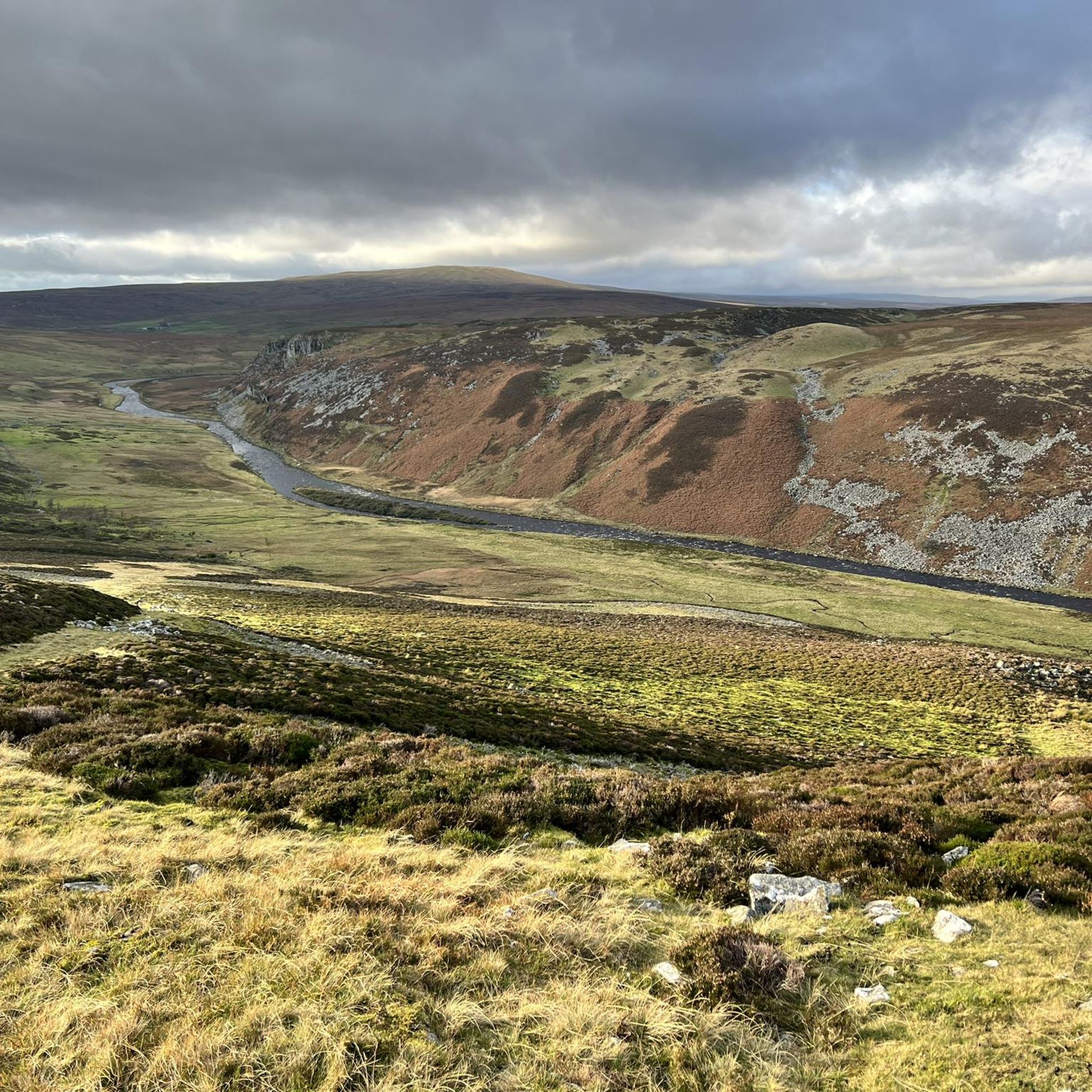
Road Cycling Routes in Moor House National Nature Reserve
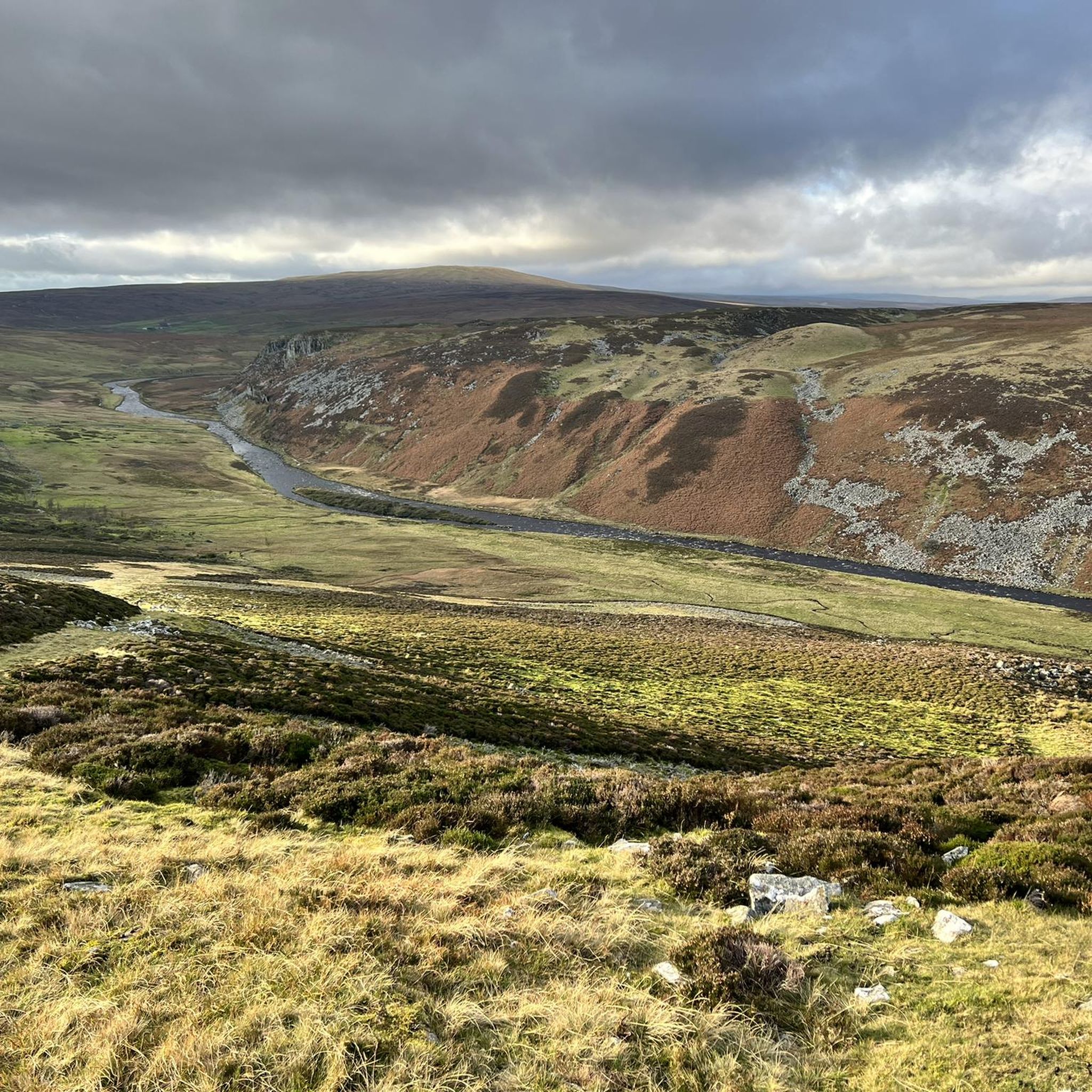
MTB Trails in Moor House National Nature Reserve
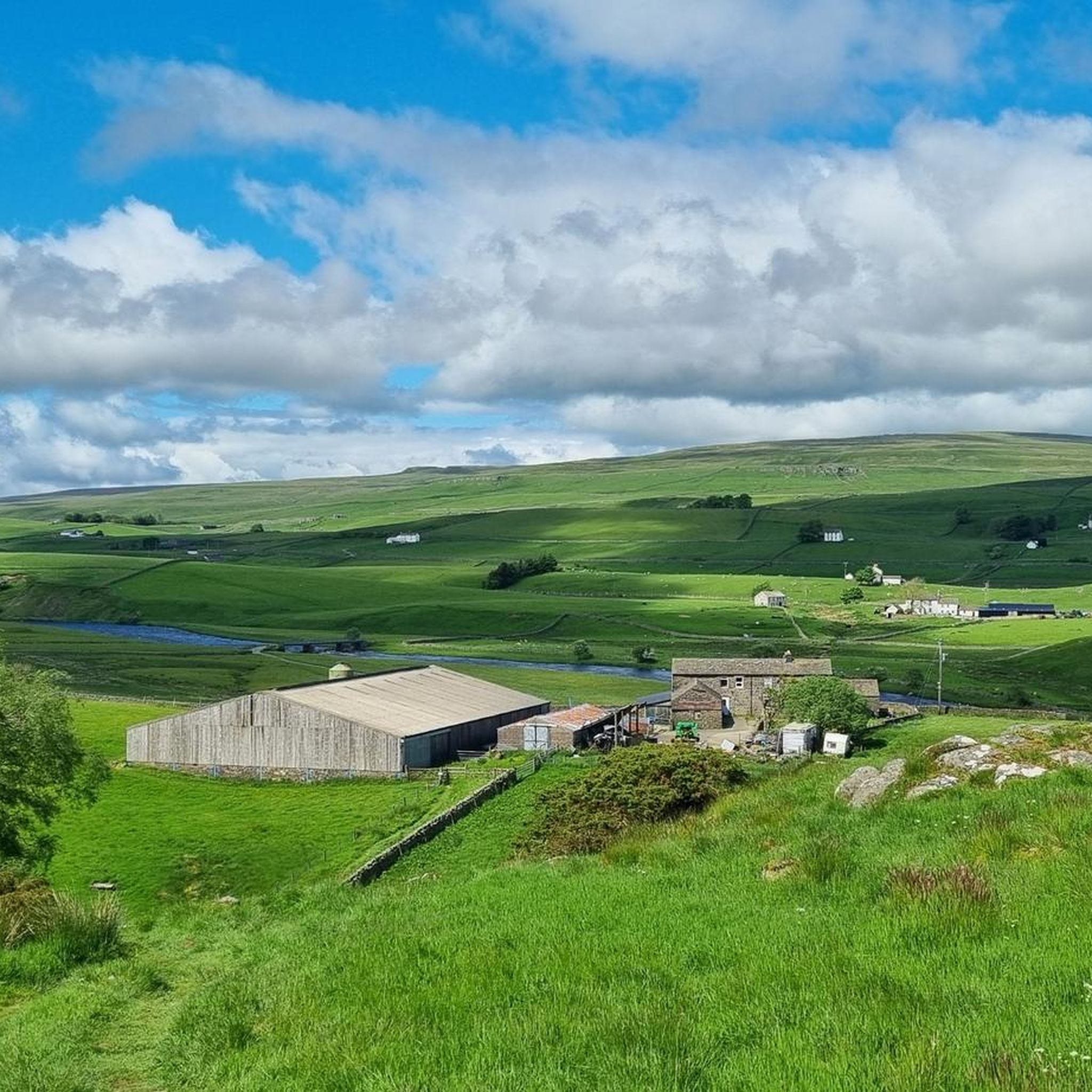
Running Trails in Moor House National Nature Reserve
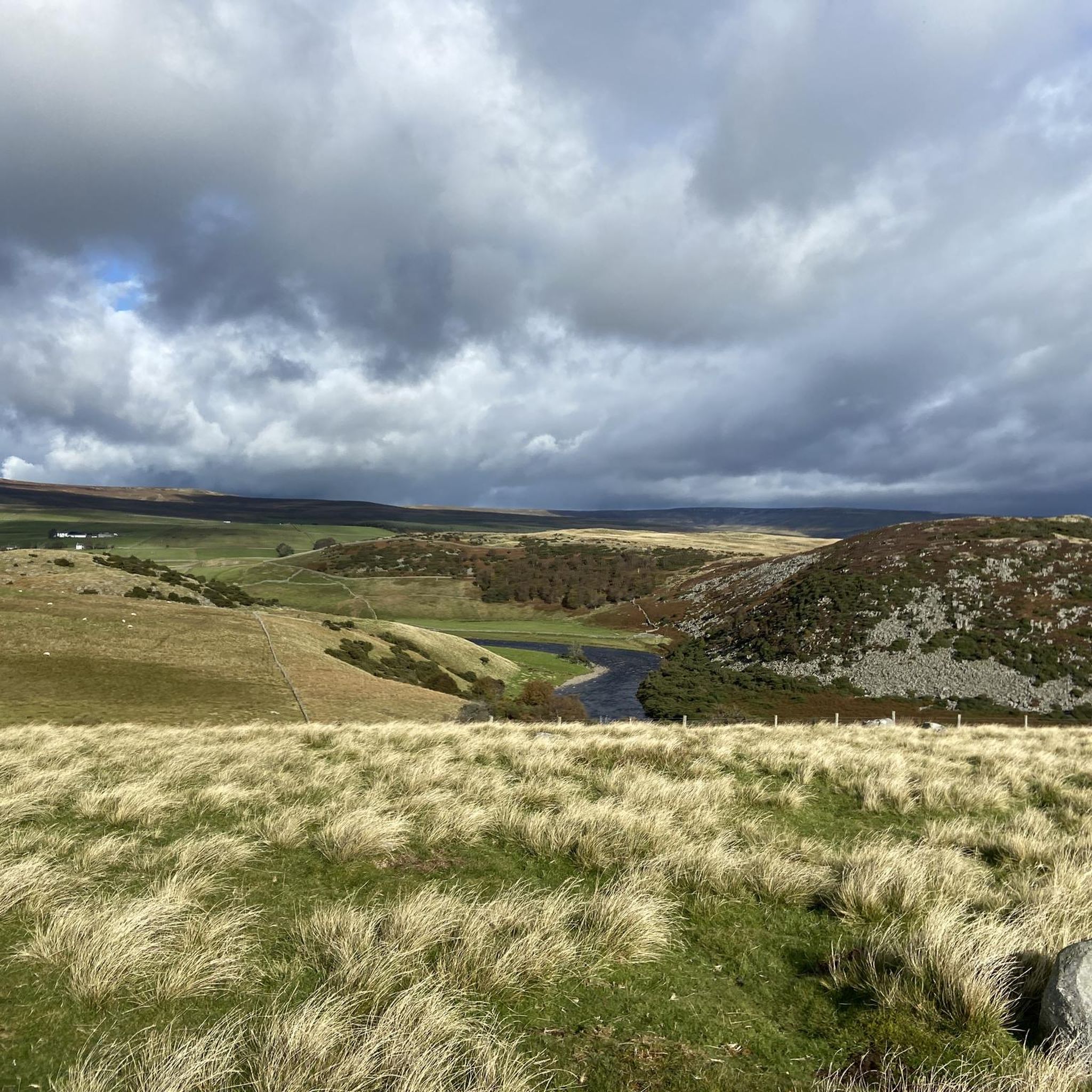
Cycling in Moor House National Nature Reserve
Other adventures in Moor House National Nature Reserve

Tips from the Community

Best views from the north side of the river i.e. before crossing Wynch bridge
0
0

This is among the more interesting of the bridges that cross the river Tees. This suspension footbridge owes its existence to the Holwick lead miners who used it to get to the lead mine at Little Eggleshope in the fells to the north.
0
0
Low Force is a beautiful spot. With a series of low cascades, it is not as dramatic as nearby High Force, but it is an area still worth visiting. You can park nearby at Bowlees Visitor Centre, which has a decent car park with a donations payment box.
0
0

The waterfall is fed by the Cow Green Reservoir, with water running over a dam wall and then plunging into the river.
0
0

it more of a long cataract than a waterfall and at 200 yards long ,reckoned to be the longest waterfall in England . keep away from the edges cos can be very slippery when wet .
1
0
Cow Green Reservoir is a three-kilometre long reservoir set in the heart of the North Pennines. It is set in a beautiful, wide valley under the shadow of Meldon Fell. There is a large car park with porta loos nearby that provides the only parking in the area for the myriad of outdoor activities, including hiking, in the area. Cauldron Snout, a famous waterfall, is also nearby, located on the other side of the dam.
2
0
Cauldron Snout is a stunning series of waterfalls accessible from the Pennine Way, and the large car park at Cow Green Reservoir. There is a rocky footpath that is a bit of a scramble leading down to it from Cow Green Dam; the latter makes a super nice backdrop to the first waterfall. This footpath is treacherous when wet, and you need to be very careful, a fall could have serious consequences.
3
0

Cow Green reservoir is 3km long and was completed in 1971 to supply water to Teesside. It controls the flow in the river Tees keeping the supply to industry downstream safe during dry periods. The area surrounding the reservoir is an important habitat for rare alpine plants.
0
0
Frequently Asked Questions
What unique natural features can I explore in Moor House National Nature Reserve?
The reserve is renowned for its dramatic landscapes shaped by the River Tees. You can witness spectacular waterfalls like High Force Waterfall, where the Tees drops 69 feet, and the rocky ravine of Cauldron Snout Waterfall. Beyond the waterfalls, explore extensive blanket bogs, unique 'sugar' limestone grasslands with rare arctic-alpine plants, and England's largest juniper wood near High Force.
Are there any historical sites or cultural points of interest in the reserve?
Yes, the reserve offers insights into human history. You can visit Wynch Bridge, a Grade II-listed chain suspension bridge across the River Tees, originally built in 1751. The wider area is also traversed by the historic Pennine Way, offering a glimpse into past routes through this remote landscape.
What kind of wildlife can I expect to see in Moor House National Nature Reserve?
Moor House National Nature Reserve is a haven for wildlife, especially rare species. Keep an eye out for rare plants like the deep blue spring gentian and other arctic-alpine flora. The reserve is also a critical breeding ground for birds such as the rare black grouse, golden plover, and ring ouzel. During spring, you might spot wading birds like lapwing, curlew, and redshank.
Are there family-friendly attractions or activities available?
Many areas within the reserve are suitable for families. High Force Waterfall offers well-maintained paths, making it an easy and impressive visit for all ages. The area around Cow Green Reservoir and Dam is also considered family-friendly and dog-friendly, providing open spaces for exploration.
What are the best hiking opportunities near these attractions?
The reserve offers diverse hiking opportunities. For easy walks, consider routes like the 'High Force Waterfall – Low Force Waterfall loop' or the 'Low Force Waterfall – Wynch Bridge loop'. More challenging options include the 'Cow Green & Cauldron Snout' route. You can find more details and routes on the Easy hikes in Moor House National Nature Reserve guide.
Can I go running or mountain biking in the area?
Yes, the region provides options for both running and mountain biking. For runners, there are routes such as the 'Low Force Waterfall – High Force Waterfall loop' which is moderate, or the more difficult 'Cow Green & Cauldron Snout' route. Mountain bikers can tackle challenging trails like the 'High Cup Nick and Great Dun Fell Loop'. Explore more options on the Running Trails and MTB Trails in Moor House National Nature Reserve guides.
What is the terrain like for walking and hiking?
The terrain varies significantly across the reserve. You'll find well-maintained paths around popular spots like High Force Waterfall. However, other areas, particularly around Cauldron Snout Waterfall, involve rocky footpaths and scrambles that can be treacherous when wet. Higher fells like Mickle Fell can be boggy and challenging, often requiring permits for access.
What is the best time of year to visit Moor House National Nature Reserve?
The reserve offers beauty year-round, but the best time depends on your interests. Spring brings vibrant flora, including rare arctic-alpine plants and nesting wading birds. After heavy rain, waterfalls like High Force are particularly impressive. Summer provides longer daylight hours for hiking, while autumn showcases dramatic landscapes. Be prepared for varied weather conditions, as the upland environment can change rapidly.
Where can I find visitor information or facilities?
The Bowlees Visitor Centre, located near Low and High Force waterfalls, serves as an excellent starting point for exploring the area. It provides information and facilities to help you plan your visit.
Are dogs allowed on trails in Moor House National Nature Reserve?
Many areas within the reserve are dog-friendly, such as the vicinity around Cow Green Reservoir and Dam. However, due to the presence of sensitive wildlife and livestock, it's crucial to keep dogs under close control, preferably on a lead, especially during bird breeding seasons and when near grazing animals.
What are some of the most scenic viewpoints in the reserve?
Beyond the dramatic waterfalls, the reserve offers expansive views from its fells. The summit of Mickle Fell, when accessible, provides panoramic vistas. The Wynch Bridge also offers great views up the River Tees, making it a picturesque spot.
Most popular routes in Moor House National Nature Reserve
Most popular attractions in Moor House National Nature Reserve

Get inspired with the komoot mobile app


Explore more
Still not found the Highlight you’re looking for? See guides of the top attractions in other regions:
