Attractions and Places To See around Emmelsbüll-Horsbüll - Top 20
Best attractions and places to see around Emmelsbüll-Horsbüll include a blend of historical, cultural, and natural sites on the North Sea coast. The municipality is situated in the Nordfriesland district of Schleswig-Holstein, Germany, near the Wadden Sea, a UNESCO World Heritage Site. This region offers unique border experiences and access to coastal landscapes, making it a notable destination for exploring Emmelsbüll-Horsbüll nature and landscape.
Best attractions and places to see around Emmelsbüll-Horsbüll
- The most popular attractions is View of the Wadden Sea from the Föhr dike, a viewpoint that offers expansive views of the Wadden Sea. This location provides a quiet spot to observe the unique tidal environment.
- Another must-see spot is Dagebüll Lighthouse, a man-made monument. This square brick tower, built in 1929 and later heightened to 15.20 meters, features a distinctive black and green copper dome and can be rented as accommodation.
- Visitors also love Dagebüll Ferry Terminal — Gateway to the Islands, a facilities hub. This terminal connects to islands like Amrum and Föhr and features a large viewing platform with panoramic views of the harbor, the Wadden Sea, and the Halligen.
- Emmelsbüll-Horsbüll is known for its historical landmarks, unique border experiences, and coastal natural features. Visitors can explore churches, a distinctive border crossing, and the UNESCO World Heritage Wadden Sea.
- The attractions around Emmelsbüll-Horsbüll are appreciated by the komoot community, with more than 1300 upvotes and 29 photos shared by visitors.
Last updated: August 30, 2026
View of the Wadden Sea from the Föhr dike
Highlight • Viewpoint
Translated by Google •
Tip by

Dagebüll Lighthouse
Highlight • Monument
Translated by Google •
Tip by

Sign up now to discover places like this
Get recommendations on the best single tracks, peaks, & plenty of other exciting outdoor places.
Sign up for free
Rosenkranz–Rudbøl Border Crossing
Highlight • Structure
The road that winds between the houses to the Rosenkranz-Rudbøl border crossing is narrow. This unusual border town is located near the west coast and near the Emil Nolde Foundation in Neukirchen. On the road, pedestrians are constantly looking for the embedded border markers. So you don't know exactly whether you are in Germany or Denmark, and the border runs partly between the houses in a westerly direction.
But why was the border drawn this way at the Rosenkranz-Rudbøl border crossing? One explanation describes the personal wish of the house owners on the western side to belong to Denmark. In fact, part of the border runs between the properties.
The other version says that the planned border should have run right through the Old German Border Krog and so it was agreed that the border should be in the middle of the road. The most likely scenario, however, is that the Ruttebüller See was to be allocated half to both countries in order to give the rush cutters and fishermen equal opportunities.
The western Koog, however, should definitely belong to Denmark and so it was agreed that the border between Denmark and Germany should run along the middle of the top of the dike towards the Koog. And this very top of the dike is the road.
The border itself is marked with buoys on the Ruttebüller See.
mare.photo/grenzuebergang-rosenkranz
Translated by Google •
Tip by

Dagebüll Mole Ferry Terminal
Highlight • Rest Area
Translated by Google •
Tip by

View Over the Dike and Wadden Sea (Föhr)
Highlight • Viewpoint
Translated by Google •
Tip by

Sign up for free to discover even more attractions around Emmelsbüll-Horsbüll.
Sign up for free
Already have an account?
Start today with a free account
Your next adventure awaits.
Login or Signup
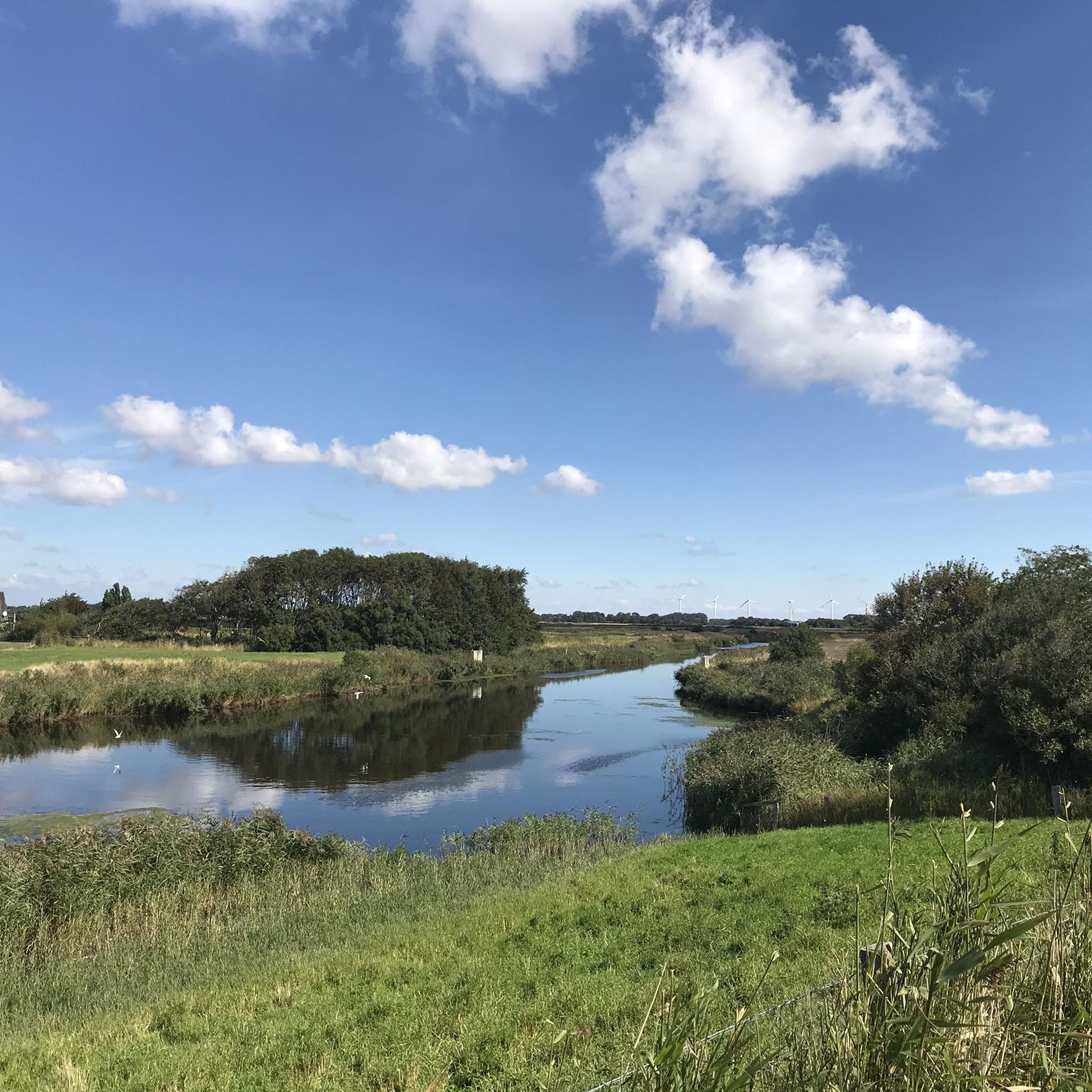
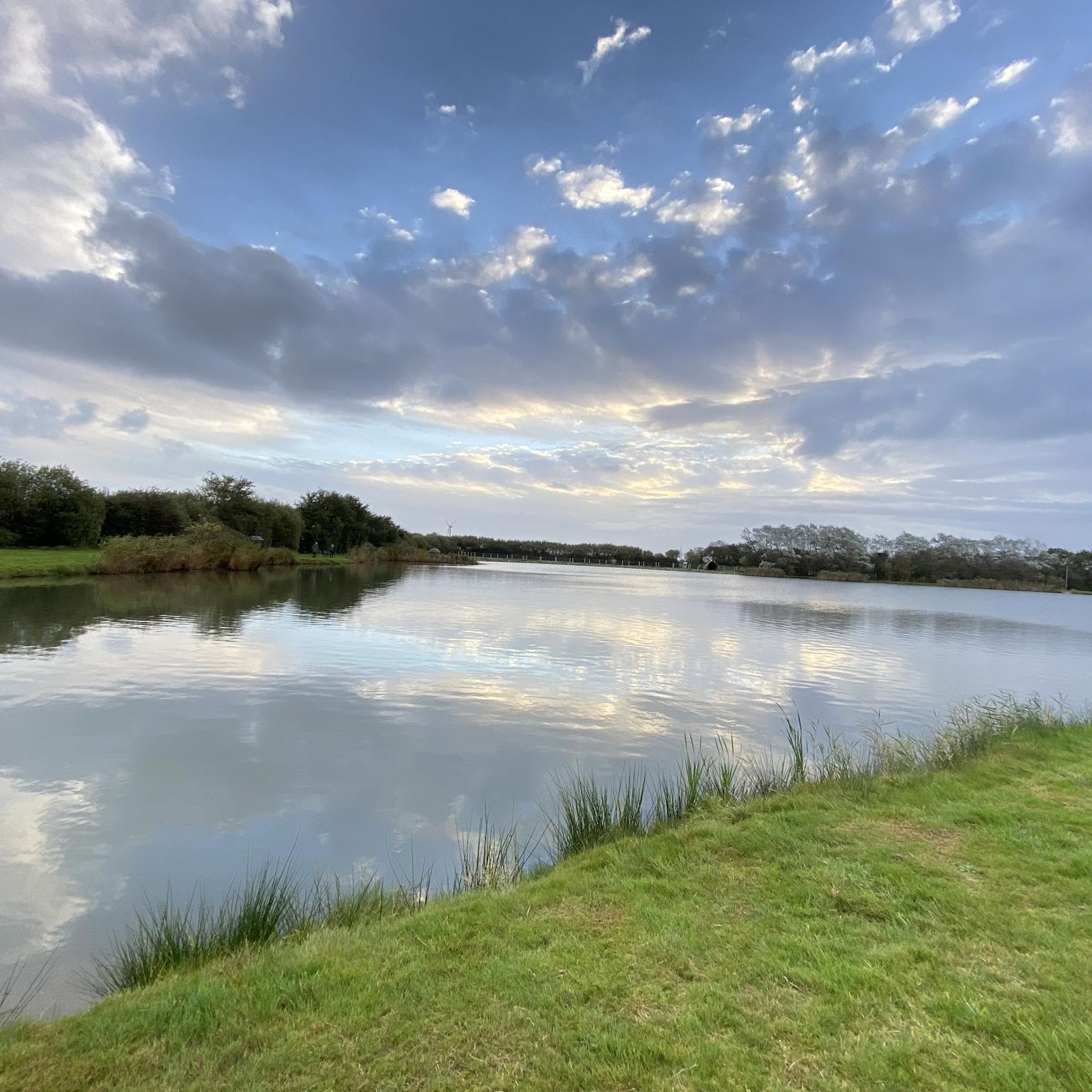
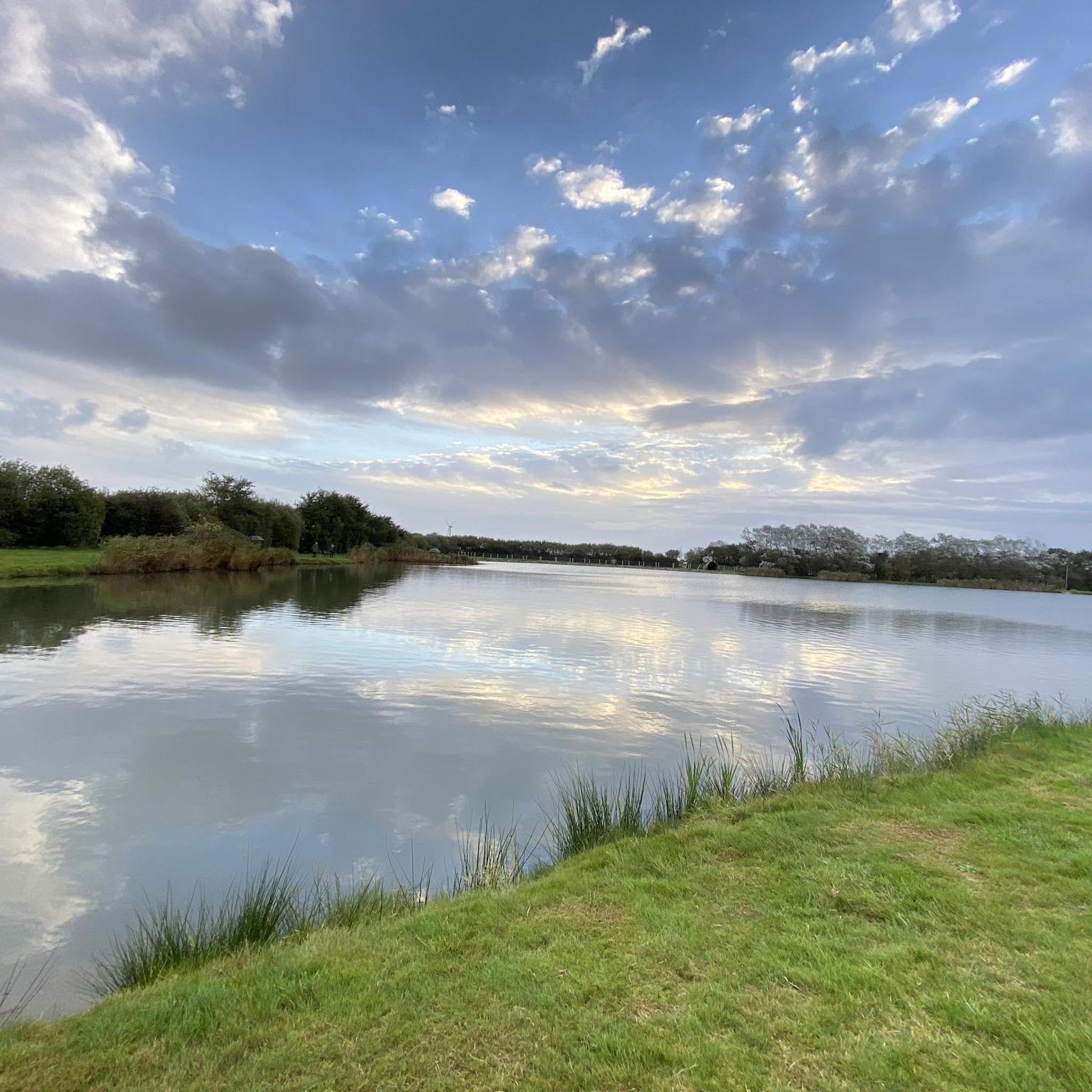
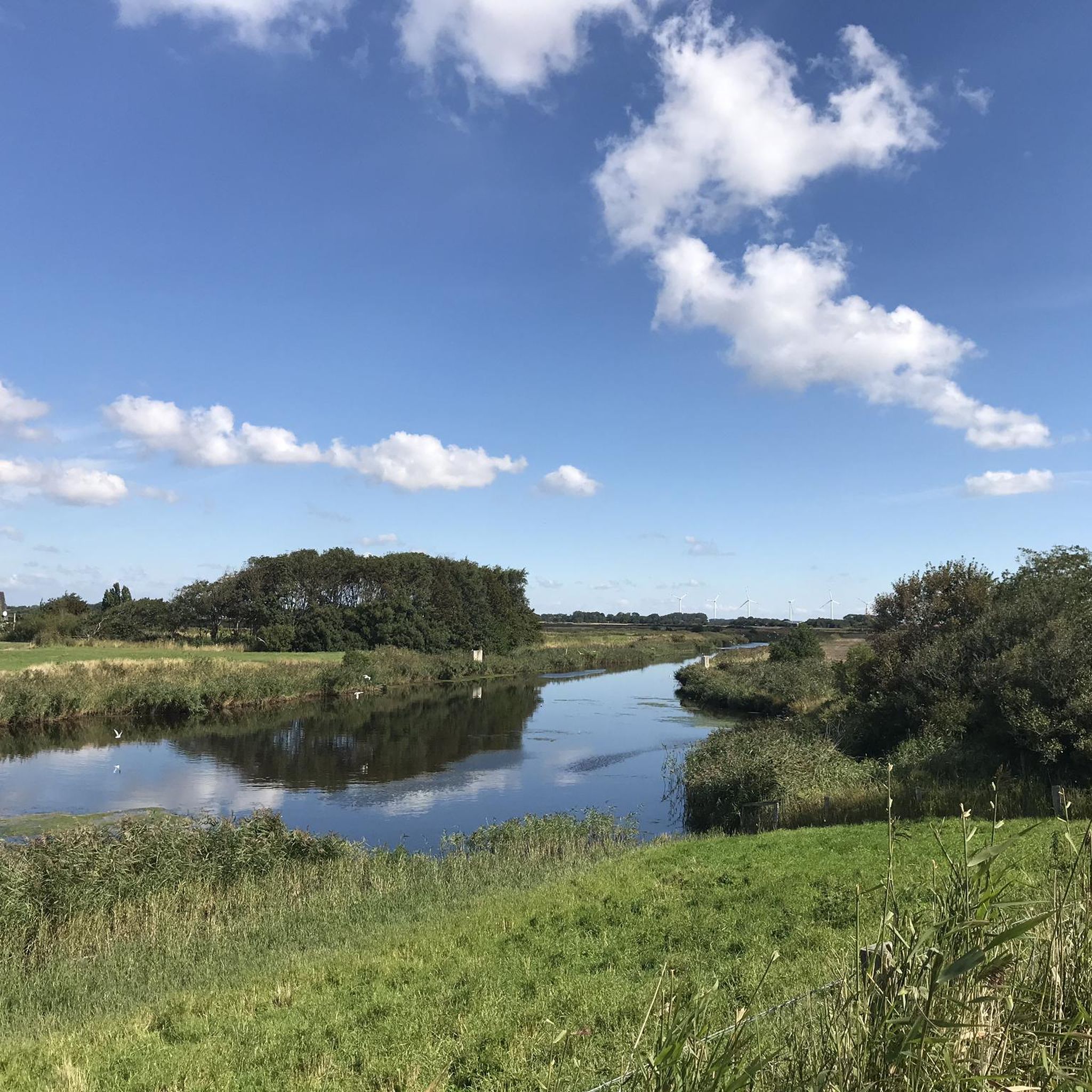
Tips from the Community

Without a sign, you wouldn't notice that you're walking into another country... It's nice how easy this can be these days.
1
0

Föhr is always worth a trip, whether you go around by bike or criss-cross, favorite island number 2 right after Fehmarn
1
0

Beautiful view over the North Sea to the mainland
1
2

Föhr is one of my favorite islands. A bicycle is almost a "must have" there
1
0

A very nice border crossing. We had very nice weather here. As you can see in the collage. Have fun on your tours!
2
0

A wonderful area for cycling.
13
0
The view is a blessing for the soul.
14
0

The place to unwind
4
3
Frequently Asked Questions
What natural attractions can I explore around Emmelsbüll-Horsbüll?
The region is renowned for its natural beauty, particularly the Wadden Sea, a UNESCO World Heritage Site. You can enjoy expansive views of this unique tidal environment from the View of the Wadden Sea from the Föhr dike. The area features mudflats, salt marshes, dunes, and beaches, offering a rich ecosystem to discover.
Are there any historical sites or cultural landmarks to visit?
Yes, Emmelsbüll-Horsbüll and its surroundings offer several historical and cultural sites. You can visit the historic St. Marien Church in Horsbüll, dating back to the early 13th century, or the Baroque Rimbertikirche in Emmelsbüll, built in 1768. The Dagebüll Lighthouse, a distinctive brick tower from 1929, also stands as a local landmark.
What unique border experiences can I find near Emmelsbüll-Horsbüll?
A truly unique experience is the Rosenkranz–Rudbøl Border Crossing. Here, the border between Germany and Denmark runs directly through the middle of the road for 130 meters and continues through the Ruttebüller See (Rudbøl Sjø). Visitors often look for the embedded border markers on the road, making it a fascinating spot to observe the unusual demarcation.
What outdoor activities are popular in the Emmelsbüll-Horsbüll area?
The area is excellent for outdoor activities, especially cycling. You can find various routes for touring bikes, road bikes, and mountain bikes. Explore the idyllic surroundings on routes like the 'Dagebüll Mole Ferry Terminal – Dagebüll Ferry Terminal loop' or the 'Niebüll Town Centre – Nolde Garden loop'. For more details on routes, visit the Cycling around Emmelsbüll-Horsbüll guide.
Are there family-friendly attractions or activities available?
Many attractions in the region are suitable for families. The View of the Wadden Sea from the Föhr dike offers a peaceful spot for all ages. The Dagebüll Lighthouse is also considered family-friendly. Additionally, the Wadden Sea itself provides opportunities for exploration and learning about nature, and the Rosenkranz–Rudbøl Border Crossing can be an interesting stop for curious minds.
Can I take day trips to the North Sea islands from Emmelsbüll-Horsbüll?
Yes, Emmelsbüll-Horsbüll serves as a convenient base for day trips to the North Sea islands and Halligen. The Dagebüll Ferry Terminal — Gateway to the Islands connects to islands like Amrum and Föhr. The terminal also features a large viewing platform with panoramic views of the harbor, the Wadden Sea, and the Halligen.
What do visitors enjoy most about the attractions in this region?
Visitors particularly appreciate the tranquility and natural beauty of the area. Many enjoy the expansive views of the Wadden Sea from the Föhr dike, finding it a quiet place to relax. The unique character of the Rosenkranz–Rudbøl Border Crossing also fascinates visitors, as does the distinctive Dagebüll Lighthouse.
Are there museums or art galleries nearby?
Yes, for art and culture enthusiasts, the Emil Nolde Foundation Seebüll, the former studio and residence of the famous expressionist painter, is a significant highlight. Additionally, the Richard Haizmann Museum in Niebüll features changing exhibitions of North German and Scandinavian artists, and the Friesisches Museum in Niebüll offers insights into Frisian culture.
Where can I find information about dike construction and local history?
The Deich- und Sielmuseum in Neukirchen is an interesting open-air museum that provides comprehensive information on the history and culture of dike construction and sluices in the region. It offers a unique perspective on how the landscape has been shaped over centuries.
What kind of cycling routes are available around Emmelsbüll-Horsbüll?
You'll find a variety of cycling routes catering to different preferences. There are easy touring bicycle routes like the 'Galmsbüller Koog – Dike Path loop', moderate road cycling routes such as the 'Niebüll Station – Südwesthörn bathing spot loop', and even MTB trails like the 'Deichtorplatz Dagebüll – Wadden Sea Info Point loop'. You can explore more options in the Cycling around Emmelsbüll-Horsbüll, Road Cycling Routes around Emmelsbüll-Horsbüll, and MTB Trails around Emmelsbüll-Horsbüll guides.
Is the Dagebüll Lighthouse accessible to visitors?
The Dagebüll Lighthouse itself is no longer active as a lighthouse but can be rented as accommodation. While you can't typically climb it as a public attraction, its distinctive appearance makes it a popular spot for viewing and photography.
Are there any bathing spots or beaches in the area?
Yes, the Badestelle Südwesthörn offers a pleasant bathing area. It features beach chairs, a wooden jetty, and a sunbathing lawn, providing direct access to the water for relaxation and swimming.
Most popular routes around Emmelsbüll-Horsbüll
Most popular attractions around Emmelsbüll-Horsbüll

Get inspired with the komoot mobile app


Explore more
Still not found the Highlight you’re looking for? See guides of the top attractions in other regions:
