Attractions and Places To See around Cölpin - Top 20
Best attractions and places to see around Cölpin are found within the Mecklenburg Lake District, a region characterized by its numerous lakes, forests, and rivers. This area offers a variety of historical sites, natural features, and cultural points of interest. Visitors can explore medieval castles, significant churches, and unique natural reserves. The landscape provides opportunities for outdoor activities like hiking and cycling.
Best attractions and places to see around Cölpin
- The most popular attractions is Burg Stargard, a castle located on an approximately 90-meter-high castle hill. It is considered one of the most important secular buildings in the region, featuring a prominent keep that shapes the city's appearance.
- Another must-see spot is Helpter Berg Summit, the highest point in Mecklenburg-Vorpommern. Once at the top, a summit cross with a rest area awaits visitors.
- Visitors also love Woldegk Windmills on Mühlenberg, a collection of man-made monuments where three of the five preserved windmills still turn their blades. One functions as a café and guesthouse, and two others serve as a museum.
- Cölpin is known for its historical sites, natural landscapes, and cultural points of interest. The area provides a variety of attractions to see and explore, from ancient castles to scenic natural reserves.
- The attractions around Cölpin are appreciated by the komoot community, with more than 100 upvotes and over 70 photos.
Last updated: May 9, 2026
Helpter Berg Summit (Highest Point in Mecklenburg-Vorpommern)
Highlight • Summit
Translated by Google •
Tip by

Burg Stargard Town Church
Highlight • Religious Site
After fire damage in 1588, 1709 and 1758, the side aisles were removed, basket-arched windows were used during repairs in 1765-1770 and the interior was redesigned as a flat-roofed hall after the triumphal arch had been removed.
In the years 1892/1894, the west tower was completely rebuilt according to a design by P. Köppel with a base made of granite blocks, the upper floors and architectural details are made of brick. In 1958, the former arcade openings were partly made visible as screens with the remains of the original octagonal pillars and some of the narrow pointed clerestory windows were opened.
The pulpit altar with wooden enclosure was created in 1770; the column-flanked structure has rococo ornaments, carved figures depicting Moses and John the Baptist are attached on both sides of the pulpit basket. At the same time the boxes and galleries were created. The granite baptismal font with three plastic heads dates from the 13th century. The baptismal bowl from the second half of the 17th century is an example of an embossed brass bowl with Adam and Eve in the background, on the rim a unicorn, stag and dogs are depicted between tendrils.
The organ is a work by Barnim Grüneberg from 1906 with 13 stops on two manuals and pedal. There is also a gallery organ from the company Nussbücker from 1985 with five registers on a manual and pedal.
de.wikipedia.org/wiki/Stadtkirche_Burg_Stargard
Translated by Google •
Tip by

Sign up now to discover places like this
Get recommendations on the best single tracks, peaks, & plenty of other exciting outdoor places.
Sign up for free
Mill Pond at Hinterste Mühle
Highlight • Lake
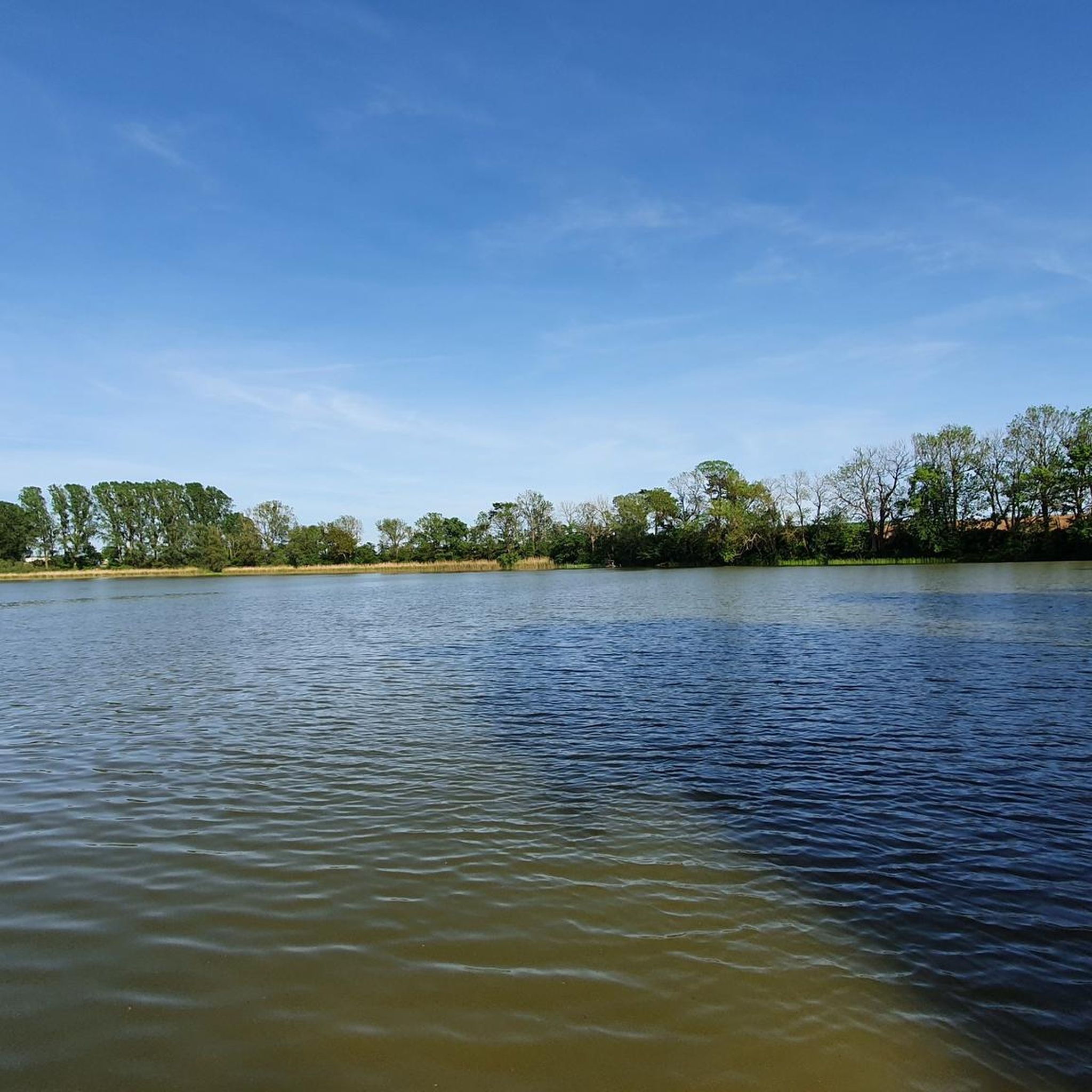
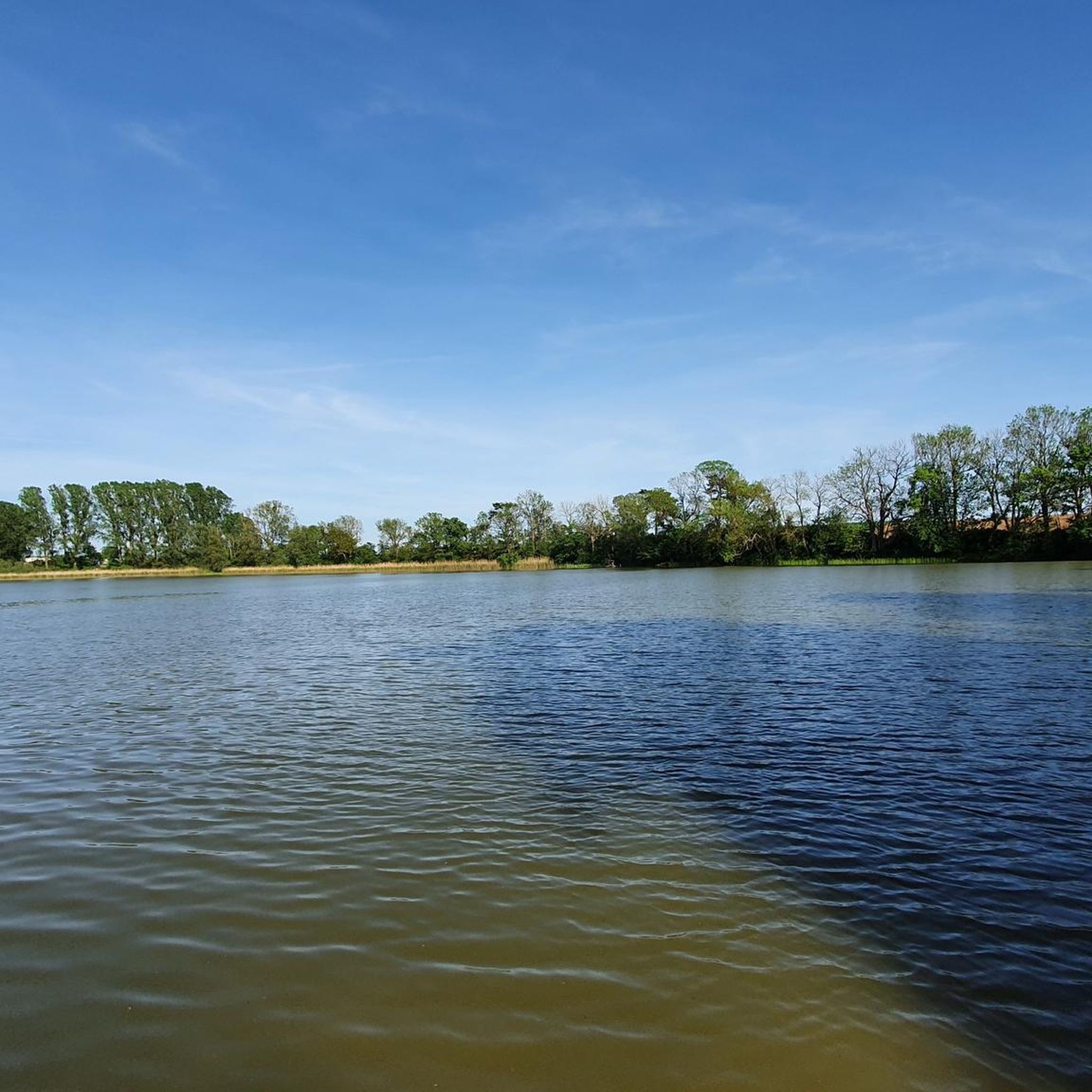
In an idyllic location on the mill pond - the mill itself is only present by the field name - you can see birds, a small botanical garden and all kinds of small animals.
Translated by Google •
Tip by
Woldegk Windmills on Mühlenberg
Highlight • Monument
Translated by Google •
Tip by
Museum in the Marstall Burg Stargard
Highlight • Historical Site
Translated by Google •
Tip by

Sign up for free to discover even more attractions around Cölpin.
Sign up for free
Already have an account?
Start today with a free account
Your next adventure awaits.
Login or Signup

Tips from the Community

We go to the museum in the old stables, the exhibition begins with horse breeding and keeping. This is followed by an insight into winemaking and wine pressing. With many exhibits around us, we also learn something about the art of weaving, with traditional costumes and shoemaking on display. In one room, the whole history of the castle, the town and the period surrounding it. Finally, a look at the Biedermeier period, we leave the exhibition, walk through the gate and leave the castle. Here is our entire hike https://youtu.be/sCNikq-kH-Q
1
0

Church tour to Feldberg from Neubrandenburg.
0
0

is the windmill town, we have eaten and celebrated several times in one of the mills. Recommended.
0
0

Another highlight of the beautiful city after the castle.
0
0

Windmill town of Woldegk – real blades are still turning here on three of a total of five windmills that have been preserved.
1
0

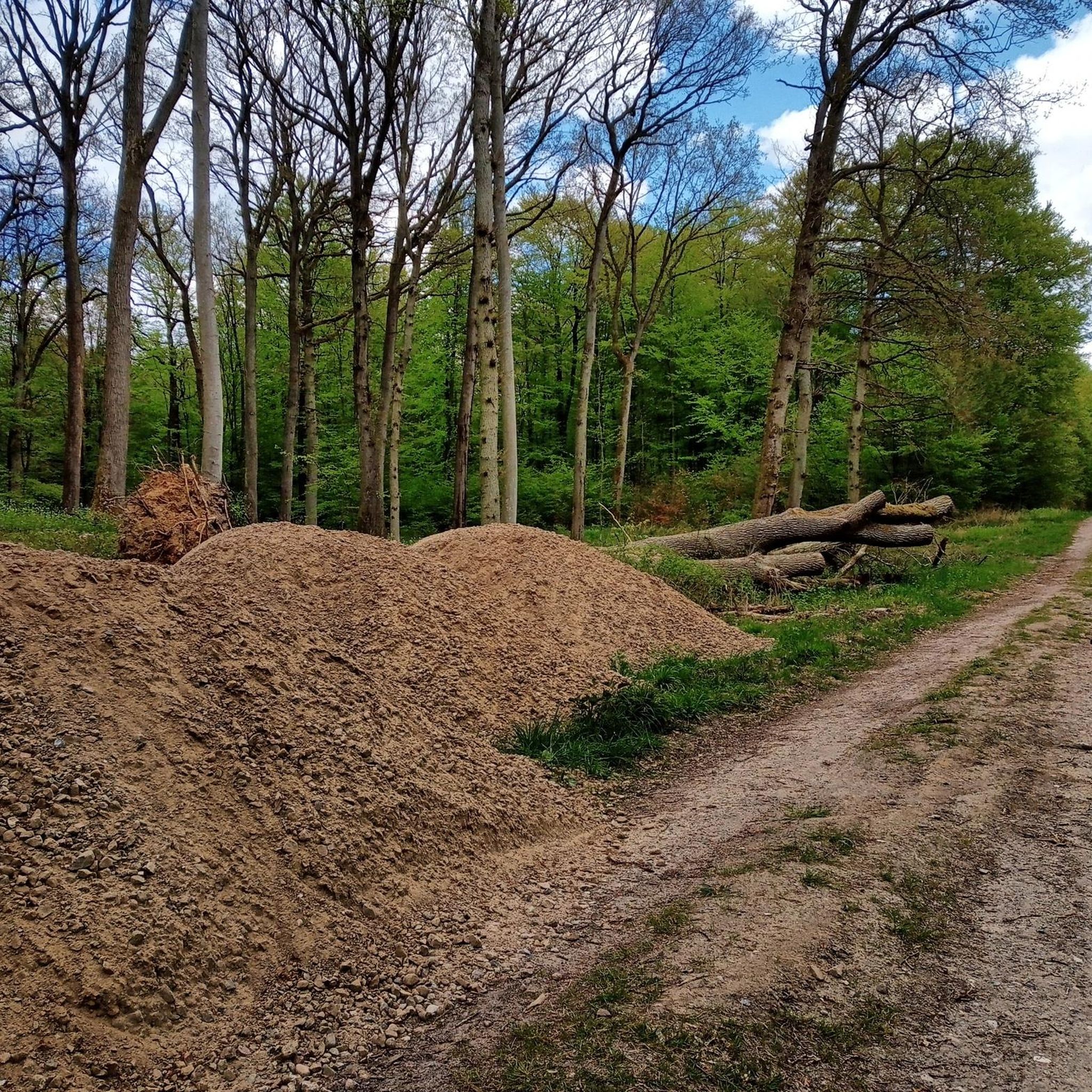
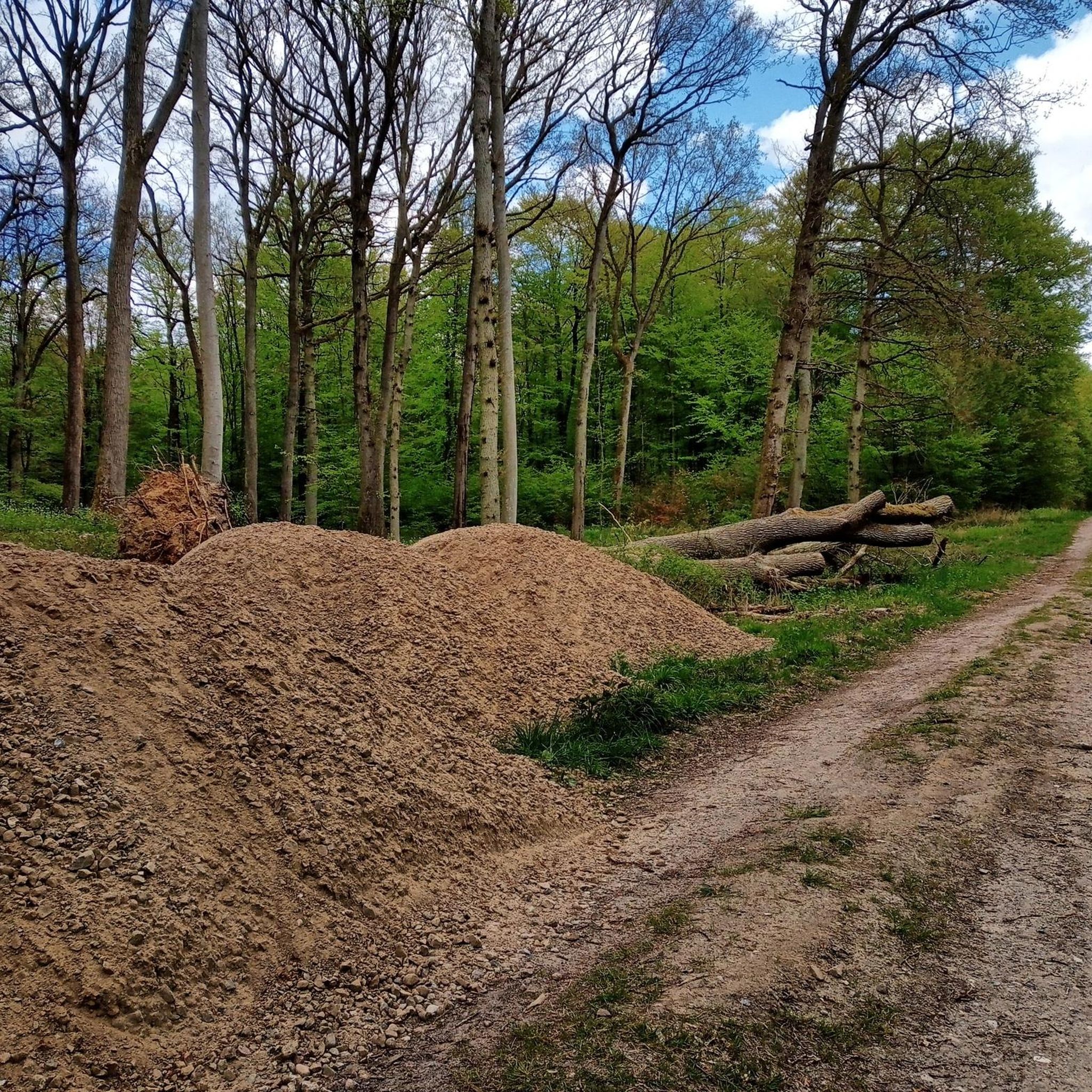
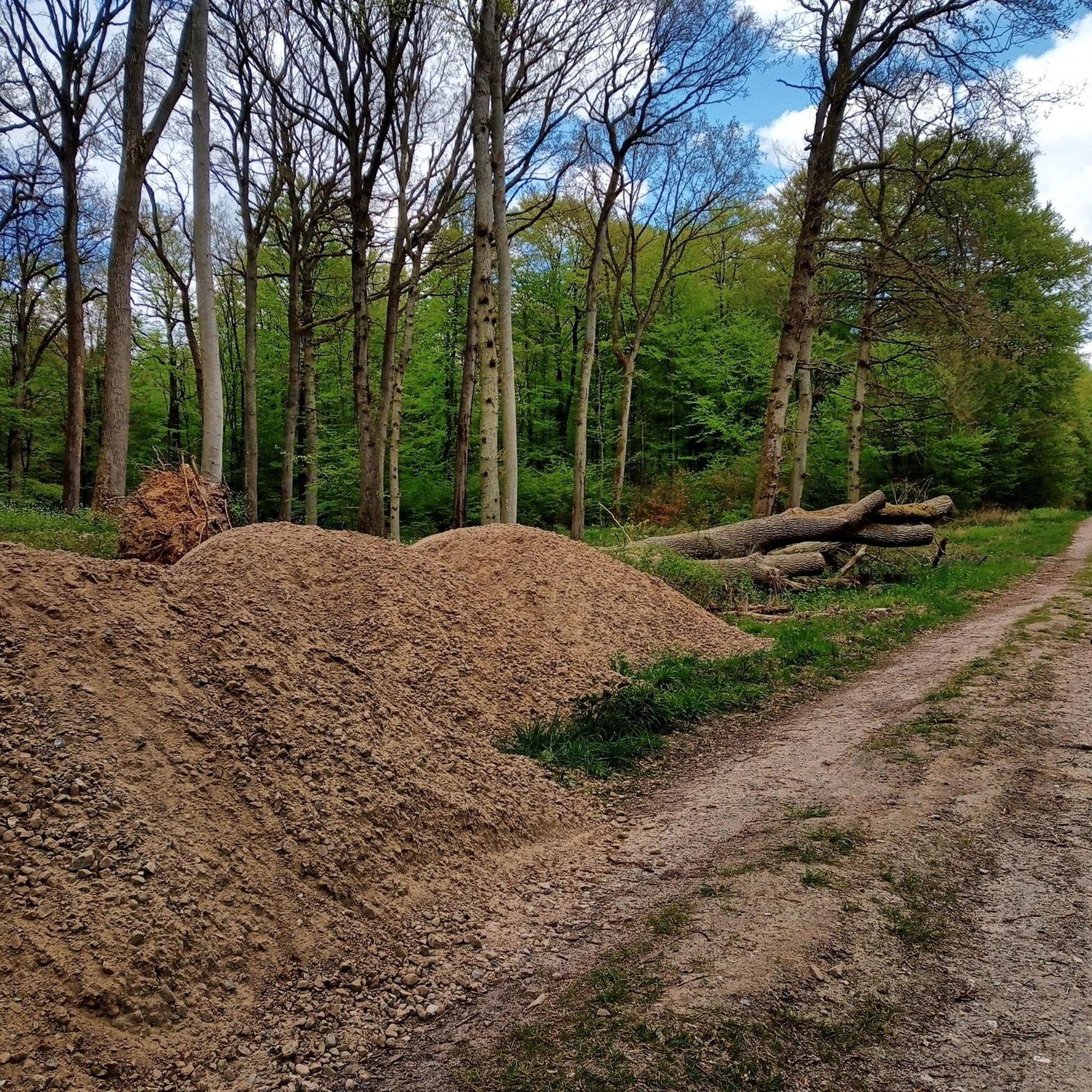
The way from the north (we came) was reasonably easy to find. We had our problems with the continuation to the south, since no path can be seen or signposted through the forest. Also, the path is not used that much that you could recognize it as such ... (but looking at the cell phone and 200 m navigation only with the app, you can also find your way back to civilization through blackberries and over fallen trees. .. ;-))
3
0
On one of the highest mountains in Mecklenburg-Western Pomerania, the Woldegker Mühlenberg, there are still three windmills standing close together. From the cobblestones of Mühlendamm, it is the "Mühlenmuseum" mill that draws everyone's attention. It is a windmill over 100 years old with white canvas on the mill blades. It is the last Dutch windmill in Mecklenburg-Western Pomerania where the sailcloth-covered mill blades still turn in the wind. Inside the windmill, 5000 years of grain processing are shown and invite children in particular to try them out. Windmill models on a scale of 1:50 provide information about 900 years of windmill development. The Beschüttboden offers a unique view, because only from here is it still possible to see one of the four other windmills in Woldegk from each window. If there is not a south-west or north-west wind, you can see the city, the lake and the Helpter Berg, at 179.1 m the highest elevation in Mecklenburg-Western Pomerania, from the Windrosenbock. (Source: https://www.windmuehlenstadt-woldegk.de/muehlenmuseum-woldegk/ on October 14, 2022)
2
0

The church is an elongated, muddy, essentially medieval building with a recessed, square west tower. It was brought into its current condition through renovations in the second half of the 18th century and the end of the 19th century. The building was once a three-bay basilica made of field stone with a transverse rectangular western building around 1225/1250 and a rectangular brick choir the width of the central nave with an eastern group of three windows, corner pilaster strips and triangular frieze under the gable from the second half of the 13th century. After fire damage in 1588, 1709 and 1758, the side aisles were demolished, arched windows were installed during repairs in 1765–1770 and the interior was converted into a flat-roofed hall after the triumphal arch was removed.
1
0
Frequently Asked Questions
What historical sites can I explore around Cölpin?
The region around Cölpin is rich in history. You can visit Burg Stargard, one of the few elevated castles in the North German lowlands, featuring a prominent keep and eleven preserved buildings. Also nearby is the Burg Stargard Town Church, an essentially medieval building with modifications from the 18th and 19th centuries. Don't miss the historical Cölpin Castle (Gutshaus Cölpin), a late Baroque building with a park designed by Peter Joseph Lenné, and the medieval St. Marien Church in Cölpin. The "Alte Burg" Museum also offers insights into the town's history.
Are there any natural attractions or scenic viewpoints near Cölpin?
Absolutely. Cölpin is nestled within the Mecklenburg Lake District, offering numerous natural features. You can visit the Helpter Berg Summit, which is the highest point in Mecklenburg-Vorpommern and offers a summit cross and a rest area. The Kleiner Labussee Nature Reserve is an idyllic spot, and a wonderful forest path leads to the Mill Pond at Hinterste Mühle, where you can observe birds and a small botanical garden.
What outdoor activities can I do near these attractions?
The Mecklenburg Lake District provides excellent conditions for outdoor activities. You can enjoy hiking and cycling on numerous trails. For specific routes, consider exploring the hiking trails around Cölpin, which include routes like the 'Burg Stargard – Stargard Castle loop'. If you're into mountain biking, there are also MTB trails around Cölpin, such as the 'Pinguin Ice Cream Parlor – Mühlenteich loop from Burg Stargard'.
Are there family-friendly attractions in the Cölpin area?
Yes, several attractions are suitable for families. The Mill Pond at Hinterste Mühle is a great spot, offering a playground and a petting zoo with rabbits and goats. The Woldegk Windmills on Mühlenberg also provide a family-friendly experience, with one mill functioning as a café and guesthouse, and two others serving as a museum where children can learn about grain processing.
Where can I find unique cultural sites or points of interest?
Beyond historical buildings, you can visit the Woldegk Windmills on Mühlenberg. This 'windmill town' is known for its preserved windmills, three of which still turn their blades, with one housing a café and guesthouse, and two others operating as a museum. The annual windmill day at Pentecost features a large celebration.
What is the best time to visit Cölpin for outdoor activities?
The region's numerous lakes, forests, and rivers make it ideal for outdoor activities during the warmer months, typically from spring through early autumn. This period offers pleasant weather for hiking, cycling, and exploring natural reserves like the Kleiner Labussee. However, winter walks can also be charming, especially around areas like the Mill Pond at Hinterste Mühle.
Are there easy hiking trails suitable for all skill levels?
Yes, there are several easy hiking options. You can find a selection of easy hikes around Cölpin, including routes like the 'Lakeside Swimming Area – Giant Tree loop from Neetzka' or the 'Burg Stargard – Lower Gate loop from Burg Stargard'. These trails are generally shorter and have less challenging terrain.
What kind of regional culinary delights can I expect in Cölpin?
Cölpin offers regional culinary delights that reflect its natural surroundings. You can enjoy fresh fish from local waters and game meat dishes. Many farm shops and farmers' markets in the area provide special highlights and opportunities to taste local produce.
Are there places to eat or have a coffee near the attractions?
Yes, some attractions offer refreshment options. At Burg Stargard, there is a castle café. The Woldegk Windmills on Mühlenberg also feature a mill that functions as a café and guesthouse. Additionally, the Mill Pond at Hinterste Mühle has catering facilities where you can enjoy a drink.
What do visitors enjoy most about the attractions around Cölpin?
Visitors particularly appreciate the blend of historical significance and natural beauty. The impressive architecture and history of sites like Burg Stargard are highly rated. The scenic views from the Helpter Berg Summit and the idyllic setting of the Mill Pond at Hinterste Mühle are also popular. The unique experience of the Woldegk Windmills, where blades still turn, is often highlighted.
Are there any less crowded attractions to visit in the Cölpin area?
While popular spots like Burg Stargard attract many visitors, you can often find quieter experiences by exploring the extensive network of hiking and cycling trails within the Mecklenburg Lake District. The Kleiner Labussee Nature Reserve, for instance, offers a serene environment. Additionally, the historical Cölpin Castle and St. Marien Church, while significant, might offer a more tranquil visit compared to the larger, more well-known sites.
What can I do in Cölpin if the weather is rainy?
If the weather turns rainy, you can explore indoor historical and cultural sites. The "Alte Burg" Museum offers an interesting collection on the town's history. The interiors of Burg Stargard and the Burg Stargard Town Church provide shelter while still allowing you to delve into the region's past. The museum at the Woldegk Windmills also offers an indoor activity.
Most popular attractions around Cölpin

Get inspired with the komoot mobile app


Explore more
Still not found the Highlight you’re looking for? See guides of the top attractions in other regions:
