Attractions and Places To See around Sprakebüll - Top 20
Best attractions and places to see around Sprakebüll include a variety of natural, cultural, and historical sites in the North Frisian region of northern Germany. The area offers a tranquil setting with opportunities to explore extensive forests, ancient pathways, and significant historical landmarks. While direct attractions within Sprakebüll are limited, the surrounding municipality provides diverse points of interest. Visitors can discover a rich tapestry of experiences across the landscape.
Best attractions and places to see around Sprakebüll
- The most popular…
Last updated: June 23, 2026
Historic Ochsenweg Trail in Langenberger Forst
Highlight (Segment) • Trail
Translated by Google •
Tip by

Jenny Windmill (Achtrup)
Highlight • Monument
Translated by Google •
Tip by

Sign up now to discover places like this
Get recommendations on the best single tracks, peaks, & plenty of other exciting outdoor places.
Sign up for free
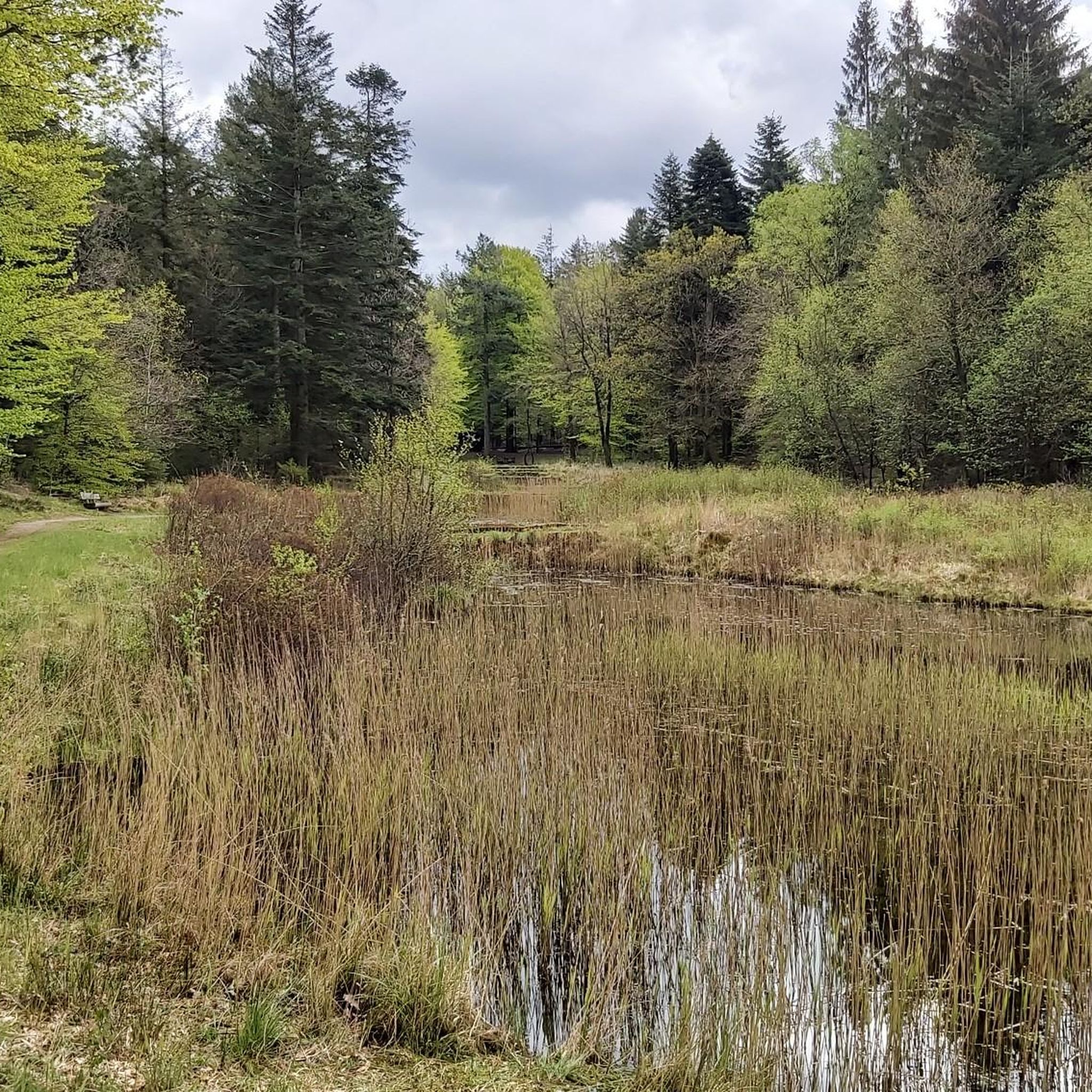
Fish Ponds in the Langenberg Forest
Highlight (Segment) • Lake
Translated by Google •
Tip by

St. Willehad Church Leck
Highlight • Religious Site
The church was built around 1150 …
Translated by Google •
Tip by

Schafflund Watermill
Highlight • Monument
Translated by Google •
Tip by

Sign up for free to discover even more attractions around Sprakebüll.
Sign up for free
Already have an account?
Start today with a free account
Your next adventure awaits.
Login or Signup
Tips from the Community

An old church with very old furnishings. The church is always open until 5 p.m.
0
0

The Protestant church of St. Willehad in Leck was built around 1299. There are still some parts of the building from the time of its foundation, such as the north portal. The church tower was only built in the 19th century. The current church still has side walls from the old church. Inside there is a carved altar from 1530. Open daily from 9 a.m. to 5 p.m. https://luftkurort-leck.de/erleben/sehenswuerdigkeiten/
3
0

When walking around the church, you pass old stone sarcophagi. They were used to bury people in villages who disappeared during storm surges. The stone coffins were later found in mudflats and were used as watering holes for livestock on the remaining land (more information on the information board)
1
0
The Jenny windmill is the landmark of Achtrup. It was built in 1889 and is a basement Dutch type with sailing wings and a compass rose. The mill and the miller's house are protected monuments. The Kinderhaus zur Mühle, a facility for children and young people, is located on the edge of the village, directly on the Mühlenberg and is housed in the Müllerhaus.
2
0
The St. Willehad Church in its current appearance is a rectangular hall building with a neo-Gothic west tower and an anteroom in the south. The church was built around 1150 as a Romanesque building at the highest point of the original harbor town of Leck. The basic structure of this original building forms two thirds of the current nave. When the church was expanded in 1807, the retracted choir and the semicircular apse were lost. The old tower from the 16th century burned down in a fire in a nearby bacon roasting factory in 1872. The neo-Gothic new building was completed in 1875. The church houses a carved altar from Claus Berg's workshop from 1520. During the Passion season between Ash Wednesday and Easter, the altar is closed and you can see a large picture - “Easter Dance” - by the Dresden artist Werner Juza from the 90s of the 20th century. The Last Supper picture on the altar and a cycle of pictures for the Sermon on the Mount on the church gallery also come from Wernder Juza. This cycle of pictures complemented the older emblem paintings in the gallery. The side entrance on the north side of St. Willehad Church is usually open during the day between 9 a.m. and 5 p.m. https://offene-kirche-nf.de/st-willehad-leck/
5
0

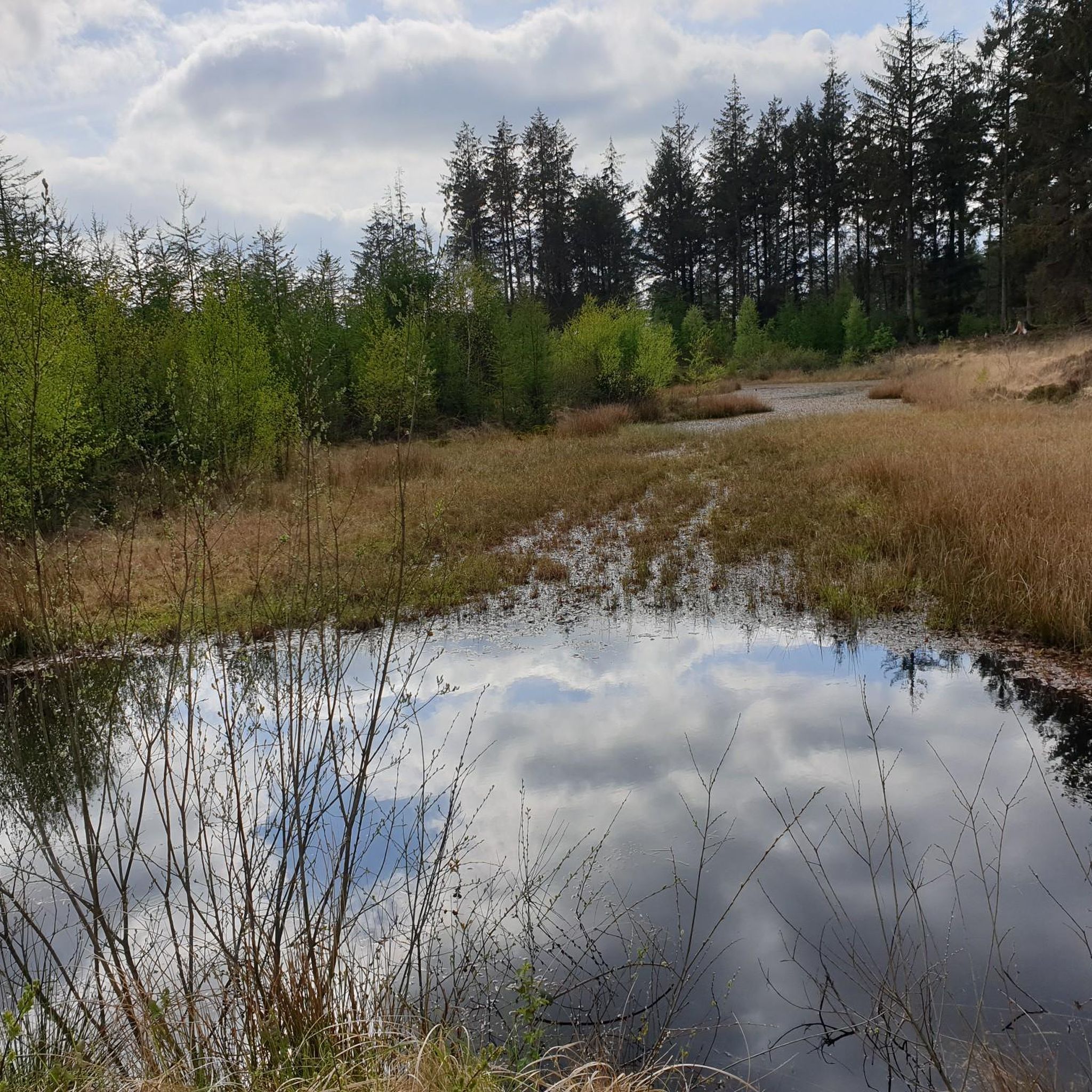
Very extensive forest area with great hiking trails! Recommended!
18
1

A very nicely restored watermill, a good place to take a break with a bench overlooking the watermill.
3
0

Here you can not only see the great water mill, this place is also great for a break, a bench with a view of the mill stream.
2
0
Frequently Asked Questions
What historical sites can I visit near Sprakebüll?
The region offers several significant historical sites. You can explore the Schafflund Watermill, a restored mill founded around 1300 that now generates electricity. Another notable site is the Valsgaard Viking Age Farmstead, which provides insight into Viking settlement and construction from 700 to 1100 AD. Additionally, the St. Willehad Church Leck, originally built around 1150, features a carved altar from 1520 and is open daily.
Are there any natural features or parks to explore?
Yes, the area is rich in natural beauty. The Historic Ochsenweg Trail in Langenberger Forst offers an extensive forest area with numerous hiking and cycling paths, making it the largest forest in North Friesland. You can also visit the UNESCO World Heritage Wadden Sea National Park, a vital habitat for diverse species and a resting place for migratory birds. The region also features the unique Salt Marsh Trail to Hamburger Hallig and the inland dunes near Süderlügum, one of Schleswig-Holstein's largest inland dune landscapes.
What outdoor activities are available around Sprakebüll?
The Langenberger Forst is ideal for hiking and cycling, with many signposted trails. For cycling enthusiasts, there are various routes available, including those for road cycling and touring bicycle. Mountain biking is also popular, with several MTB trails in the vicinity. Bird watching is excellent at the Cecilienkoog Observation Tower and the NABU Information Hut on Schafsberg.
Are there family-friendly attractions in the area?
Absolutely. Many attractions are suitable for families, including the Historic Ochsenweg Trail in Langenberger Forst, which offers easy hiking and cycling paths. The Schafflund Watermill and the Valsgaard Viking Age Farmstead provide educational and engaging experiences for all ages. Additionally, the Rest area Unsere Obstwiese is a pleasant spot for a family break with picnic benches.
Where can I find information about the Wadden Sea National Park nearby?
You can learn more about the Wadden Sea National Park at the NABU Information Hut on Schafsberg, located on Hamburger Hallig. This information point provides insights into the park and its annual bird migration events. The Amsinck House and the Claus-Jürgen-Reitmann House also serve as information centers in the area.
What is the best time to visit the attractions around Sprakebüll?
The region's attractions, particularly the natural and outdoor sites like the Langenberger Forst and the Wadden Sea, are best enjoyed during the warmer months from spring to early autumn (April to October) when the weather is mild and suitable for outdoor activities. Historical sites like the St. Willehad Church Leck are generally accessible year-round.
Are there any unique viewpoints or observation towers in the region?
Yes, the Cecilienkoog Observation Tower offers panoramic views of the Beltringharder Koog and the surrounding marshland. It's a quiet location perfect for bird watching and appreciating the vast North Frisian landscape.
Can I learn about local history and culture beyond the main attractions?
Beyond the specific highlights, the region offers a rich cultural tapestry. The St. Willehad Church Leck, with its Romanesque origins and significant artworks, provides a glimpse into religious history. The Schafflund Watermill showcases the area's industrial heritage, while the Valsgaard Viking Age Farmstead delves into ancient settlement patterns.
What do visitors particularly enjoy about the Langenberger Forst?
Visitors highly recommend the Langenberger Forst for its extensive network of hiking and cycling trails. Many appreciate the varied landscape, which includes a game reserve, the historic Ochsenweg, and numerous pavilions, benches, and tables for resting. It's considered a beautiful and popular excursion area, despite being well-attended, due to its large size.
Is there a place to relax outdoors near Sprakebüll?
Yes, the Rest area Unsere Obstwiese is an accessible orchard designed for relaxation. It features numerous fruit trees and picnic benches adorned with flowers, making it an ideal and lovingly designed spot for a break.
Where can I find information about the Beltringharder Koog?
The Arlau Sluice Pumping Station and Natural History Museum serves as a visitor information point for the Beltringharder Koog. It also houses a small natural history museum and offers guided tours of the Koog, providing insights into this unique marshland area.
Are there any trails specifically for experiencing coastal ecosystems?
Yes, the Salt Marsh Trail to Hamburger Hallig leads through the largest salt marsh area on the open North Sea, covering 1,000 hectares. This trail offers a unique opportunity to experience the coastal ecosystems of the Wadden Sea firsthand.
Most popular attractions around Sprakebüll

Get inspired with the komoot mobile app


Explore more
Still not found the Highlight you’re looking for? See guides of the top attractions in other regions:
