The best cycling routes in KahaualeʻA Natural Area Reserve
88
riders
13
rides
Touring cycling routes in KahaualeʻA Natural Area Reserve are situated on the gentle slopes of the active Kīlauea volcano, within a volcanic rainforest environment. The reserve itself features diverse 'ōhi'a forests and unique volcanic formations, though direct touring cycling on trails within the reserve is prohibited due to hazards. However, the broader region, particularly Hawaiʻi Volcanoes National Park, offers designated cycling routes through similar volcanic landscapes and lush rainforests. These routes provide opportunities to experience the area's distinct geology and…
Last updated: June 25, 2026
7.74km
00:29
80m
80m
Easy bike ride. Great for any fitness level. Mostly paved surfaces. Suitable for all skill levels.
6
riders
67.2km
04:41
1,290m
1,280m
Hard bike ride. Very good fitness required. Mostly paved surfaces. Suitable for all skill levels.

Sign up for free
10.7km
00:41
150m
150m
Easy bike ride. Great for any fitness level. Mostly paved surfaces. Suitable for all skill levels.
17
riders
18.2km
01:09
180m
180m
Moderate bike ride. Good fitness required. Mostly paved surfaces. Suitable for all skill levels.
21
riders
27.5km
01:45
320m
320m
Moderate bike ride. Good fitness required. Mostly paved surfaces. Suitable for all skill levels.
Get access to more routes and recommendations from other explorers.
Sign up for free
Already have an account?
Our route recommendations are based on thousands of hikes, rides, and runs completed by other people on komoot.
Start today with a free account
Your next adventure awaits.
Login or Signup
Popular around KahaualeʻA Natural Area Reserve
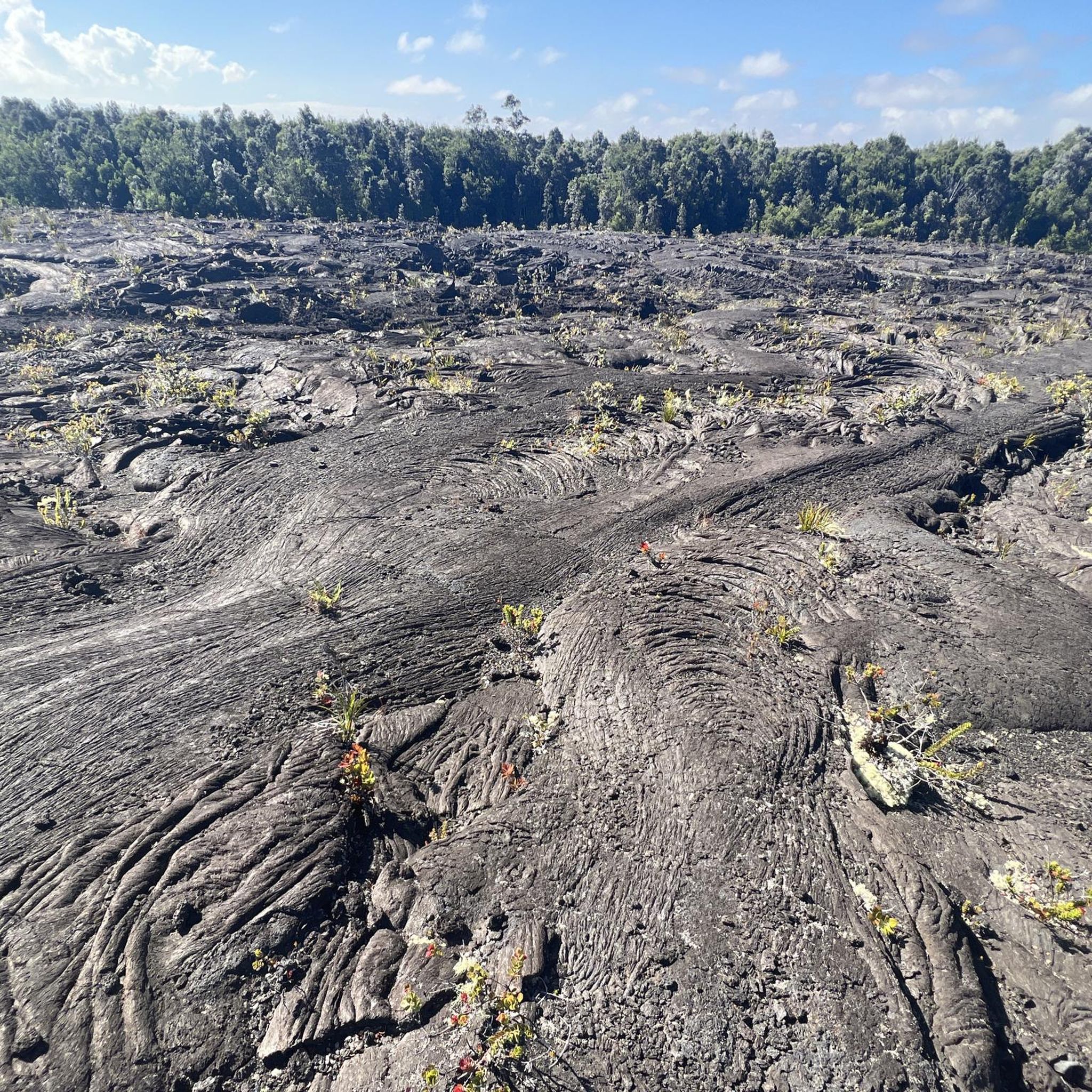
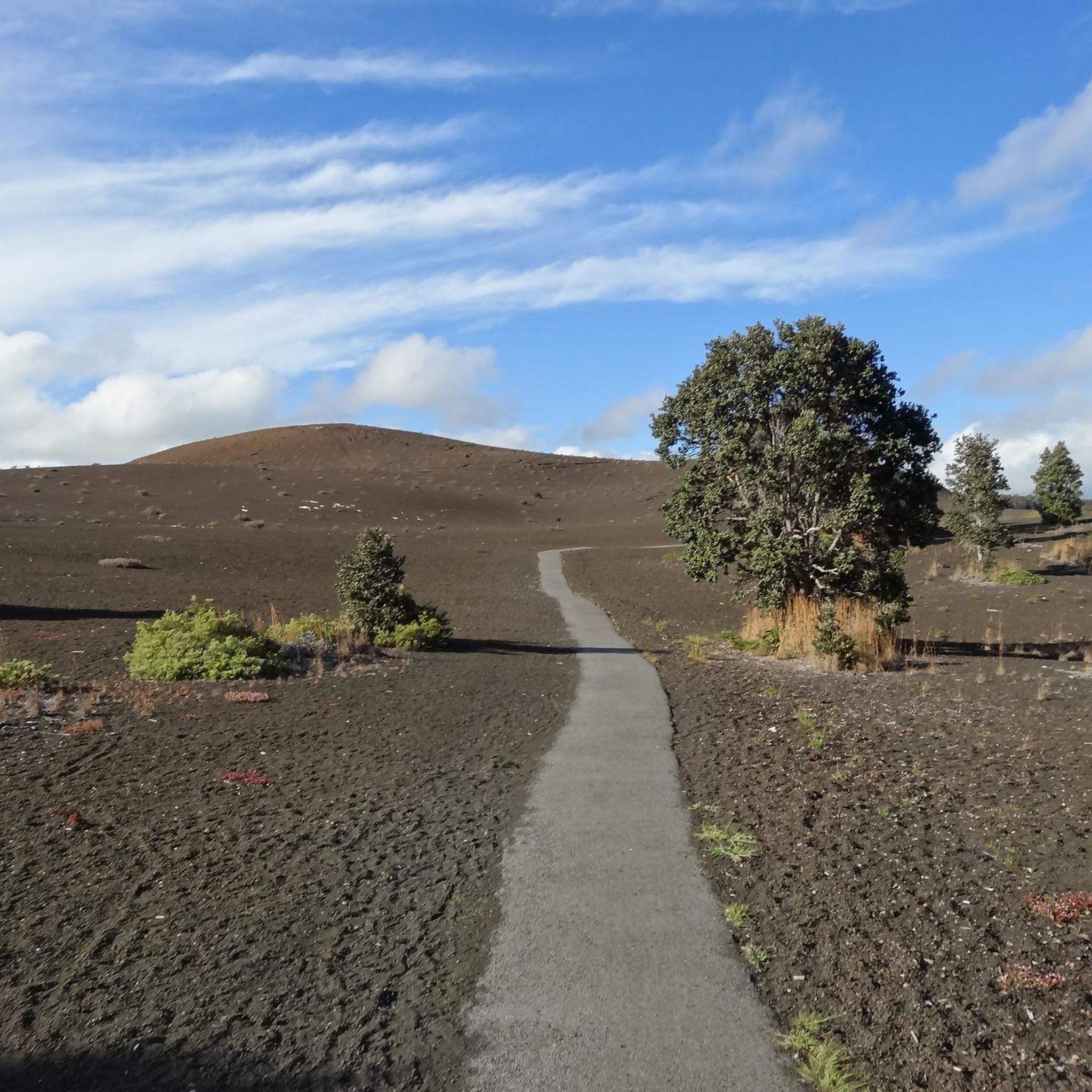
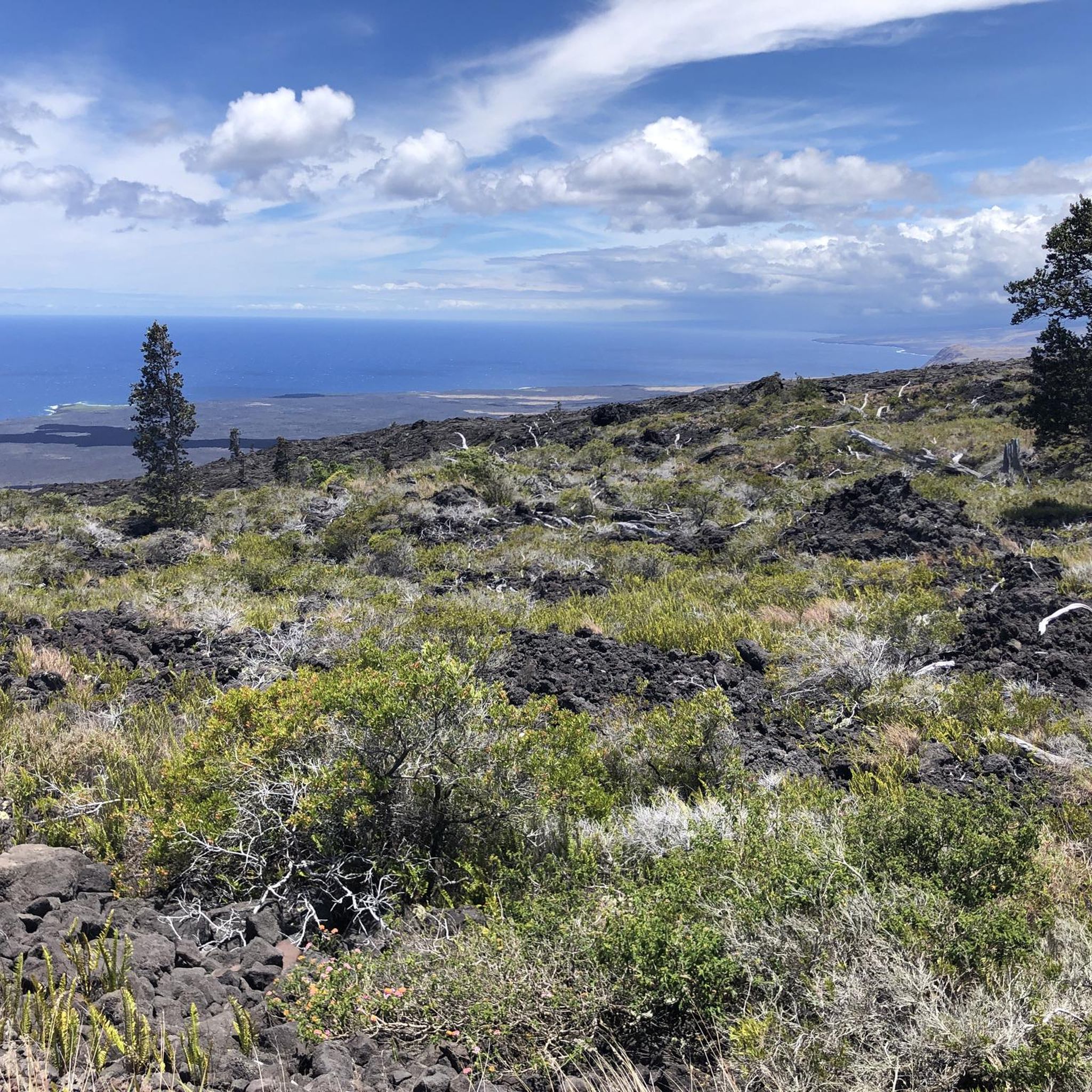
Tips from the Community

The lava coast with the arch is a great photo opportunity
2
0
Closed and inaccessible since 2018!
2
0
The center is closed for renovations until August 2026
2
0

Ferns in oversize - super impressive
0
0


Pauahi is 360 feet deep and 1600 feet wide! This crater has had three recent eruptions (relatively), with two in 1973 and one in 1979. The 1979 event was the most dramatic and is what left the thin veneer currently seen on the crater floor. Pauahi Crater is culturally significant and religious to many of the Hawaiian people. You may see a hoʻokupu (offering), perhaps wrapped in leaves. These should not be touched or disturbed.
0
0
Frequently Asked Questions
Can I go touring cycling directly within the KahaualeʻA Natural Area Reserve?
No, touring cycling is explicitly prohibited on trails within the KahaualeʻA Natural Area Reserve itself due to hazards like cracks in pāhoehoe lava, pits, and muddy portions. However, the adjacent Hawaiʻi Volcanoes National Park offers excellent designated cycling routes through similar volcanic landscapes and lush rainforests.
Where can I find touring cycling routes near KahaualeʻA Natural Area Reserve?
While direct cycling within the reserve is not permitted, Hawaiʻi Volcanoes National Park, which is adjacent, provides numerous options. You can find designated bike routes on paved roads, paved sections of the Crater Rim Trail, and some dirt roads within the park. Routes like Sulphur Banks and Crater Rim Trail Loop offer scenic views of volcanic features.
What kind of landscapes will I see on touring cycling routes in this region?
The region is characterized by unique volcanic rainforests, diverse 'ōhi'a forests, and landscapes shaped by active volcanic activity. Routes often feature views of volcanic formations, recent pāhoehoe lava flows, and lush vegetation. For example, the Fern Rainforest – Nāhuku (Thurston Lava Tube) loop from Mauna Loa Estates takes you through dense rainforest and past a notable lava tube.
Are there any family-friendly touring cycling routes?
Yes, Hawaiʻi Volcanoes National Park offers routes suitable for families, particularly on its paved roads and designated bike paths. These often have less challenging terrain, allowing for an enjoyable experience for various skill levels. Always check the specific route details for elevation and surface conditions.
What is the best time of year for touring cycling in the KahaualeʻA Natural Area Reserve area?
The Big Island generally has a mild climate year-round. However, for touring cycling, it's often best to visit during the drier months, typically from April to October, to avoid heavier rainfall. Always check local weather forecasts, especially for Hawaiʻi Volcanoes National Park, as conditions can change rapidly due to elevation and volcanic activity.
Are there circular touring cycling routes available?
Yes, many touring cycling routes in the broader region, particularly within Hawaiʻi Volcanoes National Park, are designed as loops. An example is the Hōlei Sea Arch – Kīlauea Iki East Overlook loop from Kīlauea Iki, which offers a longer, challenging circular experience through volcanic landscapes and towards coastal features.
What are the difficulty levels of touring cycling routes in the area?
The routes in the area offer a range of difficulty levels. You can find easy, mostly paved routes suitable for beginners, such as Pauahi Crater via Devastation Trail. There are also moderate paths and more challenging routes with significant elevation changes and longer distances, like the Kīlauea Iki East Overlook – Fern Rainforest loop from Volcano, which may include some unpaved or gravel segments.
Are dogs allowed on touring cycling routes in Hawaiʻi Volcanoes National Park?
Within Hawaiʻi Volcanoes National Park, pets are generally permitted on paved roads and in parking areas, but not on trails or unpaved roads. If you plan to bring your dog, ensure they are on a leash and always check the most current pet regulations on the official NPS website for Hawaiʻi Volcanoes National Park: nps.gov/havo.
Are there places to eat or get refreshments near the cycling routes?
While the immediate vicinity of the KahaualeʻA Natural Area Reserve is remote, the nearby town of Volcano Village, located just outside Hawaiʻi Volcanoes National Park, offers several cafes and restaurants. Within the park itself, limited options for refreshments may be available at visitor centers.
Where can I park when visiting the area for touring cycling?
Hawaiʻi Volcanoes National Park has designated parking areas at various trailheads and visitor centers. Parking fees may apply for entry into the National Park. Always check the official park website for current information on parking availability and fees.
Are bike rentals available in the area?
Yes, bike rentals, including e-bikes, are available from various operators in the vicinity of Hawaiʻi Volcanoes National Park and in nearby towns. Some companies also offer guided e-bike tours through the park's lava fields, rainforests, and volcanic craters.
Do I need a permit to cycle in Hawaiʻi Volcanoes National Park?
Cycling is generally permitted on designated paved roads and trails within Hawaiʻi Volcanoes National Park without a special bike permit, beyond the standard park entrance fee. However, it's always advisable to check the official park website for any updated regulations or specific requirements for certain areas: nps.gov/havo.
Most popular routes in KahaualeʻA Natural Area Reserve

Get inspired with the komoot mobile app


Explore more
Browse the best Cycling routes in other regions.
