The best road cycling routes in ʻOlaʻA Forest Reserve
5.0
(3)
57
riders
8
rides
Road cycling in ʻOlaʻA Forest Reserve offers diverse landscapes, from lush rainforests with native 'ōhi'a and koa trees to dramatic volcanic terrain. The region features exposed stretches with high-elevation vegetation and ancient lava flows, particularly along routes like Mauna Loa Road. Many cycling paths are paved, providing access to areas within or adjacent to Hawaiʻi Volcanoes National Park, which includes iconic features such as the Crater Rim and Kīlauea Iki. This blend of tropical rainforest and volcanic geology creates varied…
Last updated: June 29, 2026
5.0
(1)
17
riders
62.5km
03:40
1,270m
1,270m
Hard road ride. Very good fitness required. Some segments of this route may be unpaved and difficult to ride.
5.0
(1)
7
riders
75.7km
03:45
1,200m
1,200m
Prepare for a challenging racebike adventure on the Volcano to Keaʻau loop, a difficult route spanning 47.0 miles (75.7 km). This ride will test you with a significant elevation gain…

Sign up for free
1
riders
34.8km
01:32
380m
380m
Explore the challenging 21.6-mile Kaʻū Desert route, a moderate trail through unique volcanic landscapes, best suited for hiking or mountain
5.0
(1)
13
riders
72.6km
03:44
1,300m
1,300m
Embark on a challenging road cycling journey along the Chain of Craters Road, a route that spans 45.1 miles (72.6 km) within Hawaiʻi Volcanoes National Park. You will encounter dramatic…
6
riders
45.4km
02:29
620m
620m
Embark on a moderate racebike journey along the Hilina Pali Road, a 28.2-mile (45.4 km) route that takes you through the diverse landscapes of Hawaiʻi Volcanoes National Park. You will…
Get access to more routes and recommendations from other explorers.
Sign up for free
Already have an account?
Our route recommendations are based on thousands of hikes, rides, and runs completed by other people on komoot.
Start today with a free account
Your next adventure awaits.
Login or Signup
Popular around ʻOlaʻA Forest Reserve
Tips from the Community

Viewpoint with shelter and great view of the Pacific
3
0
The center is closed for renovations until August 2026
2
0

Pauahi is 360 feet deep and 1600 feet wide! This crater has had three recent eruptions (relatively), with two in 1973 and one in 1979. The 1979 event was the most dramatic and is what left the thin veneer currently seen on the crater floor. Pauahi Crater is culturally significant and religious to many of the Hawaiian people. You may see a hoʻokupu (offering), perhaps wrapped in leaves. These should not be touched or disturbed.
0
0
Hilina Pali Overlook provides visitors with a incredible view of the Hawaiian coastline and Pacific Ocean. There is a shelter and bathroom here to provide shelter from any storms, althought there is no potable water.
0
0
Kealakomo Overlook has panoramic views of the Pacific Ocean and lava fields. Kealakomo Overlook gets its name from the ancient village that once resided here and is now partially covered from the Maunaulu flows of 1969-1974. Don't tell real estate developers, but the Maunaulu flows created approximately 210 acres of new land.
0
0
At the bottom of the Chain of Craters Road you can see steep lava rock cliffs. Winds are known to be high here, so use caution if you have deep wheels! This is a unique view with the blue crashing waves on one side and the brown laval fields stretching up the side of the volcano.
0
0
Open 9am-5pm daily, the Kīlauea Visitor Center is a great place to stop before entering the park. There is a park store here that sells books, posters, and other souvenirs! On the back side of the building there are restrooms and across the street you can find a few restaurants and another gift shop!
0
0
Frequently Asked Questions
How many road cycling routes are available in ʻOlaʻA Forest Reserve?
There are 6 dedicated road cycling routes in ʻOlaʻA Forest Reserve. These routes offer a range of difficulties, including 1 easy, 2 moderate, and 3 difficult options, catering to various skill levels.
What kind of terrain will I encounter while road cycling in ʻOlaʻA Forest Reserve?
You'll experience a unique blend of tropical rainforest and dramatic volcanic landscapes. Many paths are paved, but expect diverse conditions including lush sections with native 'ōhi'a and koa trees, as well as exposed stretches with high-elevation vegetation and ancient lava flows, particularly on routes like Mauna Loa Road.
Are there any easy or family-friendly road cycling routes in the area?
Yes, there is one easy road cycling route available. While specific family-friendly routes are not detailed, the presence of paved paths within or adjacent to Hawaiʻi Volcanoes National Park, such as the Crater Rim Trail (an easy 5.1-mile touring path), suggests options suitable for less experienced riders or families.
What are some of the most scenic routes for road cycling in ʻOlaʻA Forest Reserve?
For breathtaking views, consider Mauna Loa Road, which ascends to the Mauna Loa Lookout, offering glimpses of ancient lava flows. Another scenic option is Chain of Craters Road, which leads through striking volcanic landscapes.
What are the most challenging road cycling routes in ʻOlaʻA Forest Reserve?
For a significant challenge, the Volcano to Keaʻau loop is a difficult 47.0-mile route with extensive mileage and varied terrain. Chain of Craters Road and Mauna Loa Road are also rated as difficult, featuring considerable elevation changes and distances.
Are there any loop routes for road cycling in the region?
Yes, the Volcano to Keaʻau loop is a popular 47.0-mile route that allows you to start and end in the same location, offering a comprehensive tour of varied terrain.
What notable landmarks or attractions can I see along the road cycling routes?
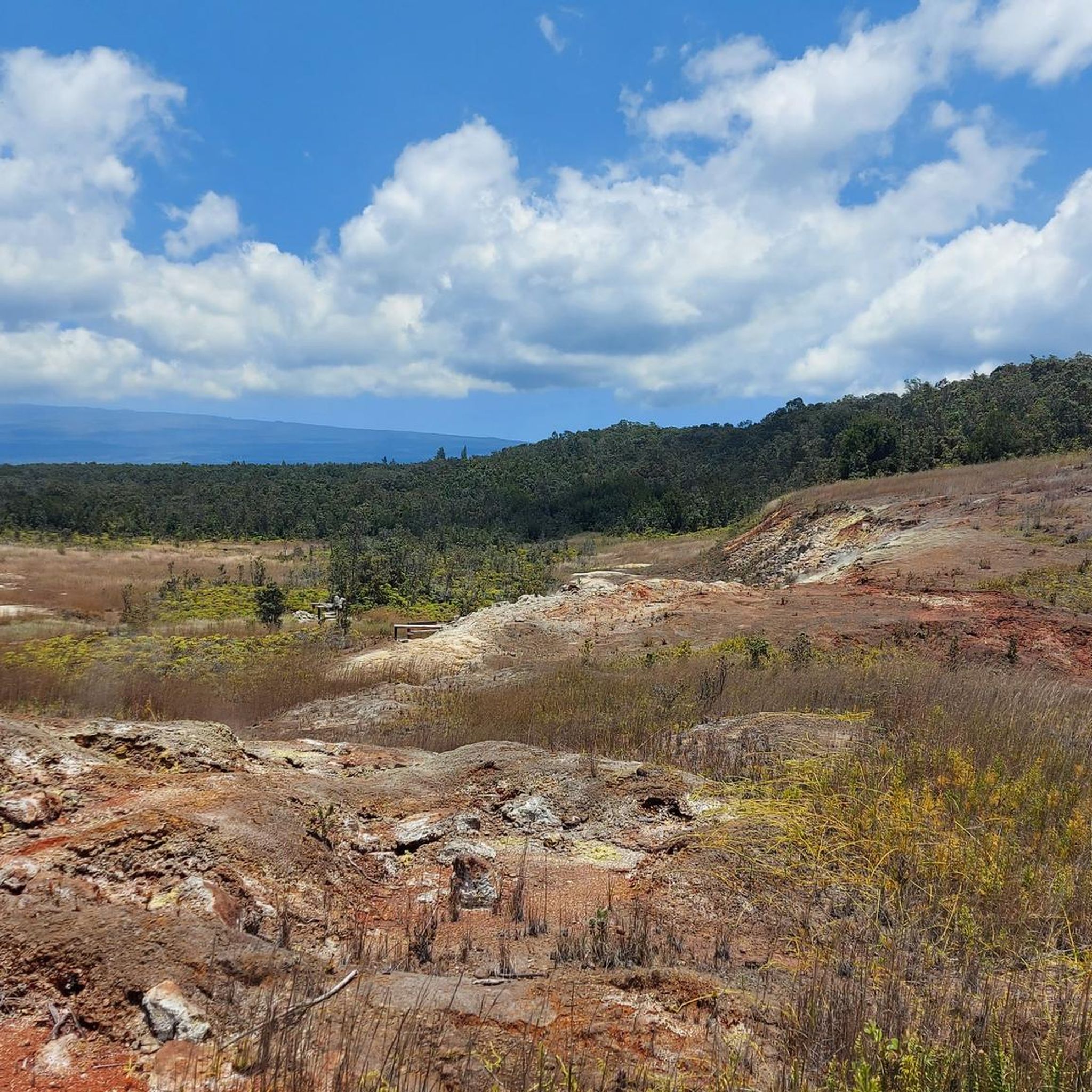
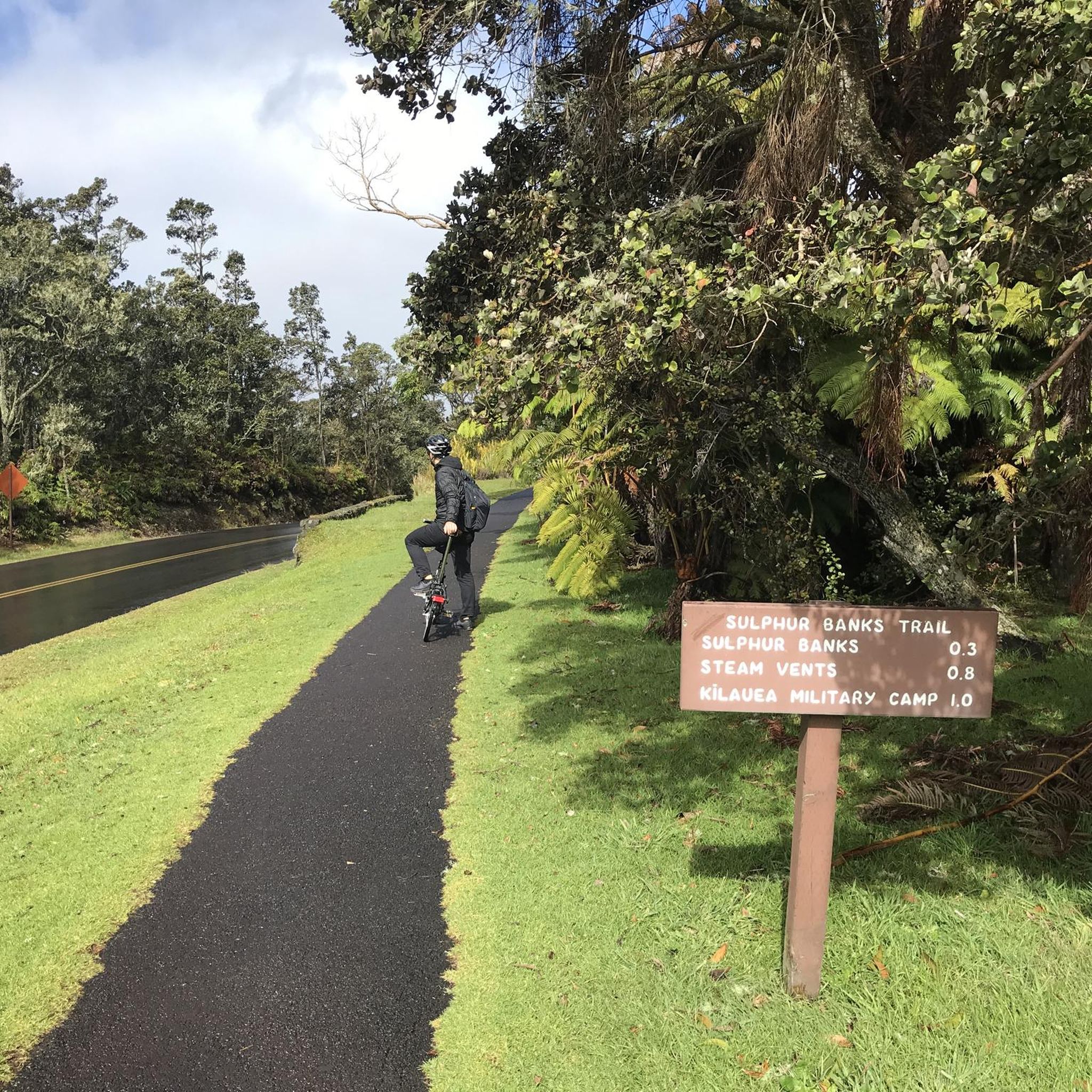
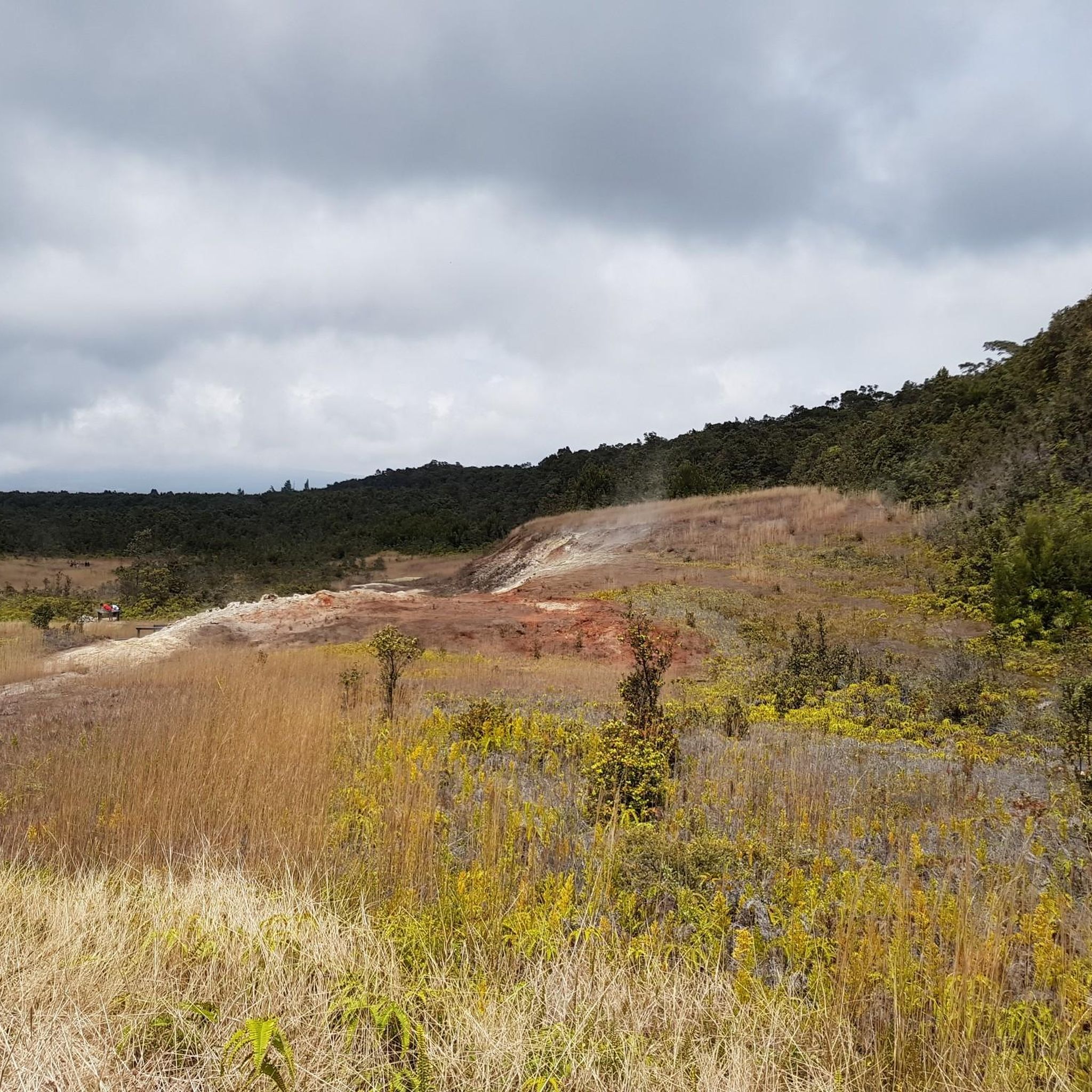
Many routes are near or within Hawaiʻi Volcanoes National Park. You can encounter iconic features like the Crater Rim, Kīlauea Iki, and the Sulphur Banks. The Volcano to Kaʻū Desert Trailhead — Kaʻu route offers views of the Kaʻū Desert area.
What do other road cyclists enjoy most about cycling in ʻOlaʻA Forest Reserve?
The area is highly rated by the komoot community, with an average score of 5.0 stars. Cyclists often praise the unique blend of volcanic landscapes and lush rainforests, as well as the diverse elevation changes that make for engaging rides.
What is the best time of year to go road cycling in ʻOlaʻA Forest Reserve?
The Big Island of Hawaiʻi generally offers good cycling conditions year-round, but for optimal weather, consider visiting during the drier months. Always check local weather forecasts, especially for higher elevations, as conditions can change rapidly.
Are there specific rules or permits required for road cycling in ʻOlaʻA Forest Reserve or Hawaiʻi Volcanoes National Park?
While general road cycling on public roads typically doesn't require specific permits, it's always advisable to check with the Hawaiʻi Department of Land and Natural Resources or the Hawaiʻi Volcanoes National Park visitor center for any specific access rules or permit requirements, especially if venturing off main paved routes or into restricted areas.
Is public transport available to access road cycling routes, particularly with bikes?
The Hele-On bus service on the Big Island does connect to Hawaiʻi Volcanoes National Park. It's recommended to check their current schedule and bike-carrying policies directly with Hele-On to confirm if you can transport your bicycle to access the cycling routes.
Where can I find parking for road cycling in ʻOlaʻA Forest Reserve?
Parking is generally available at key access points, particularly near Hawaiʻi Volcanoes National Park visitor centers, such as the Kīlauea Visitor Center. For specific routes, look for designated parking areas at trailheads or along main roads, but always verify local regulations.
Most popular routes in ʻOlaʻA Forest Reserve

Get inspired with the komoot mobile app


Explore more
Browse the best Road cycling routes in other regions.
