The best road cycling routes in PuʻU MakaʻAla Natural Area Reserve
5.0
(3)
57
riders
8
rides
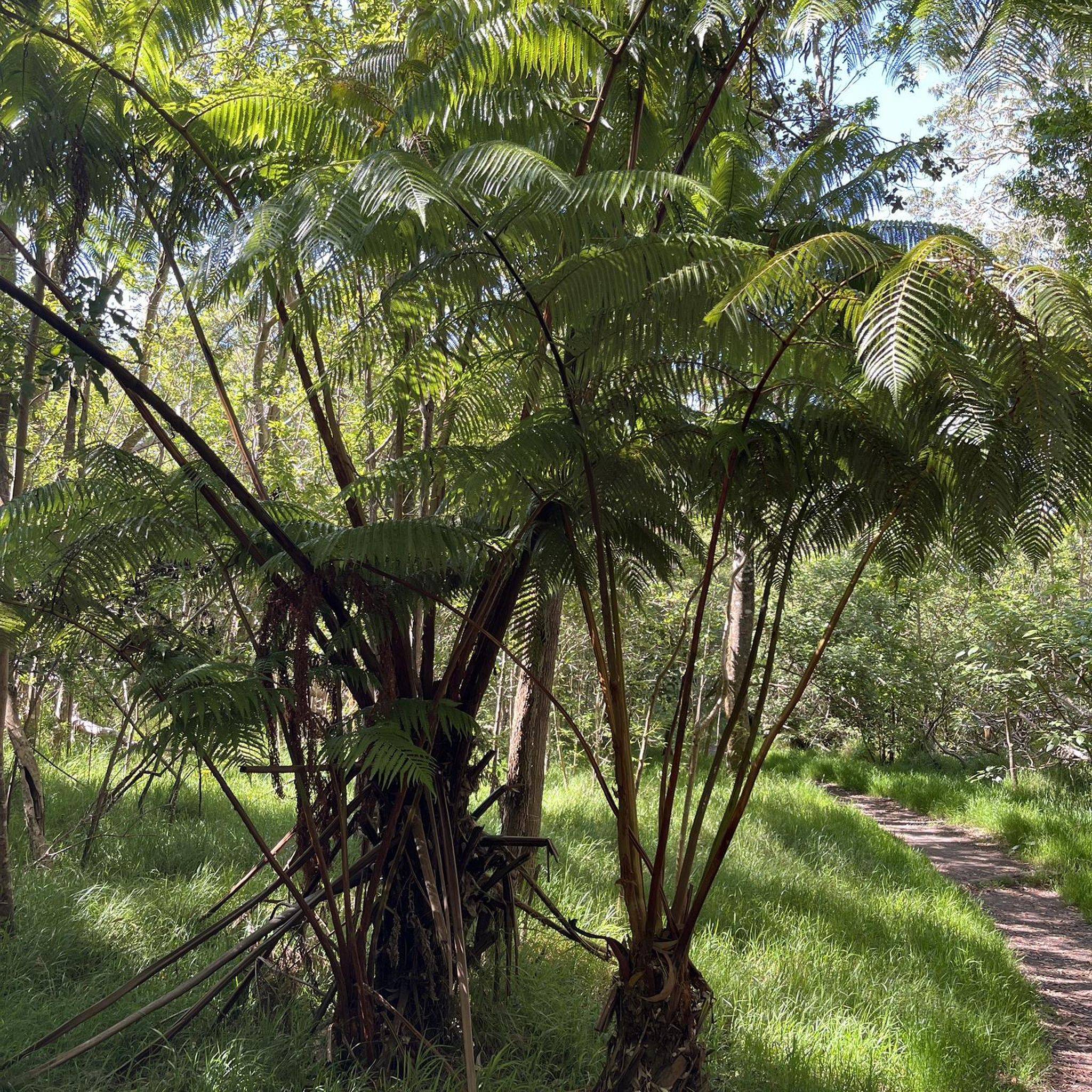
Road cycling in PuʻU MakaʻAla Natural Area Reserve and its surrounding areas offers routes through diverse landscapes. The region is characterized by dense, wet native rainforests dominated by koa and ʻōhiʻa trees, along with hapuʻu tree ferns. Elevations within the reserve range from 2,800 to 6,229 feet on the eastern slopes of Mauna Loa, providing varied terrain for cyclists. Adjacent areas, including Hawaiʻi Volcanoes National Park, feature volcanic landscapes and paved roads suitable for road cycling.
Best road cycling routes…
Last updated: June 29, 2026
5.0
(1)
13
riders
72.6km
03:44
1,300m
1,300m
Hard road ride. Very good fitness required. Mostly well-paved surfaces and easy to ride.
4
riders
37.5km
07:59
850m
860m
Hard road ride. Very good fitness required. Mostly well-paved surfaces and easy to ride.

Sign up for free
6
riders
45.4km
02:29
620m
620m
Moderate road ride. Good fitness required. Mostly well-paved surfaces and easy to ride.
6
riders
Moderate road ride. Good fitness required. Mostly well-paved surfaces and easy to ride.
5.0
(1)
7
riders
75.7km
03:45
1,200m
1,200m
Hard road ride. Very good fitness required. Mostly well-paved surfaces and easy to ride.
Get access to more routes and recommendations from other explorers.
Sign up for free
Already have an account?
Our route recommendations are based on thousands of hikes, rides, and runs completed by other people on komoot.
Start today with a free account
Your next adventure awaits.
Login or Signup
Popular around PuʻU MakaʻAla Natural Area Reserve
Tips from the Community

Viewpoint with shelter and great view of the Pacific
3
0
The center is closed for renovations until August 2026
2
0

Beautiful viewpoint above the clouds with the opportunity to have a picnic. Pheasants can also be seen here occasionally.
0
0


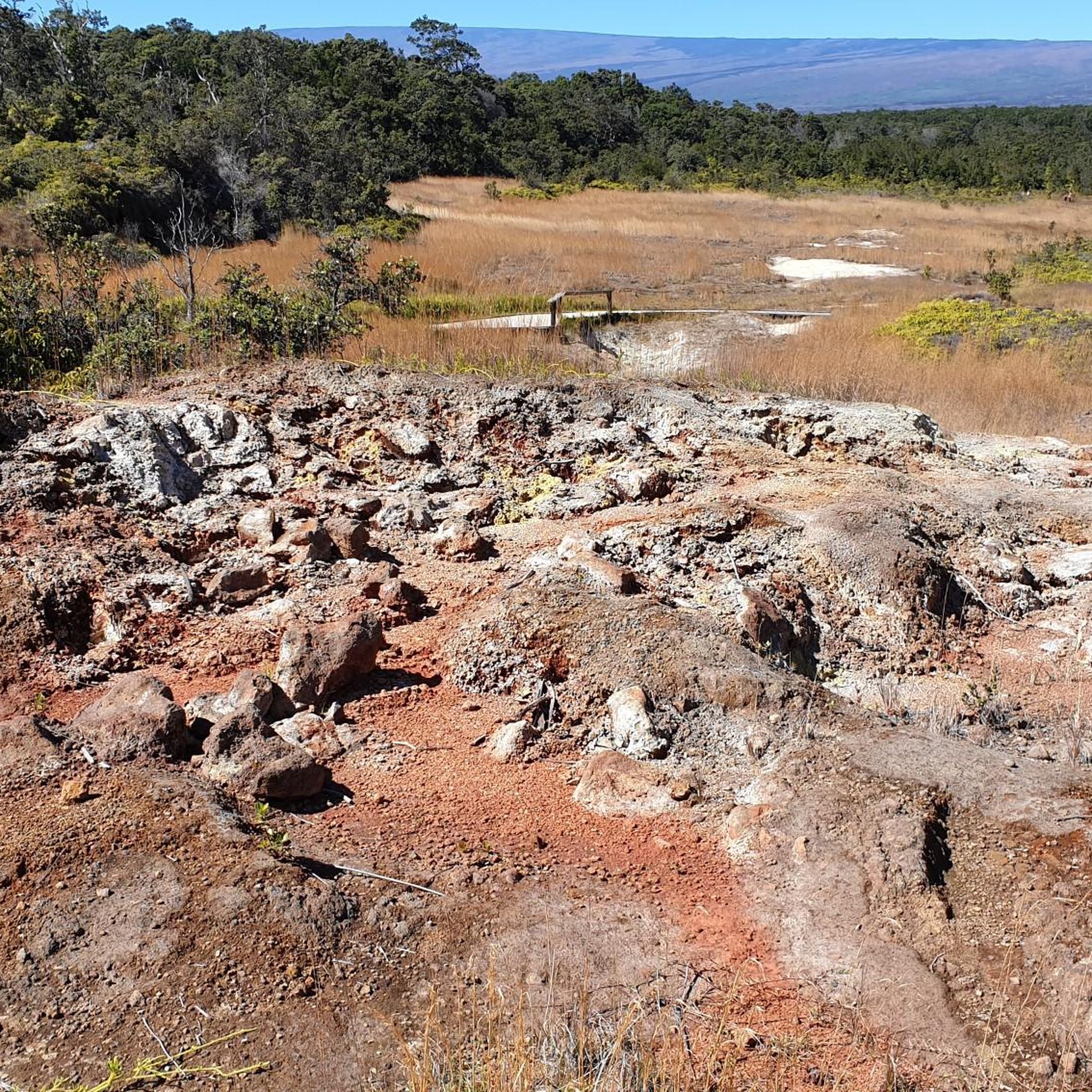
Pauahi is 360 feet deep and 1600 feet wide! This crater has had three recent eruptions (relatively), with two in 1973 and one in 1979. The 1979 event was the most dramatic and is what left the thin veneer currently seen on the crater floor. Pauahi Crater is culturally significant and religious to many of the Hawaiian people. You may see a hoʻokupu (offering), perhaps wrapped in leaves. These should not be touched or disturbed.
0
0
Hilina Pali Overlook provides visitors with a incredible view of the Hawaiian coastline and Pacific Ocean. There is a shelter and bathroom here to provide shelter from any storms, althought there is no potable water.
0
0
At the bottom of the Chain of Craters Road you can see steep lava rock cliffs. Winds are known to be high here, so use caution if you have deep wheels! This is a unique view with the blue crashing waves on one side and the brown laval fields stretching up the side of the volcano.
0
0
Frequently Asked Questions
How many road cycling routes are available in and around Puʻu Makaʻala Natural Area Reserve?
There are 6 road cycling routes documented on komoot for the Puʻu Makaʻala Natural Area Reserve area. These routes offer diverse experiences, ranging from easy to difficult, catering to various skill levels.
What kind of terrain can I expect on road cycling routes in this region?
Road cycling in the Puʻu Makaʻala Natural Area Reserve region is characterized by dense, wet native rainforests with iconic koa and ʻōhiʻa trees, and towering hapuʻu tree ferns. You'll also encounter unique geological formations, including cinder cones, and areas of montane wet grasslands. Adjacent areas, like Hawaiʻi Volcanoes National Park, feature dramatic volcanic landscapes and coastal scenery.
What is the typical elevation gain on road cycling routes near Puʻu Makaʻala Natural Area Reserve?
The routes in this region often involve significant elevation changes. For example, the Mauna Loa Road route, a difficult 23.3-mile path, ascends the slopes of Mauna Loa with an elevation gain of over 850 meters. Even moderate routes like Hilina Pali Road include over 600 meters of climbing.
Are there road cycling routes suitable for beginners in the area?
Yes, there are routes suitable for various abilities. For beginners, the Crater Rim Drive offers an easier 13.3-mile ride with a more manageable elevation gain, providing a good introduction to road cycling in the region.
What natural landmarks or viewpoints can I expect to see while road cycling in this region?
While cycling, you can expect breathtaking views of volcanic landscapes, lush rainforests, and expansive ocean scenery, especially on routes within or near Hawaiʻi Volcanoes National Park. The reserve itself features dense native forests with koa and ʻōhiʻa trees, and hapuʻu tree ferns, along with unique cinder cone formations.
Is parking available for road cyclists near the routes in Puʻu Makaʻala Natural Area Reserve?
While specific parking details for each route are best checked on individual tour pages, access roads like Wright Road, Amaumau Road, and Stainback Highway lead to the reserve and may offer parking opportunities. For routes within Hawaiʻi Volcanoes National Park, designated parking areas are typically available at trailheads and viewpoints.
Are there any specific regulations or permits required for cycling in the Puʻu Makaʻala Natural Area Reserve or adjacent areas?
The Puʻu Makaʻala Natural Area Reserve is a protected area. While the core reserve is known for hiking, surrounding roads offer cycling. For detailed regulations regarding access and permits within the Natural Area Reserve, it's advisable to consult official state resources such as the DLNR Fact Sheet or the Land Management Plan. Within Hawaiʻi Volcanoes National Park, standard park entrance fees and regulations apply.
What do other road cyclists enjoy the most about road cycling in Puʻu Makaʻala Natural Area Reserve?
The area is highly rated by the komoot community, with an average score of 5.0 stars. Road cyclists often praise the unique combination of dense rainforests, dramatic volcanic landscapes, and the challenging yet rewarding elevation changes. The diverse terrain and breathtaking scenery are frequently highlighted as key attractions.
Are there any loop road cycling routes in the area?
Yes, for those who prefer circular rides, the Volcano to Keaʻau loop is a popular option. This difficult 47-mile route offers a comprehensive experience of the region's diverse landscapes.
What is the best time of year for road cycling in the Puʻu Makaʻala Natural Area Reserve region?
The Big Island generally offers warm weather year-round, making it suitable for cycling in most seasons. However, the reserve itself is characterized by wet native rainforests, so be prepared for potential rain. Checking local weather forecasts before your ride is always recommended to ensure optimal conditions.
Can I find amenities like cafes or accommodation near the road cycling routes?
While the immediate vicinity of the Natural Area Reserve is largely undeveloped, the nearby Volcano Village, situated close to Hawaiʻi Volcanoes National Park, offers various amenities including cafes, restaurants, and accommodation options. These can serve as convenient bases for exploring the region's cycling routes.
Are there any long-distance road cycling routes for experienced cyclists?
Experienced cyclists looking for a challenge will appreciate routes like Chain of Craters Road, which spans 45.1 miles and offers extensive views of volcanic landscapes and coastal scenery. Another demanding option is the Volcano to Keaʻau loop, covering 47 miles with significant elevation.
Most popular routes in PuʻU MakaʻAla Natural Area Reserve

Get inspired with the komoot mobile app


Explore more
Browse the best Road cycling routes in other regions.
