Top 14 Castles around Osterode
Best castles around Osterode are situated in the Harz Mountains of central Germany, offering a glimpse into the region's rich past. The area features historical castle sites, predominantly ruins, nestled amidst natural landscapes. These sites are often found on hills or within river valleys, providing historical context to the scenic surroundings. Exploring these locations offers insights into medieval architecture and local heritage.
Best castles around Osterode
- The most popular castles is Stauffenburg Castle Ruins, a castle that saw its…
Last updated: June 23, 2026
Lichtenstein Castle Ruins
Highlight • Castle
Translated by Google •
Tip by

Oberes Tor Tower and Old Brewery, Northeim
Highlight • Historical Site
Translated by Google •
Tip by

Sign up now to discover places like this
Get recommendations on the best single tracks, peaks, & plenty of other exciting outdoor places.
Sign up for free
Stauffenburg Castle Ruins
Highlight • Castle
Translated by Google •
Tip by

Welfenschloss Herzberg
Highlight • Castle
Translated by Google •
Tip by

Hindenburg Castle Ruins
Highlight • Castle
The ruins were uncovered in 1903 and had already been deserted in the 16th century. The Burgadel is dated to the year 1152.
Translated by Google •
Tip by
Sign up for free to discover even more castles around Osterode.
Sign up for free
Already have an account?
Start today with a free account
Your next adventure awaits.
Login or Signup
Popular around Osterode
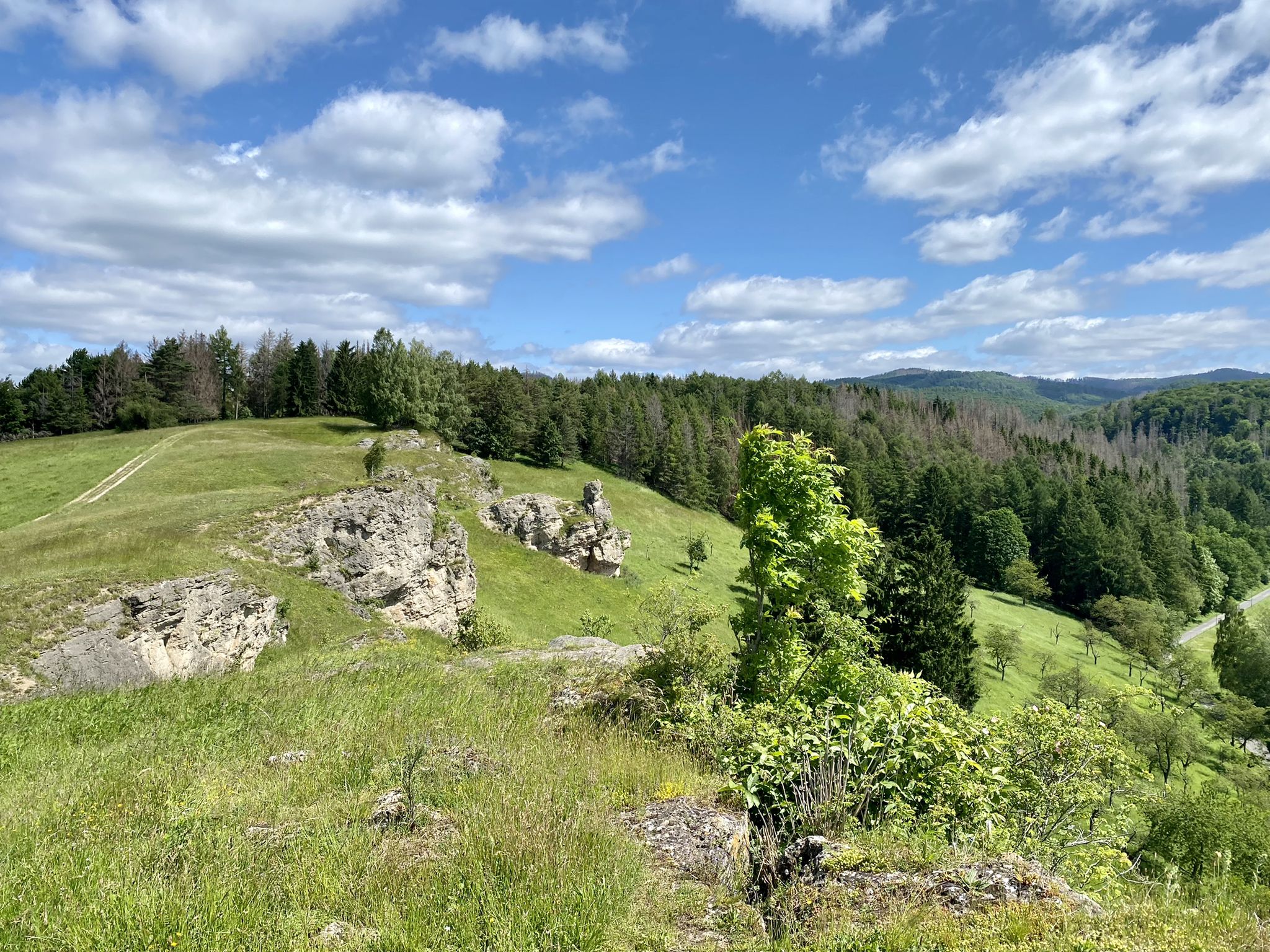
Karst Trail in Germany's Southern Harz Mountains – Where Water Meets Limestone
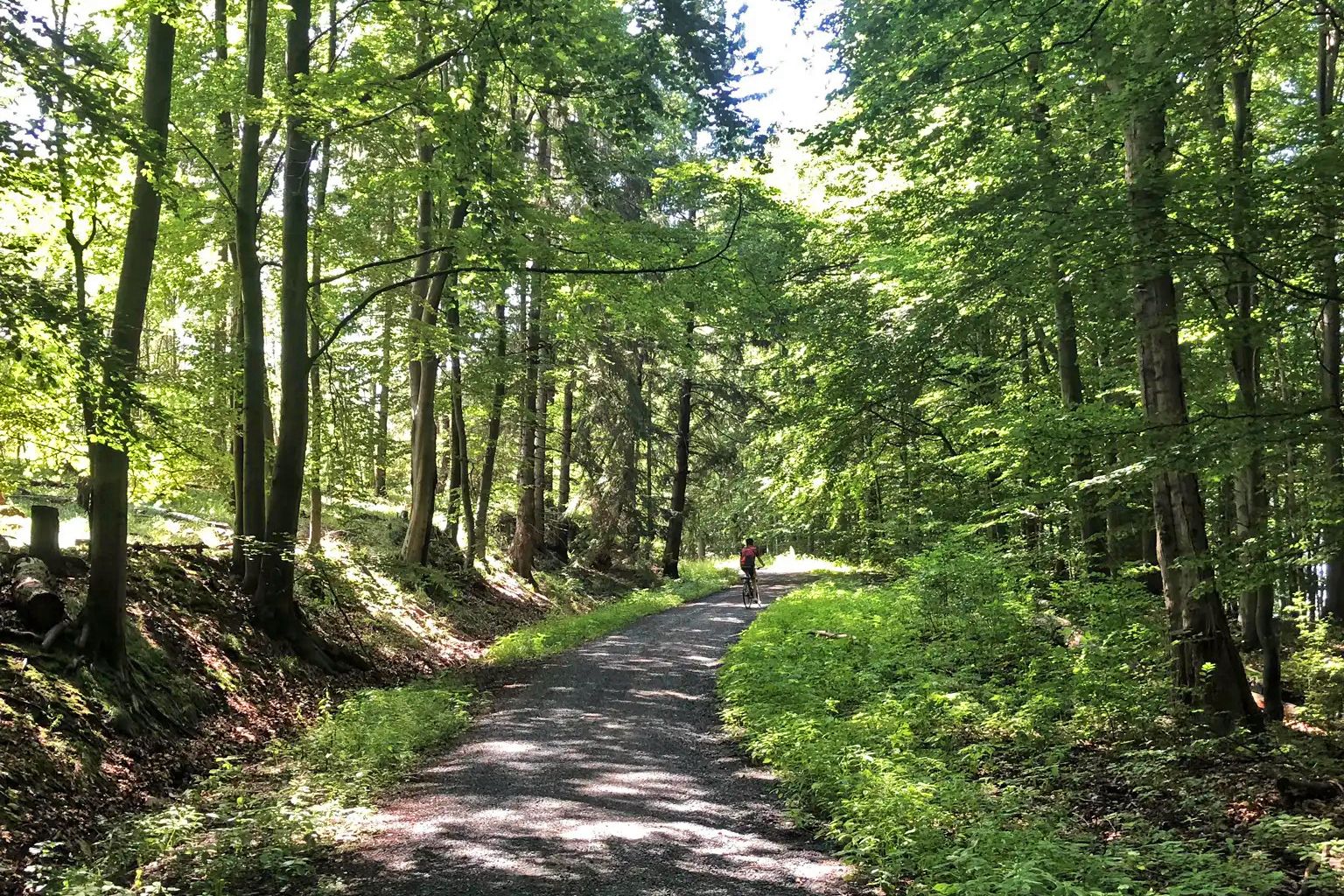
The Harz-Rundweg – once around the low mountain range in the Harz foreland
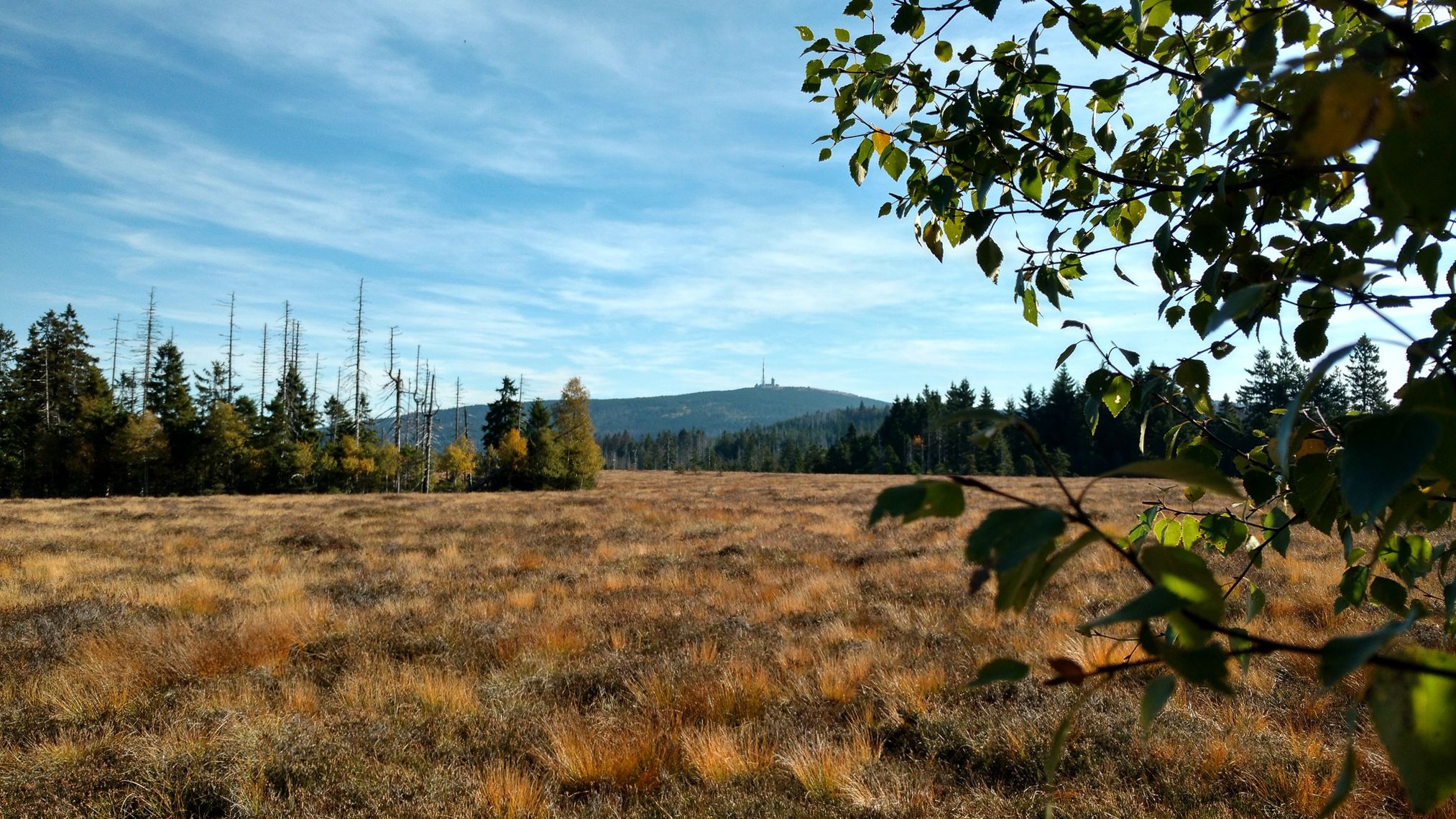
Harz Witches' Trail – A magical journey through Germany
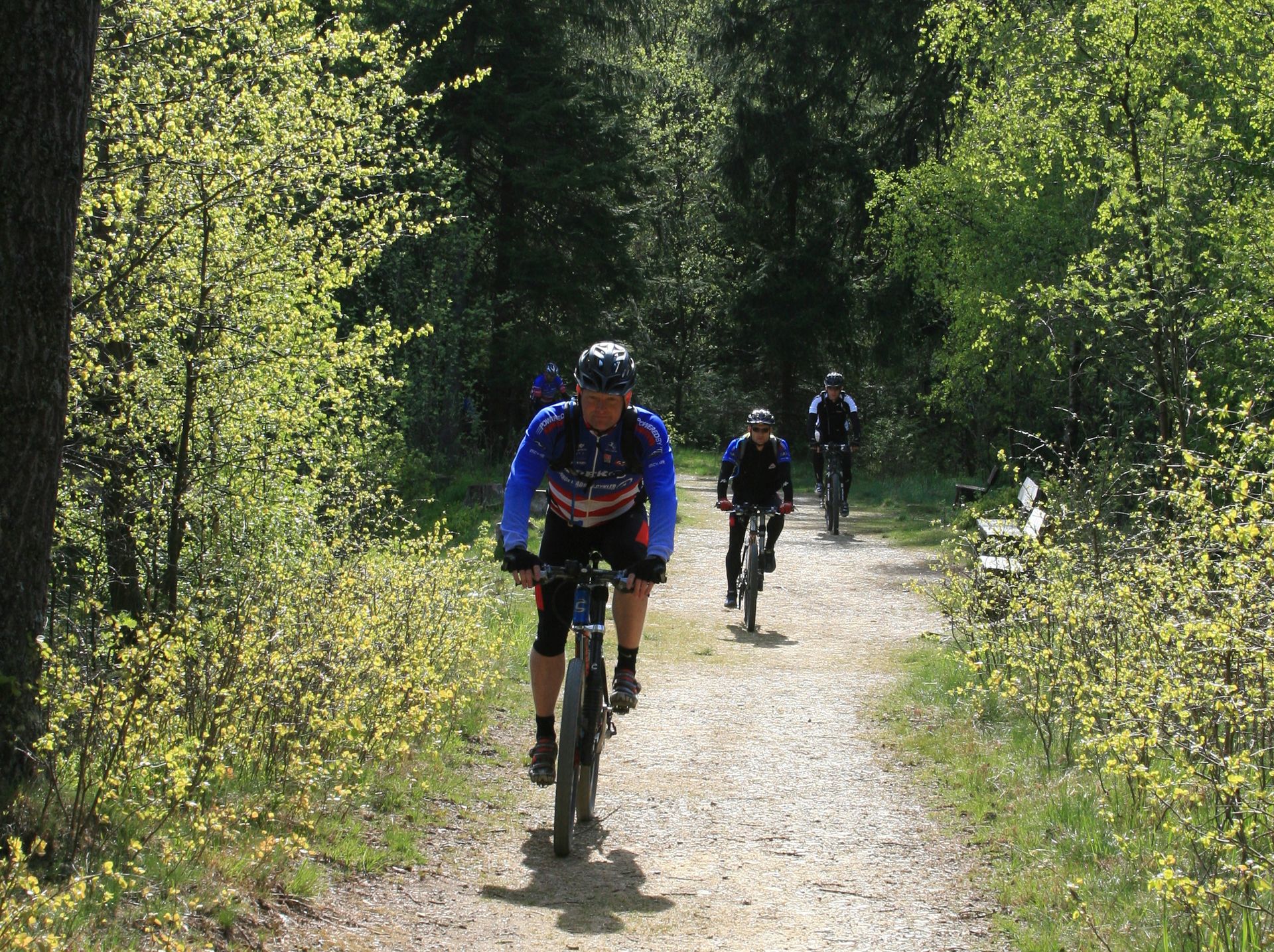
Mountainbike Routes in Nationalpark Harz
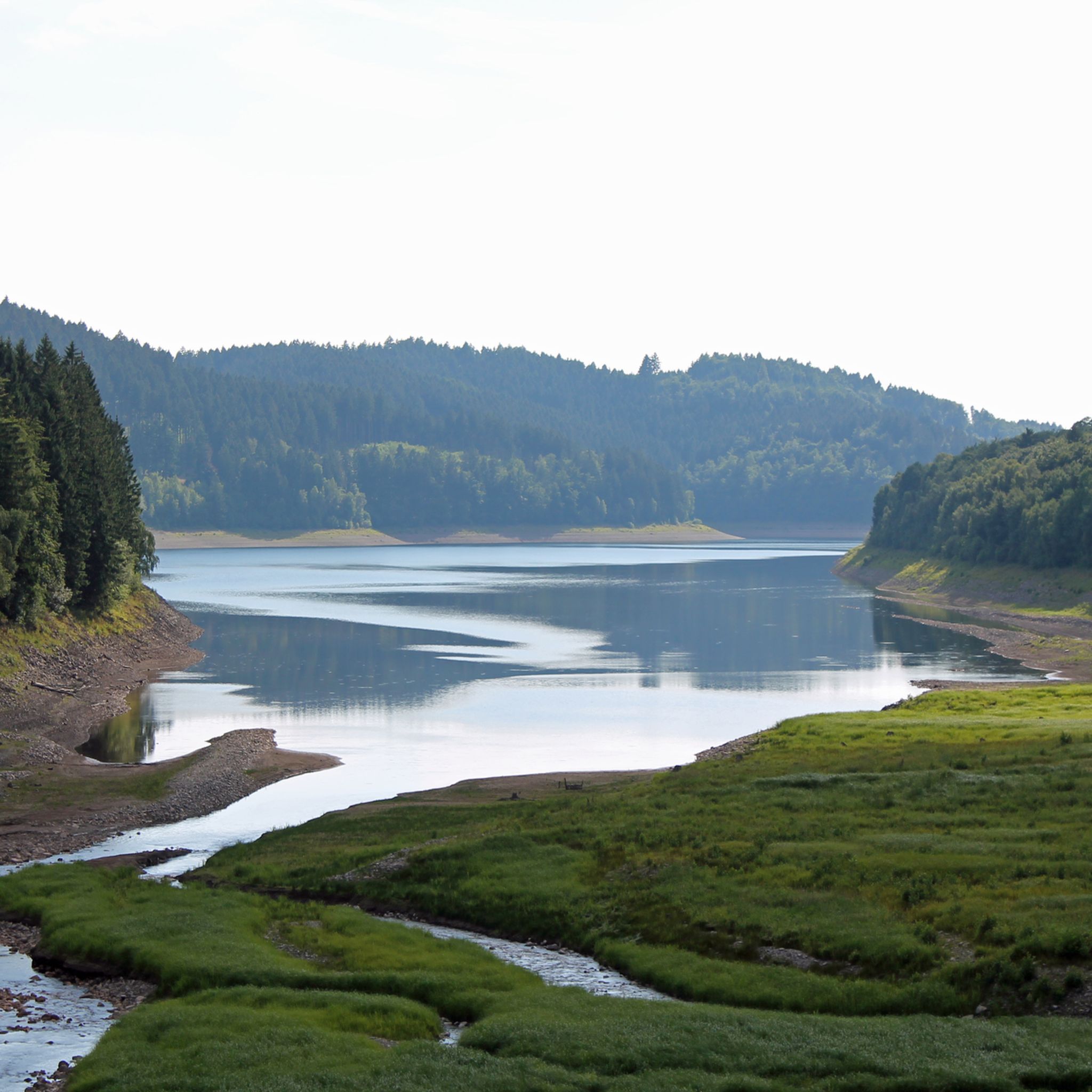
Hiking around Osterode
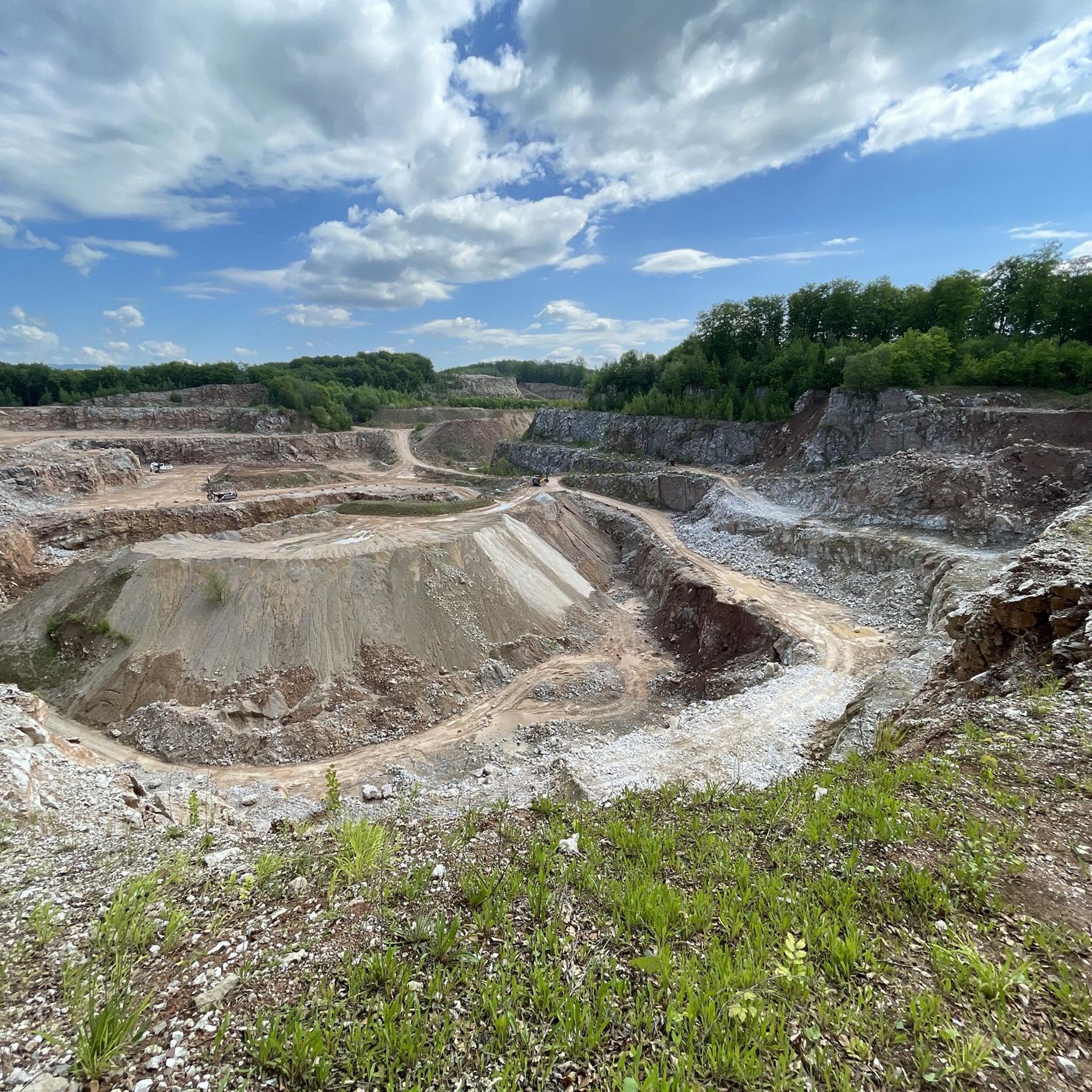
Cycling around Osterode
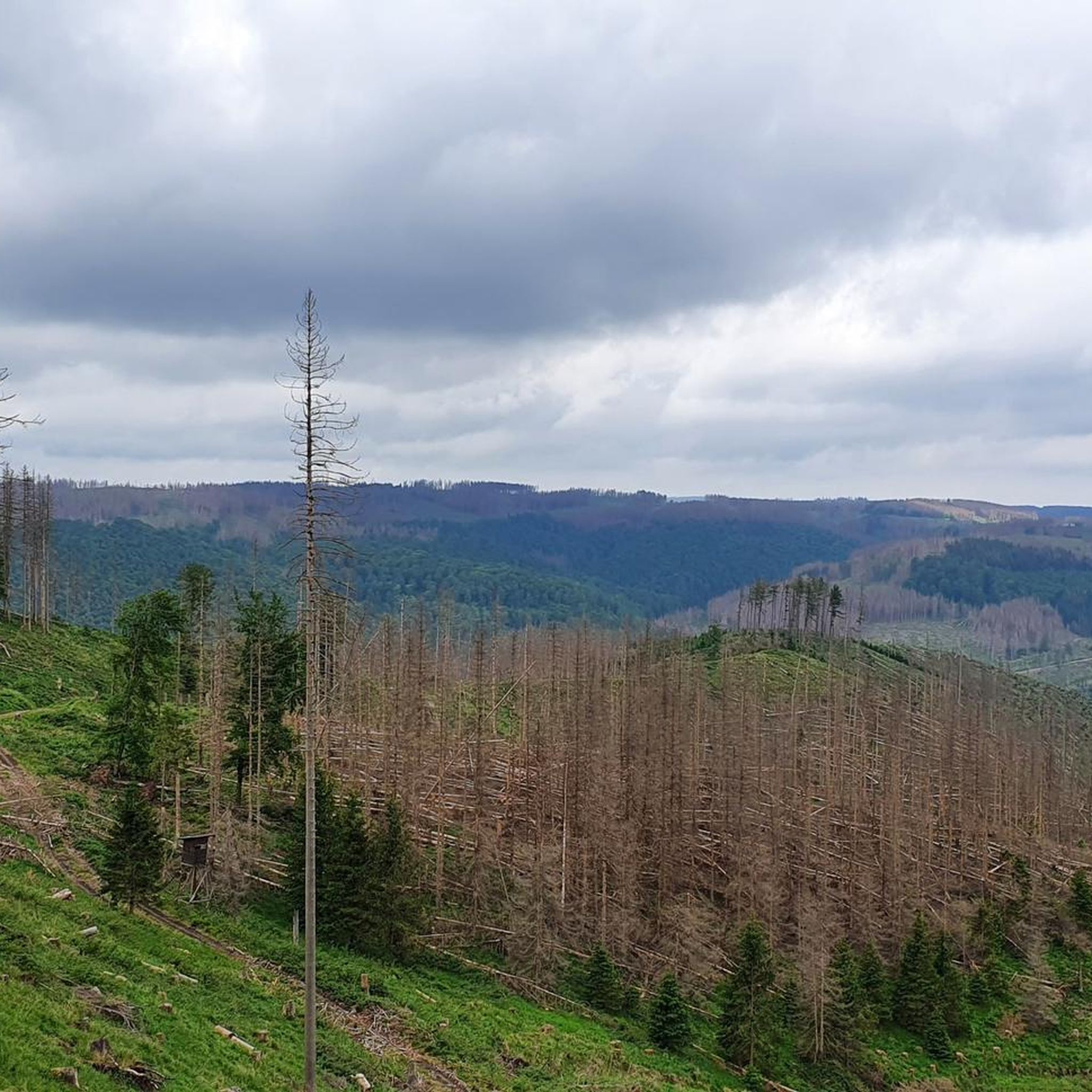
Road Cycling Routes around Osterode
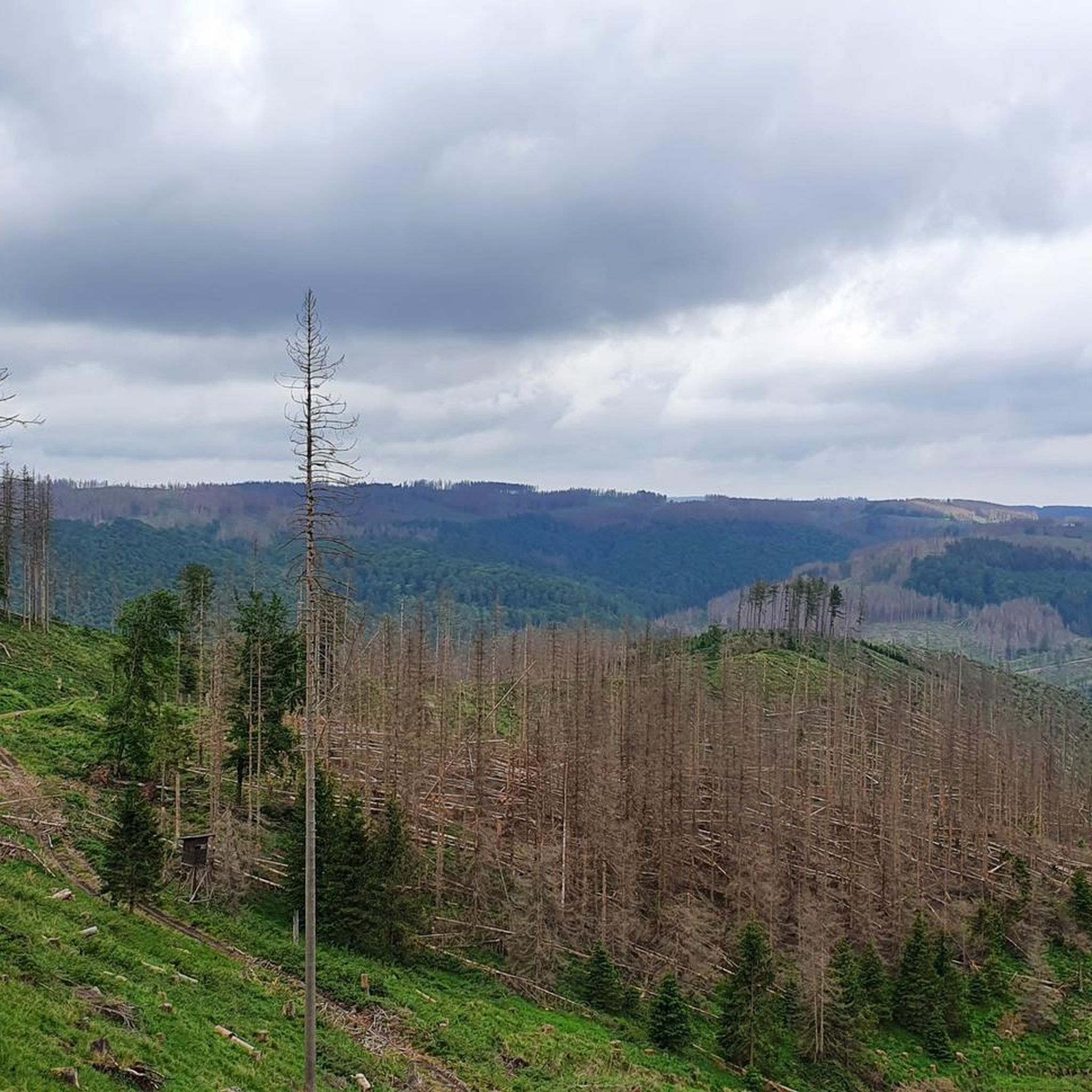
MTB Trails around Osterode
Running Trails around Osterode

Gravel biking around Osterode
Other adventures around Osterode


Tips from the Community

You really can't see much anymore.
0
0
You really can't see much anymore
0
0

Here you will find the last remains of the Hindenburg, located directly on the Karstwanderweg, an information board offers you interesting facts and you will find a place to rest at the top
2
0

Some remains of the Hindenburg castle ruins still stand here.
0
0
Information board of the Hindenburg castle ruins on the Karst hiking trail, just go up the mountain and you're there 🌝
0
0
The Staufenburg is a great destination for a hike. The remains of the walls are a great photo opportunity, you can enjoy a beautiful view and get interesting information from the information board. You will also find a few places to rest here. Former stamping point of the HWN.
3
0

Even if not much remains: a former castle with a sometimes scandalous history!
3
0

Nice remains of a mighty castle
0
0
Frequently Asked Questions
Which castles around Osterode offer significant historical insights?
For deep historical insights, consider visiting the Stauffenburg Castle Ruins, which date back to the 11th century and played a role in protecting Harz mining. The Welfenschloss Herzberg, also originating in the 11th century, served as a ducal residence and now houses a museum detailing its history. Additionally, the Alte Burg in Osterode, though mostly ruins, has a history stretching back to 1153 and was once owned by Henry the Lion.
Are there family-friendly castles to visit near Osterode?
Yes, several castles are suitable for families. The Welfenschloss Herzberg is noted as family-friendly and includes a museum with activity stations for children. The Hindenburg Castle Ruins are also considered family-friendly, with a circular path around the ruins and an adventure playground mentioned in visitor tips.
What kind of outdoor activities can I do near the castles?
The castles around Osterode are often focal points for outdoor activities. You can find numerous hiking trails, such as those leading to the Lichtenstein Castle Ruins via the Karstwanderweg. For cycling enthusiasts, there are various routes, including gravel biking, MTB trails, and road cycling. You can explore options like the 'Sösetalsperre Dam – Dammgraben Dam loop' for gravel biking or the 'Ziegenberger Pond – Bärenbruch Pond loop' for MTB. Find more details on these routes in the Gravel biking around Osterode, MTB Trails around Osterode, and Road Cycling Routes around Osterode guides.
Which castle ruins offer a blend of history and nature?
The Lichtenstein Castle Ruins are an excellent choice, situated within a nature reserve. Visitors can explore the castle mound, moat, and ring wall amidst distinctive Buntsandstein formations and the fascinating Lichtensteinhöhle (Lichtenstein Cave). It's described as a beautiful and somewhat lesser-known hiking destination, offering a sense of discovery in tranquil, wooded surroundings.
Are there any castles that are more intact or have museums?
Yes, the Welfenschloss Herzberg is a four-winged castle that is largely intact and houses a museum. It details the castle's history, the Welfen in Herzberg, and local economic history, including a facsimile of the Gospel of Henry the Lion. This offers a more complete castle experience compared to the predominantly ruined sites.
What are the best viewpoints of castles around Osterode?
The Stauffenburg Castle Ruins are known for offering a magnificent view of the Harz Mountains from a bench on the castle wall. While many castle ruins are on hilltops, providing scenic vistas, Stauffenburg is specifically highlighted for its panoramic outlook.
Can I find cafes or pubs near the castle ruins?
Yes, the Welfenschloss Herzberg has a café and restaurant on-site, making it a convenient stop for refreshments. For other castle ruins, you might find options in nearby towns or villages, but direct facilities at the ruin sites themselves are less common.
What is the best season to visit the castles around Osterode?
The Harz region, where Osterode is located, is beautiful year-round. However, for hiking and exploring the castle ruins comfortably, spring, summer, and early autumn are ideal. The weather is generally milder, and the natural surroundings are vibrant. Winter can offer a unique, snow-covered landscape, but some trails might be more challenging.
Are there any castles accessible by public transport?
While specific public transport routes to each ruin can vary, Osterode am Harz itself is a regional hub. Many hiking trails, such as the Karstwanderweg which leads to Burgruine Lichtenstein, are accessible from towns or villages that can be reached by local buses or trains. It's advisable to check local transport schedules for specific starting points.
What remains of the Alte Burg in Osterode?
Of the original Alte Burg, which was first recorded in 1153, only a fragment of its bergfried (keep) remains. The original tower was an impressive 33 meters high. While much of the castle stone was quarried away, the remaining tower ruins have been extensively repaired and are situated on a hill spur within a cemetery, offering a reflective historical experience.
Are there any less crowded castle sites to explore?
The Lichtenstein Castle Ruins are described as a somewhat lesser-known hiking destination, suggesting it might be less crowded than more prominent sites. Its location within a nature reserve also contributes to a more tranquil and secluded experience.
What is the historical significance of the Osterode Castle (Welfenschloss/Jacobi Castle Church)?
The site known today as Osterode Castle evolved from a 13th-century Cistercian nunnery. In the mid-16th century, Duke Ernst III converted it into a ducal residence. The Jacobi Castle Church, originally a 12th-century chapel, was rebuilt in the 18th century and houses significant artifacts like a 16th-century Moses statue and a 12th-century baptismal font. Part of the complex is still in use as a district court, showcasing its continuous historical and administrative importance.
Most popular routes around Osterode
Most popular attractions around Osterode

Get inspired with the komoot mobile app


Explore more
Looking for the best castles somewhere else? Discover other guides around Osterode:
