The best walks and hikes in Jasper National Park
4.6
(2093)
18,451
hikers
154
hikes
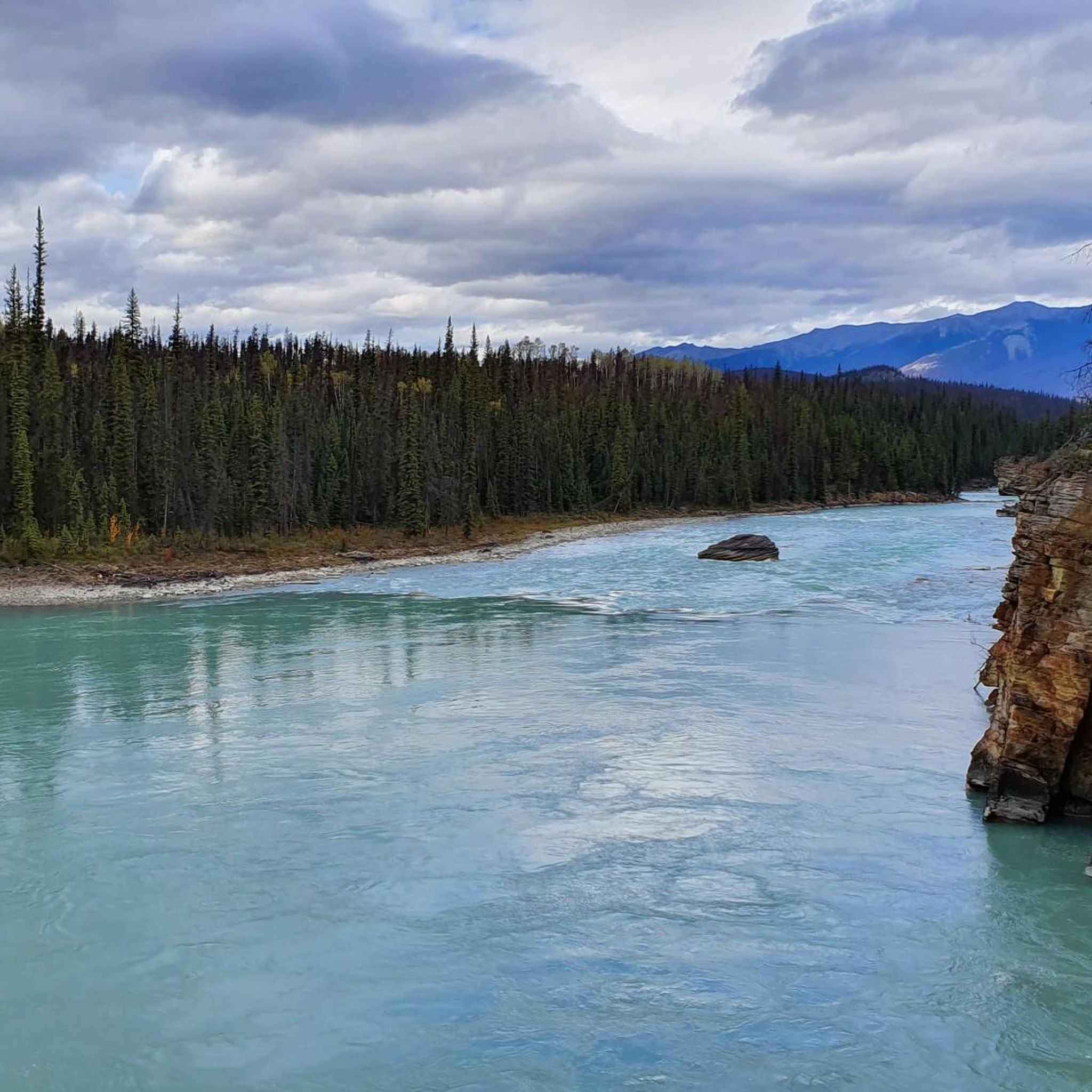
Hiking trails in Jasper National Park traverse a landscape characterized by rugged mountain peaks, expansive ice fields, glaciers, and alpine meadows. The region features numerous glacier-fed lakes, powerful waterfalls, and deeply incised canyons. This diverse terrain offers a variety of elevations and environments for outdoor exploration.
Best hiking trails in Jasper National Park
- The most popular hiking route is Athabasca Glacier, an easy 2.9 miles (4.6 km) trail that takes 1 hour 4 minutes to complete. This path offers close-up views of the accessible Athabasca Glacier.
- Another top favourite among local hikers is Lake Annette Loop, an easy 1.7 miles (2.7 km) path. This route circles the clear waters of Lake Annette, providing serene lakeside scenery.
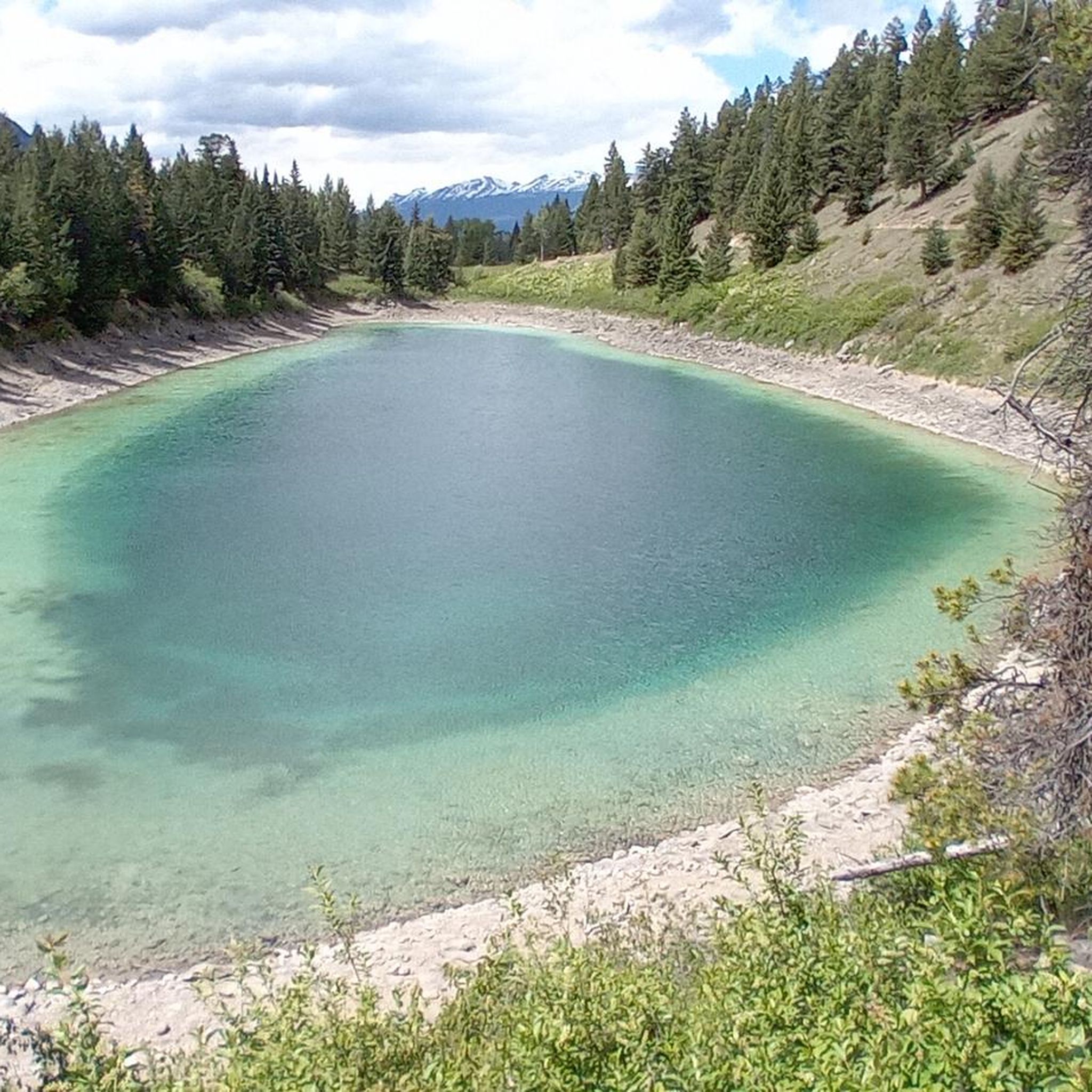
- Local hikers also love the Hiking loop from Valley of the five lakes, a 3.3 miles (5.4 km) trail leading through a series of emerald lakes, often completed in about 1 hour 29 minutes.
- Hiking in Jasper National Park is defined by majestic mountain scenery, glacier-fed lakes, and deep canyons. The network of routes offers options for various ability levels, from easy lakeside strolls to more challenging mountain ascents.
- The routes in Jasper National Park are highly rated by the komoot community with an average score of 4.6 stars from more than 1,700 reviews. More than 14,000 hikers have used komoot to explore Jasper National Park's varied terrain.
Last updated: September 26, 2026
4.6
(55)
464
hikers
3.72km
01:08
120m
120m
Easy hike. Great for any fitness level. Easily-accessible paths. Suitable for all skill levels.
4.7
(46)
507
hikers
6.51km
01:47
100m
100m
Easy hike. Great for any fitness level. Easily-accessible paths. Suitable for all skill levels.

4.6
(32)
348
hikers
4.62km
01:04
120m
120m
Easy hike. Great for any fitness level. Easily-accessible paths. Suitable for all skill levels.
4.5
(26)
269
hikers
3.77km
01:02
60m
60m
Easy hike. Great for any fitness level. Easily-accessible paths. Suitable for all skill levels.
4.7
(29)
291
hikers
2.74km
00:43
20m
20m
Easy hike. Great for any fitness level. Easily-accessible paths. Suitable for all skill levels.
Get access to more routes and recommendations from other explorers.
Already have an account?
Our route recommendations are based on thousands of hikes, rides, and runs completed by other people on komoot.
Start today with a free account
Your next adventure awaits.
Popular around Jasper National Park
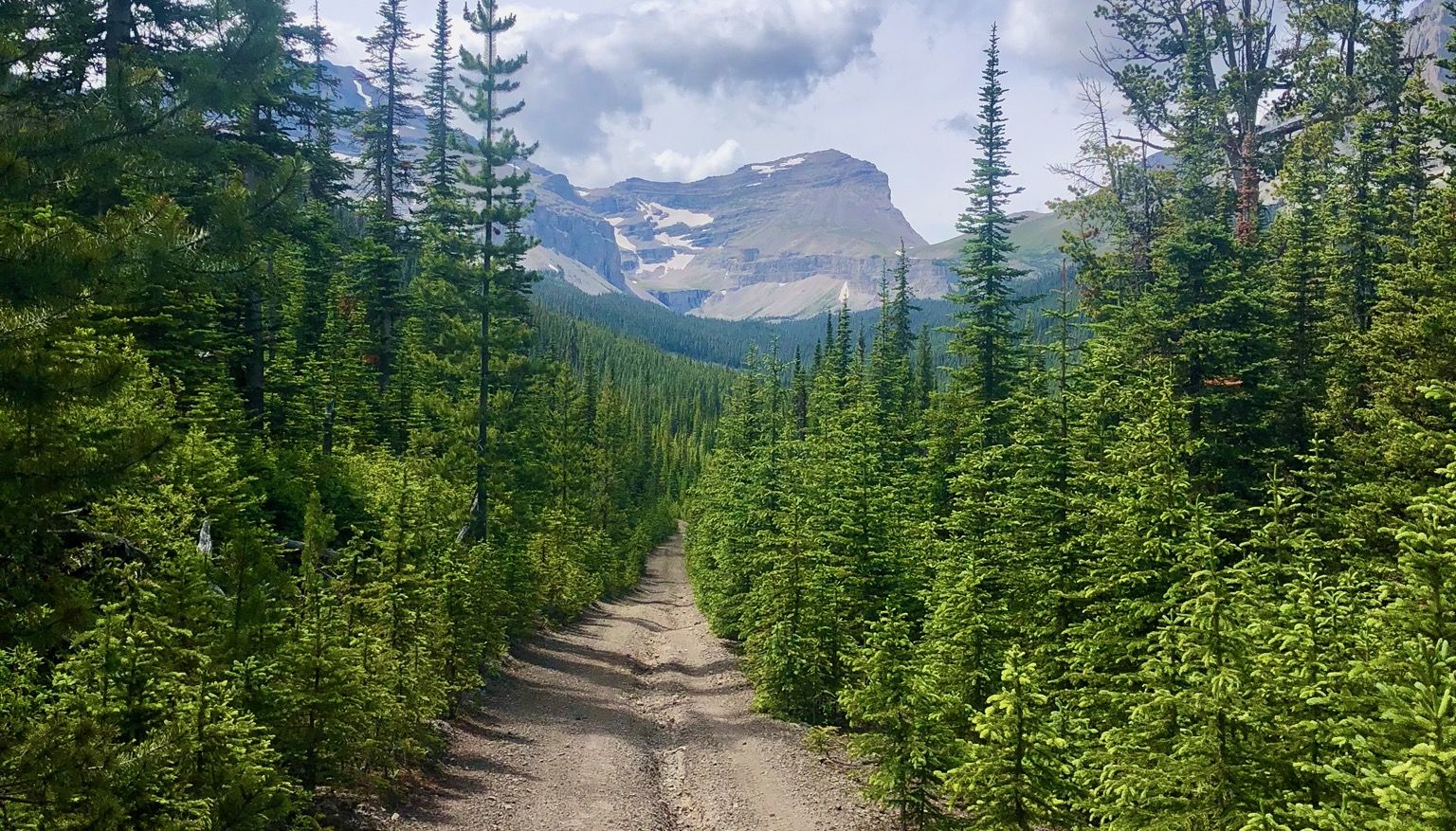
Run the Rockies – mountain range fastpack #5
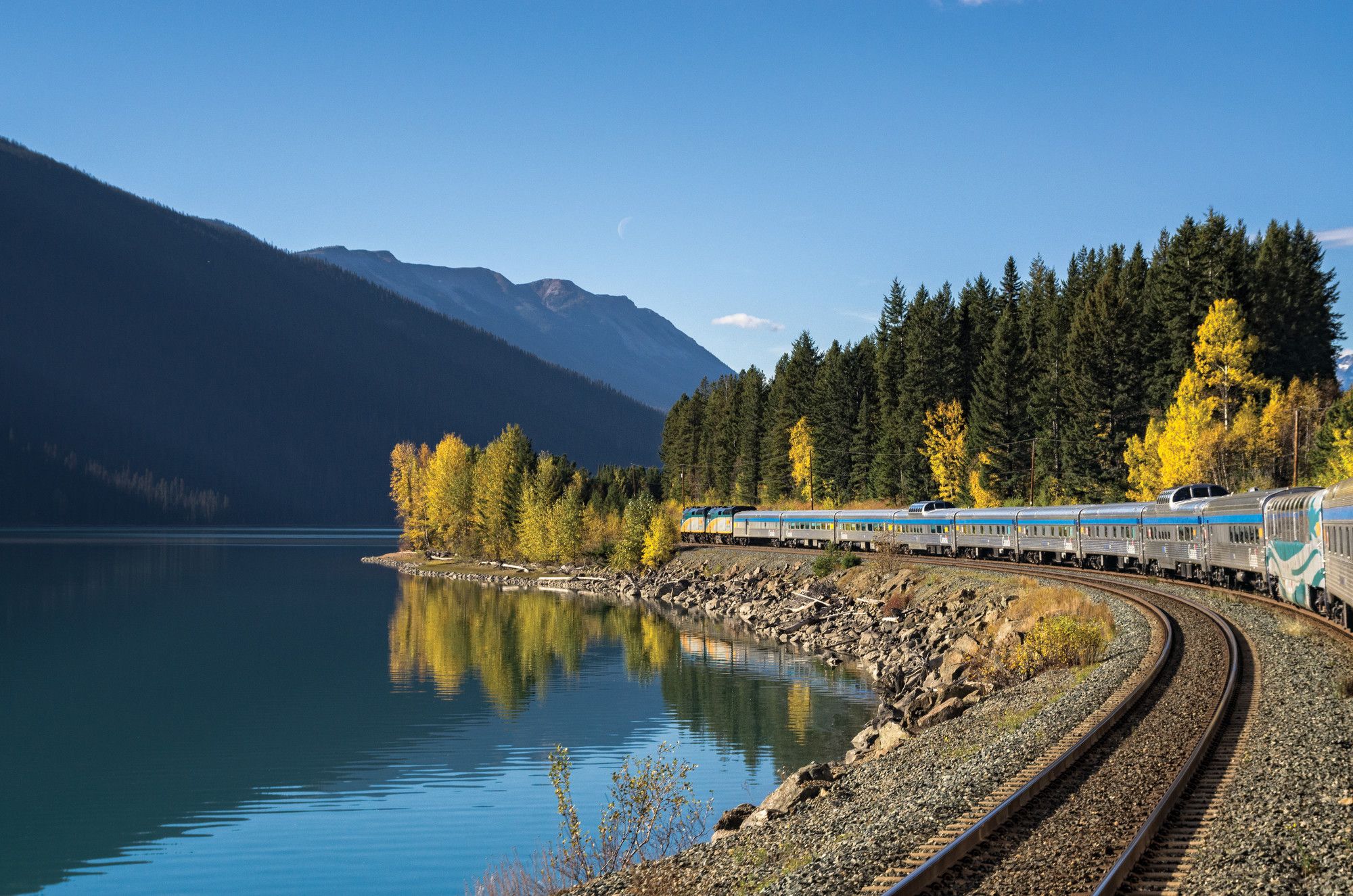
Canada by train – scenic hikes from Western stations
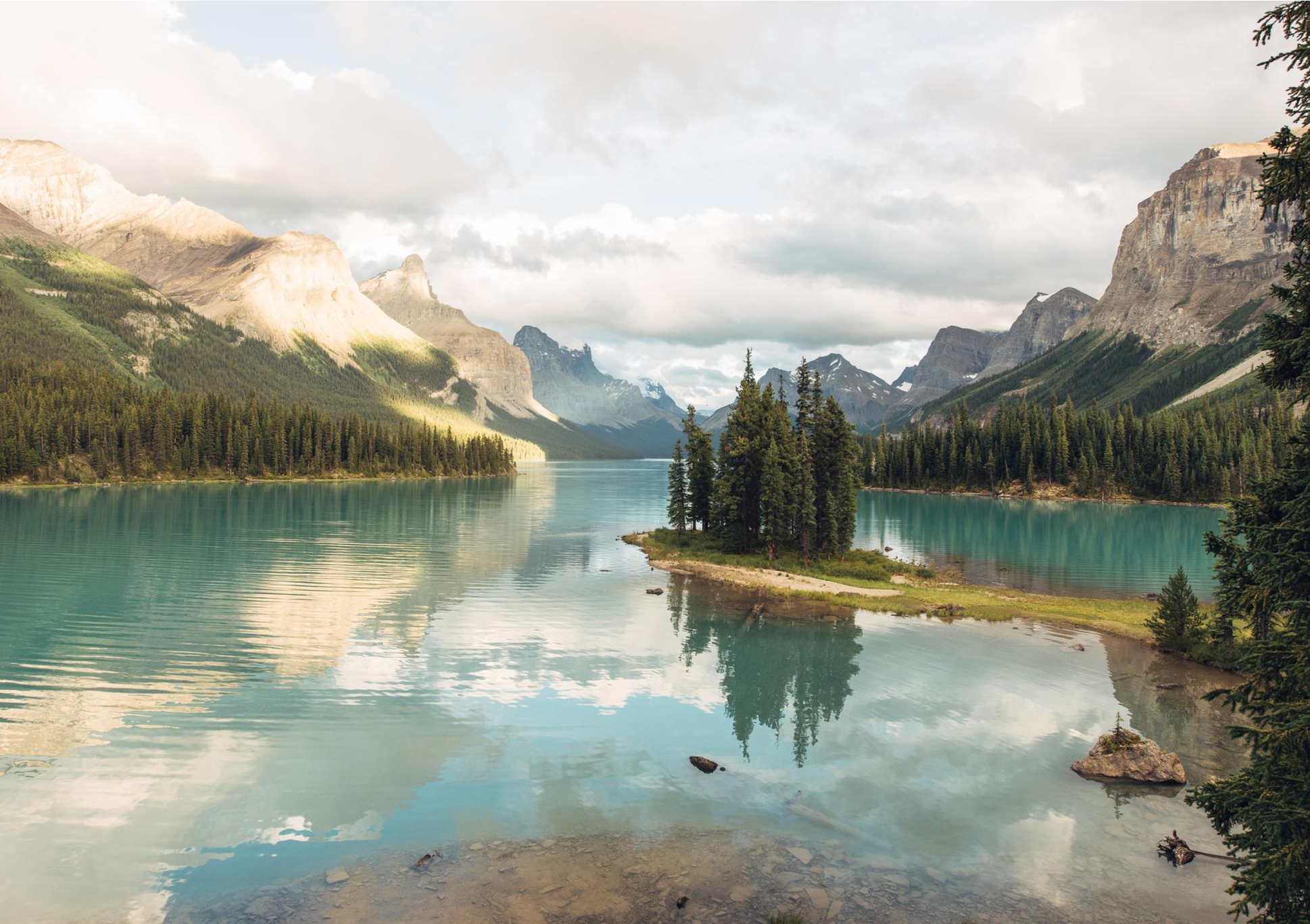
Waterfalls and wild lakes – hiking in Northern Alberta and Jasper
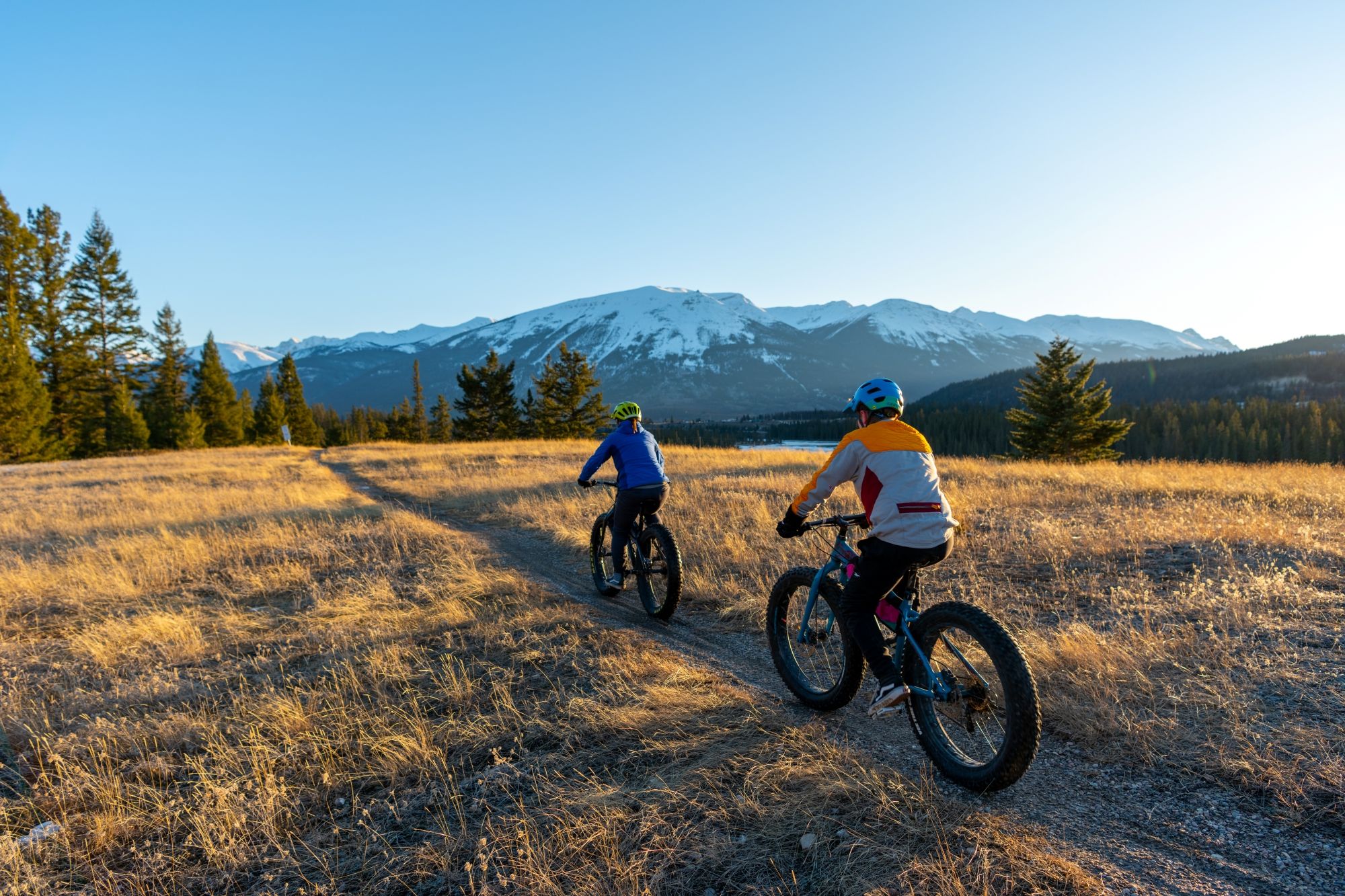
Hop on the trails – mountain biking & fat biking in Alberta
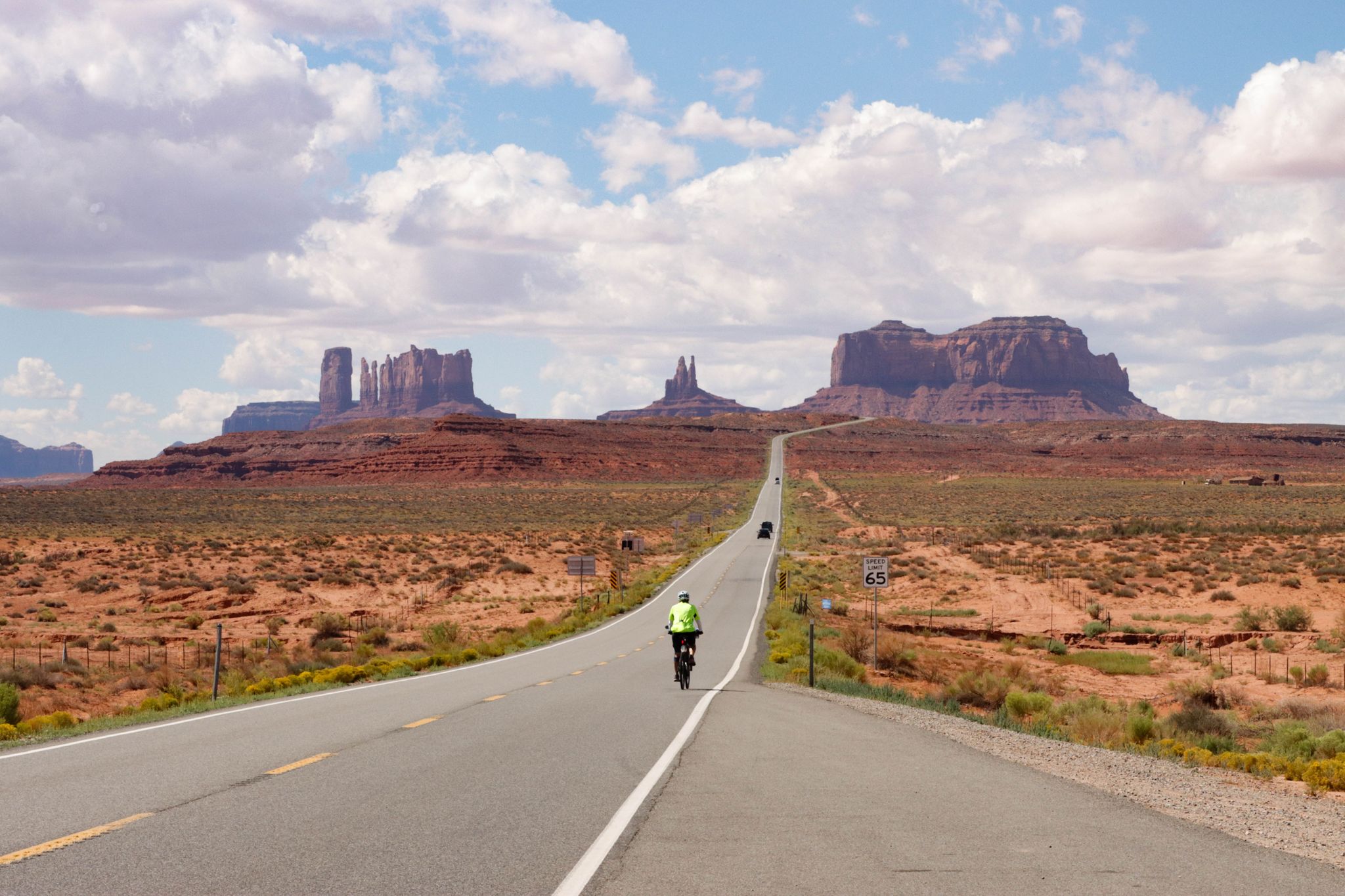
From the Arctic Ocean to the Panama Canal — North American Epic
MTB Trails in Jasper National Park
Running Trails in Jasper National Park
Cycling in Jasper National Park
Road Cycling Routes in Jasper National Park
Other adventures in Jasper National Park


Tips from the Community

Stretching for twenty-two kilometres beneath a backdrop of rugged peaks, Maligne Lake is the largest natural lake in the Canadian Rockies. Fed by glaciers and snowmelt from the surrounding mountains, its deep blue waters are famous for their clarity and dramatic setting. While many visitors experience the lake from the shoreline or by boat, this section offers a quieter perspective, with views across the water toward the mountains that define one of Jasper National Park's most iconic landscapes.
0
0
The Great Divide Trail stretches for more than 1,100 kilometres through the Canadian Rockies, linking remote valleys, mountain passes, and wilderness areas from Waterton Lakes to Kakwa Lake. Near Maligne Lake, the trail emerges from the rugged and isolated Maligne Valley before joining the more established trail network of Jasper National Park. This section offers a rare combination of backcountry solitude and spectacular mountain scenery, with Maligne Lake marking one of the most memorable points along the entire route.
0
0

This trail starts close to the Icefields Parkway and offers a bit of a longer hike compared to the short loop trail from the parking area near Sunwapta Lake. The extra effort is worth it as you'll have great views of the mountains and Columbia Icefields the entire way.
0
0

A bit crowded but still a nice stop
0
0

this is what it looks like for the most part between the turnoff from Maligne Lake to Moose Lake. From Maligne Lake, the path runs slightly differently than indicated by Komoot. on this section you are actually alone
0
0

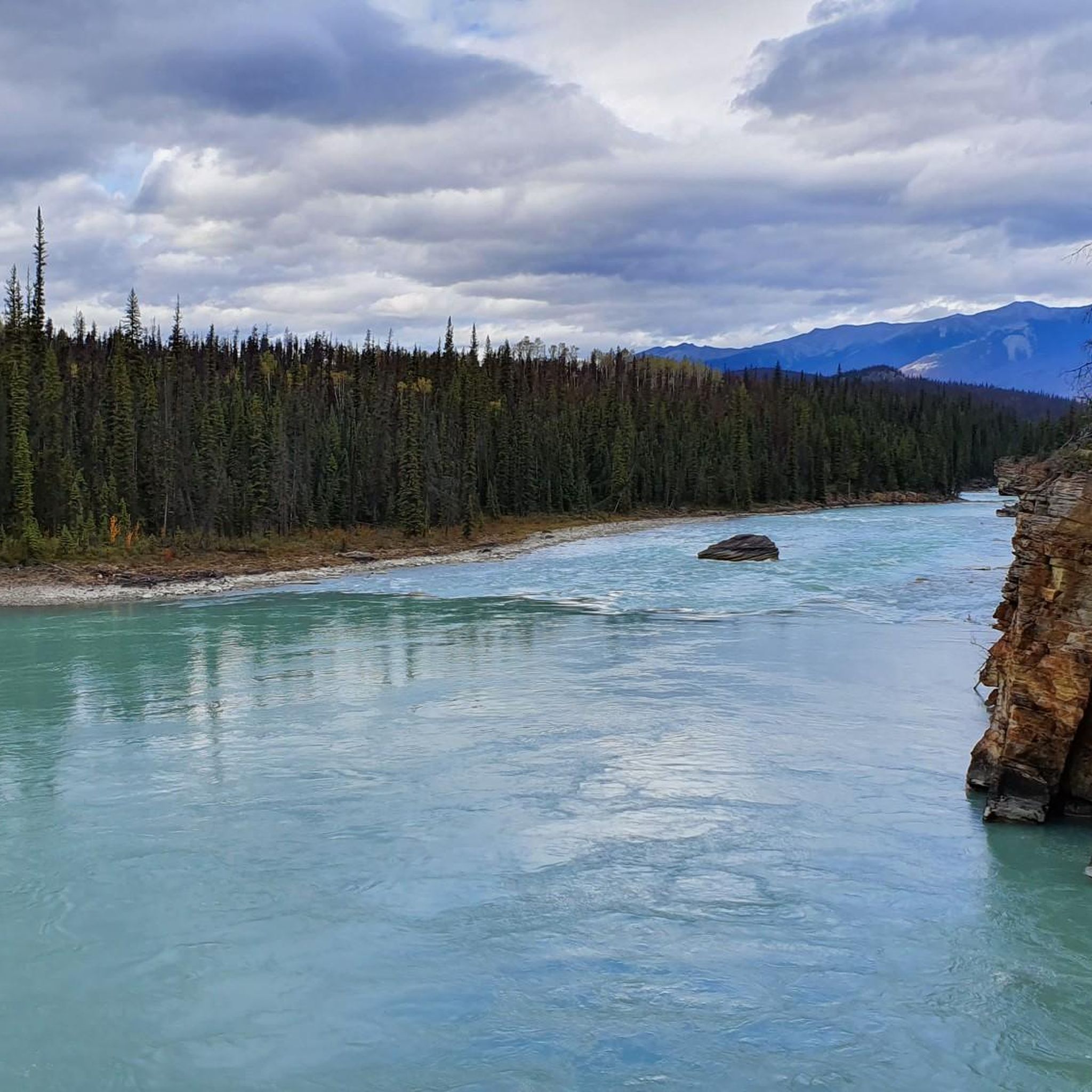
Just off the Icefields Parkway, the Sunwapta River rushes through a gorge forming the impressive Sunwapta Falls. The river is a tributary to the mighty Athabasca River. If you are in for a ride, you can take your bike and ride along the Chaba Trail that leads along the Athasbasca River and to two backcountry campsites.
1
0

At Sunwapta Falls, the higher Chaba Valley with the Sunwapta River and the large Athabasca Valley with the river of the same name merge to form a spectacular waterfall that falls several meters into the limestone gorge. After two and a half kilometres of turbulent flow, it joins the main stream of the Athabasca River on the valley floor. (Visit May 31, 2018) https://www.worldwaterfalldatabase.com/waterfall/Sunwapta-Falls-2652 Some information on geology at page 95 of: http://parkscanadahistory.com/geology/misc-report-6-1963.pdf
2
0
The Columbia Icefield is located on a plateau in the Canadian Rocky Mountains and is the remnant of the ice mass that once covered the high peaks. The Athabasca Glacier flows over three enormous rock steps from the Columbia Icefield in the Sunwapta Valley. It is one of the six principal 'toes' of the Columbia Icefield. The glacier has been receding more than 1.5 km in the past 125 years, leaving behind a vegetation-free moraine landscape. (Visit May 31, 2018) Information at: https://parks.canada.ca/pn-np/ab/jasper/activ/itineraires-itineraries/glacier-athabasca A photo of the Athabasca Glacier in around 1963 can be seen in the publication ‘Jasper National Park - Behind the mountains and glaciers’ at page 61: http://parkscanadahistory.com/geology/misc-report-6-1963.pdf
3
0
Frequently Asked Questions
How many hiking trails are available in Jasper National Park?
Jasper National Park offers a wide variety of hiking experiences, with over 140 routes available. These range from easy lakeside strolls to more challenging mountain ascents, catering to all levels of hikers.
What is the best time of year to go hiking in Jasper National Park?
The prime hiking season in Jasper National Park is typically from June to September, when most trails are snow-free and weather conditions are generally mild. Early summer brings wildflowers, while late summer and early fall offer vibrant autumn colours and fewer crowds. Some lower elevation trails may be accessible earlier or later in the season.
Are there hiking trails suitable for families with children in Jasper National Park?
Yes, Jasper National Park has many family-friendly options. Trails like the Lake Annette Loop, an easy 1.7 miles (2.7 km) path, offer serene lakeside scenery suitable for all ages. The Hiking loop from Valley of the five lakes is another excellent choice, leading through a series of beautiful emerald lakes.
Can I bring my dog on the hiking trails in Jasper National Park?
Dogs are generally permitted on many trails in Jasper National Park, but they must be kept on a leash at all times to protect wildlife and ensure the safety of other visitors. Always check specific trail regulations before heading out, as some areas, particularly those with sensitive wildlife habitats, may have restrictions.
What kind of natural landmarks or attractions can I see while hiking?
Jasper National Park is rich in stunning natural features. You can explore powerful waterfalls like Athabasca Falls and Upper Sunwapta Falls, or walk along the deep Maligne Canyon. Glacier-fed lakes such as Maligne Lake and the five lakes of the Valley of the Five Lakes are also prominent features.
Are there any circular hiking routes in Jasper National Park?
Yes, Jasper National Park offers several circular routes, perfect for experiencing diverse scenery without retracing your steps. A popular option is the Hiking loop from Valley of the five lakes, which takes you around five distinct lakes. The Lake Annette Loop is another easy circular path.
What do other hikers enjoy most about hiking in Jasper National Park?
The komoot community highly rates the hiking experiences in Jasper National Park, with an average score of 4.6 stars from over 1,700 reviews. Hikers frequently praise the majestic mountain scenery, the stunning glacier-fed lakes, and the well-maintained trails that offer a variety of challenges and breathtaking views.
Are there any easy day hikes that offer great views?
Absolutely. For an easy day hike with rewarding views, consider the Athabasca Glacier trail, which is an easy 2.9 miles (4.6 km) and offers close-up views of the accessible glacier. The Lower Sunwapta Falls hike is another easy option, providing scenic views of the falls and surrounding river.
Do I need a permit to hike in Jasper National Park?
Yes, a Parks Canada Pass is required for entry into Jasper National Park. This pass covers your entry fee and contributes to the maintenance of the park's facilities and conservation efforts. You can purchase passes online or at park gates upon arrival.
Where can I find parking near popular trailheads?
Many popular trailheads in Jasper National Park, such as those for the Valley of the Five Lakes, Maligne Canyon, and Athabasca Falls, have designated parking areas. During peak season, these can fill up quickly, so it's advisable to arrive early, especially for well-known routes. Some areas may also offer shuttle services.
Are there opportunities for wildlife viewing while hiking?
Jasper National Park is renowned for its abundant wildlife. While hiking, you might spot elk, bighorn sheep, mountain goats, and various bird species. Keep an eye out in alpine meadows and along river valleys. Always maintain a safe distance and never feed wildlife.
What are some less crowded hiking options in Jasper National Park?
To avoid crowds, consider hiking during the shoulder seasons (late spring or early fall) or exploring trails that are slightly off the main tourist routes. Early mornings or late afternoons can also offer a more solitary experience on popular trails. Researching lesser-known trails or longer, more challenging routes can also lead to quieter experiences.
Most popular routes in Jasper National Park
Most popular attractions in Jasper National Park

Get inspired with the komoot mobile app


Explore more
Browse the best Hikes in other regions.
