Attractions and Places To See around Plöwen - Top 20
Best attractions and places to see around Plöwen are found in the municipality of Plöwen, located in the Vorpommern-Greifswald district of Mecklenburg-Vorpommern, Germany. While primarily a residential area, Plöwen serves as a gateway to a region known for its diverse natural beauty and historical sites. Visitors can explore the broader landscape, which includes natural parks, lake districts, and historical architecture. The area offers opportunities to discover various landmarks and natural features.
Best attractions and places to see around Plöwen
- The…
Last updated: October 24, 2026
Blankensee-Buk border crossing
Highlight • Rest Area
Translated by Google •
Tip by

Löcknitzer Lake
Highlight • Lake
Translated by Google •
Tip by

Sign up now to discover places like this
Get recommendations on the best single tracks, peaks, & plenty of other exciting outdoor places.
Buk Rest Area and Bicycle Repair Station
Highlight • Rest Area
Translated by Google •
Tip by

Löcknitz Castle
Highlight • Castle
Translated by Google •
Tip by
Stolec Palace (Palace in Stolec)
Highlight • Castle
Translated by Google •
Tip by

Sign up for free to discover even more attractions around Plöwen.
Already have an account?
Start today with a free account
Your next adventure awaits.
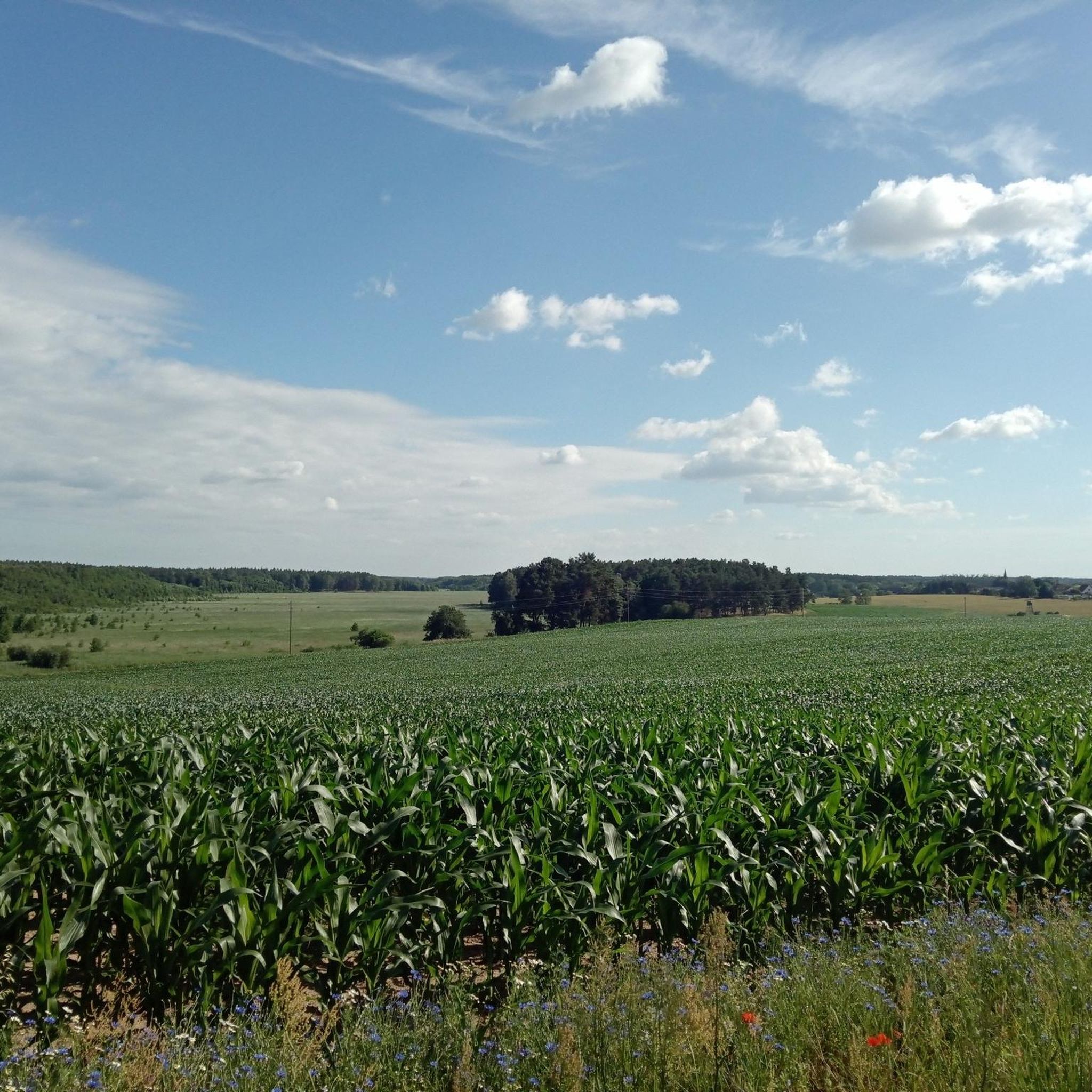
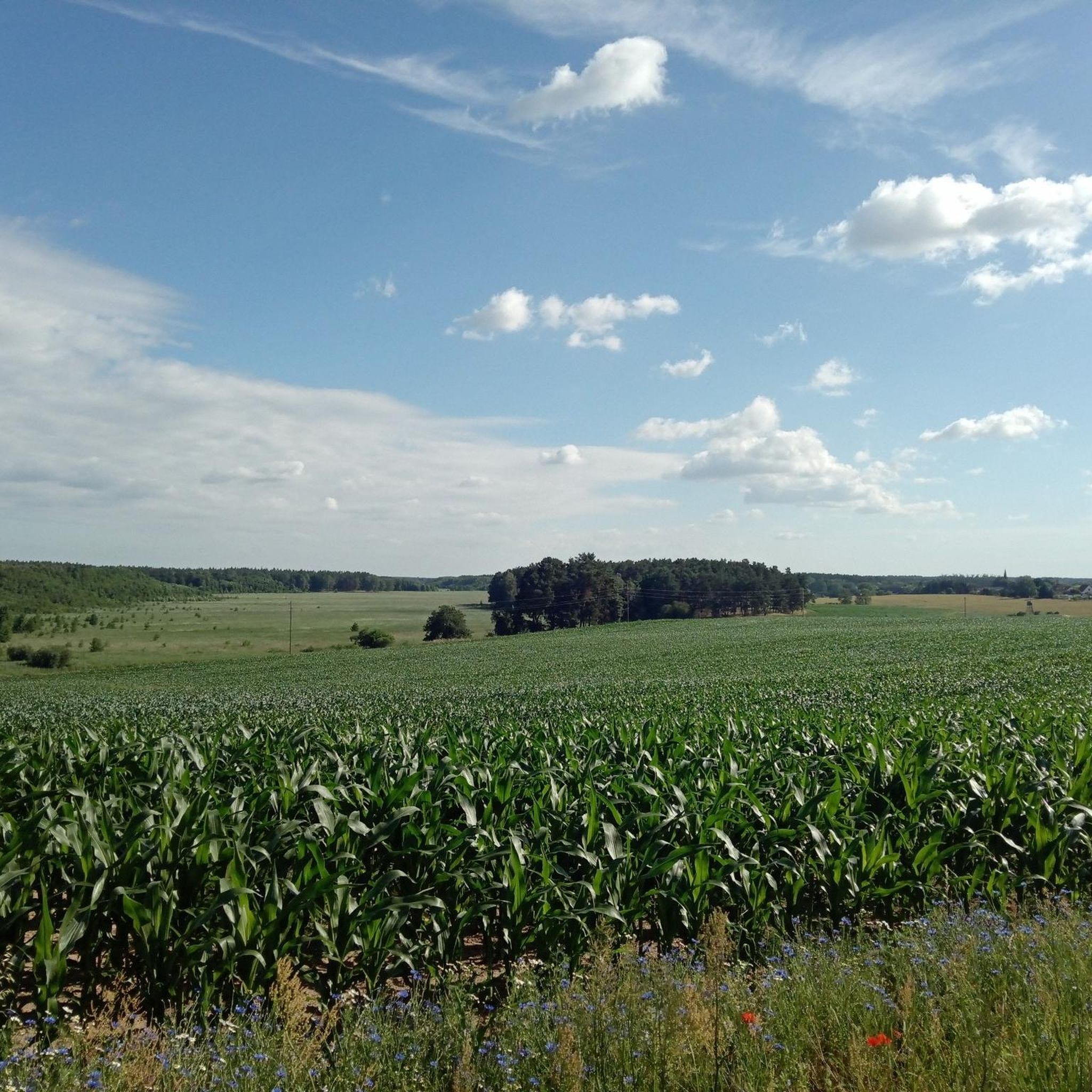
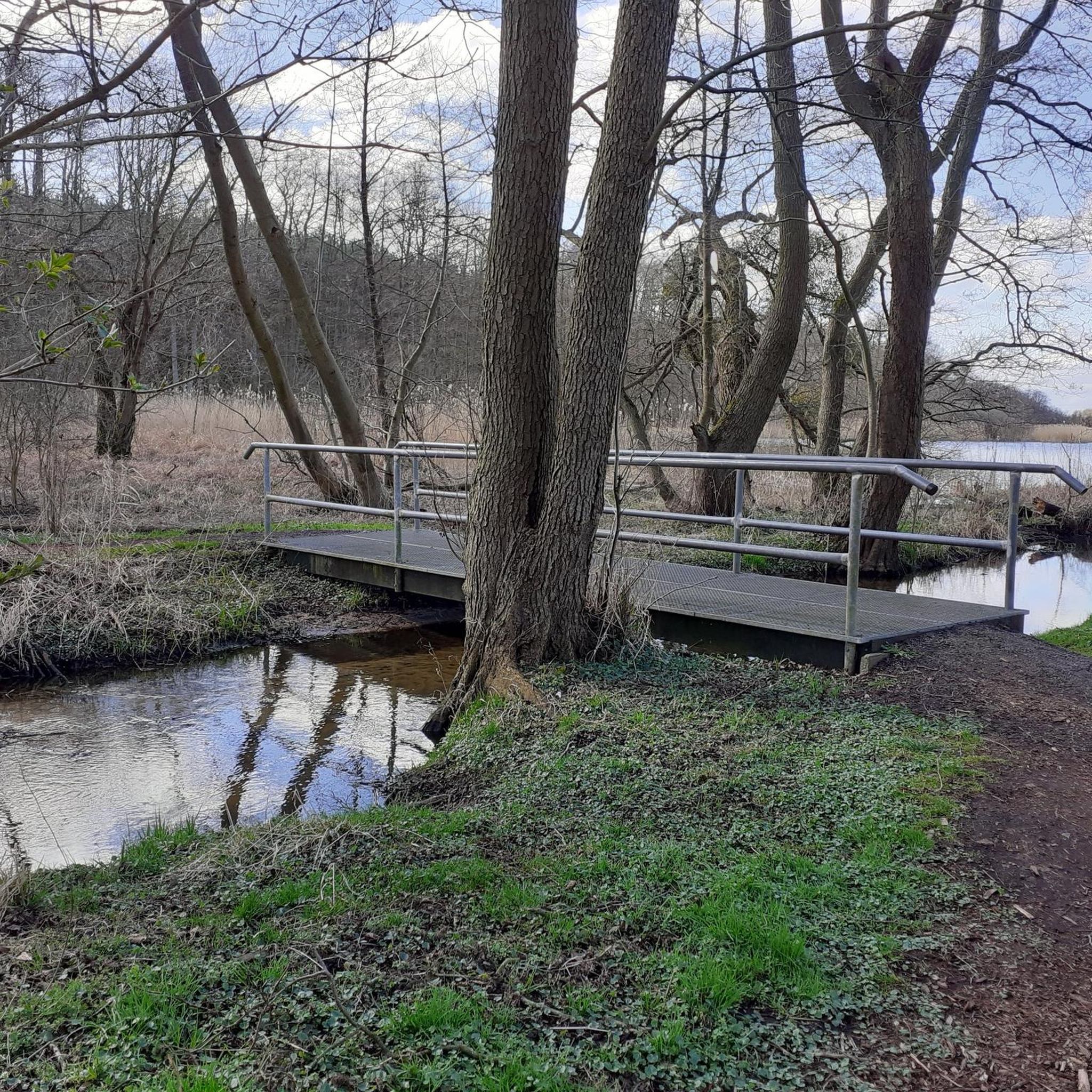
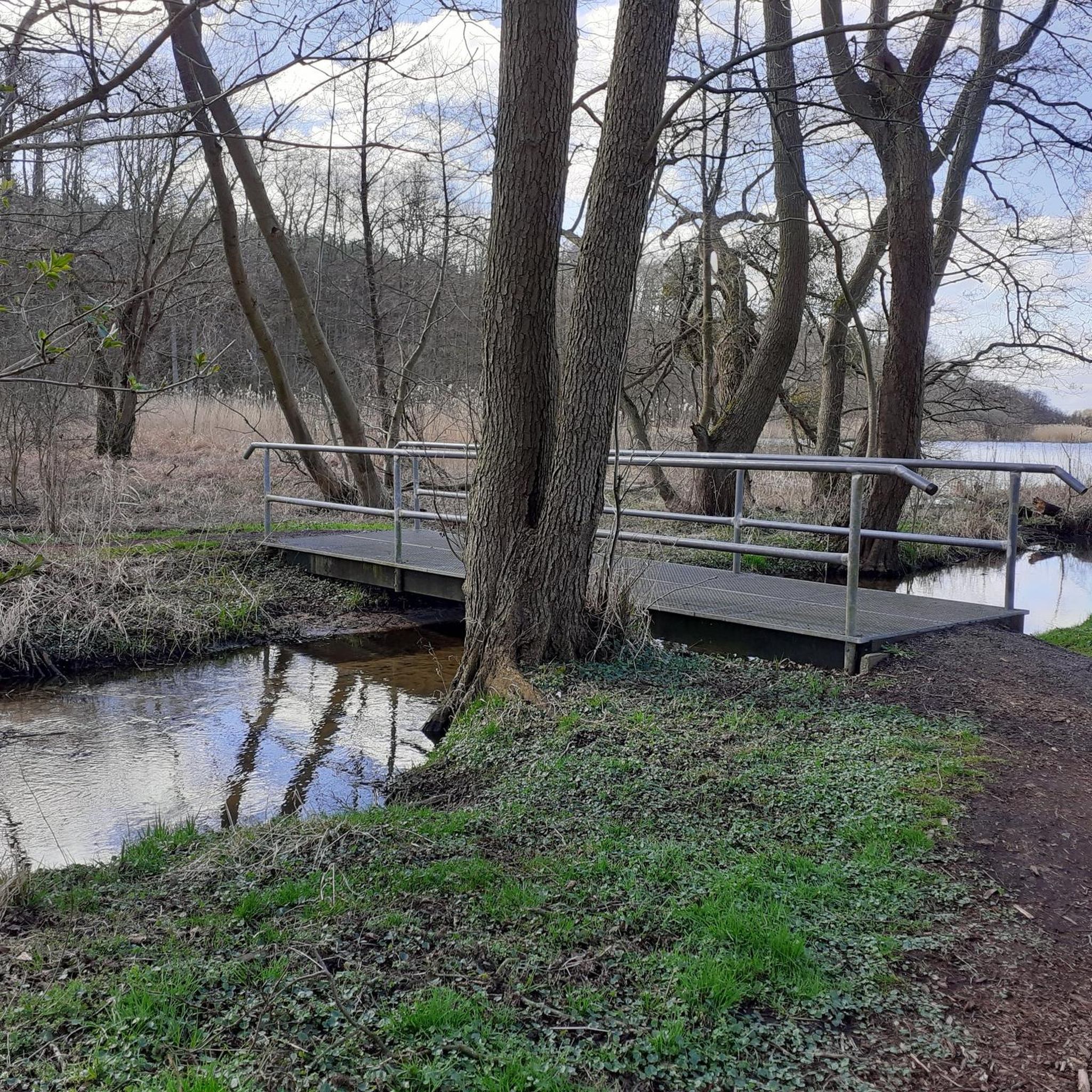
Tips from the Community

A really beautiful swimming lake with an outdoor pool, boat rental, and diving tower. In summer, it's the hotspot for anyone who doesn't fancy crowded Baltic Sea beaches. Right next door is the hotel „Haus am See“ – perfect for sitting on the veranda in the evening with a beer and watching the mosquitoes bite.
0
0

Everything has already been said by the previous speakers, I hope that one day you can visit it
1
0

Nice lake. You can visit the swimming pool in the summer season, cycle around it from spring to autumn, and walk around it all year round. there is a restaurant by the beach
0
0

The history of the city dates back to 1127, when the Slavs built a defensive stronghold in the Randow River valley. The first mention of a defensive structure in Löcknitz dates back to 1212, and in 1242 a bridge was built in place of the ford. For years, the border between Pomerania and Brandenburg running through here justifies the fortified character of the town. Once Löcknitz belonged to the Pomeranian princes, once to the Branderburgians. In the book Medieval Castles of Western Pomerania, Zbigniew Radacki wrote that the stronghold belonged to the bishops of Kamień. In 1280, a document on the division of the Kołobrzeg land was signed in the "castrum Lokenitz". In 1390, Bishop Filip von Rehberg renounced the castle to the princes of Szczecin, who gave it to the Wusses, knights from Lębork, "hus civitas i terra Lockenitze" for 3,000 marks towards the debt. Around 1400, the stronghold received a brick form, and in 1479 it came into the possession of the Schulenburg family. Then the place was rebuilt many times, in the mid-16th century it was converted into a Renaissance-style manor house. It lost its strategic importance in 1720 after the annexation of Brandenburg and Pomerania to Prussia.
2
0
The first mention of the town comes from the 13th century, when it belonged to the von Blankenburg family. Until 1521, the village was called Blankenburg. In 1554, the last owner of the estate - Amus von Blankenburg - sold it to Frederick von Ramin, the owner of Dobra Szczecińska. At that time, the village was given a new name - Stolzenburg, which means "lofty castle" During the Thirty Years' War, the village was deserted and the existing manor house was destroyed. Thanks to the von Ramin family, in 1662 the settlement of Glashütte was established near Stolec, with the oldest glassworks in Pomerania. In the years 1721–1727, Jürgen Bernard von Ramin, starosta of the Randow district, founded a new palace and established a park. In the years 1731–1735, a church was built, funded by the owner of the village. In 1872, the property became the property of a company of merchants, and then in 1888, after the bankruptcy of the company, it was taken over by a bank from Lübeck to cover the debts. In the first years of the 20th century, the estate was owned by Szczecin merchants. In 1900, a metal fence with an impressive neo-baroque gate with wrought-iron, richly decorated wings was built on the side of the road, partially preserved to this day. In 1939, the village had 440 inhabitants. After World War II, the palace was the headquarters of the Border Protection Forces, and then of the Border Guard. In the village there is a two-story palace, built in the style of baroque classicism, covered with a mansard roof. Nothing has survived from the former interior. A linden and chestnut alley leads to the palace. Around the palace there is a naturalistic park from the 19th century, in which there are, among others, wejmutka, hornbeams, blue and silver spruces, lindens, elms and yews. In the church cemetery there is a baroque monument with the image of Jürgen von Ramin. The estate covers 13 hectares of land.
1
0

Here is also the tourist information. The castle is beautifully situated on the lowlands of the Randow
2
0
Frequently Asked Questions
What kind of natural features can I explore around Plöwen?
While Plöwen itself is a residential area, its surrounding region in Mecklenburg-Vorpommern offers diverse natural beauty. You can explore the Peene Valley River Landscape Nature Park, known for its rare plants and wildlife like white-tailed eagles and beavers. The Mecklenburg Lake District, with over a thousand lakes including the clear waters of Schmale Luzin, provides opportunities for hiking, fishing, and canoeing. Additionally, the ancient beech forests in Jasmund and Müritz National Parks are UNESCO World Natural Heritage sites.
Are there historical sites or cultural attractions near Plöwen?
Yes, the region around Plöwen is rich in history. You can visit Stolec Palace (Palace in Stolec), a historical site built between 1721 and 1727 by the Ramin family, though it's currently viewable only from a distance. The Rothenklempenow Village Church, dating back to 1631, features preserved baroque furnishings. Another notable site is Lebehn Manor, a stately manor house built between 1907 and 1912 on the shores of Lake Lebehn. The broader Mecklenburg-Vorpommern state also boasts UNESCO World Heritage Sites like the historic old towns of Stralsund and Wismar, known for their brick Gothic architecture.
What outdoor activities can I do near these attractions?
The area around Plöwen is excellent for outdoor activities, especially hiking and cycling. You can find various routes, such as the easy "Lake Löcknitz – Lake Löcknitz loop from Löcknitz" or the moderate "Großer Kutzowsee – Kleiner Kutzowsee loop from Plöwen." For cyclists, there are road cycling routes like the "Glashütte–Hintersee Cycle Path – Głębokie Lake Beach loop from Löcknitz." Many of these routes pass by or near the attractions mentioned. You can find more details on hiking routes at Hiking around Plöwen and cycling routes at Road Cycling Routes around Plöwen.
Are there easy hiking trails suitable for beginners or families?
Yes, there are several easy hiking trails around Plöwen. Options include the "Lake Löcknitz – Lake Löcknitz loop from Löcknitz" and the "Oak – Löcknitz 1000-Year-Old Oak loop from Löcknitz." These trails are generally shorter and have less challenging terrain, making them suitable for a relaxed walk. More easy routes can be found in the guide Easy hikes around Plöwen.
What facilities are available for cyclists and travelers near the border?
Near the German-Polish border, you'll find excellent facilities for cyclists and travelers. The Buk Rest Area and Bicycle Repair Station offers a covered rest area with tables and benches, a bicycle repair station with tools and a pump, and parking. Similarly, the Blankensee-Buk border crossing features a well-maintained resting place with benches, tables, and toilets, situated on an asphalted cycle path.
Are there any family-friendly activities or attractions?
While specific 'family-friendly' categorized attractions are not listed, the natural parks and lake districts in the broader region offer many opportunities for families. Activities like easy hikes, cycling on well-maintained paths, and exploring the natural environment are suitable for all ages. The rest areas at the border crossings provide convenient stops for families on bike tours.
What is the best time of year to visit Plöwen and the surrounding area?
The best time to visit Plöwen and the Mecklenburg-Vorpommern region largely depends on your preferred activities. Spring and summer (May to September) are ideal for outdoor activities like hiking, cycling, and exploring the lakes, with pleasant weather and lush landscapes. Autumn offers beautiful foliage, especially in the beech forests, while winter can provide opportunities for different outdoor experiences, though some facilities might have reduced hours.
Is the area around Plöwen accessible for people with disabilities?
Some facilities in the area are noted for their accessibility. For instance, the Blankensee-Buk border crossing and the Buk Rest Area and Bicycle Repair Station are listed as wheelchair accessible, providing well-maintained paths and facilities. For specific attractions, it's advisable to check individual accessibility details.
Where can I find parking when visiting attractions?
Parking is available at some key attractions. For example, the Buk Rest Area and Bicycle Repair Station has a dedicated parking lot right next to the rest area. When planning your visit to other sites, it's recommended to check specific location details for available parking options.
What do visitors appreciate most about the attractions around Plöwen?
Visitors frequently appreciate the practical and well-maintained facilities, especially for cyclists, such as the covered rest areas, benches, tables, and bicycle repair stations found at places like the Buk Rest Area and the Blankensee-Buk border crossing. The historical significance of sites like Stolec Palace and the architectural beauty of the Rothenklempenow Village Church are also highly valued, offering a glimpse into the region's past.
Are there options for wild swimming or water activities in the area?
While Plöwen itself doesn't have specific wild swimming spots listed, the broader Mecklenburg Lake District, a significant feature of Mecklenburg-Vorpommern, is known for its numerous natural lakes. These lakes, such as the Schmale Luzin, offer various water-based leisure activities including swimming, canoeing, and sailing. It's advisable to check local regulations and designated swimming areas before entering the water.
Most popular attractions around Plöwen

Get inspired with the komoot mobile app


Explore more
Still not found the Highlight you’re looking for? See guides of the top attractions in other regions:
