Morning Star Natural Resources Conservation Area
Morning Star Natural Resources Conservation Area
Attractions and Places To See in Morning Star Natural Resources Conservation Area - Top 7
Best attractions and places to see in Morning Star Natural Resources Conservation Area include rugged peaks, pristine lakes, and diverse ecosystems across its 37,842 acres. This mountainous conservation area protects subalpine meadows, wetlands, and lakes, which are home to rare plant species. It encompasses the middle and high elevations around the Spada Lake basin, offering expansive views of the lake and the Cascade Mountains. The area features numerous backcountry lakes and prominent peaks, providing varied natural features for exploration.
Best…
Last updated: October 9, 2026
Bald Mountain Peak
Highlight • Summit
Past the lakes, the trail becomes more difficult to follow. At the base of the talus slope before the summit, cairns mark your way.
The Walt Bailey Trail is …
Tip by

Little Greider Lake
Highlight • Lake
Tip by
Sign up now to discover places like this
Get recommendations on the best single tracks, peaks, & plenty of other exciting outdoor places.
Bear Creek Site on Spada Lake
Highlight • Viewpoint
Tip by
Headlee Pass
Highlight • Mountain Pass
Tip by

Cutthroat Lakes
Highlight • Lake
Tip by
Sign up for free to discover even more attractions in Morning Star Natural Resources Conservation Area.
Already have an account?
Start today with a free account
Your next adventure awaits.
Popular around Morning Star Natural Resources Conservation Area
Tips from the Community

Headlee Pass is reached after a challenging climb and offers a good viewpoint along the trail. At 4,600 feet, you can view Sperry Peak and Morning Star Peak from here.
0
0

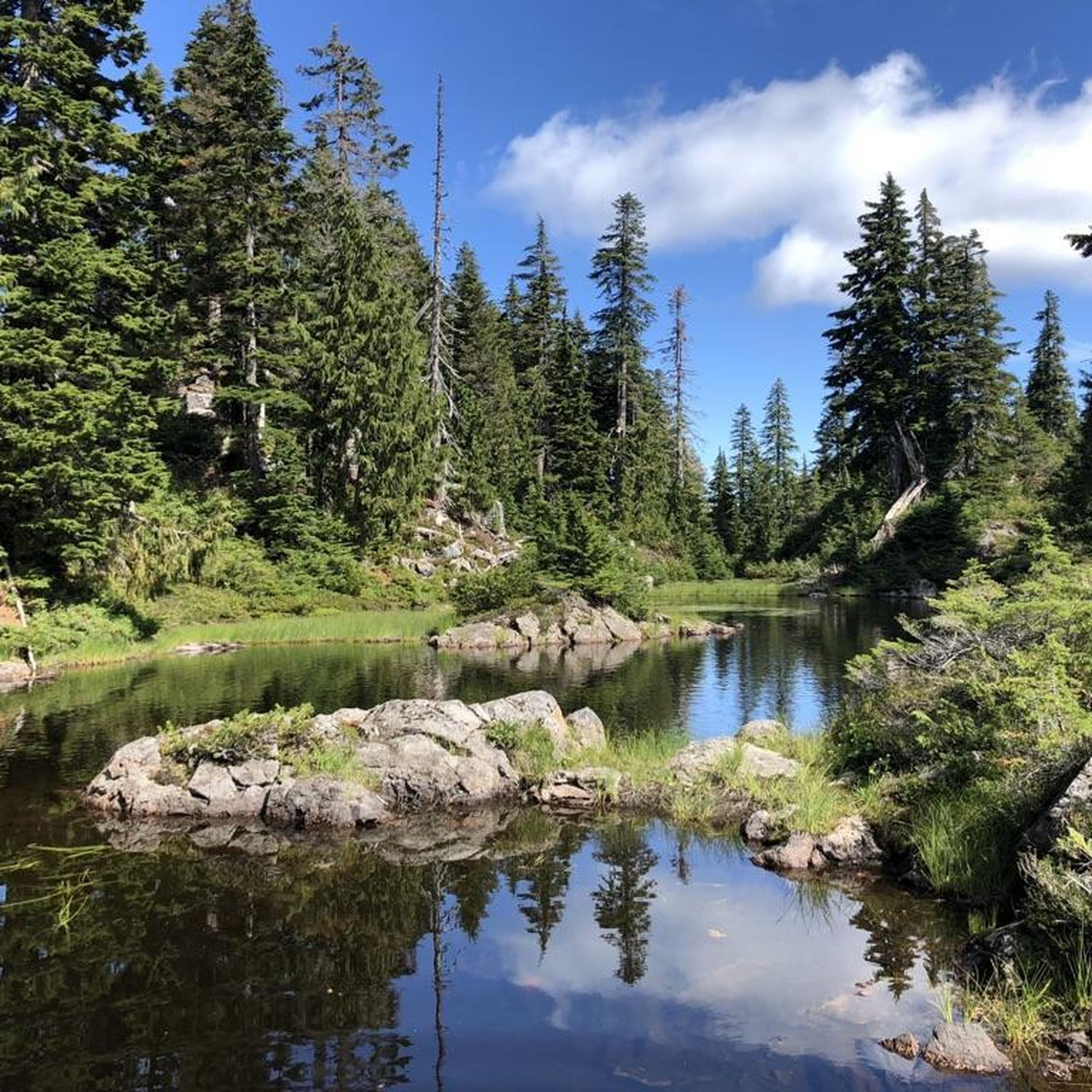
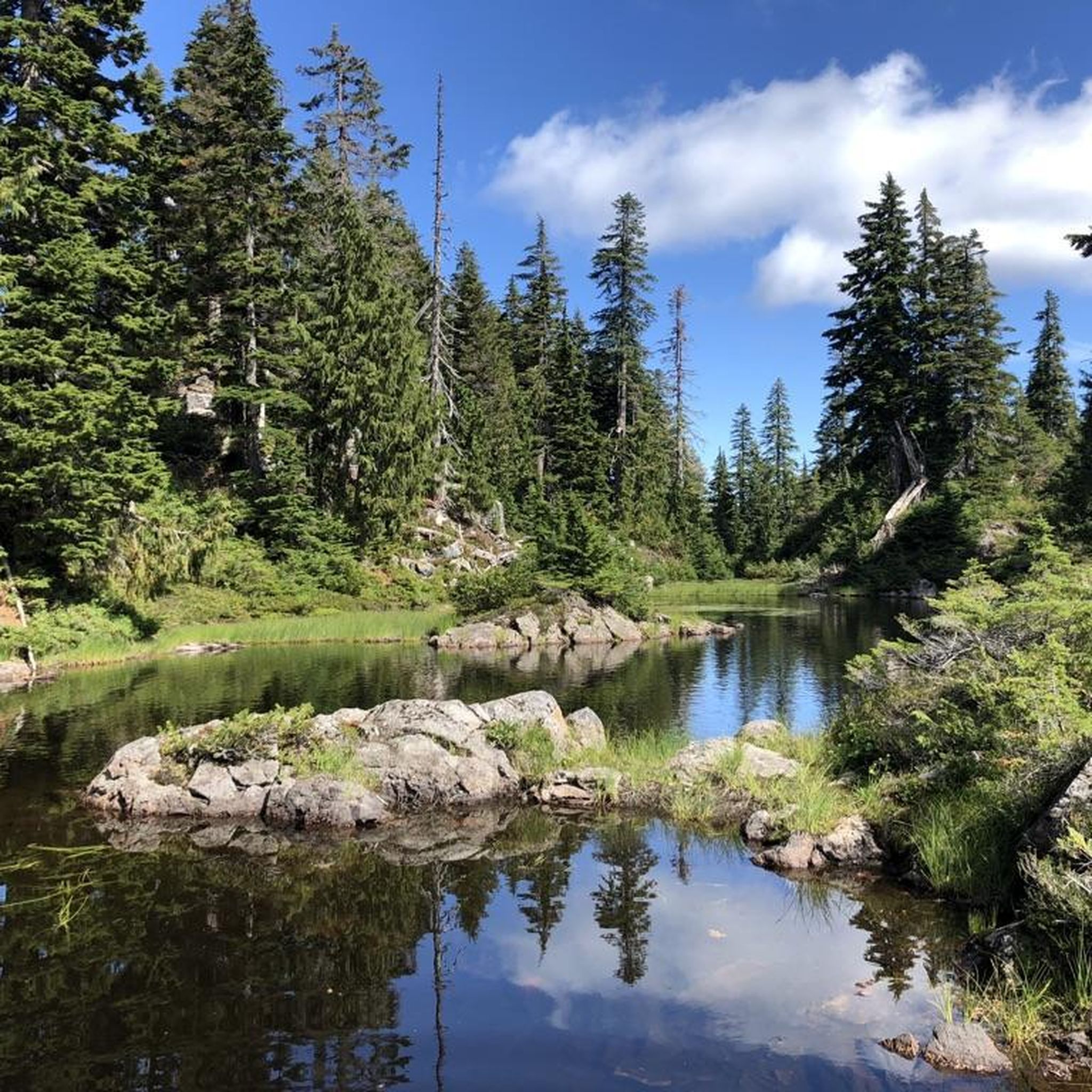
The trail is very steep and power-hikey up until this point, where it mostly levels out until you reach Big Greider Lake. Little Greider Lake is a great spot for camping, and the views are dramatic as the trail skirts between the two peaks. There is a camp along the lake.
0
0

Bear Creek Sites have overlooks that have benches and a view of the nearby forest and Lake Spada. The Lake is a drinking water reservoir, so swimming or wading is not allowed.
0
0
Warning: Past the lakes, the trail becomes more difficult to follow. At the base of the talus slope before the summit, cairns mark your way. The Walt Bailey Trail is mostly through meadows, except for a short, rocky, exposed section at the summit that can be steep at times. The best months to hike are June, July, August, September, and October, but weather can change at any time, so be prepared with the essentials and be ready to turn around in bad weather as an exposed peak can be risky. The best months to hike are June, July, August, September, October, but weather can change any time so be prepared with the essentials and be ready to turn around with bad weather as an exposed peak can be risky.
0
0
The Walt Bailey Trail goes past a series of small ponds and lakes referred to as Cutthroat Lakes. It's a good water source to refill if you have a water filter.
0
0
It is said that between Little Greider like and Big Greider Lake, Little Greider has the better camping. Keep hiking on south for half a mile to Big Greider Lake.
0
0
Frequently Asked Questions
What kind of natural features can I explore in Morning Star Natural Resources Conservation Area?
The area is rich in diverse natural features, including rugged peaks, pristine lakes, and subalpine meadows. You can discover ecological features like wetlands and numerous backcountry lakes such as the Ashland Lakes, Big Greider Lake, and Cutthroat Lakes. Prominent peaks like Del Campo Peak and Gothic Peak also define the landscape.
Are there any notable viewpoints or scenic overlooks in the area?
Yes, several spots offer expansive views. Headlee Pass, at 4,600 feet, provides excellent views of Sperry Peak and Morning Star Peak. The Bear Creek Site on Spada Lake features overlooks with benches, offering views of the forest and Spada Lake itself. Bald Mountain Peak also offers expansive views, though its trail can be challenging.
What are some popular hiking trails in Morning Star Natural Resources Conservation Area?
You'll find a variety of trails for different skill levels. Popular options include the Ashland Lakes Trail, which winds through mature trees to Beaver Plant Lake, Upper Ashland Lake, and Lower Ashland Lake. The Greider Lakes Trail leads to Little and Big Greider Lakes, while the Gothic Basin (Weden Creek Trail) offers a challenging ascent with spectacular mountain views. For more hiking options, you can explore guides like Hiking in Morning Star Natural Resources Conservation Area.
Are there easy hiking trails suitable for families or beginners?
Yes, there are easier options available. The Greider/Boulder Lakes Trail and Static Point Trail are considered easy. You can find more routes in the Easy hikes in Morning Star Natural Resources Conservation Area guide, which includes trails like Lake Twenty Two Trail and Spada Lake Culmback Dam Trail.
Can I camp overnight in Morning Star Natural Resources Conservation Area?
Yes, primitive backcountry campsites are available. Little Greider Lake is a popular spot for camping, with a designated camp along its shores. Backcountry campsites are also available at Beaver Plant Lake, accessible via the Ashland Lakes Trail.
What kind of wildlife can I expect to see?
The NRCA is a crucial habitat for a wide range of wildlife. You might encounter species such as Pacific fisher, grizzly bears, gray wolves, marbled murrelets, northern spotted owls, and bull trout. Remember to observe wildlife from a distance and avoid disturbing their natural habitat.
Are there any historical sites or cultural points of interest nearby?
While technically just outside the direct NRCA boundary, the trail to the Monte Cristo Ghost Town passes through the area. This former bustling gold mining destination offers a fascinating historical stop with timeworn cabins and remnants of the past set against snow-capped peaks.
When is the best time of year to visit Morning Star Natural Resources Conservation Area for hiking?
The best months for hiking are generally June, July, August, September, and October. However, weather can change rapidly, especially on exposed peaks like Bald Mountain Peak, so always be prepared for varying conditions.
Are there any restrictions or specific rules I should be aware of?
The Morning Star NRCA emphasizes low-impact recreation and conservation. One specific rule to note is that swimming or wading is not allowed in Spada Lake, as it serves as a drinking water reservoir. Always practice Leave No Trace principles to protect the natural environment.
What are the most challenging trails or peaks for experienced hikers?
For experienced hikers, the Gothic Basin (Weden Creek Trail) is a challenging 3.3-mile trail that steeply ascends to 5,000 feet, offering spectacular mountain views. The trail to Bald Mountain Peak also includes a short, rocky, exposed, and sometimes steep section at the summit.
Can I bring my dog to Morning Star Natural Resources Conservation Area?
While the fan-out queries suggest interest in dog-friendly trails, specific rules regarding dogs within the Morning Star Natural Resources Conservation Area are not detailed in the provided information. It's always best to check the official Washington State Department of Natural Resources website for the most current regulations regarding pets before your visit.
Most popular routes in Morning Star Natural Resources Conservation Area
Most popular attractions in Morning Star Natural Resources Conservation Area

Get inspired with the komoot mobile app


Explore more
Still not found the Highlight you’re looking for? See guides of the top attractions in other regions:
