The best cycling routes in Fortwhyte Alive
4.7
(69)
671
riders
55
rides
Touring cycling in FortWhyte Alive offers routes through diverse natural environments, including prairies, aspen forests, lakes, and wetlands. The area features a network of crushed limestone trails, with a section of the Trans Canada Trail providing options for longer rides. Terrain is generally flat, with some routes incorporating minor elevation changes. This landscape supports a variety of wildlife, including a resident bison herd.
Best touring cycling routes in Fortwhyte Alive
- The most popular touring cycling route is Field Near Urban…
Last updated: October 5, 2026
5.0
(1)
22
riders
Moderate bike ride. Good fitness required. Mostly paved surfaces. Suitable for all skill levels.
9
riders
Moderate bike ride. Good fitness required. Mostly paved surfaces. Suitable for all skill levels.

8
riders
Moderate bike ride. Good fitness required. Mostly paved surfaces. Suitable for all skill levels.
2
riders
Moderate bike ride. Good fitness required. Mostly paved surfaces. Suitable for all skill levels.
5.0
(2)
8
riders
18.8km
01:12
10m
10m
Easy bike ride. Great for any fitness level. Mostly paved surfaces. Suitable for all skill levels.
Get access to more routes and recommendations from other explorers.
Already have an account?
Our route recommendations are based on thousands of hikes, rides, and runs completed by other people on komoot.
Start today with a free account
Your next adventure awaits.
Tips from the Community

Right inside Winnipeg, FortWhyte Alive packs prairie, forest, wetlands, lakes, and even a herd of plains bison into one huge urban nature escape. The best part? Much of this green landscape grew out of a former industrial clay-quarry site. Today, trails and boardwalks make it easy to trade city noise for birdsong remarkably quickly.
0
0

Sport climbing in the summer, ice climbing in the winter
0
0

Assiniboine Park has been a public greenspace for over a century and is Winnipeg’s largest urban park, spanning 450 hectares along the Assiniboine River and named for the Assiniboine people. Several multi-use trails wind throughout the grounds, with open lawns, mature trees, and gardens spread across the park. The park is home to the Assiniboine Park Zoo (the oldest zoo in Canada), The Leaf, English Garden, Leo Mol Sculpture Garden and Riley Family Duck Pond, with plenty of space to walk, cycle or simply relax. The park is open year-round, with its gardens and outdoor spaces offering something different for any season.
0
0

The Assiniboine Park Conservancy Inc. is a non-profit charitable organization that was established in 2008. It was created to oversee the development of the 162 hectare Assiniboine Park. This building was built almost 100 years ago in 1930 in Tudor Revival architecture with Swiss chalet elements and a 28-meter central square tower rising above the park. Today, it is used as a multilevel public cultural space with free art galleries, a museum dedicated to Winnie-the-Poo and the grounds have a rectangular lily pond, and sculptures for the public to enjoy.
0
0
The Riley Family Duck Pond was designed with an organic shape in mind, with small islands, a pedestrian bridge, perennial plantings, and is a home to waterfowl. In the warmer months, the central water fountain, a floating bio-island ecosystem, and entries for small canoeing make it a charming home for ducks, geese, and turtles. In colder months and winter, the pond is transformed into a large, outdoor skating rink with festive overhead light displays. Pucks and hockey sticks are not allowed on the ice to ensure a safe, family-friendly free skate time.
0
0

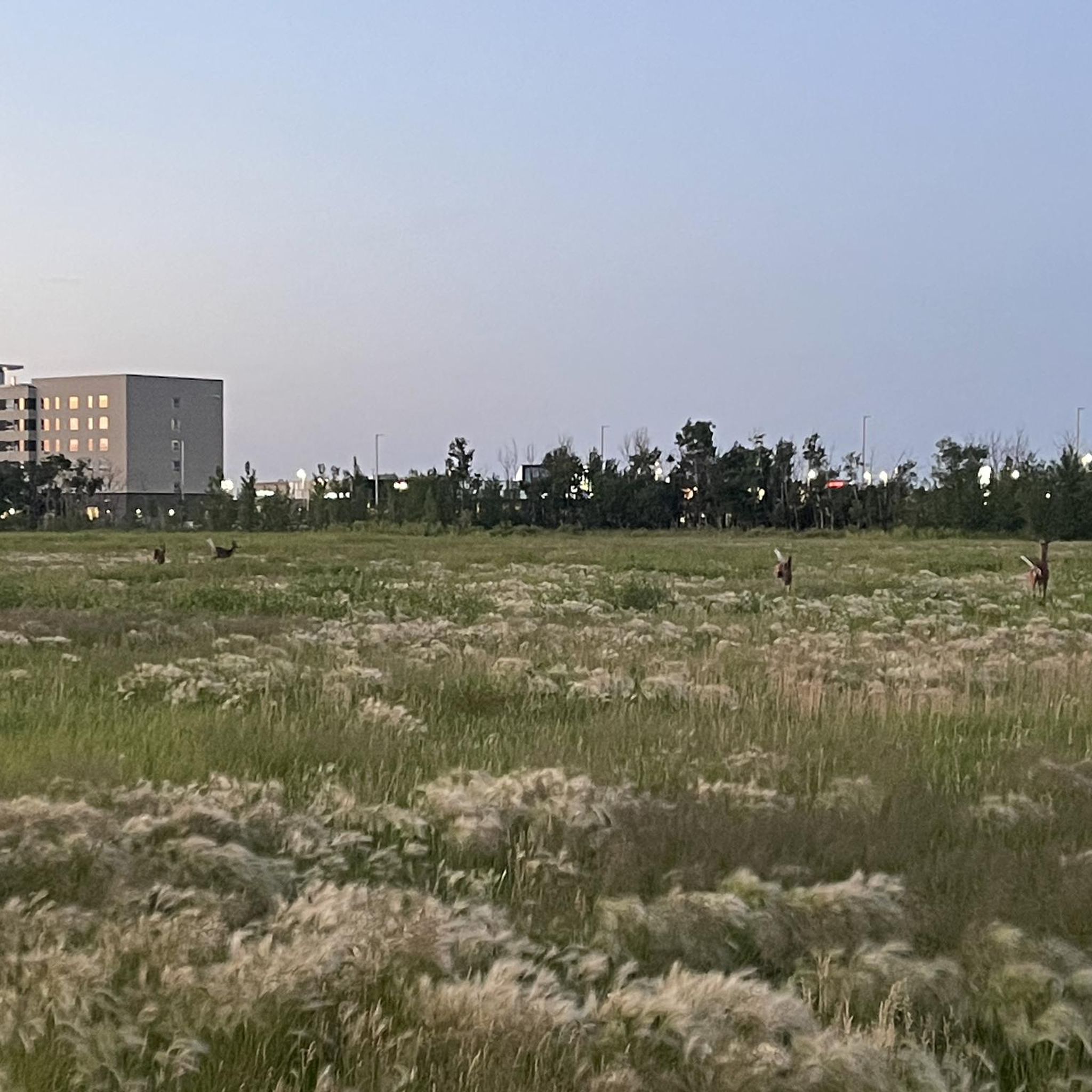
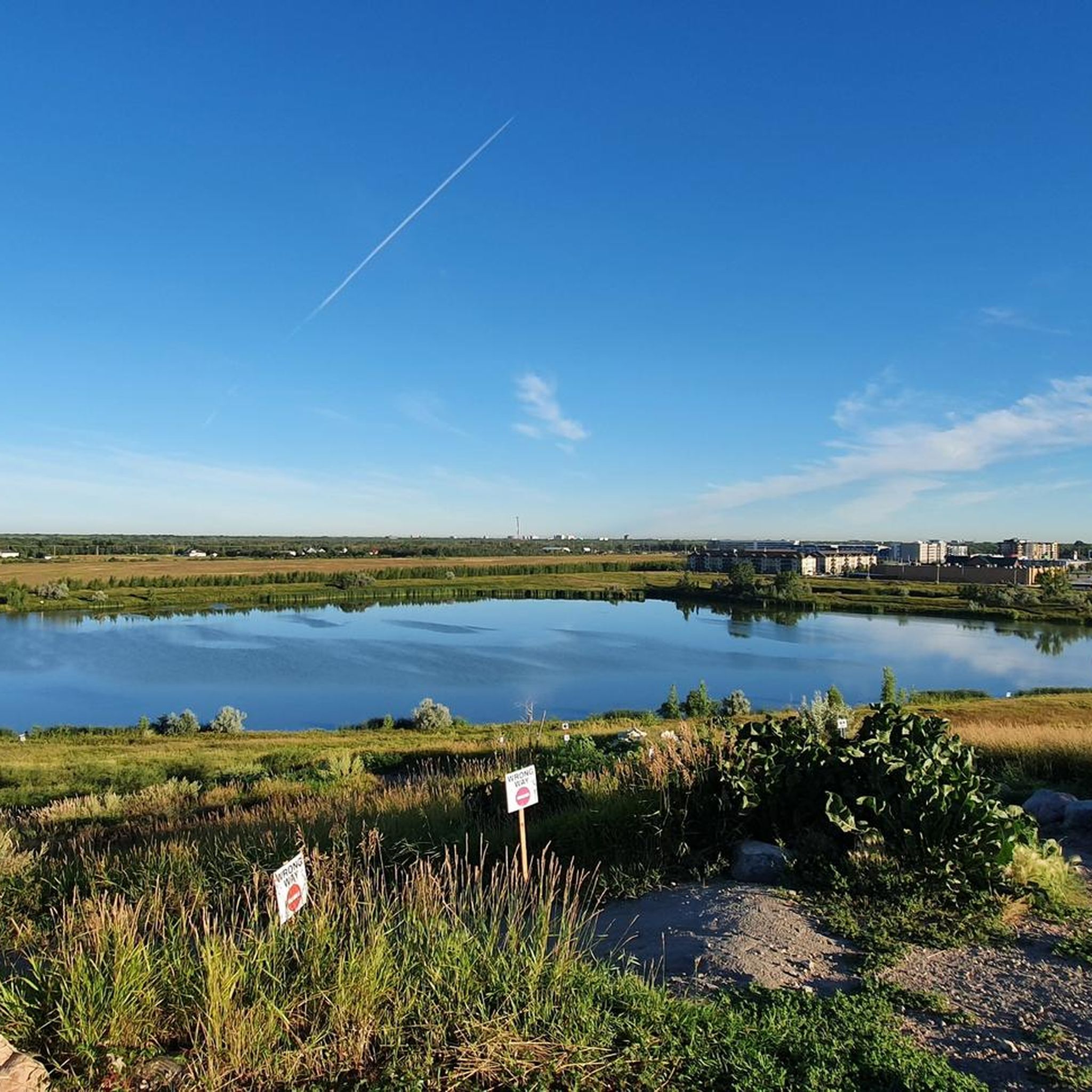
This large open green space offers an clear view towards Winnipeg Richardson International Airport thanks to the lack of trees and surrounding obstructions. Aircraft regularly pass overhead on approach and departure, making it a surprisingly good spot for a bit of plane watching while following the Yellow Ribbon Greenway. The mostly level terrain and wide-open sightlines also provide long views across the surrounding area, giving the park a much more open feel than many of Winnipeg's urban green spaces.
0
0
A collection of Royal Canadian Air Force aircraft lines the grounds of Air Force Heritage Park, offering a close look at several decades of Canadian military aviation. Highlights include the CF-104 Starfighter, CF-101 Voodoo, CF-100 Canuck, CT-133 Silver Star, and a Bell Kiowa helicopter. Many of the aircraft are displayed outdoors on static exhibit, making this a worthwhile stop for aviation enthusiasts and anyone interested in Canada's air force history.
0
0

There are a few nice paved trails to explore in the park, and the north side has some fairy houses and a cenotaph (empty burial memorial) to veterans of the first world war. You cross the creek via a pretty pedestrian bridge as it winds into the Assiniboine River.
0
0
Frequently Asked Questions
What types of terrain can I expect on touring cycling routes in FortWhyte Alive?
Touring cycling in FortWhyte Alive primarily features crushed limestone trails. You'll ride through diverse natural environments, including expansive prairies, serene aspen forests, alongside lakes, and through wetlands. A section of the Trans Canada Trail is also integrated into the network, offering options for longer rides.
Are there routes suitable for beginners or families with children?
Yes, FortWhyte Alive offers many easy routes perfect for beginners and families. Out of nearly 60 touring cycling routes, 46 are classified as easy. An example of an easy, family-friendly option is the Field Near Urban Area loop from Whyte Ridge, which is about 19.1 km long.
How many touring cycling routes are available in FortWhyte Alive?
There are nearly 60 touring cycling routes available in FortWhyte Alive. These routes cater to various preferences, with 46 easy routes and 13 moderate routes, ensuring options for different skill levels.
What is the general difficulty level of touring cycling routes in FortWhyte Alive?
The touring cycling routes in FortWhyte Alive are generally easy to moderate. The terrain is mostly flat, with some routes incorporating minor elevation changes. There are no difficult routes, making it accessible for a wide range of cyclists.
Can I rent bikes at FortWhyte Alive?
Yes, cruiser bikes are available for rent at FortWhyte Alive, making it convenient for visitors who don't bring their own to explore the trails at their own pace.
What kind of wildlife might I see while cycling?
FortWhyte Alive is rich in wildlife. While cycling, you might encounter migratory birds in the wetlands and forests, and you'll have the unique opportunity to observe the resident urban bison herd. The diverse habitats support a variety of species.
Are there any notable landmarks or attractions along the cycling routes?
While cycling, you can enjoy the natural beauty of prairies, aspen forests, lakes, and wetlands. FortWhyte Alive also features a lookout tower for scenic views, floating boardwalks, and the Buffalo Stone Café for refreshments. The resident bison herd is a major attraction.
What do other cyclists say about touring in FortWhyte Alive?
The touring cycling routes in FortWhyte Alive are highly rated by the komoot community, with an average score of 4.7 stars from over 60 reviews. Cyclists often praise the well-maintained crushed limestone trails and the opportunity to experience diverse natural landscapes and wildlife.
Are there any circular touring cycling routes in the area?
Yes, many of the touring cycling routes in FortWhyte Alive are loops, offering a convenient way to explore without retracing your steps. Examples include the moderate Field Near Urban Area – Preston Trail loop from Winnipeg Manitoba Temple and the easy Giant Teapot Sculpture – Disraeli Bridge Bike Path loop from Winnipeg Manitoba Temple.
Is there a fee to access the cycling trails?
Access to the cycling trails at FortWhyte Alive is included with general admission. However, it is free for members or for those who arrive by bike, promoting eco-friendly transport.
What is the best time of year for touring cycling in FortWhyte Alive?
FortWhyte Alive offers a year-round calendar of activities. While specific trail conditions can vary, spring, summer, and fall generally provide the most pleasant weather for touring cycling. Some trails may also be accessible for winter biking, depending on conditions.
Can I find cafes or places to eat along the bike paths?
Yes, after exploring the trails, you can enjoy a bite at the Buffalo Stone Café, which offers scenic views within FortWhyte Alive. This provides a convenient option for refreshments during or after your ride.
Are there any longer touring cycling routes available?
For those seeking longer rides, FortWhyte Alive offers routes that utilize parts of the wider trail network, including a section of the Trans Canada Trail. A notable longer route is the moderate Elm Park Bridge – Giant Teapot Sculpture loop from Winnipeg Manitoba Temple, which spans about 53.6 km.
Most popular routes in Fortwhyte Alive

Get inspired with the komoot mobile app


Explore more
Browse the best Cycling routes in other regions.
