Attractions and Places To See in Falaise Du Bessin Occidental - Top 12
Best attractions and places to see in Falaise Du Bessin Occidental include both the historic town of Falaise and the natural coastal region of the Western Bessin Cliffs in Normandy, France. This area is recognized for its significant World War II history, featuring crucial D-Day sites, and its medieval heritage. Visitors can explore dramatic clifftops, historical landmarks, and various trails, offering diverse experiences across its landscapes. The region provides opportunities to engage with historical events and natural features.
Best attractions…
Last updated: July 5, 2026
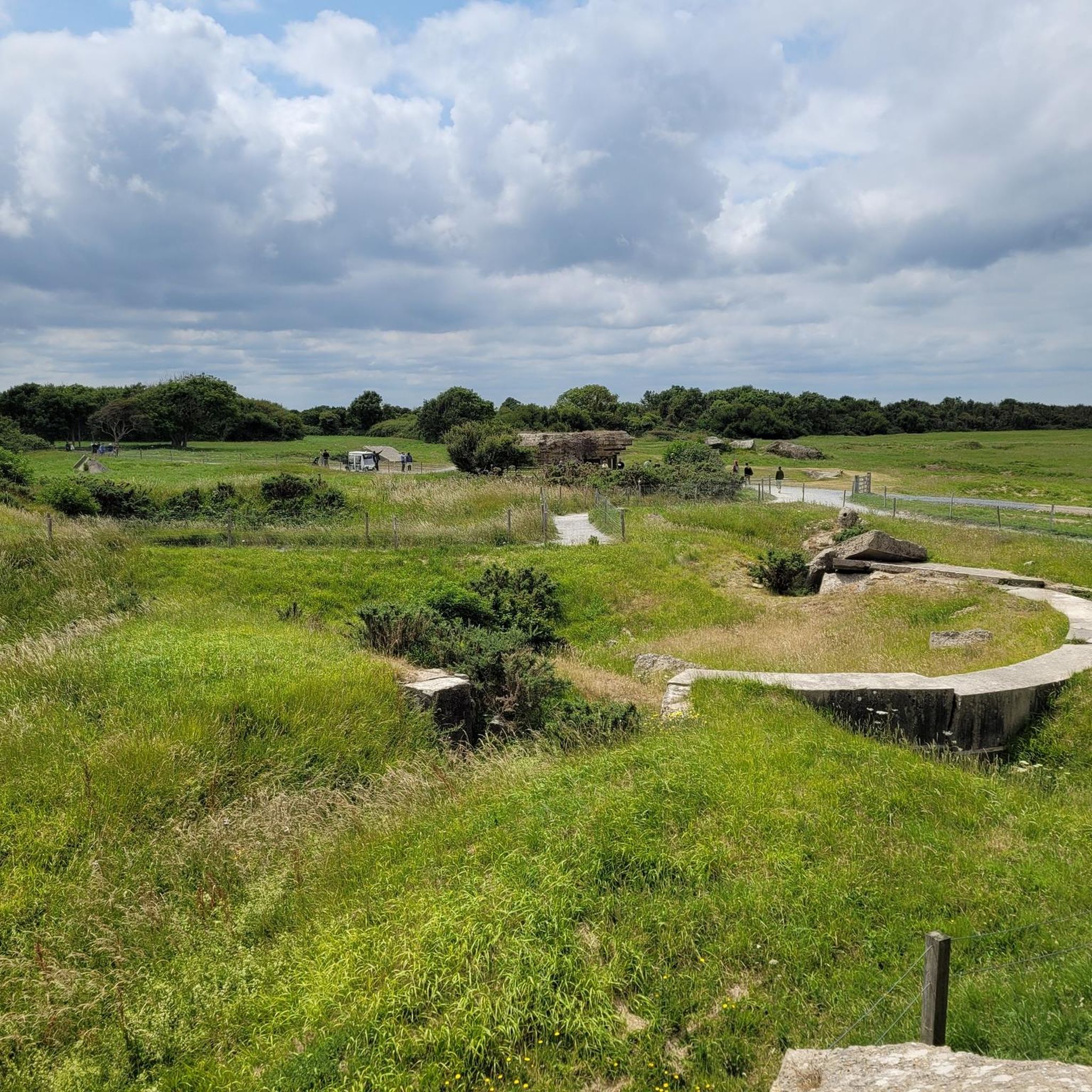
Pointe du Hoc Memorial and Bunkers
Highlight • Historical Site
Translated by Google •
Tip by

cannon
Highlight • Other
Translated by Google •
Tip by

Sign up now to discover places like this
Get recommendations on the best single tracks, peaks, & plenty of other exciting outdoor places.
Sign up for free
Voie de la Liberté
Highlight • Other
Translated by Google •
Tip by

Gravel Route 'Libération'
Highlight • Trail
Translated by Google •
Tip by

Tobruk (Wn)
Highlight • Other
(“Bloody Omaha”).
Never forget 💮.
Translated by Google •
Tip by

Sign up for free to discover even more attractions in Falaise Du Bessin Occidental.
Sign up for free
Already have an account?
Start today with a free account
Your next adventure awaits.
Login or Signup
Popular around Falaise Du Bessin Occidental

Tips from the Community

To do at least once, on the Ev04 seaway
0
0

An impressive point of the landing beaches that should not be missed.
5
0
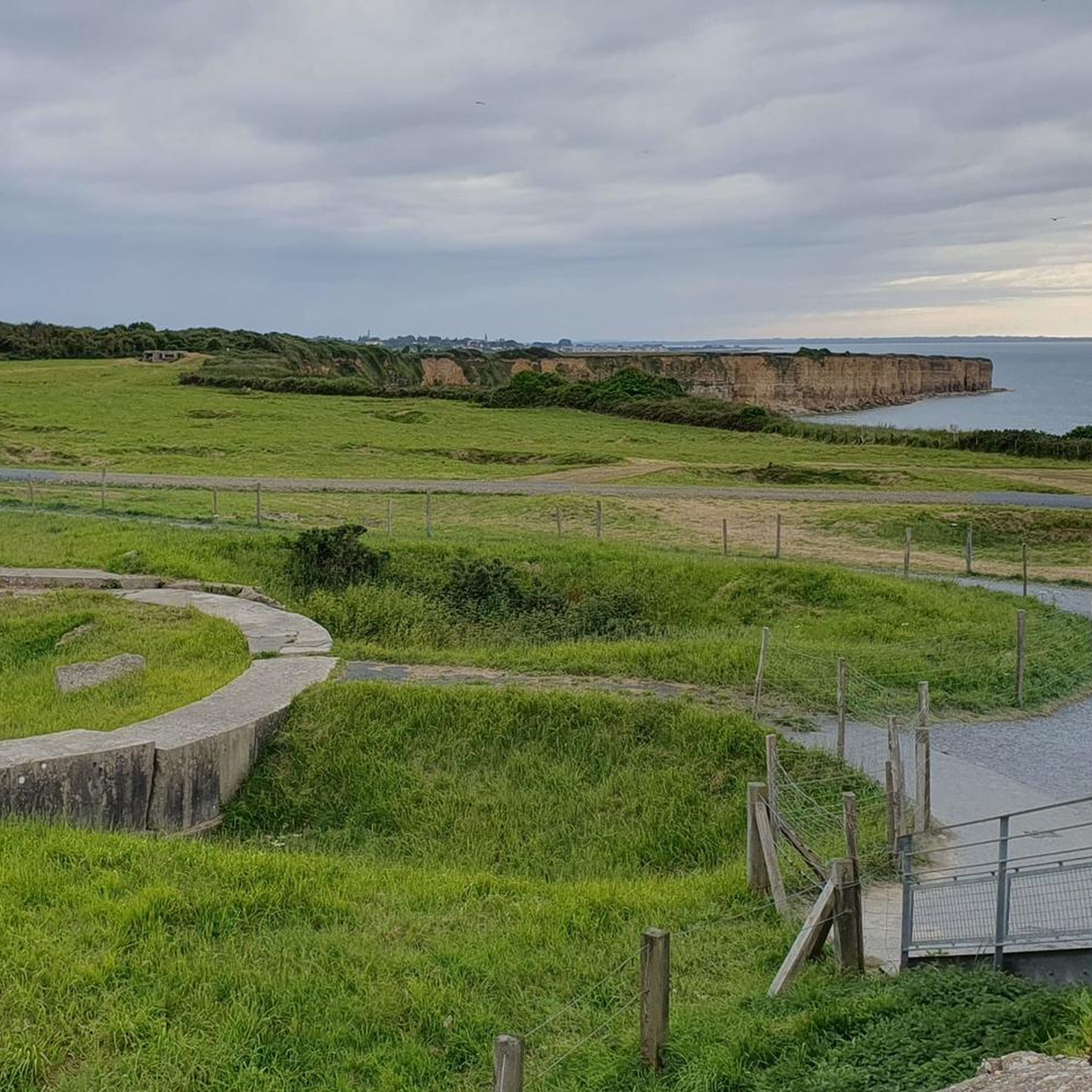
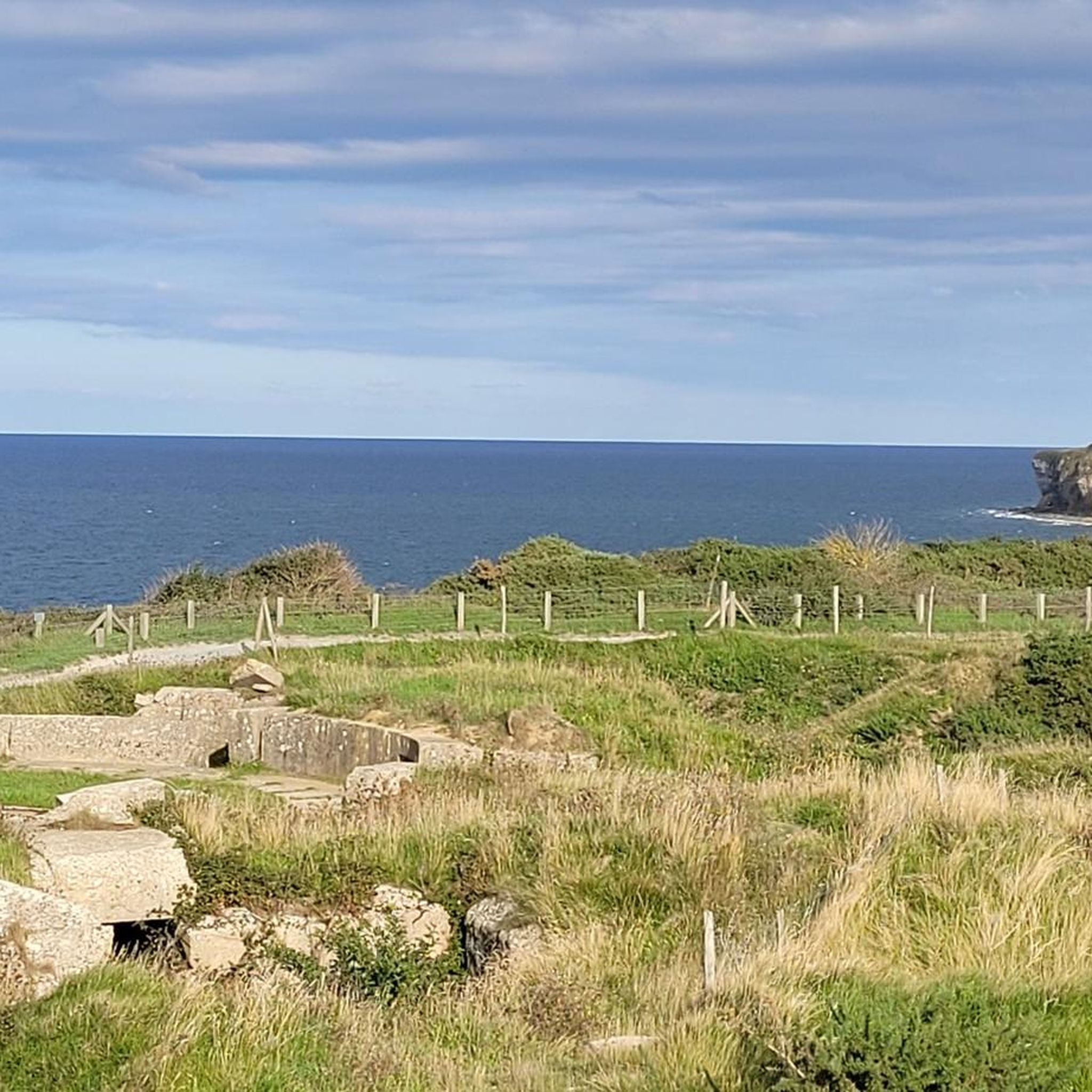
Pointe du Hoc is now a memorial and war memorial managed by the American Battle Monuments Commission (ABMC). The impact craters and bunkers are still well preserved and convey a sense of the intensity of the fighting.
5
0


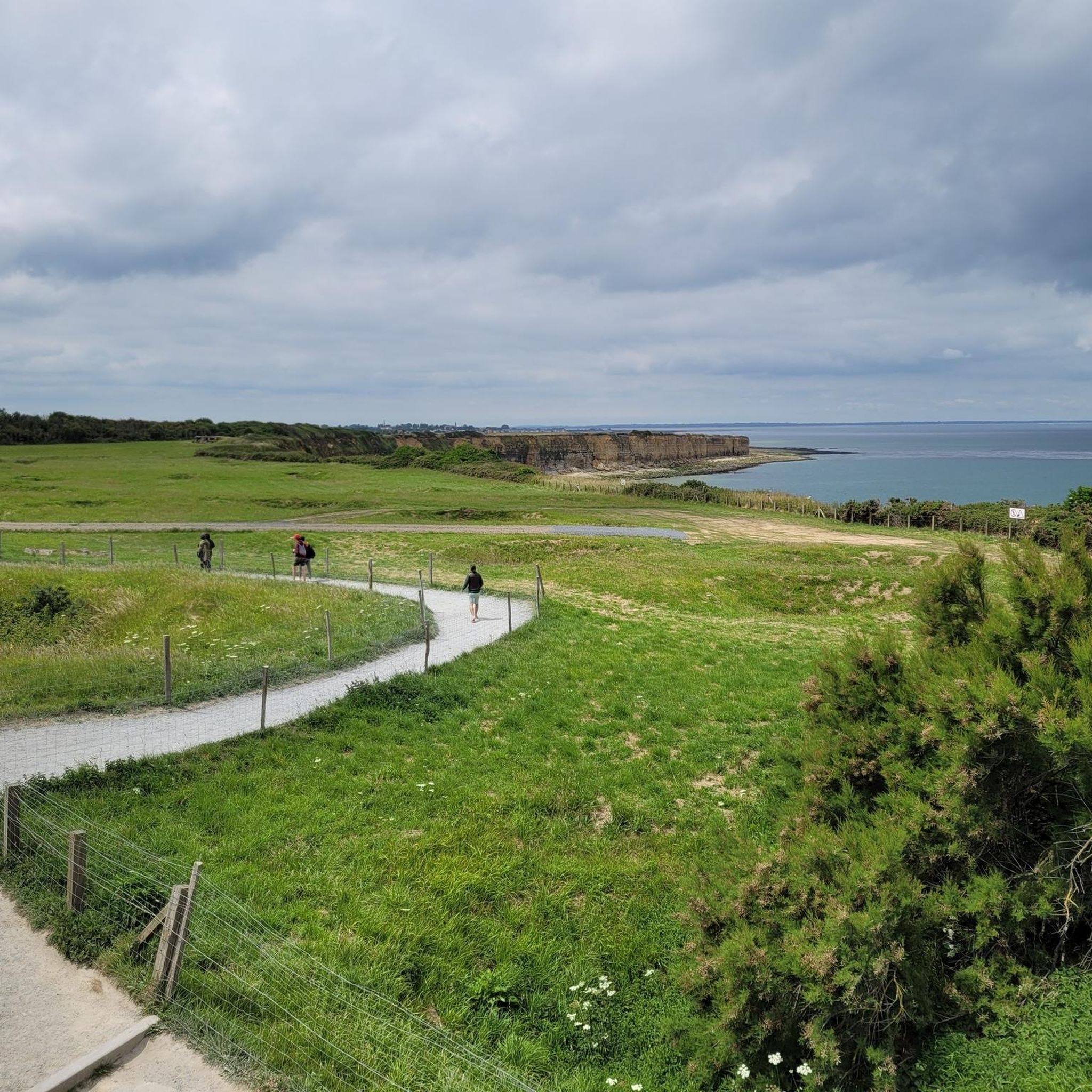
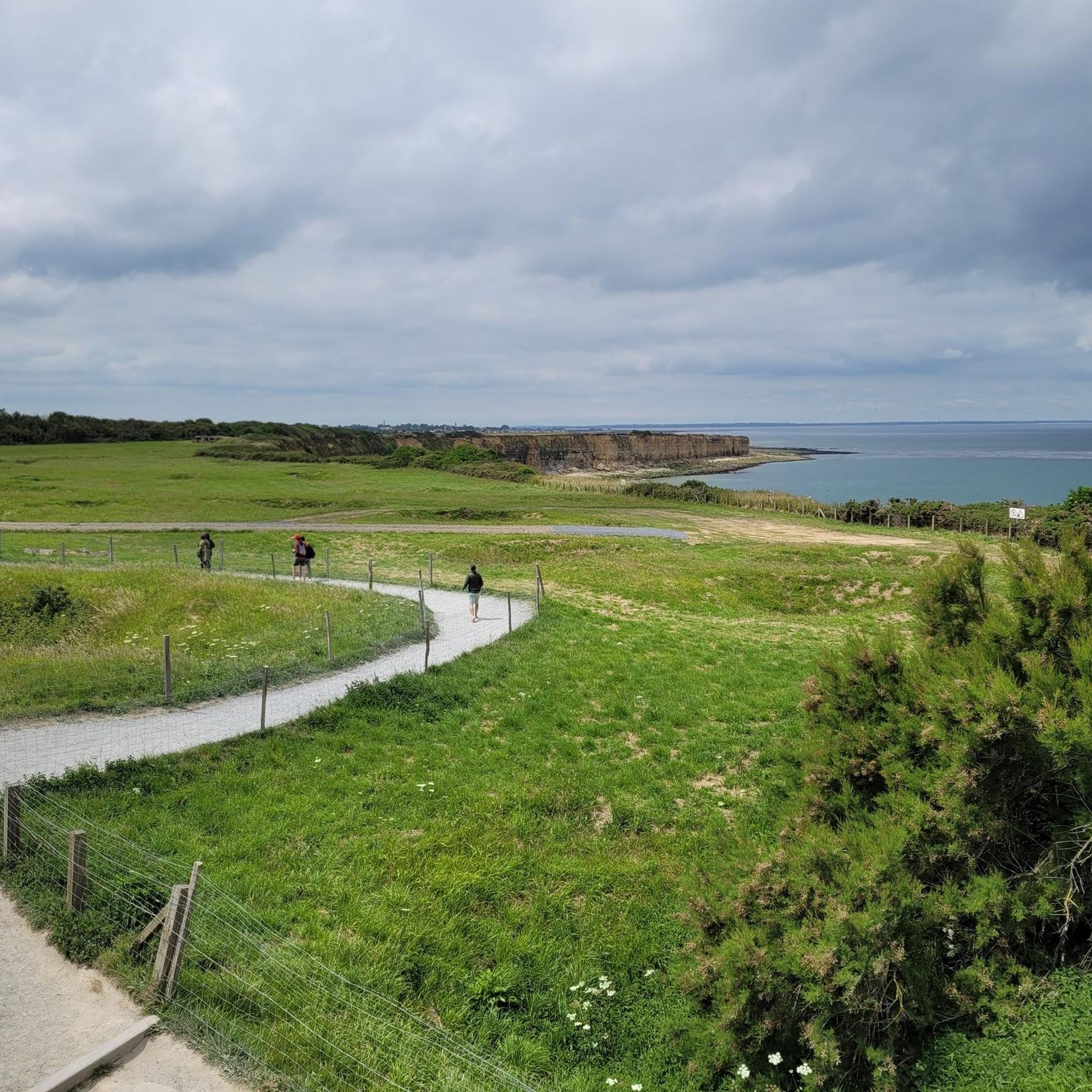
Beautiful gravel path directly along the edge of the cliffs.
8
0


Very beautiful panorama, we understand that from this position, the German army killed many American soldiers without them being able to defend themselves from the beach which is now sadly famous. -> Duty to remember, passing near this tobruk (point WN).
2
0
Frequently Asked Questions
What historical sites related to WWII can I visit in Falaise Du Bessin Occidental?
The region is rich in WWII history, particularly concerning D-Day. You can explore the Pointe du Hoc Memorial and Bunkers, a crucial site where American rangers scaled cliffs. Another significant spot is the area around the cannon, where German 155 mm guns defended the landing beaches. Don't miss the Tobruk (Wn), a German defense post offering panoramic views and a poignant reminder of the battles.
Are there any natural features or viewpoints to explore along the coast?
Yes, the Western Bessin Cliffs offer dramatic natural beauty. The Pointe du Hoc Memorial and Bunkers provides a beautiful view of the sea and the coast towards the Cotentin peninsula. The coastal cliffs themselves are a protected natural zone, providing habitats for diverse flora and fauna, including marine bird colonies. You can also find excellent viewpoints along the Gravel Route 'Libération'.
What cycling opportunities are available in the region?
The area is great for cycling, especially along the coast. The Voie de la Liberté is an idyllic, traffic-free cycle path with fast gravel sections along the cliffs near Pointe du Hoc, offering a unique way to experience history on two wheels. For more routes, check out the Cycling in Falaise Du Bessin Occidental guide, which includes routes like 'La Vélomaritime: Voie verte de la Liberté'.
Are there family-friendly attractions in Falaise Du Bessin Occidental?
Many of the historical sites, such as the Pointe du Hoc Memorial and Bunkers, are considered family-friendly, offering educational experiences in an outdoor setting. The interactive nature of exploring the bunkers and shell holes can be engaging for children. The Val d'Ante in Falaise town also offers peaceful valley parks for strolls.
What hiking trails can I find near these attractions?
The coastal areas offer numerous trails for exploring natural beauty and historical sites. You can find paths around D-Day landing zones and along the cliffs. For specific routes, refer to the Easy hikes in Falaise Du Bessin Occidental guide, which features trails like the 'Pointe du Hoc bunker – Coastljjn loop'.
How long should I plan for a visit to the main attractions?
To thoroughly explore key sites like the Pointe du Hoc Memorial and Bunkers and the surrounding coastal areas, you should allocate at least half a day. If you plan to visit the historic town of Falaise with its Château and Memorial, a full day or even two days would allow for a more comprehensive experience of both the coastal and inland attractions.
What is the best time of year to visit Falaise Du Bessin Occidental?
The best time to visit is generally during the spring (April-June) and early autumn (September-October) when the weather is pleasant for outdoor activities and exploring historical sites. The summer months (July-August) are also popular, but can be busier. Winter offers a quieter experience, though some facilities might have reduced hours.
Can I find medieval history in the Falaise Du Bessin Occidental area?
Yes, while the Western Bessin Cliffs are known for WWII history, the town of Falaise (part of the broader region) is steeped in medieval history. It's the birthplace of William the Conqueror and home to the impressive Château de Falaise. Other medieval sites include Église Saint-Gervais-Saint-Protais and Porte des Cordeliers.
What options are there for running trails?
The coastal paths and scenic routes provide excellent opportunities for running. You can find trails that offer views of the cliffs and historical landmarks. For detailed running routes, consult the Running Trails in Falaise Du Bessin Occidental guide, which includes options like the 'View of Pointe du Hoc Cliffs – The Hable Bridge loop'.
What do visitors enjoy most about Falaise Du Bessin Occidental?
Visitors particularly appreciate the well-preserved historical sites, especially the D-Day landmarks like Pointe du Hoc, where the shell holes and bunkers offer a vivid glimpse into the past. The natural beauty of the coastal cliffs and the opportunity to experience history on scenic routes like the Voie de la Liberté are also highly valued.
Are there any specific D-Day related monuments or defense posts to see?
Absolutely. Beyond the Pointe du Hoc Memorial and Bunkers, you can visit the site of the cannon, where German 155 mm guns were positioned. The Tobruk (Wn) is another significant German defense post, offering a poignant reminder of the intense battles and a beautiful panorama.
What kind of wildlife can I expect to see along the coast?
The Falaises du Bessin Occidental are a protected natural zone (ZPS) known for their significant ecological value, particularly for marine birds. Along the steep coastal cliffs, you can observe various species of seabirds. The diverse flora and fauna are adapted to the unique conditions of this coastal environment.
Most popular routes in Falaise Du Bessin Occidental

Get inspired with the komoot mobile app


Explore more
Still not found the Highlight you’re looking for? See guides of the top attractions in other regions:
