Réserve Naturelle Des Landes, Prairies Et Étangs De Plounérin
Réserve Naturelle Des Landes, Prairies Et Étangs De Plounérin
The best road cycling routes in Réserve Naturelle Des Landes, Prairies Et Étangs De Plounérin
4.3
(19)
459
riders
96
rides
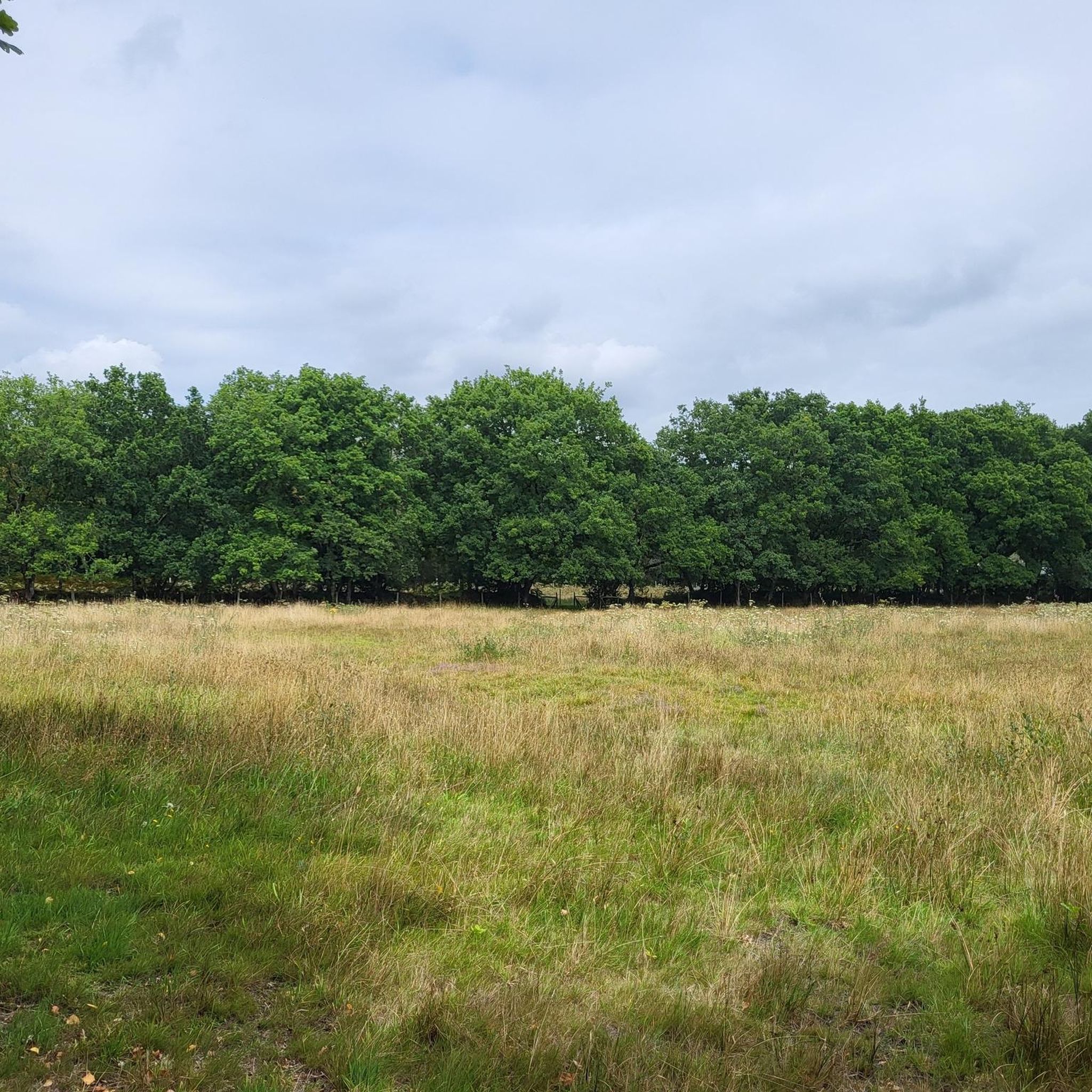
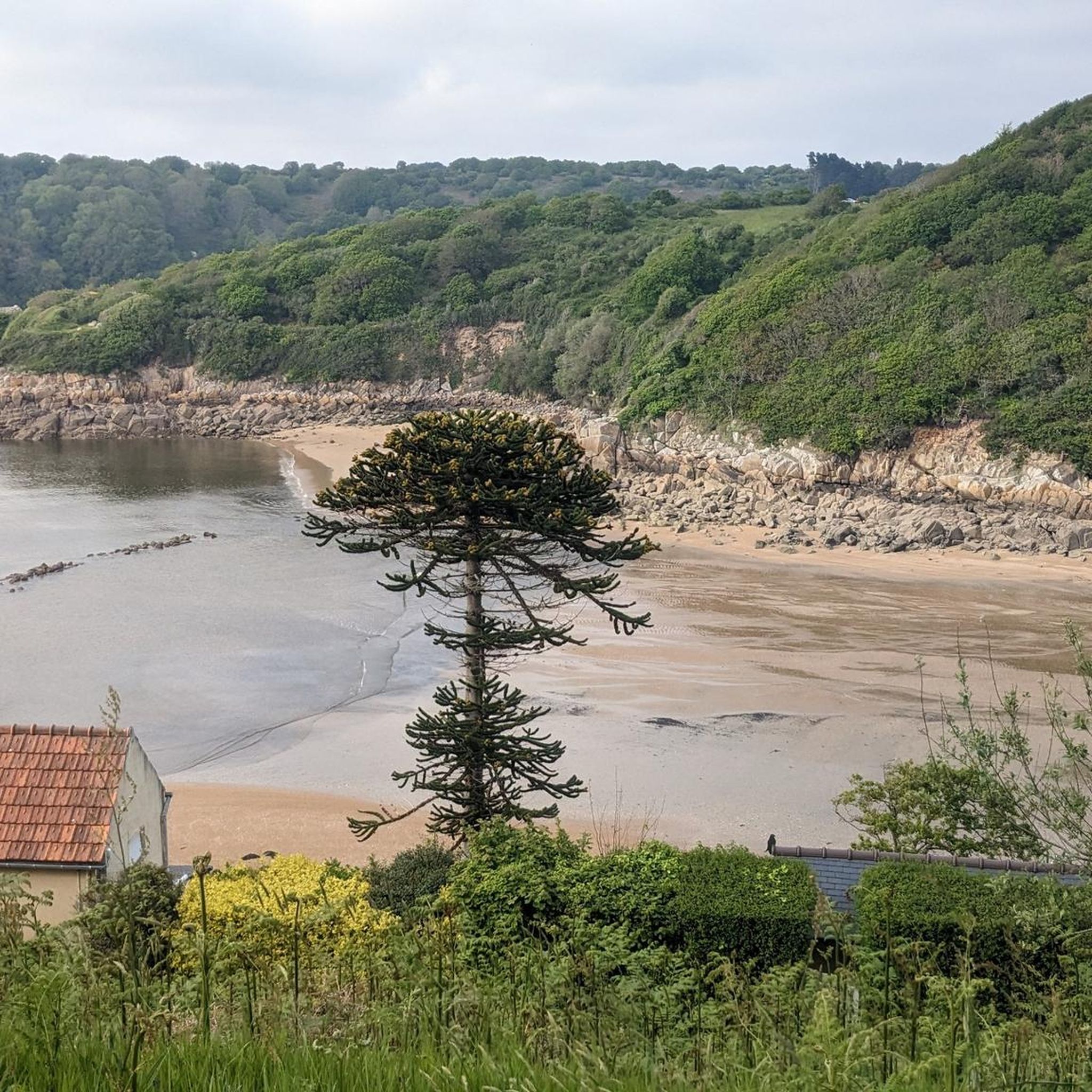
Road cycling routes in Réserve Naturelle Des Landes, Prairies Et Étangs De Plounérin traverse a diverse landscape in rural Trégor, Côtes-d'Armor. The region features a mosaic of natural habitats including moors, meadows, and ponds, alongside preserved agricultural valleys. Cyclists encounter varied terrain, from gentle slopes in the valleys to more challenging ascents in the transitional zone towards the Monts d'Arrée foothills. The area offers predominantly paved surfaces suitable for road bikes, providing a tranquil environment away from heavy traffic.
Best…
Last updated: July 5, 2026
5.0
(1)
11
riders
46.5km
02:17
520m
520m
Moderate road ride. Good fitness required. Mostly well-paved surfaces and easy to ride.
5.0
(1)
4
riders
31.3km
01:33
370m
370m
Moderate road ride. Good fitness required. Mostly well-paved surfaces and easy to ride.

Sign up for free
4
riders
69.5km
03:10
740m
740m
Moderate road ride. Good fitness required. Mostly well-paved surfaces and easy to ride.
4
riders
135km
06:25
1,600m
1,600m
Hard road ride. Very good fitness required. Mostly well-paved surfaces and easy to ride.
3
riders
63.9km
02:54
610m
610m
Moderate road ride. Good fitness required. Mostly well-paved surfaces and easy to ride.
Get access to more routes and recommendations from other explorers.
Sign up for free
Already have an account?
Our route recommendations are based on thousands of hikes, rides, and runs completed by other people on komoot.
Start today with a free account
Your next adventure awaits.
Login or Signup
Popular around Réserve Naturelle Des Landes, Prairies Et Étangs De Plounérin


Tips from the Community

The church was rebuilt from 1852 to 1868 according to the plans of the builder Yves Hernot on the site of ancient buildings from the 14th and late 16th centuries. Some old elements, such as doors and windows, were reused. The church was consecrated on October 22, 1871, after reconstruction. It contains interesting furniture, including two side altars, a 19th-century pulpit, works by Le Merrer, and especially an exceptional organ. Built in 1653 by the English organ builder Robert Dallam, it was only installed in Lanvellec in 1864, originally coming from the church of Plestin-les-Grèves. Furthermore, the statue of Saint-Efflam still crowns the buffet. It underwent several moves, repairs, and modifications until its total silence in the early thirties. It was saved from dispersion thanks to its classification as a Historic Monument on March 23, 1971. Its restoration in 1985/1986 by an Italian organ builder, restored its full historical truth. It is on this majestic instrument that the Festival de Lanvellec et du Trégor has been relying for 30 years to make ancient music resonate. In flamboyant Gothic style, the ossuary dates from the end of the 15th century and is classified as a Historic Monument. Rectangular in plan, it is made of granite, adorned with seven trefoil arcades and a pointed arch door. In the past, the skulls of the deceased were placed in boxes with their names, ten years after their death. The pardon of Saint-Brandan takes place on the third Sunday of September. 2024: The church is closed for works for several months! Visiting the exteriors is free all year round and the organ visit is only by appointment for groups.
0
0

Just marvel and enjoy 😌 Technical data is provided by others 👍
2
0

The Chapelle Sainte-Barbe, near Plestin-Les-Grèves, has a historical charm that you can appreciate through its simple yet picturesque architecture, which has been a local landmark for centuries.
2
0

This viaduct, which is important for the railway connection Paris - Brest, is a distinctive feature of the cityscape of Morlaix.
2
0

Beautiful statue of Saint Joseph and the child
0
0
After going up the bay then the river, arrival at the lock then at the port of Morlaix
0
0

Saint Peter's Church Square
0
0

The town of Morlaix is dominated by a railway viaduct that is over 50 m high and 258 m long and can be seen from far away. It was built in 1864 to create the railway connection between Paris and Brest. At the time, many buildings had to be demolished for this project. During the Second World War, Allied bombers were supposed to bomb the viaduct, but missed their target and caused great damage to the town. The viaduct can be crossed on foot on the first floor.
3
0
Frequently Asked Questions
How many road cycling routes are available in Réserve Naturelle Des Landes, Prairies Et Étangs De Plounérin?
There are over 80 road cycling routes in the Réserve Naturelle Des Landes, Prairies Et Étangs De Plounérin area. These routes offer a diverse range of experiences, from moderate loops to more challenging long-distance rides.
What kind of landscapes will I encounter on road cycling routes in this region?
Road cycling routes here traverse a rich mosaic of natural habitats, including expansive moors, tranquil meadows, and scenic ponds. You'll also ride through preserved agricultural valleys, experiencing a blend of rural charm and natural beauty. The terrain varies from gentle slopes to more challenging ascents as you approach the Monts d'Arrée foothills.
Are there road cycling routes suitable for families or beginners?
Yes, the region offers several routes suitable for beginners and families. There are 7 easy routes and 69 moderate routes, providing options for those seeking a less strenuous ride. These routes often feature tranquil environments away from heavy traffic, making them ideal for a relaxed cycling experience.
Are there challenging road cycling routes for experienced cyclists?
Absolutely. For experienced cyclists seeking a challenge, there are 8 difficult routes available. An example is the Belle-Isle-en-Terre – Kerroué Manor loop from Plounérin, which covers nearly 97 km with significant elevation gain through varied rural landscapes and past historical sites.
Where can I park when road cycling in the Réserve Naturelle Des Landes, Prairies Et Étangs De Plounérin area?
While specific parking areas for each route vary, the Kerliziri site, which serves as a starting point for trails around the Étang du Moulin Neuf, offers visitor amenities that can be convenient for cyclists. Many routes also start from Plounérin, where local parking options may be available.
What do other road cyclists enjoy most about cycling in Réserve Naturelle Des Landes, Prairies Et Étangs De Plounérin?
The area is highly rated by the komoot community, with an average score of 4.3 stars from over 18 reviews. Cyclists often praise the tranquil environment, the diverse natural landscapes of moors, meadows, and ponds, and the predominantly paved surfaces that make for excellent road biking.
Are there any notable landmarks or points of interest along the road cycling routes?
Yes, several routes pass by interesting features. For instance, the Tumulus loop from Plounérin leads past ancient landmarks. Other routes, like the Morlaix Viaduct – Quai de Toul an Hery loop from Plounérin, offer views of significant structures and coastal areas.
Can I find circular road cycling routes in the Réserve Naturelle Des Landes, Prairies Et Étangs De Plounérin?
Yes, many of the road cycling routes in this area are designed as loops, allowing you to start and finish at the same point. Examples include the Quai de Toul an Hery – Baie de Duron loop from Plounérin and the Quai de Toul an Hery – View of Locquirec Beach loop from Plounérin.
What is the best time of year for road cycling in Réserve Naturelle Des Landes, Prairies Et Étangs De Plounérin?
The region offers pleasant cycling conditions for much of the year. Spring and autumn provide mild temperatures and beautiful scenery as the moors and meadows change colors. Summer is also popular, though it can be warmer. Winter cycling is possible, but be prepared for cooler, potentially wetter weather.
Are there any amenities like cafes or toilets along the road cycling routes?
While the routes traverse rural areas, visitor amenities such as picnic areas and toilets are available at sites like Kerliziri, which is a key access point to the reserve. For cafes and restaurants, you would typically find these in the nearby villages and towns, such as Plounérin itself.
Do the road cycling routes offer scenic viewpoints?
Yes, the diverse landscapes of the Réserve Naturelle Des Landes, Prairies Et Étangs De Plounérin provide numerous scenic viewpoints. You can expect expansive views of the characteristic 'landes' (heaths), tranquil ponds, and picturesque agricultural valleys, especially on routes that feature some elevation gain.
How long do the road cycling routes typically take to complete?
Route durations vary significantly based on distance and difficulty. For example, the Quai de Toul an Hery – Baie de Duron loop from Plounérin (46.5 km) takes approximately 2 hours 17 minutes, while the more challenging Belle-Isle-en-Terre – Kerroué Manor loop from Plounérin (96.9 km) can take around 4 hours 30 minutes.
Most popular routes in Réserve Naturelle Des Landes, Prairies Et Étangs De Plounérin

Get inspired with the komoot mobile app


Explore more
Browse the best Road cycling routes in other regions.
