The best MTB trails in Salinas Do Samouco
4.6
(24)
374
riders
33
rides
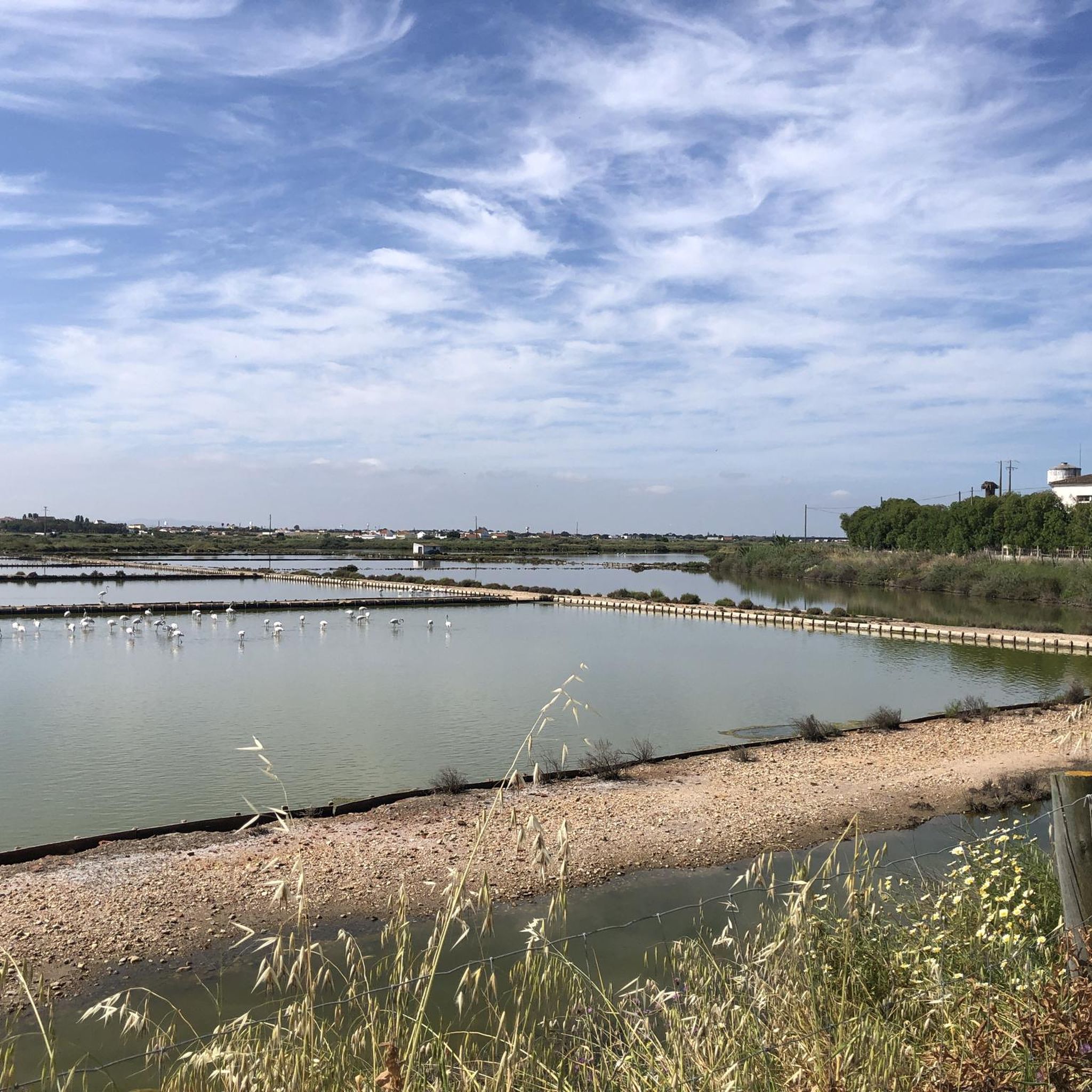
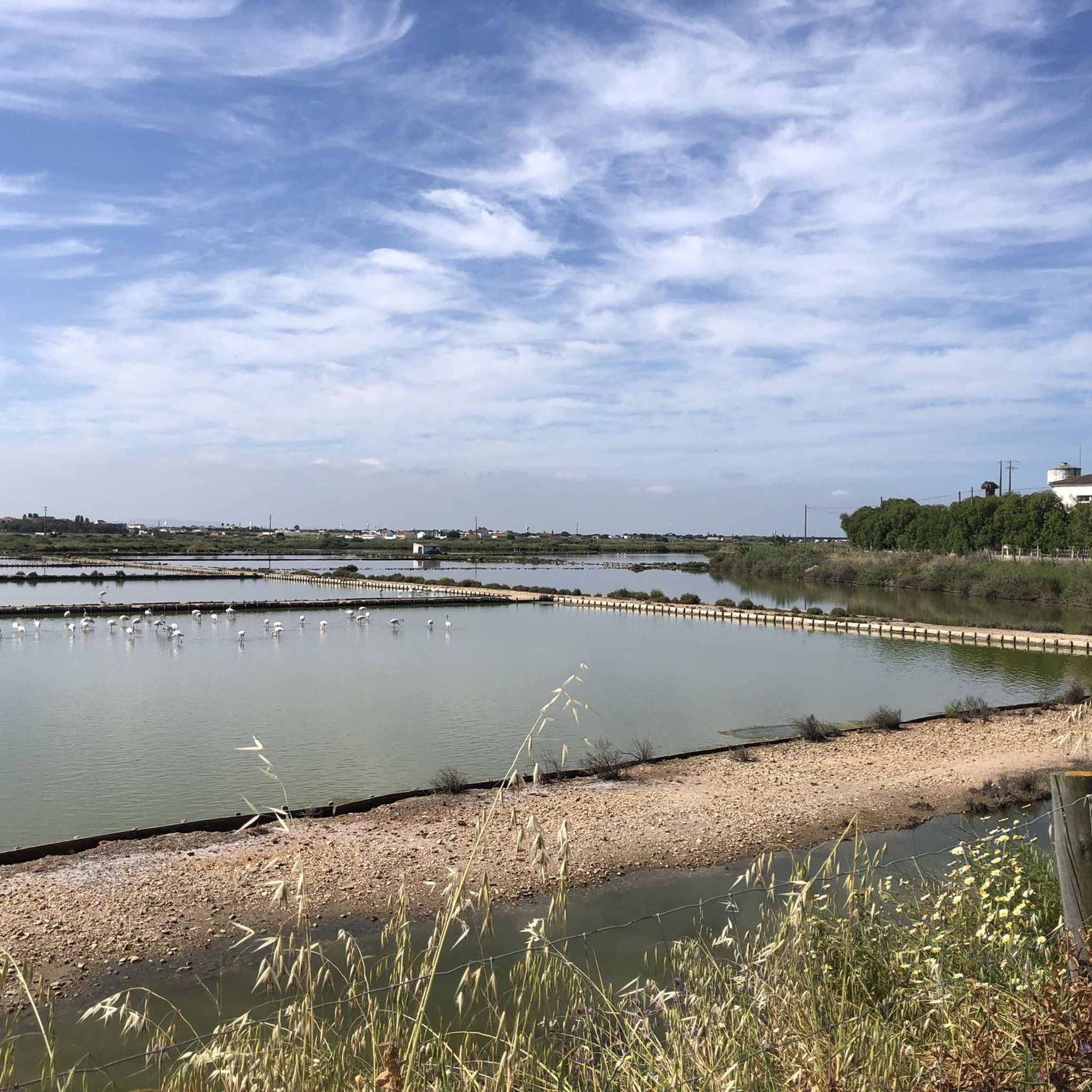
Mountain biking in Salinas Do Samouco offers routes across a unique landscape characterized by historic salt pans and diverse habitats including salt marshes and pine forests. Situated on the Tagus estuary, the area provides views of the river and its natural surroundings. The terrain is generally flat with low elevation, making many trails accessible for various skill levels. This ecological sanctuary features a network of well-maintained trails suitable for mountain biking.
Best mountain bike trails in Salinas Do Samouco
- The…
Last updated: June 24, 2026
5.0
(2)
9
riders
69.3km
04:40
410m
410m
Moderate mountain bike ride. Good fitness required. Suitable for all skill levels.
5.0
(4)
6
riders
43.5km
02:26
200m
200m
Moderate mountain bike ride. Good fitness required. Suitable for all skill levels.

Sign up for free
9
riders
43.4km
02:31
160m
160m
Moderate mountain bike ride. Good fitness required. Suitable for all skill levels.
8
riders
53.3km
03:23
230m
230m
Moderate mountain bike ride. Good fitness required. Suitable for all skill levels.
4
riders
37.3km
02:18
150m
150m
Moderate mountain bike ride. Good fitness required. Suitable for all skill levels.
Get access to more routes and recommendations from other explorers.
Sign up for free
Already have an account?
Our route recommendations are based on thousands of hikes, rides, and runs completed by other people on komoot.
Start today with a free account
Your next adventure awaits.
Login or Signup

Tips from the Community

Palmela train station
1
0

Manuel I, the Fortunate (1469-1521), was King of Portugal and the Algarves between 1495 and 1521, a period of great voyages and discoveries, including the arrival of India and Brazil. Manuel, known as the Fortunate, was born in Alcochete, Portugal, on May 31, 1469. Son of Ferdinand, Duke of Beja, and Beatriz, he was the grandson of King Duarte I, who reigned from 1433 to 1438. On October 25, 1495, Manuel became the fifth king of the Aviz dynasty and the fourteenth king of Portugal, succeeding King John II, who, after the death of his son, Afonso, named Manuel, brother of his wife, Leonor of Lancaster, as his successor.
2
0
The municipality of Alcochete is located on the southern bank of the Tagus Estuary and is part of the Lisbon Metropolitan Area, benefiting from privileged access to the capital via the Vasco da Gama Bridge, as well as access to the North Motorway, IC 32 and the connection to the A2. The name Alcochete derives from the Arabic word “Alcaxete”, which means “oven”, an allusion to the riches resulting from the combustion of the wood abundant in the pine forests of this region. Human presence dates back to prehistoric times to ancient times, a fact proven by the archaeological remains found. Economic activity linked to fishing, river navigation and salt production was, at one time, the main driving force behind the municipality’s economic development. With the decreasing development, from the mid-20th century onwards, of road connections and the loss of economic importance of the River Tagus as a means of communication, these activities began to decline. Its proximity to the Tagus Estuary Nature Reserve, considered one of the most important wintering areas in Europe for several species of water birds, makes it an important place to visit and is, in itself, an attraction for nature lovers. In addition to its rich landscape, Alcochete has a fascinating cultural heritage. The Festa do Barrete Verde and das Salinas, held annually in August, is one of its highlights, as it pays tribute to the forcado, the campino and the salineiro, illustrious figures who make up the identity of the municipality.
12
0
he delightful old town of Alcochete is located on the south bank of the River Tagus, in close proximity to the Tagus Estuary Nature Reserve. The ideal day-trip destination for visitors staying in Lisbon, its foundation dates right back to the 7th century after the Moors conquered Lisbon and its name derives from the Arabic word for kiln, as several have been found in the local area. The journey across the river is a delightful one, running past some of the older parts of the capital such as the Alfama before heading off into the great Tagus river basin. The ferry arrives in Montijo, followed by a 5-kilometre bus or taxi ride north to Alcochete. Evidence of human occupation in Alcochete and its environs dates back to the lower Paleolithic period, while the Roman presence in the area mostly extended along the banks of Ribeira das Enguias where traces of several ancient potteries exist, most notably at Porto dos Cacos in Herdade de Rio Frio where the production of amphorae (ceramic containers used to pack and transport fish preserves) have been unearthed. Alcochete was an important royal retreat, with both King João I and King João II spending long periods here for rest and relaxation. More importantly, King Manuel I (creator of the Manueline architectural style) was born here and in 1515 (twenty years into his reign) he granted Alcochete its town charter at a time when Lisbon and was beginning to prosper during Portugal’s great Age of Discovery. Founded in the mid-16th century, the Church of the Misericórdia was part of the palace where King Manuel I was born on the 1st of June 1469. Today, it houses the Museum of Sacred Art whose collection includes many old paintings and some rare archaeological finds.
11
0

The entrance in Pinhal novo is a bit hidden, but once in Montijo you can take the boat to Lisboa.
1
0
Made on the old train tracks, this long distance cycleway is a hassle-free way to do the Journey.
1
0

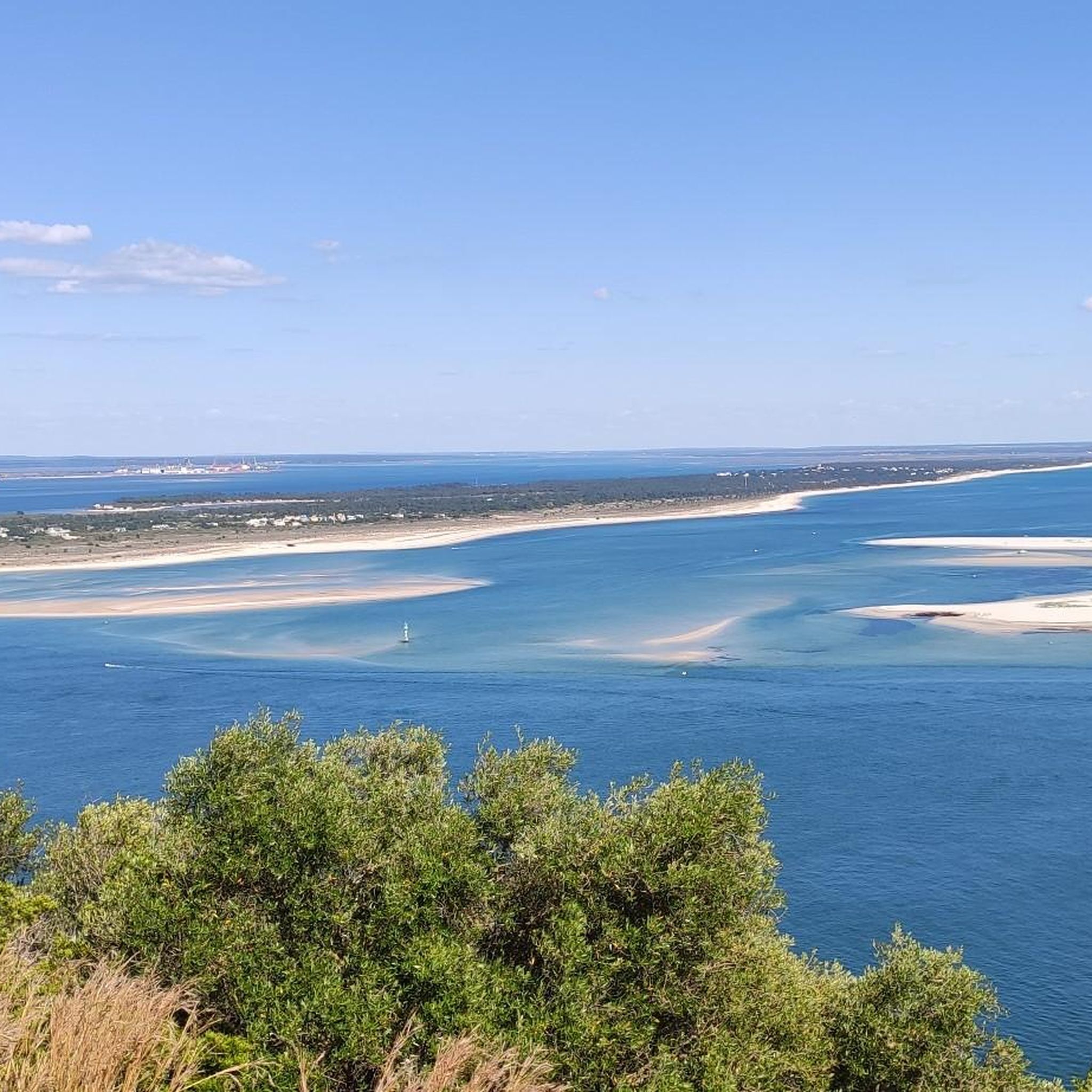
The beaches of Alcochete. These are river beaches of the Tagus River. The water is salty, hence the presence of salt pans right next to it. The water is less cold than the sea. The water is clean and you can swim in it. You can see on the other side of the river, Lisbon and the Vasco de Gama bridge. The Vasco da Gama Bridge is 12.3 km long. It is the longest bridge in the European Union and the 2nd longest bridge in Europe, the 1st being the Crimean Bridge. There is also a beautiful garden, cafes, restaurants, handling circuit, picnic park.
14
0
Frequently Asked Questions
How many mountain bike trails are available in Salinas Do Samouco?
There are over 35 mountain bike trails in Salinas Do Samouco, offering a variety of options for different skill levels and preferences.
What are the general difficulty levels of mountain bike trails in Salinas Do Samouco?
The trails in Salinas Do Samouco cater to various skill levels. You'll find approximately 8 easy routes, 27 moderate routes, and 1 difficult route, ensuring there's something for everyone from beginners to experienced riders.
What kind of terrain can I expect when mountain biking in Salinas Do Samouco?
Mountain biking in Salinas Do Samouco offers a unique experience across generally flat terrain with low elevation. You'll ride through historic salt pans, alongside the Tagus estuary, and explore diverse habitats including salt marshes and pine forests. Some routes may feature challenging segments requiring advanced skills.
Are there any circular mountain bike routes in Salinas Do Samouco?
Yes, many of the mountain bike routes in Salinas Do Samouco are circular. For example, you can explore the Vasco da Gama Bridge – Samouco Salt Pans loop from Alcochete, which takes you through the salt pans and along the estuary, or the Samouco Salt Pans loop from Bairro Coophabital.
Are there family-friendly mountain bike trails in Salinas Do Samouco?
Yes, due to the generally flat terrain and low elevation, many trails in Salinas Do Samouco are accessible and enjoyable for families. There are approximately 8 easy routes that are well-suited for riders of all skill levels, including those with less experience.
What can I see along the mountain bike trails in Salinas Do Samouco?
While mountain biking, you can explore the unique natural and historical features of the area. Highlights include the historic Salinas do Samouco, the Ruins of the Old Seca do Bacalhau Factory, and the Bridge over the Esteiro. You might also encounter the endangered Mirandesa Donkeys and observe diverse birdlife, including flamingos, especially near the salt pans and estuary.
What is the best time of year to go mountain biking in Salinas Do Samouco?
Salinas Do Samouco is a great destination for mountain biking year-round. However, spring and autumn offer particularly pleasant temperatures for riding. During these seasons, you can also experience increased bird diversity, making it ideal for combining your ride with birdwatching.
What do other mountain bikers say about the trails in Salinas Do Samouco?
The mountain bike trails in Salinas Do Samouco are highly rated by the komoot community, with an average score of 4.6 stars from over 19 reviews. Riders often praise the unique landscapes, the views of the Tagus estuary, and the well-maintained network of trails that cater to various abilities.
Are there any routes that offer views of Palmela Castle?
Yes, some routes provide scenic views towards Palmela Castle. A popular option is the View of Palmela Castle – Fio Dental Trail loop from Montijo, which winds through varied landscapes and includes sections with these distant views.
Can I see the Vasco da Gama Bridge from the mountain bike trails?
Absolutely. Several routes offer excellent views of the iconic Vasco da Gama Bridge. Consider the Samouco Salt Pans – Vasco da Gama Bridge loop from Alcochete for a ride that takes you along the estuary with clear sightlines of the bridge.
What is the longest mountain bike trail in Salinas Do Samouco?
One of the longer routes available is the View of Palmela Castle – Samouco Salt Pans loop from Alcochete, which spans approximately 70.6 km (43.9 miles) and typically takes around 4 hours and 44 minutes to complete.
Most popular routes in Salinas Do Samouco
Most popular attractions in Salinas Do Samouco

Get inspired with the komoot mobile app


Explore more
Browse the best MTB trails in other regions.
