The best road cycling routes in Paisagem Protegida Da Serra De Montejunto
5.0
(16)
627
riders
46
rides
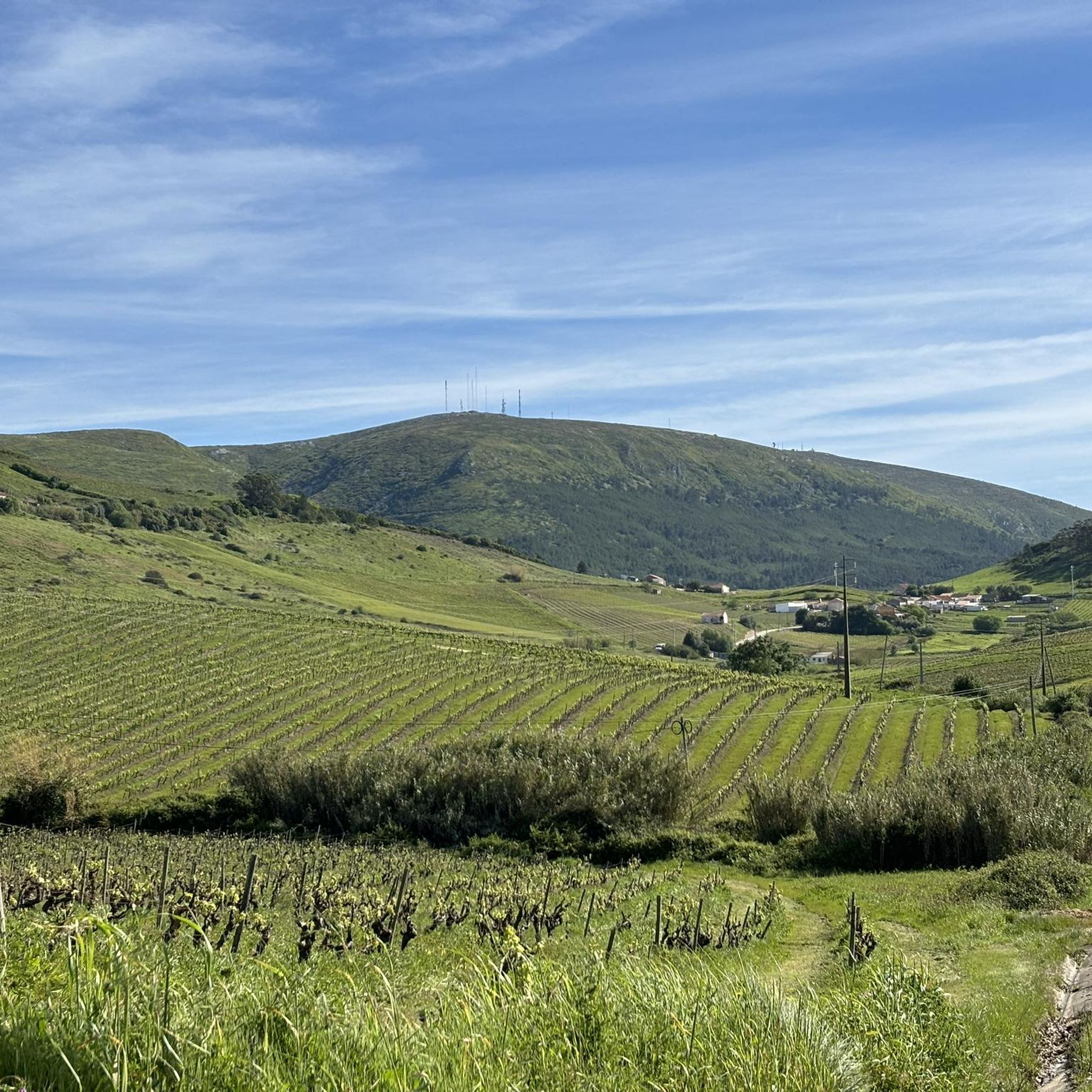
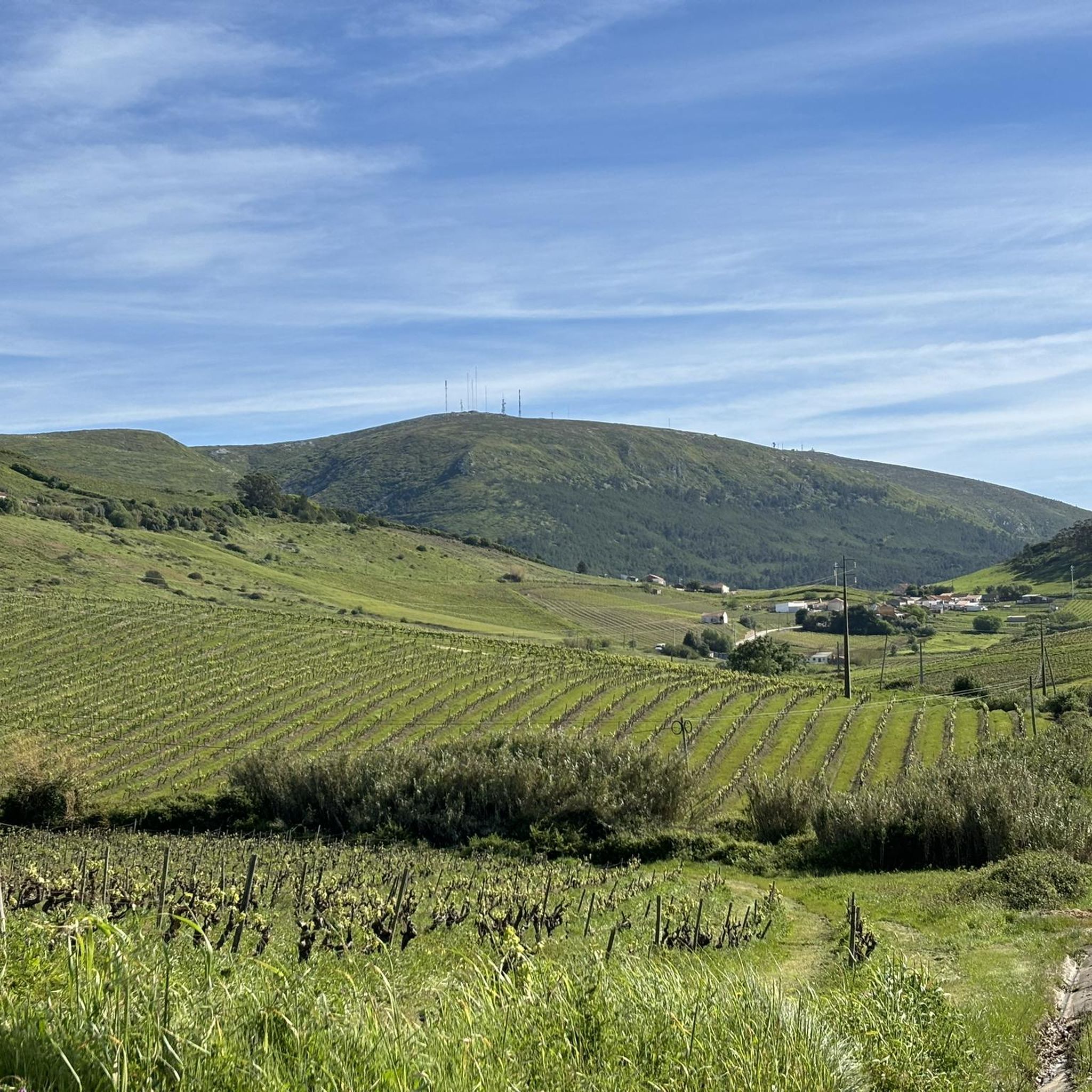
Road cycling in Paisagem Protegida Da Serra De Montejunto offers diverse landscapes and challenging terrain, characterized by a limestone massif with significant elevation gains. The region rises to 666 meters, providing expansive views from its higher elevations. Cyclists navigate backroads that wind through villages, vineyards, and fruit orchards, offering a quiet cycling experience. This protected landscape features forests of chestnut, oak, and pine, alongside aromatic shrubland.
Best road cycling routes in Paisagem Protegida Da Serra De Montejunto
- The most popular road cycling route is View of Serra de Montejunto – Montejunto Monument loop from Paisagem Protegida da Serra de Montejunto, a 28.2 miles (45.4 km) trail that takes 2 hours 33 minutes to complete. This route features substantial climbs and rewarding descents.
- Another top favourite among local road cyclists is Pink House with Bougainvillea loop from Vilar, an easy 17.5 miles (28.2 km) path. It offers a scenic ride through picturesque villages and agricultural landscapes.
- Local road cyclists also love the Montejunto Monument – View of Serra de Montejunto loop from Vilar, a 16.8 miles (27.0 km) trail leading through elevated areas with panoramic views, often completed in about 1 hour 39 minutes.
- Road cycling in Paisagem Protegida Da Serra De Montejunto is defined by limestone massifs, elevated viewpoints, and winding backroads through vineyards. The network offers options for easy, moderate, and difficult routes, catering to various ability levels.
- The routes in Paisagem Protegida Da Serra De Montejunto are highly rated by the komoot community with an average score of 4.9 stars from over 10 reviews. More than 500 road cyclists have used komoot to explore Paisagem Protegida Da Serra De Montejunto's varied terrain.
Last updated: September 1, 2026
5.0
(1)
23
riders
Hard road ride. Very good fitness required. Some segments of this route may be unpaved and difficult to ride.
10
riders
28.2km
01:12
220m
220m
Easy road ride. Great for any fitness level. Mostly well-paved surfaces and easy to ride.

Sign up for free
5.0
(1)
9
riders
28.2km
01:43
680m
680m
Moderate road ride. Good fitness required. Some segments of this route may be unpaved and difficult to ride.
5.0
(1)
3
riders
Hard road ride. Very good fitness required. Some segments of this route may be unpaved and difficult to ride.
24
riders
68.2km
03:06
730m
730m
Moderate road ride. Good fitness required. Mostly well-paved surfaces and easy to ride.
Get access to more routes and recommendations from other explorers.
Sign up for free
Already have an account?
Our route recommendations are based on thousands of hikes, rides, and runs completed by other people on komoot.
Start today with a free account
Your next adventure awaits.
Login or Signup
Popular around Paisagem Protegida Da Serra De Montejunto

Tips from the Community

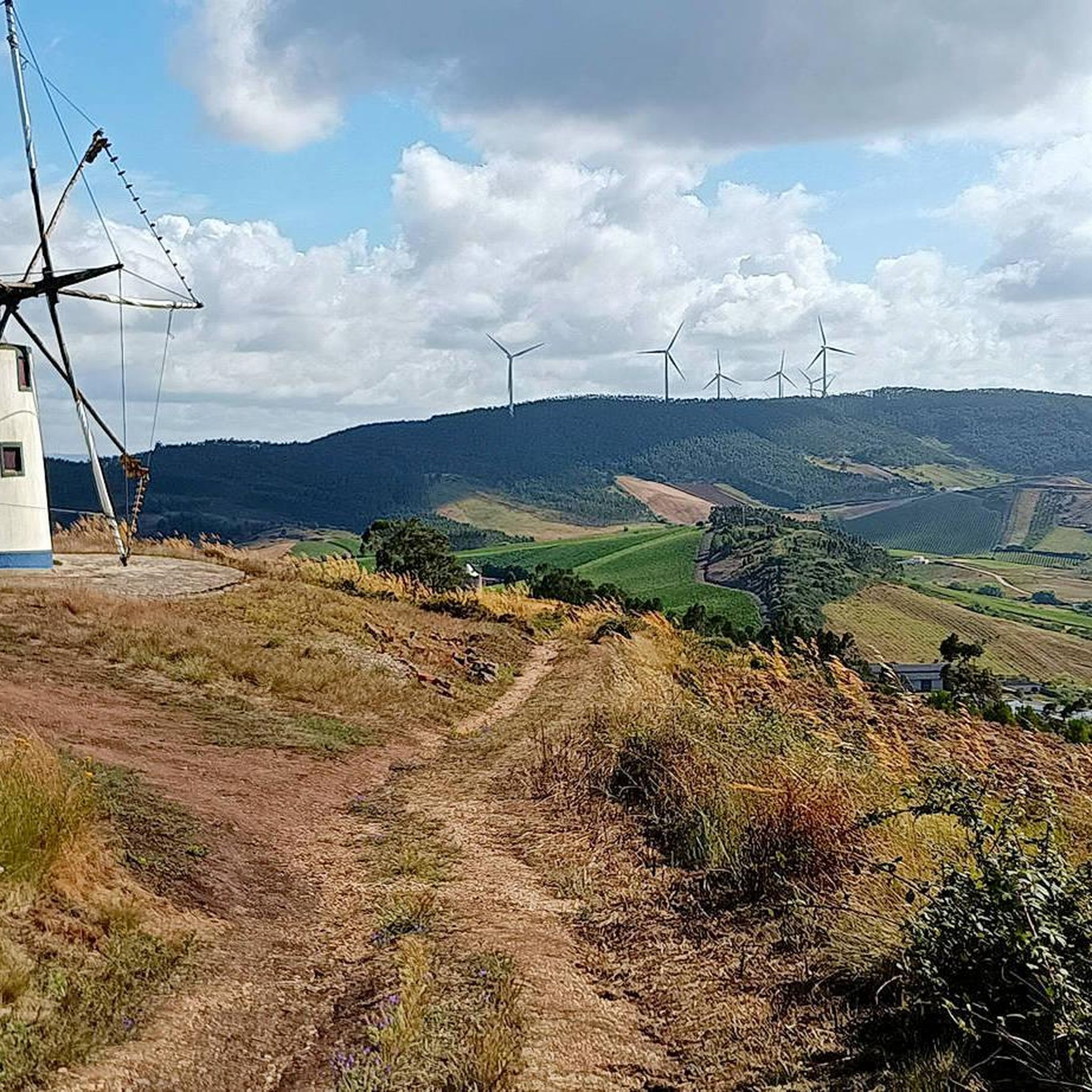
Using only the natural power of the wind as the driving force, the heavy millstones are moved, and for example, grain kernels are ground into flour (grain mills) or olives are pressed into oil (oil mills). Miguel de Cervantes (1547 to 1616) also created a literary monument to the ancient tradition of windmills: the most famous character of the author, considered Spain's national poet, whose work can certainly be appreciated as world literature: "Don Quixote," also known as the "Knight of the Sorrowful Countenance." He is always accompanied by his loyal squire Sancho Panza, and in one of the highly imaginatively narrated episodes, he engages in a – naturally hopeless – battle against windmills, in which he believes he recognizes four-armed giants.
0
0

Just before entering the town of Sobral do Monte Agraço
0
0

This house 🏠 looks like the house of the painter Claude Monet 🎨, but,... without the garden.
12
0
publication of the royal charter of 26 July 1811, which, in order to mitigate the devastating effects of the French invasions, prescribed, among many other measures, the distribution of seeds to farmers in order to re-establish cereal production. The Real Celeiro was active for over sixty years, between 1812 and 1873, but, quoting Guilherme Henriques, “it died, like all good institutions, annihilated by abuses”. The City Council now holds the archive of the old Celeiro, which, although not very voluminous, nevertheless allows us to reconstruct almost the entire history of this important local institution of the 19th century. Commissioned to be rebuilt by the Municipality of Alenquer in 2002, it opened its doors as the Wine Museum and headquarters of the Lisbon Wine Route in 2006. Its interior was remodeled and its museology project renewed at the end of 2018, and it reopened its doors to visitors in February 2019. (Source: www.alenquer.pt)
10
0

At this location at the top of the Serra de Montejunto, also known as "Torre" due to the various antennas that were installed there, is the Chapel of Our Lady of the Snows, which may have been built in the 13th century and remodelled and expanded during the 16th century and later. Inside, the altars covered with 17th century tiles and the altarpiece of the main altar, from the 18th century, stand out. Next to the Chapel of Our Lady of the Snows, are the ruins of what is considered to be the first Dominican Convent in Portugal, built in the 12th century and abandoned after the extinction of the religious orders, and is currently in ruins. Also nearby are the ruins of the Royal Ice Factory, classified as a National Monument. Here, in the 18th century, the Dominican monks took advantage of the climatic and geological conditions and opened large tanks connected by narrow passages, one part for the production of ice and the other for its preparation, storage and conservation. The ice was later transported to Lisbon, to supply the court and the café at Terreiro do Paço, later known as Martinho da Arcada (Fernando Pessoa's Café)
2
0
Road that connects the village of Abrigada to the Serra de Montejunto, crossing one of the most beautiful sections of the Serra de Montejunto. A steep route but worth the effort.
2
0
Operating since April 2006 in a 19th-century building, the Wine Museum exhibits, offers tastings and allows the purchase of the best wines from the region. Around 20 producers from the Lisbon Wine Routes Association are represented.
5
0
Building visible from very far away.
12
0
Frequently Asked Questions
What kind of terrain can I expect when road cycling in Paisagem Protegida da Serra de Montejunto?
The region is characterized by a limestone massif and elevated areas, leading to significant elevation gains on many routes. You'll find excellent backroads winding through picturesque villages, vineyards, and fruit orchards, offering a quiet cycling experience. The landscape also features forests of chestnut, oak, and pine, alongside aromatic shrubland.
Are there challenging climbs for experienced road cyclists in Serra de Montejunto?
Yes, Serra de Montejunto is well-known for its challenging climbs, making it ideal for experienced road cyclists. Routes like the View of Serra de Montejunto – Montejunto Monument loop from Paisagem Protegida da Serra de Montejunto feature substantial climbs and rewarding descents. Overall, there are 10 difficult routes available in the region.
Are there any easy road cycling routes suitable for beginners in the region?
Absolutely. While the region is known for its climbs, there are also easier routes. For instance, the Pink House with Bougainvillea loop from Vilar is an easy 28.2 km path offering a scenic ride through villages and agricultural landscapes. In total, there are 5 easy road cycling routes in Paisagem Protegida da Serra de Montejunto.
How many road cycling routes are available in Paisagem Protegida da Serra de Montejunto?
There are over 45 road cycling routes available in Paisagem Protegida da Serra de Montejunto, catering to various skill levels from easy to difficult.
What are the best viewpoints along road cycling routes in Serra de Montejunto?
The Serra de Montejunto rises to 666 meters, offering expansive vistas. On clear days, views can stretch from Sintra to Nazaré, encompassing the Berlengas islands and the Tagus River. Notable viewpoints include the Serra de Montejunto Watchtower and the Salvé Rainha Viewpoint - Salvé Rainha Cross Viewpoint, both offering excellent panoramic views.
Are there any historical or natural landmarks to see while cycling in the area?
Yes, the area is rich in both natural and historical landmarks. You can visit the ruins of the Chapel of Our Lady of the Snows, the first Dominican convent in Portugal, or the Chapel of Saint John the Baptist. The Windmills of Serra de Montejunto are also a unique sight. Geologically, the region is part of the Estremenho Limestone Massif, featuring dozens of caves and chasms.
What is the best time of year to go road cycling in Paisagem Protegida da Serra de Montejunto?
The region benefits from a unique microclimate, a transition between maritime and continental influences. While cycling is enjoyable year-round, spring and autumn generally offer the most pleasant temperatures and conditions for road cycling, avoiding the peak heat of summer and potential winter rains.
Are there circular road cycling routes available?
Yes, many of the road cycling routes in Paisagem Protegida da Serra de Montejunto are circular loops, designed for a convenient return to your starting point. Examples include the Montejunto Monument – View of Serra de Montejunto loop from Vilar and the Forca Viewpoint – Alenquer Wine Museum loop from Abrigada.
Is there parking available for road cyclists in Serra de Montejunto?
While specific designated cycling parking areas are not detailed, the region has various starting points for routes, often near villages or attractions where general parking facilities would be available. For example, routes starting from Vilar or Paisagem Protegida da Serra de Montejunto itself would likely have parking options nearby.
What do other road cyclists enjoy the most about road cycling in Paisagem Protegida da Serra de Montejunto?
The area is highly rated by the komoot community, with an average score of 4.9 stars from over 10 reviews. Reviewers often praise the diverse landscapes, challenging climbs, and the quiet backroads winding through picturesque villages and vineyards. The panoramic views from higher elevations are also frequently highlighted.
Can I spot any wildlife while road cycling in the region?
Yes, Paisagem Protegida da Serra de Montejunto is a refuge for a rich animal community. It's home to about 75 bird species, including endangered ones like Bonelli's eagle and the Eurasian eagle-owl. The area is also known for its significant bat colony. Keep an eye out, especially in quieter sections of your ride.
Are there any facilities like picnic areas or campsites for cyclists?
Yes, the region offers facilities for visitors. You can find a designated Picnic Area of Serra de Montejunto for relaxation amidst nature. For those wishing to extend their stay, the Montejunto Rural Campsite provides accommodation options.
Most popular routes in Paisagem Protegida Da Serra De Montejunto
Most popular attractions in Paisagem Protegida Da Serra De Montejunto

Get inspired with the komoot mobile app


Explore more
Browse the best Road cycling routes in other regions.
