The best road cycling routes in Nacimiento Del Río Tuéjar
455
riders
29
rides
Road cycling routes in Nacimiento Del Río Tuéjar traverse a region characterized by a deep valley carved by the Tuéjar River, offering varied gradients for cyclists. The terrain features well-developed riparian forests along the riverbanks, transitioning to pine forests on the valley slopes. This area provides a blend of challenging ascents and scenic routes through rugged landscapes.
Best road cycling routes in Nacimiento Del Río Tuéjar
- The most popular road cycling route is View of Benagéber Reservoir – Views of…
Last updated: October 1, 2026
42
riders
108km
05:57
2,270m
2,270m
Hard road ride. Very good fitness required. Mostly well-paved surfaces and easy to ride.
21
riders
45.8km
02:43
1,040m
1,050m
Hard road ride. Very good fitness required. Some segments of this route may be unpaved and difficult to ride.

14
riders
93.1km
04:57
1,750m
1,750m
Hard road ride. Very good fitness required. Mostly well-paved surfaces and easy to ride.
9
riders
Moderate road ride. Good fitness required. Mostly well-paved surfaces and easy to ride.
11
riders
50.6km
02:35
800m
800m
Moderate road ride. Good fitness required. Mostly well-paved surfaces and easy to ride.
Get access to more routes and recommendations from other explorers.
Already have an account?
Our route recommendations are based on thousands of hikes, rides, and runs completed by other people on komoot.
Start today with a free account
Your next adventure awaits.
Popular around Nacimiento Del Río Tuéjar
Tips from the Community

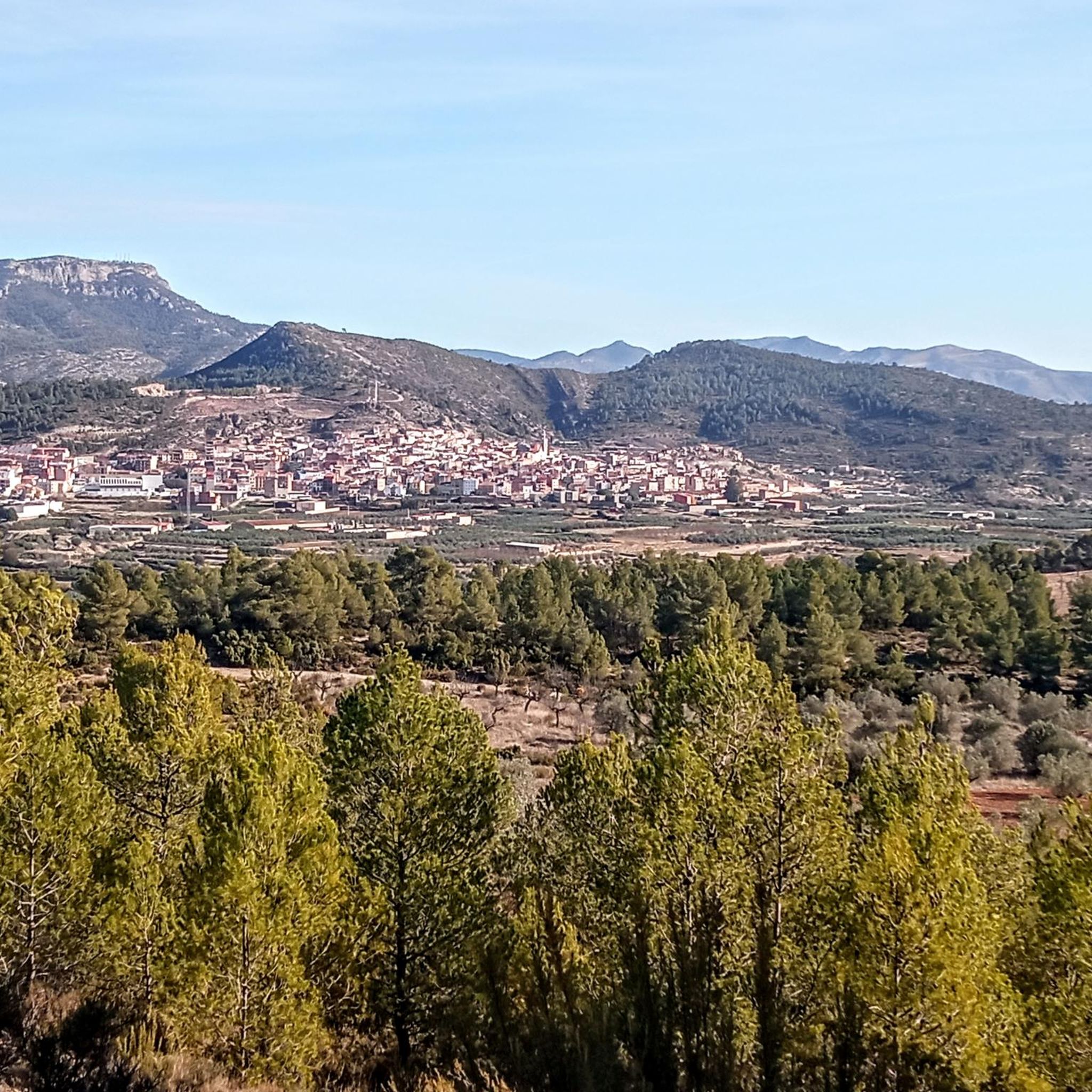
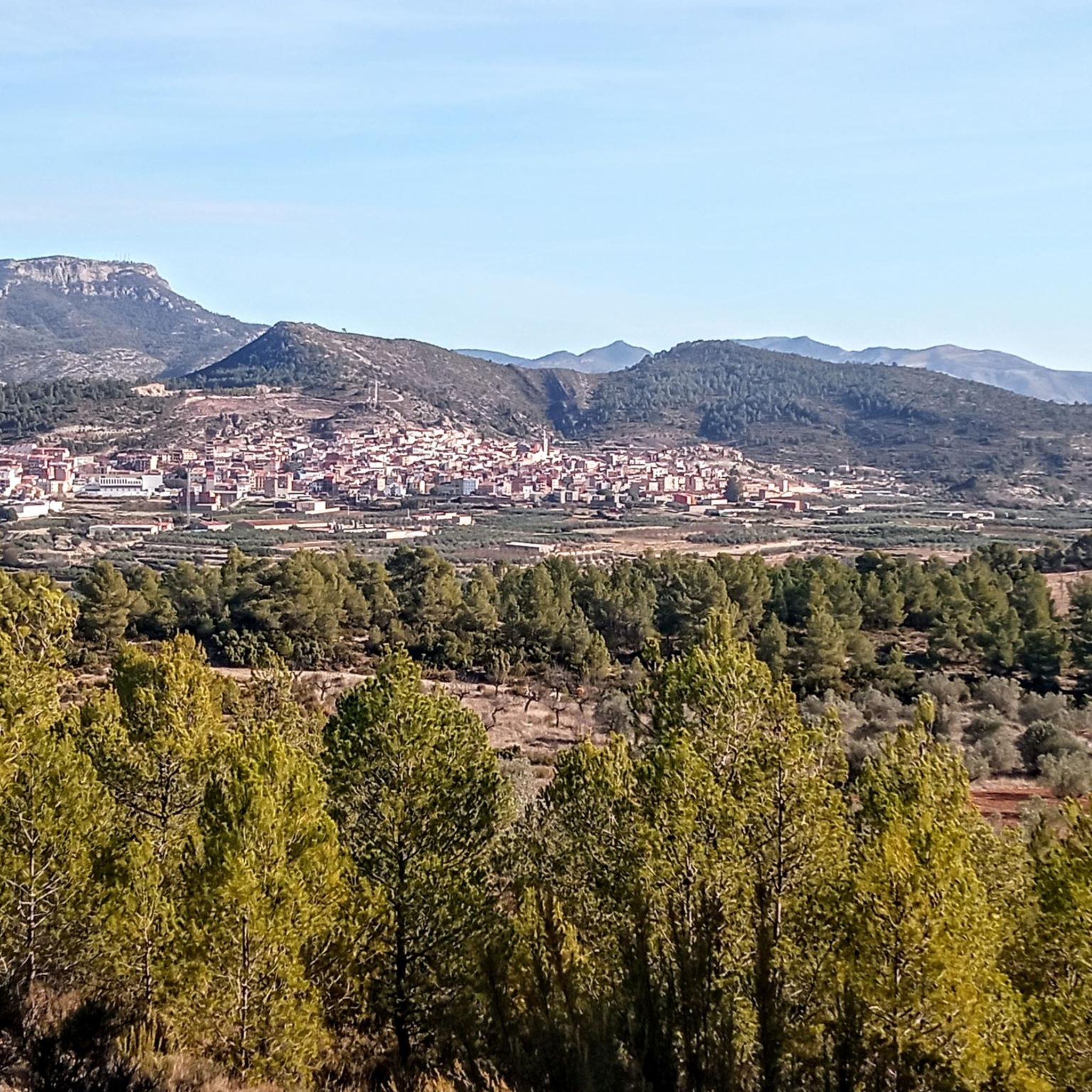
Aras de los Olmos is a mountain village surrounded by mountains and ravines, perfect for those seeking hiking and biking trails surrounded by nature. It is known for its clear skies, recognized with the Starlight Destination certification, making it one of the best places in Europe for astronomical observation. Its heritage includes the parish church, hermitages, a Muslim tower, and a medieval oven that can be visited, as well as paleontological finds such as the Losillasaurus dinosaur. The local cuisine, with dishes such as gachas (porridge), ajoarriero (a garlic stew), and artisanal honey, completes the visit.
0
0
The Los Arcos aqueduct, located in Alpuente, is a 16th and 17th-century hydraulic structure that supplied water to the town and its orchards. With its thirteen pointed arches and a length of 265 meters, the arcade bridged the uneven level of the Reguero River, although the main arch was lost in a flood in 1880. Today, it is preserved as a Site of Cultural Interest and can be easily visited from the road to La Yesa. It is an interesting spot for combining history and hiking; good footwear is recommended to explore the surroundings.
3
0
Titaguas is a small town in the Los Serranos region, surrounded by mountains covered with pine, holm oak, and juniper forests, making it an ideal location for hiking. In the surrounding area, you can discover natural springs renowned for their healthy waters, as well as archaeological sites and cave paintings dating back over 9,000 years. The old town preserves historic houses and the Renaissance church of El Salvador, while local festivals keep traditions alive with the famous Mojiganga and wine-related celebrations. It's a great destination for combining nature, heritage, and popular culture, with trails accessible from the CV-35.
2
0

A complex climb coming from Calles that connects Puerto de Tuejar and the east with little rest in between. It's longer than it is intense, but it adds up to almost 20 km of sustained climbs with long sections at 6%.
0
0

Starting point for a visit to the beautiful village of Chelva and the superb Water Route (Ruta del Agua), well signposted from the square. Despite the signs at the beginning of the circuit indicating that the route is closed, it is possible to pass through with caution. To immerse yourself in the village's narrow streets and the Ruta del Agua, click here: https://youtu.be/YgxESnd14Ww
0
0

The church was built between the 17th and 18th centuries in the Mannerist and Baroque styles. Its design is inspired by the Church of the Gesù in Rome, designed by Jacopo Vignola. The building has a Latin cross plan, with side chapels and a transept inscribed in a rectangle. Its baroque bell tower and the largest dome in the region that is today the Valencian Community stand out. The interior ornamentation, the work of architect Juan Pérez Castiel, is magnificent and characteristic of its style. This church, declared a Site of Cultural Interest, is a treasure that deserves to be visited. If you ever find yourself in Chelva, do not hesitate to admire the majesty of the Archpriest Church of Our Lady of the Angels. 🌟🏰🌿
2
0

Nice, lively square, there is a cafe.
2
0
Frequently Asked Questions
What kind of terrain can I expect when road cycling in Nacimiento Del Río Tuéjar?
The region is characterized by a deep valley carved by the Tuéjar River, offering a blend of challenging ascents and scenic routes. You'll find paved roads winding through well-developed riparian forests along the riverbanks, transitioning to pine forests on the valley slopes, and into more rugged mountainous terrain. The diverse topography ensures a dynamic cycling experience with varied gradients.
Are there road cycling routes suitable for beginners or those looking for an easier ride?
While the area is known for its rugged terrain, there are routes that cater to different fitness levels. The guide lists 7 moderate routes, which are generally suitable for those with some cycling experience but not necessarily advanced. For example, the View of Benagéber Reservoir – Views of the Benagéber Reservoir loop from Tuéjar is a moderate 31.4 km route with significant elevation gain, offering a good challenge without being overly extreme.
What are some of the more challenging road cycling routes in the area?
Nacimiento Del Río Tuéjar offers 14 difficult road cycling routes for experienced riders. A notable challenging option is the Azud de Tuéjar – Alpuente Village loop from Tuéjar, which is 66.1 km long and features over 1000 meters of elevation gain. Another demanding route is the Azud de Tuéjar – Unbelievable road into Titaguas loop from Tuéjar, covering 70.9 km with over 1200 meters of climbing.
What natural features and landmarks can I see along the road cycling routes?
The routes often follow the crystalline waters of the Tuéjar River, passing through lush riparian and pine forests. You can also visit the historic Azud de Tuéjar, a weir that creates a natural pool and has historical significance. While not directly on a road cycling path, the Corrales de Silla Caves with Neolithic cave paintings are a short detour, and the Mirador del Mediodía offers panoramic views after an ascent.
Are there any family-friendly road cycling options in Nacimiento Del Río Tuéjar?
While the region's terrain is generally rugged with significant elevation changes, making many routes challenging, some of the shorter, moderate loops might be suitable for families with older, experienced children. Always check the route's distance and elevation profile, like the View of the Reservoir loop from Tuéjar (43.5 km, moderate), to ensure it matches your family's ability.
What is the best time of year for road cycling in Nacimiento Del Río Tuéjar?
The region's climate generally allows for good cycling conditions for much of the year. Spring and autumn offer pleasant temperatures, making them ideal for tackling the varied terrain. Summers can be warm, especially in the valleys, so early morning rides are recommended. Winters are generally mild, but higher elevations might experience cooler temperatures.
Where can I find parking when starting a road cycling route in Nacimiento Del Río Tuéjar?
Many road cycling routes in the area, including popular loops, typically start and end in or around the town of Tuéjar. You can usually find parking in the town itself, which serves as a convenient base for exploring the surrounding routes. Specific parking details might vary by route, so it's advisable to check the route description on komoot for recommended starting points.
Are there any amenities like cafes or restaurants available along the routes or in nearby towns?
The town of Tuéjar, which is a common starting point for many routes, offers amenities such as cafes, restaurants, and accommodation. While the routes themselves traverse natural landscapes, you can plan your ride to include stops in Tuéjar or other small villages like Alpuente for refreshments and breaks.
How many road cycling routes are available in Nacimiento Del Río Tuéjar on komoot?
There are over 20 road cycling routes available in Nacimiento Del Río Tuéjar on komoot, offering a wide range of options for different skill levels and preferences. These include 7 moderate routes and 14 difficult routes, ensuring there's something for every road cyclist.
What makes Nacimiento Del Río Tuéjar a unique destination for road cycling?
Nacimiento Del Río Tuéjar stands out due to its 'accidentada orografía' (rugged terrain) and the stunning natural beauty of the Tuéjar River valley. The combination of challenging climbs, exhilarating descents, and scenic views of riparian and pine forests, along with cultural points of interest like the Azud weir, creates a truly dynamic and engaging road cycling experience.
Can I reach Nacimiento Del Río Tuéjar by public transport for road cycling?
While specific public transport options directly to trailheads might be limited, the town of Tuéjar, a central hub for many routes, is typically accessible by bus services from larger nearby cities in the Valencia region. It's recommended to check local bus schedules for the most current information on reaching Tuéjar.
What are the typical distances and elevation gains for road cycling routes in this region?
The routes vary significantly. Moderate routes like the View of Benagéber Reservoir – Views of the Benagéber Reservoir loop from Tuéjar can be around 31 km with over 700 meters of elevation gain. More difficult routes, such as the Azud de Tuéjar – Unbelievable road into Titaguas loop from Tuéjar, can extend to over 70 km with more than 1200 meters of climbing, offering substantial challenges.
Most popular routes in Nacimiento Del Río Tuéjar
Most popular attractions in Nacimiento Del Río Tuéjar

Get inspired with the komoot mobile app


Explore more
Browse the best Road cycling routes in other regions.
