The best road cycling routes in Paratge Natural Municipal Parpalló-Borrell
4.5
(264)
17,051
riders
135
rides
Road cycling in Paratge Natural Municipal Parpalló-Borrell features mountainous terrain with varied gradients, making it suitable for different skill levels. The region is characterized by diverse Mediterranean vegetation, including holm oak forests, scrubland, and pine trees. Cyclists will encounter a landscape shaped by water, with natural springs and visual basins.
Best road cycling routes in Paratge Natural Municipal Parpalló-Borrell
- The most popular road cycling route is La Visteta Viewpoint – Port de Barx loop from Paratge Natural Municipal Parpalló-Borrell,…
Last updated: July 12, 2026
5.0
(1)
11
riders
15.6km
00:52
320m
320m
Moderate road ride. Good fitness required. Mostly well-paved surfaces and easy to ride.
9
riders
Hard road ride. Very good fitness required. Some segments of this route may be unpaved and difficult to ride.

Sign up for free
4.2
(5)
502
riders
77.1km
03:47
990m
990m
Hard road ride. Very good fitness required. Mostly well-paved surfaces and easy to ride.
5.0
(1)
149
riders
48.2km
02:08
390m
390m
Moderate road ride. Good fitness required. Mostly well-paved surfaces and easy to ride.
4.8
(4)
56
riders
37.1km
01:33
130m
130m
Easy road ride. Great for any fitness level. Mostly well-paved surfaces and easy to ride.
Get access to more routes and recommendations from other explorers.
Sign up for free
Already have an account?
Our route recommendations are based on thousands of hikes, rides, and runs completed by other people on komoot.
Start today with a free account
Your next adventure awaits.
Login or Signup
Popular around Paratge Natural Municipal Parpalló-Borrell

Tips from the Community

El convent d'Aigües Vives, també anomenat Reial Monestir de Santa Maria d'Aigües Vives, és un antic monestir amb orígens que es remunten al segle XIII. L'edifici actual es va construir durant els segles XVI i XVII, amb els corresponents estils, renaixentista i barroc, si bé l'ala nord es va acabar en el segle XVIII. El monestir va pertànyer a l'orde dels agustins, orde que custodiava la imatge de la Mare de Déu d'Aigües Vives, patrona de la ciutat de La Barraca d'Aigües Vives. A mitjan segle XIX, a conseqüència de la desamortització de Mendizábal, els monjos hagueren d'abandonar el cenobi. Aquest va passar a mans dels barons de Casanova, que el destinaren com a habitatge rural. L'any 1977 el monestir fou adquirit i reformat per a destinar-lo a hotel residència per Antonio Vidal Bellver (fotògraf i empresari de Carcaixent). Actualment és propietat d'un empresari hoteler de Gandia. El 2024, la Generalitat Valenciana va instar els nous propietaris a fer obres per a mantenir aquesta obra major que ha patit un deteriorament progressiu com a conseqüència de robatoris, vandalisme i abandonament.
1
0

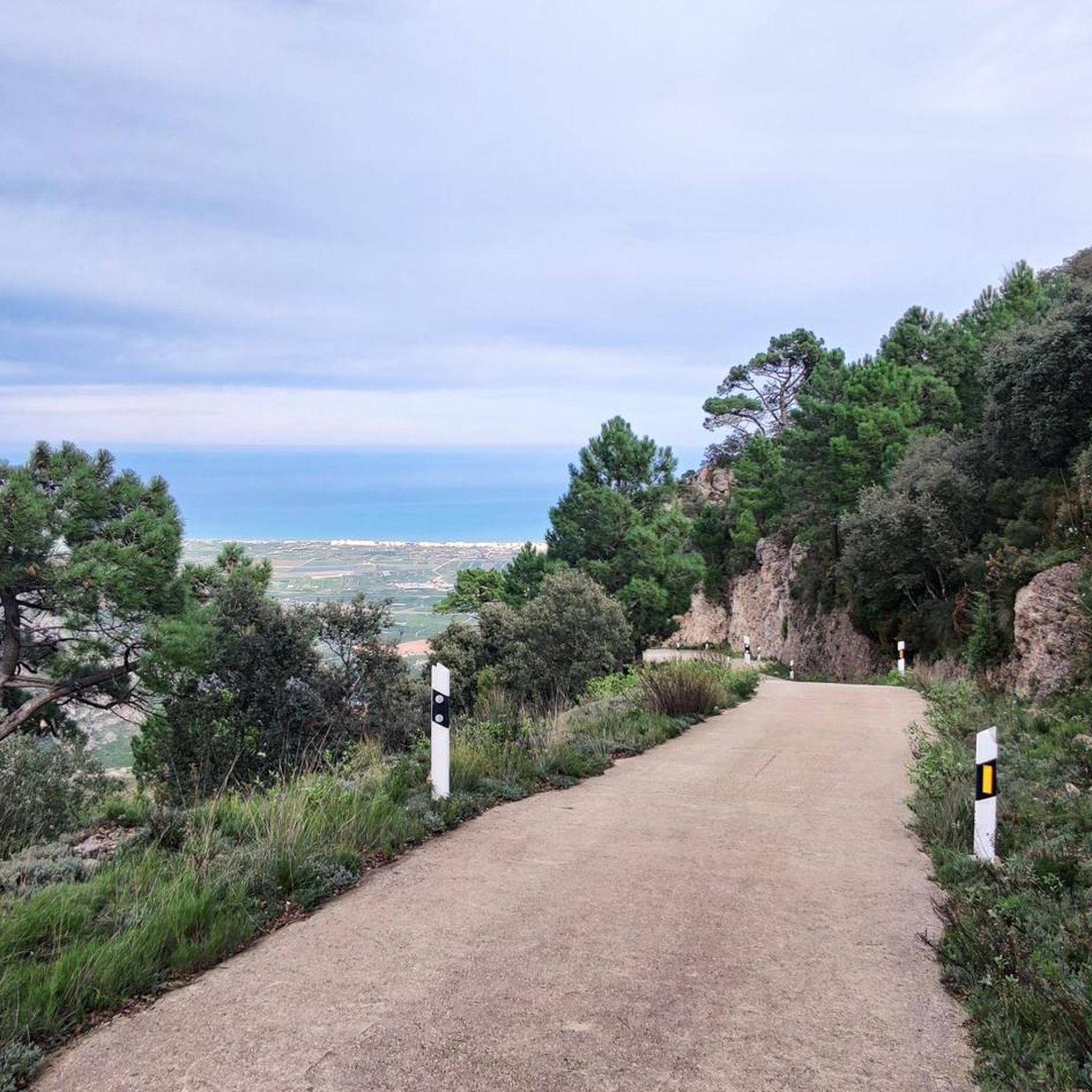
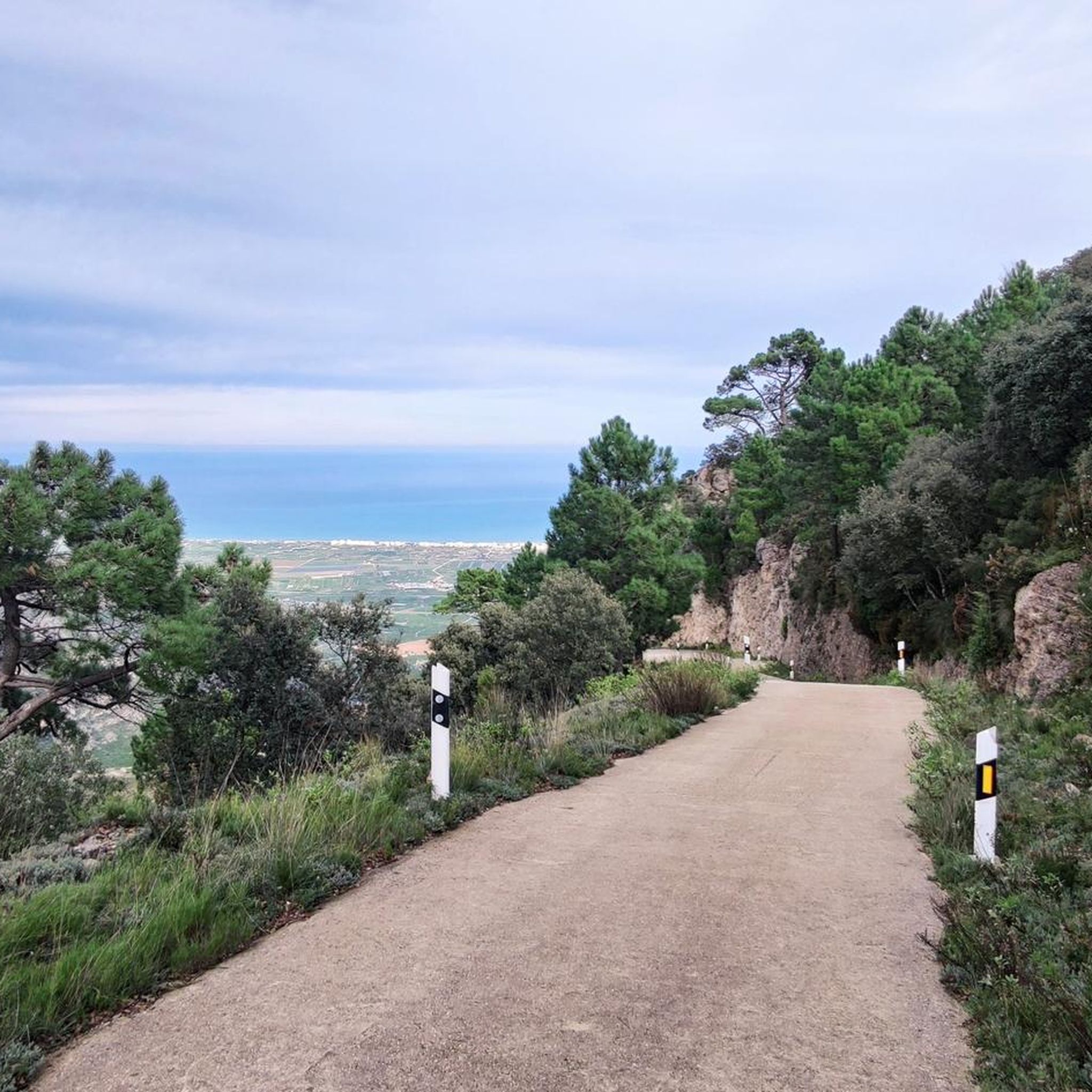
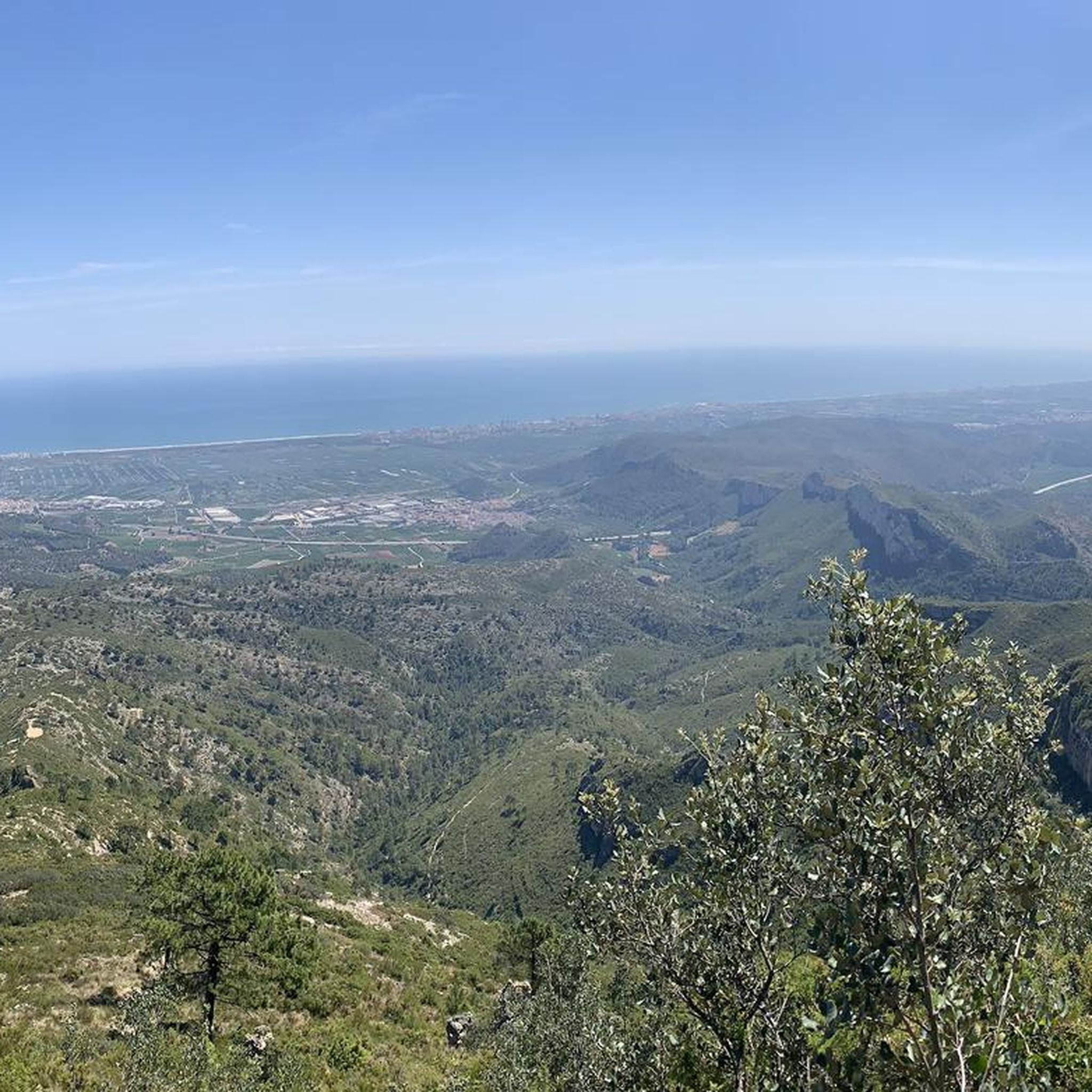
The port of Barx is a Valencian classic. Its horseshoe bends run over the panorama of the surrounding mountains and the Mediterranean coast.
3
0


Because it's a place to take a walk, have breakfast and go home, but better.
0
0

The wonderful setting surrounds a fairytale monastery.
1
0
The Royal Monastery of Santa Maria de Valldigna was founded by James II the Just on March 15, 1298, who gave the Alfàndec valley to Abbot Bononat of Vila-seca to found a monastery of the Cistercian order, a branch of the Santes Creus monastery. It was the first monastery of such importance built in the ancient Kingdom of Valencia, after the Christian conquest. Days after the royal donation, James II, brother Bononat and his entourage met at the place of Ràfol (a Christian village in the valley founded after the conquest of James I) to take possession of the territory, plus one mile inland, the castles of Marinyén, Alcalà and the tower of Mondúber.
1
0

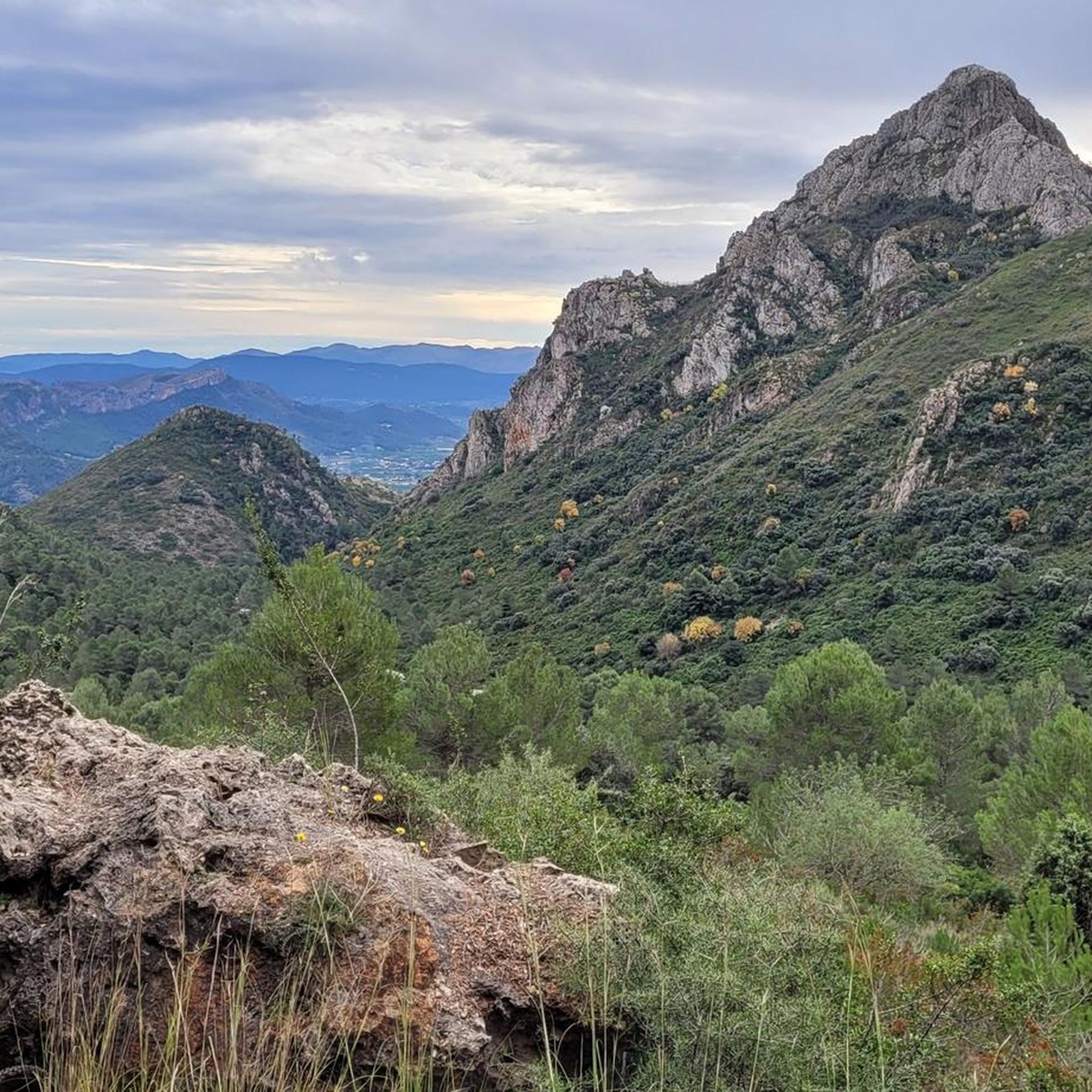
"This is the exact point where the bike wants to fly... but the view forces you to brake. Serra de les Agulles in the background and Santa Maria de la Valldigna below. A rewarding descent!" Then, refocus as the road twists and turns just beyond with a double bend that demands your attention and puts your brakes to the test.
1
0
Frequently Asked Questions
What is the general terrain like for road cycling in Paratge Natural Municipal Parpalló-Borrell?
The region features mountainous terrain with varied gradients, offering a diverse experience for road cyclists. You'll find areas characterized by holm oak forests, scrubland, and pine trees, with landscapes shaped by water, including natural springs and visual basins. Some routes may include unpaved segments, requiring good fitness.
Are there challenging road cycling routes for experienced riders?
Yes, Paratge Natural Municipal Parpalló-Borrell offers 41 difficult road cycling routes. An example of a challenging route is Port de Barx – La Visteta Viewpoint loop from Xeraco, which covers 77.1 km with significant elevation gain.
Are there any easier road cycling routes suitable for beginners or those seeking a moderate ride?
Yes, there are 18 easy and 42 moderate road cycling routes available. A moderate option is La Visteta Viewpoint – Port de Barx loop from Paratge Natural Municipal Parpalló-Borrell, a 27.9 km trail with varied gradients and scenic views.
What kind of natural features or landmarks can I expect to see along the road cycling routes?
Cyclists can enjoy diverse Mediterranean vegetation, including holm oak forests and pine trees. Notable natural features include the Cova del Parpalló, an archaeological site, and natural springs like Font del Parpalló. You can also visit viewpoints such as Caldereta Viewpoint or Els Miradors for expansive views.
Are there any cultural or historical attractions accessible by road bike?
Yes, the Cova del Parpalló is a significant archaeological site within the park, offering a glimpse into the Mediterranean Upper Paleolithic period. The Parpalló-Borrell Interpretation Centre provides educational resources about the area's environment and history.
What do other road cyclists say about their experience in Paratge Natural Municipal Parpalló-Borrell?
The area is highly rated by the komoot community, with an average score of 4.6 stars from over 250 reviews. Cyclists often praise the varied terrain, scenic backdrops of Mediterranean vegetation, and the rewarding experience of connecting with nature on two wheels.
When is the best time of year to go road cycling in Paratge Natural Municipal Parpalló-Borrell?
The region's Mediterranean climate generally offers pleasant conditions for cycling for much of the year. Spring and autumn typically provide milder temperatures, making them ideal for exploring the mountainous terrain and enjoying the diverse vegetation without extreme heat.
Are there any loop routes available for road cycling?
Yes, many routes in the area are designed as loops. For example, the La Drova Recreation Area – La Drova Pass loop from Barx is a popular 45.5 km moderate loop that traverses Mediterranean vegetation and offers views of the surrounding hills.
Is parking available for road cyclists visiting the area?
While specific parking areas for cyclists are not detailed, it is generally advisable to look for parking facilities near trailheads or in nearby towns like Gandia or Barx, which serve as common starting points for routes into the natural park.
Can I reach Paratge Natural Municipal Parpalló-Borrell using public transport with my bicycle?
Public transport options to the natural park, especially with bicycles, can vary. It's recommended to check local bus services from Gandia to nearby villages like Barx, and their specific policies regarding bicycle transport, as this can differ by operator and route.
Are the road cycling routes fully paved, or should I expect unpaved sections?
While many routes are paved, the mountainous terrain means some segments might be unpaved or have varying surface quality. Cyclists should be prepared for diverse surfaces, with some sections potentially requiring very good fitness due to steepness.
Are there any facilities like cafes or restaurants near the road cycling routes?
The natural park itself is a protected area, so facilities directly on the routes are limited. However, nearby towns and villages such as Barx or Gandia offer cafes, restaurants, and other amenities where cyclists can refuel and relax before or after their rides.
Most popular routes in Paratge Natural Municipal Parpalló-Borrell
Most popular attractions in Paratge Natural Municipal Parpalló-Borrell

Get inspired with the komoot mobile app


Explore more
Browse the best Road cycling routes in other regions.
