Attractions and Places To See in Paratge Natural Municipal La Murta - Top 9
Best attractions and places to see in Paratge Natural Municipal La Murta include a diverse landscape of abrupt mountain ranges, fertile valleys, and significant historical sites. This protected natural area, located in Alzira, Valencia, spans over 765 hectares within the Sierra de Corbera. The park features extensive karst formations, prominent peaks like Cavall Bernat and Creu del Cardenal, and a microclimate supporting diverse flora. Visitors can explore ancient monastery ruins, historical structures, and various natural features, making it a notable destination for its blend of history and nature.
Best attractions and places to see in Paratge Natural Municipal La Murta
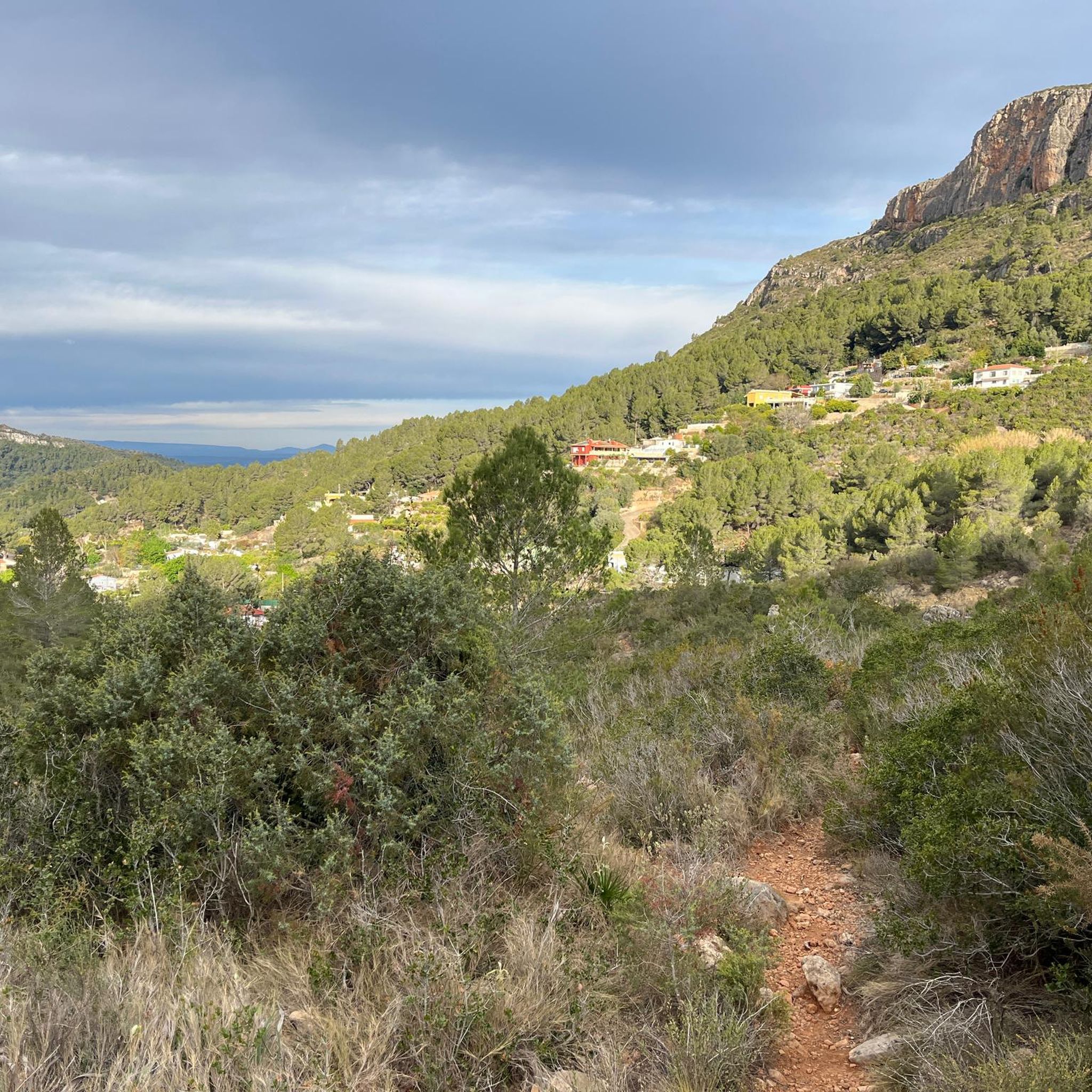
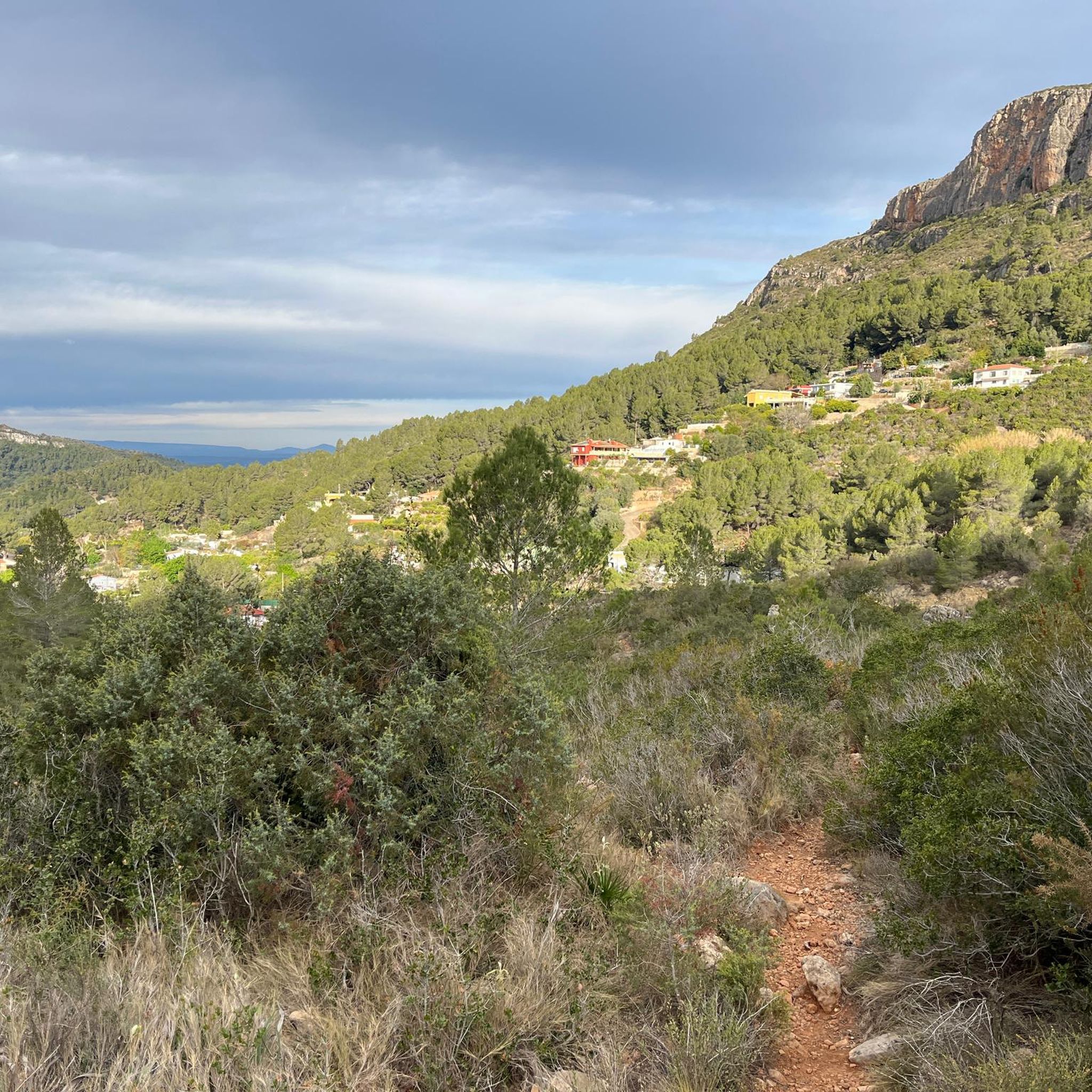
- The most popular attractions is La Murta Botanical Trail, a trail that passes by points of interest such as an old lime kiln, the Fuente de la Murta, the aqueduct, and the Monastery of Santa María de la Murta. This hiking route, marked SL-CV 81, winds through the Valle de la Murta.
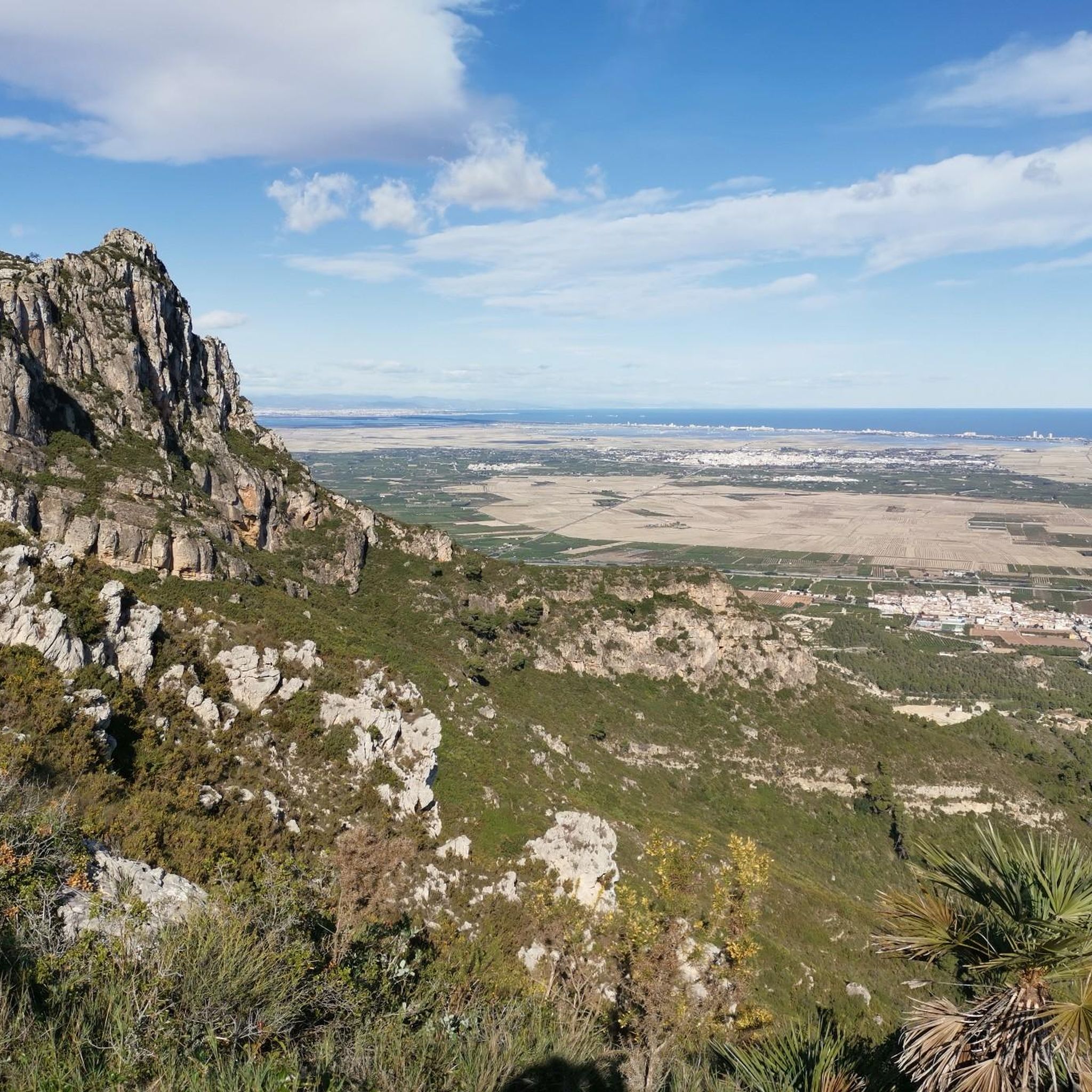
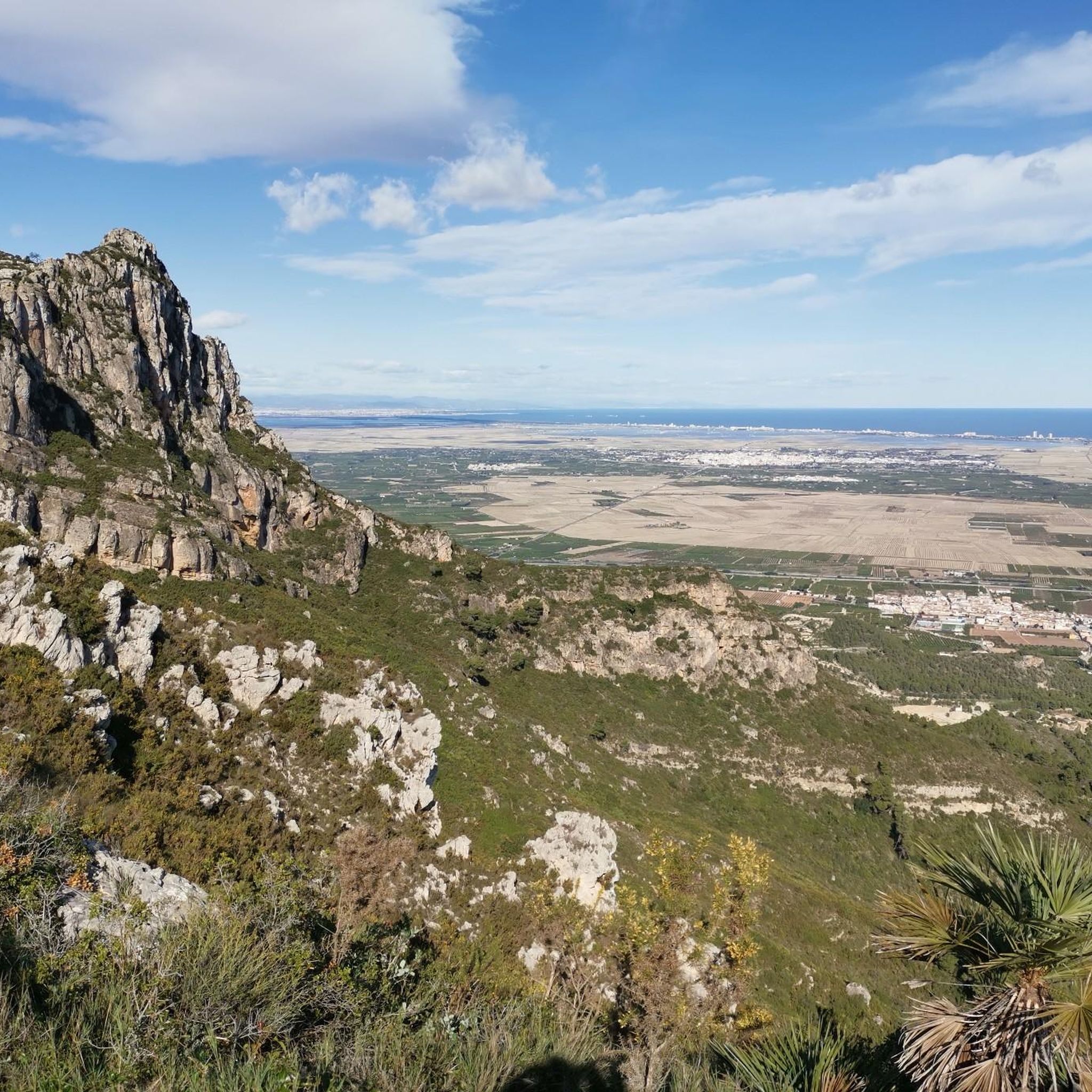
- Another must-see spot is Creu del Cardenal, a summit offering expansive views towards La Ribera Baja and the Levantine coast. The effort to reach this viewpoint is rewarded with panoramic vistas and tranquility.
- Visitors also love La Font de la Murta Aqueduct, an old aqueduct that connects La Font de La Murta with the Monastery. You can follow its route walking along the path to the side, offering an entertaining and picturesque experience.
- Paratge Natural Municipal La Murta is known for its historical sites, diverse natural features, and extensive hiking trails. The area offers a variety of attractions to see and explore, from ancient ruins to panoramic viewpoints and unique geological formations.
- The attractions in Paratge Natural Municipal La Murta are appreciated by the komoot community, with 40 upvotes and 10 photos shared by visitors.
Last updated: July 5, 2026
La Murta Botanical Trail
Highlight (Segment) • Trail
The route begins in the La Murta car park and passes by several points of interest, such as an old lime kiln, the Fuente de la Murta, the aqueduct and the Monastery of Santa María de la Murta.
Translated by Google •
Tip by

Creu del Cardenal
Highlight • Summit
Translated by Google •
Tip by
Sign up now to discover places like this
Get recommendations on the best single tracks, peaks, & plenty of other exciting outdoor places.
Sign up for free
La Murta Icehouse
Highlight • Monument
It was a very common practice in the 16th and 18th centuries and was used to make ice cream and soft drinks, preserve food, and even make medicines, reduce the
fever and relieve bruises. The "snow house" is a large well, very deep, and with a cover to avoid sunstroke. The top protrudes above
of! ground level and the rest is buried, thus helping the thermal insulation necessary to preserve the snow. The interior walls were made of masonry. Between
On the upper level and on the roof there are several openings through which you could enter inside and load the snow, then they were covered to maintain the temperature. With wood
"They made steps to go down to the lower levels. At the lowest part there was a fountain or simply a gutter to let the accumulated water out.
After the snowfall, the well was filled with snow. Inside it was crushed, as much as possible, with the feet and with wooden pillars, to turn it into
ice. This operation lasted a short time to avoid frostbite on the feet. At a certain height, more or less 1 meter, rice straw was piled up and on top again
snow. When the well was full, the snow was left to settle, covered, and monitored to prevent theft.
The ice was cut into blocks to be extracted and placed in wooden boxes wrapped with straw to avoid, as much as possible, temperature loss. As
They used animals for transportation, these were wrapped with blankets. The journey was made at night and quickly. Despite doing so, the load was reduced
coming soon. This refrigerator was for private use of the monastery.
Sieh dir die Gegend und my Wanderung im Video an:
Translated by Google •
Tip by

La Murta Municipal Natural Park
Highlight • Natural Monument
Translated by Google •
Tip by

La Font de la Murta Aqueduct
Highlight • Monument
Translated by Google •
Tip by
Sign up for free to discover even more attractions in Paratge Natural Municipal La Murta.
Sign up for free
Already have an account?
Start today with a free account
Your next adventure awaits.
Login or Signup
Popular around Paratge Natural Municipal La Murta
Tips from the Community

The Senda Botánica La Murta is a hiking route marked SL-CV 81, located in the Valle de la Murta, near Alzira, Valencia. This trail is part of a circular route that also includes the Senda Histórica (SL-CV 82) and other trails. The route begins in the La Murta car park and passes by several points of interest, such as an old lime kiln, the Fuente de la Murta, the aqueduct and the Monastery of Santa María de la Murta.
6
0

Old refrigerator that was used to keep a set of foods fresh. Its snow was taken from winter times or from nearby mountains such as the Mariola mountain range and transported to that point in order to preserve everything.
0
1
Murta Aqueduct. Route with children. The passage is a little complicated for little ones in some sections, but nothing insurmountable or dangerous.
9
0
From the top of La Creu the views are spectacular wherever you look.
11
0

The water course from the source to the pools is a beautiful place. Check out the area and my hike in the video: https://youtu.be/jKT0SaA3j6g
1
0
The water course from the source to the pools is a beautiful place. Check out the area and my hike in the video: https://youtu.be/jKT0SaA3j6g
4
1
A great hiking area. Check out the area and my hike in the video: https://youtu.be/jKT0SaA3j6g
2
0
This cylindrical construction was used to store the snow that fell in winter or the snow transported from the Sierra Mariola and which was transported with cars. It was a very common practice in the 16th and 18th centuries and was used to make ice cream and soft drinks, preserve food, and even make medicines, reduce the fever and relieve bruises. The "snow house" is a large well, very deep, and with a cover to avoid sunstroke. The top protrudes above of! ground level and the rest is buried, thus helping the thermal insulation necessary to preserve the snow. The interior walls were made of masonry. Between On the upper level and on the roof there are several openings through which you could enter inside and load the snow, then they were covered to maintain the temperature. With wood "They made steps to go down to the lower levels. At the lowest part there was a fountain or simply a gutter to let the accumulated water out. After the snowfall, the well was filled with snow. Inside it was crushed, as much as possible, with the feet and with wooden pillars, to turn it into ice. This operation lasted a short time to avoid frostbite on the feet. At a certain height, more or less 1 meter, rice straw was piled up and on top again snow. When the well was full, the snow was left to settle, covered, and monitored to prevent theft. The ice was cut into blocks to be extracted and placed in wooden boxes wrapped with straw to avoid, as much as possible, temperature loss. As They used animals for transportation, these were wrapped with blankets. The journey was made at night and quickly. Despite doing so, the load was reduced coming soon. This refrigerator was for private use of the monastery. Sieh dir die Gegend und my Wanderung im Video an: https://youtu.be/jKT0SaA3j6g
2
0
Frequently Asked Questions
What kind of natural landscapes can I expect to see in Paratge Natural Municipal La Murta?
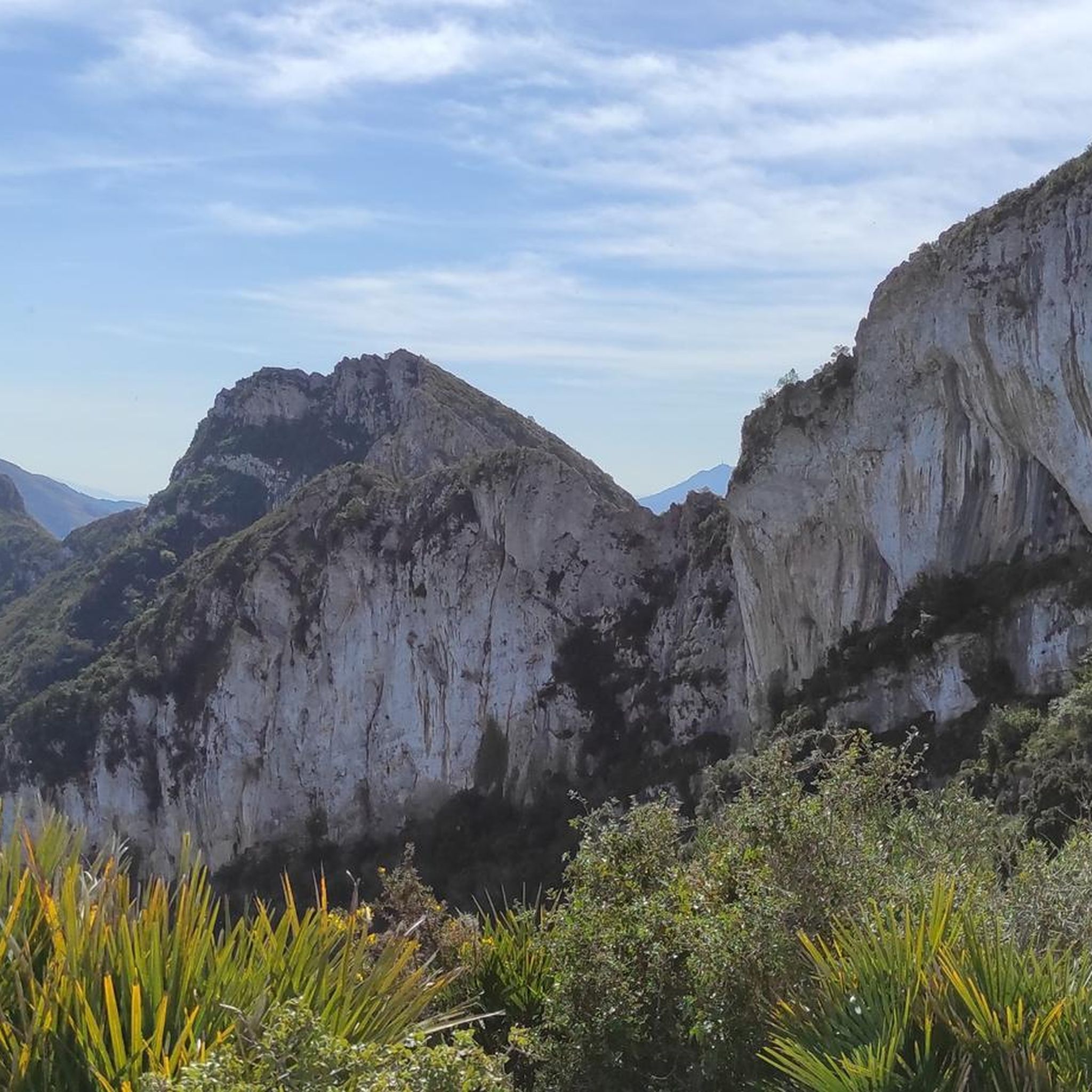
Paratge Natural Municipal La Murta features a diverse landscape with abrupt mountain ranges like Cavall Bernat, Les Agulles, and La Ratlla, flanking fertile valleys. You'll find extensive karst formations, numerous sinkholes, and caves. The area also boasts a favorable microclimate supporting rich flora, including ash trees, holm oaks, and myrtles, which give the valley its name. Prominent peaks such as Cavall Bernat (584 m) and Creu del Cardenal (543 m) offer stunning vistas.
What historical sites are there to explore in Paratge Natural Municipal La Murta?
The region is rich in history, with the most prominent site being the ruins of the 14th-century Hieronymite Monastery of Santa María de la Murta. This Site of Cultural Interest includes a señorial mansion, an ancient aqueduct system, and the Puente de Felipe II. You can also discover the La Murta Icehouse, cave hermitages like Ermita Rupestre del Mont Calvari, and old lime kilns.
Are there hiking trails suitable for families in Paratge Natural Municipal La Murta?
Yes, the park offers family-friendly hiking options. The La Murta Botanical Trail (SL-CV 81) is particularly suitable, winding through the Valle de la Murta and passing by points of interest like the Fuente de la Murta and the monastery ruins. There are also picnic areas near the parking for family outings.
Where can I find the best panoramic views in the area?
For breathtaking panoramic views, head to Creu del Cardenal, a summit offering expansive vistas towards La Ribera Baja and the Levantine coast. Other peaks like Cavall Bernat and La Ratlla, as well as the Antic Observatori Forestal (L'Ouet), also provide stunning perspectives of the surrounding region.
What outdoor activities can I do near the attractions in Paratge Natural Municipal La Murta?
Beyond exploring the attractions, Paratge Natural Municipal La Murta is excellent for various outdoor activities. You can enjoy hiking on well-marked trails, mountain biking, or running. For more specific routes, check out the guides for Gravel biking in Paratge Natural Municipal La Murta, MTB Trails in Paratge Natural Municipal La Murta, and Running Trails in Paratge Natural Municipal La Murta.
What is the significance of the Monasterio de los Jerónimos de Nuestra Señora de la Murta?
The Monasterio de los Jerónimos de Nuestra Señora de la Murta, now in ruins, was a vital center of culture and spirituality founded in the 14th century. It was visited by royalty, including King Philip II, and is a designated Site of Cultural Interest. Its complex includes a señorial mansion, an aqueduct, and the Puente de Felipe II, reflecting its historical importance.
Are there any unique natural features or geological formations to observe?
Yes, the area is known for its extensive karst formations, which have created numerous sinkholes and caves, contributing to a unique and beautiful landscape. The valley was historically called 'La Vall dels Miracles' due to the medicinal properties of its diverse plant life, including the myrtle (murta) from which the park gets its name.
What do visitors enjoy most about Paratge Natural Municipal La Murta?
Visitors frequently praise the spectacular views from spots like Creu del Cardenal, highlighting the tranquility and rewarding vistas after a climb. The historical sites, particularly the monastery ruins, are appreciated for their picturesque setting and special energy. The diverse trails, like the La Murta Botanical Trail, are also popular for their beauty and historical points of interest.
Is there parking available at Paratge Natural Municipal La Murta?
Yes, there is parking available at the entrance of La Murta. It's a convenient starting point for many of the trails and attractions, including the La Murta Botanical Trail. Picnic areas are also located nearby.
What kind of wildlife can be spotted in Paratge Natural Municipal La Murta?
The park is an important habitat for various wildlife, particularly ecologically valuable raptors. Keep an eye out for species such as Bonelli's eagle and the Eurasian eagle-owl, as well as different reptiles that inhabit the area.
What are the main hiking trails in Paratge Natural Municipal La Murta?
The park features well-marked hiking trails, including the Senda Botánica (SL-CV 81) and the Senda Histórica (SL-CV 82). The La Murta Botanical Trail is a popular route that takes you past several historical and natural points of interest within the Valle de la Murta.
Can I visit the Old Alzira Marble Quarry?
Yes, an identified ancient marble quarry is located in the Casella section of the park. While not a primary highlight, it represents another historical element within the diverse landscape of Paratge Natural Municipal La Murta.
Most popular routes in Paratge Natural Municipal La Murta
Most popular attractions in Paratge Natural Municipal La Murta

Get inspired with the komoot mobile app


Explore more
Still not found the Highlight you’re looking for? See guides of the top attractions in other regions:
