The best walks and hikes in Complejo Lagunar De Ballesteros
4.5
(218)
826
hikers
48
hikes
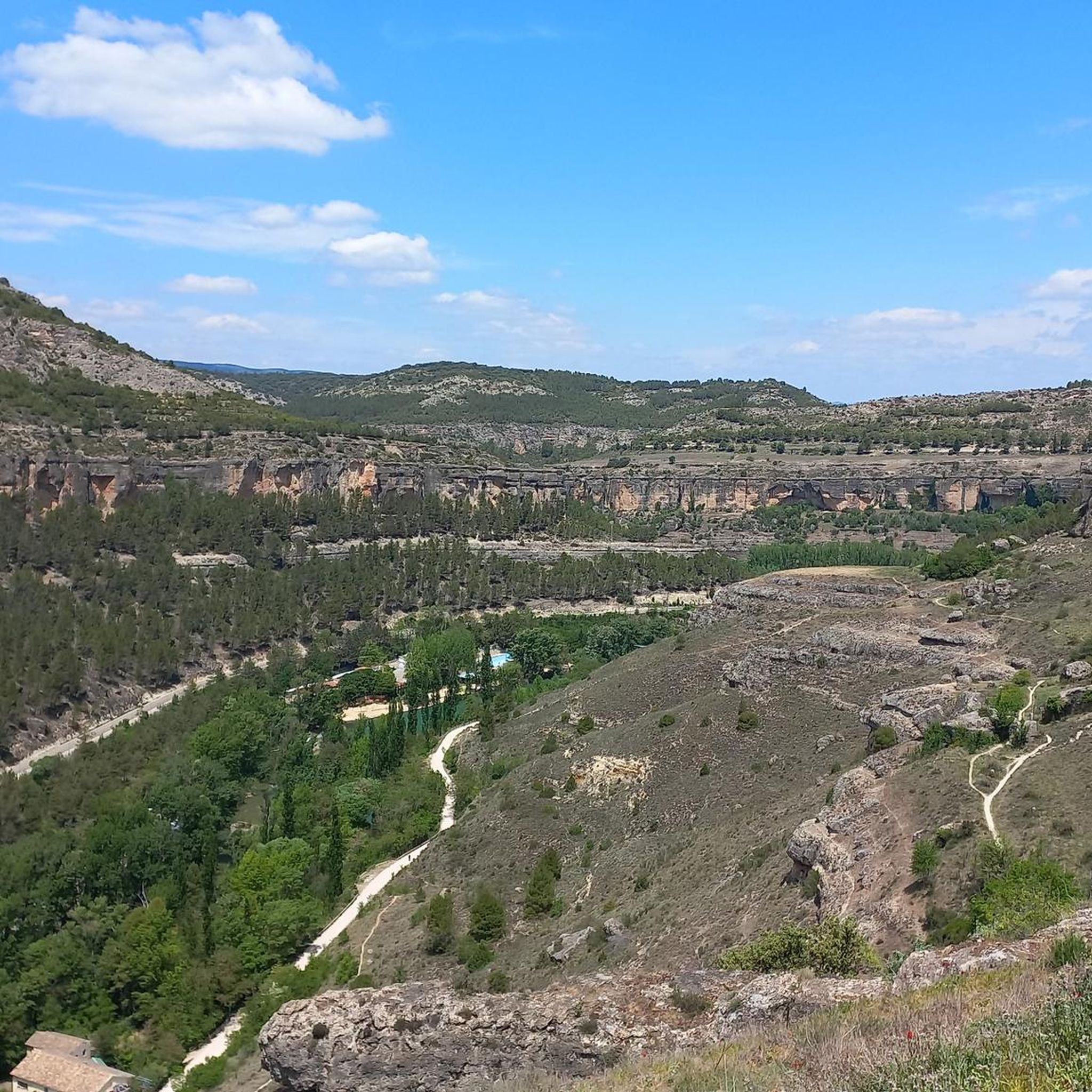
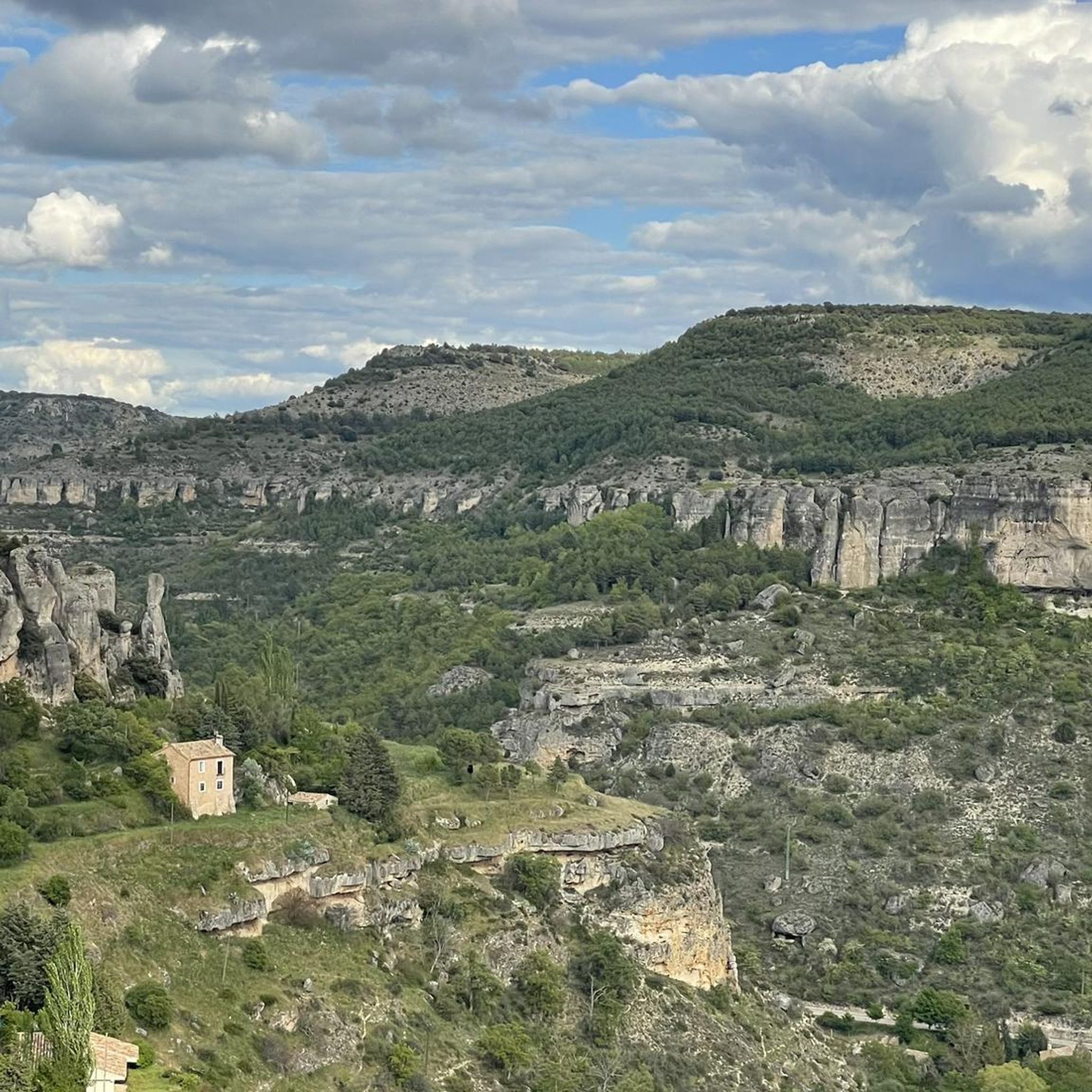
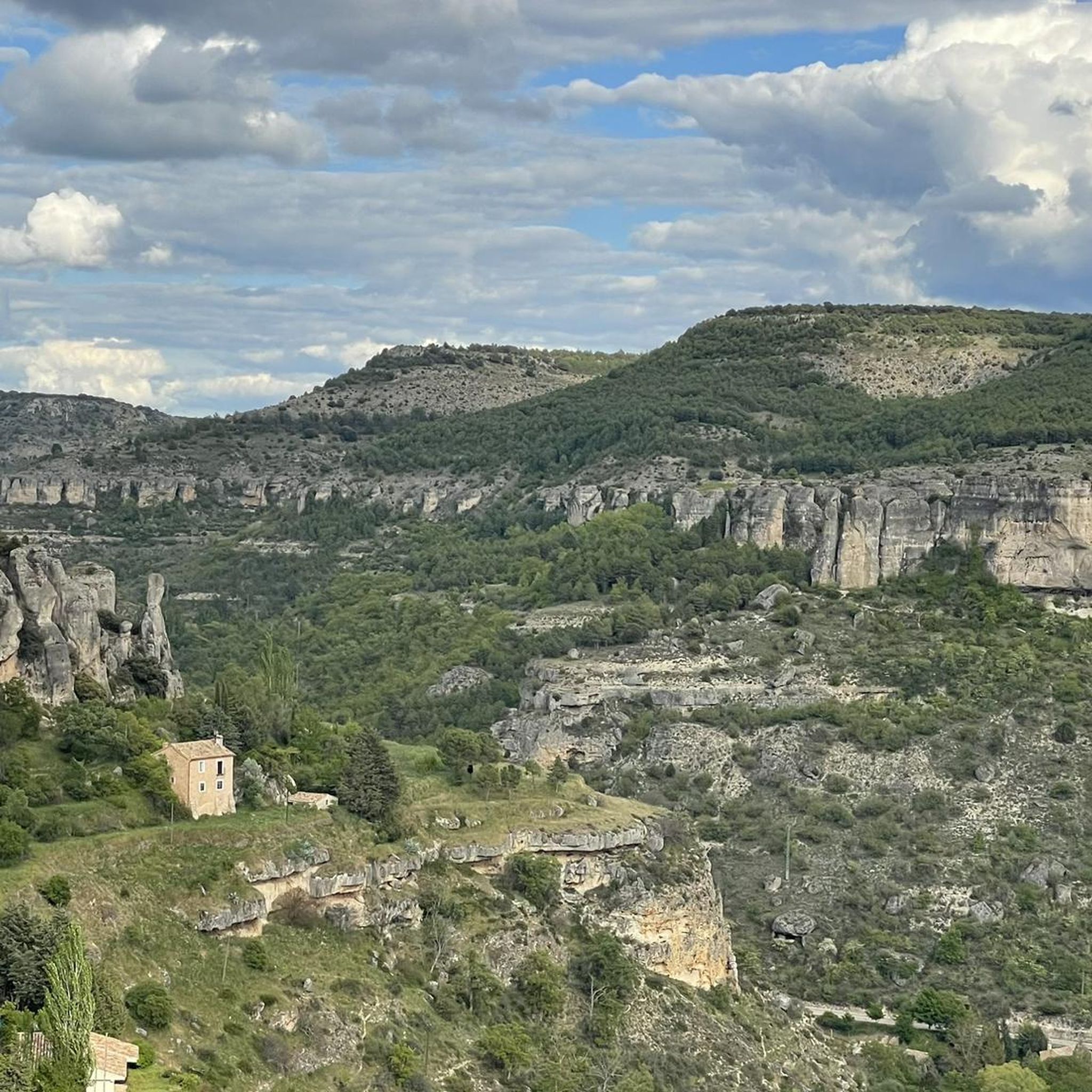
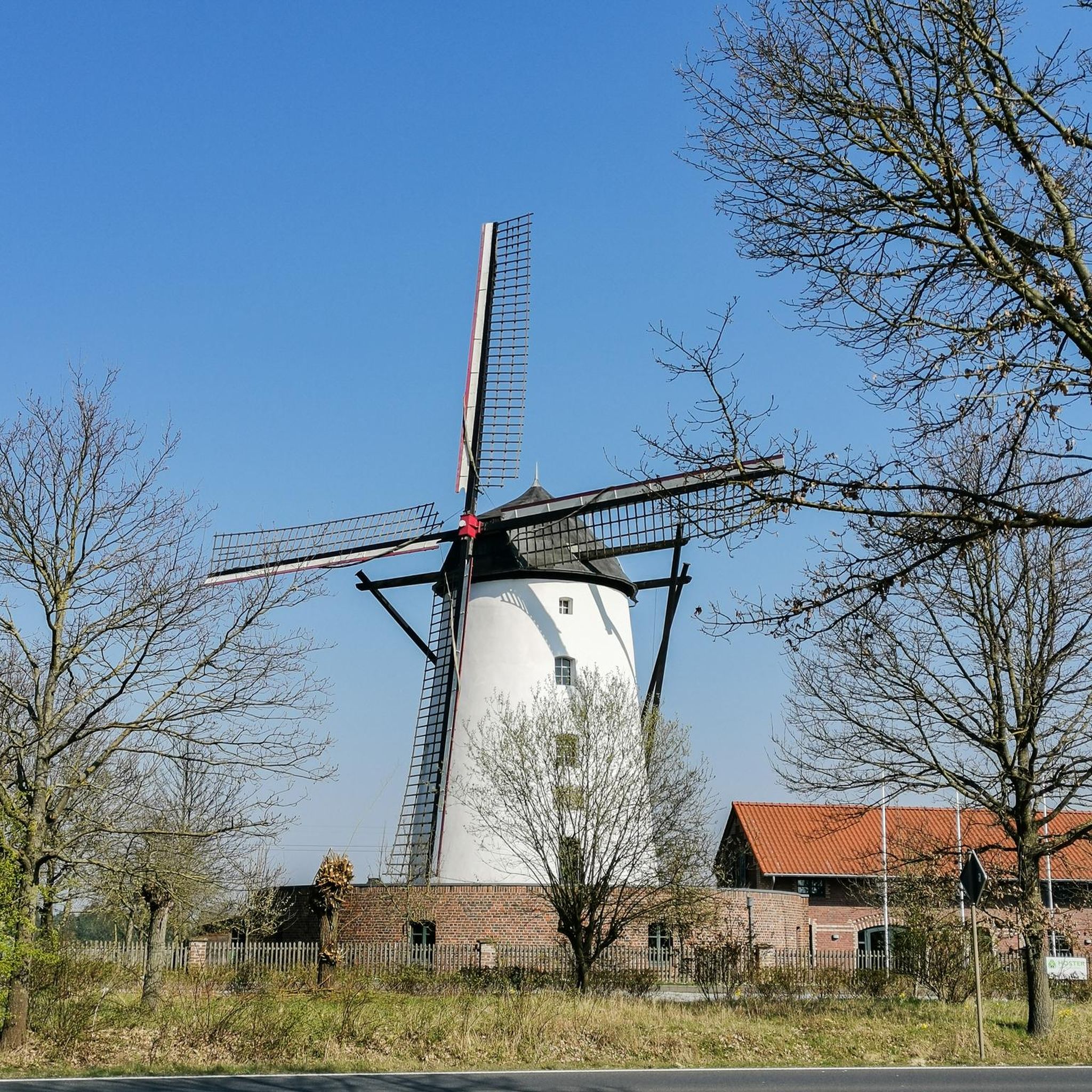
Hiking in Complejo Lagunar De Ballesteros is characterized by a unique karstic landscape, featuring over 30 dolinas and uvalas formed on gypsum terrain. These geological depressions collect water, creating more than 20 visible lagoons, some reaching depths of up to 15 meters. The area is a Natural Reserve, part of the Natura 2000 network, and supports diverse ecosystems and rich biodiversity. The San Martín River flows nearby, adding varied scenery with its black poplars and willows.
Best hiking trails in…
Last updated: June 24, 2026
5.0
(1)
8
hikers
8.73km
02:23
120m
120m
Moderate hike. Good fitness required. Easily-accessible paths. Suitable for all skill levels.
4.3
(3)
11
hikers
4.59km
01:18
100m
100m
Easy hike. Great for any fitness level. Easily-accessible paths. Suitable for all skill levels.

Sign up for free
3.0
(1)
2
hikers
7.31km
02:31
300m
300m
Hard hike. Good fitness required. Sure-footedness, sturdy shoes and alpine experience required.
4.27km
01:13
90m
90m
Easy hike. Great for any fitness level. Easily-accessible paths. Suitable for all skill levels.
4.9
(57)
42
hikers
16.0km
04:24
250m
250m
Moderate hike. Good fitness required. Easily-accessible paths. Suitable for all skill levels.
Get access to more routes and recommendations from other explorers.
Sign up for free
Already have an account?
Our route recommendations are based on thousands of hikes, rides, and runs completed by other people on komoot.
Start today with a free account
Your next adventure awaits.
Login or Signup

Tips from the Community

These are only the last four houses of the 10 that existed in ancient times.
0
0

The Plaza Mayor of Cuenca is a historic center and one of the most emblematic places in the city of Cuenca, in Castilla-La Mancha. This square is known for its Baroque architecture and its importance as a meeting point and hub of communication in the old part of the city. Main buildings: The Cathedral of Santa María and San Julián, the Cuenca City Hall, and the Convent of San Pedro. The most notable monument in Cuenca began construction at the end of the 12th century after the conquest of the city, but its core took shape in the 13th century. The naves, from the transept to the façade, date from the 14th century, and the ambulatory was transformed in the 16th century to adapt its original structure to new aesthetic trends. Its first façade also dates from this period, replaced in the 18th century by another that had to be demolished at the beginning of the 20th century, when the current Neo-Gothic façade, designed by Vicente Lampérez, was built.
7
0

One of the best places to admire the city.
0
0
In the square that also houses the Cathedral.
1
0
Another of Cuenca's attractions.
2
0
I have always been struck by the front view of this Cathedral.
3
0
A true gateway to the famous Hanging Houses of Cuenca.
1
0
Cuenca's Plaza Mayor is the heart of the city's old town and one of its most emblematic sites. Architecture and Monuments Cathedral of Santa María and San Julián: This is one of the first French-inspired Gothic churches built in Spain. Its impressive Norman Neo-Gothic façade dominates the square. [Cuenca ️ O...de Cuenca], [Plazas de...de Mangana] Cuenca Town Hall: An 18th-century Baroque building, built in 1762. Its ground floor consists of three semicircular arches that connect to Alfonso VIII Street. Convent of Las Petras (or San Pedro de las Justinianas): A 16th-century religious complex that spans three streets.
16
0
Frequently Asked Questions
How many hiking trails are available in Complejo Lagunar De Ballesteros?
There are over 50 hiking trails in Complejo Lagunar De Ballesteros, offering a diverse range of experiences from riverside paths to elevated viewpoints. The region provides options for various skill levels.
Are there any easy hikes suitable for beginners in Complejo Lagunar De Ballesteros?
Yes, Complejo Lagunar De Ballesteros offers 17 easy hiking routes. A great option for beginners is the Hoces de Cuenca Route, which is 2.6 miles (4.2 km) long and takes about 1 hour 15 minutes to complete, offering scenic views along the river gorge.
What is the typical duration of hikes in Complejo Lagunar De Ballesteros?
Hikes in Complejo Lagunar De Ballesteros vary significantly in duration. You can find shorter walks like the Cuenca - circular tour of the historic quarter and the Huécar river, which takes about 1 hour 15 minutes, up to longer routes such as the Cuenca Cathedral – Cuenca City Hall loop from Cuenca, which typically takes around 4 hours 25 minutes.
Are there any circular walks in Complejo Lagunar De Ballesteros?
Yes, many routes in the region are circular, allowing you to start and end at the same point. An example is the Cuenca - circular tour of the historic quarter and the Huécar river, which explores both the urban and natural landscapes.
What is the best time of year to go hiking in Complejo Lagunar De Ballesteros?
The best time to hike in Complejo Lagunar De Ballesteros is generally during spring (April-May) and autumn (September-October). The weather is typically mild and pleasant, ideal for exploring the river gorges and historic cityscapes without the intense heat of summer or the chill of winter.
Are there any challenging hikes for experienced hikers?
Yes, for experienced hikers seeking a challenge, there are 3 difficult routes available. The Cerro del Socorro – circular from Cuenca via Mirabueno Blocao is a difficult 4.5-mile (7.3 km) trail with significant elevation gain, offering rewarding views.
What kind of scenery can I expect on the trails in Complejo Lagunar De Ballesteros?
The trails in Complejo Lagunar De Ballesteros offer a mix of natural and urban scenery. You can expect to see dramatic river gorges, historic city views, and the surrounding hills of the Serranía Media. Many routes follow the Huécar river, providing picturesque waterside paths.
What do other hikers enjoy most about hiking in Complejo Lagunar De Ballesteros?
The komoot community highly rates the hiking in Complejo Lagunar De Ballesteros, with an average score of 4.6 stars from over 200 reviews. Hikers often praise the unique combination of historic architecture and stunning natural landscapes, particularly the river gorges and accessible hills.
Are there family-friendly hiking options in Complejo Lagunar De Ballesteros?
Many of the easier and moderate routes are suitable for families. Trails that explore the historic quarter and follow the river, like the Cuenca - circular tour of the historic quarter and the Huécar river, are generally well-maintained and offer engaging scenery for all ages.
Is public transport available to reach the trailheads?
Given that many popular routes, such as the Cuenca Cathedral – Descent to Las Angustias loop from Cuenca, start directly from the city of Cuenca, public transport within the city can likely provide access to many trailheads. Check local bus schedules for specific starting points.
Are dogs allowed on the hiking trails?
While specific regulations can vary, generally, dogs are permitted on hiking trails in natural areas in Spain, often on a leash. It's always advisable to check local signage or specific park rules for any restrictions, especially in protected areas or near wildlife.
Are there any cafes or places to eat near the hiking routes?
Since many trails originate from or pass through the historic city of Cuenca, you'll find numerous cafes, restaurants, and shops within easy reach of the trailheads, particularly around areas like the Cathedral and City Hall.
Most popular routes in Complejo Lagunar De Ballesteros

Get inspired with the komoot mobile app


Explore more
Browse the best Hikes in other regions.
