The best walks and hikes in Reserva Natural Saladar De Cordovilla
4.2
(4)
94
hikers
44
hikes
Hiking trails in Reserva Natural Saladar De Cordovilla traverse a unique landscape characterized by inland salt flats and an arid, saline environment. The region, spanning almost 300 protected hectares, features specialized halophytic flora adapted to high salt and nitrogen levels in the soil. Key natural features include the Microrreserva de la Laguna de Alboraj, with its karstic lagoons providing habitat for aquatic birds, and the sole known habitat of the critically endangered *Helianthemum polygonoides*. This area offers opportunities for quiet…
Last updated: July 9, 2026
2
hikers
4.99km
01:19
40m
40m
Easy hike. Great for any fitness level. Easily-accessible paths. Suitable for all skill levels.
11.5km
02:59
90m
100m
Moderate hike. Good fitness required. Easily-accessible paths. Suitable for all skill levels.

Sign up for free
3
hikers
3.51km
00:57
40m
40m
Easy hike. Great for any fitness level. Easily-accessible paths. Suitable for all skill levels.
9.44km
02:32
100m
100m
Moderate hike. Good fitness required. Mostly accessible paths. Sure-footedness required.
Moderate hike. Good fitness required. Mostly accessible paths. Sure-footedness required.
Get access to more routes and recommendations from other explorers.
Sign up for free
Already have an account?
Our route recommendations are based on thousands of hikes, rides, and runs completed by other people on komoot.
Start today with a free account
Your next adventure awaits.
Login or Signup
Popular around Reserva Natural Saladar De Cordovilla
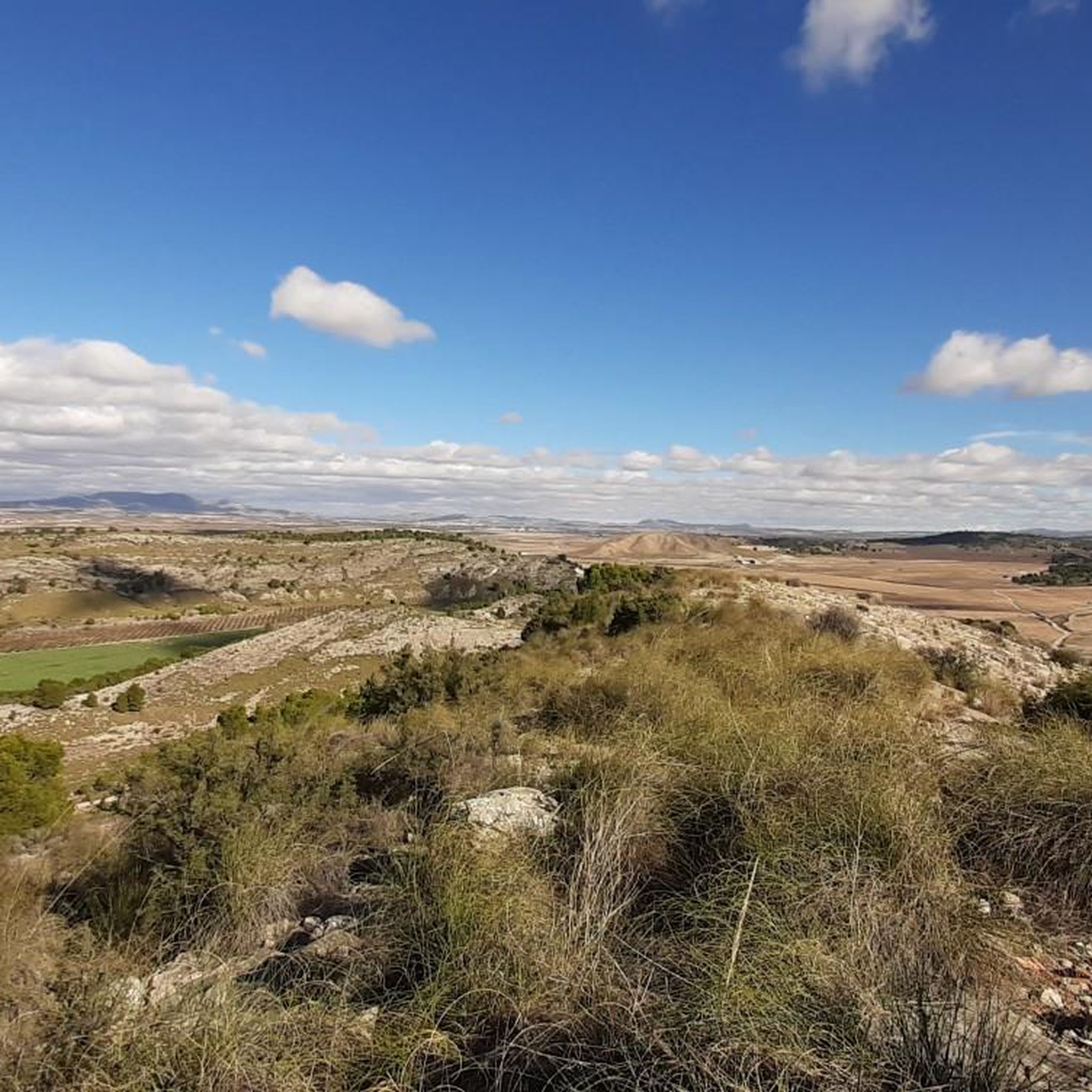
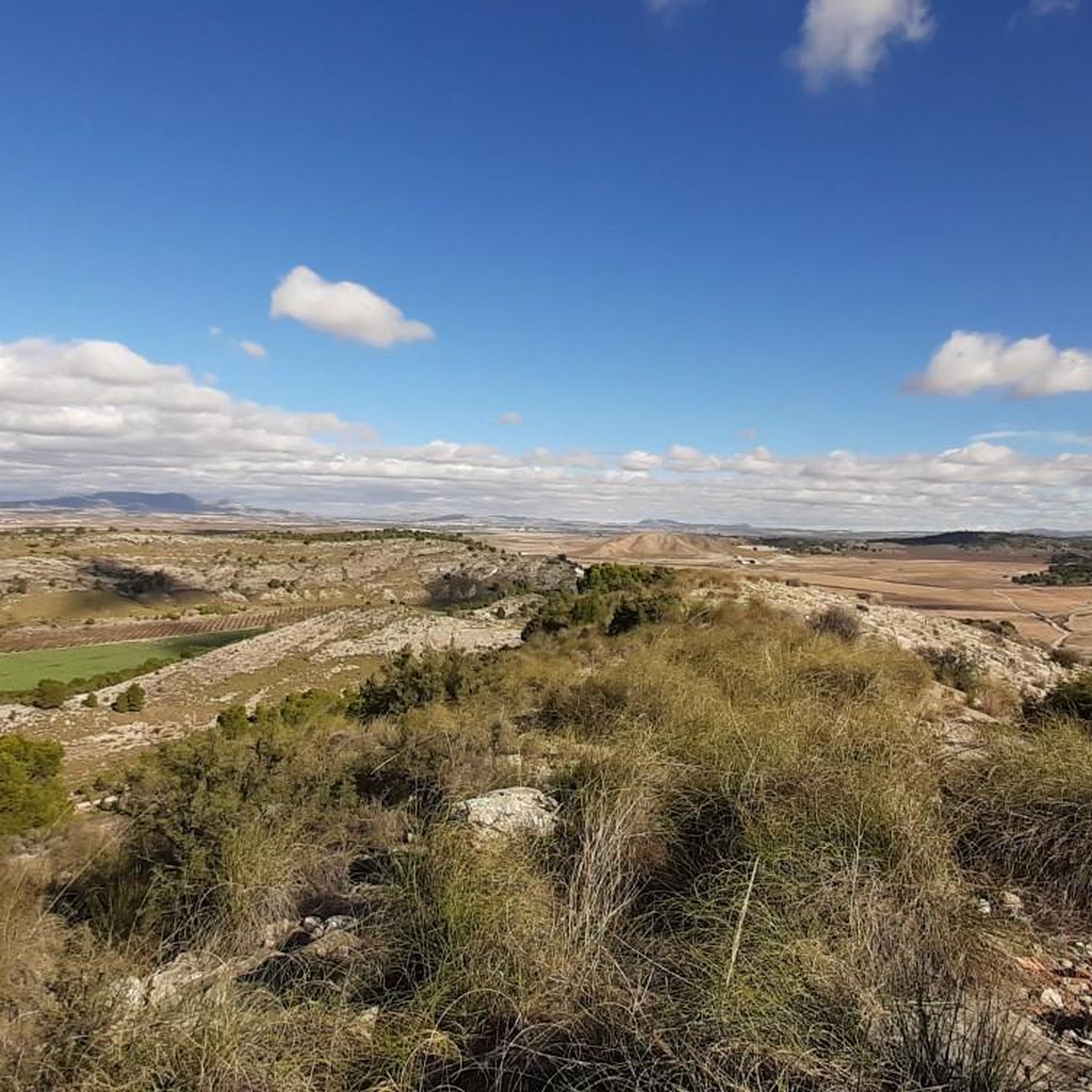

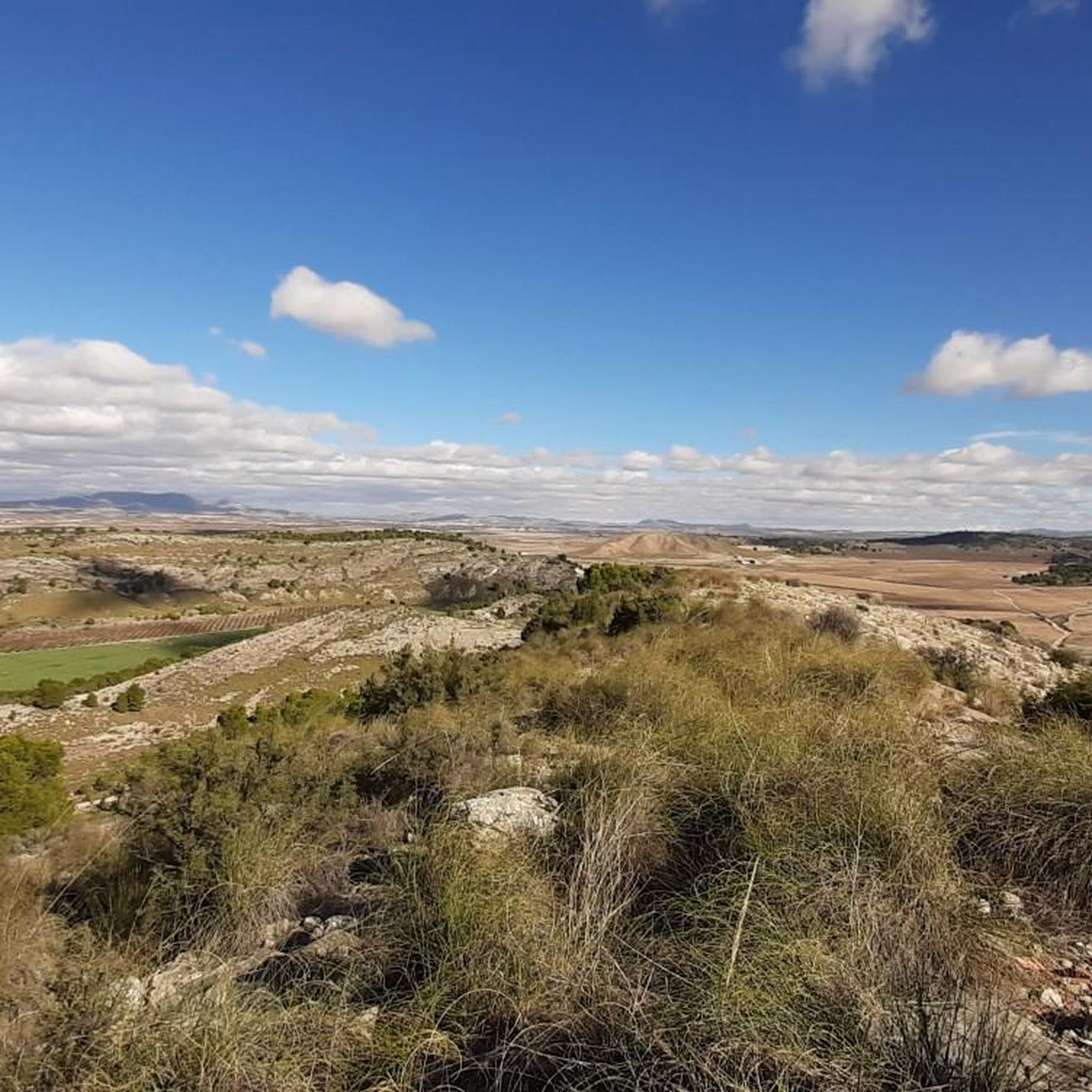

Tips from the Community

There are several different structures to see from different eras. Your guide will explain to you about the high medieval wall, the protohistorical wall, the high medieval wall, the Augustan wall and the high medieval dermbe.
1
0
It is the main building with three naves separated by columns, with an apse and a baptistery. On the north side there is a large building that possibly deals with the palace of the headquarters of Elo or Eio. Around the complex there is a cemetery.
1
0
The interpretation center is very good and with many explanations. It is important to book before the visit - all visits are guided and free.
1
0

Hermitage declared an Asset of Cultural Interest in 1981. It is worth seeing inside. Right next to it are the ruins of the old castle of Tobarra.
2
1
A group of very tall and slender Aleppo pines that grow in a flat and unusual environment. They are considered a symbol of the town of Aljubé.
1
0
The Alborajico Rupestrian Hermitage consists of several caves excavated in the rock and connected to each other by corridors and stairs. These caves were used as dwellings, chapels and warehouses. It is believed that these caves were inhabited by hermits in the Middle Ages, although archaeological remains have also been found indicating that they have been used since Roman times.
1
0
A saline lagoon of great ecological importance, due to its biodiversity and the presence of numerous animal and plant species. It is also home to numerous species of waterfowl, including flamingos, herons, avocets, and grebes.
1
0
The monument is located in the Plaza de la Constitución, in the heart of Tobarra. It was inaugurated in 2014, on the occasion of the 40th anniversary of the creation of the Association of Drummers of Tobarra. It is dedicated to the drum, which is a very important musical instrument in the culture and traditions of the region.
1
1
Frequently Asked Questions
How many hiking trails are available in Reserva Natural Saladar De Cordovilla?
There are over 30 hiking trails in Reserva Natural Saladar De Cordovilla, offering a range of options for exploring this unique saline landscape. You'll find a good mix of easy and moderate routes, with 12 easy trails and 21 moderate trails.
What makes hiking in Reserva Natural Saladar De Cordovilla unique?
Hiking here offers a distinctive experience due to its unique saline landscapes, specialized flora, and tranquil environment. The reserve is one of the best-preserved inland salt flats in the Iberian Peninsula, featuring plants adapted to high salt levels and the critically endangered *Helianthemum polygonoides*.
What is the best time of year to visit Reserva Natural Saladar De Cordovilla for hiking?
The best times for visiting are spring, to witness the unique flora in bloom, especially the *Helianthemum polygonoides*, and autumn, which offers milder temperatures and excellent light for photography. It's advised to avoid the central hours of the day in summer due to the aridity.
Are there easy trails suitable for beginners or families?
Yes, there are 12 easy trails available. An excellent option for an accessible experience is the Hiking loop from Casas de Matacanes, which is 5.0 km long and takes about 1 hour 18 minutes to complete, offering insights into the reserve's unique environment.
Are there any circular hiking routes in the reserve?
Yes, several routes are circular, allowing you to start and end at the same point. For example, the moderate Cuevas y Laguna de Alboraj — circular is a 11.5 km path that leads through areas featuring karstic lagoons.
What kind of natural features or landmarks can I see while hiking?
The primary natural feature is the 'saladar' itself, with its unique halophytic flora. You can also explore the Microrreserva de la Laguna de Alboraj, which features karstic lagoons that provide refuge for various aquatic birds, fish, and amphibians. The area is also the sole known habitat for the critically endangered *Helianthemum polygonoides*.
What should I wear or bring for hiking in this region?
Due to the arid conditions, it's advised to wear comfortable, closed footwear. Given the focus on observation of small details, taking your time and bringing binoculars for birdwatching around the lagoons would enhance your experience. Always carry sufficient water, especially during warmer months.
Are there any longer or more challenging routes for experienced hikers?
While there are no difficult-rated trails, there are 21 moderate routes that offer a longer experience. The Cuevas y Laguna de Alboraj — circular is a moderate 11.5 km trail, and the Route Tres Cerros — circular from Tobarra is a moderate 9.4 km path, both offering a more extended exploration.
What do other hikers say about the trails in Reserva Natural Saladar De Cordovilla?
The routes in Reserva Natural Saladar De Cordovilla are highly rated by the komoot community, with an average score of 4.2 stars. Hikers often praise the unique, tranquil environment and the opportunity to observe specialized flora and fauna in a well-preserved natural setting.
Can I bring my dog on the hiking trails?
The provided information does not specify a dog policy for the Reserva Natural Saladar De Cordovilla. It is generally recommended to check local regulations or official park websites before bringing pets to protected natural areas to ensure compliance and respect for wildlife.
Is there public transport access to Reserva Natural Saladar De Cordovilla?
The available information does not detail specific public transport options directly to the hiking trailheads within Reserva Natural Saladar De Cordovilla. Access is generally by private vehicle, and it's advisable to plan accordingly.
Where can I find parking facilities for the trails?
While specific parking facilities are not detailed, access points to the reserve, such as near Casas de Matacanes or other starting points for circular routes, typically have informal parking areas. It's recommended to check maps or local signage upon arrival for designated spots.
Are there any specific plant species I should look out for?
Yes, the reserve is home to highly specialized halophytic and halonitrophilous flora, adapted to the saline soil. Most notably, it is the sole known habitat for the critically endangered *Helianthemum polygonoides*, also known as the 'estrellita del campo' (little field star), which is a significant botanical treasure.
Most popular routes in Reserva Natural Saladar De Cordovilla

Get inspired with the komoot mobile app


Explore more
Browse the best Hikes in other regions.
