The best cycling routes in Els Arcs
4.2
(78)
2,878
riders
17
rides
Touring cycling routes in Els Arcs traverse a landscape characterized by limestone formations, including the notable natural arches, and the mountainous terrain of the Serra de l'Xorta. The region features significant elevation changes, with routes winding through valleys and ascending mountain passes. Cyclists can expect varied terrain, from challenging climbs to scenic paths around reservoirs, offering panoramic views of the surrounding mountains.
Best touring cycling routes in Els Arcs
- The most popular touring cycling route is Castell de Castells –…
Last updated: May 14, 2026
98
riders
Hard bike ride. Very good fitness required. Mostly paved surfaces. Suitable for all skill levels.
10
riders
31.5km
03:09
1,050m
1,050m
Hard bike ride. Very good fitness required. Mostly paved surfaces. Suitable for all skill levels.

Sign up for free
7
riders
42.9km
02:57
770m
770m
Hard bike ride. Very good fitness required. Mostly paved surfaces. Suitable for all skill levels.
4.5
(4)
23
riders
49.9km
03:57
1,390m
1,390m
Hard bike ride. Very good fitness required. Mostly paved surfaces. Suitable for all skill levels.
18
riders
22.0km
01:43
510m
510m
Hard bike ride. Very good fitness required. Mostly paved surfaces. Suitable for all skill levels.
Get access to more routes and recommendations from other explorers.
Sign up for free
Already have an account?
Our route recommendations are based on thousands of hikes, rides, and runs completed by other people on komoot.
Start today with a free account
Your next adventure awaits.
Login or Signup

Tips from the Community

This beautiful little mountain village has only 284 inhabitants.
7
0

Good paved road, moderate traffic. Views of the reservoir, the Aitana and Serrella mountain ranges, and villages like Beniardà and Benimantell.
6
0

Tough but with magnificent views. Relatively quiet road.
2
0

Tucked away in the mountains between Tàrbena and Castell de Castells, the Puerto de Sa Creueta offers two distinct climbing experiences — and both are worth riding. From Tàrbena, the climb is friendly and scenic. You’ll face about 4 km of steady climbing at around 5%, followed by a rolling 3.5 km section with gentle ups and downs. Just before the top, a short final ramp kicks up sharply to around 12%, but overall this side is rhythmical and not too demanding. The road is wide, smooth and virtually traffic-free, ideal for a relaxed climb. Approaching via the Castell de Castells side, from Tollos or from Benigembla and the Vall de Pop, is a whole different story. After a relatively calm start, the climb hits hard with a 2 km stretch averaging around 10% — sustained, steep, and guaranteed to get your legs burning. This side is definitely more challenging, and a great test for climbers. No matter which direction you choose, you’ll be rewarded with expansive views over the valley near Tàrbena, the rugged peaks of the Marina mountains, and — on a clear day — even the Mediterranean Sea and the skyline of Altea shimmering in the distance. Puerto de Sa Creueta is a hidden gem: peaceful, beautiful and tougher than it looks, especially if you come at it from the inland side. Combine it with Coll de Rates for an unforgettable day in the heart of the Costa Blanca.
5
0
The castle of Guadalest sits just off the main road that runs between Confrides and Callosa d’en Sarrià, making it an easy and worthwhile stop during any ride through the valley. From the top of the castle, you’re treated to a breathtaking view over the turquoise reservoir, surrounding cliffs, and layers of mountain ranges. The white bell tower perched high on the rock is one of the most iconic sights on the Costa Blanca — perfect for a short break, a photo, or simply to take in the dramatic landscape before continuing your ride.
1
0
The 7.5 km climb to Sa Creueta from the Tàrbena junction is a scenic and steady ascent with an average gradient of 3.5%, ideal as part of a longer route through the Costa Blanca mountains. Most of the climb is gentle, but the final 500 meters kick up steeply, with gradients well over 10% — a real sting in the tail! At the top, there’s no monument or sign — just a quiet mountain road and an incredible reward: panoramic views over the Mediterranean Sea, with Altea, Albir, and Benidorm visible on clear days. It’s one of those peaceful spots that feels like a secret. ⚠️ Be cautious on the descent toward Castell de Castells: several steep, narrow hairpin bends demand full attention. The road surface can be variable, so keep your speed in check and your line smooth.
2
0

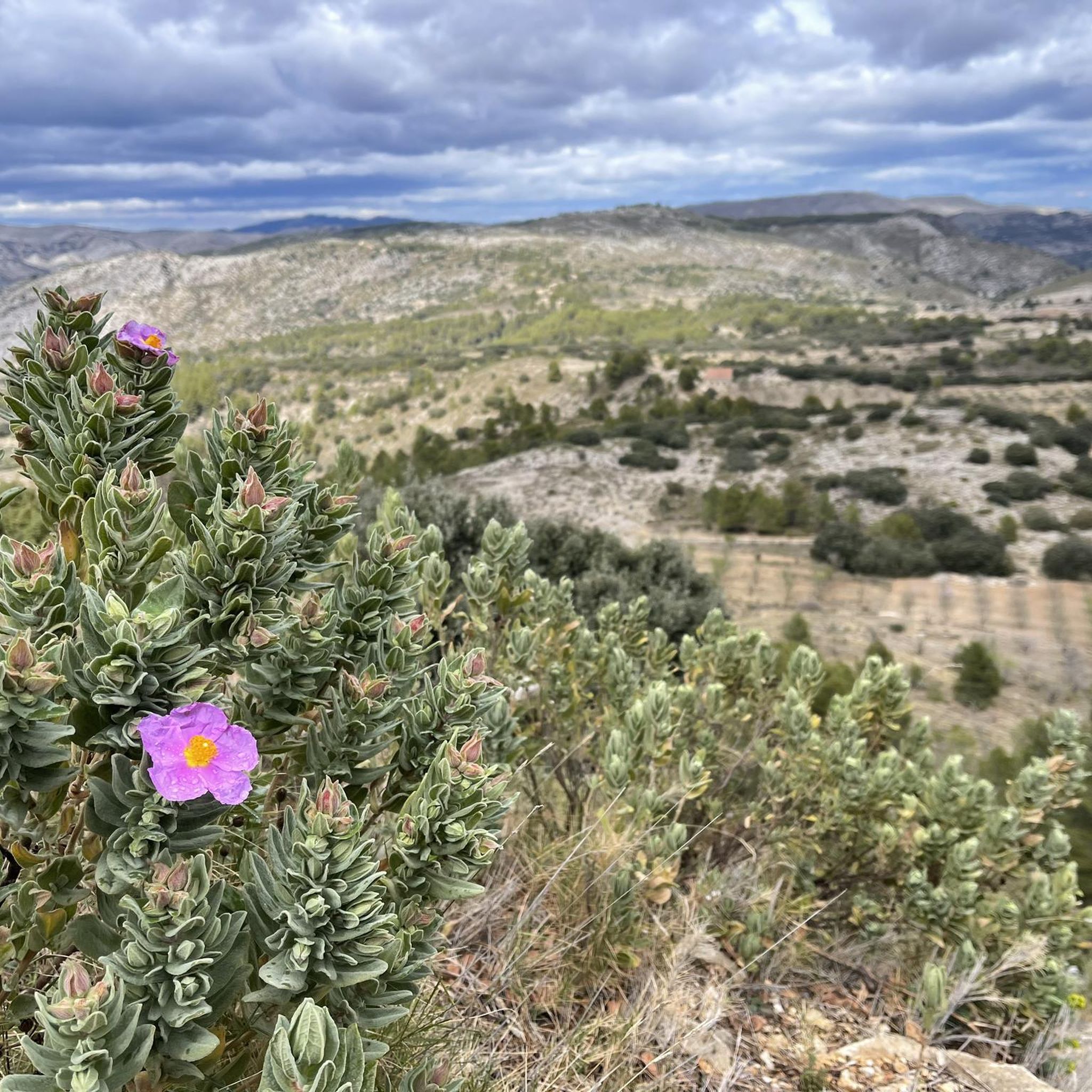
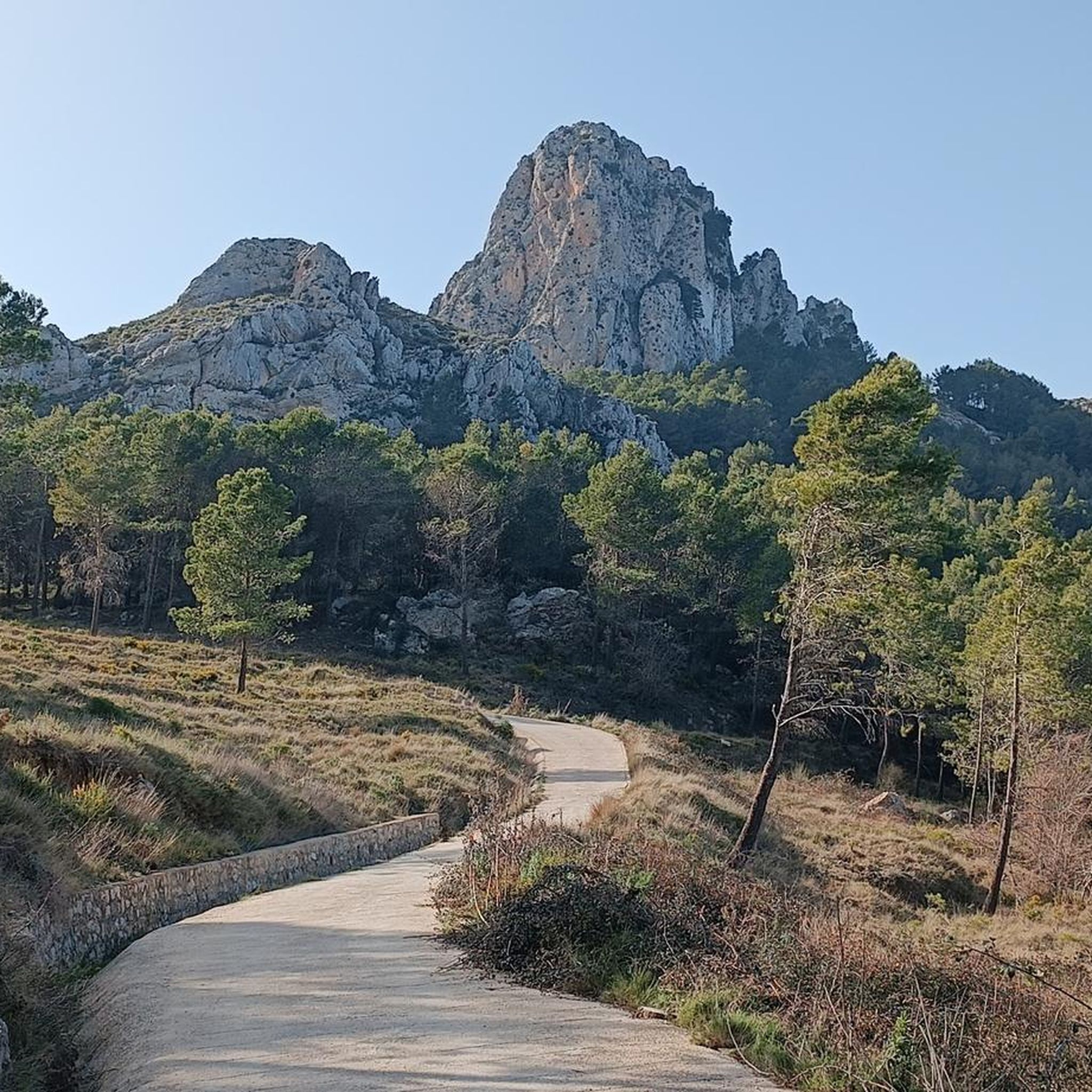
If you go uphill, you have a small piece of land on your right next to a rural house from which you can see Los Arcos.
1
0
If you're going downhill, on your left you'll find an entrance to another street, where you can stop to observe the scenery.
1
0
Frequently Asked Questions
How many touring cycling routes are available in Els Arcs?
Els Arcs offers a selection of 18 touring cycling routes. The region is known for its challenging terrain, with 15 routes rated as difficult and 3 as moderate, catering primarily to experienced cyclists.
What kind of landscapes and natural features can I expect to see while touring cycling in Els Arcs?
Touring cycling in Els Arcs will immerse you in a landscape defined by dramatic limestone formations, including the spectacular natural arches themselves, and the rugged mountains of the Serra de l'Xorta. You'll encounter significant elevation changes, winding through valleys and ascending mountain passes, often with panoramic views of the surrounding peaks and scenic reservoirs.
Are there any specific landmarks or points of interest along the touring cycling routes?
Yes, several notable landmarks and natural features can be found in the Els Arcs area. You might encounter the iconic The Arches, or traverse mountain passes like Puerto de Sa Creueta (Tàrbena to Fageca Section) and Portet de Castells. The region also features historical elements such as the Castles Trail and Penya Castellet Summit and Castle Ruins, offering glimpses into the area's heritage amidst stunning natural beauty.
What do other cyclists say about touring cycling in Els Arcs?
The touring cycling routes in Els Arcs are highly regarded by the komoot community, boasting an average rating of 4.0 stars from over 70 reviews. More than 2,800 touring cyclists have explored the varied terrain, often praising the challenging climbs, the dramatic limestone scenery, and the rewarding panoramic views.
Are there any beginner-friendly touring cycling routes in Els Arcs?
While Els Arcs is predominantly known for its challenging terrain, with 15 difficult routes, there are 3 moderate routes available. These moderate options might be more suitable for cyclists looking for a less strenuous experience, though they still involve elevation changes typical of the mountainous region. There are no routes specifically classified as easy.
Can I find circular touring cycling routes in Els Arcs?
Yes, many of the touring cycling routes in Els Arcs are designed as loops, allowing you to start and finish in the same location. Examples include the popular Castell de Castells – Sa Creueta Pass (780 m) loop from Microreserva de Flora Font del Teix, the challenging Castell de Castells – Foia del Port loop from Castell de Castells, and the scenic Guadalest Reservoir Loop Trail.
What are some of the more challenging touring cycling routes in Els Arcs?
Els Arcs is a destination for cyclists who enjoy a challenge. Routes like the Castell de Castells – Foia del Port loop from Castell de Castells stand out with over 3,400 feet (1050 meters) of elevation gain over 19.6 miles. Another demanding option is the Sa Creueta Pass (780 m) – Guadalest Castle loop from Benimantell, which covers nearly 50 km with significant climbing.
When is the best time of year to go touring cycling in Els Arcs?
Given the region's Mediterranean climate, spring and autumn are generally the most pleasant seasons for touring cycling in Els Arcs. In spring, you can enjoy blooming almond trees and milder temperatures. Autumn offers comfortable riding conditions with less intense heat than summer. While winter cycling is possible, be prepared for cooler temperatures, especially at higher elevations, and check local weather conditions.
Is Els Arcs suitable for family touring cycling?
Els Arcs is characterized by significant elevation changes and routes primarily rated as difficult or moderate. This terrain may be challenging for younger children or families seeking very flat, easy rides. Families with older, experienced teenage cyclists who are comfortable with climbs might find suitable routes, but those with younger children or beginners may find the routes too demanding.
What are the options for parking when cycling in Els Arcs?
Many touring cycling routes in Els Arcs start from towns and villages like Castell de Castells or Benimantell. These locations typically offer public parking facilities, often near the starting points of popular routes. It's advisable to check specific parking availability for your chosen starting point before your ride.
Are there any cafes or places to stop for refreshments along the routes?
The touring cycling routes in Els Arcs often pass through or near local villages such as Castell de Castells. These villages typically have small cafes, bars, or restaurants where you can stop for refreshments, a meal, or to refill water bottles. Planning your route to include these stops can enhance your cycling experience.
Is public transport available to access touring cycling routes in Els Arcs?
Accessing the more rural touring cycling routes in Els Arcs primarily relies on personal transport. While some larger towns in the broader region may have bus services, direct public transport links to the specific starting points of many of these mountain-focused cycling routes are limited. It's recommended to plan for car access to reach your desired starting location.
Most popular routes in Els Arcs
Most popular attractions in Els Arcs

Get inspired with the komoot mobile app


Explore more
Browse the best Cycling routes in other regions.
