Attractions and Places To See around Wolmirsleben - Top 20
Best attractions and places to see around Wolmirsleben, located in Saxony-Anhalt, offer a mix of natural landscapes and historical sites. The region provides access to various points of interest, including lakes suitable for water activities and significant cultural landmarks. Its position allows for exploration of both local features and broader regional attractions, making it a starting point for discovering the surrounding area.
Best attractions and places to see around Wolmirsleben
- The most popular attractions is Löderburger See, a lake…
Last updated: August 16, 2026
Löderburger See
Highlight • Lake
Translated by Google •
Tip by

Wasserburg Egeln
Highlight • Castle
Translated by Google •
Tip by

Sign up now to discover places like this
Get recommendations on the best single tracks, peaks, & plenty of other exciting outdoor places.
Sign up for free
Evangelical City Church Egeln
Highlight • Religious Site
Translated by Google •
Tip by
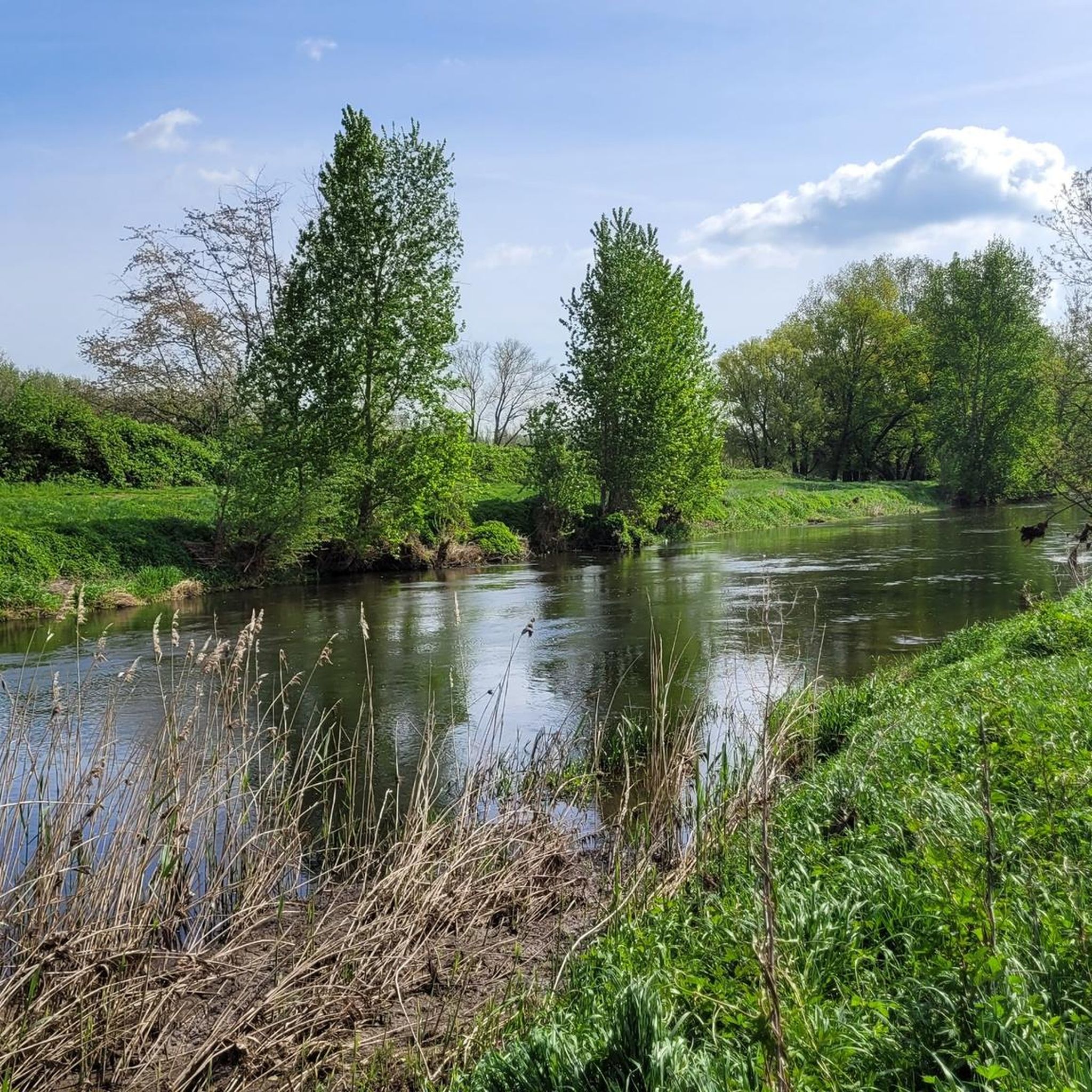
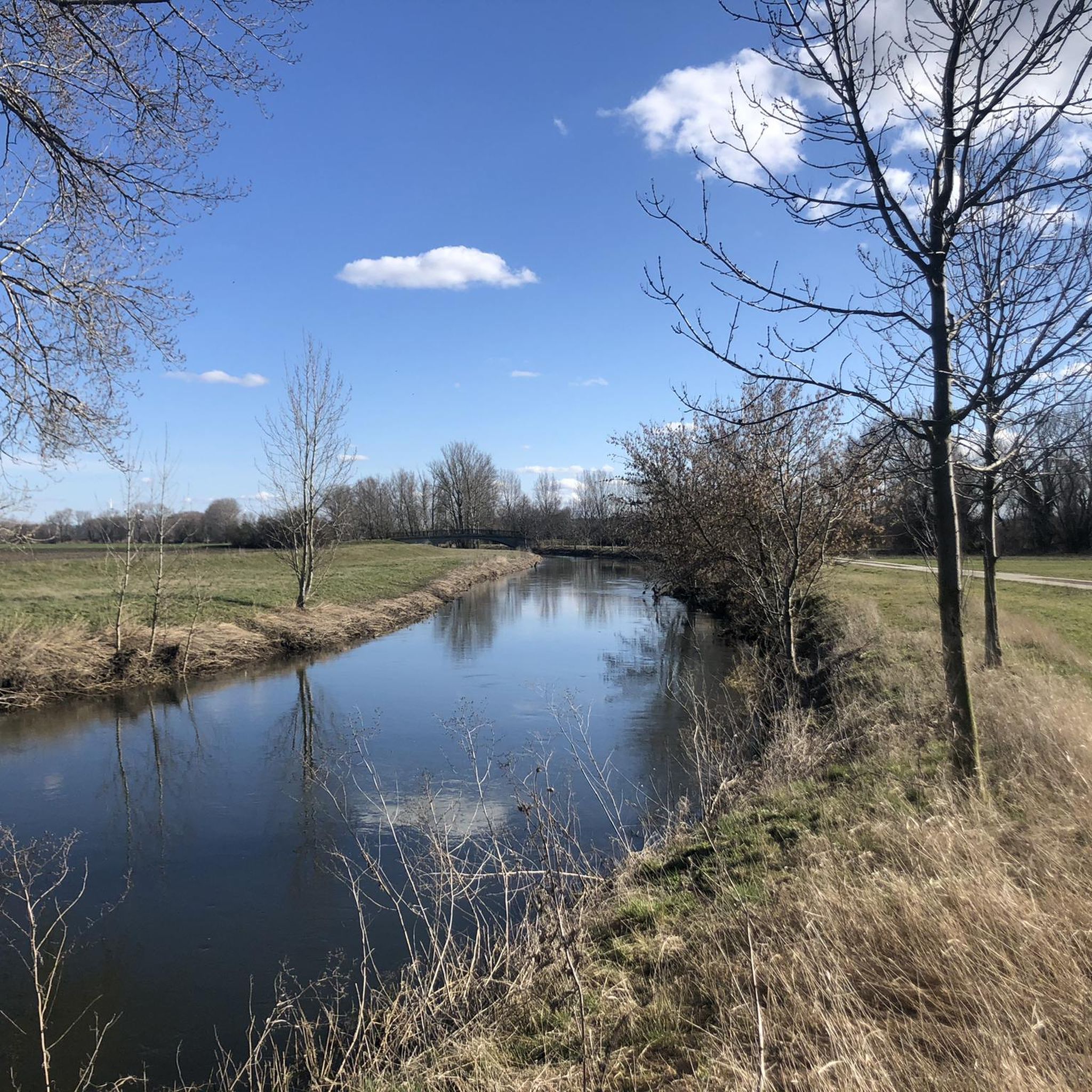
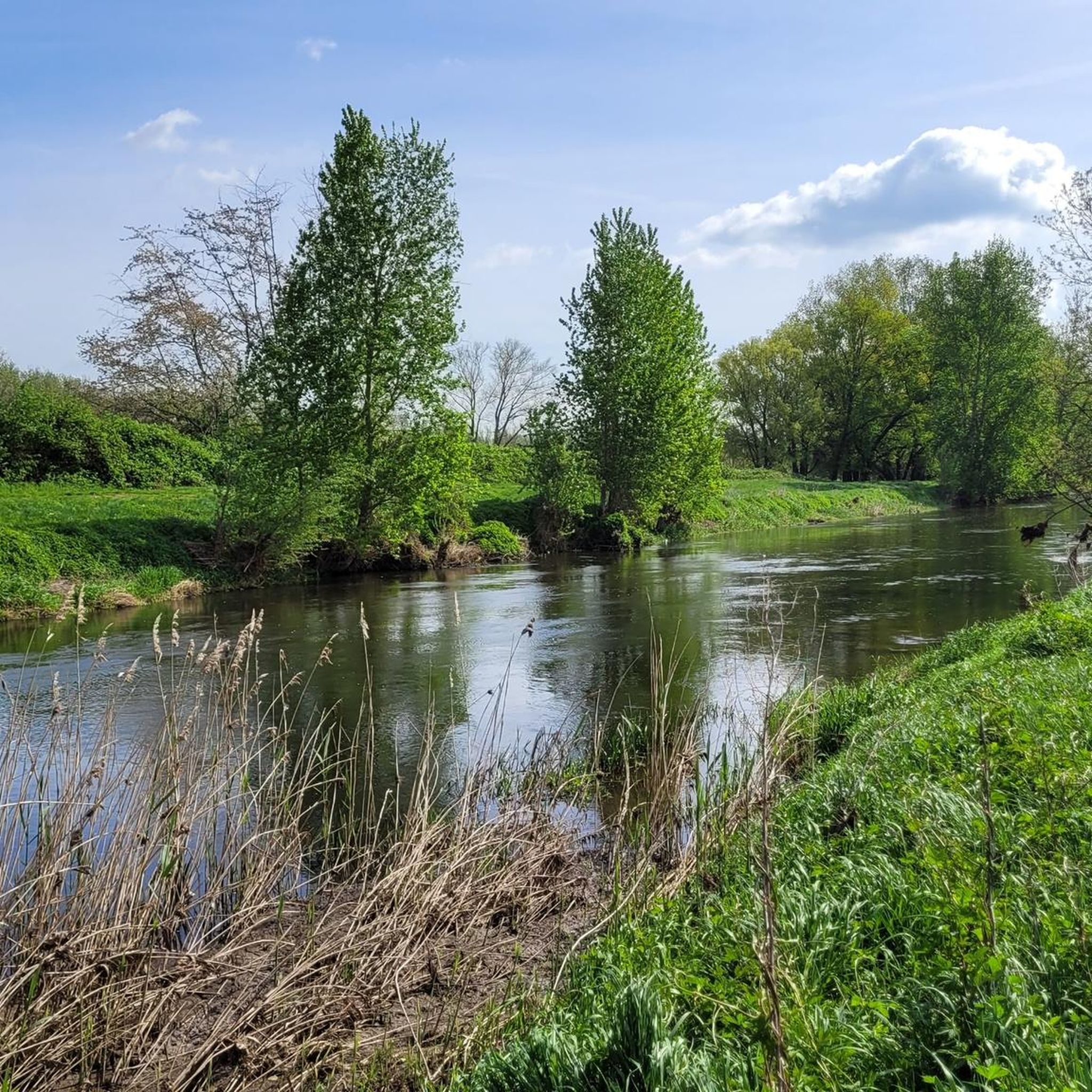
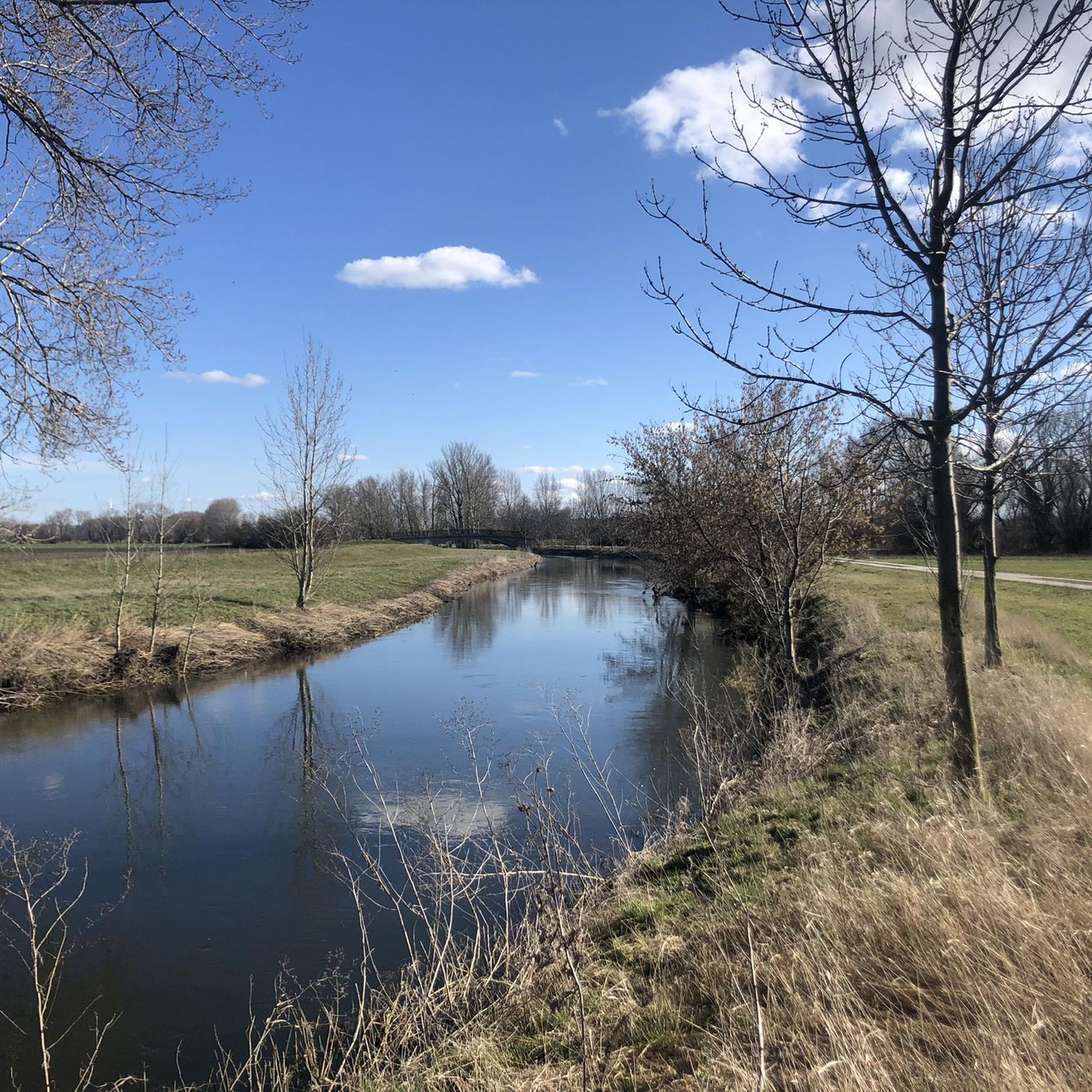
Gänsefurth Bridge over the Bode River
Highlight • Bridge
Translated by Google •
Tip by

St. Eustachius Church Atzendorf
Highlight • Religious Site
Translated by Google •
Tip by

Sign up for free to discover even more attractions around Wolmirsleben.
Sign up for free
Already have an account?
Start today with a free account
Your next adventure awaits.
Login or Signup
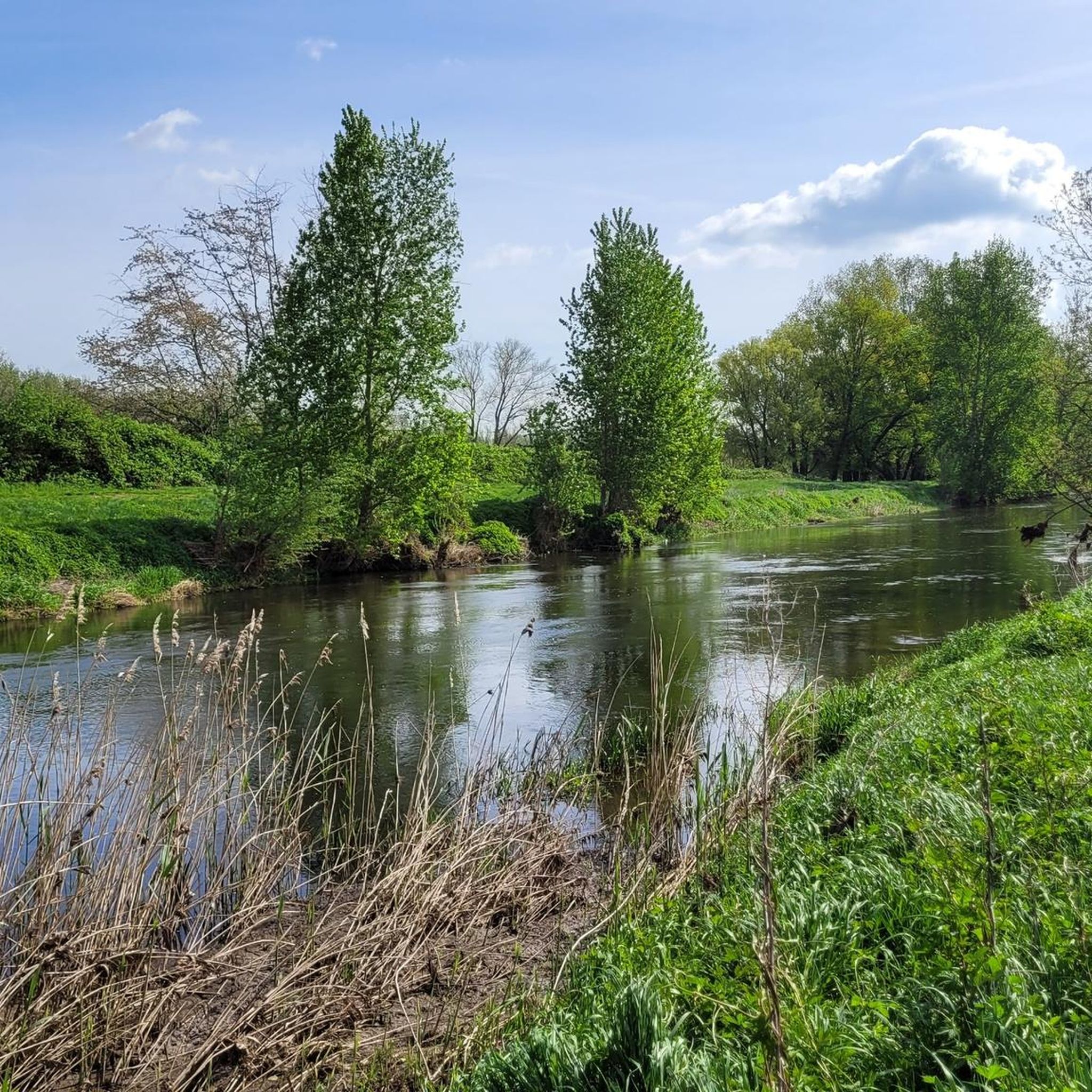
Tips from the Community

The lake is almost always used for angling, as fishing rights are legally granted to every body of surface water. Since this is accompanied by a duty of care in most German federal states, the aim is to maintain a near-natural fish population in gravel pits used for fishing through stocking[4]. Some lakes have beaches or are also set up for other types of water sports, particularly boating, water skiing, or windsurfing. Large parking areas, lifeguards, and restaurants are also set up for these uses. Some gravel pits are accessible by public transport. In some cases, the gravel pit is subsequently used for nature conservation, such as the two gravel pits in the Aitrach gravel pit nature reserve.
0
0
Where mining has cut into the groundwater level, groundwater-fed quarry ponds are created. Less frequently, quarry ponds are deliberately created, primarily as local recreation areas. The mining pits are usually landscaped in accordance with legally required renaturation.
0
0
In common parlance, all water-filled remnants of a wet excavation are called "quarry lakes." In technical terms, it has been suggested that bodies of water with a size of less than three hectares and a water depth of less than four meters be called "gravel ponds," as they do not meet the limnological definition of a lake.[2] However, this has not been adopted.
0
0
A gravel pit (also known as a quarry lake, gravel pit, or gravel pond in Austria) is an artificial, usually relatively small lake created by dredging sand and gravel deposits (gravel mining), usually by wet mining. It is often flowed through by groundwater.
0
0

Egeln lies in a floodplain of the Bode River; its castle was first mentioned in the 9th century. The Protestant town church of St. Christopher is a single-nave Baroque building with a Gothic tower. The atmosphere of this church is characterized by the colorful design of its 19th-century renovation.
6
0

A very beautiful church, visible from far away.
2
0

Beautiful new bridge over the Bode.
1
0
Beautiful Gänsefurther Bridge over the Bode.
2
0
Frequently Asked Questions
What natural attractions can I explore around Wolmirsleben?
The most prominent natural attraction is Löderburger See, a lake perfect for swimming, waterskiing, and camping. The region also offers scenic views along the Bode River, such as from the Gänsefurth Bridge over the Bode River, which is part of the R 1 cycle path. Beyond these, the broader Saxony-Anhalt region is rich in natural landscapes, including national parks and biosphere reserves, providing extensive opportunities for outdoor activities.
Are there historical sites or castles to visit near Wolmirsleben?
Yes, you can visit Wasserburg Egeln, a historic water castle with a museum open on Sundays, offering insights into local history. Another notable site is the Evangelical City Church Egeln, a Baroque building with a Gothic tower. Further afield, you'll find the impressive Magdeburg Cathedral and the unique Hundertwasser's Green Citadel of Magdeburg.
What kind of outdoor activities can I do near Wolmirsleben?
The area around Wolmirsleben is excellent for both hiking and cycling. You can find easy hikes like the 'Wolmirsleben Village Church – View of Wolmirsleben loop' or more moderate routes such as the 'Sundial – Bench by the Bode River loop'. For cyclists, there are routes like the 'Editha Bösche Cycle Path' or more challenging tours around Löderburger See. Explore more options on the dedicated guides for hiking around Wolmirsleben and cycling around Wolmirsleben.
Are there family-friendly attractions around Wolmirsleben?
Absolutely. Löderburger See is a great spot for families, offering swimming, waterskiing, and camping. Many historical sites like Wasserburg Egeln and the Evangelical City Church Egeln are also considered family-friendly. For animal lovers, the Staßfurt Zoo and Heimattiergarten Schönebeck 'Bierer Berg' are within easy reach, as is the larger Zoologischer Garten Magdeburg.
What do visitors enjoy most about the attractions near Wolmirsleben?
Visitors particularly appreciate the diverse leisure opportunities at Löderburger See, noting it's suitable for all ages with options for bathing, hiking, and eating. The historical charm of sites like Wasserburg Egeln and the architectural beauty of the Evangelical City Church Egeln are also highly valued.
Are there any unique architectural landmarks in the wider region?
Beyond the local historical sites, the region boasts unique architectural marvels. The Magdeburg Water Bridge, the longest canal bridge in the world, carries ship traffic over the Elbe River and is a significant engineering feat. In Magdeburg, you can also explore Hundertwasser's Green Citadel, a distinctive and colorful architectural complex.
Can I find easy hiking trails suitable for beginners or families around Wolmirsleben?
Yes, there are several easy hiking trails. For instance, the 'Wolmirsleben Village Church – View of Wolmirsleben loop' is a short and accessible option. Another easy route is the 'Mühlgraben Bridge – Mühlgraben Bridge loop from Bördeaue'. These trails are generally suitable for beginners and offer pleasant walks. You can find more easy options in the Easy hikes around Wolmirsleben guide.
What are some historical castles or manor houses in the vicinity?
In addition to Wasserburg Egeln, you can also find Gänsefurth Castle nearby. Further north, Wolmirstedt Castle offers over a thousand years of history, housing a town museum and a baroque manor house used for events.
Are there any specific viewpoints or scenic spots to enjoy the landscape?
The Gänsefurth Bridge over the Bode River offers a rest area with wonderful views of the Boderadweg (Bode Cycle Path). The general landscape around the Bode River and Löderburger See provides numerous scenic spots for enjoying the natural surroundings.
What is the best time of year to visit Wolmirsleben for outdoor activities?
The spring and summer months are ideal for enjoying outdoor activities around Wolmirsleben, especially for swimming and waterskiing at Löderburger See and for hiking and cycling on the numerous trails. Spring also brings the potential to see the Magdeburg Tulip Fields in bloom, which are a scenic attraction.
Are there any animal parks or zoos in the area for a day trip?
Yes, for animal encounters, you can visit the Staßfurt Zoo, located about 12.8 km away, or the Heimattiergarten Schönebeck 'Bierer Berg', approximately 15.1 km from Wolmirsleben. For a larger experience, the Zoologischer Garten Magdeburg is also within a reasonable driving distance.
Can I find opportunities for water sports or activities near Wolmirsleben?
Absolutely. Löderburger See is the primary spot for water activities, offering swimming, waterskiing, and general leisure by the water. The broader region of Saxony-Anhalt also provides extensive opportunities for water activities along rivers like the Elbe and Saale, and at various lakes.
Most popular routes around Wolmirsleben
Most popular attractions around Wolmirsleben

Get inspired with the komoot mobile app


Explore more
Still not found the Highlight you’re looking for? See guides of the top attractions in other regions:
