The best walks and hikes in Refugio De Vida Silvestre Corredor Fronterizo
4.7
(12)
60
hikers
5
hikes
Hiking in Refugio De Vida Silvestre Corredor Fronterizo encompasses a diverse range of ecosystems along Costa Rica's northern border. The region features a mix of dry and moist tropical forests, wetlands, and coastal lagoons, serving as a vital biological corridor. Terrain varies from relatively flat coastal areas to more undulating forest paths, with elevations generally remaining low. This protected area is characterized by its rich biodiversity and natural setting.
Best hiking trails in Refugio De Vida Silvestre Corredor Fronterizo
- The…
Last updated: July 1, 2026
4.8
(4)
19
hikers
2.00km
00:32
20m
20m
Easy hike. Great for any fitness level. Easily-accessible paths. Suitable for all skill levels.
4.3
(4)
17
hikers
2.75km
00:43
20m
20m
Easy hike. Great for any fitness level. Easily-accessible paths. Suitable for all skill levels.

Sign up for free
5.0
(4)
20
hikers
7.07km
01:51
50m
50m
Easy hike. Great for any fitness level. Easily-accessible paths. Suitable for all skill levels.
2
hikers
6.31km
01:42
80m
80m
Easy hike. Great for any fitness level. Easily-accessible paths. Suitable for all skill levels.
2
hikers
Easy hike. Great for any fitness level. Easily-accessible paths. Suitable for all skill levels.
Our route recommendations are based on thousands of hikes, rides, and runs completed by other people on komoot.
Start today with a free account
Your next adventure awaits.
Login or Signup
Popular around Refugio De Vida Silvestre Corredor Fronterizo
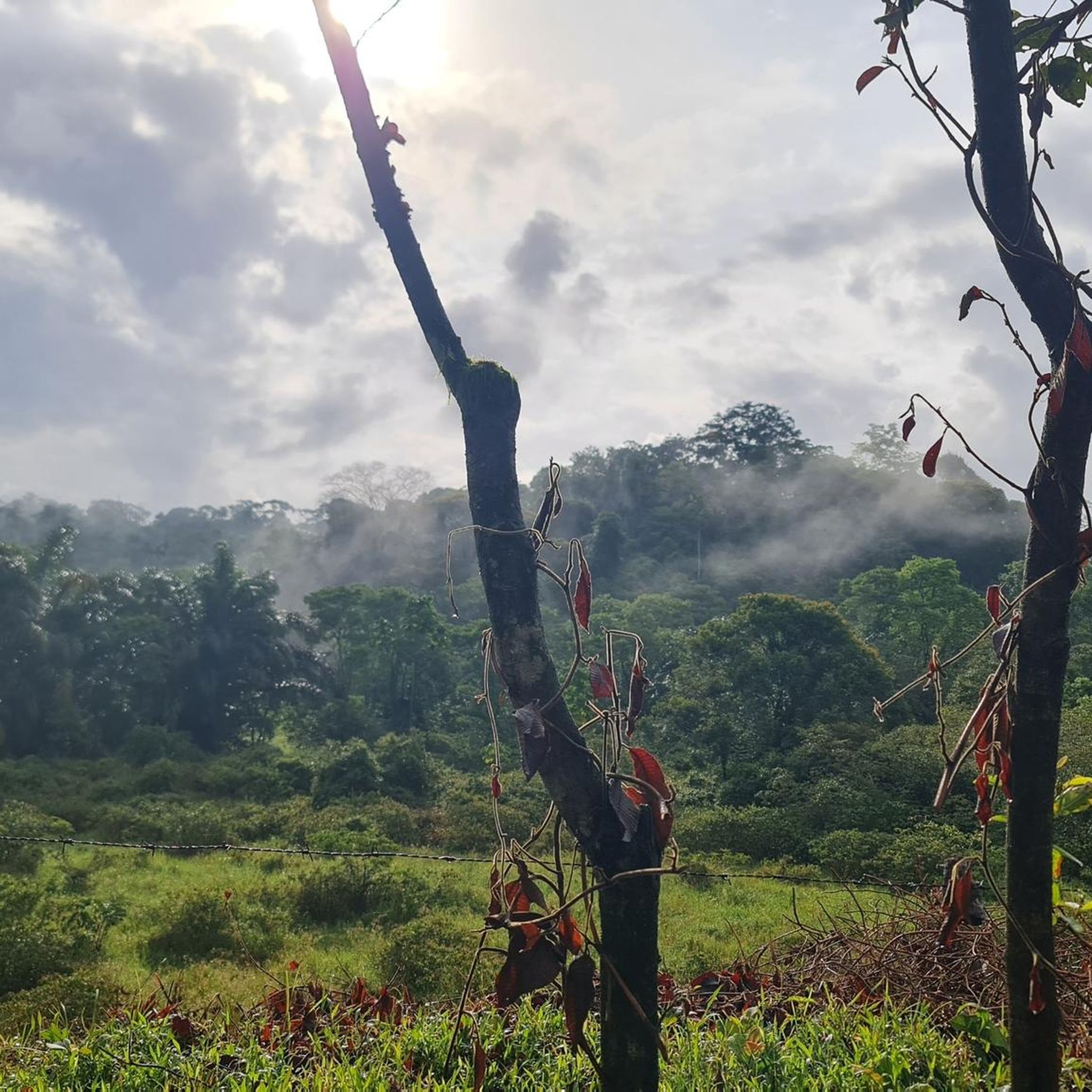
Tips from the Community

Only in the dry season and only with really good footwear, very slippery.
0
0

Well walkable rubber boots are recommended
0
0

Super great accommodation in the middle of the jungle.
0
0

Muddy matter, poisonous shanks and spiders. Who is adventurous is right here.
0
0
Frequently Asked Questions
How many hiking trails are available in Refugio De Vida Silvestre Corredor Fronterizo?
Refugio De Vida Silvestre Corredor Fronterizo offers a selection of 5 hiking routes. These include a mix of easy walks and moderate excursions, providing options for various ability levels.
What kind of terrain can I expect when hiking in the refuge?
The refuge features a diverse range of ecosystems. You can expect to traverse sections of dry and moist tropical forests, wetlands, and even coastal areas with lagoons. The terrain varies from relatively flat paths, especially near coastal areas, to more undulating forest trails with some elevation gain in other parts.
Are there any family-friendly hiking options?
Yes, there are several easy routes suitable for families. For instance, the Casa Castillo loop from Cabañas Cañas Castilla is a short 1.2-mile (2.0 km) trail that takes about 30 minutes, offering an accessible walk. Another easy option is the Hiking loop from Pedacito de Cielo, which is 1.7 miles (2.7 km) through tropical forest.
What is the best time of year to go hiking in Refugio De Vida Silvestre Corredor Fronterizo?
The refuge experiences varied climates, with moist and very humid tropical forests towards the Caribbean side receiving over 5,000 mm of rain annually, while the Pacific side has drier forests. Generally, the dry season (typically December to April) offers more predictable weather for hiking, though the lushness of the wet season (May to November) can be appealing for wildlife viewing.
What kind of wildlife might I see while hiking?
As a vital biological corridor connecting significant conservation areas, the refuge is a hotspot for biodiversity. While specific sightings depend on the section and time of day, you have a greater chance of encountering a wide variety of species, including diverse birds, mammals, and reptiles, amidst the rich flora of its varied ecosystems.
Are there any circular hiking routes?
Yes, several routes in the refuge are loops. Popular options include the Casa Castillo loop from Cabañas Cañas Castilla, the Casa Castillo loop from Guadalupe, and the Hiking loop from Pedacito de Cielo. These loops allow you to experience different parts of the landscape without retracing your steps.
What is the difficulty level of hikes in the refuge?
The hikes in Refugio De Vida Silvestre Corredor Fronterizo range from easy to moderate. Out of the 5 available routes, 4 are classified as easy, and 1 is moderate. The moderate routes, like the Casa Castillo loop from Guadalupe, involve varied forest terrain and some elevation gain, offering a more extended experience.
What do other hikers say about their experience in Refugio De Vida Silvestre Corredor Fronterizo?
The routes in Refugio De Vida Silvestre Corredor Fronterizo are highly rated by the komoot community, with an average score of 4.7 stars from over 10 reviews. Hikers often praise the immersive natural setting and the opportunity to explore diverse ecosystems in a pristine state.
Are there specific landmarks or natural features to look out for?
The refuge itself is a significant natural feature, acting as a critical biological corridor. Within its bounds, you can explore diverse landscapes including tranquil beaches, coastal lagoons, sections of dry and moist tropical forests, and important wetlands such as those connected to Tamborcito, Maquenque, and Caño Negro. These varied ecosystems are the primary attractions.
Are there any facilities or amenities within the refuge?
The Refugio de Vida Silvestre Corredor Fronterizo is known for its untouched natural setting and does not have public facilities specifically designed for tourists, such as marked trails or visitor centers. The appeal lies in exploring its raw, protected landscapes. Visitors should be prepared for a less structured experience.
Do I need a permit to hike in Refugio De Vida Silvestre Corredor Fronterizo?
Given the refuge's primary role in conservation and its less developed infrastructure for tourism, specific permit requirements for general hiking are not widely publicized. It is advisable to inquire with local authorities or conservation groups if you plan an extensive or off-path exploration, especially as it borders Nicaragua. For general information, you may consult resources like Wikipedia's entry on the refuge.
Can I bring my dog on the trails?
Due to the refuge's status as a critical wildlife corridor and protected area, policies regarding pets, especially dogs, can be strict to protect native wildlife. It is generally recommended to avoid bringing dogs into such sensitive ecological zones unless explicitly stated otherwise by local regulations. Always check with local park management or guides for current pet policies before your visit.
Most popular routes in Refugio De Vida Silvestre Corredor Fronterizo

Get inspired with the komoot mobile app


