Top 20 Caves around Harzgerode
Best caves around Harzgerode offer insights into the region's geological formations and mining history. Located in the Harz region, the area features a landscape shaped by ancient geological processes and human activity. The surroundings of Harzgerode are characterized by valleys and rock formations, providing a setting for various underground explorations. These sites showcase both natural rock tunnels and historical mine entrances.
Best caves around Harzgerode
- The most popular caves is Pioneer Tunnel (Pioniertunnel), an other man-made structure that is…
Last updated: October 2, 2026
Pioneer Tunnel (Pioniertunnel)
Highlight • Structure
Translated by Google •
Tip by

Glasebach Adit (HWN 175)
Highlight • Historical Site
Translated by Google •
Tip by

Sign up now to discover places like this
Get recommendations on the best single tracks, peaks, & plenty of other exciting outdoor places.
Lessinghöhle — Mine Entrances
Highlight • Structure
Translated by Google •
Tip by

Echo Cave
Highlight • Cave
Translated by Google •
Tip by
Adolph's Rock Tunnel
Highlight • Cave
Translated by Google •
Tip by

Sign up for free to discover even more caves around Harzgerode.
Already have an account?
Start today with a free account
Your next adventure awaits.
Popular around Harzgerode
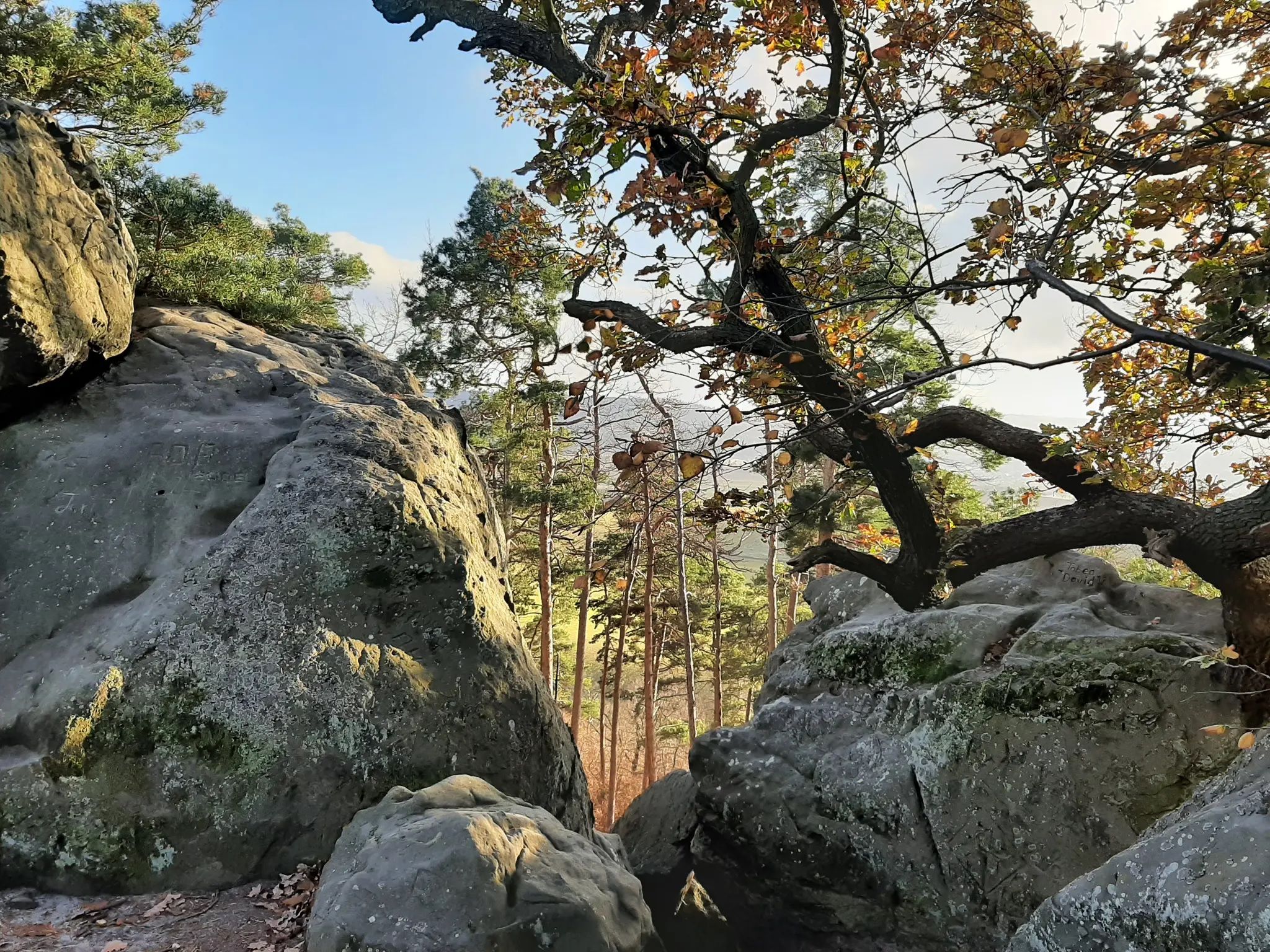
Legendary hikes in the Harz Mountains
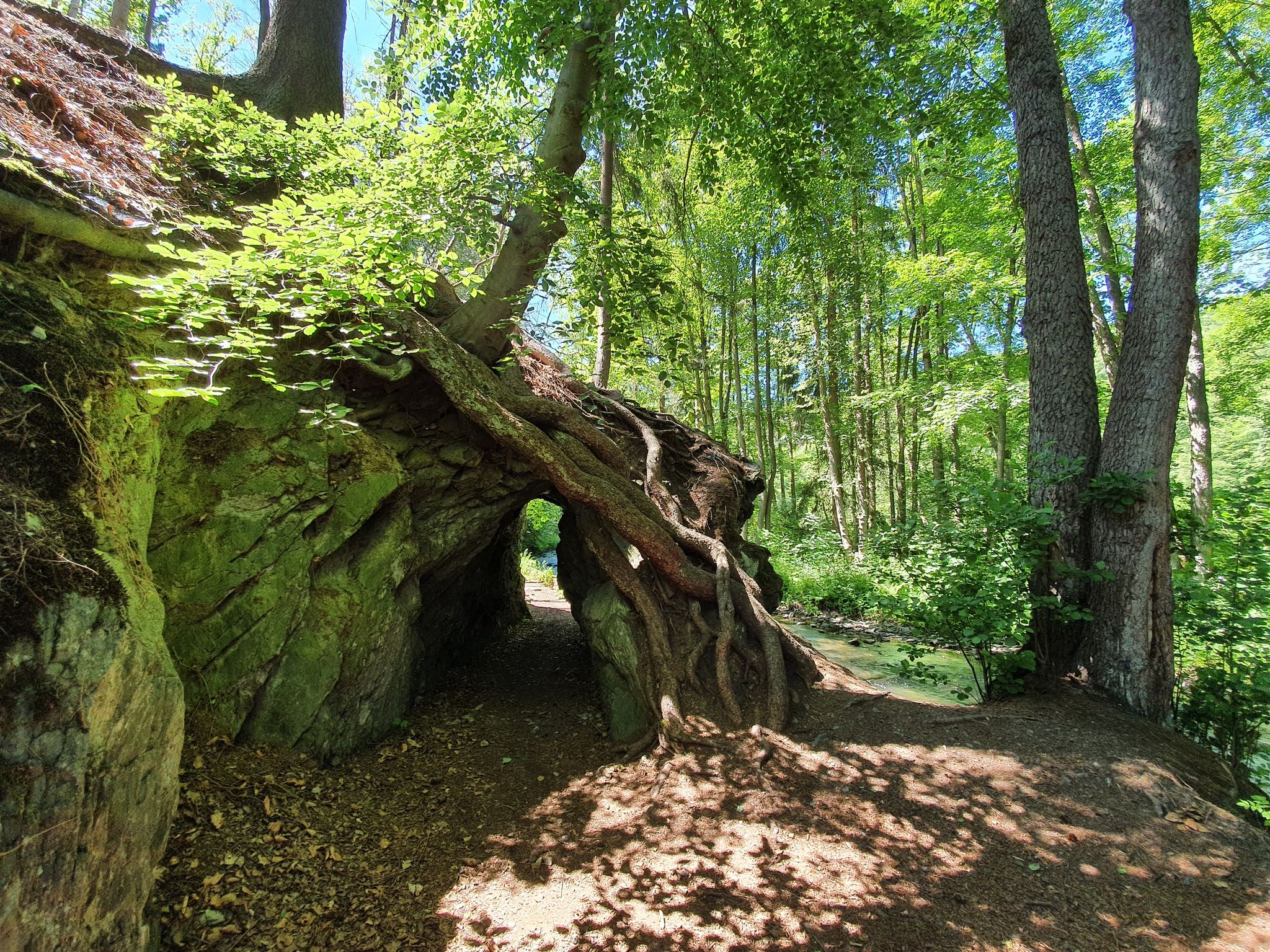
Hike the magical mountain world of the eastern Harz Mountains – Selketalstieg
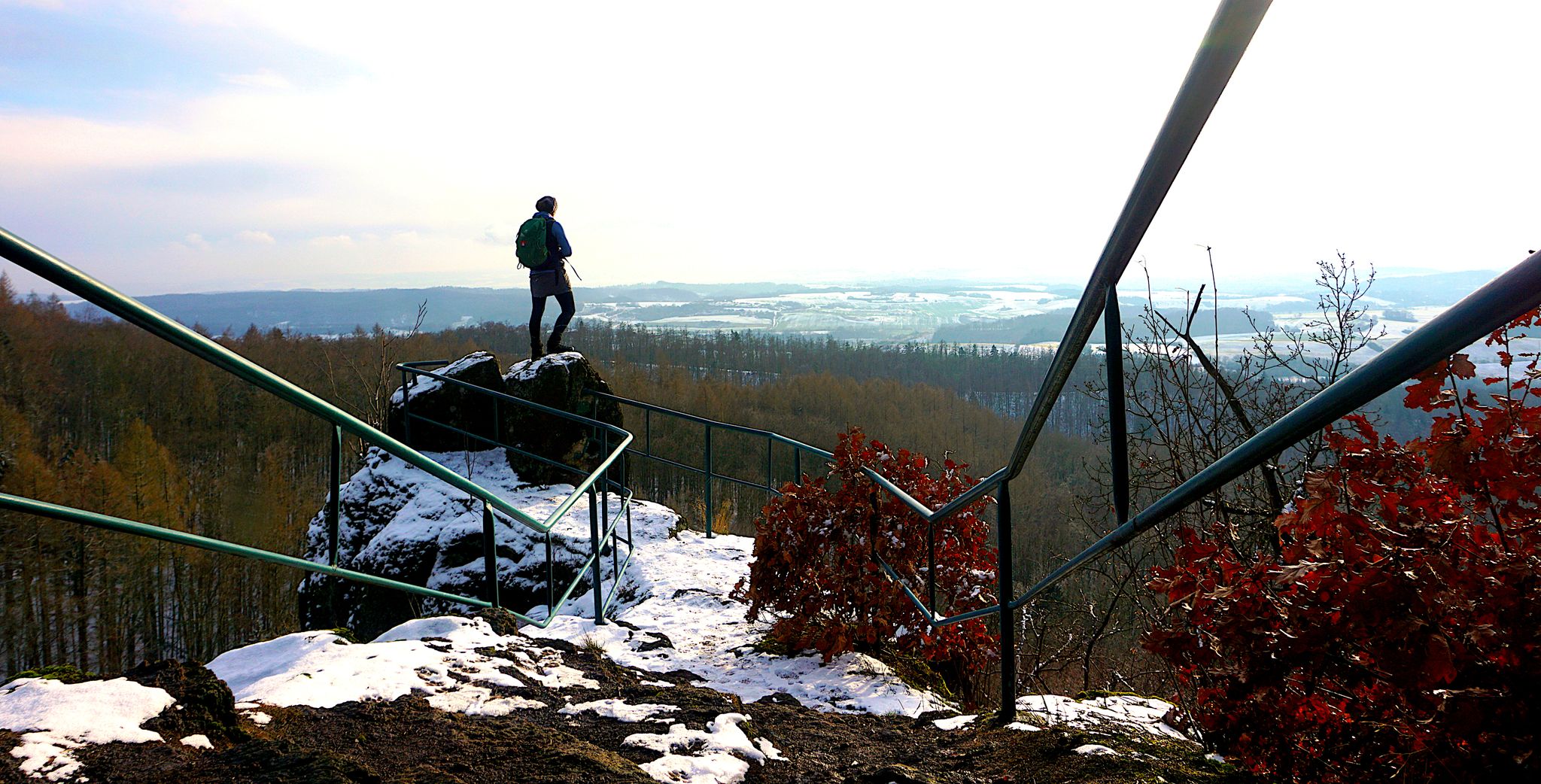
My 25 most beautiful Highlights in the Harz
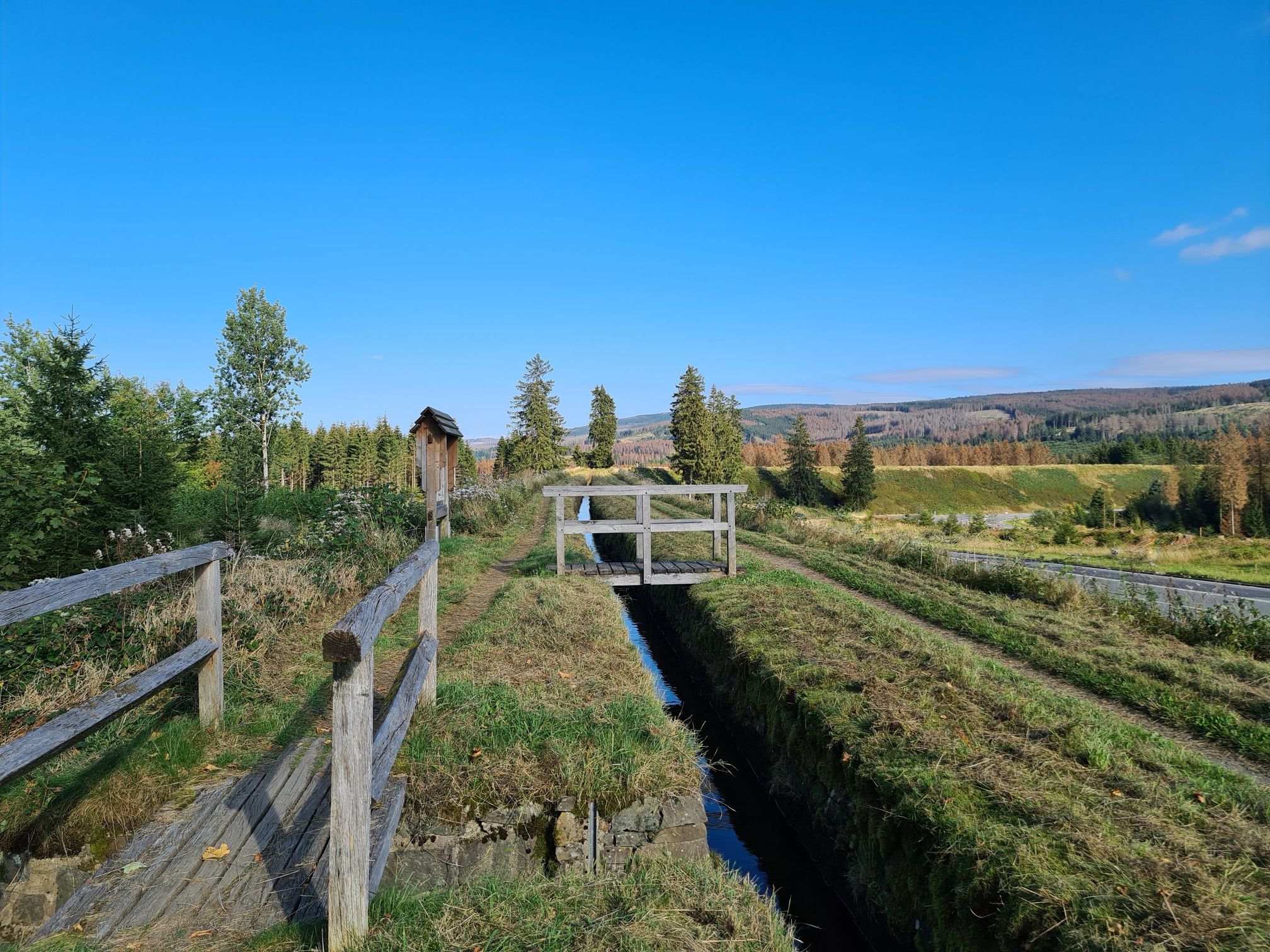
Explore Germany’s mining history — explore the Harz Mountains
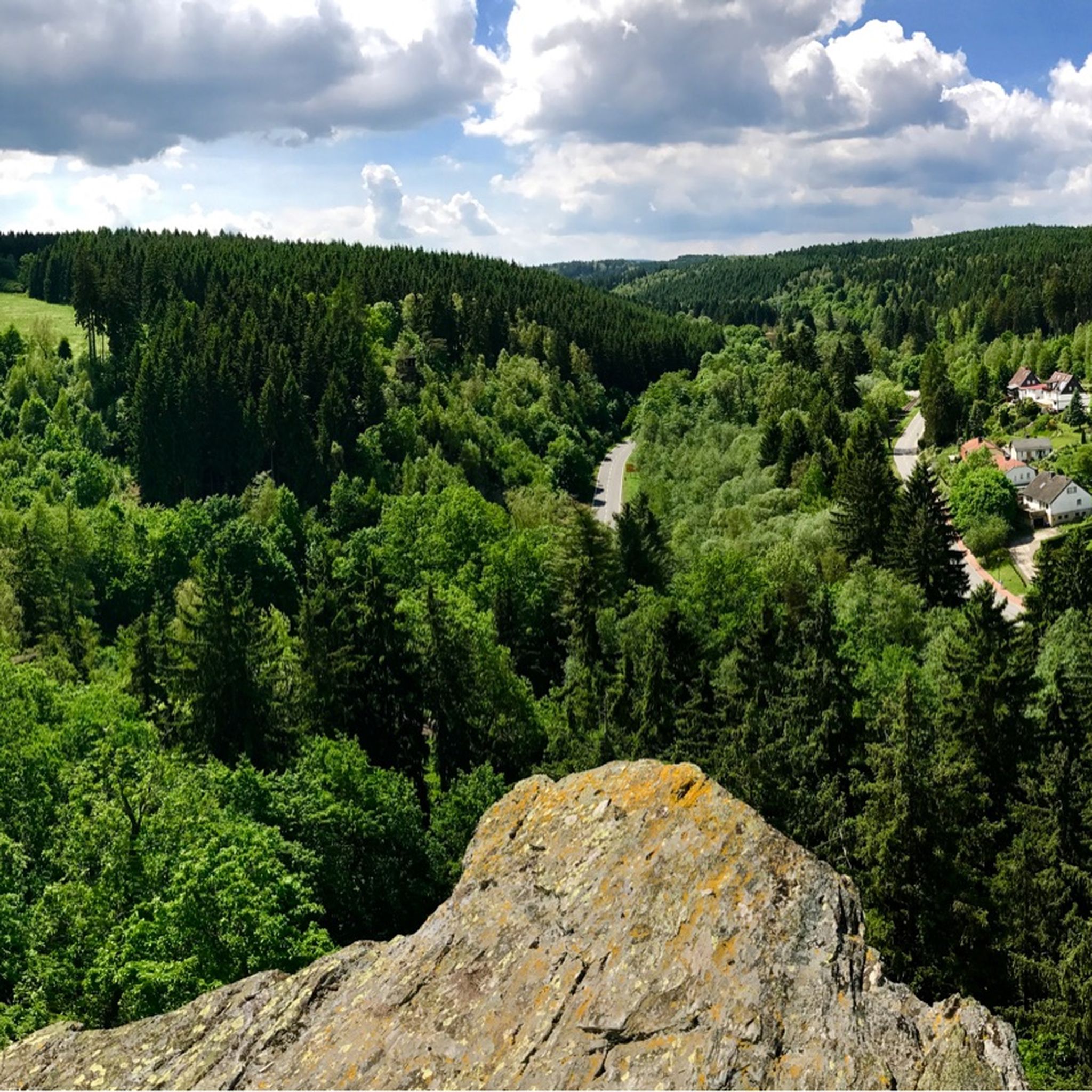
Hiking around Harzgerode
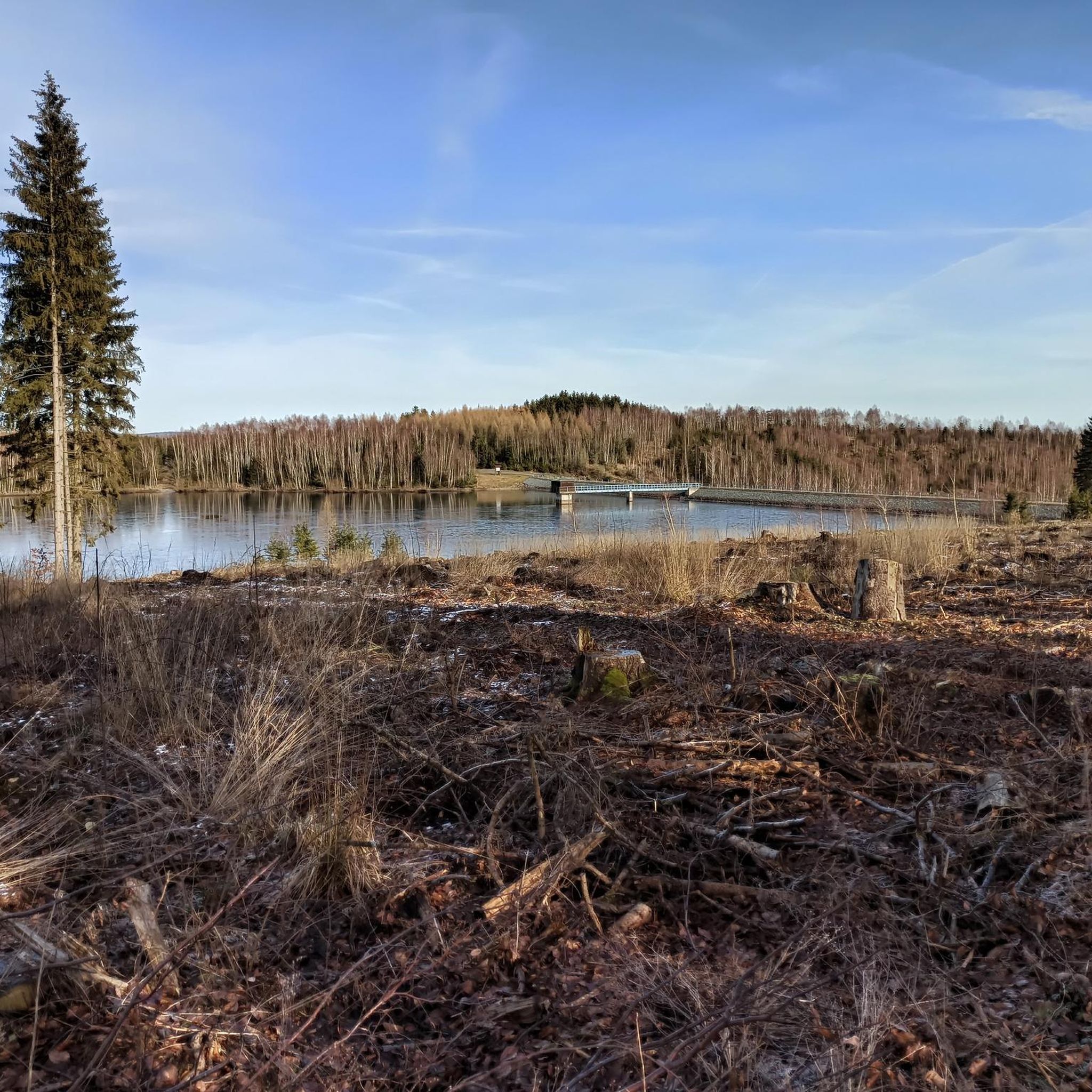
Cycling around Harzgerode
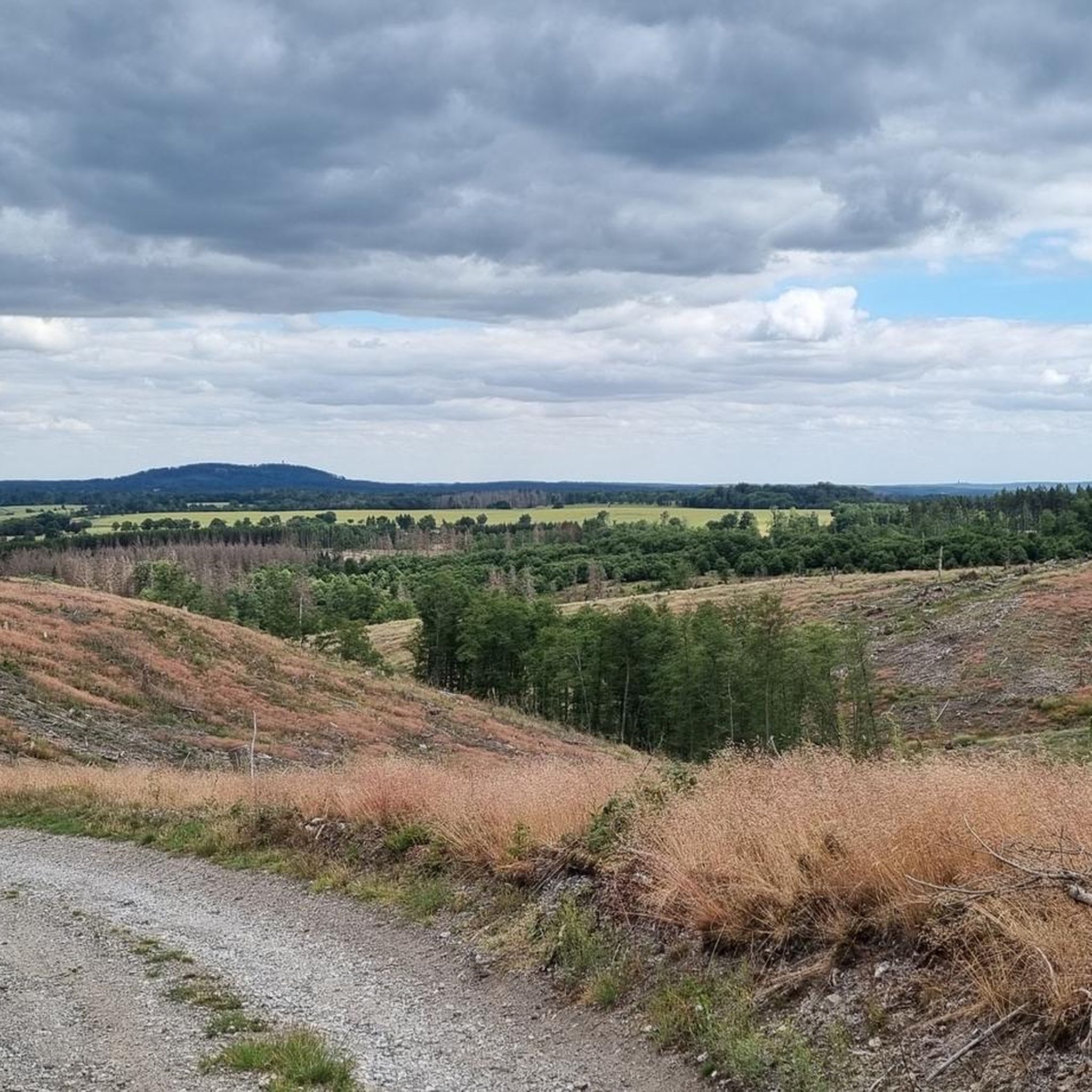
MTB Trails around Harzgerode
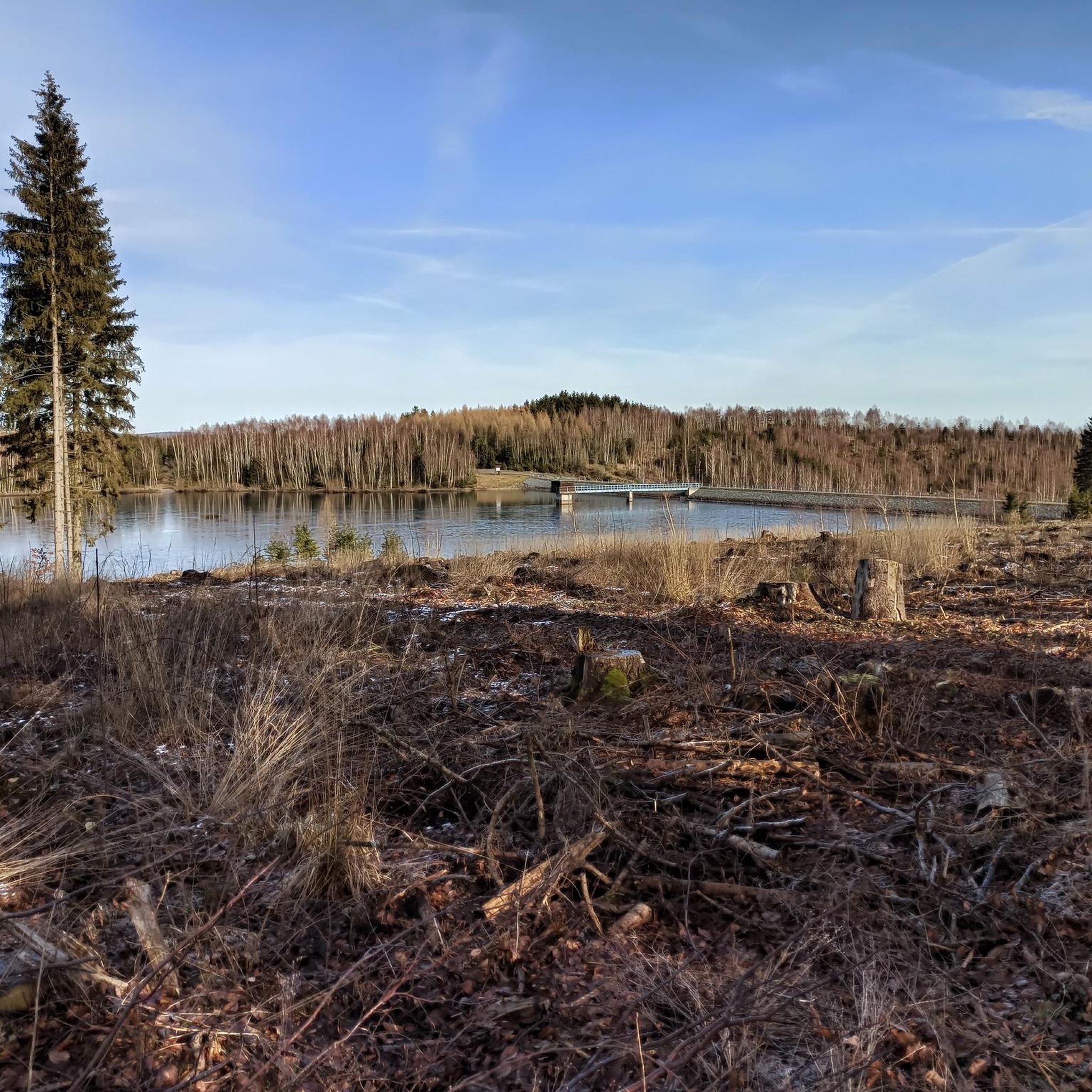
Road Cycling Routes around Harzgerode
Running Trails around Harzgerode
Gravel biking around Harzgerode
Other adventures around Harzgerode


Tips from the Community

Beautiful hiking trail, you can discover something different in every season.
2
0

Sound cavity is about 20 m long and relatively low
2
1

A mine was probably built here in the 16th century to mine copper and iron ore. However, fluorspar, chalcopyrite, arsenic pyrite and galena were mined. After it was closed in the 17th century, the mine fell into oblivion and was only rediscovered in the 1870s when gravel was extracted for road construction. The Magdeburg researcher Lessing then explored the cave, but the water in the shafts was up to 25 m high. After it was filled in, a waterworks was built here at the beginning of the 20th century, but it was destroyed by a rockfall just a few years later. In the 1950s, the Lessing Cave was searched for uranium-containing ore. The proportion of this radioactive metal was, fortunately for the town, too small. Today the cave serves as a refuge for bats and is therefore under special protection. Source: https://www.quedlinburg-info.de
5
0
The right tunnel can be accessed for about 40m. The deeper mine workings are flooded and the other two tunnels are filled. The Lessing Cave is also opened up every year for the "hike on the trail of mining". Source: https://harzklub-bad-suderode.de
9
0

The small stone cave is located between Alexisbad and Klostermühle, right on the Selke. Nice photo opportunity
2
0

The Pioneer Tunnel is a stop on the Selketalstieg between Alexisbad and Mägdesprung and is located on the east side of the picturesque Selke Valley. This artificial, around 10 meters long and relatively low passage was driven through the rock in May 1900 within a few days. The hiking trail leads through here. There is no alternative route over or around the rock, so if you don't want to turn back you have to squeeze through the narrow tunnel. On the south side of the tunnel you have a beautiful view of the Selke Valley and the surrounding mountains. Source: https://www.harzlife.de/bilder/pioniertunnel.html
7
1
Mining history with HWN stamp box and special cancellation
5
0

The pit is located about 800 m from Straßberg in the valley of the Glasebach. The show mine is very well signposted in Straßberg. From the car park you can go past the Radstube to the stamping point at the "Alten Glasebacher Stollen".
6
0
Frequently Asked Questions
What types of caves can I explore in the Harz region near Harzgerode?
The Harz region offers a diverse range of underground experiences. Near Harzgerode, you'll find natural rock tunnels, historical mine entrances, and crevice caves. The broader Harz region is also home to spectacular natural show caves with impressive geological formations.
What are the most notable show caves in the broader Harz region?
The most renowned show caves in the Harz region are the Rübeland Caves (Baumanns Cave and Hermanns Cave) and the Iberg Dripstone Cave. Other significant sites include the Barbarossa Cave and the Unicorn Cave, each offering unique geological and historical insights.
Are there any historical mining sites among the caves near Harzgerode?
Yes, the area around Harzgerode has a rich mining history reflected in its caves. The Glasebach Adit (HWN 175) is a historical site and cave near the Glasebach mine, and the Lessinghöhle — Mine Entrances, first mentioned in 1546, also showcases the region's mining heritage.
What makes the Rübeland Caves a popular destination?
The Rübeland Caves, comprising Baumanns Cave and Hermanns Cave, are among Germany's oldest and best-known natural show caves. They are celebrated for their extensive stalactite and stalagmite formations, unique ecosystems, and historical significance, attracting visitors interested in geology and nature.
What can I expect to see at Baumanns Cave?
Baumanns Cave is famous for its abundant stalactites and stalagmites. A highlight is the impressive "Goethe Hall," a natural stage where Johann Wolfgang von Goethe himself was a visitor. This hall, with its illuminated formations and artificial Wolfgangsee lake, hosts theater and music performances.
What unique features does Hermanns Cave offer?
Hermanns Cave is a captivating river cave known for its enormous chambers and the "Crystal Chamber." It is also the only place in Germany where the rare olms (aquatic salamanders) have been successfully settled, visible in the "Olmensee" (Olm Lake).
Is the Iberg Dripstone Cave suitable for families?
Yes, the Iberg Dripstone Cave in Bad Grund is highly recommended for families. It features a "fairytale kingdom deep underground" with impressive formations that particularly enchant children. The accompanying Cave Experience Centre offers interactive exhibitions, making it engaging for all ages.
Are there other unique geological caves in the Harz region?
Beyond the main show caves, the Harz region boasts other geological rarities. The Barbarossa Cave is one of only two show caves worldwide formed in anhydrite rock, featuring shimmering blue-green lakes. The Unicorn Cave is legendary for its historical significance, with evidence of Neanderthal habitation.
Are there any unique rock tunnels or passages around Harzgerode?
Yes, the area features distinctive rock passages. The Pioneer Tunnel (Pioniertunnel) is an approximately 10-meter-long rock breakthrough on the pioneer path, a notable feature on the Selketalstieg. Another is Adolph's Rock Tunnel, a small rock tunnel directly on the Selke River.
What is the <a href="https://www.komoot.com/highlight/105244" target="_blank" rel="noopener">Ziegenschwanz Cave</a> known for?
The Ziegenschwanz Cave, also known as the goat hole or ice hole, is a typical crevice cave found in karst landscapes. A small staircase leads down into the cave, and a flashlight is recommended for exploration.
What should I wear when visiting caves in the Harz region?
Caves in the Harz region maintain a constant cool temperature, typically around 8-9°C, with high humidity. It is highly recommended to wear warm clothing and sturdy, non-slip shoes to ensure comfort and safety during your visit.
Are there hiking opportunities near the caves around Harzgerode?
Yes, the caves are often integrated into hiking trails. For example, the Pioneer Tunnel is part of the Selketalstieg. You can find various hiking routes, including easy and moderate options, in the area. Explore more hiking trails around Harzgerode on our guide: Hiking around Harzgerode.
Are the caves around Harzgerode suitable for families with children?
Many caves in the region offer family-friendly experiences. The Iberg Dripstone Cave is particularly enchanting for children with its "fairytale kingdom" and interactive exhibits. Locally, the Ziegenschwanz Cave is also noted as family-friendly.
Most popular routes around Harzgerode
Most popular attractions around Harzgerode

Get inspired with the komoot mobile app


Explore more
Extend your search for the best caves by checking out these guides of the top ones around Harzgerode:
