Top 14 Caves around Ditfurt
Best caves around Ditfurt are found in the Harz foreland, an area known for its geological diversity and unique subterranean formations. While Ditfurt itself does not have prominent natural caves, the surrounding Harz region offers a variety of natural and artificial cave systems. These sites provide insights into both natural geological processes and historical human intervention. The region's landscape is rich in formations, including sandstone massifs and historical cave dwellings.
Best caves around Ditfurt
- The most popular caves is Klus…
Last updated: June 29, 2026
Klus Rocks
Highlight • Natural Monument
Translated by Google •
Tip by

Teufelskanzel (Halberstadt Klusberge)
Highlight • Natural Monument
Translated by Google •
Tip by

Sign up now to discover places like this
Get recommendations on the best single tracks, peaks, & plenty of other exciting outdoor places.
Sign up for free
Lehof Sandstone Cliff
Highlight • Natural Monument
The exact location and type of …
Translated by Google •
Tip by
Hermitage in the Spiegelsberge Landscape Park
Highlight • Cave
Source: Display board
Translated by Google •
Tip by
Felsenkeller Caves and Ruins (Makrele I), Halberstadt
Highlight • Cave
Translated by Google •
Tip by

Sign up for free to discover even more caves around Ditfurt.
Sign up for free
Already have an account?
Start today with a free account
Your next adventure awaits.
Login or Signup
Tips from the Community

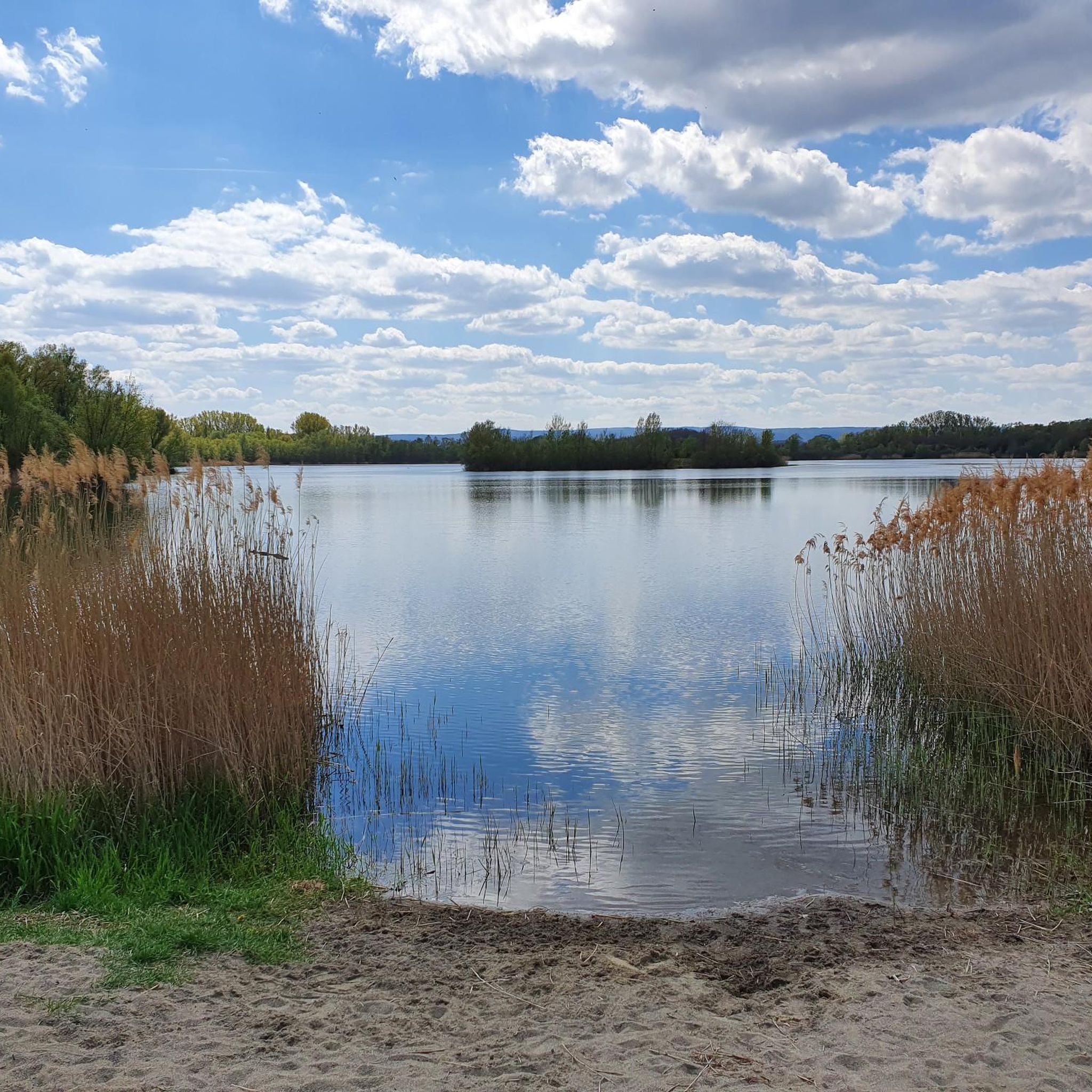
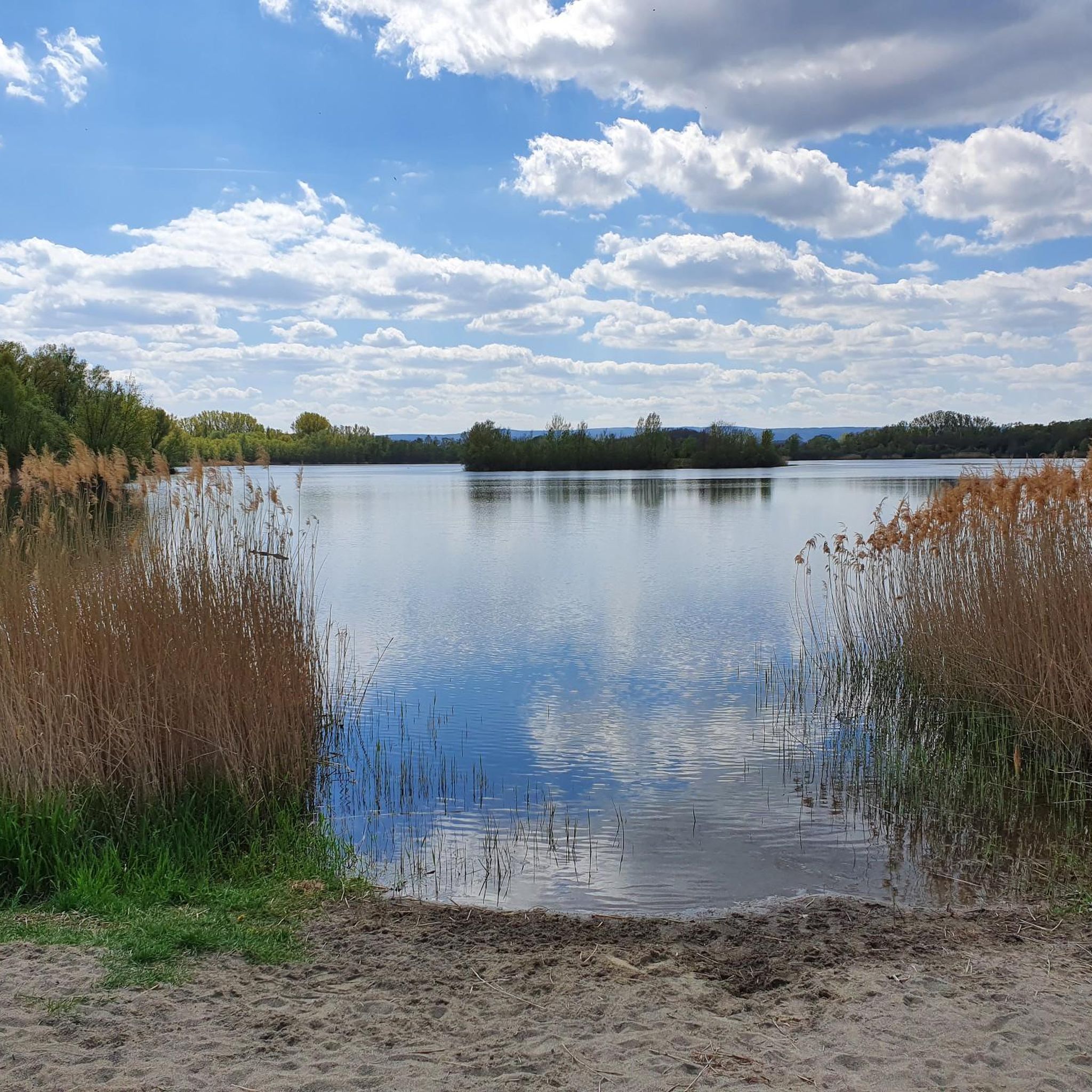
One of the 11 medieval field watchtowers in the city of Quedlinburg. The field watchtowers were built around 1300 to guard the Quedlinburg fields. The exact location and type of building are not known. It is also not known when the watchtower, known from a few entries in the Quedlinburg city council accounts, was demolished. The name is said to come from "lého", which means "burial mound". The site fell victim to sand mining on the Lehofsberg. Source: https://www.wartenverein.de/beschreibung-der-feldwarten/lehofwarte/
11
0

Here, in the middle of the forest, you can still find the remains of buildings, a few small caves, and an interesting tunnel system. This is the underground relocation of Makrele I and was used for the underground production of wings and fuselages for the Junkers factory in Halberstadt. The complex consists of a tunnel system and two cave systems. This is one of the two cave systems of Makrele I, where sandblasting and metalworking took place. Production began here in the fall of 1944. The other cave system was intended to produce wings and fuselages for the JU. Unfortunately, we didn't come across this other cave system, which has also been partially blown up, that day.
5
0
The Hermitage was built around 1772. The Hermitage was probably used for meetings of close friends. Source: Display board
12
0
Great destination especially for children, there is a lot to explore.
13
1

The impressive remains of the Hermitage can be seen here.
4
1

Unfortunately it is currently cordoned off with tape
2
1

Not a tour, but you can find your way out again
3
0

Hermitage, a place of contemplation, often called a hermitage. Located in the western part of the Spiegelsberge Landscape Park and was built in 1772. Nice photo motif 👍 with an interesting story.
1
0
Frequently Asked Questions
What are the most notable caves to visit near Ditfurt?
The Harz region near Ditfurt offers a variety of interesting subterranean sites. Highly recommended are the Klus Rocks near Halberstadt, known for their unique artificial cavities and ancient history. Also, consider the Hermitage in the Spiegelsberge Landscape Park, a historical cave built around 1772, offering a unique photo opportunity.
Are there family-friendly caves around Ditfurt?
Yes, several caves and related sites are suitable for families. The Klus Rocks are a great destination for children with lots to explore. The Teufelskanzel (Halberstadt Klusberge) also offers an adventure playground for all ages with a cave beneath the rock. Further afield in Rübeland, both Baumann's Cave and Hermann's Cave offer guided tours that are engaging for families.
What kind of historical significance do the caves near Ditfurt hold?
The caves in the region are rich in history. The Klus Rocks show evidence of human use since prehistoric times, possibly serving as a Germanic sanctuary and later a hermitage. The Hermitage in the Spiegelsberge Landscape Park is a historical cave built around 1772. Additionally, the Langenstein Cave Houses provide a unique insight into 19th-century living conditions, with some believed to date back to Germanic settlement.
Can I explore natural geological formations in the caves?
Absolutely. The Harz region is known for its geological diversity. Baumann's Cave and Hermann's Cave in Rübeland are prime examples of natural dripstone caves with impressive stalactite and stalagmite formations. Hermann's Cave also features a stunning Crystal Chamber with shimmering calcite crystals. The Klus Rocks are a peculiar sandstone massif formed 110 million years ago.
What outdoor activities can I do near these caves?
The area around Ditfurt and the Harz offers numerous outdoor activities. You can find various running trails, including loops around Ditfurter Lake, detailed in the Running Trails around Ditfurt guide. For hikers, there are easy routes like the Ditfurter Lake loop or trails near the Old Watermill, available in the Easy hikes around Ditfurt guide. Gravel biking routes, including longer tours towards Brocken Summit or the Teufelsmauer, are also available in the Gravel biking around Ditfurt guide.
Are there any unique cave dwellings to visit?
Yes, the Langenstein Cave Houses (Höhlenwohnungen Langenstein) offer a unique experience. These historical dwellings, carved into soft sandstone, provide a captivating insight into the living conditions of rural workers in the 19th century. Five of these refurnished 'Hobbit-like' caves are open to the public, offering tours that detail life in the Harz caves.
What is the best time of year to visit the caves?
The show caves like Baumann's Cave and Hermann's Cave maintain a constant cool temperature of around 8°C (46°F) year-round, making them a refreshing escape during warmer months. For outdoor cave sites like the Klus Rocks or Langenstein Cave Houses, spring and autumn offer pleasant weather for exploration and hiking, though they are generally accessible throughout the year.
Are there any caves where I can see wildlife?
Yes, Hermann's Cave in Rübeland is notable as the only place in Germany where the rare olms (a species of cave salamander) were settled and can be observed in an artificial lake. Additionally, the Bat Cave and Rock Formations in Geopark Harz is known for its numerous crevices where bats can be found and observed, especially at dusk.
What should I wear for cave exploration in the Harz region?
For show caves like Baumann's and Hermann's, wear comfortable shoes suitable for walking and bring a light jacket or sweater, as the temperature inside remains a constant cool 8°C (46°F) regardless of the outside weather. For outdoor cave sites or those involving hiking, sturdy walking shoes and weather-appropriate clothing are recommended.
How accessible are the caves by public transport from Ditfurt?
While Ditfurt itself is a smaller town, the Harz region has public transport connections. For the Rübeland caves (Baumann's and Hermann's), you would typically travel to Wernigerode or Blankenburg by train and then connect via local bus services. For sites closer to Halberstadt like the Klus Rocks, public transport options from Ditfurt to Halberstadt are available, followed by local connections or a walk. Checking local bus schedules is advisable.
Are there any caves with unique features or events?
Baumann's Cave in Rübeland features the impressive Goethe Hall, which hosts an underground natural stage for concerts, theater performances, and even weddings. This cave is also known for its artificial lake, Wolfgangsee. Hermann's Cave is unique for its Crystal Chamber and the presence of olms. The Klus Rocks are unique in Germany for the size of their artificial cavities.
What do visitors enjoy most about the caves around Ditfurt?
Visitors frequently appreciate the unique blend of natural beauty and historical significance. The Klus Rocks are described as a mystical place. The Teufelskanzel is loved for its fantastic views and adventure. The historical insights offered by the Langenstein Cave Houses and the impressive geological formations in the Rübeland show caves are also highly valued.
Most popular routes around Ditfurt
Most popular attractions around Ditfurt

Get inspired with the komoot mobile app


Explore more
Extend your search for the best caves by checking out these guides of the top ones around Ditfurt:
