The best walks and hikes in Aria Protejată Muntele Tâmpa
4.5
(424)
2,323
hikers
32
hikes
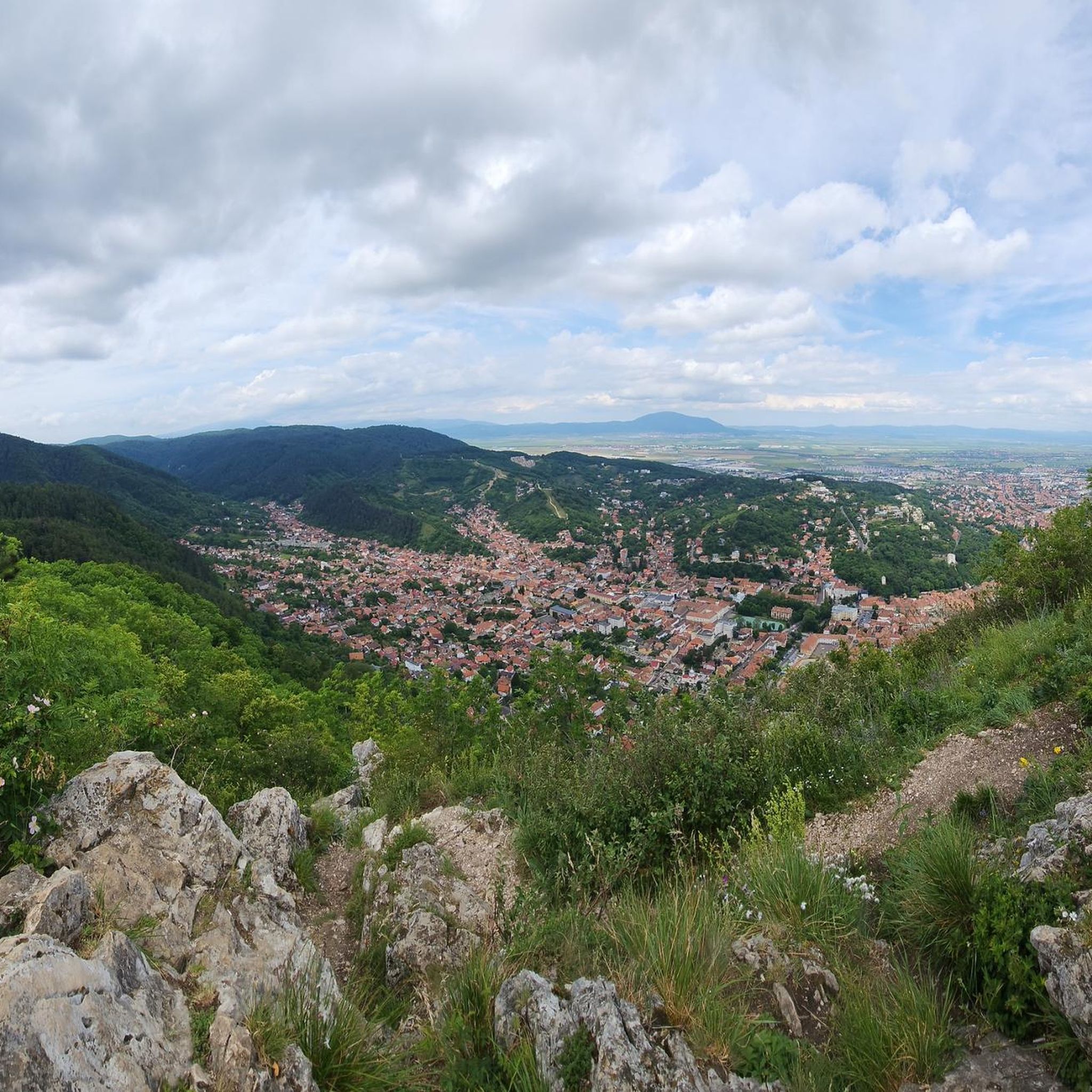
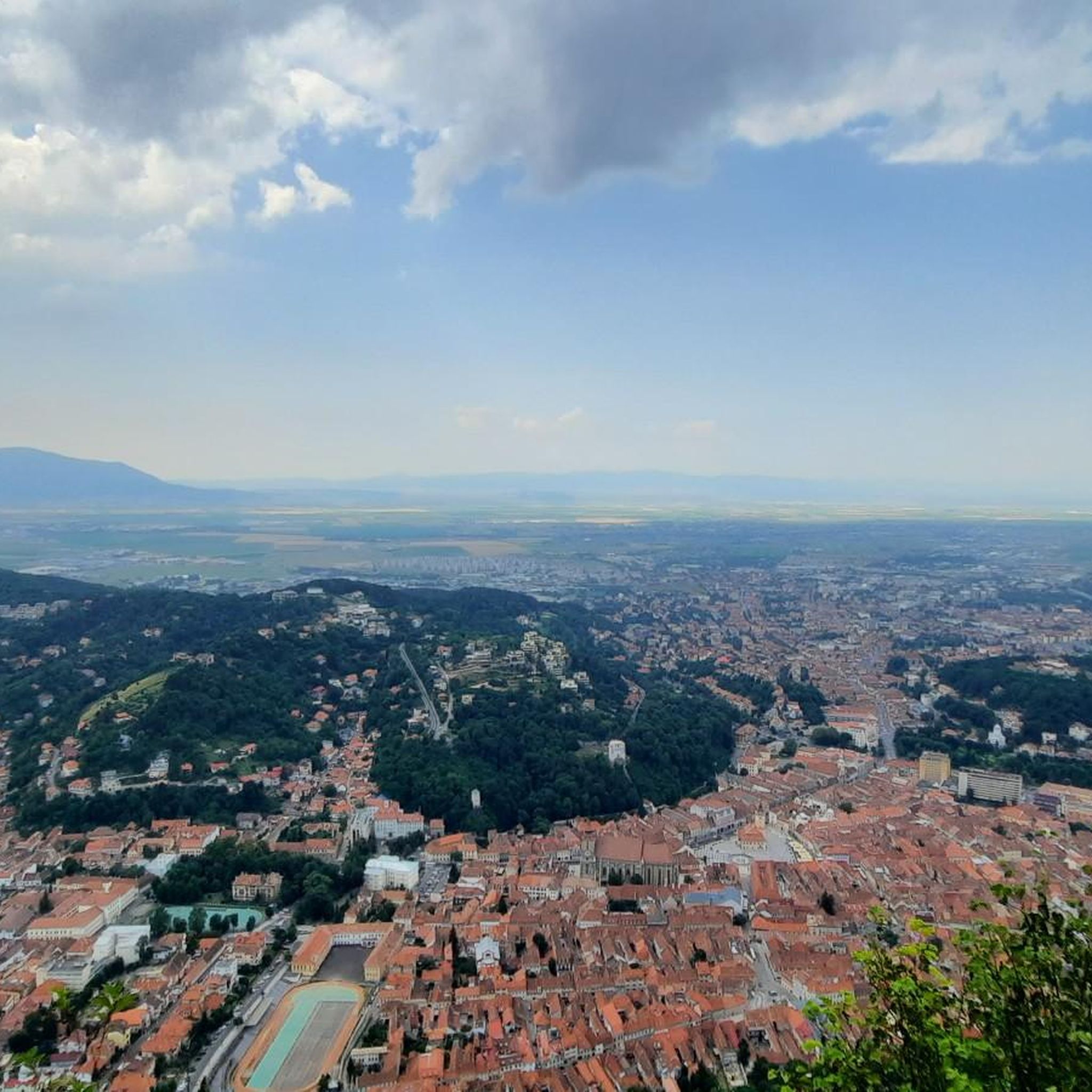
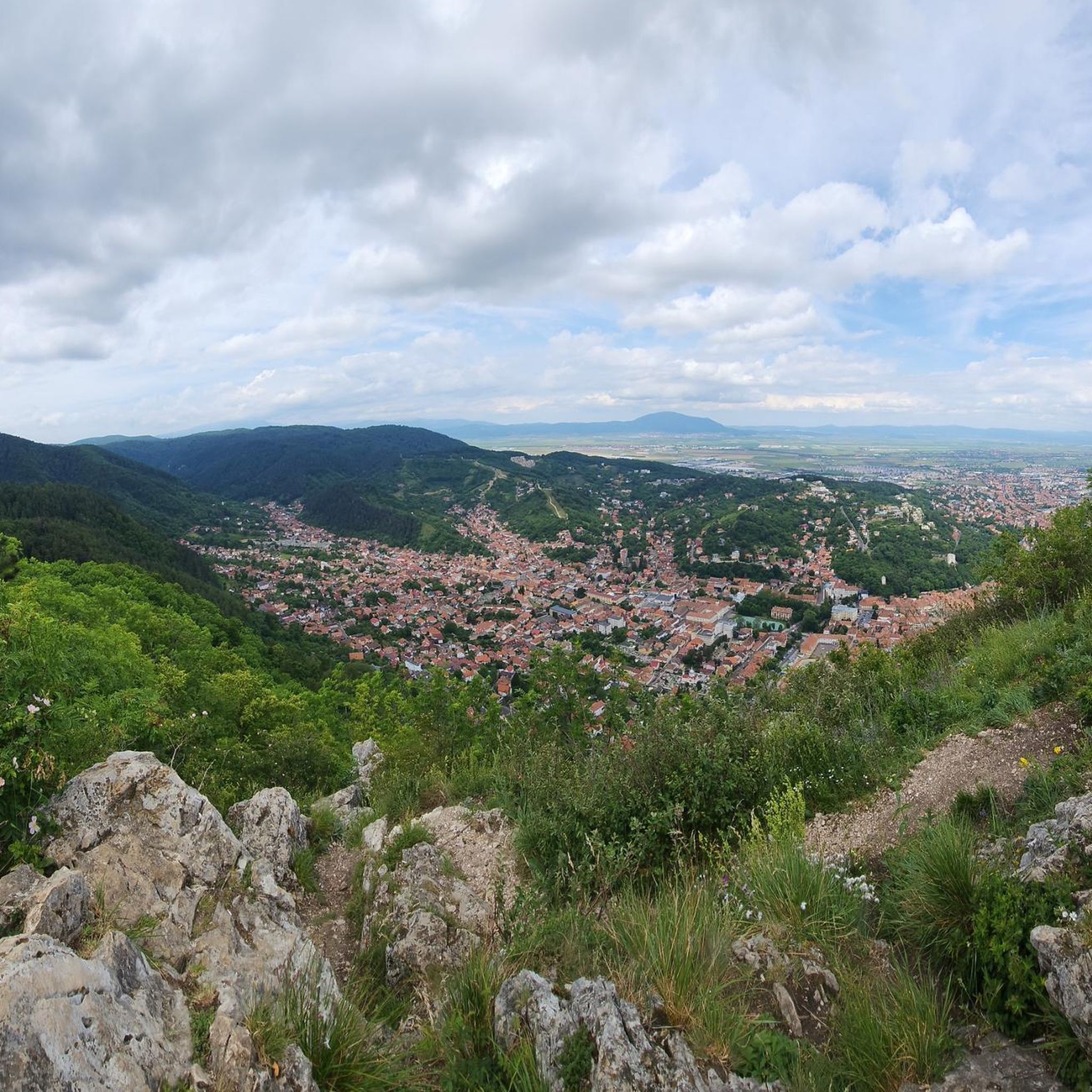
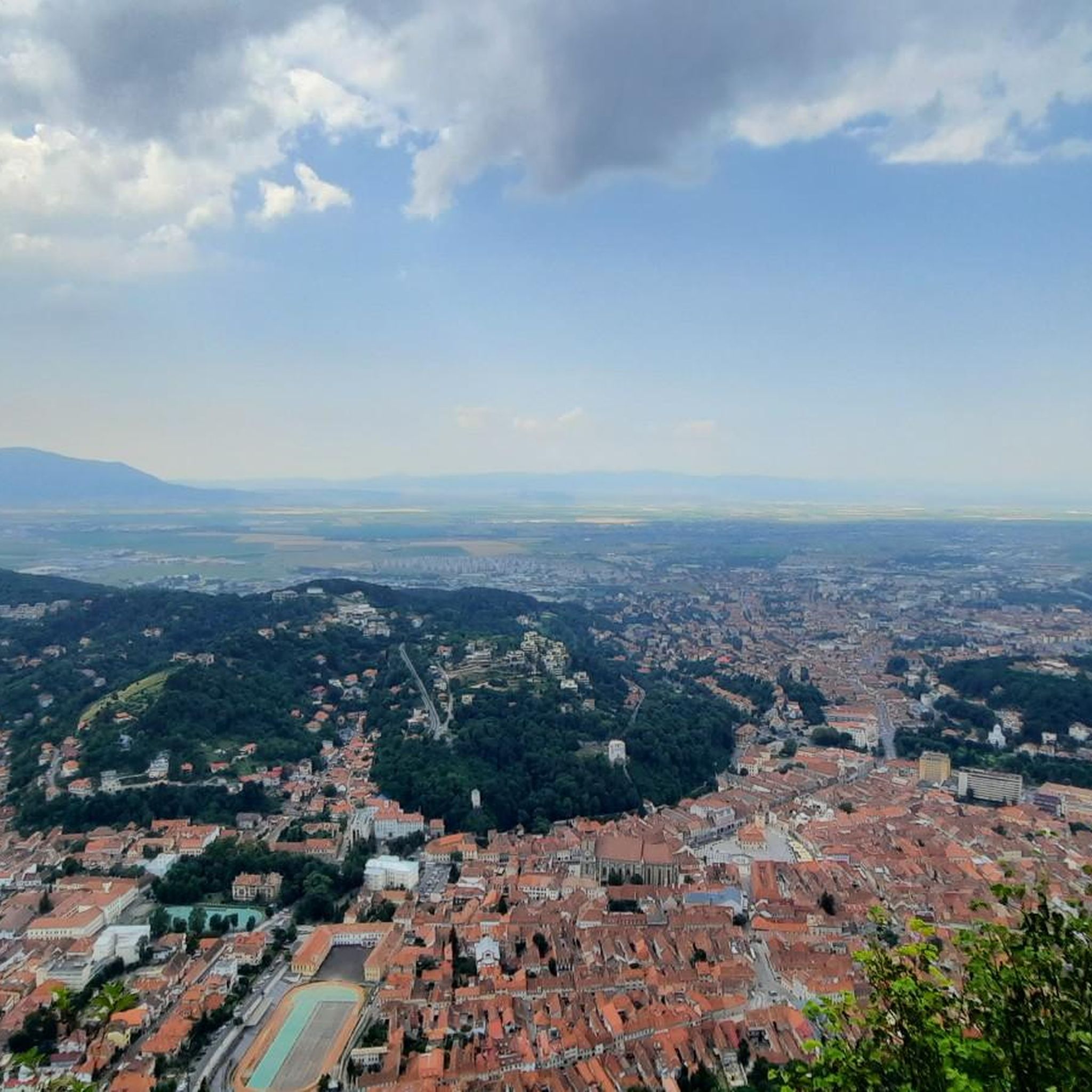
Hiking in Aria Protejată Muntele Tâmpa offers trails through a protected natural area rising above Brașov. This mountain, part of the Postăvarul Massif, reaches an elevation of 960 meters and is characterized by limestone formations and dense forests. The region provides panoramic views of Brașov and the surrounding Burzenland from its summit. A significant portion of the mountain is a nature reserve, preserving diverse flora and fauna.
Best hiking trails in Aria Protejată Muntele Tâmpa
- The most popular hiking route…
Last updated: August 29, 2026
4.5
(13)
60
hikers
11.0km
03:42
570m
570m
Moderate hike. Good fitness required. Easily-accessible paths. Suitable for all skill levels.
3.6
(5)
54
hikers
5.95km
01:34
50m
50m
Easy hike. Great for any fitness level. Easily-accessible paths. Suitable for all skill levels.

Sign up for free
5.0
(4)
23
hikers
24.0km
07:53
1,060m
1,060m
Hard hike. Very good fitness required. Easily-accessible paths. Suitable for all skill levels.
5.0
(8)
62
hikers
7.51km
02:02
110m
110m
Moderate hike. Good fitness required. Easily-accessible paths. Suitable for all skill levels.
5.0
(1)
12
hikers
17.2km
05:55
900m
890m
Hard hike. Very good fitness required. Easily-accessible paths. Suitable for all skill levels.
Get access to more routes and recommendations from other explorers.
Sign up for free
Already have an account?
Our route recommendations are based on thousands of hikes, rides, and runs completed by other people on komoot.
Start today with a free account
Your next adventure awaits.
Login or Signup
Tips from the Community

The heart of Brașov is the Old Town (Cetatea), which is surrounded by a completely preserved city wall with eight towers and seven bastions. The narrow alleys, cobblestone streets, and colorful houses from the 16th to 18th centuries give the city a fairytale charm. Particularly worth seeing is the Great Square (Piața Sfatului), the central square of the city, which is lined with patrician burgher houses and the Old Town Hall. The famous Christmas market, one of the most beautiful in Eastern Europe, also takes place here.
0
0
Piața Sfatului (German: Marktplatz or Ratplatz) in Brașov is the vibrant heart of the city and one of Romania's most beautiful and historic squares. Nestled between colorful burgher houses, the Black Church, and the Old Town Hall, it has been the heart of Brașov since the Middle Ages – a place of trade, festivals, and social life. Today, it is a meeting point for locals and tourists, captivating with its historical atmosphere, lively cafés, and cultural events. Piața Sfatului originated in the 14th century and quickly developed into the most important trading center of Transylvania. Saxon merchants, Hungarian traders, and Romanian farmers met here to exchange goods such as wool, leather, salt, and spices. The square was not only an economic center but also a place of power: the city council (Sfatul) met here, deciding the fate of the city, and laws were proclaimed and judgments were passed here.
0
0

The Johann Kessler Fountain on the Town Hall Square in the heart of Brașov impresses with its intricate details, reflecting the craftsmanship of its time. Equipped with eight drinking water dispensers, the fountain is dedicated to the Transylvanian writer Johann Samuel Keßler (1771 to 1796).
4
0
The Black Tower is one of the four watchtowers of the Brașov Citadel, built as an independent fortress outside the citadel walls. The tower, a good eleven meters high, stands not far from the Blacksmiths' Bastion on a rock on the Warta Hill. Its walls are two meters thick at the base and have six loopholes on each side. In the past, the tower was connected to the citadel by a movable bridge leading down to the Blacksmiths' Bastion (Graft Bastion). The tower was built in the 15th century, at the same time as the White Tower. Its first documented mention dates back to 1541. The original roof is no longer preserved, having been destroyed by lightning in 1559 and by fire in 1689. The fire blackened the walls of the tower, giving it its current name. It was destroyed again by lightning in 1696, but was rebuilt.
6
0
Next to the Black Church stands the statue of Johannes Honterus, a work by the Berlin sculptor Haro Magnussen, which was unveiled on August 21, 1898. The bronze bas-reliefs on the pedestal depict the humanist in his printing shop, where the first prints were made in 1539, and administering communion to a sick person. Born in 1498, Honterus was a Transylvanian-Saxon humanist scholar, religious reformer, and founder of the Saxon Gymnasium in Kronstadt. He died in 1549.
10
0
The Old Town Hall, located on Town Hall Square in the historic center, is Brașov's most important secular monument. The town hall was originally a watchtower, the foundations of which lay on those of the present tower. The adjacent building was constructed later, with construction work beginning on December 23, 1420. The Turkish invasion of 1421 and the resulting destruction, as well as the arrest of the city judge, delayed construction. The building was only later converted into the town hall. It was first mentioned in 1503, when it appears as the "Praetorium," the seat of the city administration. From 1950 onward, the Old Town Hall housed the Brașov State Museum, which later became the Brașov County History Museum.
15
0
The large fountain on the town hall square offers welcome refreshment in the summer.
15
0
The rectory of the Black Church, built from 1383 onward, was completed in 1477. The historic building is closely connected to the Protestant congregation and the Black Church itself. Located in the immediate vicinity of the church, it is an integral part of the ensemble that defines the townscape.
17
0
Frequently Asked Questions
How many hiking trails are available in Aria Protejată Muntele Tâmpa?
There are over 30 hiking routes recorded in Aria Protejată Muntele Tâmpa on komoot, offering diverse options for exploration. These range from easy strolls to more challenging ascents, catering to various fitness levels.
What makes hiking in Aria Protejată Muntele Tâmpa unique?
Hiking here is unique due to the stunning panoramic views of Brașov and the surrounding Burzenland from the summit. The area is also a nature reserve, protecting diverse flora and fauna, including 35% of all Romanian butterfly species. You'll also encounter the prominent 'Brașov' sign and remnants of historical sites.
Are there any easy trails suitable for beginners or casual walkers?
Yes, Aria Protejată Muntele Tâmpa offers several easy trails. For instance, the Council Square – White Tower loop from Brasov is an easy 3.7-mile (6.0 km) path that explores historical landmarks near the city center. Many of the paths, like the 'Serpentine Road', are generally considered to have low difficulty.
What are the main landmarks or viewpoints to look out for on the trails?
The most prominent landmark is the 'Brașov' sign, visible from many points on the mountain. From the summit, you can enjoy breathtaking panoramic views of Brașov. Other notable points include Tâmpa Peak itself, Behind the Brașov sign, and the Tâmpa Saddle.
Is Muntele Tâmpa suitable for family hikes with children?
Yes, Muntele Tâmpa is generally family-friendly. Many trails, including the well-marked 'Serpentine Road', have low difficulty levels, making them suitable for children. The cable car also offers an easy way to reach the summit for those who prefer a less strenuous ascent.
Can I bring my dog on the hiking trails?
While the region is a nature reserve, dogs are generally permitted on trails in Aria Protejată Muntele Tâmpa. However, it's always recommended to keep your dog on a leash to protect the local wildlife and ensure a pleasant experience for all hikers.
What is the best time of year to visit Aria Protejată Muntele Tâmpa for hiking?
The best time to visit is typically from spring to autumn (April to October) when the weather is mild and the trails are clear. During these months, you can fully appreciate the lush forests and panoramic views. Winter hiking is possible but may require appropriate gear due to snow and ice.
Are there any circular hiking routes available?
Yes, many of the trails in Aria Protejată Muntele Tâmpa are designed as loops. A popular option is the Tâmpa Peak – Behind the Brașov sign loop from Brasov, which is 6.9 miles (11.0 km) long and offers extensive city views.
How long does it typically take to hike to the summit of Muntele Tâmpa?
An ascent to the summit of Muntele Tâmpa typically takes about 1.5 hours, with the descent around an hour, depending on your pace and the specific trail chosen. For example, the 'Serpentine Road' is 2.7 kilometers long.
What are the parking options for accessing the Muntele Tâmpa trails?
Parking is available near the base of the mountain, particularly close to the cable car station (Casa Pădurarului restaurant). As it's a popular area, it's advisable to arrive early, especially on weekends, to secure a spot.
How can I reach Muntele Tâmpa using public transport?
Muntele Tâmpa is highly accessible from Brașov city center. Local public transport, such as buses, can take you to the base of the mountain, near the cable car station, from where various trails begin.
Are there any cafes or restaurants near the trails?
Yes, there are amenities available. At the base of the mountain, near the cable car station, you'll find Casa Pădurarului restaurant. There's also Restaurantul Panoramic located on the crest, accessible via the cable car or by hiking, offering refreshments with a view.
What kind of wildlife can I expect to see in Aria Protejată Muntele Tâmpa?
As a nature reserve, Muntele Tâmpa is home to diverse wildlife. You might spot various bird species, and it's particularly known for its butterflies, hosting a remarkable 35% of all Romanian butterfly species. Bears are also present in the wider region, though sightings on the main hiking paths are less common.
What do other hikers enjoy most about hiking in Aria Protejată Muntele Tâmpa?
The area is highly rated by the komoot community, with an average score of 4.6 stars from over 300 reviews. Reviewers often praise the stunning panoramic views of Brașov, the well-maintained and accessible trails, and the overall natural beauty and tranquility so close to the city.
Most popular routes in Aria Protejată Muntele Tâmpa
Most popular attractions in Aria Protejată Muntele Tâmpa

Get inspired with the komoot mobile app


Explore more
Browse the best Hikes in other regions.
