The best walks and hikes in Атанасовско Езеро
4.3
(15)
372
hikers
25
hikes
Hiking in Атанасовско Езеро offers routes through a unique wetland environment, characterized by the shallow, hypersaline lake itself, adjacent salt pans, and coastal areas near Burgas. The terrain is generally flat, providing accessible paths suitable for various activity levels. This region is a significant natural reserve, known for its birdlife and distinctive landscape features like mud baths and historical bunkers along the coast.
Best hiking trails in Атанасовско Езеро
- The most popular hiking route is Chapel of St. George loop…
Last updated: August 18, 2026
6
hikers
6.43km
01:38
20m
20m
Easy hike. Great for any fitness level. Easily-accessible paths. Suitable for all skill levels.
5.0
(2)
21
hikers
Moderate hike. Good fitness required. Easily-accessible paths. Suitable for all skill levels.

Sign up for free
5.0
(2)
52
hikers
7.81km
02:03
70m
70m
Moderate hike. Good fitness required. Easily-accessible paths. Suitable for all skill levels.
40
hikers
Easy hike. Great for any fitness level. Easily-accessible paths. Suitable for all skill levels.
22
hikers
6.37km
01:37
20m
20m
Easy hike. Great for any fitness level. Easily-accessible paths. Suitable for all skill levels.
Get access to more routes and recommendations from other explorers.
Sign up for free
Already have an account?
Our route recommendations are based on thousands of hikes, rides, and runs completed by other people on komoot.
Start today with a free account
Your next adventure awaits.
Login or Signup
Popular around Атанасовско Езеро
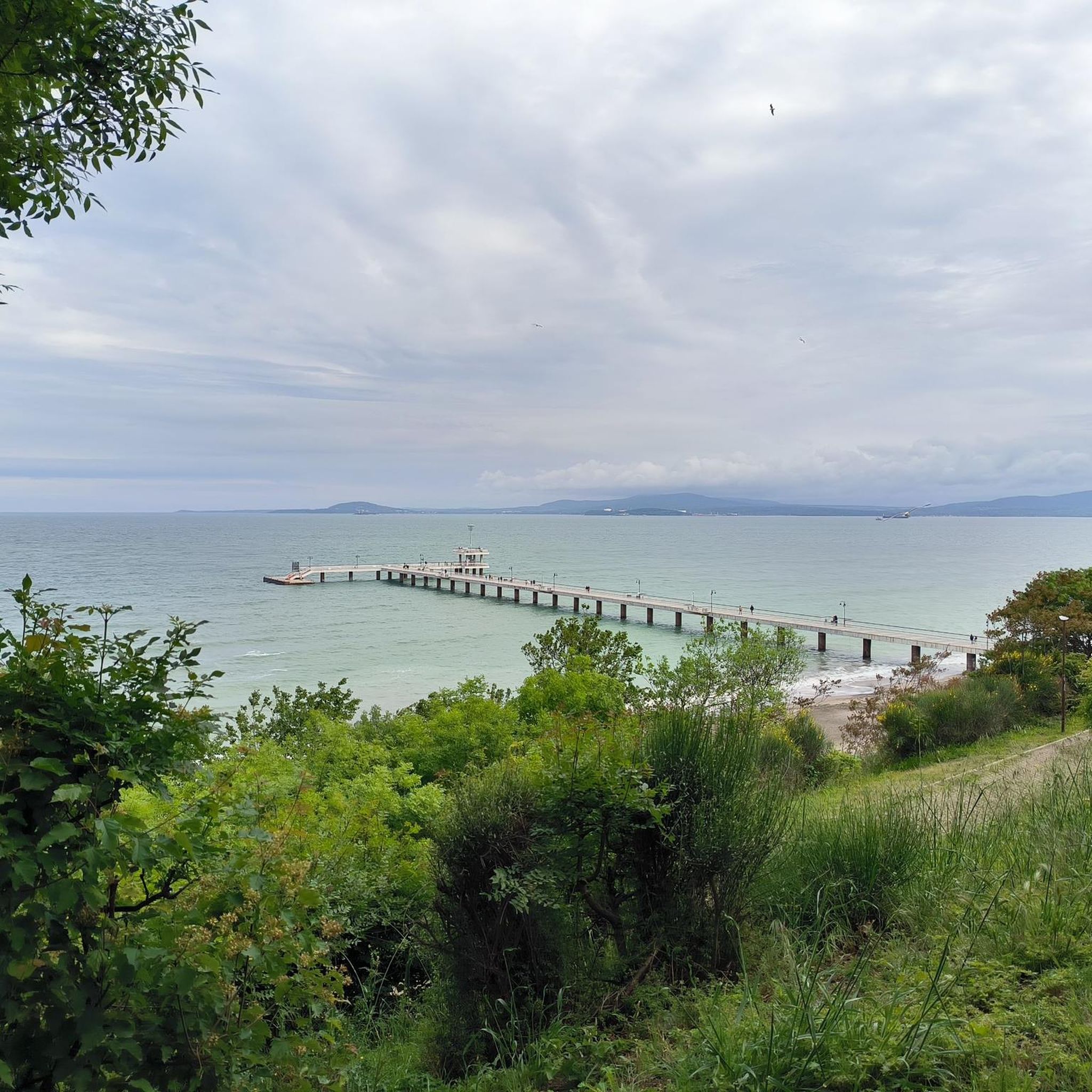
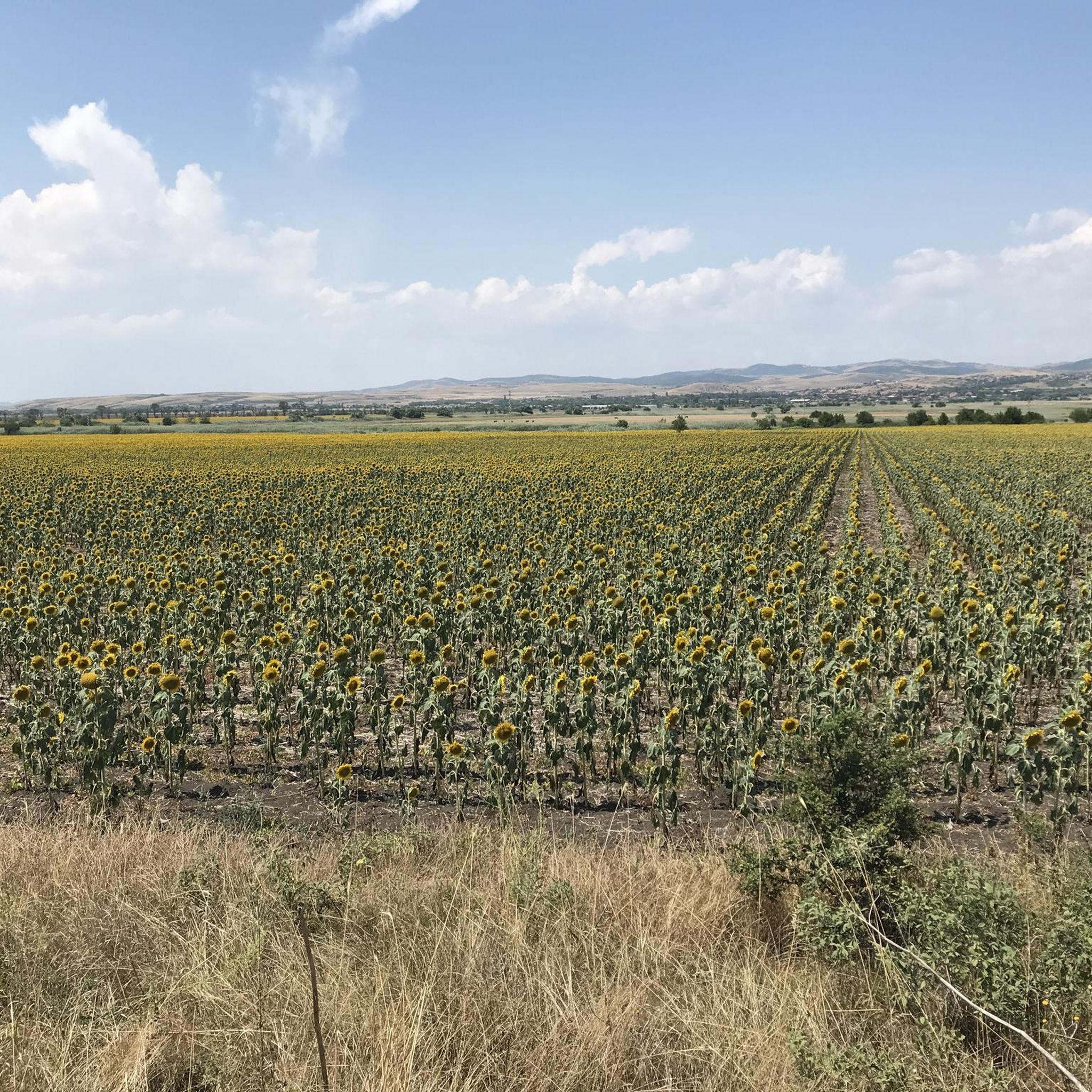
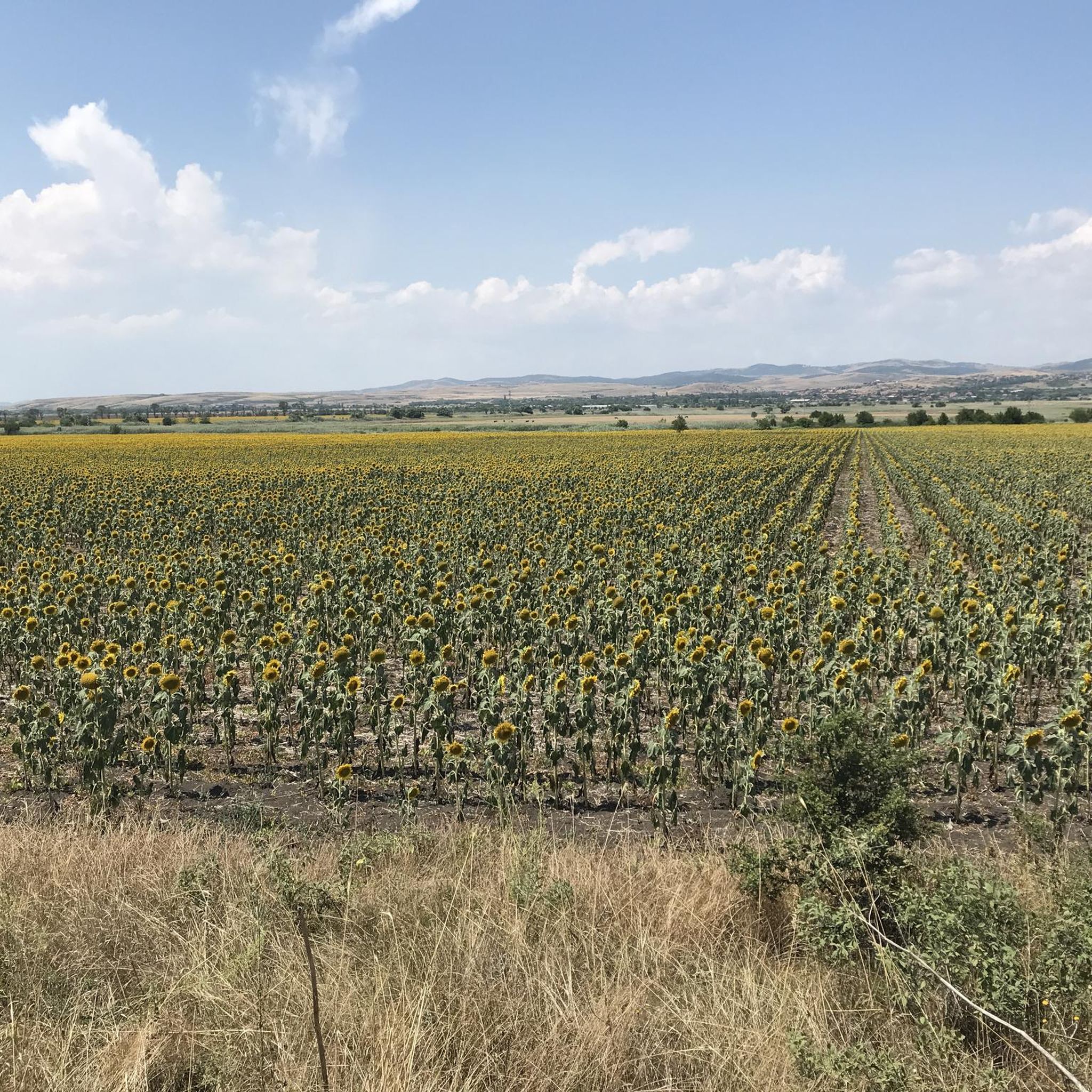
Tips from the Community

Massages are also offered on the premises near the lye pools.
0
0
BREY AND HEALING MUD Blye is a product of salt harvesting (salt extraction) and contains only inorganic substances – sodium chloride, magnesium, potassium, sulfur, etc. It is obtained after evaporation and concentration of salts in the lake water during the salt extraction process. Black Sea brine has proven medicinal properties – it is used in the treatment and prevention of diseases related to the musculoskeletal system, skin inflammations and wounds, varicose veins, and colds. It is recommended for osteoarthritis, arthritis, tendonitis, discopathy, joint dislocation, and sciatica. It is best not to sit in the brine for more than 20-30 minutes to avoid overloading the heart. It is not recommended for the treatment of skin diseases or for cosmetic purposes. It is contraindicated for the epidermis and subcutaneous tissue. Healing mud is a sedimentary product of the closed salt lake. It is clean and homogeneous, dark gray to black in color and has the odor of hydrogen sulfide from the numerous putrefactive microorganisms. It contains inorganic compounds such as silicates, sand, gypsum, iron and aluminum compounds, various hydroxides, and salts. This composition has been formed for thousands of years by the putrefaction of single-celled organisms, algae, fish, crabs, and mussels. One centimeter of healing mud is formed over a period of at least one year. The essence of the healing mud treatment is a complex effect on the entire peripheral nervous system. Its thermal properties dilate blood vessels and open new capillaries. This reduces swelling and pain, heals and injures scars, and improves metabolic and regenerative processes. In addition to healing, the mud beautifies and rejuvenates, as calcium, iodine, phosphorus, and other minerals pass through the skin. It treats almost the entire spectrum of skin diseases, arthritis, herniated discs, gynecological problems, and plexitis. It is only contraindicated in cases of tuberculosis, sexually transmitted diseases, and malignant diseases. Apply the healing mud to all or part of the body and let it dry in the sun. Do not apply the mud to the heart area. You can apply it to the face, but it is not recommended to apply it to the entire head. Once the mud has dried on the skin, wash it off with seawater.
1
0
BREY AND THERAPY MUD Blye is a product of salt harvesting (salt extraction) and contains only inorganic substances – sodium chloride, magnesium, potassium, sulfur, etc. It is obtained after evaporation and concentration of salts in the lake water during the salt extraction process. Black Sea brine has proven medicinal properties – it is used in the treatment and prevention of diseases related to the musculoskeletal system, skin inflammations and wounds, varicose veins, and colds. It is recommended for osteoarthritis, arthritis, tendonitis, discopathy, joint dislocation, and sciatica. It is best not to sit in the brine for more than 20-30 minutes to avoid overloading the heart. It is not recommended for the treatment of skin diseases or for cosmetic purposes. It is contraindicated for the epidermis and subcutaneous tissue. Therapeutic mud is a sedimentary product of the closed salt lake. It is clean and homogeneous, dark gray to black in color and has the odor of hydrogen sulfide from the numerous putrefactive microorganisms. It contains inorganic compounds such as silicates, sand, gypsum, iron and aluminum compounds, various hydroxides, and salts. This composition has been formed for thousands of years by the putrefaction of single-celled organisms, algae, fish, crabs, and mussels. One centimeter of healing mud is formed over a period of at least one year. The essence of the healing mud treatment is a complex effect on the entire peripheral nervous system. Its thermal properties dilate blood vessels and open new capillaries. This reduces swelling and pain, heals and injures scars, and improves metabolic and regenerative processes. In addition to healing, the mud beautifies and rejuvenates, as calcium, iodine, phosphorus, and other minerals pass through the skin. It treats almost the entire spectrum of skin diseases, arthritis, herniated discs, gynecological problems, and plexitis. It is only contraindicated in cases of tuberculosis, sexually transmitted diseases, and malignant diseases. Apply the healing mud to all or part of the body and let it dry in the sun. Do not apply the mud to the heart area. You can apply it to the face, but it is not recommended to apply it to the entire head. Once the mud has dried on the skin, wash it off with seawater.
1
0

Here you can float on the salt lakes for 20-30 minutes.
3
0

The old bunker since WWII painted by children for peace.
0
0
The Pantheon in the Seaside Park is one of the symbolic monuments of Burgas. It was built in 1981 as a monument commemorating the perished antifascists. Until the political changes in 1989 there was an “eternal fire” burning in its central part and the building was guarded by military men who kept a non-stop guard. The sculptor Valentin Starchev designed the monument and the construction was planned by architect Vladimir Milkov. Today the Pantheon is mostly known as a meeting place and an assembly point for most graduates during the May proms.
0
0
Frequently Asked Questions
How many hiking trails are available in Атанасовско Езеро?
There are over 25 hiking routes in Атанасовско Езеро, offering a variety of experiences through its unique wetland environment, salt pans, and coastal areas. These routes range from easy strolls to more moderate, longer excursions.
Are there easy hiking trails suitable for beginners in Атанасовско Езеро?
Yes, Атанасовско Езеро is well-suited for beginners, with 17 easy routes available. The terrain is generally flat, making it accessible. An excellent option is the Chapel of St. George loop from Lake Atanasovsko, an easy 3.8-mile (6.2 km) trail.
Can I find family-friendly hiking options around Атанасовско Езеро?
Absolutely. Many of the easy trails are ideal for families, given the flat terrain and relatively short distances. These routes provide a great opportunity to explore the unique nature and birdlife of the lake without strenuous climbs.
Are dogs allowed on the hiking trails in Атанасовско Езеро?
As Атанасовско Езеро is a protected natural reserve, it's generally recommended to keep dogs on a leash to protect the local wildlife, especially the numerous bird species. Always ensure your dog is under control and respect any specific signage regarding pets.
What kind of wildlife can I expect to see while hiking?
Атанасовско Езеро is a significant birdwatching destination. You can expect to see a wide variety of bird species, including flamingos, pelicans, and various waders, especially during migration seasons. The unique hypersaline environment also supports specific plant and insect life.
Are there circular hiking routes in Атанасовско Езеро?
Yes, many of the trails in Атанасовско Езеро are designed as loops, allowing you to start and end at the same point. Examples include the Chapel of St. George loop from Lake Atanasovsko and the Kilometer Zero Burgas – Burgas Bridge loop from Burgas.
What are some interesting landmarks or points of interest along the trails?
Along the trails, you can discover unique features like the historical 'Painted Bunkers' near Aheloy Beach, the traditional salt pans of Burgas, and areas known for therapeutic mud baths. The Painted Bunker at Aheloy Beach – Burgas Salt Pans & Mud Baths loop from Burgas Airport specifically highlights these.
What is the best time of year to hike in Атанасовско Езеро?
The best time to hike is typically during spring (April-May) and autumn (September-October) when temperatures are mild and bird migration is at its peak, offering spectacular wildlife viewing opportunities. Summer can be hot, while winter offers a different, quieter experience, though some facilities might be limited.
Are there opportunities for wild swimming or mud baths after a hike?
While the hypersaline nature of Lake Atanasovsko isn't ideal for traditional swimming, the area is famous for its therapeutic mud baths. These natural mud pools are a popular local attraction for their health benefits and can be a unique way to relax after a hike.
How can I reach the hiking trails using public transport?
Many trails start near Burgas or Burgas Airport, which are well-connected by local buses. You can often find routes that are accessible directly from bus stops, allowing you to explore the area without a car. Check local bus schedules for routes serving the lake's vicinity.
Is there parking available near the trailheads?
Yes, for routes starting from locations like Burgas Airport or near the city of Burgas, there are usually designated parking areas. For more remote sections of the lake, roadside parking might be available, but it's always advisable to check specific trailhead information or local regulations.
What do other hikers enjoy the most about hiking in Атанасовско Езеро?
The area is highly rated by the komoot community, with an average score of 4.4 stars. Reviewers often praise the unique landscape, the abundance of birdlife, and the flat, accessible paths that make for enjoyable and relaxing walks. The opportunity to witness flamingos is frequently highlighted as a memorable experience.

Get inspired with the komoot mobile app


Explore more
Browse the best Hikes in other regions.
