The best walks and hikes in Поморийско Езеро
4.6
(77)
1,089
hikers
23
hikes
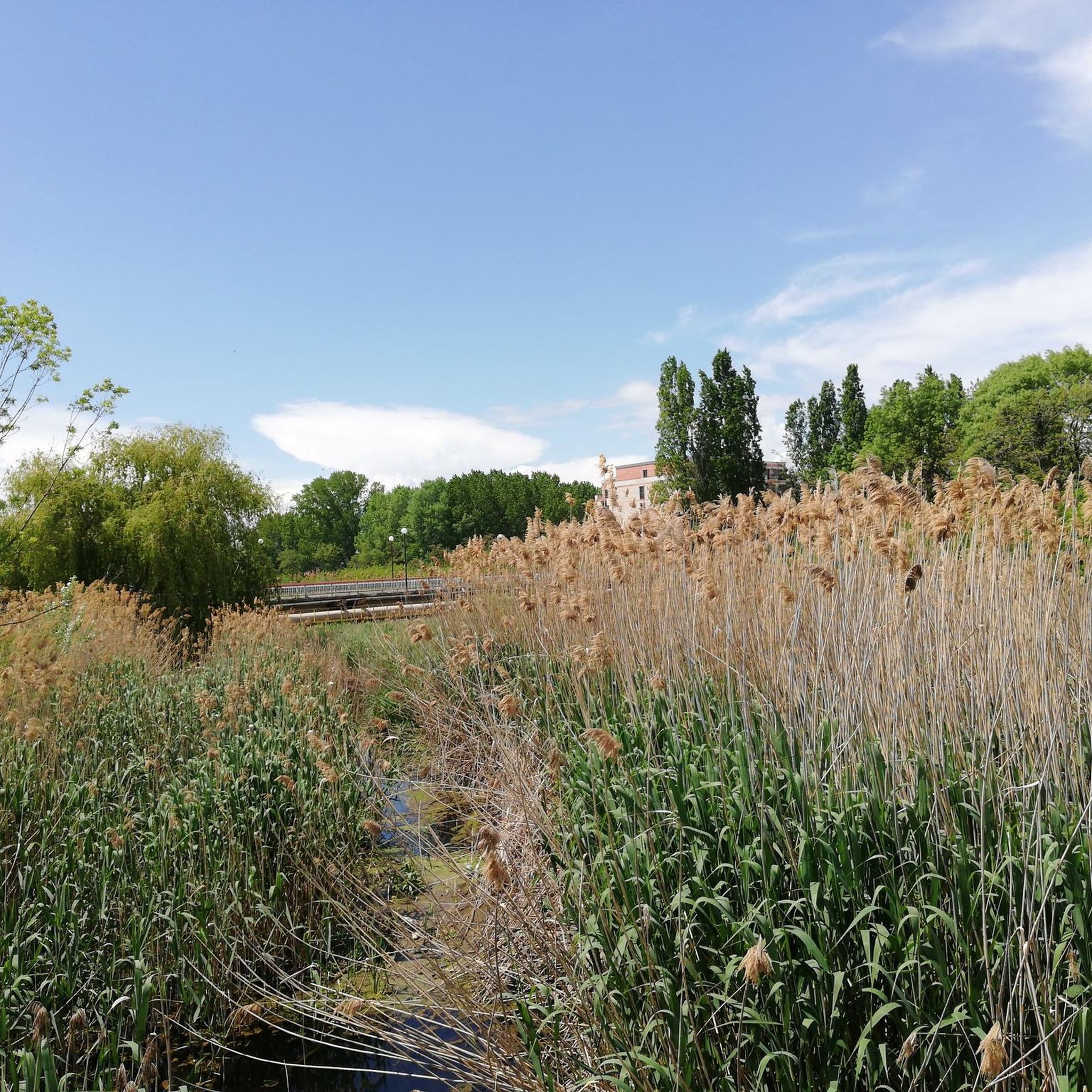
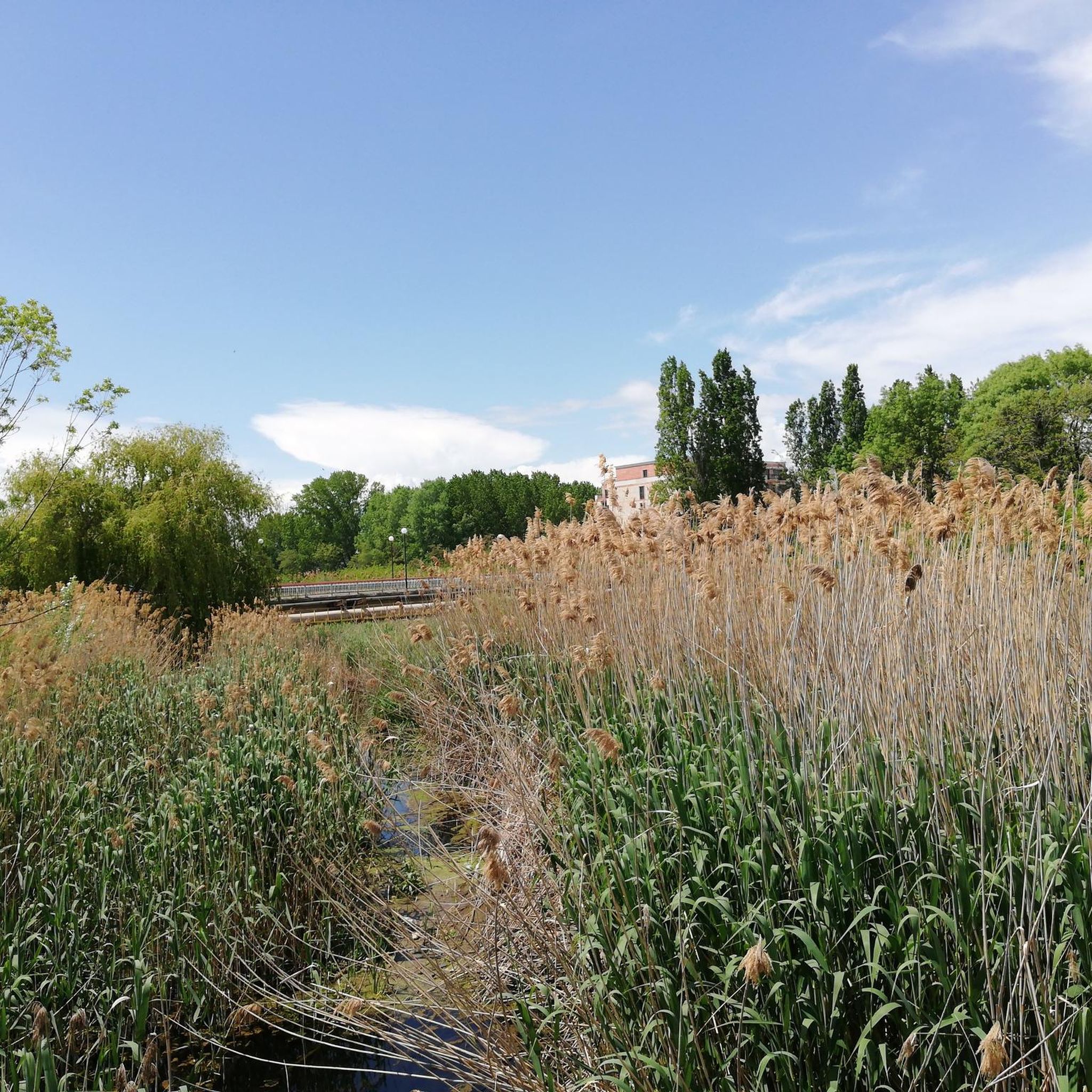
Hiking trails in Поморийско Езеро traverse a unique ultrasaline natural lagoon, separated from the Black Sea by a narrow sand spit and an artificial dike. The landscape features shallow, salty waters, sand dunes with specific vegetation, and "black" sand rich in iron oxides. This area is a significant wetland on the Via Pontica bird migration route, providing habitat for numerous bird species. The terrain is generally flat, offering accessible paths for exploring its distinct natural features.
Best hiking trails in…
Last updated: August 18, 2026
4.0
(1)
9
hikers
18.3km
04:37
20m
20m
Moderate hike. Good fitness required. Easily-accessible paths. Suitable for all skill levels.
4.4
(7)
87
hikers
7.67km
02:01
60m
60m
Moderate hike. Good fitness required. Easily-accessible paths. Suitable for all skill levels.

Sign up for free
4.6
(5)
53
hikers
10.4km
02:44
100m
100m
Moderate hike. Good fitness required. Easily-accessible paths. Suitable for all skill levels.
4.5
(4)
25
hikers
4.87km
01:17
40m
40m
Easy hike. Great for any fitness level. Easily-accessible paths. Suitable for all skill levels.
43
hikers
Easy hike. Great for any fitness level. Easily-accessible paths. Suitable for all skill levels.
Get access to more routes and recommendations from other explorers.
Sign up for free
Already have an account?
Our route recommendations are based on thousands of hikes, rides, and runs completed by other people on komoot.
Start today with a free account
Your next adventure awaits.
Login or Signup
Popular around Поморийско Езеро
Tips from the Community

The windmill was built during the Bulgarian Renaissance. Its foundations are made from the stones of a Byzantine church. The mill itself is built of hard, dark wood and has three floors. On the first floor, the flour was stored, on the second, which had a small balcony, the miller's family lived, and on the 3rd floor was the mill's mechanics, which drove the millstones. Thanks to the strong winds from the sea, the mill ran almost around the clock.
0
0
The windmill is one of the city's landmarks. It was built during the Bulgarian Renaissance. Its foundations are made of stones from a Byzantine church. The mill itself is made of hard, dark wood and has three floors. On the first floor, the flour was stored, on the second, with a small balcony, lived the miller's family, and on the 3rd floor was the mill's mechanics, which drove the millstones. Thanks to the strong winds from the sea, the mill ran almost around the clock.
0
0
Baptist church from the 14th century.
0
0
A variety of churches testifies to the multicultural character of the city, which changed hands several times over the centuries.
0
0

There is a bus stop right next to it. A walk around the old town of Nessebar takes around a hour.
0
0

Since 1983, the old town of Nessebar, with its fortifications, churches, and historic residential buildings, has been a UNESCO World Heritage Site. Nessebar also preserves numerous historic secular buildings, including approximately 80 buildings built during the Bulgarian National Revival in the 19th century. These houses belong to the so-called "Black Sea type." The basement was constructed of thick stone walls, while the upper floors were built of wood. The ground floor served as a storage room, wine cellar, or shelter during hot summer days. The upper floor housed the residential section. Source: https://de.m.wikipedia.org/wiki/Nessebar
1
0

If we read the legends of St. Nicholas, he is portrayed as an angel on earth, a helper in times of need, a savior in many moments. He is glorified, like many other saints. Such people don't exist anymore today, or maybe they do? Yes, there are still such people today who do good in secret. They, too, are the hidden saviors today, the helpers in times of need. I encounter such people again and again in my work, (...). Even if they wouldn't call themselves St. Nicholas, they, like the saint, are there for others. They see the need and alleviate it. So "he" still exists today – we don't need Santa Claus. Thank God! (Text: Michael Inden, Diocesan President of the KAB)
0
0

The bus to Sunny Beach costs 2 leva, payable in cash on the bus. The boat costs 15 leva. There are various tickets for the museums, e.g., 4 churches + windmill costs 13 leva, and the all-inclusive ticket costs 35 leva.
2
0
Frequently Asked Questions
What kind of terrain can I expect on hiking trails around Поморийско Езеро?
The terrain around Поморийско Езеро is generally flat, characterized by the unique ultrasaline natural lagoon, sandy spits, and an artificial dike separating it from the Black Sea. You'll find paths traversing these features, offering easy to moderate walking suitable for various fitness levels. The landscape includes shallow, salty waters, sand dunes with specific vegetation, and distinctive "black" sand rich in iron oxides.
Are there any easy hiking routes suitable for beginners or casual walkers?
Yes, Поморийско Езеро offers many easy routes. For instance, the Nessebar Old Town loop from Nesebar is an easy 4.9 km (3 miles) hike. Another great option is the Nesebar Wooden Windmill – Nessebar — Ancient City loop from Nesebar, which is 4.7 km (2.9 miles) and also rated easy. These trails are ideal for short excursions and exploring the area without significant elevation gain.
What are the main attractions or points of interest to see while hiking in Поморийско Езеро?
While hiking, you can explore the unique natural features of the ultrasaline lagoon and its diverse wildlife. Key attractions include the Visitor and Nature Protection Center, where you can observe rare bird species, and the Salt Museum, which showcases the ancient tradition of sea salt production. The area is also famous for its curative mud and lye, used for medicinal purposes.
Is Поморийско Езеро a good destination for birdwatching?
Absolutely. Поморийско Езеро is a crucial site on the Via Pontica, Europe's second-largest bird migration route. Over 270 bird species have been observed here, including four globally endangered species. It's a vital habitat for nesting, wintering, and migrating birds, and since the 2010s, it has become a significant wintering site for thousands of greater flamingos. The Visitor Center offers telescopes and binoculars for observation.
When is the best time of year to go hiking in Поморийско Езеро?
The best time for hiking and birdwatching largely depends on your interests. For general hiking and pleasant weather, spring and autumn are ideal. If you're keen on seeing the greater flamingos, winter is a spectacular time to visit, as thousands of them use the lake as a wintering site. The area's unique ecosystem offers something to see year-round.
Are there any circular hiking routes available?
Yes, many of the trails around Поморийско Езеро are designed as loops, allowing you to start and end at the same point. For example, the Bunker at Wave Resort loop from Aheloy is a moderate 18.3 km (11.4 miles) route. Another popular option is the Nessebar Old Town – Nesebar Wooden Windmill loop from Nesebar, a moderate 7.7 km (4.8 miles) path.
Can I bring my dog on the hiking trails in Поморийско Езеро?
While the region is rich in natural beauty, specific regulations regarding dogs on trails within protected areas like Поморийско Езеро can vary. It's generally advisable to keep dogs on a leash to protect the delicate ecosystem and numerous bird species, especially during nesting and migration seasons. Always check local signage for any restrictions before heading out with your pet.
Are the hiking trails in Поморийско Езеро suitable for families with children?
Yes, many of the trails are suitable for families. The generally flat terrain and easy to moderate difficulty levels make them accessible for children. Short excursions and walks along the dike or near the Visitor Center are particularly good options for family outings, offering opportunities for birdwatching and exploring the unique landscape.
What are the parking options for hikers visiting Поморийско Езеро?
Parking is generally available near key access points and attractions such as the Visitor and Nature Protection Center and the Salt Museum. In the nearby towns like Pomorie or Nesebar, you will find designated parking areas. It's recommended to check specific starting points of your chosen trail for the most convenient parking locations.
How can I reach the hiking trails around Поморийско Езеро using public transport?
Public transport options are available to reach the vicinity of Поморийско Езеро. Buses connect the nearby towns of Pomorie and Nesebar with other major settlements along the Black Sea coast. From these towns, you can often find local transport or walk to the main access points of the lake's hiking trails, including the Visitor Center area.
What do other hikers enjoy most about hiking in Поморийско Езеро?
The area is highly rated by the komoot community, with an average score of 4.6 stars from over 70 reviews. Reviewers often praise the unique natural landscape, the abundance of birdlife, and the accessible, generally flat paths that make for enjoyable walks. The combination of coastal views and the serene lagoon environment is frequently highlighted.
Are there places to eat or get refreshments near the hiking trails?
While the immediate vicinity of the lake's protected areas might have limited options, the nearby towns of Pomorie and Nesebar offer a wide range of cafes, restaurants, and shops where you can find refreshments and meals. It's a good idea to pack water and snacks, especially for longer hikes, and plan to visit the towns for a more extensive selection.

Get inspired with the komoot mobile app


Explore more
Browse the best Hikes in other regions.
