Attractions and Places To See around Osternienburger Land - Top 20
Best attractions and places to see around Osternienburger Land include a diverse range of historical landmarks, cultural sites, and expansive natural features. This largely rural municipality is situated between the cities of Aken, Dessau, Köthen, and Bernburg. The region offers opportunities for exploration in nature, with picturesque forests, lakes, and moors. It is known for its megalithic tombs, open-air art projects, and various museums.
Best attractions and places to see around Osternienburger Land
- The most popular attractions is Hunting Bridge…
Last updated: July 6, 2026
Hunting Bridge over the Mulde
Highlight • Bridge
Translated by Google •
Tip by

Barby reaction ferry (Elbe crossing)
Highlight • Bridge
stadt-barby.de/de/faehren.html
stadt-barby.de/de/3-faehren-tour/3-faehren-tour-0.html
Translated by Google •
Tip by

Sign up now to discover places like this
Get recommendations on the best single tracks, peaks, & plenty of other exciting outdoor places.
Sign up for free
Tiergarten Bridge ("Eierschneider" / "Egg Slicer"), Dessau
Highlight • Bridge
Translated by Google •
Tip by

Kornhaus Dessau
Highlight • Restaurant
Translated by Google •
Tip by

Aken Ferry on the Elbe River
Highlight (Segment) • Structure
Translated by Google •
Tip by

Sign up for free to discover even more attractions around Osternienburger Land.
Sign up for free
Already have an account?
Start today with a free account
Your next adventure awaits.
Login or Signup
Popular around Osternienburger Land
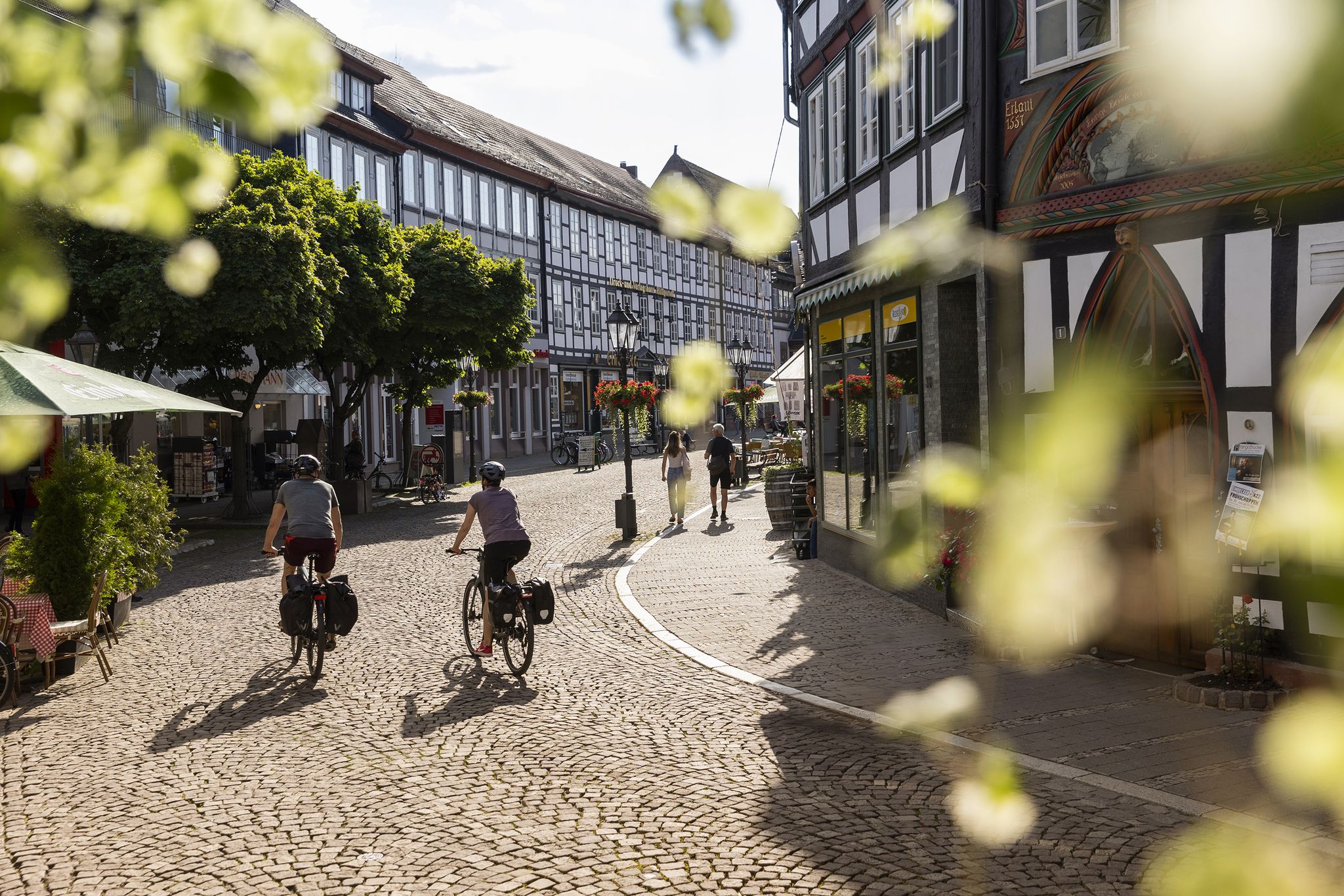
Experience cultural history on D-Route 3 – European Cycle Route R1
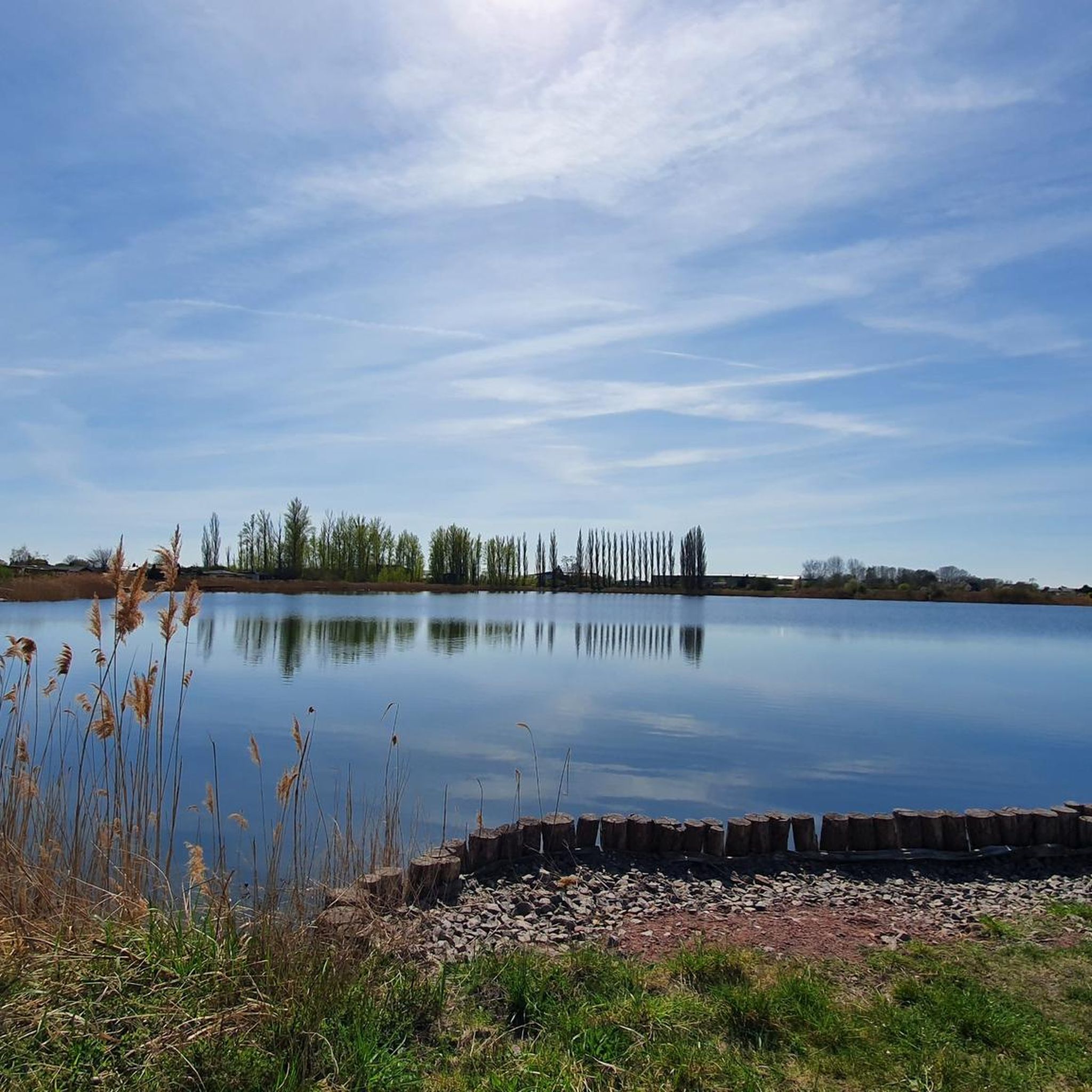
Cycling around Osternienburger Land
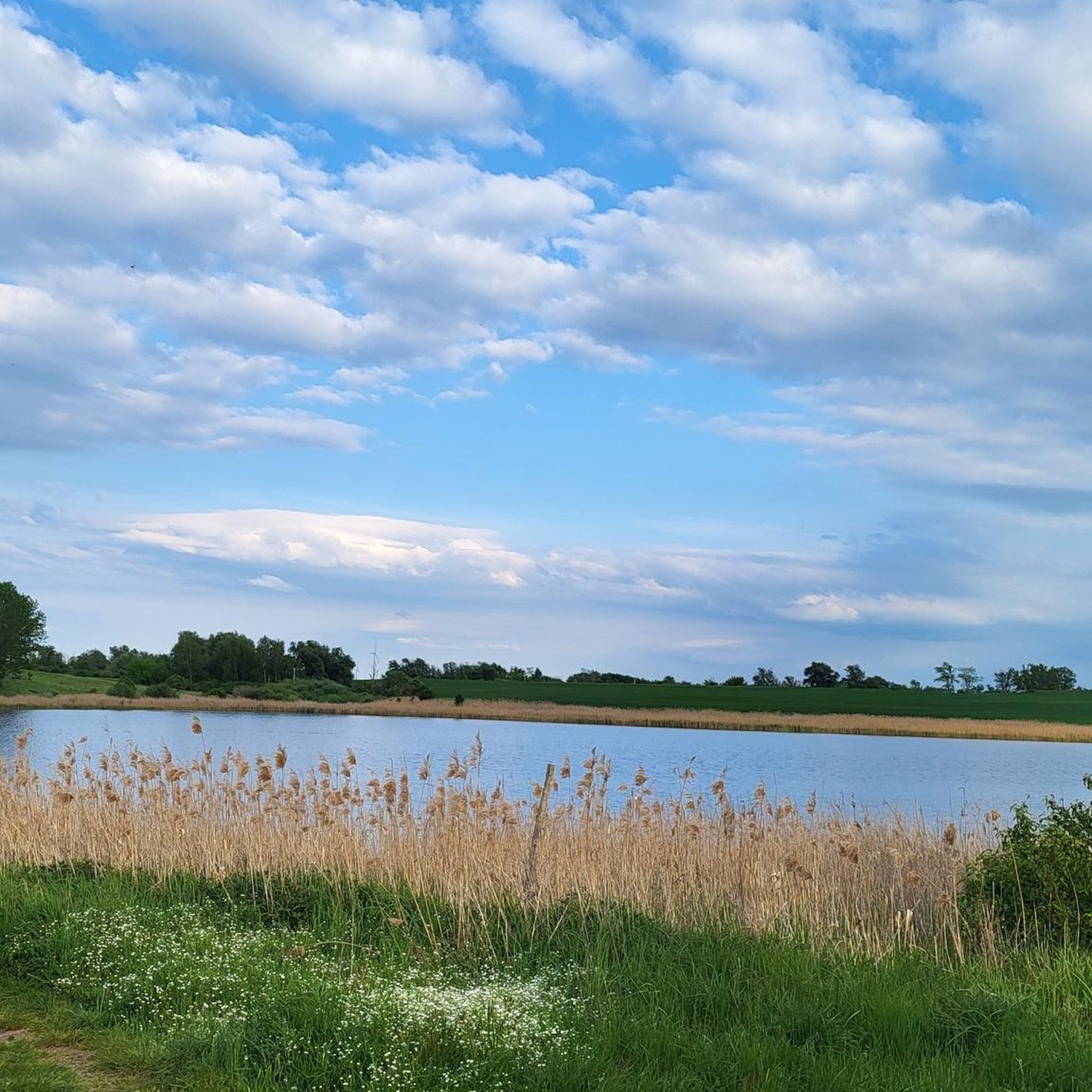
Hiking around Osternienburger Land
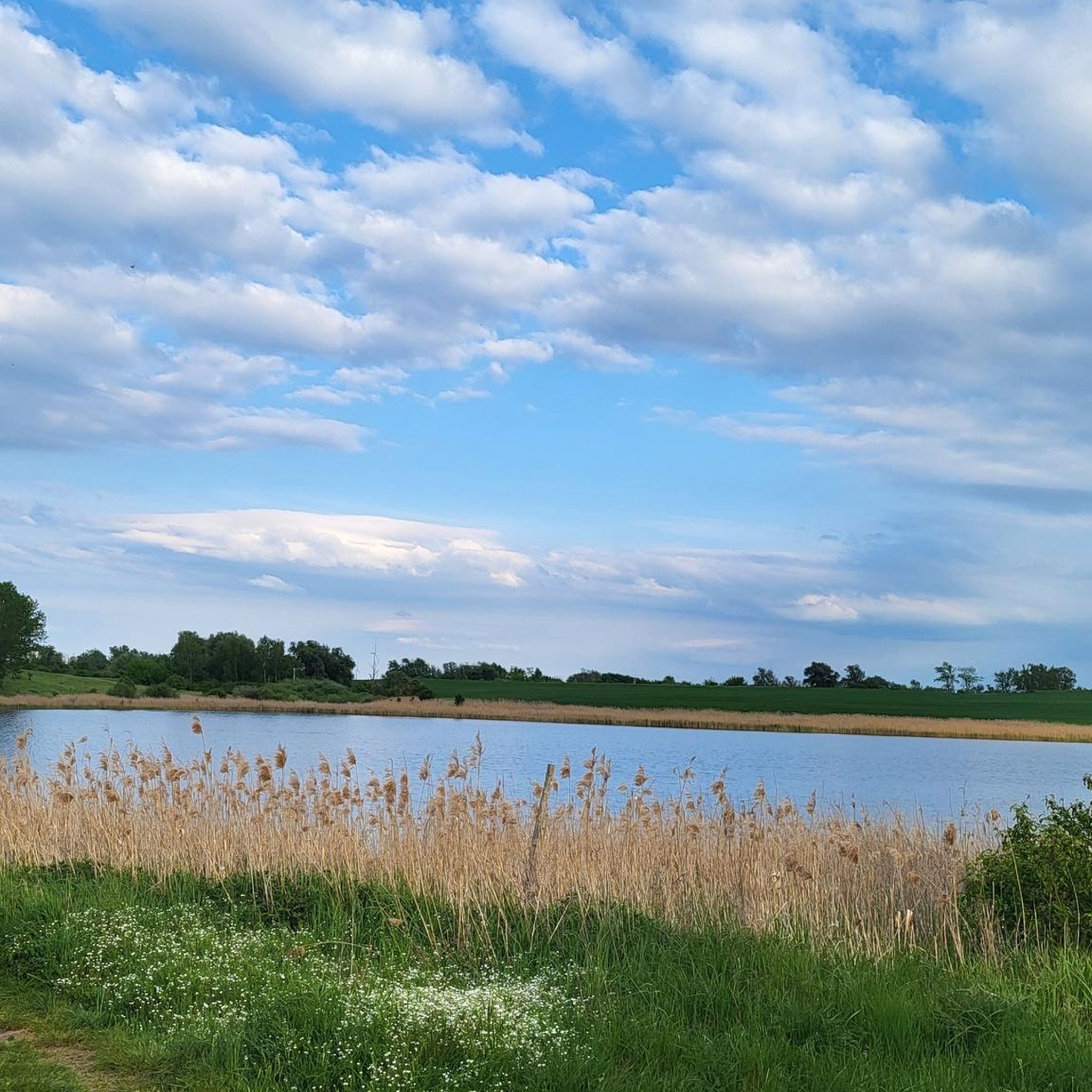
MTB Trails around Osternienburger Land
Road Cycling Routes around Osternienburger Land
Running Trails around Osternienburger Land
Gravel biking around Osternienburger Land
Other adventures around Osternienburger Land

Tips from the Community

The Elbe (Low German: Elv, Czech: Labe, Latin: Albis) is a Central European river that originates in the Czech Republic, flows through Germany, and empties into the North Sea. It drains, among other things, a large part of eastern Germany and almost all of Bohemia, which is surrounded by low mountain ranges. The most well-known rivers in its catchment area include the Vltava, the Mulde, the Saale, the Havel with the Spree, and the Elde with the Müritz. Characterized by the low mountain ranges in its upper reaches, it further follows two glacial valleys in the North German Plain. Measured by the size of its catchment area of 148,300 km², the Elbe ranks fourth in Central Europe according to the list of rivers in Europe, behind the Danube, the Vistula, and the Rhine, and followed by the Oder and the Memel.[6] Source: https://de.wikipedia.org/wiki/Elbe
4
1
Info at https://www.stadtwerke-aken.de/elbfaehre-aken.html
4
0
The Tiergarten Bridge over the Mulde
3
0
Beautiful bridge for cyclists and pedestrians.
4
0
Technical data Ferry name: Ferry Aken Type of ferry: Wagon cable ferry Year of construction: 1997 Length overall: 34.50 m Width overall: 10.10 m Loading area: 138 m² Load capacity: 42 t Maximum individual load: 25 t Fees for the Aken ferry The following fees apply to the use of the Aken ferry from January 1st, 2024 (each with driver and reduced VAT rate). Adults 1.00 euros Bicycle 2.00 euros Moped / motorcycle 2.50 euros Trailer for bicycle, moped, motorcycle 0.50 euros Motorcycle with sidecar 2.50 euros Car 3.50 euros Car trailers up to 2.50 m 1.50 euros Car trailers over 2.50 m long, caravans up to 4 m 2.00 euros Delivery vehicles and minibuses (including car registration), mobile homes, caravans over 4 m, small tractors, pickup trucks 5.00 euros Delivery vehicles (including car registration), trucks 5 t to 10 t, tractors 5 t to 10 t, buses with 10 - 20 seats 8.00 euros Buses with more than 20 seats 8.00 euros Trucks, tractors, agricultural machinery 10 t - 15 t 10.00 euros Trucks, agricultural machinery over 15 t 12.00 euros Trailers up to 5 t 4.00 euros Trailers over 5 t to 10 t 5.00 euros Trailers over 10 t to 15 t 6.00 euros Trailer over 15 t 7.50 euros Semi-trailers 12.50 euros Total occupancy of the ferry (special transport) 25.00 euros Horse-drawn carriage 5.00 euros Horse with rider 2.00 euros Severely disabled people, schoolchildren, students (ID) 50% discount Aken kindergarten and school groups including care free of charge Source https://www.stadtwerke-aken.de/elbfaehre-aken.html
5
0
Ferry operations can be maintained up to a water level of around 4.20 m. In the event of flooding or ice, the ferry stops transporting passengers. In the event of a storm or similar weather phenomena, the ferry driver also decides whether the safety of ferry customers can be guaranteed or whether ferry traffic must be interrupted. A ferry was first mentioned in a document in Aken in 1355. In order to enable an exchange of goods between both banks of the Elbe, the Elbe had to be crossed. The shortest connection from Zerbst to Bernburg and Köthen was via Aken. From the beginning, the ferry was not only used to transport people, but also primarily to transport goods. The ferry justice was in the hands of the sovereign. It was not until 1680, when Aken came to the Electorate of Brandenburg, that the ferry was leased. In 1878, when the ferry was rebuilt, the so-called Schrick ferry was converted into a yaw ferry. While previously there was staking and rowing, the ferry now hung on a strong rope, the yaw rope, which is anchored upstream and swings around an attachment point. By tilting it, the current pushes the ferry to the other side. Further new buildings were built in 1901, 1925, 1975 and 1997. The ferry, which is currently in operation, was put into service on May 28, 1997 and has a load capacity of 42 tons (largest individual load 25t). It can take up to 12 cars across the Elbe in about 5 minutes. The yaw ferry was built at the Georg Placke shipyard in Aken and is one of the most modern of its kind in Germany. On January 1, 1993, the Elbe ferry was transferred to the company Stadtwerke Aken (Elbe) by a city council resolution. Source https://www.stadtwerke-aken.de/elbfaehre-aken.html
5
0
The Aken (Elbe) ferry acts as a "floating bridge" over the Elbe, securing the connection of the federal highway B 187a between Aken (Elbe) and Steutz. It is of great importance for the supra-regional connection of the Anhalt-Bitterfeld district. The trolley cable ferry handles a large part of the commercial transport traffic. In addition, tourist use has played an increasingly important role in recent years. The Elbe cycle path leads from Aken directly via the ferry to the Steckby-Löddritzer Forst biosphere reserve. The special feature of the Aken (Elbe) ferry lies in the environmentally friendly drive, the yaw rope technology. The current of the Elbe is used. A tether attached by anchors is connected to two guide ropes. The length of the guide ropes is adjusted using winches. The resulting changed angle of attack of the ferry causes the pressure of the current to move the ferry to the other bank. If the wind or water level is unfavorable, the ferry is supported by engine power when loading. The ferry operates according to a summer and winter schedule. The use of the ferry is influenced by weather conditions. Source https://www.stadtwerke-aken.de/elbfaehre-aken.html
5
0

Architecturally a very successful bridge.
4
0
Frequently Asked Questions
What unique historical attractions can I find in Osternienburger Land?
Osternienburger Land offers several unique historical sites. You can explore the fascinating "Sachsenspiegel" Open-Air Art Project in Reppichau, dedicated to the first medieval law book. The region also features ancient Megalithic Tombs in Drosa and Wulfen, providing a glimpse into the Neolithic Age.
Where can I experience the natural beauty of Osternienburger Land?
For natural beauty, visit the "Wulfener Bruch" Nature Reserve, known for its rare animal species and picturesque forests, lakes, and moors. You can also enjoy walks around the Molkerteich, Großer Rustteich, and Kleiner Rustsee, with Molkerteich offering a small bathing area.
Are there any special cultural projects or museums to visit?
Yes, the region is home to the "Sachsenspiegel" Open-Air Art Project in Reppichau, which includes a museum and outdoor sculptures. You can also visit the Museumshof Chörau to experience life between 1930 and 1989, or explore smaller local museums like the "Wäschkestowwe" in Großpaschleben and the "Mühlenmuseum" in Reppichau.
What kind of outdoor activities can I do in Osternienburger Land?
Osternienburger Land is excellent for outdoor activities, especially hiking and cycling. You can find various routes, including sections of the R1 European Cycle Route (Luther Trail) and the Elbe Cycle Path. The "Wulfener Bruch" Nature Reserve also offers numerous hiking trails. For more ideas, check out the hiking routes around Osternienburger Land.
What do visitors particularly enjoy about the attractions in Osternienburger Land?
Visitors appreciate the diverse range of experiences, from historical sites to natural reserves. The unique yaw ferries like the Barby reaction ferry (Elbe crossing) and the Aken Ferry on the Elbe River are often highlighted for their environmentally friendly operation and scenic river crossings. The Hunting Bridge over the Mulde is also popular for its views of Mulde salmon.
Where can I find family-friendly places to visit in the region?
Many attractions in Osternienburger Land are family-friendly. The Hunting Bridge over the Mulde offers interesting views, and the Kornhaus Dessau has a restaurant with a beer garden and a playground for children. The Molkerteich also provides a small bathing area for family enjoyment.
Are there any water-related attractions or activities?
Yes, the region features several water-related attractions. You can experience the unique Barby reaction ferry (Elbe crossing) and the Aken Ferry on the Elbe River, which use the river's current for propulsion. The Molkerteich, Großer Rustteich, and Kleiner Rustsee are popular for walks, with Molkerteich offering a small bathing area. The Muldestausee bathing lake is also nearby for relaxation and water activities.
What are some notable architectural or structural landmarks?
Beyond the ferries, you can see the Hunting Bridge over the Mulde, an 82-meter-long bridge with viewing bulges. The Tiergarten Bridge ("Egg Slicer") in Dessau is a distinctive pedestrian and cycle bridge. Historic structures like the Wasserschloss Großpaschleben and the Rittergut Maxdorf also add to the region's architectural interest.
Are there any accessible attractions for visitors with mobility needs?
The Hunting Bridge over the Mulde and the Tiergarten Bridge ("Egg Slicer") in Dessau are noted as wheelchair accessible, offering opportunities for visitors with mobility needs to enjoy scenic views and pathways.
How can I explore the region's history through its cultural monuments?
The municipality has a rich list of cultural monuments across its districts, including historic buildings and memorials. You can explore sites like the Village Church of Reppichau, which is part of local hiking routes, and the Rittergut Maxdorf. For a comprehensive overview, you can consult the list of cultural monuments in Osternienburger Land.
What are the best places for a relaxing walk in nature?
For relaxing walks, the "Wulfener Bruch" Nature Reserve offers numerous trails through forests, lakes, and moors. The areas around Molkerteich and Großer Rustteich are also ideal for leisurely strolls. The elevated point of Wartenberg, between Zabitz and Kleinpaschleben, provides idyllic views towards the Zietheniederung.
Are there any specific routes for cycling enthusiasts?
Cycling enthusiasts will find plenty of options. The R1 European Cycle Route (Luther Trail) passes through the region, and the Elbe Cycle Path is highly recommended for scenic views. You can also find various routes for gravel biking and touring, such as those listed in the cycling guide for Osternienburger Land.
Most popular routes around Osternienburger Land
Most popular attractions around Osternienburger Land

Get inspired with the komoot mobile app


Explore more
Still not found the Highlight you’re looking for? See guides of the top attractions in other regions:
