Attractions and Places To See in Réserve Naturelle Des Bouches De Bonifacio - Top 20
Best attractions and places to see in Réserve Naturelle Des Bouches De Bonifacio, the largest natural reserve in Metropolitan France, span 80,000 hectares between Corsica and Sardinia. This protected area features dramatic limestone cliffs, diverse ecosystems, and significant historical sites. Visitors can explore a rich tapestry of natural beauty, from pristine beaches to ancient fortifications, offering a variety of experiences for nature lovers and history enthusiasts. The region is characterized by its unique geological formations and abundant biodiversity.
Best attractions…
Last updated: August 29, 2026
Chemin de Pertusato
Highlight • Other
Translated by Google •
Tip by

Plage Saint Antoine
Highlight • Beach
Translated by Google •
Tip by

Sign up now to discover places like this
Get recommendations on the best single tracks, peaks, & plenty of other exciting outdoor places.
Sign up for free
Cliffside Path to Bonifacio
Highlight (Segment) • Trail
Translated by Google •
Tip by

Historic rain gutters at the Citadel, Bonifacio
Highlight • Monument
Translated by Google •
Tip by

King of Aragon's Staircase
Highlight • Monument
Translated by Google •
Tip by

Sign up for free to discover even more attractions in Réserve Naturelle Des Bouches De Bonifacio.
Sign up for free
Already have an account?
Start today with a free account
Your next adventure awaits.
Login or Signup
Popular around Réserve Naturelle Des Bouches De Bonifacio
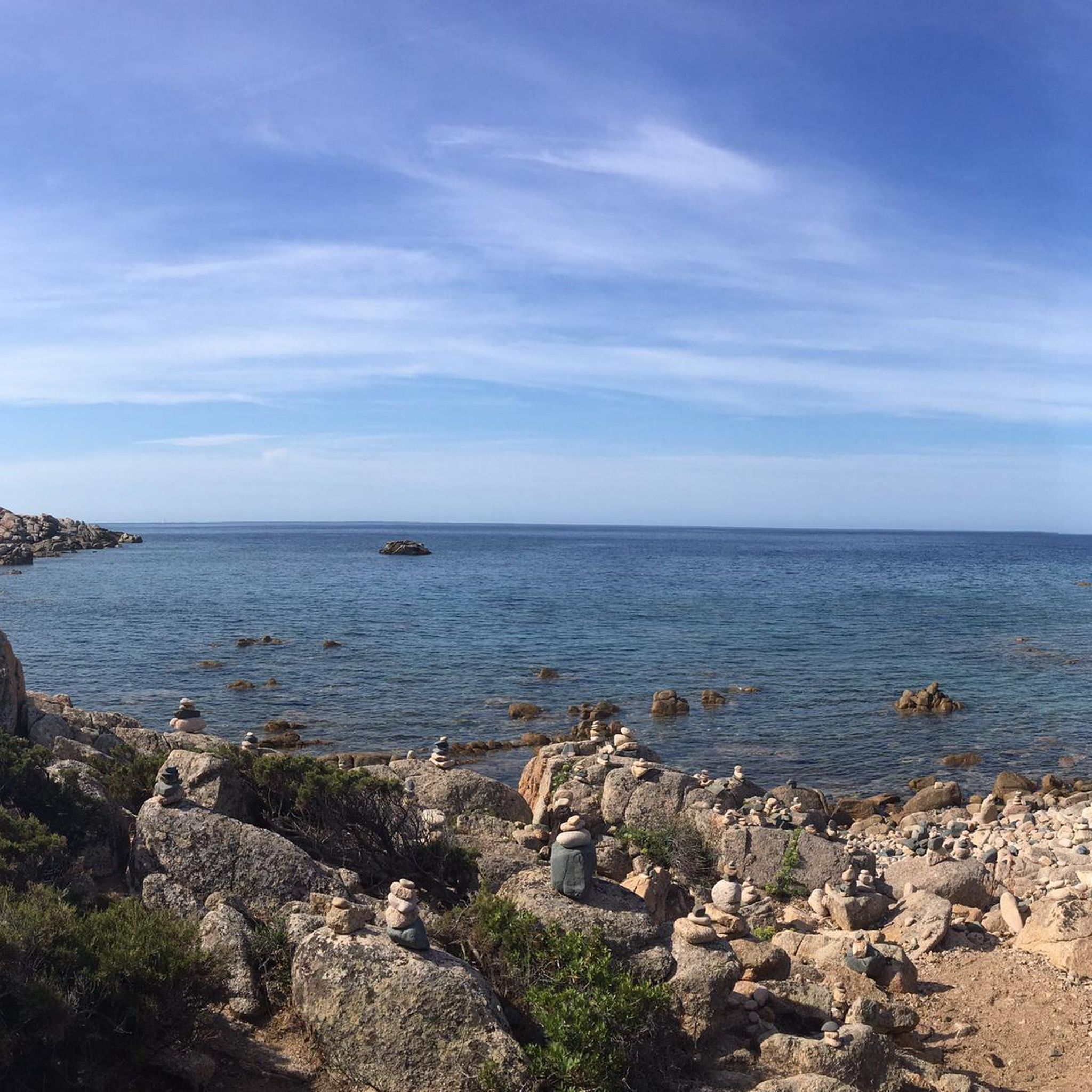
Hiking in Réserve Naturelle Des Bouches De Bonifacio
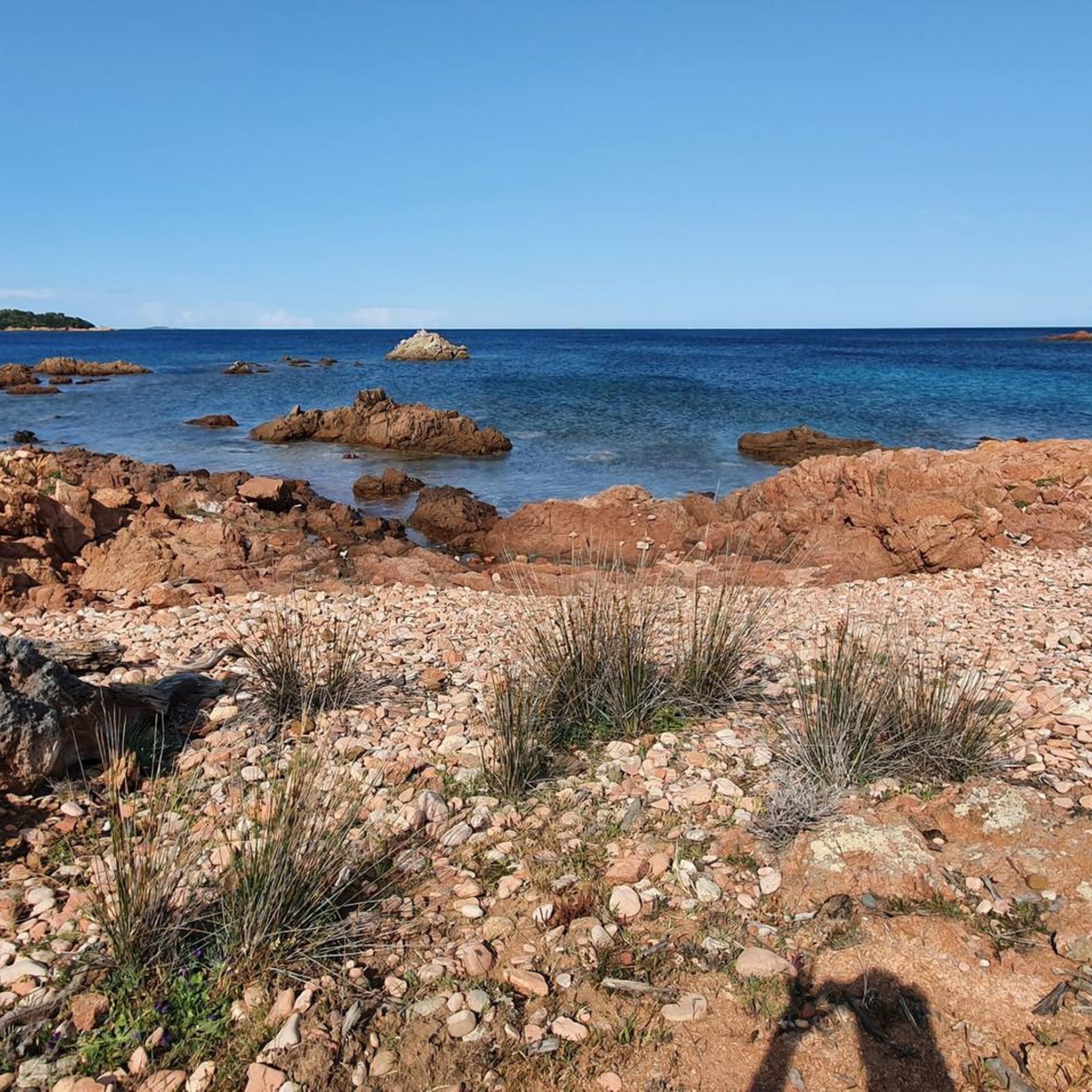
Road Cycling Routes in Réserve Naturelle Des Bouches De Bonifacio
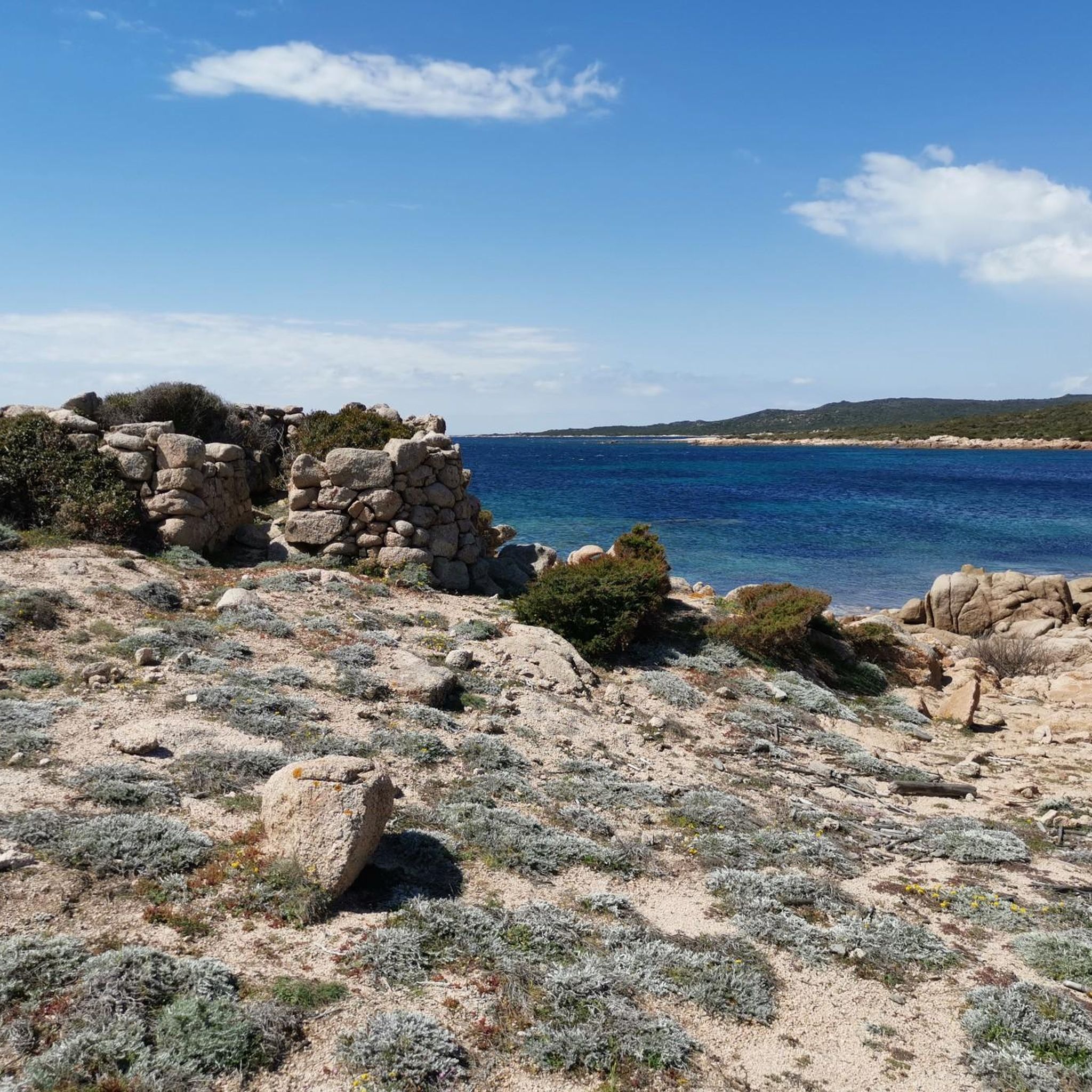
Cycling in Réserve Naturelle Des Bouches De Bonifacio
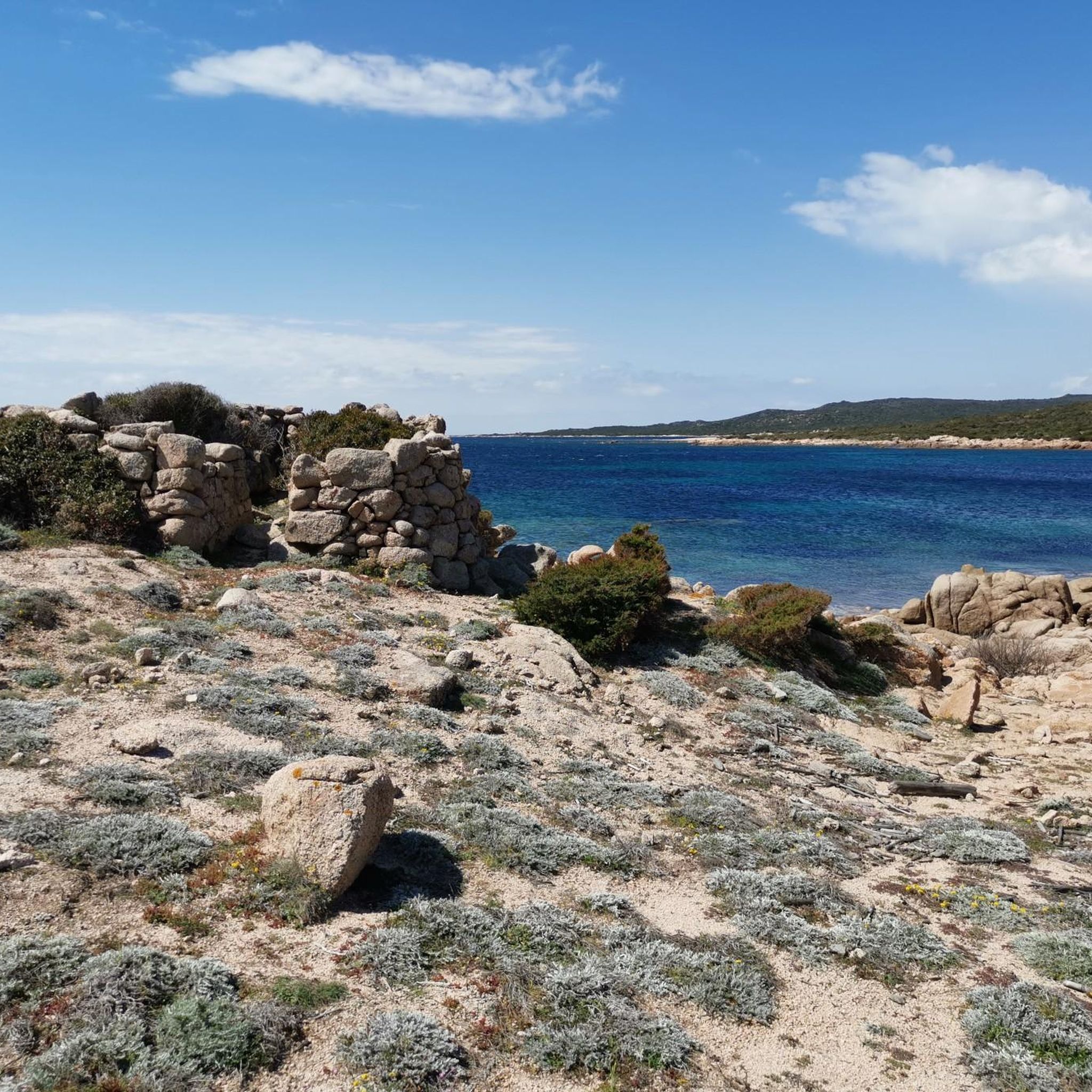
MTB Trails in Réserve Naturelle Des Bouches De Bonifacio
Running Trails in Réserve Naturelle Des Bouches De Bonifacio

Gravel biking in Réserve Naturelle Des Bouches De Bonifacio

Mountain Hikes in Réserve Naturelle Des Bouches De Bonifacio
Tips from the Community

The Escalier du Roy d'Aragon in Bonifacio is an impressive landmark of both historical and scenic importance. Here are some interesting facts about this fascinating staircase: 1. Location: The Escalier du Roy d'Aragon is located on the steep cliffs of Bonifacio, offering spectacular views of the sea and the surrounding landscape. 2. History: According to legend, the staircase was carved into the rock in the 17th century by the troops of the King of Aragon, Alfonso V. It served as a strategic access point to the city. 3. Construction: The staircase consists of 189 irregular steps carved directly into the limestone cliffs. This construction makes it a unique architectural masterpiece. 4. **Access**: - Descending the stairs is challenging, as the steps are high and steep. However, it is a worthwhile experience rewarded with breathtaking views. 5. **Activities**: - Visitors can descend the stairs to reach the **natural water springs** located at the bottom of the stairs. This spring was once an important source of water for the city. 6. **Reviews**: - The Escalier du Roy d'Aragon is often considered one of the **top attractions** in Bonifacio, attracting many tourists who want to experience the combination of history and nature. The **Escalier du Roy d'Aragon** is therefore a must-see for any visitor to Bonifacio who wants to experience the impressive history and stunning landscapes of Corsica.
2
1

Capo Pertusato - A pirate beach like something out of a picture book! In the very south of Corsica, with a view of Sardinia, lies a scenic highlight of the island that is not only adventurous for children. A trip to Capo Pertusato is really extremely worthwhile. This can be done either on foot or partly by car. From Bonifacio (Chapelle Saint-Roch) a wide footpath leads along the cliffs to the cape and offers magnificent views of the city and the Strait of Bonifacio with Sardinia on the other side. The path is shadeless and should therefore be walked in the morning or evening in summer. It takes 3 hours there and back.
2
0

According to legend, the stairs were carved into the rock in a single night in 1420 by the troops of the King of Aragon, who was besieging the city. However, it is much more likely that a natural fault was developed over the years by the residents and monks of the monastery to create a staircase in order to gain access to a freshwater spring that would supply the residents with water in emergencies. The stairs have 189 steps and an incline of 45 degrees.
0
1
Capo Pertusato is the southernmost point of Corsica. It is located 5 km southeast of Bonifacio, in southern Corsica and is accessible by a pedestrian access from Bonifacio. The path runs along the cliffs. A very easy route of less than 6 km
1
0
Capo Pertusato is the southernmost point of Corsica. It is located 5 km southeast of Bonifacio, in southern Corsica and is accessible by a pedestrian access from Bonifacio. The path runs along the cliffs. A very easy route of less than 6 km
1
0
This hike is located in the extreme south of Corsica, in the Bouches de Bonifacio. It allows you to see the Lavezzi Islands and Sardinia, and you'll enjoy breathtaking views of Bonifacio. It allows you to reach two white sandy beaches, the deserted beach of Cala Sciumara and the beautiful beach of Saint-Antoine. You'll cross the maquis and walk along the limestone cliffs, offering breathtaking views of the coast and cliffs.
1
0
This hike is located in the extreme south of Corsica, in the Bouches de Bonifacio. It allows you to see the Lavezzi Islands and Sardinia and you will have a breathtaking view of Bonifacio. It allows you to reach two white sand beaches, the deserted beach of Cala Sciumara and the beautiful beach of Saint-Antoine.You will cross the maquis and walk along the limestone cliffs with breathtaking views of the coast and the cliffs.
1
2

Highly recommended, lots of tourists all year round!
0
0
Frequently Asked Questions
What are the most scenic trails and viewpoints in Réserve Naturelle Des Bouches De Bonifacio?
For breathtaking views, explore the Chemin de Pertusato, a coastal path leading to Capo Pertusato, the southernmost point of Corsica. Another excellent option is the Cliffside Path to Bonifacio, which offers continuously changing panoramas of Bonifacio, the sea, and Capo Pertusato. The Sentier de Campu Rumanilu also provides accessible hikes along the dramatic limestone cliffs, leading to stunning viewpoints like the Grain de sable.
What historical and cultural sites can I explore in the Réserve Naturelle Des Bouches De Bonifacio?
The fortified city of Bonifacio itself is a major historical highlight, with its unique setting atop dramatic limestone cliffs. You can explore the medieval old town and the impressive citadel, which has been a crucial defense point for centuries. Don't miss the King of Aragon's Staircase, an incredible feat of 189 steps carved directly into the cliff face in the 15th century. The Historic rain gutters at the Citadel also offer a glimpse into the city's past.
Are there any notable beaches or places to experience marine life in the reserve?
Yes, the reserve is home to beautiful beaches and rich marine ecosystems. Plage Saint Antoine is a must-visit, known for its fine sand, limestone overhangs, and crystal-clear waters, perfect for swimming. The Lavezzi Archipelago is a highly frequented part of the reserve, renowned for its turquoise waters and white sandy beaches, making it ideal for snorkeling and diving to experience the abundant marine life, including various fish species, gorgonian coral, and even occasional dolphins or whales.
What kind of outdoor activities can I do near these attractions?
The Réserve Naturelle Des Bouches De Bonifacio offers a variety of outdoor activities. You can find numerous hiking opportunities, from easy coastal walks to more challenging trails. For cycling enthusiasts, there are options for gravel biking and mountain biking. Boat trips from Bonifacio port are popular for exploring the cliffs, sea caves, and islands. You can find more details on specific routes, including easy hikes, gravel biking, and MTB trails, in the respective guides: Easy hikes, Gravel biking, and MTB Trails.
Are there family-friendly attractions or activities in the Réserve Naturelle Des Bouches De Bonifacio?
Absolutely! Many attractions are suitable for families. Easy coastal walks like the Chemin de Pertusato offer accessible routes with stunning views. Beaches such as Plage Saint Antoine are perfect for swimming and exploring unique rock formations. Boat trips to the Lavezzi Islands are also a fantastic family activity, allowing you to discover sea caves and enjoy the beautiful turquoise waters.
What is the best time of year to visit the Réserve Naturelle Des Bouches De Bonifacio?
The reserve is beautiful year-round, but the best time to visit largely depends on your preferred activities. Spring (April-May) and early autumn (September-October) offer pleasant temperatures for hiking and exploring, with fewer crowds. Summer (June-August) is ideal for swimming, snorkeling, and boat trips, though it can be busier. Winters are milder, offering a quieter experience, but some services might be limited.
What kind of unique natural features can I expect to see?
The reserve is famous for its dramatic natural features. You'll encounter the iconic 'vertiginous' limestone cliffs of Bonifacio, with the city perched precariously atop them. Beyond the cliffs, there are landscapes of 'granite chaos' and several marine caves. The Lavezzi Archipelago features unique granite formations sculpted by the wind. The area also boasts a rich biodiversity, including rare flora and diverse marine life within its posidonia meadows and coralligenous formations.
What do visitors enjoy most about Réserve Naturelle Des Bouches De Bonifacio?
Visitors consistently praise the breathtaking coastal views, especially from trails like the Cliffside Path to Bonifacio, which offers spectacular panoramas at every turn. The unique geological formations, such as the limestone cliffs and the granite chaos, are also highly appreciated. Many are captivated by the historical charm of Bonifacio and the impressive King of Aragon's Staircase. The crystal-clear waters and fine sands of beaches like Plage Saint Antoine are also a big draw for swimming and relaxation.
Are there any easy walks suitable for beginners or those seeking a relaxed experience?
Yes, there are several easy walks. The Chemin de Pertusato is an easy route of less than 6 km that offers beautiful coastal views. The Sentier de Campu Rumanilu is another accessible trail along the cliffs. For more options, you can explore the Easy hikes in Réserve Naturelle Des Bouches De Bonifacio guide, which lists routes like the 'La Vénus Beach – Thia Beach loop' and various loops around the Lavezzi Islands.
Can I see any lighthouses or other maritime landmarks?
Yes, the reserve features the Madonetta Lighthouse, which stands at the exit of the narrows, watching over sailors and yachtsmen. While not explicitly listed as a highlight in the provided data, its presence adds to the maritime character of the region and can often be seen during boat excursions or from certain coastal viewpoints.
What kind of wildlife can I observe in the Réserve Naturelle Des Bouches De Bonifacio?
The reserve is a biodiversity hotspot, particularly for marine and bird life. You might spot various bird species, including the European shag (crested cormorant) and the grey shearwater (butternut puffin), which nest in the rocky interiors of the islands. The underwater fauna is exceptionally rich, featuring giant limpets, large mother-of-pearl, gorgonian coral, groupers, and various fish species like swordfish, mahi-mahi, and tuna. Dolphins and whales can also sometimes be observed during boat excursions.
Are there opportunities for boat trips to explore the reserve?
Yes, boat trips are a very popular way to explore the Réserve Naturelle Des Bouches De Bonifacio. You can embark on excursions from the port of Bonifacio to discover the dramatic cliffs, hidden sea caves, and the various islands within the reserve, such as the Lavezzi Archipelago. These trips often provide unique perspectives of the coastline and access to areas not reachable by land.
Most popular routes in Réserve Naturelle Des Bouches De Bonifacio
Most popular attractions in Réserve Naturelle Des Bouches De Bonifacio

Get inspired with the komoot mobile app


Explore more
Still not found the Highlight you’re looking for? See guides of the top attractions in other regions:
