Top 8 Castles around Lindenau
Best castles around Lindenau are situated in a region of Brandenburg, Germany, known for its historical architecture and cultural heritage. The area features a mix of small municipalities and rural landscapes, offering a glimpse into centuries of history. It is characterized by its historical sites, including palaces and moated castles, often set within accessible parks. The region provides opportunities to explore historical architecture and cultural heritage.
Best castles around Lindenau
- The most popular castles is Großkmehlen Castle, a castle…
Last updated: September 27, 2026
Großkmehlen Castle
Highlight • Castle
Translated by Google •
Tip by

Lindenau Castle
Highlight • Castle
Translated by Google •
Tip by

Sign up now to discover places like this
Get recommendations on the best single tracks, peaks, & plenty of other exciting outdoor places.
Remains of Linz Moated Castle
Highlight • Castle
Translated by Google •
Tip by

War memorials at the parish church in Großkmehlen
Highlight • Monument
Translated by Google •
Tip by

Moated Castle and Linz Palace
Highlight • Castle
Translated by Google •
Tip by

Start today with a free account
Your next adventure awaits.

Tips from the Community

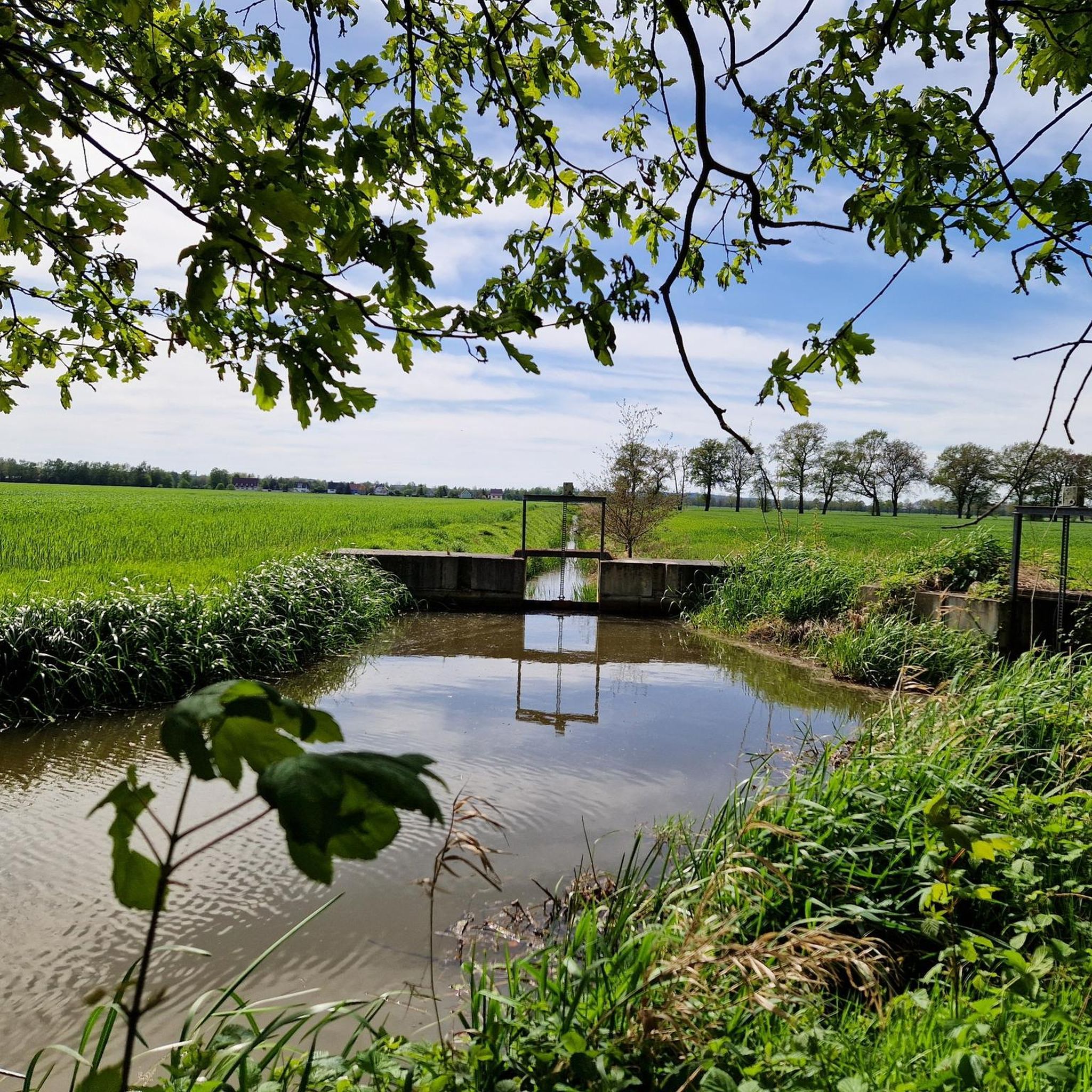
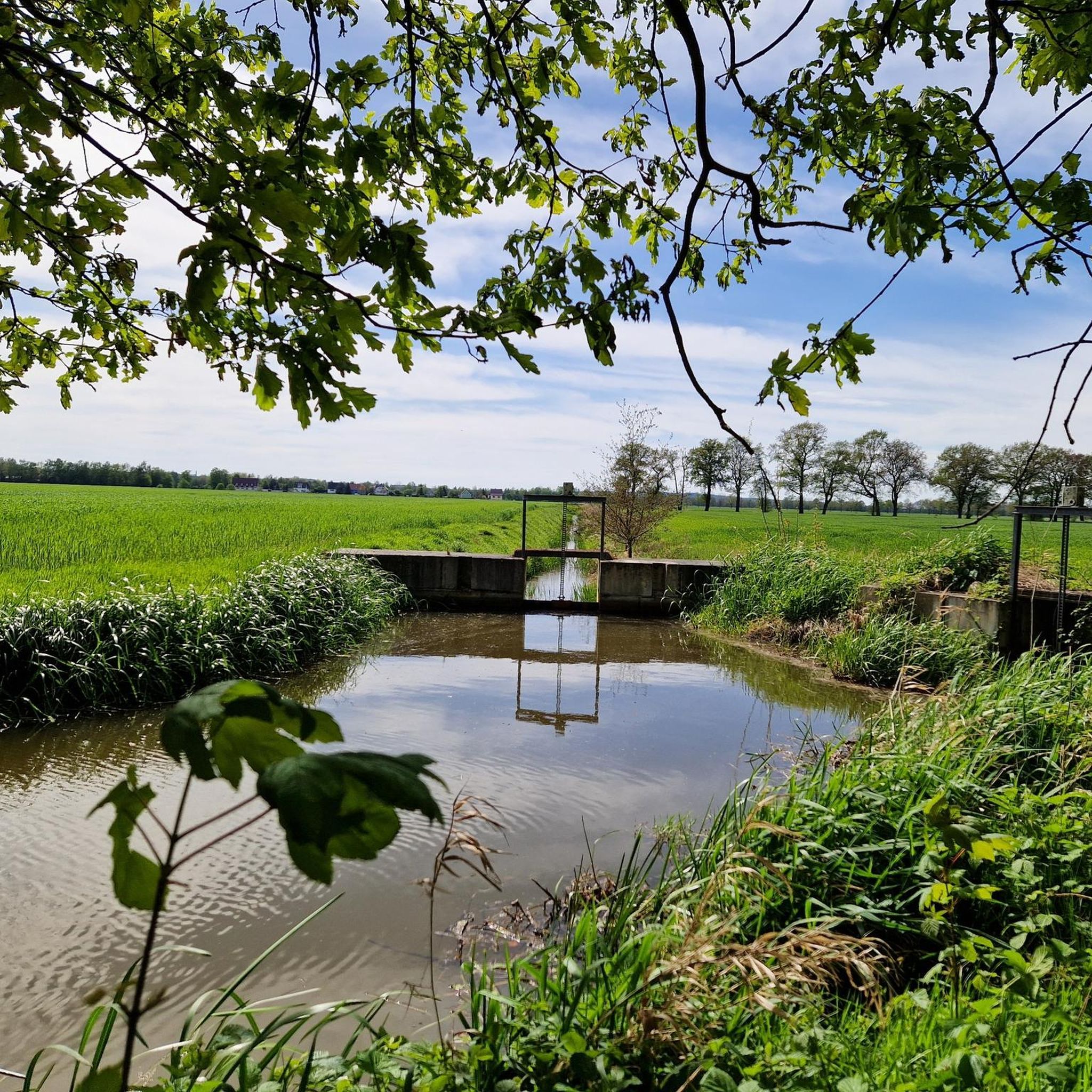
Beautiful remains can be seen here!
0
0

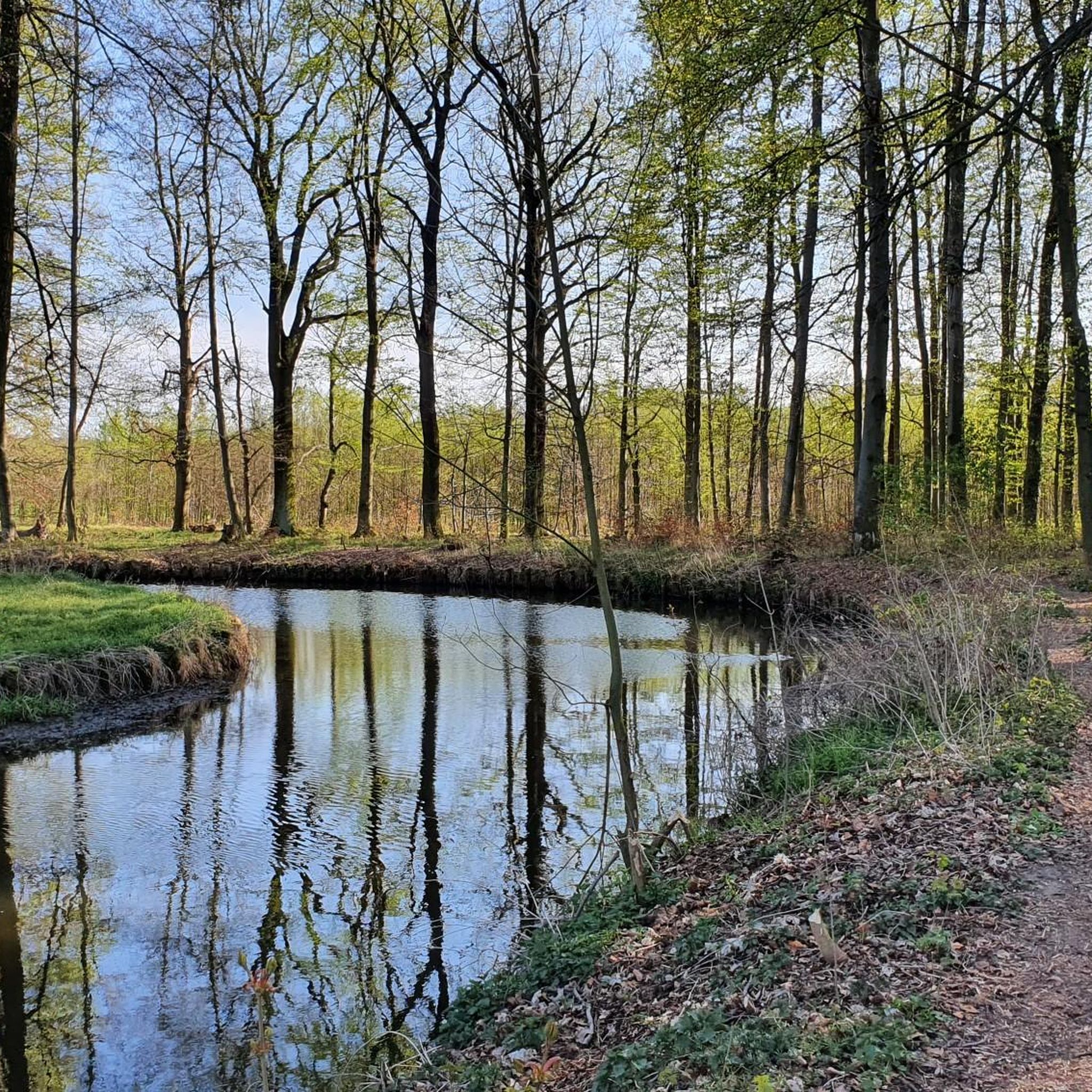
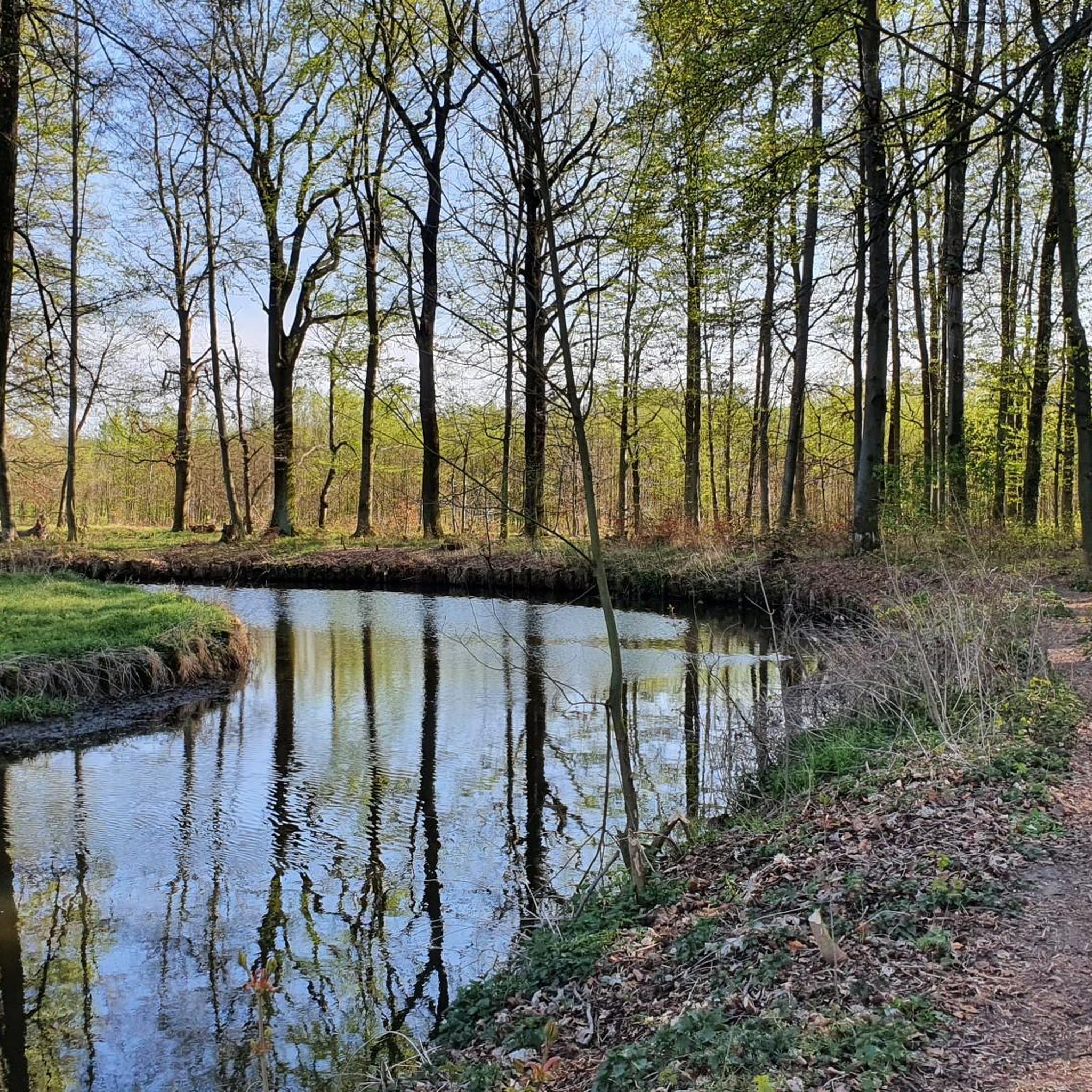
Beautiful shady covered resting place at the former castle!
0
0

Always sad to see how many men have fallen in such small places.
2
1
It's always sad to see how many people died in the war.
0
1

Well-kept park with a 2 km long circular hiking trail, the castle is currently empty (2024) but has been sold to an investor. The park festival takes place here every year at Pentecost.
1
0

The castle church that can be seen today in Lindenau is a massive fieldstone and brick building. The church is dated to 1668,[4] although it cannot be ruled out that remains or parts of an original predecessor building were also used in the construction. The castle itself was under the rule of the noble family von Minckwitz at that time. Loth Gotthard von Minkwitz (1611–1678)[5] had the predecessor building of today's moated castle built as early as 1584. The nave has a three-sided east end. In the west of the nave the building has a tower in the form of an octagonal roof turret with a tail cap, lantern and weather vane. In the north there is a lodge extension that was built in the 19th century or raised, which is used as a sacristy on the lower floor. An extension at this location can already be seen on a map from 1735. The interior of the church has a flat roof. It is characterized by pre-baroque furnishings. There is a gallery on the south side, as well as on the west, which here serves as an organ gallery. Patronage boxes can be found to the side of the chancel. The patronage box in the north is located above the sacristy. This was intended for the former tenants of the Lindenau estate. The two-storey patronage box on the south side served the Lindenau castle and estate owners. The castle church has an altarpiece, the inscription of which dates from 1670 and thus from the time of construction. In the middle of it is a crucified figure of Christ surrounded by four angels. The predella, main field and upper part of the altar are decorated with pious sayings. It is decorated on both sides with vine leaf columns. Wikipedia
1
0

The castle in Moritzburg served as a structural model for Großkmehlen. In 1540, a shared inheritance in the noble von Lüttichau family turned the Renaissance moated castle Großkmehlen into a two-part castle for centuries. Today the building is a unit again. It consists of the east and west buildings, two separate buildings that have been connected again since the 19th century through two small openings.
3
1

One of around 100,000 war memorials in Germany. Since the wars of liberation at the beginning of the 19th century, such memorials have been erected for the fallen. On the one hand they should comfort the relatives, on the other hand they should be a memorial for peace.
0
1
Frequently Asked Questions
What are the main historical castles to visit around Lindenau?
The primary historical sites include Großkmehlen Castle, a listed moated castle with a four-hectare landscape park, and Lindenau Castle, which evolved from a medieval moated castle and boasts a history dating back to the 1200s. While the Lindenau Palace itself is not currently open for visits, its park is accessible to the public.
Are there family-friendly activities at the castles near Lindenau?
Yes, both Großkmehlen Castle and Lindenau Castle are considered family-friendly. Großkmehlen Castle hosts an annual castle and hop festival every second Sunday in September, coinciding with Open Monument Day, and a park festival at Pentecost. The public park at Lindenau Castle also offers space for families to explore.
Can I bring my dog to the castle grounds around Lindenau?
Yes, the park at Großkmehlen Castle is dog-friendly, offering a 2 km circular hiking trail. For Lindenau Castle, the public park is also generally accessible for dogs, though specific rules may apply.
What kind of outdoor activities can I do near the castles?
The region around Lindenau offers various outdoor activities. You can find numerous road cycling routes, running trails, and easy hikes. For example, there's an easy 7.67 km hike that includes Lindenau Castle and its park. You can explore more options on the Easy hikes around Lindenau guide.
Are there hiking trails directly at Großkmehlen Castle?
Yes, the landscape park surrounding Großkmehlen Castle features a 2 km long circular hiking trail, allowing visitors to explore the historical grounds and the pavilion within the park.
What is the best time of year to visit the castles near Lindenau?
The spring and autumn months are ideal for visiting. In spring, the park at Großkmehlen Castle hosts a park festival at Pentecost, and in autumn, the annual castle and hop festival takes place there every second Sunday in September. These periods offer pleasant weather for exploring the outdoor grounds and historical sites.
Is there parking available at the castles?
Yes, parking is available at Großkmehlen Castle. For Lindenau Castle, visitors can typically find parking near the public park.
What is the historical significance of Lindenau Castle?
Lindenau Castle has a rich history dating back to the 1200s, evolving from a medieval moated castle. It was acquired by Count Heinrich von Brühl in 1744 and later rebuilt in a Neo-Baroque style around 1920. Visible remains of its Gothic aesthetics can still be seen on its southern side, and its gatehouse, built in 1690, is a listed building.
Are there any remains of other historical castles in the area?
Yes, you can visit the Remains of Linz Moated Castle, which is a historical site and serves as a starting point for the Graf zu Münster-Steig. Additionally, the Moated Castle and Linz Palace, originally built around 1200, offers insight into the region's past, though the palace itself was demolished in 1948.
How long should I plan for a visit to the castles around Lindenau?
To fully appreciate the historical sites and their parks, plan at least half a day for each main castle. For example, exploring the park and attending a festival at Großkmehlen Castle could take several hours. A visit to Lindenau Castle's public park also offers a pleasant stroll.
Are the castle parks accessible for wheelchairs?
The parks surrounding both Großkmehlen Castle and Lindenau Castle are generally accessible, offering relatively flat paths suitable for wheelchairs. However, specific conditions may vary, especially on unpaved sections or during events.
What do visitors enjoy most about the castles in the Lindenau region?
Visitors particularly appreciate the historical grandeur and the well-maintained parks. The annual festivals at Großkmehlen Castle are a highlight, and the serene atmosphere of the public park at Lindenau Castle is often praised. The region's blend of history and nature provides a unique experience.
Most popular routes around Lindenau
Most popular attractions around Lindenau

Get inspired with the komoot mobile app


Explore more
Looking for the best castles somewhere else? Discover other guides around Lindenau:
