The best road cycling routes in Riserva Naturale Monte Casoli Di Bomarzo
4.3
(26)
1,368
riders
62
rides
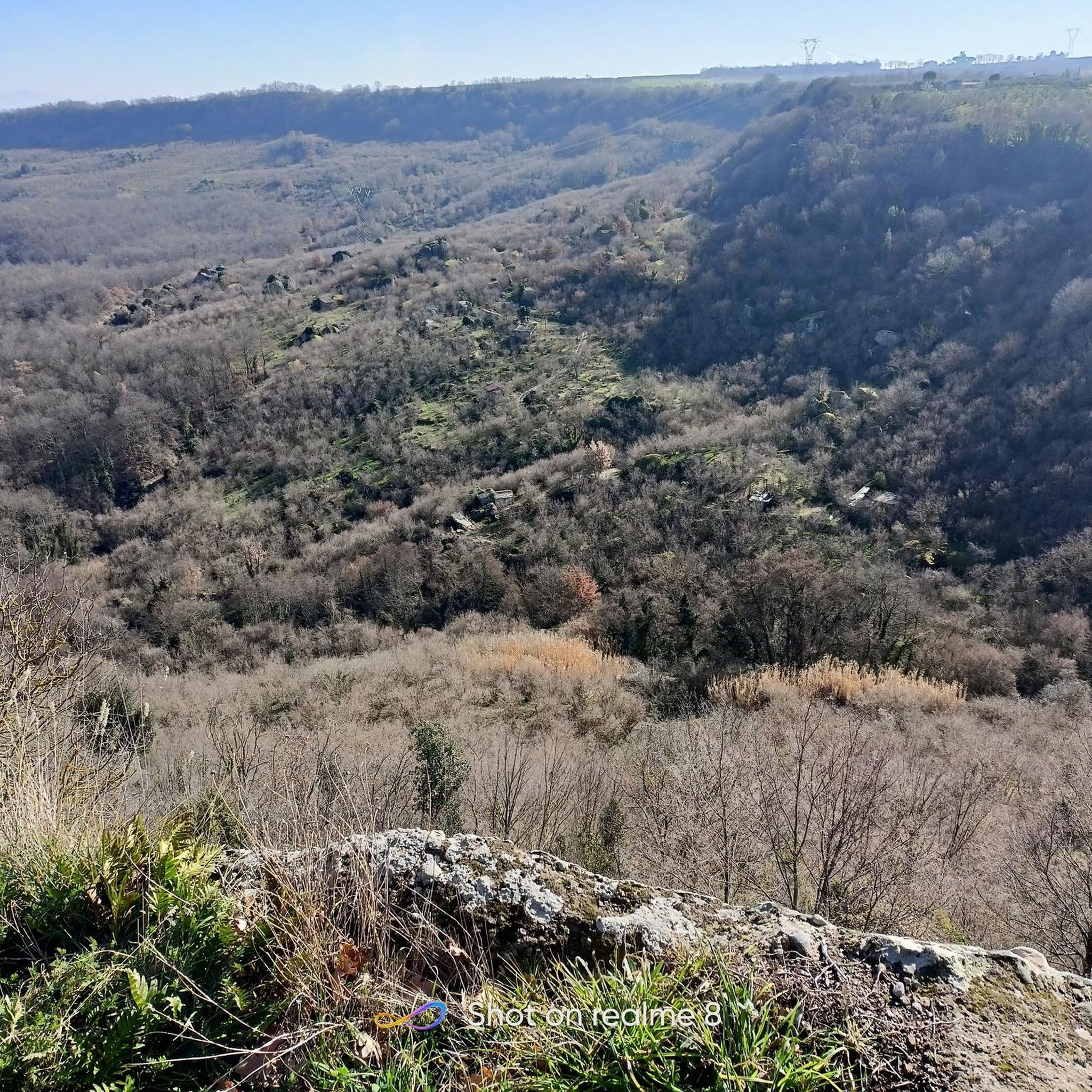
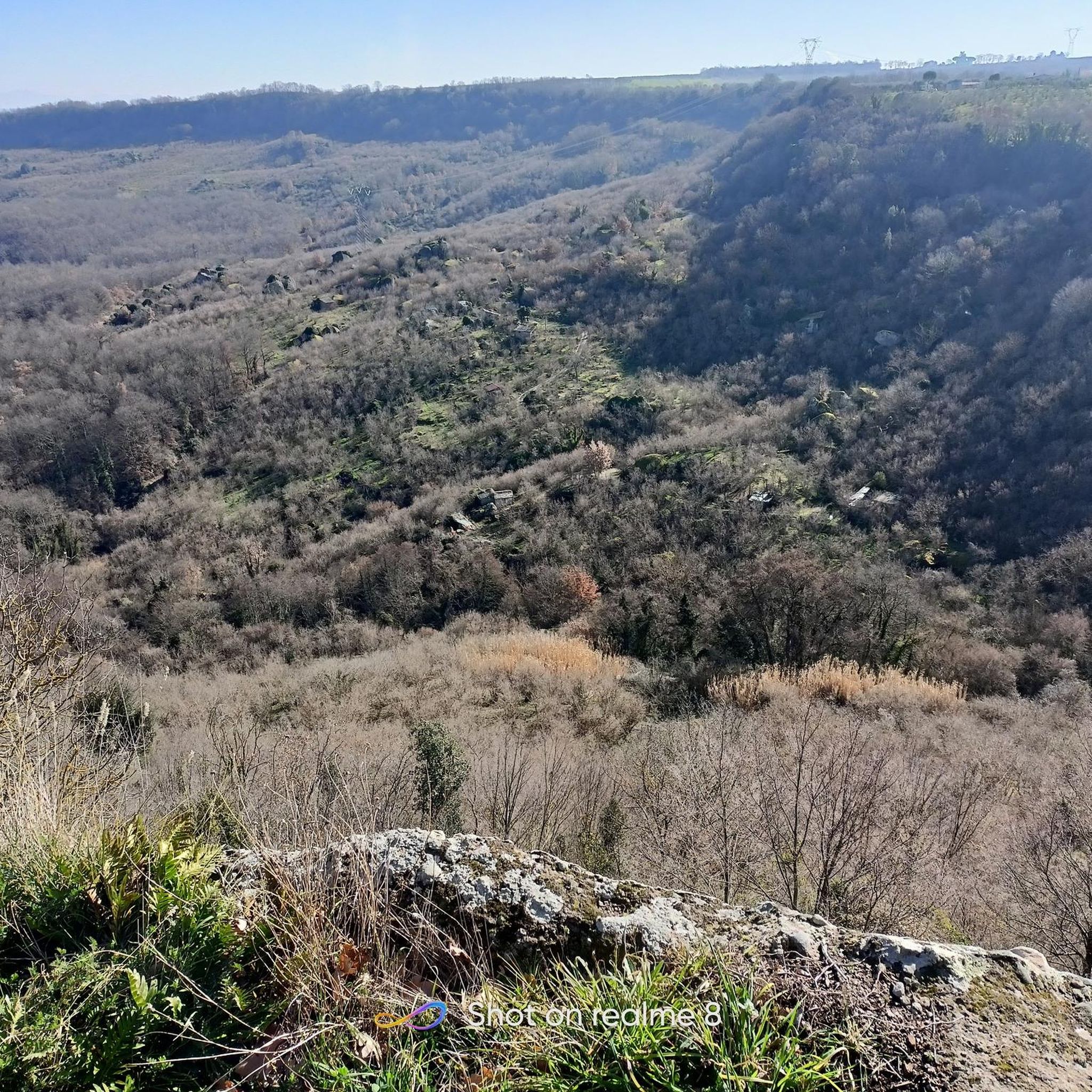
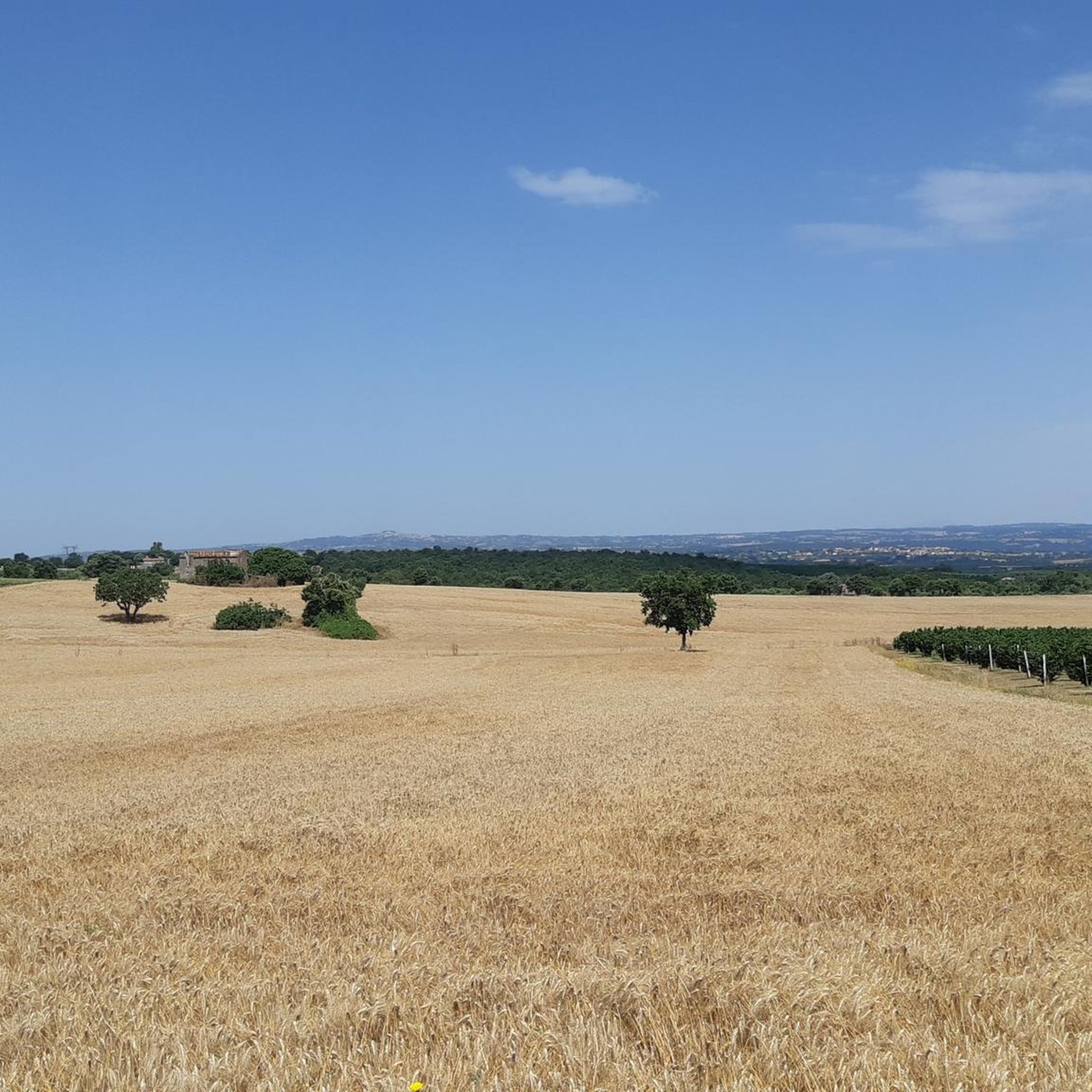
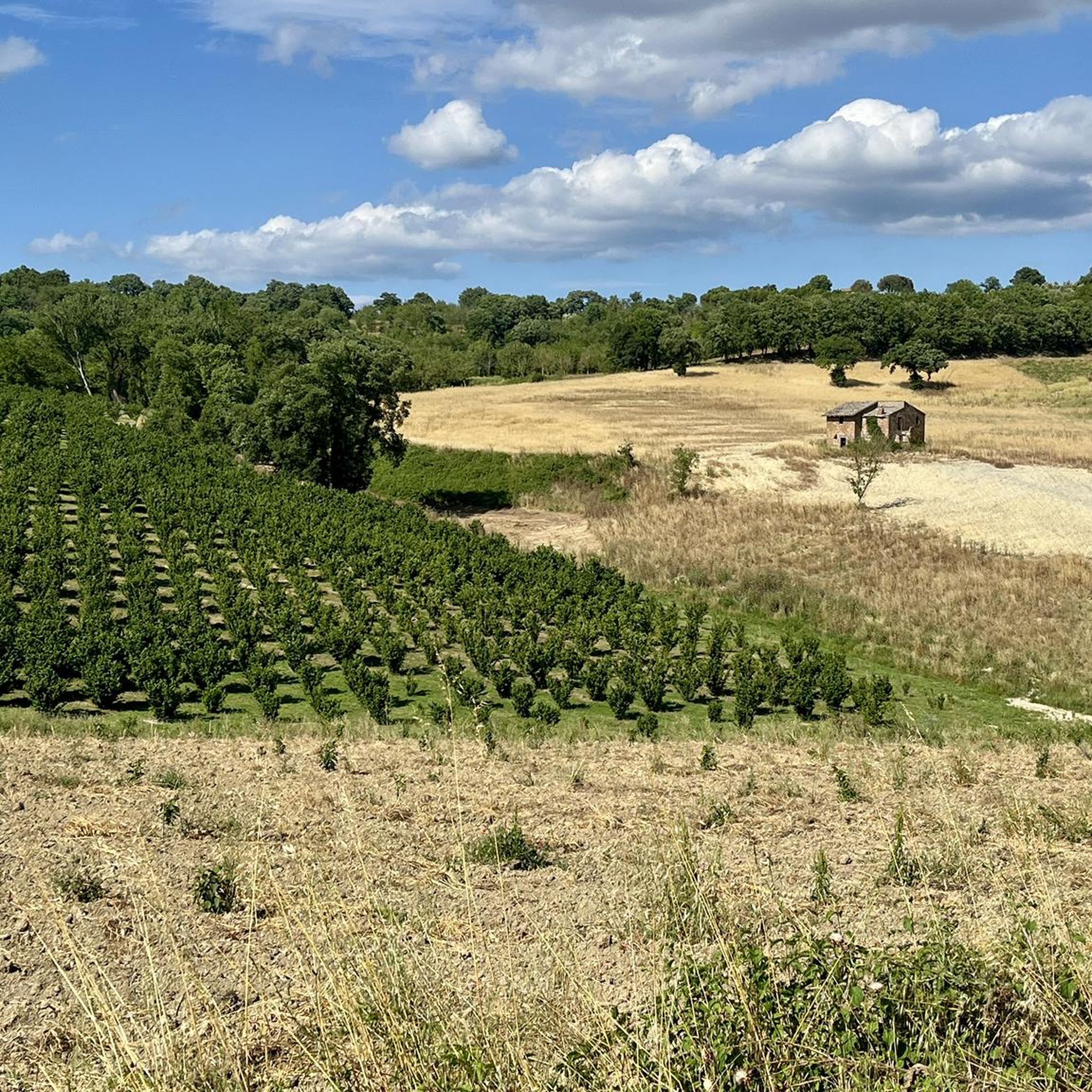
Road cycling routes in Riserva Naturale Monte Casoli Di Bomarzo traverse a varied terrain characterized by dense woodlands, deep tufa ravines, and open plateaus. This geological diversity provides constantly changing scenery for cyclists. The region features significant elevation changes, with routes often including climbs and descents through the Viterbo province. Cyclists can expect a mix of natural landscapes and historical points of interest along the way.
Best road cycling routes in Riserva Naturale Monte Casoli Di Bomarzo
- The most popular…
Last updated: July 8, 2026
3.0
(1)
58
riders
60.4km
02:59
740m
740m
Moderate road ride. Good fitness required. Some segments of this route may be unpaved and difficult to ride.
16
riders
36.1km
01:48
440m
440m
Moderate road ride. Good fitness required. Some segments of this route may be unpaved and difficult to ride.

Sign up for free
5.0
(1)
40
riders
39.3km
02:02
510m
510m
Moderate road ride. Good fitness required. Some segments of this route may be unpaved and difficult to ride.
34
riders
70.0km
03:43
1,180m
1,180m
Hard road ride. Very good fitness required. Some segments of this route may be unpaved and difficult to ride.
8
riders
55.9km
02:50
770m
770m
Moderate road ride. Good fitness required. Mostly well-paved surfaces and easy to ride.
Get access to more routes and recommendations from other explorers.
Sign up for free
Already have an account?
Our route recommendations are based on thousands of hikes, rides, and runs completed by other people on komoot.
Start today with a free account
Your next adventure awaits.
Login or Signup
Popular around Riserva Naturale Monte Casoli Di Bomarzo
Tips from the Community

Viterbo lived its period of major splendor and power in the 13th century when it was chosen as the seat of the papacy instead of Rome, where powerful warring families made life too dangerous. Eight different popes lived in Viterbo making it is similar to Vatican City and Avignon in France. The longest papal conclave in history happened here from 1 December 1268 to 1 September 1271. Following Pope Clement IV's death, infighting between cardinals and political pressure led to a 34-month deadlock. The cardinals were locked up cum clave (hence the word conclave) inside the palace’s large Conclave Hall. In desperation the town’s population, who were feeding them and their entourages, eventually reduced the cardinals’ food and wine supplies, trying to speed up the election. Time wore on and they finally decided to remove the roof of the palace: in order to help the Holy Spirit come down and illuminate them, it was quipped. That worked.
0
0

The gate bears the coat of arms of Vitorchiano with the inscription SPQR (for which the village received permission from Rome). The gate is part of the old wall that extends for about two hundred and fifty metres on the south side of Vitorchiano. The tower above the gate dates from the 13th century. The old city walls (Le Mura Castellane) have several towers, each built of peperino stone and dovetail battlements with loopholes in between.
0
0

beautiful village go there everyone
0
0

The Papal Palace in Viterbo served as the Vatican for the 24 years of the thirteenth century when the papacy moved there due to ongoing unrest in Rome.
0
0

The Palace of the Popes, or Palazzo dei Papi, in Viterbo is a masterpiece of medieval architecture. Built in the 13th century, it served as a residence for the popes. The palace is an example of Gothic architecture and features beautiful vaulted halls, courtyards and an impressive tower that offers panoramic views of the city. The National Museum, with an extensive collection of medieval works of art, is housed in the beautiful spaces of the palace.
1
0


High overview over the lake
0
0

Palazzo dei Papi is a palace in Viterbo, northern Lazio, Italy. It is one of the city's most important monuments and is located next to the Duomo di Viterbo (Viterbo Cathedral). From 1257 to 1281 a total of eight popes resided in Viterbo almost without interruption. The commune's offer to build a palace as a curia seat for the popes contributed to this. This structure was built in sections from 1255 to 1266 and was given the name “Palace of the Popes” due to its use; today it is the Bishop's Palace. The first and longest conclave to date took place in Viterbo. In 1268, after the death of Pope Clement IV, the conclave began, which lasted a total of 1005 days (from November 30, 1268 to September 1, 1271). The number of cardinals was initially 20 and in the end only 16, as 3 cardinals died during this time and one left the conclave. On Bonaventure's advice, the cardinals were eventually confined to bread and water until a new pope was elected. On September 1, 1271, a non-cardinal was elected as the new pope. The chosen one, Tebaldo Visconti, an Italian from Piacenza, not even a priest, was at that time on a pilgrimage in the Holy Land (Acre). Visconti, then archdeacon of Liège, arrived in Viterbo on February 10, 1272, accepted the election, was ordained a priest and bishop on March 19, 1272 and was crowned as Pope Gregory X in Rome on March 27, 1272. In Viterbo. resident popes: Alexander IV, Pope from 1254 to 1261 (stable residence in Viterbo from 1257); Urban IV, Pope from 1261 to 1264 (divided his residence between Orvieto and Viterbo); Clement IV, Pope from 1265 to 1268 (almost always lived in Viterbo); Gregory X, Pope from 1271 to 1276 (Gregory Innocent V, Pope from January 21 to June 22, 1276 (stayed in Viterbo for two weeks, shortly after his election, and met Charles of Anjou there); Hadrian V, Pope from July 11, 1276 to August 18, 1276 (spent almost all of his short pontificate in the monastery next to the church of San Francesco alla Rocca); John XXI, Pope from September 15, 1276 to May 20, 1277 (almost always lived in Viterbo); Nicholas III, pope from 1277 to 1280 (divided his residence between Viterbo, Rome and Soriano nel Cimino); Martin IV, elected on February 22, 1281 (left Viterbo immediately after his election).
1
0
Frequently Asked Questions
What kind of terrain can I expect on road cycling routes in Riserva Naturale Monte Casoli Di Bomarzo?
The region offers a diverse landscape for road cyclists, characterized by dense woodlands, deep tufa ravines, and open plateaus. You'll encounter significant elevation changes, with routes often including climbs and descents through the Viterbo province, providing constantly changing scenery.
How many road cycling routes are available in Riserva Naturale Monte Casoli Di Bomarzo?
There are over 50 road cycling routes available in Riserva Naturale Monte Casoli Di Bomarzo. These routes cater to various skill levels, including easy, moderate, and difficult options.
Are there routes suitable for beginners or those looking for an easier ride?
Yes, while many routes are moderate to difficult, there is at least one easy road cycling route available. The network offers options for all ability levels, allowing you to choose a ride that matches your experience.
What are some notable landmarks or points of interest I might see along the road cycling routes?
Road cycling routes in the area often pass by significant historical and natural landmarks. You might encounter the ancient Etruscan rock settlement of Monte Casoli, the historic Church of Santa Maria di Monte Casoli, or cycle near the famous Parco dei Mostri (Monster Park) in Bomarzo. Routes like the Palazzo dei Papi of Viterbo – Villa Lante Italian Gardens loop from Bomarzo specifically connect historical sites.
Are there any circular road cycling routes in the Riserva Naturale Monte Casoli Di Bomarzo area?
Yes, many of the road cycling routes in the region are designed as loops, allowing you to start and finish in the same location. Examples include the Baschi – Coffee and Cappuccino loop from Bomarzo and the Villa Lante Italian Gardens loop from Bomarzo.
What is the best season for road cycling in Riserva Naturale Monte Casoli Di Bomarzo?
The region's climate generally makes spring and autumn ideal for road cycling. During these seasons, temperatures are milder, and the natural landscapes, including dense woods and tufa ravines, are particularly picturesque. Summer can be warm, while winter might bring cooler, wetter conditions.
Are there cafes or places to stop for refreshments along the routes?
Yes, many routes, such as the Baschi – Coffee and Cappuccino loop from Bomarzo, are designed to pass through towns or villages where you can find cafes and other amenities for refreshments. Bomarzo itself offers options for pre- or post-ride stops.
What do other road cyclists say about the routes in Riserva Naturale Monte Casoli Di Bomarzo?
The road cycling routes in Riserva Naturale Monte Casoli Di Bomarzo are highly rated by the komoot community, with an average score of 4.1 stars from over 10 reviews. Cyclists often praise the varied terrain, the mix of natural beauty and historical points of interest, and the well-documented routes available for planning.
Is it possible to reach the starting points of these routes by public transport?
While specific public transport details vary, Bomarzo, a common starting point for many routes, can be accessed. It's advisable to check local bus schedules or regional train connections to nearby larger towns like Viterbo for the most up-to-date public transport information to Bomarzo.
Are there parking facilities available near the road cycling routes?
Yes, parking is generally available in and around Bomarzo, which serves as a frequent starting point for many road cycling routes in the Riserva Naturale Monte Casoli Di Bomarzo area. Specific parking locations can often be found near the beginning of popular trails.
What is the typical elevation gain on road cycling routes in this region?
Road cycling in Riserva Naturale Monte Casoli Di Bomarzo involves significant elevation changes. Routes commonly feature elevation gains ranging from around 500 meters to over 700 meters, such as the Palazzo dei Papi of Viterbo – Villa Lante Italian Gardens loop from Bomarzo which has over 730 meters of ascent.
Are there any regulations or permits required for cycling within Riserva Naturale Monte Casoli Di Bomarzo?
Generally, road cycling on public roads and designated paths within the reserve does not require special permits. However, it's always good practice to respect local regulations, stay on marked routes, and be mindful of the natural environment. For specific rules regarding off-road or mountain biking, it's best to consult local park authorities.
Most popular routes in Riserva Naturale Monte Casoli Di Bomarzo

Get inspired with the komoot mobile app


Explore more
Browse the best Road cycling routes in other regions.
