Top 5 Castles around Glienicke/Nordbahn
Best castles around Glienicke/Nordbahn are situated in an area with historical ties to fortified structures. While traditional standing castles are not directly within the municipality, the region offers insights into early medieval history and is in proximity to significant palaces. This landscape combines historical sites with natural surroundings, providing diverse exploration opportunities. The area is known for its blend of cultural heritage and accessible outdoor spaces.
Best castles around Glienicke/Nordbahn
- The most popular castles is Dammsmühle Castle, a castle…
Last updated: July 6, 2026
Schönhausen Palace Park
Highlight • Forest
Translated by Google •
Tip by

Dammsmühle Castle
Highlight • Castle
Translated by Google •
Tip by

Sign up now to discover places like this
Get recommendations on the best single tracks, peaks, & plenty of other exciting outdoor places.
Sign up for free
Tegel Palace and Palace Park
Highlight • Castle
Translated by Google •
Tip by

Site of the Slavic Blankenburg Castle
Highlight • Historical Site
Translated by Google •
Tip by

Information board: Schönhausen Palace and Gardens
Highlight • Rest Area
Translated by Google •
Tip by

Start today with a free account
Your next adventure awaits.
Login or Signup
Other adventures around Glienicke/Nordbahn

Tips from the Community

Niederschönhausen Castle Security Academy
0
1

The castle was initially built as a manor house in the 16th century and then converted into an electoral hunting lodge under Joachim II. It has been owned by the von Humboldt family since 1766 and from then on it was considered a meeting place for scientists and artists. Tegel's current popularity and notoriety is largely due to the brothers Wilhelm and Alexander von Humboldt. Her parents' house and former residence is the Humboldt Castle.
0
0

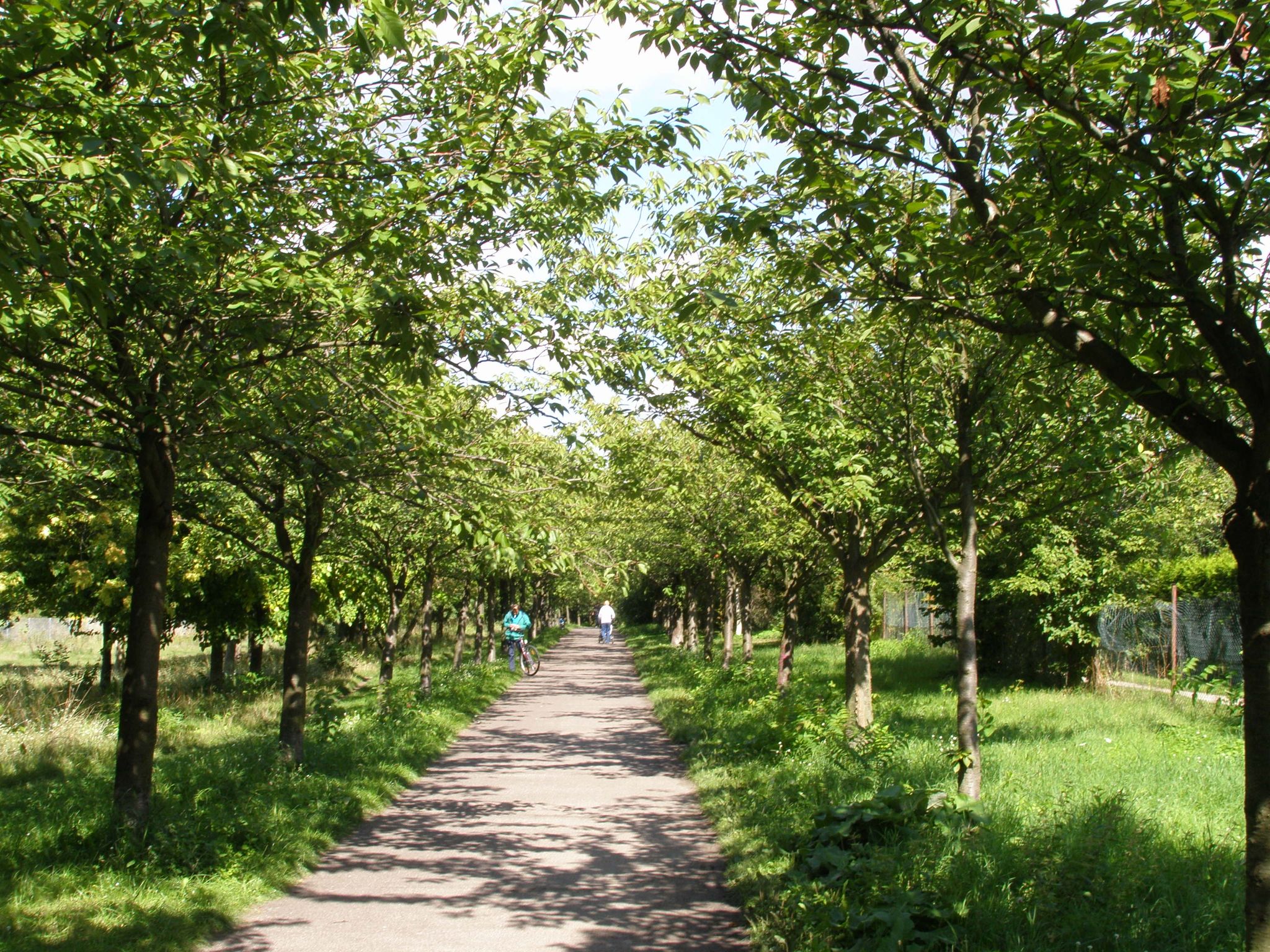
Schönhausen Palace Park has two faces: that of a lively, tree-filled public park with a meandering stream and that of a secluded, quiet monastery garden. The reason for this is a wall that divides the park into different areas.
6
0

On the board is a map and something about the history.
0
0

Schönhausen Palace Park has two faces: that of a lively, tree-filled public park with a meandering stream and that of a secluded, quiet monastery garden. The reason for this is a wall that divides the park into different areas.
5
1

The brothers Wilhelm von Humboldt and Alexander von Humboldt spent their childhood here and Wilhelm von Humboldt also part of his adult life. Tegel Castle is still privately owned and inhabited today. But the beautiful park is freely accessible every day until sunset and on Mondays you can visit parts of the castle as part of a guided tour. Further information is available here: https://www.museumsportal-berlin.de/de/museen/humboldt-museum-schloss-tegel/
1
0

There is always a lot going on here at the weekend. During the week it's fine. Nice little highlight on the Panketal cycle path.
7
0

@Frank from Hönow is probably right. I found the following article about this: https://www.maz-online.de/Lokales/Oberhavel/Muehlenbecker-Land/Schloss-Dammsmuehle-Viel-Zusracht-fuer-Restaurant-und-Hotelprojekt. Since I like to do a lost place tour, I'm a little bit divided. But all that stops the decay is ok
10
2
Frequently Asked Questions
What historical sites related to castles can I visit in Glienicke/Nordbahn itself?
While there are no traditional standing castles directly within the municipality of Glienicke/Nordbahn today, you can visit the historical site of the former Slavic Burg Blankenburg. The present-day geography still reflects the original castle walls, and a small sign commemorates its historical significance. It offers a glimpse into the region's early medieval past. You can find more details about the Site of the Slavic Blankenburg Castle on komoot.
Are there more palaces or traditional castles in the Glienicke/Nordbahn area?
The area around Glienicke/Nordbahn is primarily known for its significant palaces rather than traditional fortified castles. Notable examples include Schloss Glienicke and Jagdschloss Glienicke, both located nearby in Berlin-Wannsee and part of the UNESCO World Heritage Site 'Palaces and Parks of Potsdam and Berlin'. These are grand estates with rich histories and extensive gardens.
Which palaces near Glienicke/Nordbahn are part of a UNESCO World Heritage site?
Both Schloss Glienicke (Glienicke Palace) and Jagdschloss Glienicke (Glienicke Hunting Lodge) are significant properties located near Glienicke/Nordbahn in Berlin-Wannsee. They are recognized as part of the UNESCO World Heritage Site 'Palaces and Parks of Potsdam and Berlin', celebrated for their unique contributions to Prussian landscape architecture and historical significance. You can learn more about Schloss Glienicke on Wikipedia.
What is Dammsmühle Castle known for?
Dammsmühle Castle is an empty baroque palace with a fascinating and eventful history. Built in 1768, it has seen various occupants, including the Stasi during the GDR era, who used it as a hunting lodge. Despite its current state as a ruin, visitors find it exudes an incomparable charm, especially given its location right on a mill pond. You can find more information about Dammsmühle Castle on komoot.
Can I visit Tegel Palace, and is its park accessible?
Tegel Palace is still privately owned and inhabited by the von Humboldt family. While the castle itself is only open for guided tours on Mondays, its beautiful park is freely accessible every day until sunset. The palace and park have a rich history, having been the childhood home of Wilhelm and Alexander von Humboldt. You can find more details about Tegel Palace and Palace Park on komoot.
Are there family-friendly castle sites or parks in the area?
Yes, several sites are family-friendly. The Niederschönhausen Palace Park is a great option, offering extensive meadows, curved paths along the Panke stream, and playgrounds. The Tegel Palace and Palace Park also provides a beautiful, freely accessible park for families to enjoy. The historical Site of the Slavic Blankenburg Castle is also suitable for families interested in history and a short walk.
What kind of outdoor activities can I do near these castles and historical sites?
The region around Glienicke/Nordbahn offers diverse outdoor activities. You can find numerous routes for cycling, gravel biking, and mountain biking. For example, there are routes like the 'Mönchmühle Watermill – Dammsmühle Castle loop' for mountain biking, or 'Water Buffalo at Tegeler Fließ – Berlin Wall Trail loop' for cycling. These routes often pass by or near the historical sites and through natural landscapes. You can explore more options in the MTB Trails around Glienicke/Nordbahn, Gravel biking around Glienicke/Nordbahn, and Cycling around Glienicke/Nordbahn guides.
Are there accessible options for visitors with wheelchairs?
While specific accessibility details for all sites vary, the Information board: Schönhausen Palace and Gardens is noted as wheelchair accessible. Generally, palace parks like Niederschönhausen Palace Park and Glienicke Park often feature paved or well-maintained paths that can accommodate wheelchairs, though it's always advisable to check specific conditions for individual sites before visiting.
Can I bring my dog to the palace parks?
Many parks in Germany, including some palace parks, are dog-friendly, often requiring dogs to be kept on a leash. For instance, Schloss Glienicke Park is generally considered dog-friendly. It's always best to check local regulations or signage at the specific park entrance for the most current rules regarding dogs.
What do visitors enjoy most about the castles and historical sites in this region?
Visitors particularly appreciate the blend of rich history, architectural beauty, and natural surroundings. The historical depth, from ancient Slavic settlements to grand Prussian palaces, offers a unique journey through time. The extensive, well-preserved parks provide peaceful retreats and opportunities for walks, while the stories behind sites like Dammsmühle Castle add an intriguing layer of mystery and historical significance. The komoot community has shared over 1200 photos and given more than 2100 upvotes, highlighting the area's appeal.
What is the best time of year to visit the castles and palaces around Glienicke/Nordbahn?
The spring and summer months (April to September) are generally ideal for visiting, as the palace parks are in full bloom, and the weather is pleasant for exploring the outdoor areas and historical sites. Autumn also offers beautiful scenery with changing foliage. While winter visits can be charming, especially if there's snow, some facilities or park sections might have reduced hours or accessibility.
Are there any cafes or restaurants near these historical sites?
Yes, you can often find cafes and restaurants in the vicinity of the more prominent palaces and parks. For example, areas around Schloss Glienicke and Niederschönhausen Palace Park typically have options for refreshments. Glienicke/Nordbahn itself also offers local cafes and restaurants where you can relax after your explorations.
Most popular routes around Glienicke/Nordbahn
Most popular attractions around Glienicke/Nordbahn

Get inspired with the komoot mobile app


Explore more
Looking for the best castles somewhere else? Discover other guides around Glienicke/Nordbahn:
