Attractions and Places To See in Monte Dei Cucchi, Pian Di Balestra - Top 20
Best attractions and places to see in Monte Dei Cucchi, Pian Di Balestra are situated in the high Bolognese Apennines, characterized by mountainous landscapes and dense forests. This region is recognized as a Natura 2000 site, highlighting its ecological importance. It features significant natural elements like Monte Bastione and Castel dell'Alpi Lake, alongside historical sites such as sections of the ancient Roman road, the Flaminia Militare, and the Via degli Dei. The area offers a blend of natural beauty and…
Last updated: August 29, 2026
Pian di Balestra — Countryside on the Via degli Dei
Highlight • Natural
Translated by Google •
Tip by

Emilia-Romagna–Tuscany Border Marker
Highlight • Monument
Translated by Google •
Tip by

Sign up now to discover places like this
Get recommendations on the best single tracks, peaks, & plenty of other exciting outdoor places.
Sign up for free
Roman Sandstone Quarry on the Via degli Dei
Highlight • Historical Site
Tip by

On the Way of the Gods
Highlight (Segment) • Religious Site
Translated by Google •
Tip by

Lake Castel dell'Alpi
Highlight • Lake
Translated by Google •
Tip by

Sign up for free to discover even more attractions in Monte Dei Cucchi, Pian Di Balestra.
Sign up for free
Already have an account?
Start today with a free account
Your next adventure awaits.
Login or Signup
Popular around Monte Dei Cucchi, Pian Di Balestra
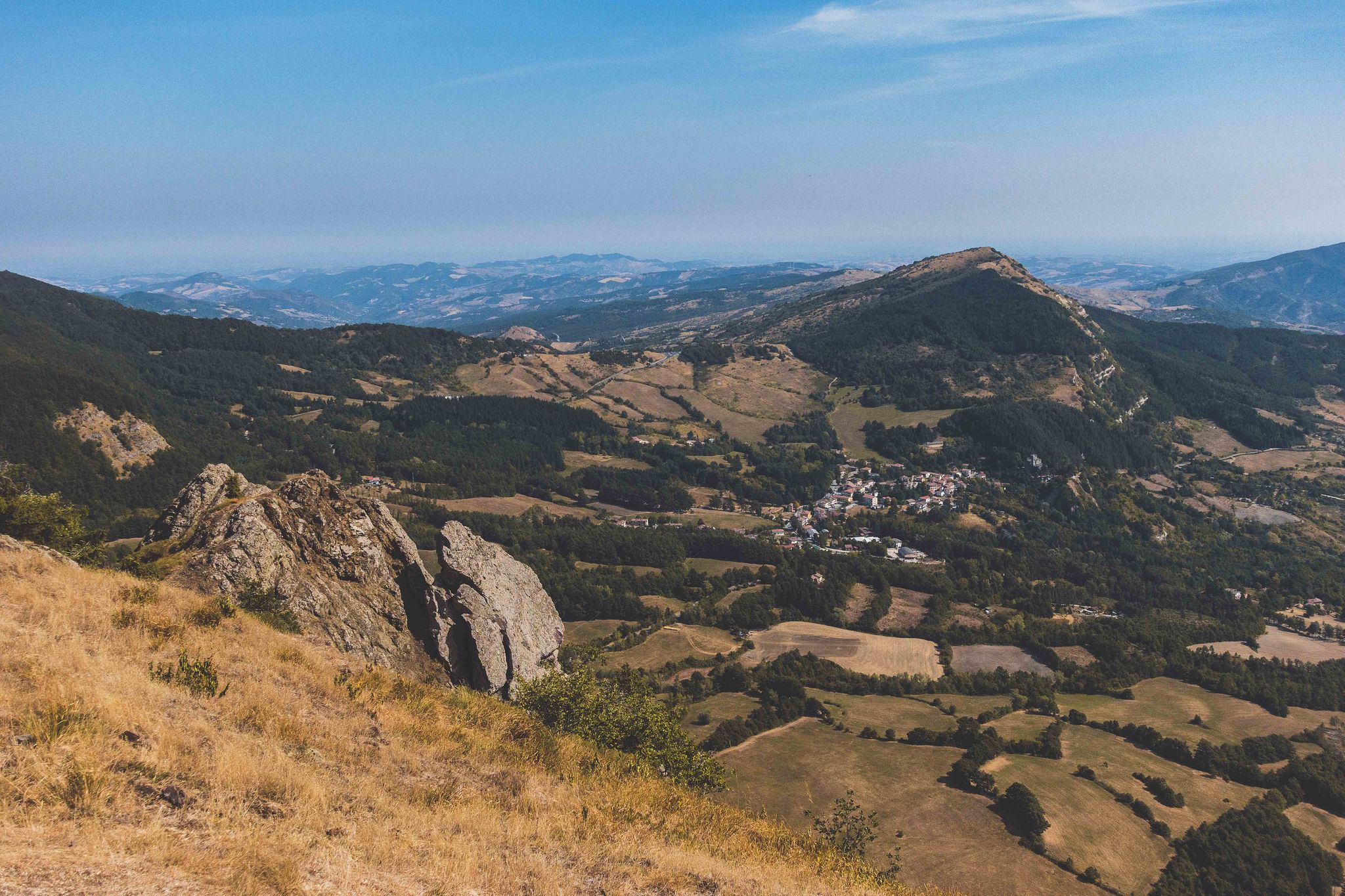
Western Mugello – Apennine passes and historic cycling climbs
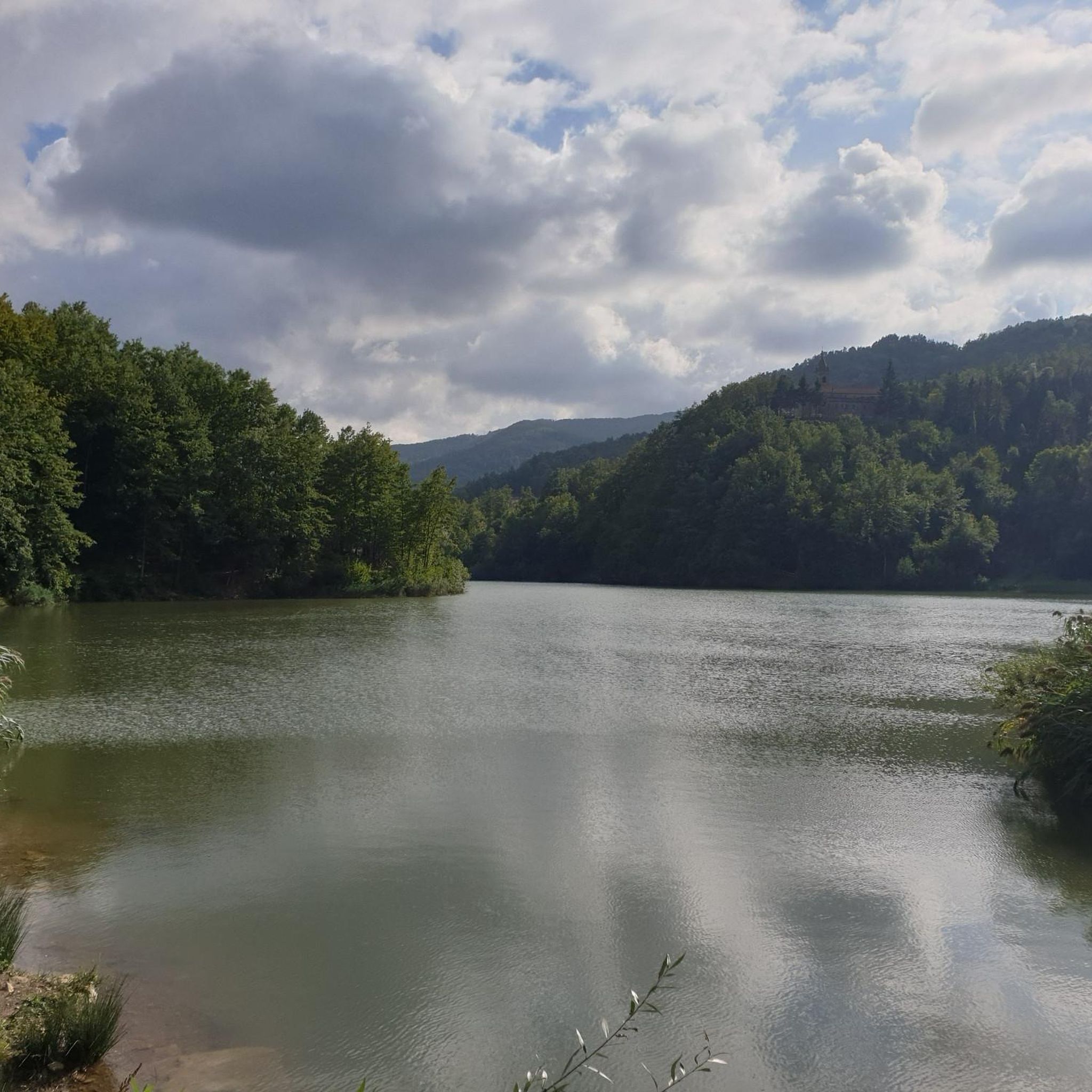
Hiking in Monte Dei Cucchi, Pian Di Balestra
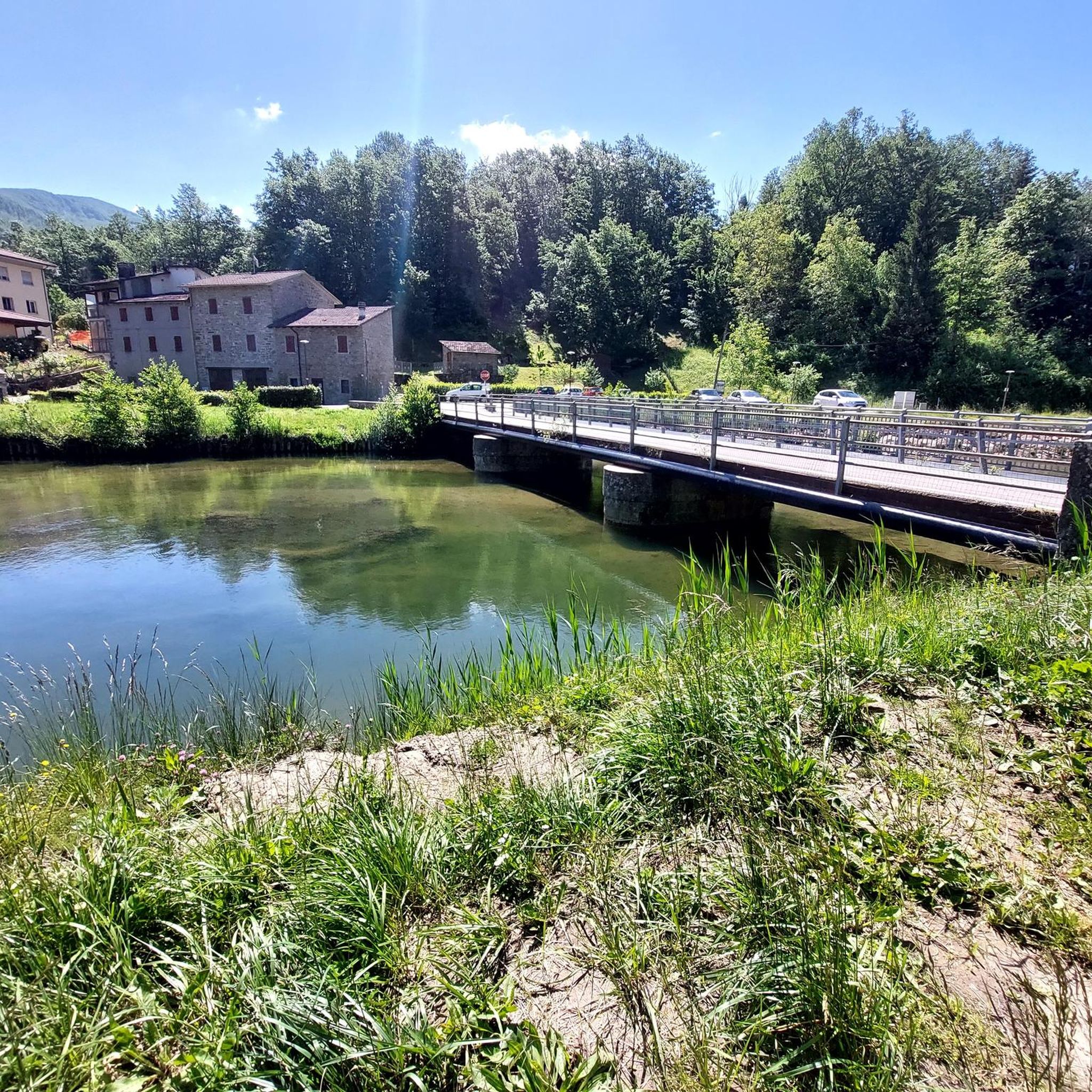
Road Cycling Routes in Monte Dei Cucchi, Pian Di Balestra
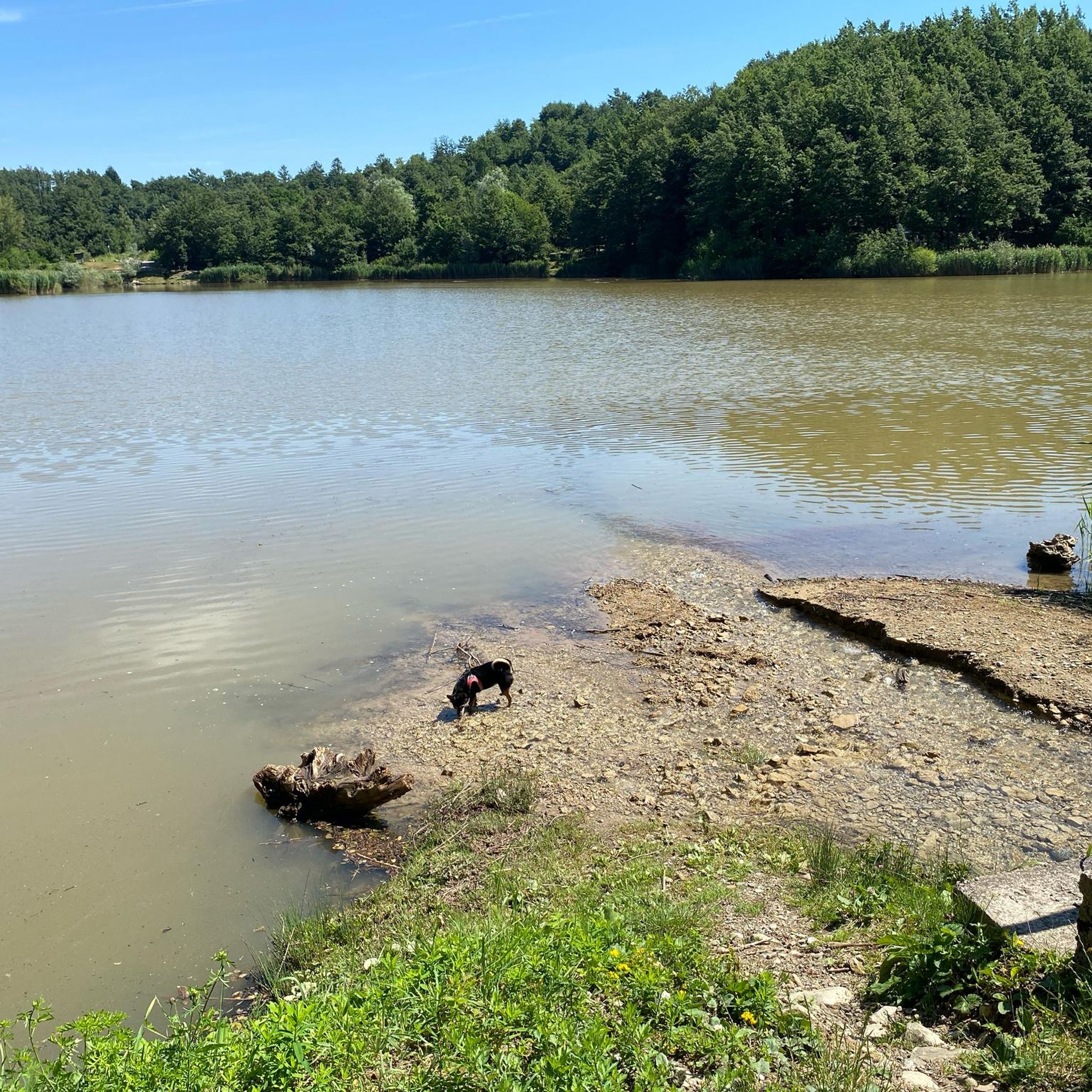
Running Trails in Monte Dei Cucchi, Pian Di Balestra
MTB Trails in Monte Dei Cucchi, Pian Di Balestra
Cycling in Monte Dei Cucchi, Pian Di Balestra

Gravel biking in Monte Dei Cucchi, Pian Di Balestra
Other adventures in Monte Dei Cucchi, Pian Di Balestra

Tips from the Community

already done twice and always beautiful
0
0

Arriving by bike to San Luca is suggestive and beautiful
1
0

Our route was inspired by the official website of the Via degli Dei, from which we downloaded the track and adapted it according to our stages and the places to visit and it is 124 km long to be done in 2-3 days using our ebikes. The itinerary of the sanctuary of San Luca is not included in the Via degli Dei but we made a detour because it is worth seeing for those who have never seen it. Be careful though, the climb is very steep and sudden and if you start from the center of Bologna, doing it cold can be really tiring and this has repercussions on the entire tour. We left on May 24 very early from the small station of Rubiera with the 06.50 train loading the bikes and arrived at Bologna central at 07.30 and returned on Sunday May 25 leaving from the station of Florence Santa Maria Novella at 18.37 to Prato. Changed the train for Bologna at 19.13 and changed again for Rubiera at 20.50. Despite the low season, the train was full of bicycles, especially leaving from Florence, so pay attention to the flows but it is recommended (for those who can take a day off) to leave very early on Monday morning from Florence to find a place in the bicycle parking spaces which are very few. Our only stop was to stay at the Futa campsite, very nice and welcoming. Since it was low season, we opted for an apartment that has 4 beds plus a sofa bed. We had a large breakfast at the bar and for dinner we stayed in the restaurant where they served us an excellent pizza and an appetizer. We were on bicycles and were very tired but a few kilometers away there are restaurants and farmhouses. Cost of the stay per person including breakfast €35.
1
0

Borders as they should be. Nothing more than a stone by the wayside.
0
0

done the trail in 5 days alone in July 2023, no comment can give an idea of the feeling of happiness, freedom, tension..... I met many guys (and this gives me the idea that the future will be better than what we elderly people leave).... I cried upon arrival in Piazza della Signoria..... as I have already posted "if you have someone you don't love tell them to take the path, if instead you have someone you who you love tell them to do it... in any case they will thank you".
1
0
done the trail in 5 days alone in July 2023, no comment can give an idea of the feeling of happiness, freedom, tension..... I met many guys (and this gives me the idea that the future will be better than what we elderly people leave).... I cried upon arrival in Piazza della Signoria..... as I have already posted "if you have someone you don't love tell them to take the path, if instead you have someone you who you love tell them to do it... in any case they will thank you".
1
0

As you traverse the Via Degli Dei, a fascinating piece of history emerges—the Sandstone Quarry, a testament to the ingenuity of the ancient Romans. This quarry, with its rugged charm, unveils the foundations of the Roman military road that once threaded through these hills. The echoes of clinking tools and the rhythmic sounds of labor resonate through time as you explore the quarry. Carved out of the earth by the hands of Roman builders, the sandstone here served as the very building blocks of their ambitious road construction projects. The stones extracted from this quarry became the sturdy foundation of the roads that connected distant corners of the Roman Empire.
2
0

here began the discovery of the Flaminia Military, with the discovery of the Roman coin by Franco Santi
1
0
Frequently Asked Questions
What natural features can I explore in Monte Dei Cucchi, Pian Di Balestra?
The region is rich in natural beauty. You can visit Lake Castel dell'Alpi, the only natural lake in the province of Bologna, formed by a landslide. The area is also characterized by dense forests, mountain peaks like Monte Bastione, and is designated a Natura 2000 site, offering diverse ecosystems with beech forests, chestnut groves, and meadows.
Are there historical sites to visit in Monte Dei Cucchi, Pian Di Balestra?
Yes, the area is steeped in history. A significant highlight is the ancient Roman road, the Flaminia Militare, built in 187 BC, with remarkably well-preserved sections near Monte Bastione and Madonna dei Fornelli. You can also explore the Roman Sandstone Quarry on the Via degli Dei, believed to have supplied materials for the road. Additionally, ancient villages like Qualto, dating back to the 13th century, and the Medieval Tower of Galappio offer glimpses into the past.
What is the Via degli Dei and does it pass through this region?
The Via degli Dei (Way of the Gods) is a renowned historical hiking trail connecting Bologna to Florence. It indeed traverses the Monte Dei Cucchi and Pian Di Balestra area, offering hikers and cyclists a journey through both history and nature. You can experience sections of it, such as the Pian di Balestra — Countryside on the Via degli Dei.
Are there any unique landmarks marking regional boundaries?
Yes, you can find the Emilia-Romagna–Tuscany Border Marker. This man-made monument clearly denotes the boundary between the two regions and is located along a wooded stretch of the Via degli Dei, making for an interesting photo opportunity.
What kind of outdoor activities can I do in Monte Dei Cucchi, Pian Di Balestra?
The region is ideal for various outdoor activities, particularly hiking and cycling. The extensive network of trails caters to all skill levels. You can find numerous routes for cycling, road cycling, and mountain biking, many of which incorporate the area's natural and historical highlights.
Are there any religious or spiritual sites in the area?
Yes, the region hosts several significant religious sites. These include the Sanctuary of Madonna della Neve in Madonna dei Fornelli, erected in 1638, and the Sanctuary of the Beata Vergine della Serra di Ripoli, one of the oldest places of worship in the Bolognese Apennines, known for its ancient organ and paintings.
What is the best time to visit Monte Dei Cucchi, Pian Di Balestra?
The region offers different experiences throughout the year. Spring and autumn are generally ideal for hiking and cycling due to milder temperatures and vibrant natural colors. Summer provides warmer weather for outdoor activities, while winter can offer a serene, snow-covered landscape, though some trails might be less accessible.
Are there family-friendly attractions in Monte Dei Cucchi, Pian Di Balestra?
Absolutely. Lake Castel dell'Alpi is a family-friendly natural monument where you can enjoy the picturesque scenery and even try fishing. The extensive forests and less strenuous sections of trails also provide opportunities for family walks and nature observation.
What kind of terrain and elevation can I expect in Monte Dei Cucchi, Pian Di Balestra?
The region is part of the high Bolognese Apennines, characterized by a mountainous landscape. You can expect varied terrain, from dense forests to open fields, with significant elevation changes. Peaks like Monte Bastione reach 1,193 meters, offering challenging climbs and panoramic views, particularly from areas like Pian di Balestra, often described as a 'theater of mountains'.
What do visitors enjoy most about Monte Dei Cucchi, Pian Di Balestra?
Visitors particularly appreciate the blend of natural beauty and historical significance. The opportunity to walk along ancient Roman roads and the Via degli Dei, combined with the serene atmosphere of the forests and the stunning views from mountain peaks, creates a unique and rewarding experience. The sense of freedom and connection with nature is often highlighted by those who explore the trails.
Can I find ancient villages in the Monte Dei Cucchi, Pian Di Balestra area?
Yes, the region is home to several ancient villages that preserve their historical charm. Qualto, considered the oldest village, dates back to the 13th century with its narrow medieval alleys and stone houses. Zaccanesca is another medieval village, and Pian del Voglio features characteristic shops and the ancient Palazzo Ranuzzi de' Bianchi.
Are there opportunities for nature observation in the region?
As a designated Natura 2000 site, Monte Dei Cucchi and Pian Di Balestra offer excellent opportunities for nature observation. The diverse habitats, including beech forests, chestnut groves, and various meadows, support a rich variety of flora and fauna, making it a rewarding destination for nature enthusiasts.
Most popular routes in Monte Dei Cucchi, Pian Di Balestra
Most popular attractions in Monte Dei Cucchi, Pian Di Balestra

Get inspired with the komoot mobile app


Explore more
Still not found the Highlight you’re looking for? See guides of the top attractions in other regions:
