The 20 Most Amazing Peaks around Hochkirch
Best mountain peaks around Hochkirch are situated within the Lusatian Highlands in Saxony, Germany. This region offers access to several elevated areas known for their historical significance, unique features, and recreational opportunities. These mountains and hills provide scenic views and are popular for outdoor activities. The terrain offers a blend of natural beauty and historical context over the Upper Lusatian landscape.
Best mountain peaks around Hochkirch
- The most popular mountain peaks is König-Friedrich-August Tower on Löbauer Hill, a man_made_monument…
Last updated: May 10, 2026
König-Friedrich-August Tower on Löbauer Hill
Highlight • Monument
Translated by Google •
Tip by

Bieleboh Forest Lodge
Highlight • Mountain Hut
Translated by Google •
Tip by

Sign up now to discover places like this
Get recommendations on the best single tracks, peaks, & plenty of other exciting outdoor places.
Sign up for free
Kälbersteine and Kälbersteinbaude
Highlight • Summit
Translated by Google •
Tip by
Czorneboh Mountain Inn and Lookout Tower
Highlight • Viewpoint
A detour to the nearby Teufelsfenster in the direction of Schönberg is also worthwhile.
Translated by Google •
Tip by

Mönchswalder Mountain Hut and Lookout Tower
Highlight • Viewpoint
Translated by Google •
Tip by

Sign up for free to discover even more peaks around Hochkirch.
Sign up for free
Already have an account?
Start today with a free account
Your next adventure awaits.
Login or Signup
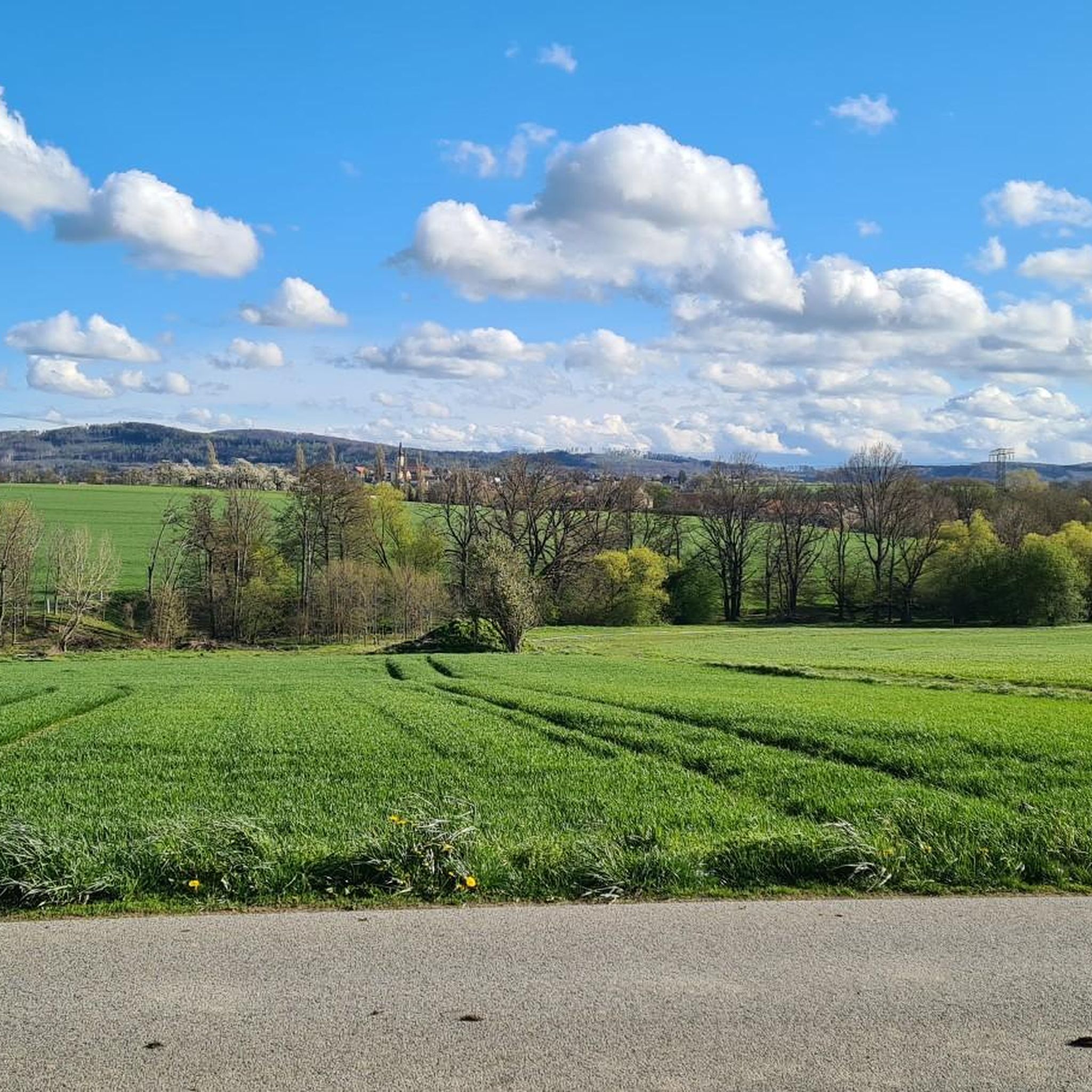
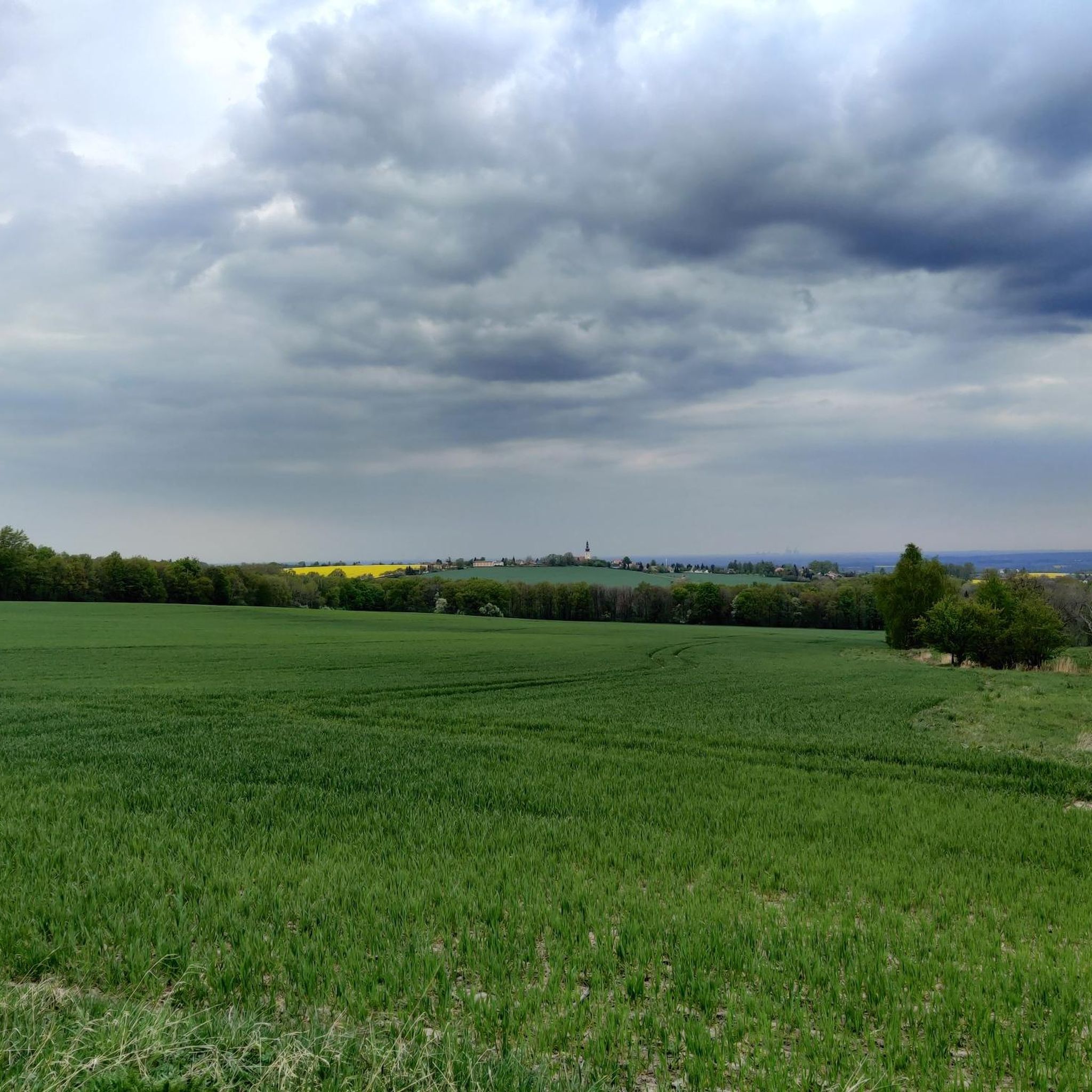
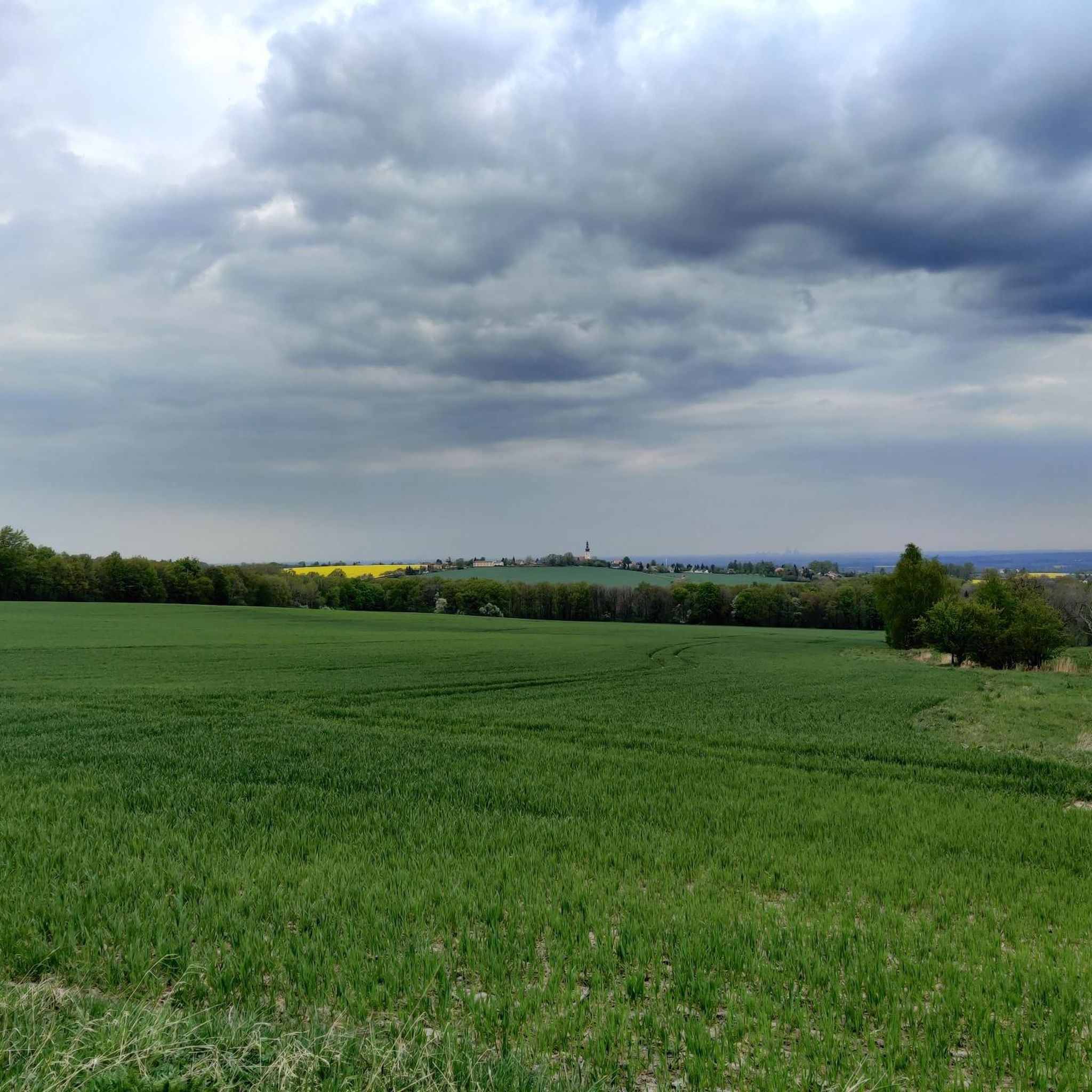
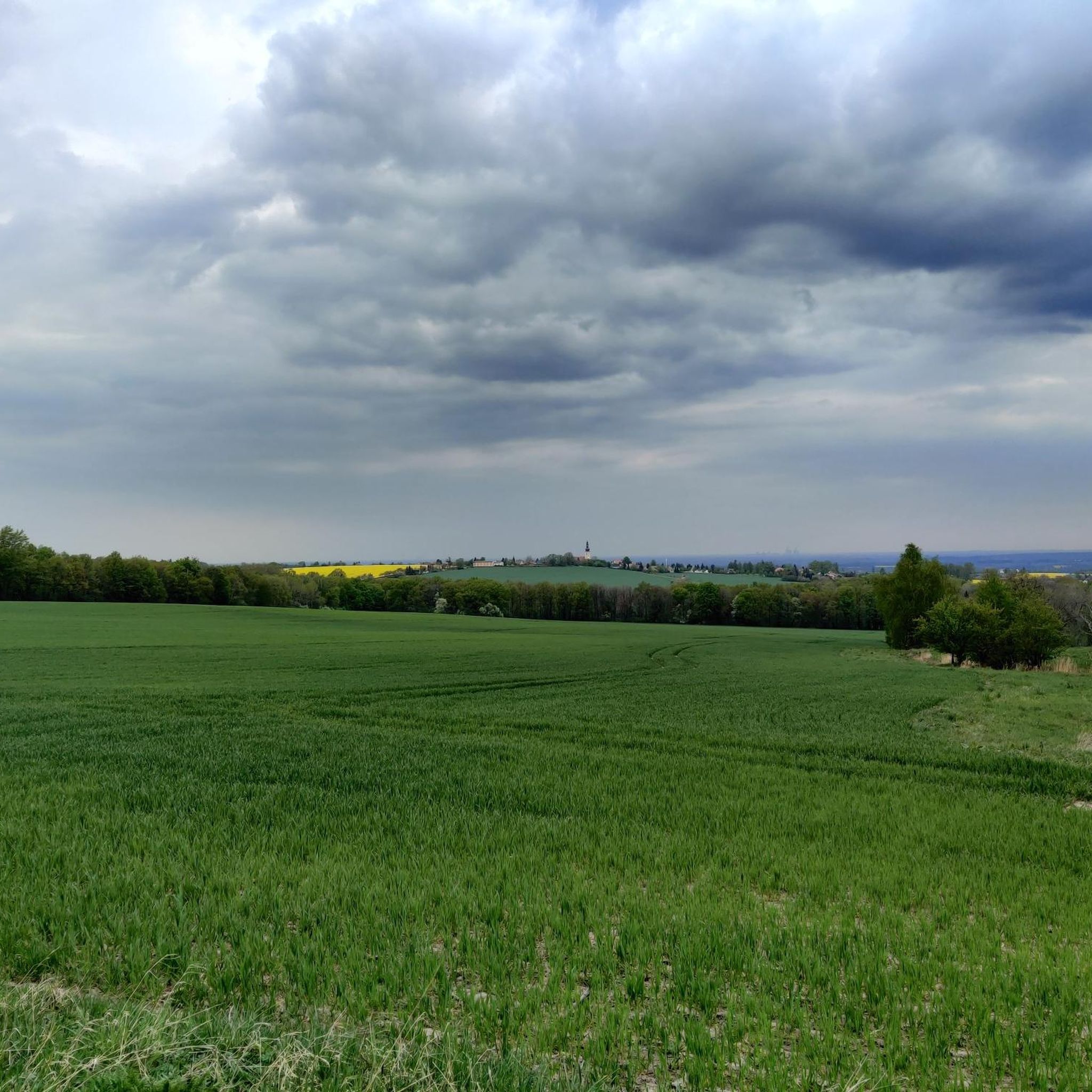
Tips from the Community

Probably the only surviving cast iron tower... The climb is always worth it. It costs 2 € and goes through a machine... so put some change in it... the 120 steps are rewarded with a great view
6
0

Beautiful iron observation tower, bring some change to visit.
2
0

The Czorneboh is one of the highlights in the region. Many visitors flock here especially at the weekend. There are ascents of various difficulties to the summit. I chose the crossing from Hromadnik over the ridge. Adventurous but very cool. There is refreshment in the mountain hut and then you definitely have to go up the tower. The view to the west and north is wonderful. Unfortunately, towards the south and east, the trees are now taller than the tower. Since 1867 there has been a station of the Royal Saxon Triangulation on the tower. The granite pillar in the tower structure is a reminder of this. "The Royal Saxon Triangulation (here with the historical proper name) is a state survey carried out in the years 1862 to 1890 on the territory of the Kingdom of Saxony with the simultaneous creation of a trigonometric network. The aim was to record the national territory scientifically and geodetically and to create the basis for the production of precise maps by establishing permanently marked reference points." - https://de.wikipedia.org/wiki/K%C3%B6niglich-S %C3%axial_triangulation#stations_2nd_order From the station one observed from N.T.R. Nostitzhöhe (in Poland); Strohmberg; Rothstein; Kottmar; Listen; Taubenberg; Valtenberg; butter mountain; salt forest; Grossdubrau
4
0

Wonderful view 👌
5
0

Like all mountain inns, a worthwhile destination. Here you can take a wonderful break both outside and inside. Unfortunately, the guest rooms are no longer available. The observation tower should definitely be climbed. The view extends far over the mountains on one side and far into the flatter north. The actual summit of Czorneboh is a little away from the inn.
2
0

An original idea for a summit book.
4
0
Around 1850 the idea was born to build an observation tower on the Löbauer Berg. In 1853 the project took concrete shape. The appearance and financing of the building were discussed. Plans existed for a stone tower and one made of cast iron. In the end, the decision was made to use the cast iron variant. But the city fathers still had the problem of financing. Then a man decided to take the tower project into his own hands. It was the Löbau master baker Friedrich August Bretschneider (born 1805). After negotiations between him and the city council, construction could begin in 1854. From January 12, 1854, work began to cut down the space on which the tower would later stand. With a climbing tree erected at the projected tower height, the best vantage point on the mountain was found. Supporting columns were anchored eight meters deep in the rock and an octagonal scaffolding made of 80 square meters of wood was erected for the tower structure. In February, King Friedrich August of Saxony gave permission for the tower to bear his name and for the Saxon coat of arms to be attached. On the occasion of the king's 57th birthday, the iron ground anchor was solemnly installed on May 18, 1854. At the beginning of June, work began on erecting the tower. Despite the technical possibilities at the time, assembly only took two and a half months. Contrary to expectations, the construction had cost a total of around 25,000 thalers - not easy for a master baker to cope with and therefore all the more honorable. In order to earn this sum, Bretschneider would have had to bake and sell around 1.6 million kilograms of bread. The inauguration of the tower had to be postponed from August 1 until further notice because the Saxon king had traveled to the Tyrolean Alps. There he died in an accident. Overshadowed by this event, the inauguration took place on September 9, 1854. In the years that followed, the "cast iron" was enthusiastically received by guests from Germany and abroad. Bretschneider did not experience the upswing that the tower took. He died on July 22, 1863. Source; https://www.loebau.de/
5
0
THE TOWER - CAST IRON OF A SPECIAL KIND Experts on the Löbauer Tower "...a very rare cast iron object..., the cast-iron lookout tower from Löbau in Saxony, which was built in 1854, just three years after its technical model, Paxton's London crystal palace. This octagonal, almost net-like, resembling a filigree pagoda transparent structure is the only cast-iron observation tower in Europe. Like Paxton's work, it is a prefabricated structure, a work of the sculptor and modeler Marquart from the Bernsdorf foundry." Technical specifications 28 meters high 4 meters in diameter octagonal shape Founded 8 meters into the rock 4 floors inside 3 galleries at 12, 18 and 24 meters in height 120 steps - spiral staircase More than 1,000 individual parts weighing 70 tons were used. The parts are mainly put together and sealed with lead. The architecture of the tower corresponds to a neo-style of the 19th century, which is mainly based on Byzantine and Gothic ornamentation. Opening hours for visits & admission 2.00 euros May to September (Monday - Friday 9am - 8pm | Saturday, Sunday 9am - 10pm) October to April (Monday - Friday 10 a.m. - 6 p.m. | Saturday, Sunday 10 a.m. - 8 p.m.) Source: https://www.loebau.de/
4
0
Frequently Asked Questions
What are some of the most notable mountain peaks around Hochkirch?
The region around Hochkirch offers several distinctive peaks. Among them, the König-Friedrich-August Tower on Löbauer Hill stands out as Europe's only remaining cast-iron observation tower. Other popular spots include Bieleboh Forest Lodge, known for its observation tower and panoramic views, and Kälbersteine and Kälbersteinbaude, which features exciting rock formations.
Are there any historical or unique architectural features among the peaks?
Yes, the König-Friedrich-August Tower on Löbauer Hill is a significant historical and architectural landmark. It is unique as the only remaining cast-iron observation tower in Europe and is considered one of the oldest. Additionally, the Kälbersteine massif is known for its exciting rock formations, with its name possibly dating back to the Thirty Years' War.
Which mountain peaks are suitable for families around Hochkirch?
Several peaks offer family-friendly experiences. The Bieleboh Forest Lodge and its observation tower are great for families, offering dining and views. The Czorneboh Mountain Inn and Lookout Tower and the Mönchswalder Mountain Hut and Lookout Tower also provide amenities like restaurants and playgrounds, making them good choices for a family outing.
What kind of views can I expect from the mountain peaks in the Hochkirch region?
The peaks around Hochkirch offer diverse and extensive views. From the observation tower at Bieleboh Forest Lodge, you can enjoy panoramic vistas over the Lusatian Mountains. The Czorneboh Mountain Inn and Lookout Tower provides extensive views over the surrounding mountainous landscape and into the flatter northern areas. Even from Kälbersteine, you can catch glimpses of the surrounding hills and mountains through the trees.
Are there hiking trails near these mountain peaks?
Yes, the Hochkirch region is well-suited for hiking. You can find numerous easy hiking routes, such as the Hochwald Tower – Czorneboh Summit loop or the Czorneboh Nature Trail – Czorneboh Tower loop. For more options, explore the Easy hikes around Hochkirch guide.
What other outdoor activities can I do near the mountain peaks?
Beyond hiking, the area around Hochkirch offers opportunities for running and cycling. There are various running loops available, and for cyclists, routes like the Löbau–Cunewalde Rail Trail or the Hochkirch Church – Wendish Tower, Bautzen loop are popular. You can find more details in the Running Trails around Hochkirch and Cycling around Hochkirch guides.
Where can I find food or accommodation near the mountain peaks?
Several peaks offer dining and even overnight stays. The Bieleboh Forest Lodge provides overnight accommodation and dining, typically open from Wednesday to Sunday. The Czorneboh Mountain Inn and Lookout Tower and the Mönchswalder Mountain Hut and Lookout Tower also feature restaurants, making them great spots for a break and a meal.
What do visitors enjoy most about the mountain peaks around Hochkirch?
Visitors particularly appreciate the unique blend of natural beauty, historical context, and panoramic vistas. The architectural marvel of the König-Friedrich-August Tower, the extensive views from Bieleboh, and the exciting rock formations of Kälbersteine are frequently highlighted. The region's well-maintained inns and welcoming atmosphere also receive positive feedback from the komoot community.
Is there a recommended detour near Czorneboh?
Yes, if you visit Czorneboh Mountain Inn and Lookout Tower, a detour to the nearby Teufelsfenster (Devil's Window) in the direction of Schönberg is highly recommended by visitors.
Are the observation towers accessible year-round?
Yes, the observation tower at Bieleboh Forest Lodge is accessible year-round and around the clock, offering continuous opportunities for panoramic views over the Lusatian Mountains.
What kind of natural landmarks can I find among the peaks?
The region is rich in natural landmarks. The Kälbersteine massif is a notable natural monument, known for its unique and exciting rock formations. The forested mountains themselves, like Czorneboh and Bieleboh, offer beautiful natural settings within the Lusatian Highlands.
Most popular routes around Hochkirch
Most popular attractions around Hochkirch

Get inspired with the komoot mobile app


Explore more
See even more amazing summits around Hochkirch with these guides:
