The best road cycling routes in Parco Del Fiume Tormo
4.1
(942)
15,160
riders
20
rides
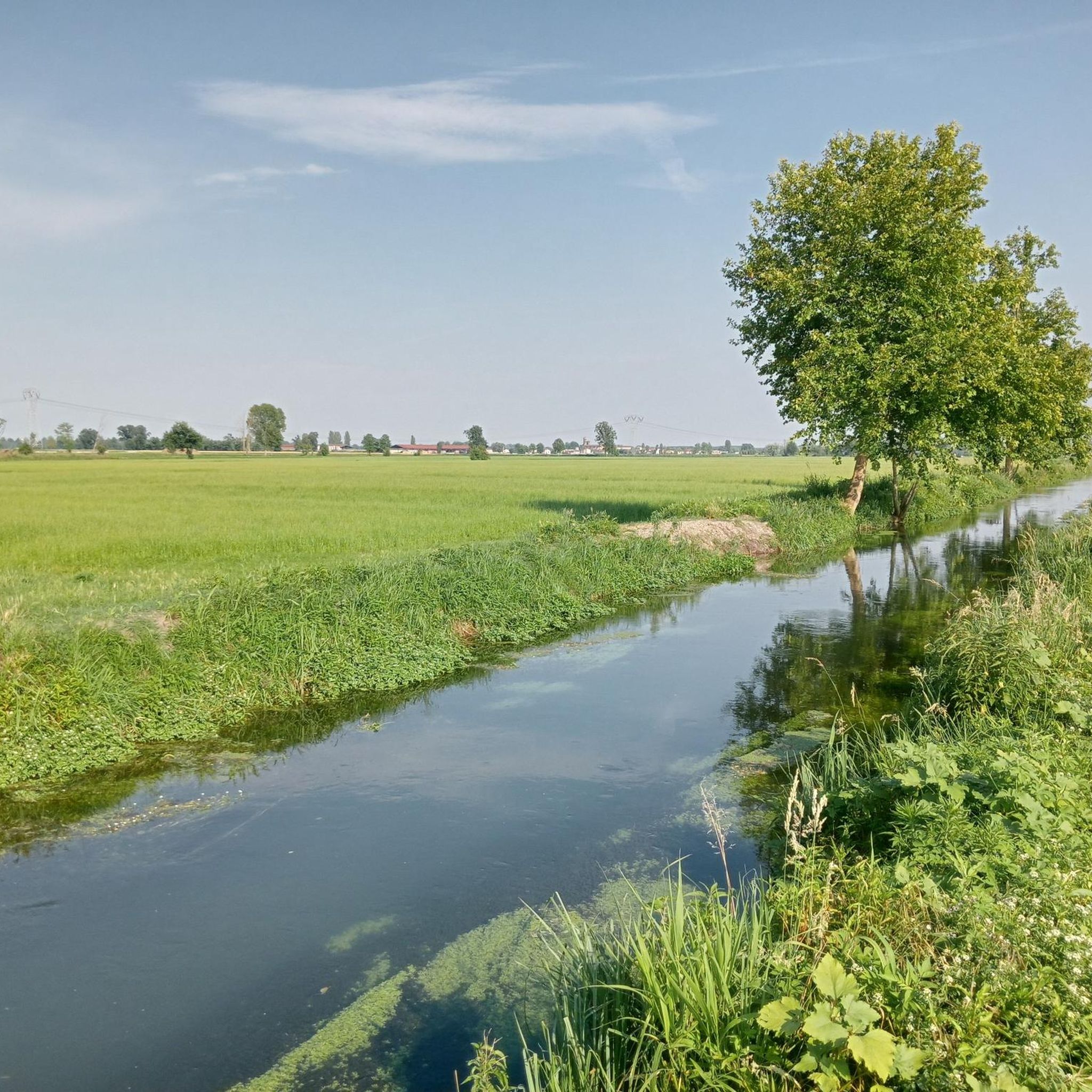
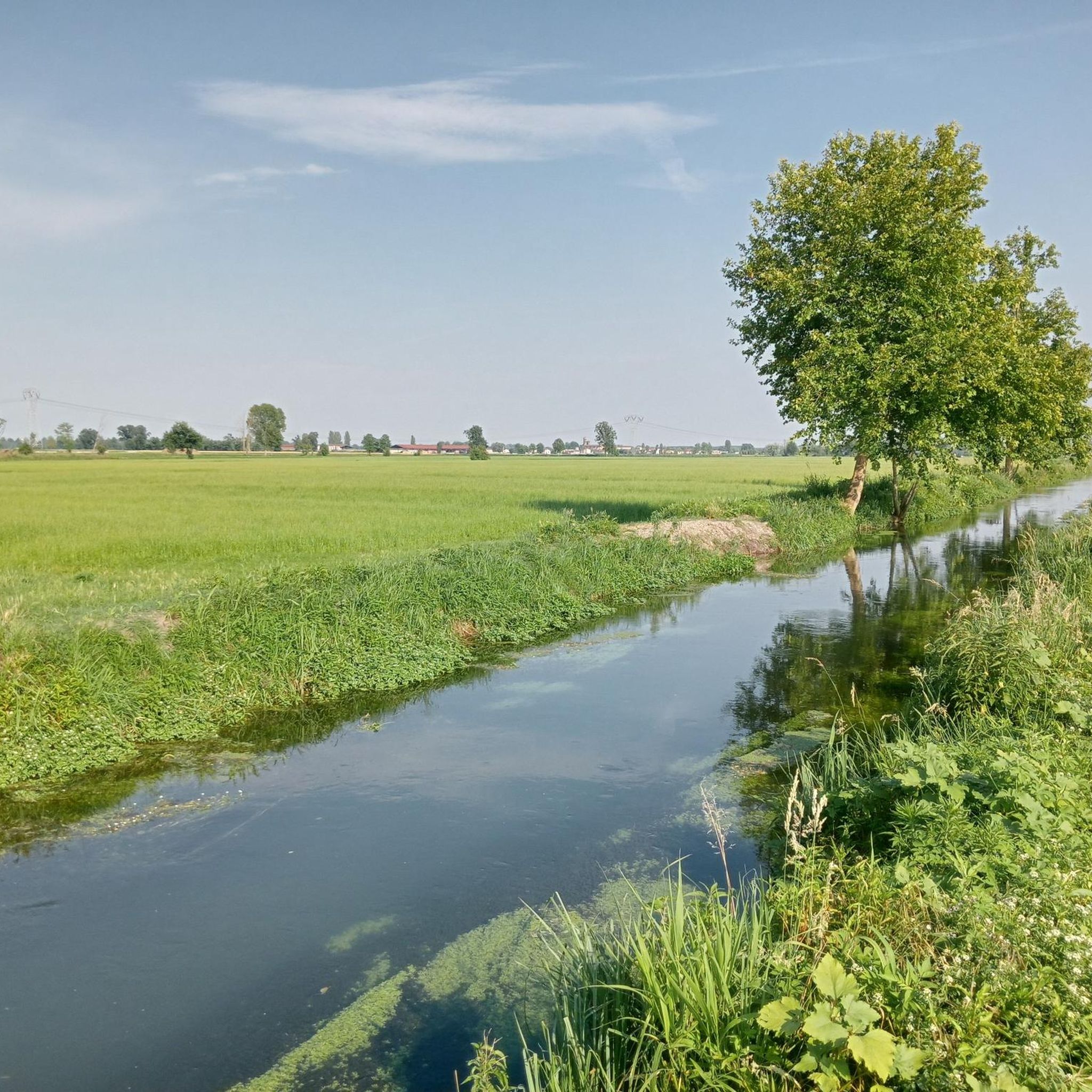
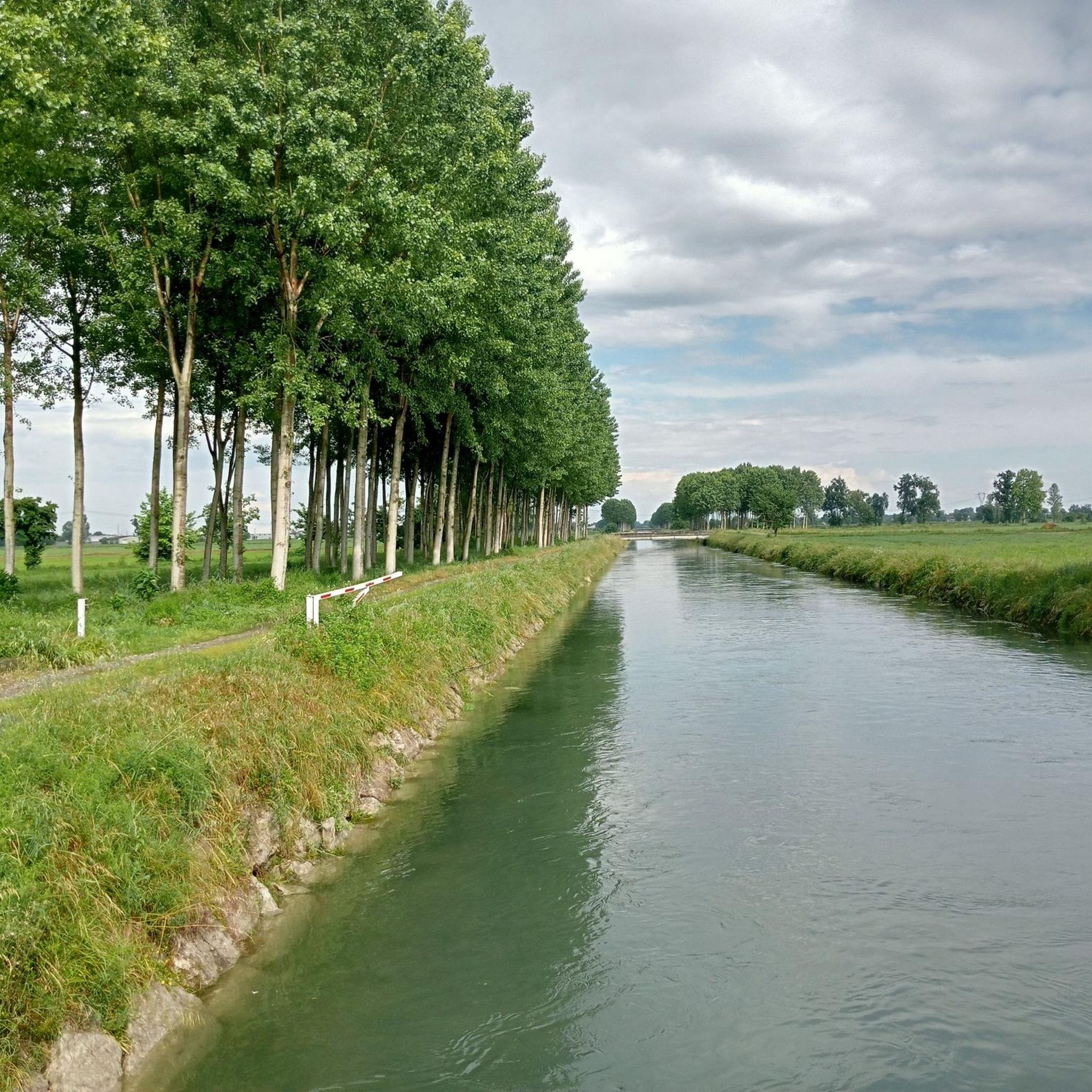
Road cycling in Parco Del Fiume Tormo traverses a predominantly flat plain, characterized by rural landscapes and agricultural traditions. The region is defined by its hydrographic basin, including the Tormo river, which originates from natural springs. This terrain offers accessible cycling experiences across the provinces of Cremona, Lodi, and Bergamo, featuring a network of country roads and canals.
Best road cycling routes in Parco Del Fiume Tormo
- The most popular road cycling route is Canale Muzza – Marzano Circuit loop…
Last updated: July 2, 2026
27
riders
Easy road ride. Great for any fitness level. Mostly well-paved surfaces and easy to ride.
3.5
(4)
27
riders
51.1km
02:03
110m
110m
Moderate road ride. Good fitness required. Mostly well-paved surfaces and easy to ride.

Sign up for free
3.3
(4)
19
riders
Easy road ride. Great for any fitness level. Mostly well-paved surfaces and easy to ride.
30
riders
Easy road ride. Great for any fitness level. Mostly well-paved surfaces and easy to ride.
9
riders
60.1km
02:34
130m
130m
Moderate road ride. Good fitness required. Some segments of this route may be unpaved and difficult to ride.
Get access to more routes and recommendations from other explorers.
Sign up for free
Already have an account?
Our route recommendations are based on thousands of hikes, rides, and runs completed by other people on komoot.
Start today with a free account
Your next adventure awaits.
Login or Signup
Tips from the Community

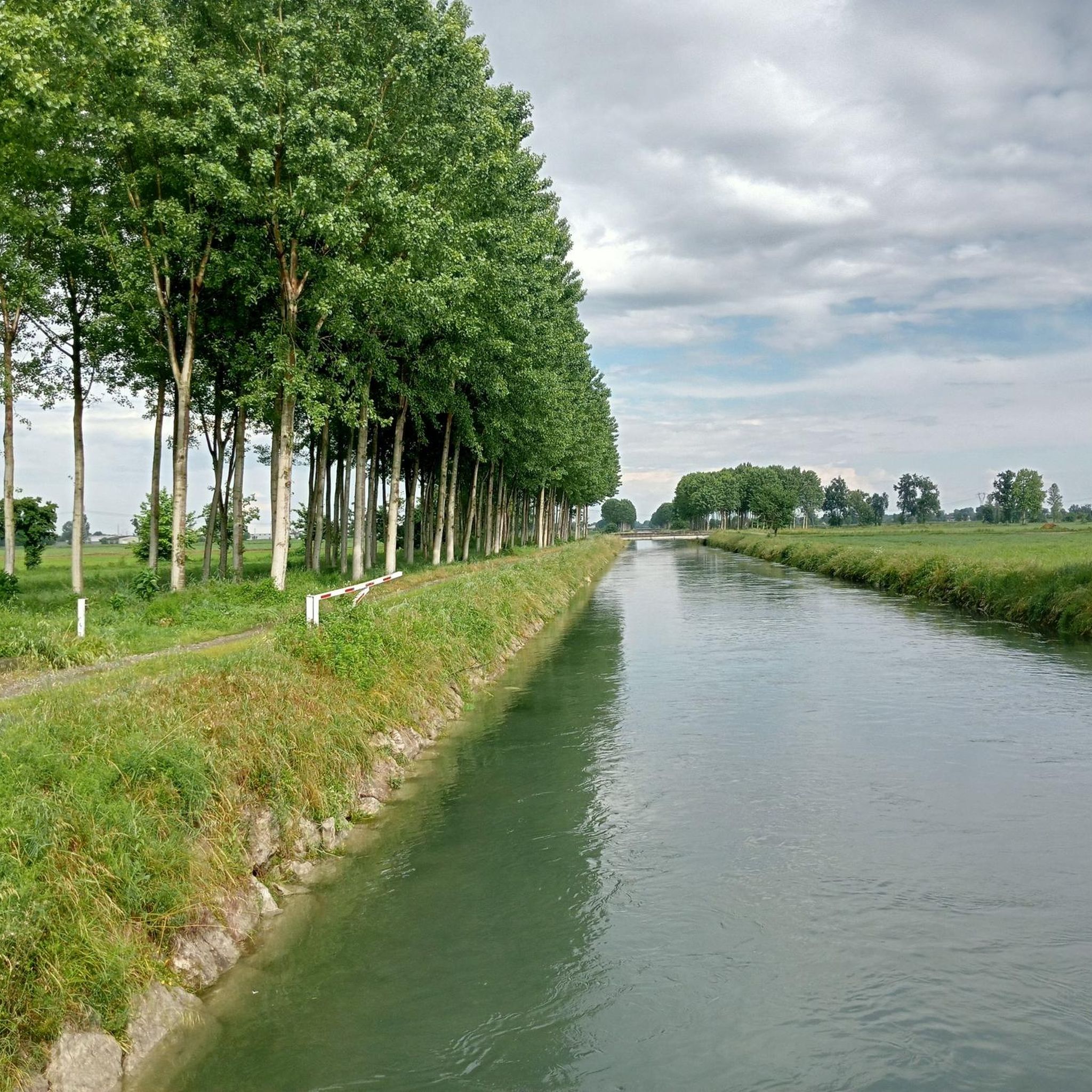
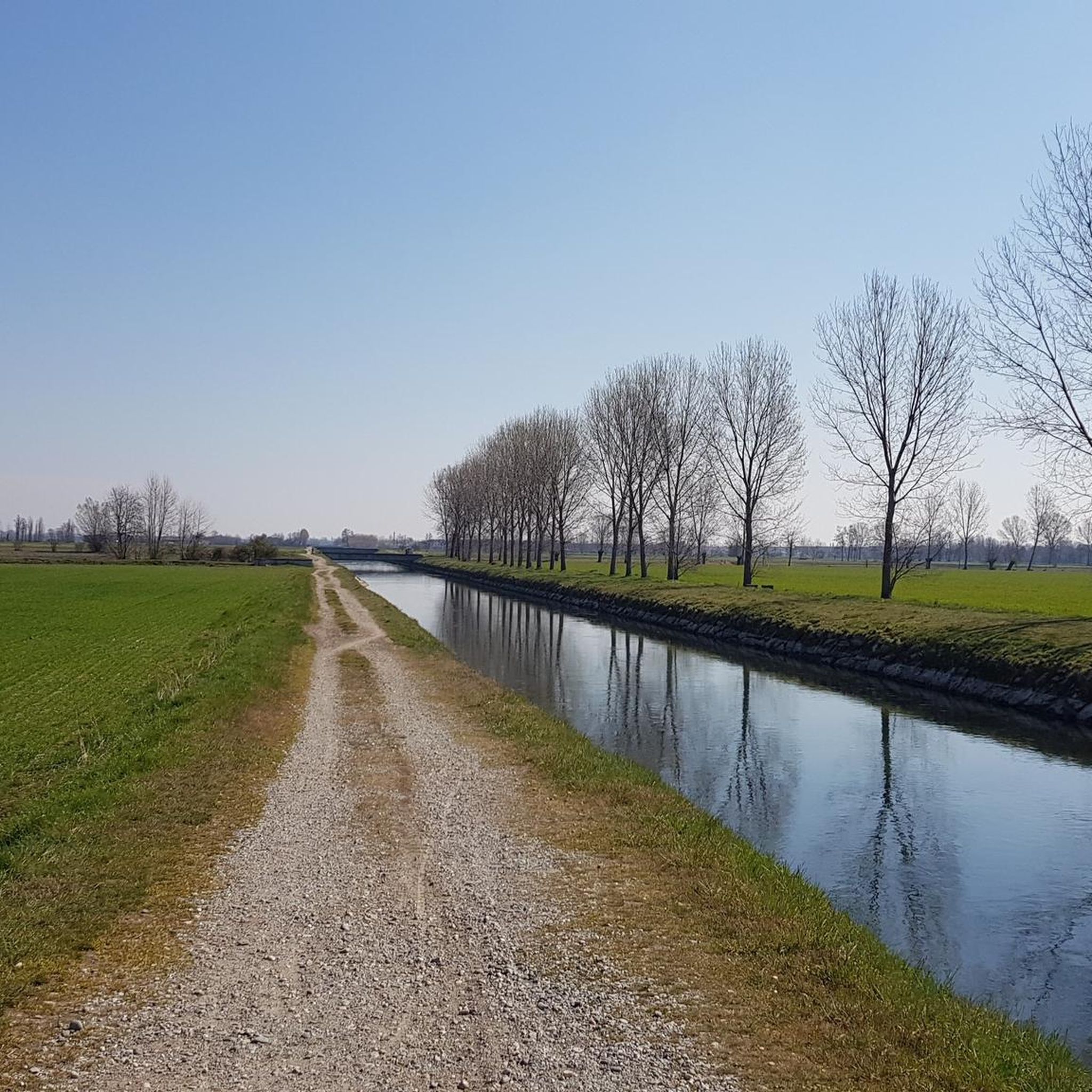
The Muzza Canal is one of the most important and oldest hydraulic engineering works in Europe. It is a large artificial branch of the Adda river that crosses the Lombard plain. For centuries, it has represented the main resource for irrigating the lands of the province of Lodi and southern Milan. It originates in Cassano d'Adda (Milan), drawing water directly from the Adda near the Visconti castle. It ends its course after about 39-40 kilometers (over 60 km considering the entire main network), rejoining the Adda at Castiglione d'Adda (Lodi).
0
0

The Adda River is the fourth longest watercourse in Italy with its 313 kilometers and is entirely contained within the Lombardy region. It represents one of the main left tributaries of the Po River and has a very large hydrographic basin that covers about a third of the regional territory.
0
0
The Adda River is the fourth longest watercourse in Italy with its 313 kilometers and is entirely contained within the Lombardy region. It represents one of the main left tributaries of the Po River and has a very large hydrographic basin that covers about a third of the regional territory.
0
0

the windmills are always very characteristic
0
0
The Tavazzano and Montanaso thermoelectric power plant covers an area of 79 hectares in the Municipalities of Montanaso Lombardo and Tavazzano con Villavesco, in the province of Lodi, 25 km from Milan. The plant has an installed capacity of 1,970 MW and consists of three combined cycle units. The plant is close to important electricity consumption centers.
0
0
Santuario di Santa Maria del Fonte is a magnificent monumental complex, situated at the end of a long tree-lined avenue that begins with the arch of Porta Nuova, close to the historic center of the city. Its origin dates back to the famous episode of the Apparition: on May 26, 1432, the peasant woman Giannetta de Vacchi was in the Mazzolengo meadow, near the village of Caravaggio, when she witnessed the appearance of a woman whom, by her majesty and beauty, she immediately recognized as the Virgin Mary. As a testament to the event, a new spring gushed forth in the field, whose waters were capable of healing ailments. In the immediately following centuries, a place of worship was built to remain in eternal memory of the event: this building later became the current Basilica of the Sanctuary of Caravaggio.
0
0
The Muzza Canal is the oldest in Europe and this year, its 800th anniversary was celebrated by the Municipality of Paullo in collaboration with the Pro Loco and other Municipalities. Its origin dates back to the year 1220, when Frederick II of Swabia, crowned emperor of the Holy Roman Empire, issued an imperial edict that granted the people of Lodi the right to use the waters flowing through their territory. The current route, about 60 km long, receives the waters of the Adda at Cassano d’Adda, at an altitude of 120 m above sea level, crosses the Lodi territory for about 40 km up to near Castiglione d’Adda, at an altitude of 45 m above sea level, and here it releases them back into the Adda. It has a regulated water regime, with a flow rate, depending on the seasons, of about 200,000 liters of water per second; an initial width of 50 meters which reduces to a few meters at the end of its course and an average depth of 2 meters.
1
0

A suggestive glimpse of the wheel of a watermill, visible from the small bridge over the Acqua Rossa canal.
0
0
Frequently Asked Questions
What is the typical terrain like for road cycling in Parco Del Fiume Tormo?
The terrain in Parco Del Fiume Tormo is predominantly a flat plain, characterized by rural landscapes and agricultural traditions. This makes for generally accessible cycling experiences, with routes traversing the hydrographic basin of the Tormo river, which originates from natural springs.
Are there road cycling routes suitable for beginners in Parco Del Fiume Tormo?
Yes, Parco Del Fiume Tormo offers several routes suitable for beginners. Out of the 17 available road cycling routes, 6 are classified as easy. An example is the Pandino Castle – Cascine Capri loop from Palazzo Pignano, which is 15.0 miles (24.2 km) long and takes about 1 hour 8 minutes to complete.
What historical sites or landmarks can I see while road cycling in Parco Del Fiume Tormo?
Many routes pass by significant historical and cultural landmarks. You can explore sites such as the 11th-century Cistercian Abbey of Abbadia Cerreto, the Parish Church of San Martino in Palazzo Pignano, and the Sanctuary of the Madonna delle Assi. The historic Pandino Castle is also a notable point of interest on some routes.
Can I cycle along the Vacchelli Canal in Parco Del Fiume Tormo?
Yes, the Vacchelli Canal Cycle Path is a key feature within the park, offering a dedicated route for cyclists to explore the scenery. While some sections may have an uneven surface, it's a popular way to experience the area.
Are there any unique natural features to observe along the cycling routes?
Absolutely. The Tormo river itself is a unique natural feature, originating directly in the plain from 'fontanili' (springs) and resurgences. This ensures consistently clear, fresh water, supporting a thriving aquatic ecosystem. The extensive hydrographic basin and agricultural landscapes also offer picturesque views.
What do other road cyclists enjoy the most about road cycling in Parco Del Fiume Tormo?
The area is highly rated by the komoot community, with an average score of 4.3 stars from over 400 reviews. Cyclists often praise the flat plains and rural landscapes, which provide a relaxed and scenic riding experience. The network of paths, including those along waterways like the Tormo river and Vacchelli Canal, are also frequently highlighted.
Are there any longer, more challenging road cycling routes in the park?
Yes, for those seeking a moderate challenge, routes like the Sanctuary of Caravaggio – Canale Muzza loop from Palazzo Pignano offer a longer ride of 37.4 miles (60.1 km). Another option is the Napoleon Bonaparte Bridge – Climb of Palazzo Albergoni loop from Palazzo Pignano, which covers 42.8 miles (68.9 km).
Is parking available for road cyclists in Parco Del Fiume Tormo?
While specific designated cycling parking areas are not detailed, the various municipalities surrounding and within the park, such as Palazzo Pignano, Agnadello, and Pandino, typically offer public parking facilities where cyclists can leave their vehicles to access the routes.
Are there cafes or places to stop for refreshments along the road cycling routes?
The routes traverse rural areas and pass through several towns involved in the park, including Palazzo Pignano, Agnadello, and Dovera. These towns offer opportunities to find local cafes, restaurants, and other amenities for refreshments and breaks during your ride.
How can I access Parco Del Fiume Tormo using public transport for cycling?
Accessing the park by public transport for cycling can be challenging as direct services specifically catering to cyclists with bikes are limited. However, regional bus services connect the towns around the park to larger hubs. It's advisable to check local transport schedules and bike carriage policies for specific routes.
Are the road cycling routes in Parco Del Fiume Tormo suitable for families?
Given the predominantly flat terrain and the presence of easy-grade routes, many sections of Parco Del Fiume Tormo are suitable for families. The dedicated Vacchelli Canal Cycle Path, for instance, offers a relatively safe and enjoyable environment for family rides, though some parts may have uneven surfaces.
What is the best time of year for road cycling in Parco Del Fiume Tormo?
The best time for road cycling in Parco Del Fiume Tormo is generally during spring and autumn when the weather is mild and pleasant. Summer can also be enjoyable, especially with the Tormo river's consistently fresh water. Winter cycling is possible, as the river remains temperate, but conditions may vary.
Most popular routes in Parco Del Fiume Tormo
Most popular attractions in Parco Del Fiume Tormo

Get inspired with the komoot mobile app


Explore more
Browse the best Road cycling routes in other regions.
