Top 20 Lakes around Schönteichen
Best lakes around Schönteichen are primarily found within the Oberlausitzer Heide- und Teichgebiet, a UNESCO Biosphere Reserve. This region is characterized by an extensive network of ponds rather than large natural lakes, particularly within the Biehla-Weißig Nature Reserve. The area is recognized for its biodiversity, traditional carp farming, and diverse ecosystems. It offers opportunities for nature observation, hiking, and cycling.
Best lakes around Schönteichen
- The most popular lakes is Biehla-Weißig Pond Area Nature Reserve, a lake area renowned for…
Last updated: August 11, 2026
Friendship Lake (See der Freundschaft)
Highlight • Lake
Translated by Google •
Tip by

Beaver trail at the lake of friendship
Highlight • Trail
Translated by Google •
Tip by

Sign up now to discover places like this
Get recommendations on the best single tracks, peaks, & plenty of other exciting outdoor places.
Sign up for free
Observation Tower at the Lake of Friendship (See der Freundschaft)
Highlight • Viewpoint
Translated by Google •
Tip by
Biberhütte at Friendship Lake
Highlight • Mountain Hut
Translated by Google •
Tip by
Pulsnitz Castle Pond
Highlight • Lake
Translated by Google •
Tip by

Sign up for free to discover even more lakes around Schönteichen.
Sign up for free
Already have an account?
Start today with a free account
Your next adventure awaits.
Login or Signup
Popular around Schönteichen
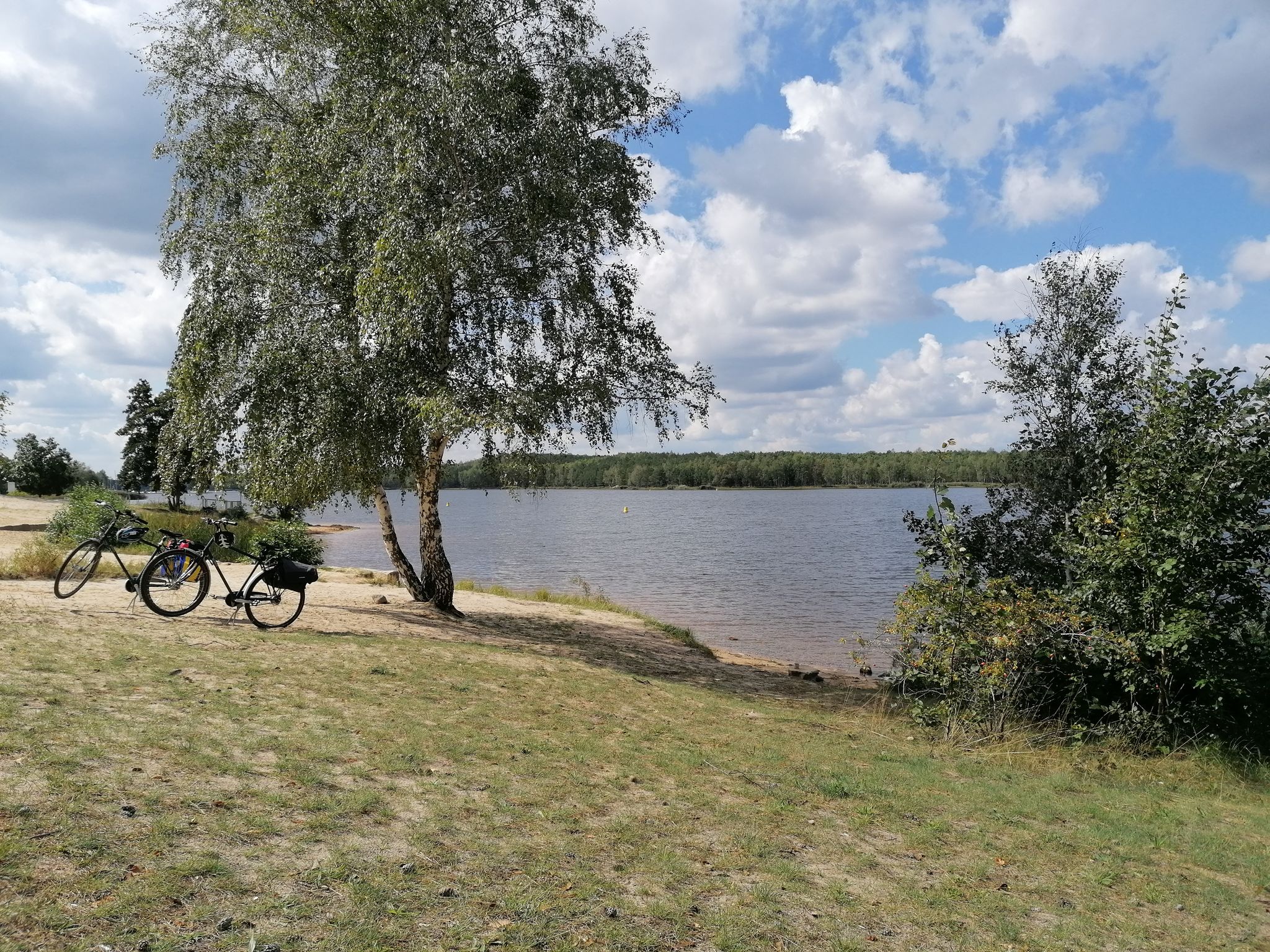
Cycling from Dresden to Berlin – lakes, nature and Sorbian culture
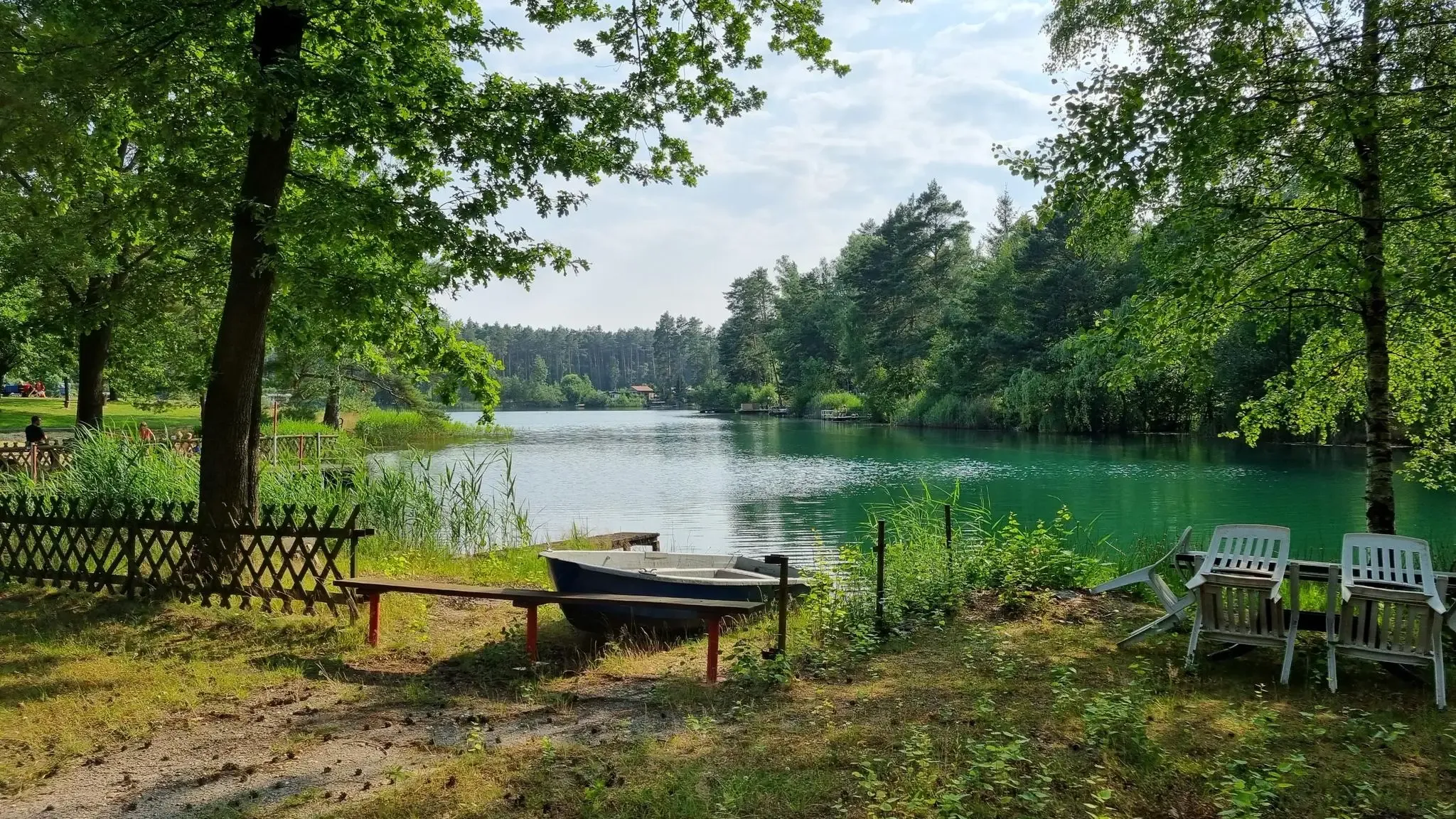
Cycle through amphibian landscapes – Frog cycle path
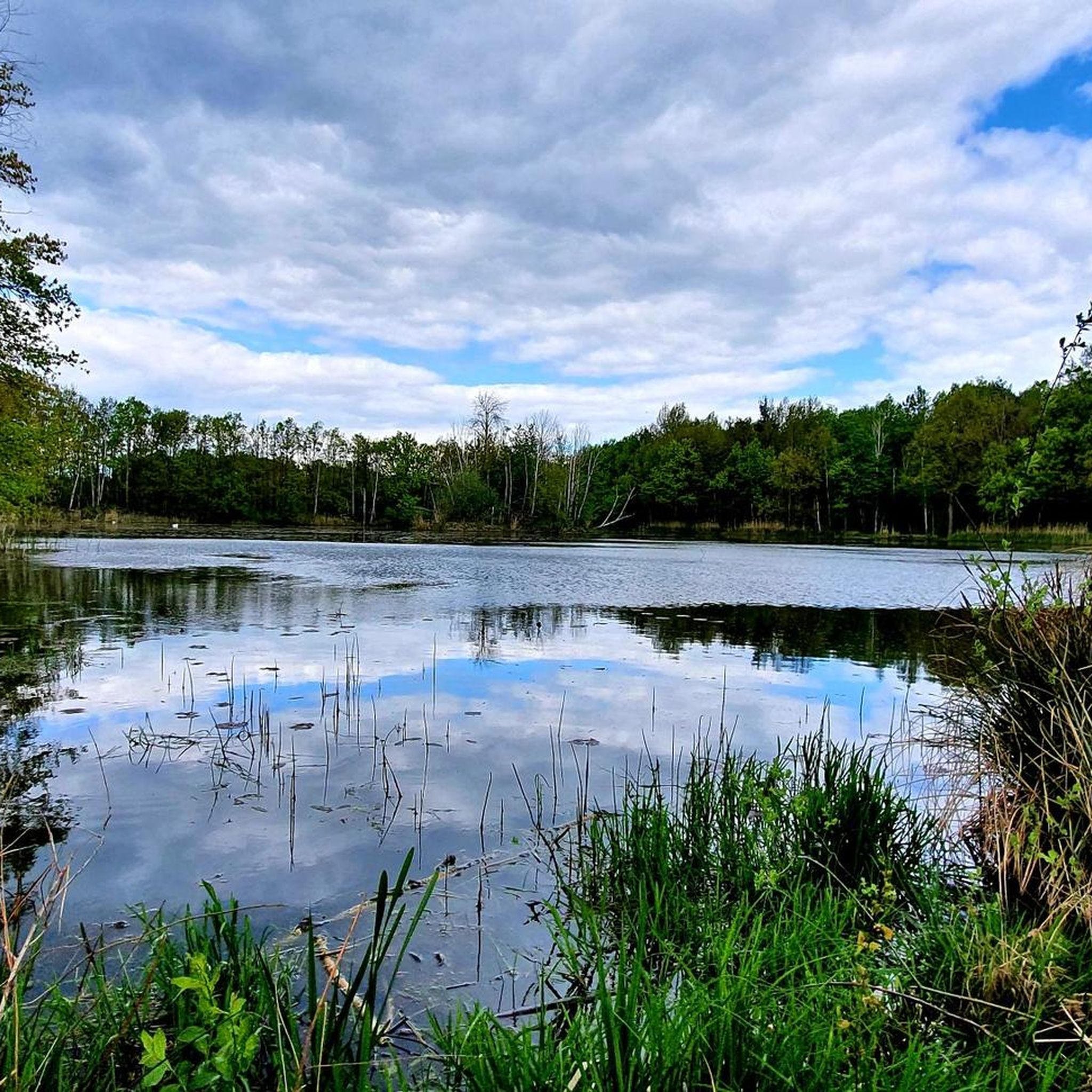
Hiking around Schönteichen
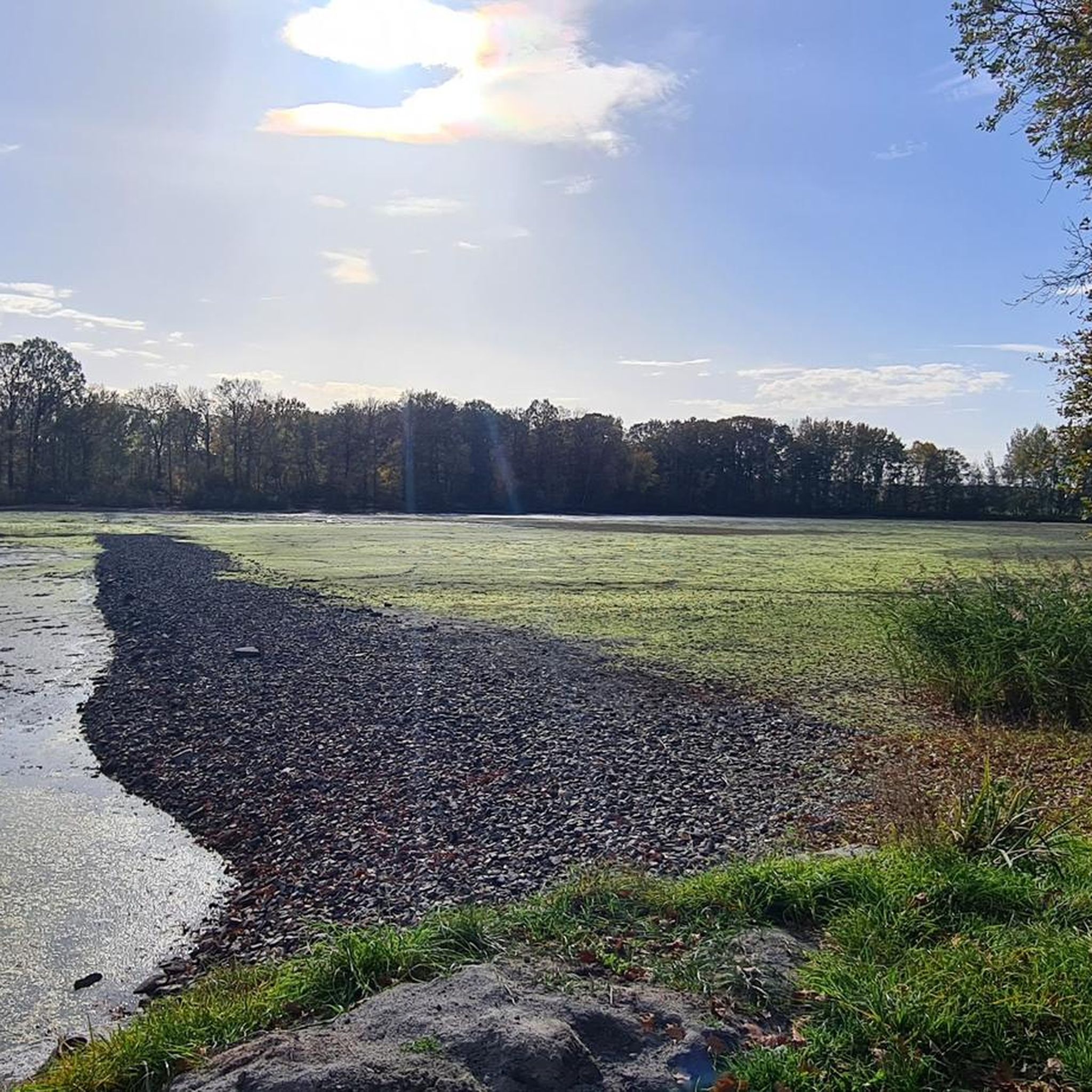
Road Cycling Routes around Schönteichen
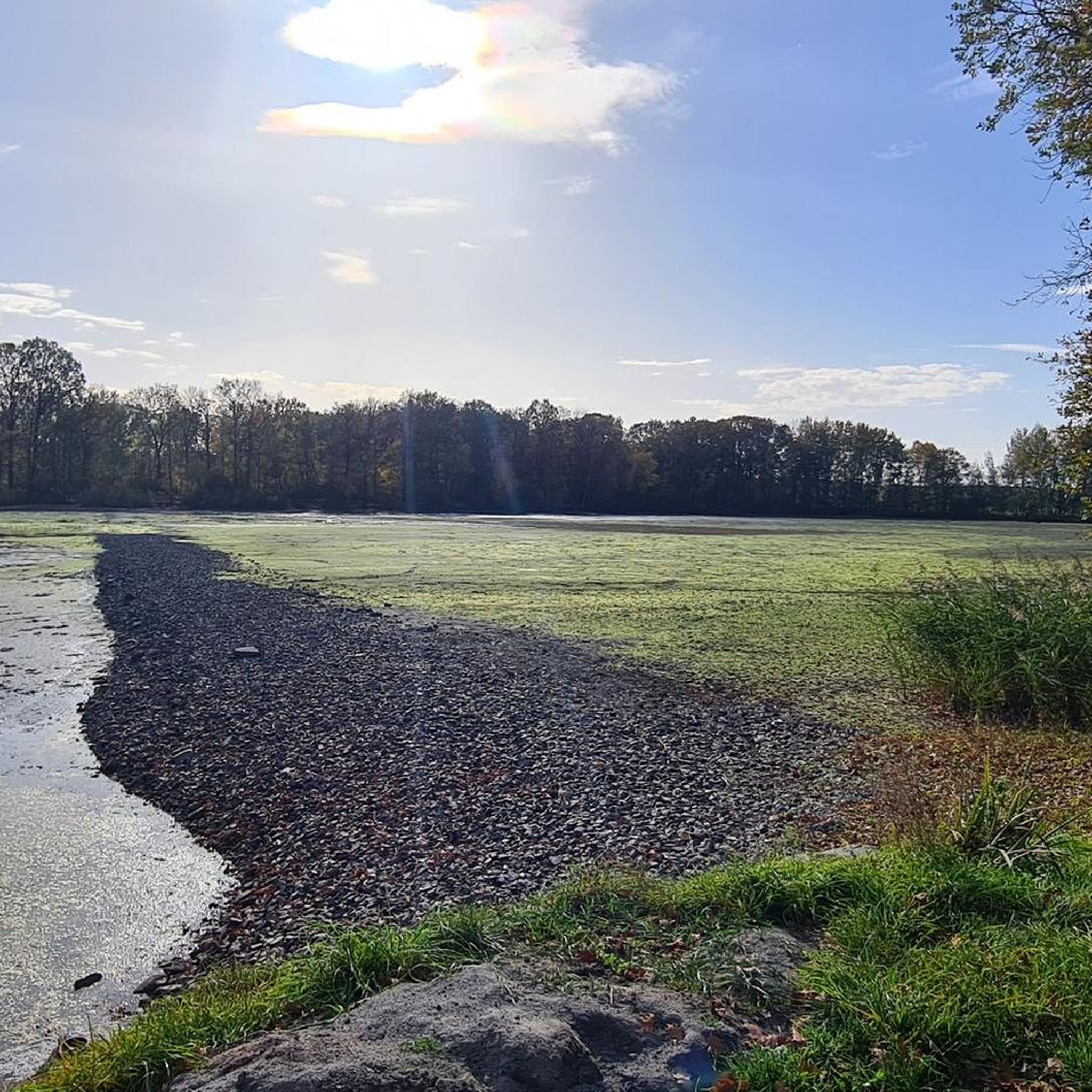
Cycling around Schönteichen
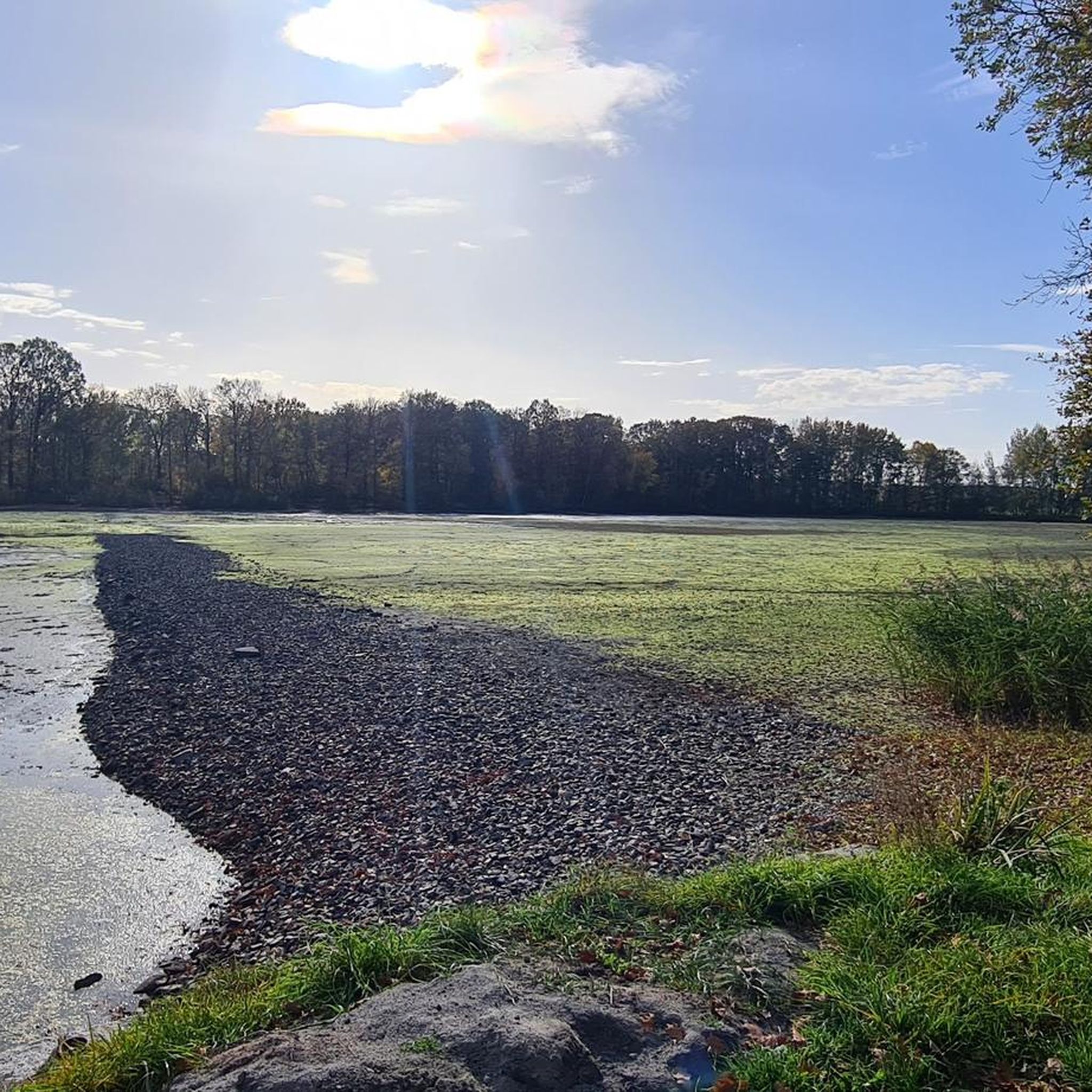
MTB Trails around Schönteichen
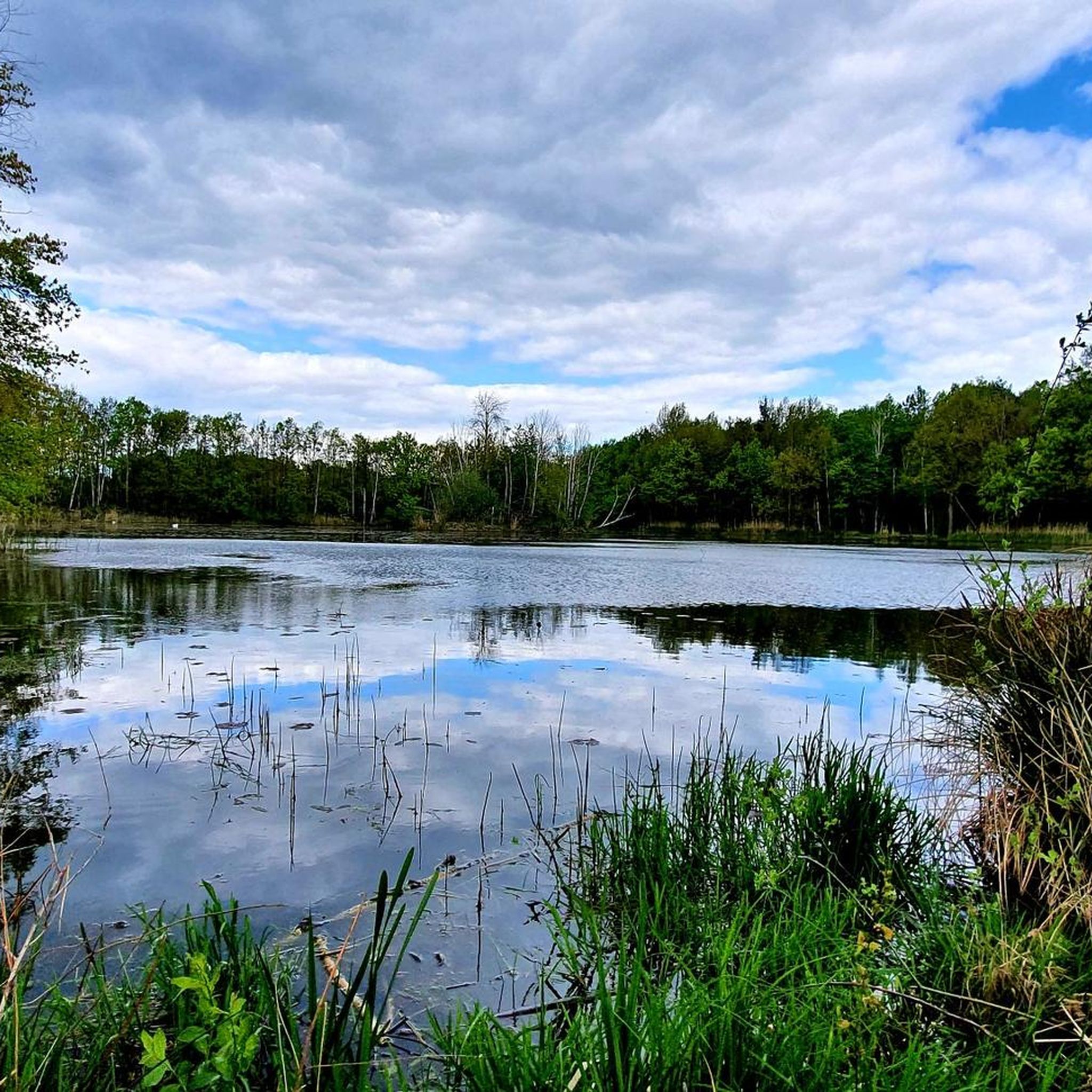
Running Trails around Schönteichen
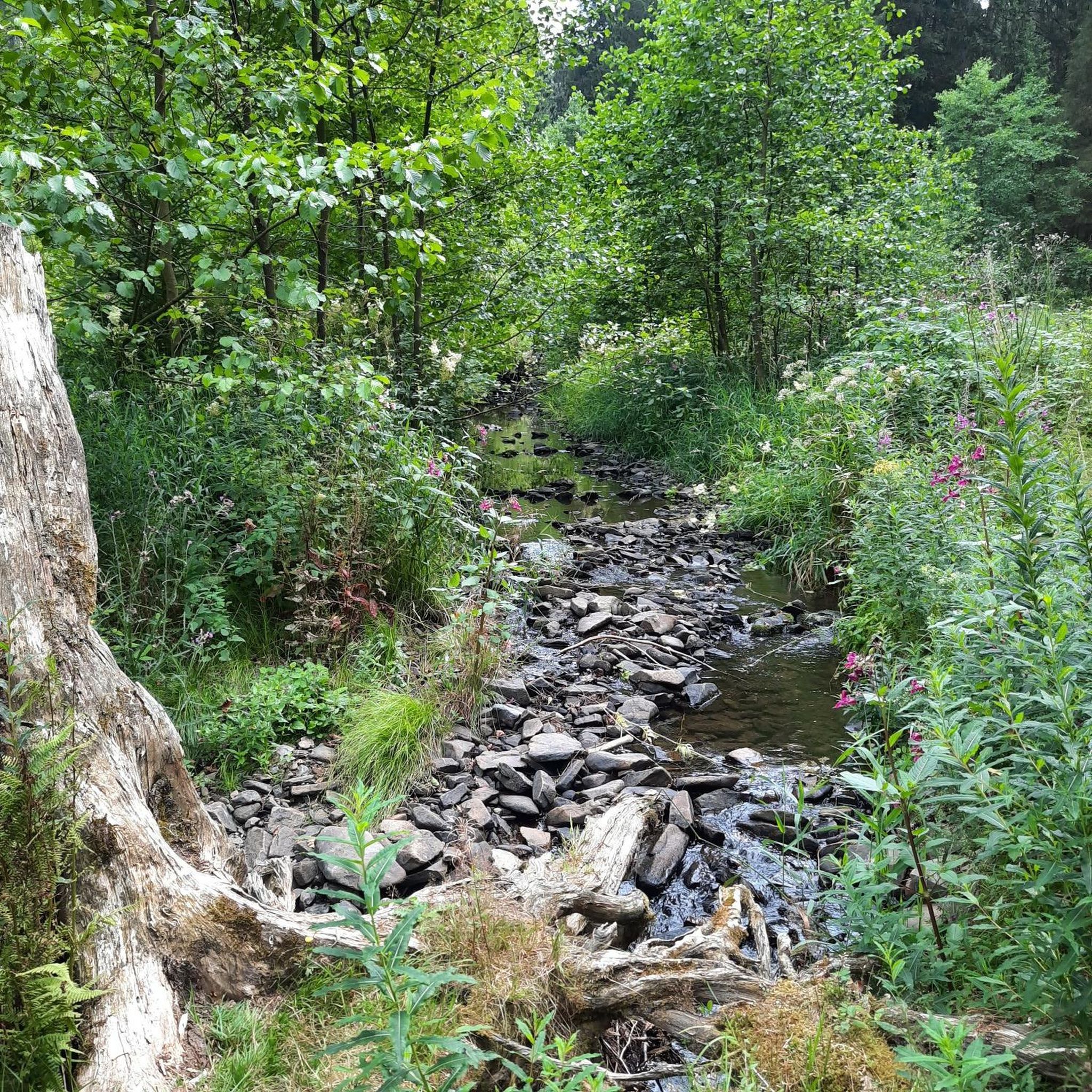
Gravel biking around Schönteichen


Tips from the Community

a very rustic resting place for any weather.
0
0
A wonderful spot on earth in every season. Simply fantastic.
2
0

The adjacent castle lake offers opportunities for fishing and gondola rides in the warmer months. The castle lake was reconstructed in 1991 and some of the facilities were redesigned. Source:https://www.pulsnitz.de/kultur-tourismus/sehenswertes.html
1
1

Beautiful pond. Swans can often be seen here.
3
1

The beaver hut right on Lake Friendship is not just a shelter for hikers, but a hut with a real large grill and a modern toilet next to it.
0
0

This hut can also be used for a barbecue evening, but registration is required.
1
0

The pond invites you to linger.
1
2

A beautiful path, through a beautiful landscape.
5
0
Frequently Asked Questions
What kind of 'lakes' can I expect to find around Schönteichen?
The region around Schönteichen is primarily characterized by an extensive network of ponds rather than large natural lakes. It's part of the Oberlausitzer Heide- und Teichgebiet, a UNESCO Biosphere Reserve, renowned for its unique pond landscape, especially within the Biehla-Weißig Pond Area Nature Reserve.
What makes the Oberlausitzer Heide- und Teichgebiet unique for nature lovers?
This UNESCO Biosphere Reserve is exceptional for its biodiversity, supporting over 5,000 species of animals and plants, including rare birds like the sea eagle and crane. The landscape features a mix of dry and wet areas, pine forests, moors, and riverine landscapes, making it ideal for nature observation and exploration.
Are there good opportunities for birdwatching near Schönteichen?
Yes, the pond landscape is excellent for birdwatching. The Friendship Lake (See der Freundschaft) features an observation tower specifically for birdwatching. The Biehla-Weißig Pond Area Nature Reserve is also a prime habitat for numerous bird species.
Are there family-friendly activities or trails around the lakes?
Absolutely. Friendship Lake (See der Freundschaft) offers a circular route suitable for children, complete with resting places and educational boards. The Deutschbaselitz Adventure Camp provides many play possibilities for children, an adventure course, and water activities like inflatable boats and SUP boards.
Can I go hiking or cycling around the ponds near Schönteichen?
Yes, the region is well-suited for both hiking and cycling. The Biehla-Weißig Pond Area Nature Reserve has wonderful bike paths and well-maintained field and forest paths. You can find various routes, including easy hikes around the ponds, by exploring the Easy hikes around Schönteichen guide.
What kind of historical or cultural insights can I find in the area?
The region has a rich history, particularly in traditional carp farming, which has been practiced since the 13th century. You can learn about this heritage, and sometimes even witness fish harvests. The Pulsnitz Castle Pond, located in the city center, is part of a historical site with modern sculptures.
Are there any specific trails where I might spot wildlife?
The Beaver trail at the lake of friendship is specifically known for opportunities to spot beavers, especially at dusk. The entire Oberlausitzer Heide- und Teichgebiet is rich in wildlife, including various bird species, making any trail a potential spot for nature observation.
What is the best time of year to visit the lakes around Schönteichen?
The spring and autumn months are particularly beautiful for hiking and nature observation, as the flora and fauna are vibrant. The Biehla-Weißig Pond Area Nature Reserve is especially recommended from March to October. During summer, some ponds might experience water shortages.
Are there options for running or gravel biking near the ponds?
Yes, the flat and varied terrain around the ponds is suitable for both running and gravel biking. You can find dedicated routes in the Running Trails around Schönteichen and Gravel biking around Schönteichen guides, which include routes like the Ochsenberg loop and trails around the Biehlaer Großteich.
Is there a visitor center to learn more about the region?
Yes, the "Haus der Tausend Teiche" (House of the Thousand Ponds) in Wartha serves as a visitor information center for the biosphere reserve. It offers an interactive exhibition about the ecological importance of the region and the interplay between humans and nature, making it a great starting point for your visit.
Can I bring my dog on trails around the lakes?
Many trails in the Oberlausitzer Heide- und Teichgebiet are dog-friendly, allowing you to explore the natural beauty with your canine companion. However, always ensure your dog is on a leash, especially in nature reserves, to protect wildlife and other visitors.
Are there any accessible paths for wheelchairs or strollers?
The Pulsnitz Castle Pond, located within the city center, is noted as wheelchair accessible, offering a pleasant stroll through its associated park. For other areas, paths are generally well-maintained field and forest paths, but specific accessibility may vary.
Most popular routes around Schönteichen
Most popular attractions around Schönteichen

Get inspired with the komoot mobile app


Explore more
Still not found your perfect lake around Schönteichen? Check out the guides of these regions to see even more beautiful places.
