The best road cycling routes in Parco Di Poggio Neri
4.6
(660)
12,992
riders
50
rides
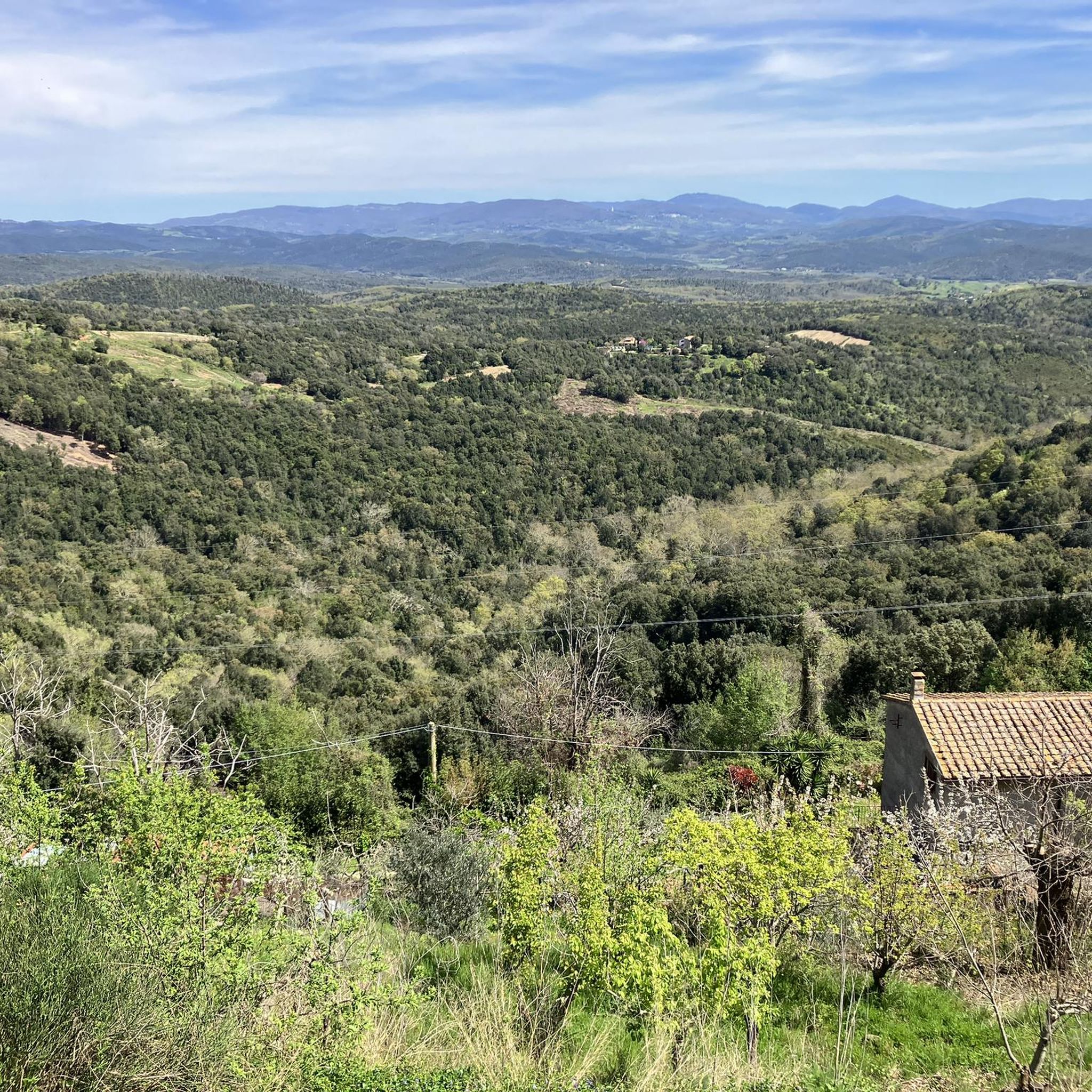
Road cycling routes in Parco Di Poggio Neri traverse a diverse landscape within Tuscany's Val di Cornia, characterized by hilly forests of holm oaks and chestnut trees. The region offers varied terrain, from Mediterranean scrub to vineyards and olive groves, providing a mix of flat, accessible sections and roads with significant uphill and downhill gradients. Cyclists can expect challenging climbs, thrilling descents, and hairpin bends, with picturesque views extending towards the coast. The area's road network is well-suited for exploring…
Last updated: May 27, 2026
4.0
(1)
20
riders
18.1km
00:58
350m
350m
Moderate road ride. Good fitness required. Mostly well-paved surfaces and easy to ride.
5.0
(1)
16
riders
Moderate road ride. Good fitness required. Some segments of this route may be unpaved and difficult to ride.

Sign up for free
3.0
(2)
73
riders
64.5km
02:41
420m
420m
Moderate road ride. Good fitness required. Mostly well-paved surfaces and easy to ride.
66
riders
38.0km
01:53
590m
590m
Moderate road ride. Good fitness required. Mostly well-paved surfaces and easy to ride.
5.0
(1)
40
riders
Hard road ride. Very good fitness required. Some segments of this route may be unpaved and difficult to ride.
Get access to more routes and recommendations from other explorers.
Sign up for free
Already have an account?
Our route recommendations are based on thousands of hikes, rides, and runs completed by other people on komoot.
Start today with a free account
Your next adventure awaits.
Login or Signup
Tips from the Community

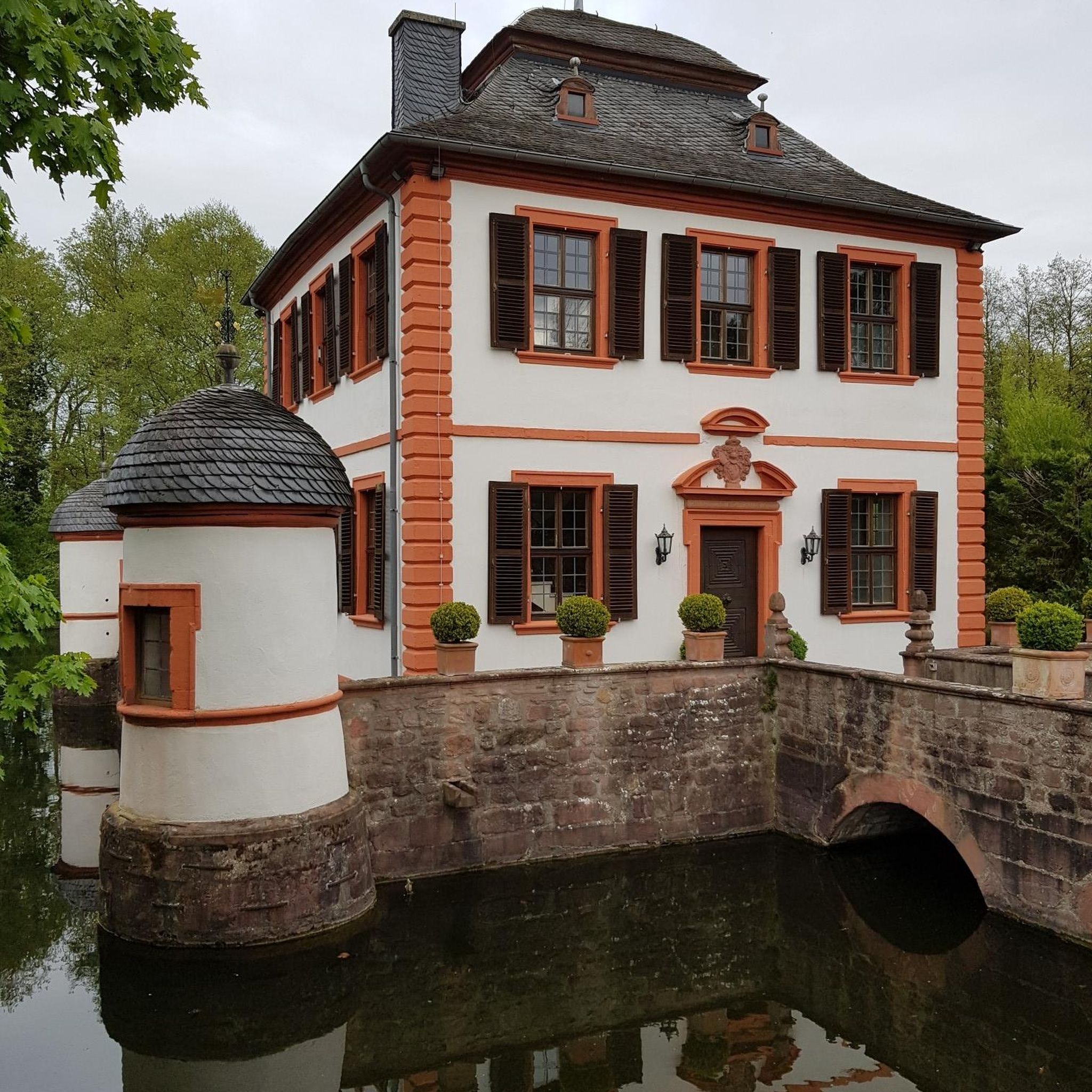
A historic residence dating back to the year 1000, transformed into a luxurious period residence. More historical information and details on stays can be found on the Castello Magona website.
1
0
The Gulf of Baratti is one of the most fascinating natural inlets in Tuscany, located in the municipality of Piombino along the splendid Etruscan Coast. This corner of paradise combines a crystal-clear sea, a dense centuries-old pine forest, and immense archaeological wealth linked to the Etruscan civilization.
0
0
The Monteregio di Massa Marittima is a Denominazione di Origine Controllata (DOC) established in 1994 that identifies wines produced in the Alta Maremma Grossetana, in Tuscany. The production area entirely includes the municipalities of Massa Marittima and Monterotondo Marittimo, and partially Follonica, Scarlino, Gavorrano, Roccastrada and Castiglione della Pescaia
0
0

Good asphalt, pleasant incline, quite shady. Rides great!
1
0
The Strada Provinciale 19 (SP19) is about 10 km long. The route is direct and scenic, immersed in the Tuscan countryside and easily passable by car or bus. Beware 🚫 though, the road is narrow, winding and busy, therefore dangerous for us cyclists.
0
0

It is worth stopping for a walk in the alleys.
1
0
Among the many beaches you can visit and experience during a vacation in Tuscany on the Etruscan Coast, the splendid Gulf of Baratti is undoubtedly worth a visit. With its distinctive horseshoe shape and dark, gleaming sand, the Gulf of Baratti is a popular destination for many tourists every year and a favorite among locals, who flock to the pine forest from the first long, warm spring days. Baratti's uniqueness lies precisely in the splendid and characteristic nature that surrounds it: the large meadow, known by locals as "il pratone," comes to life every spring amid the voices and laughter of young people who organize picnics and outdoor walks here. It reaches its peak in summer, when you can enjoy not only the crystal-clear blue sea but also the natural shade of its beautiful and famous maritime pines that reach almost to the beach.
0
0

The Gulf of Baratti is a beautiful place to visit in any season.
0
0
Frequently Asked Questions
What kind of terrain can I expect on road cycling routes in Parco Di Poggio Neri?
The Val di Cornia region, encompassing Parco Di Poggio Neri, offers a diverse road cycling experience. You'll find routes through Mediterranean scrub, vineyards, and olive groves. The terrain varies from generally flat and accessible sections, like the renowned "Viale dei Pini di Via Val di Cornia," to roads with significant uphill and downhill gradients, including challenging climbs and thrilling descents, particularly on routes leading towards towns like Massa Marittima or between Suvereto and Campiglia Marittima.
Are there road cycling routes suitable for families in the Parco Di Poggio Neri area?
Yes, the region offers options for family-friendly road cycling. The "Viale dei Pini di Via Val di Cornia" is known for its generally flat and accessible terrain with well-maintained asphalt surfaces, making it suitable for a smooth ride away from heavy traffic. While Parco di Poggio Neri itself has more challenging trails, the surrounding Val di Cornia provides easier, paved routes perfect for families.
What are some notable landmarks or scenic viewpoints I can encounter while road cycling here?
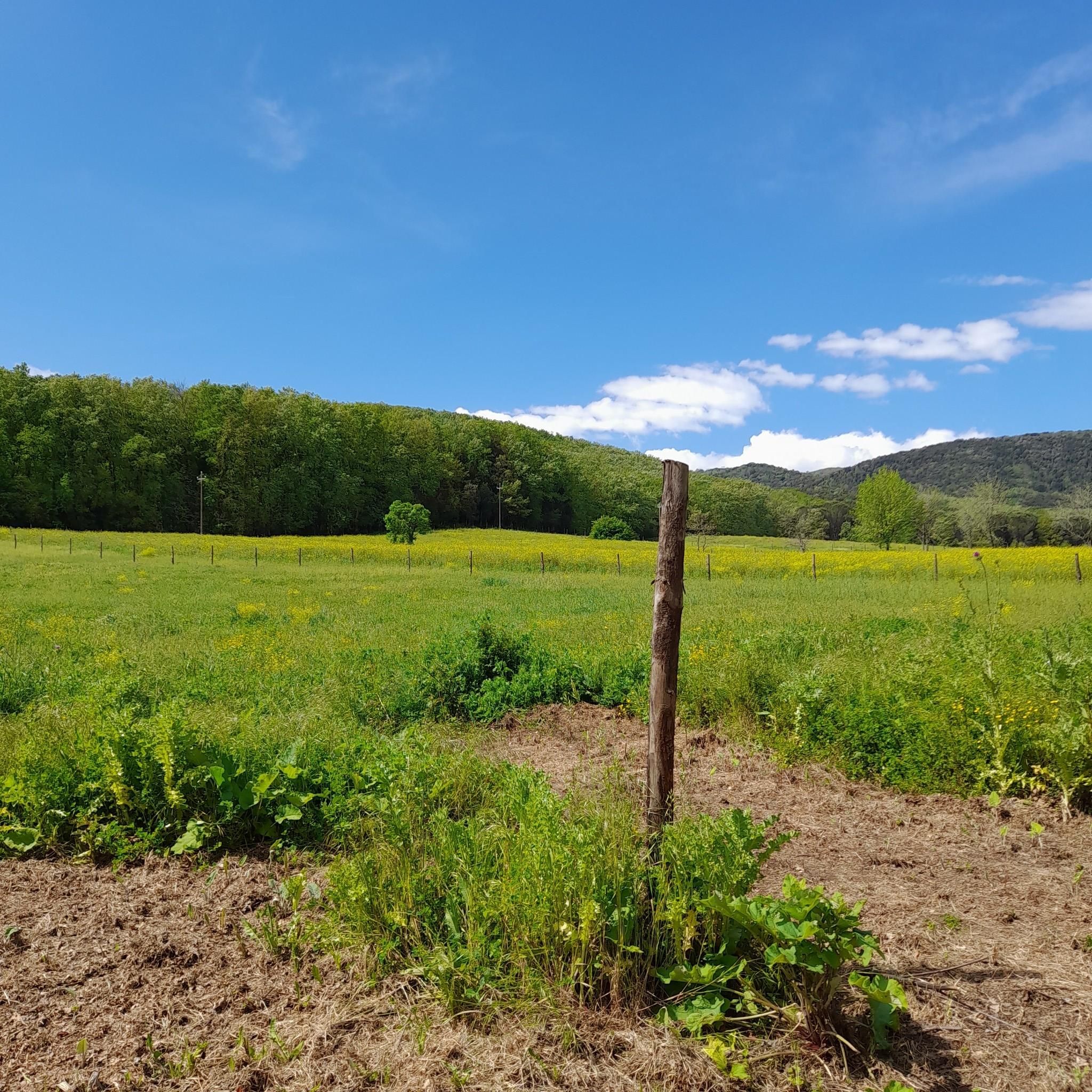
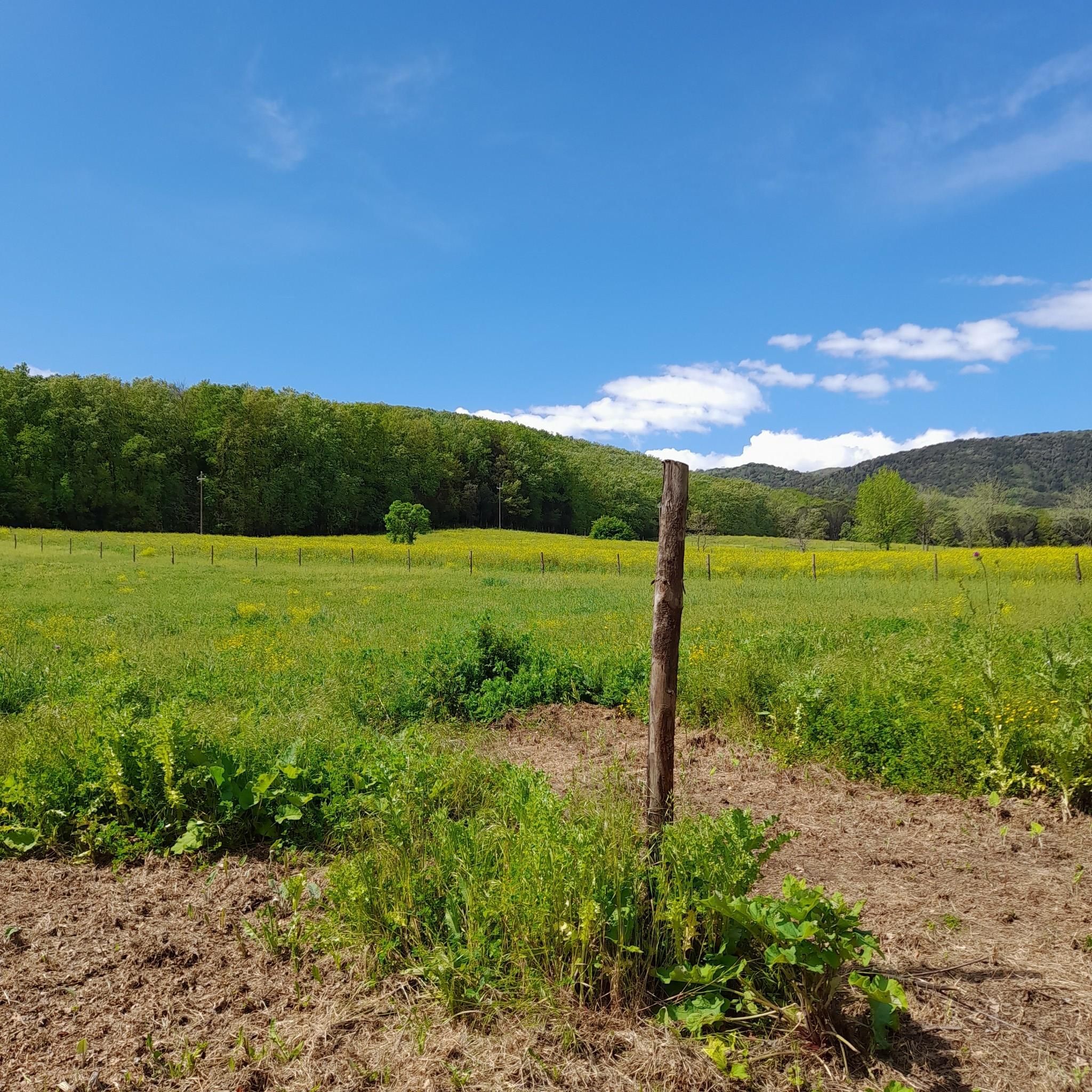
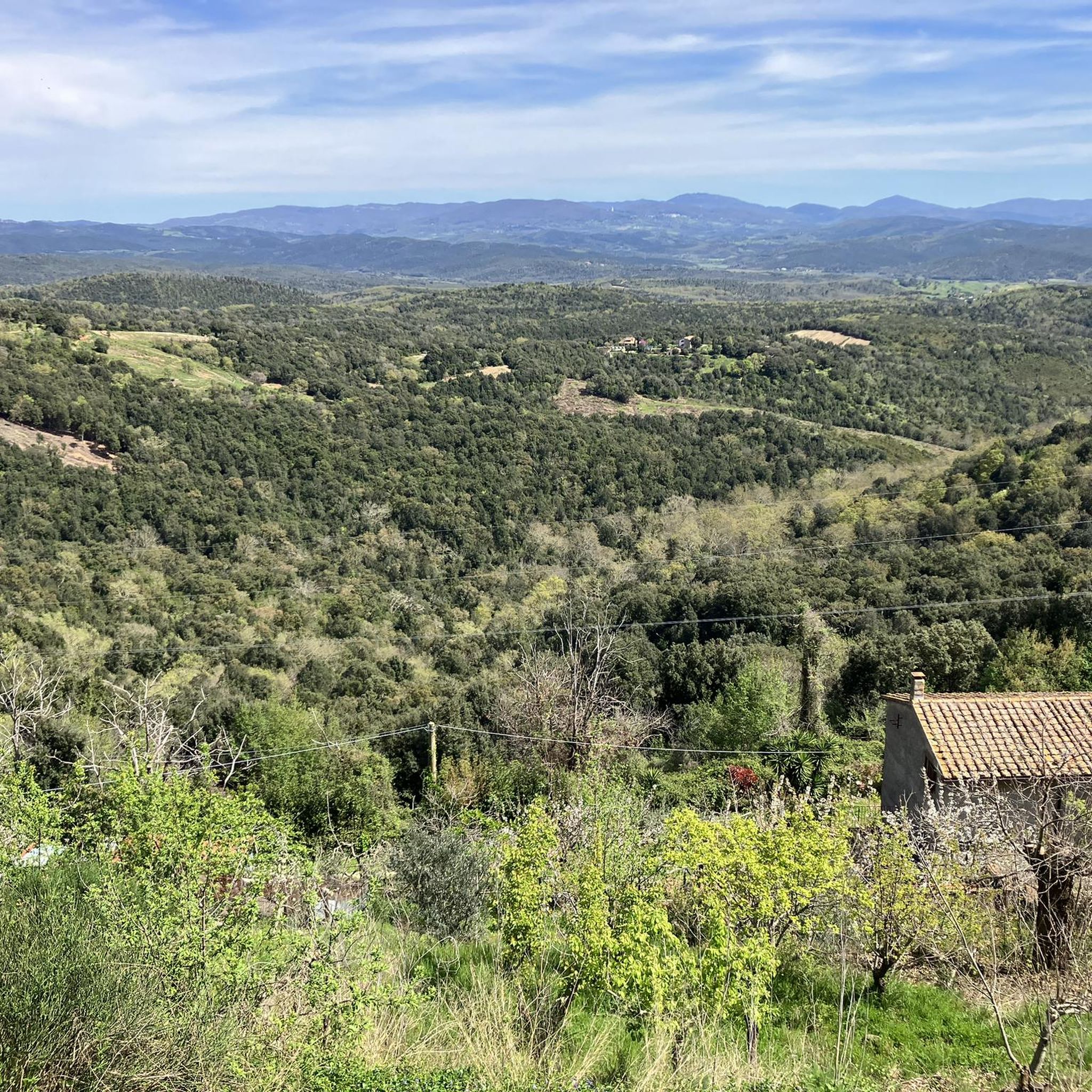
Road cycling in the area offers numerous scenic opportunities. You can enjoy picturesque views of the Tuscan countryside stretching towards the coast. Specific highlights include the View of the Tuscan Hills. Routes often pass through charming inland villages, and you might encounter the historic Road of 99 Bends (Sassetta–Suvereto), known for its unique character.
What is the best time of year for road cycling in Parco Di Poggio Neri?
The Val di Cornia region is generally pleasant for road cycling for much of the year. Spring and autumn offer ideal conditions with milder temperatures and beautiful scenery. While summer can be warm, early mornings or late afternoons are still enjoyable. Winters are typically mild, allowing for cycling, though some higher elevation routes might be cooler.
Are there any challenging climbs for experienced road cyclists in the region?
Absolutely. The roads winding through inland villages, such as those leading towards Massa Marittima or between Montescudaio and Sassetta, are celebrated by road bike enthusiasts for their challenging climbs and thrilling descents. These routes often feature hairpin bends and significant elevation gains, providing an engaging ride for those seeking a challenge. The Gentle Ascent to Canneto is one such climb you might encounter.
Where can I find parking suitable for road cyclists near Parco Di Poggio Neri or Sassetta?
For road cyclists, parking is generally available in and around the charming towns and villages that serve as starting points for routes. Sassetta, being a central hub for many cycling routes, offers parking options. It's advisable to look for designated parking areas within these towns, especially near the beginning of popular routes, to ensure convenient access.
Can I bring my dog on road cycling routes in the Parco Di Poggio Neri area?
While the Parco di Poggio Neri itself has specific trails, road cycling in the surrounding Val di Cornia region generally follows public roads. If your dog is accustomed to riding in a trailer or basket, and local regulations permit, it may be possible on less trafficked routes. However, always ensure your dog's safety and comfort, and be mindful of local leash laws and any specific park rules if you venture onto dedicated trails.
How many road cycling routes are available in Parco Di Poggio Neri on komoot?
There are over 40 road cycling routes available in Parco Di Poggio Neri on komoot, catering to various skill levels. This includes 10 easy routes, 26 moderate routes, and 7 difficult routes, ensuring options for every type of road cyclist.
What do other road cyclists enjoy most about road cycling in Parco Di Poggio Neri?
The area is highly rated by the komoot community, with an average score of 4.5 stars from over 650 reviews. Reviewers often praise the diverse terrain, from smooth, accessible sections to challenging climbs, and the picturesque views of the Tuscan countryside, vineyards, and olive groves. The opportunity to explore charming inland villages is also a frequently mentioned highlight.
Are there any cafes or restaurants popular with cyclists in Sassetta or nearby villages?
Yes, the villages surrounding Parco Di Poggio Neri, such as Sassetta and Suvereto, are accustomed to cyclists and offer various cafes, pubs, and restaurants. These establishments often provide a welcoming atmosphere for cyclists to refuel and relax after a ride, serving local Tuscan cuisine and refreshments. You'll find options to suit different tastes and budgets.
What is the road surface quality like for cycling in the Parco Di Poggio Neri region?
The road surface quality in the Val di Cornia region is generally good, especially on main cycling routes. The "Viale dei Pini di Via Val di Cornia," for instance, is known for its well-maintained asphalt surfaces. While most roads are paved, some routes winding through the countryside or connecting smaller villages might have varying conditions, including older asphalt or occasional rougher patches, adding to the authentic Tuscan cycling experience.
Can I use public transport to reach Parco Di Poggio Neri or Sassetta with my bike?
Public transport options to reach Parco Di Poggio Neri or Sassetta with a bike can be limited. While local buses might serve the area, their capacity for bicycles can vary. It's generally recommended to check specific bus schedules and policies regarding bike transport in advance. Many cyclists prefer to drive to a starting point in one of the nearby towns and begin their ride from there.
Where can I find more information about the Val di Cornia region for cycling?
For additional context and inspiration on cycling in the broader Val di Cornia region, you can visit the official Tuscany tourism website. They often provide insights into the area's cycling offerings and attractions. For example, you can explore more about discovering the colors of the Val di Cornia here.
Most popular routes in Parco Di Poggio Neri
Most popular attractions in Parco Di Poggio Neri

Get inspired with the komoot mobile app


Explore more
Browse the best Road cycling routes in other regions.
