Attractions and Places To See in Réserve Naturelle De La Petite Camargue Alsacienne - Top 20
Best attractions and places to see in Réserve Naturelle De La Petite Camargue Alsacienne are primarily focused on its unique natural environment and biodiversity. This region, Alsace's oldest and largest nature reserve, spans 904 hectares within the former major bed of the Rhine. It features a mosaic of wetlands, forests, and grasslands, supporting a diverse array of flora and fauna. The area is recognized for its ecological significance, offering opportunities to observe various ecosystems and wildlife.
Best attractions and places to see in Réserve Naturelle De La Petite Camargue Alsacienne
- The most popular attractions is Petite Camargue Alsacienne Nature Reserve, a nature reserve that was designated as the first nature reserve in Alsace in 1982. This extraordinary area, expanded to 904 hectares, is administered by an association of conservationists, scientists, and politicians.
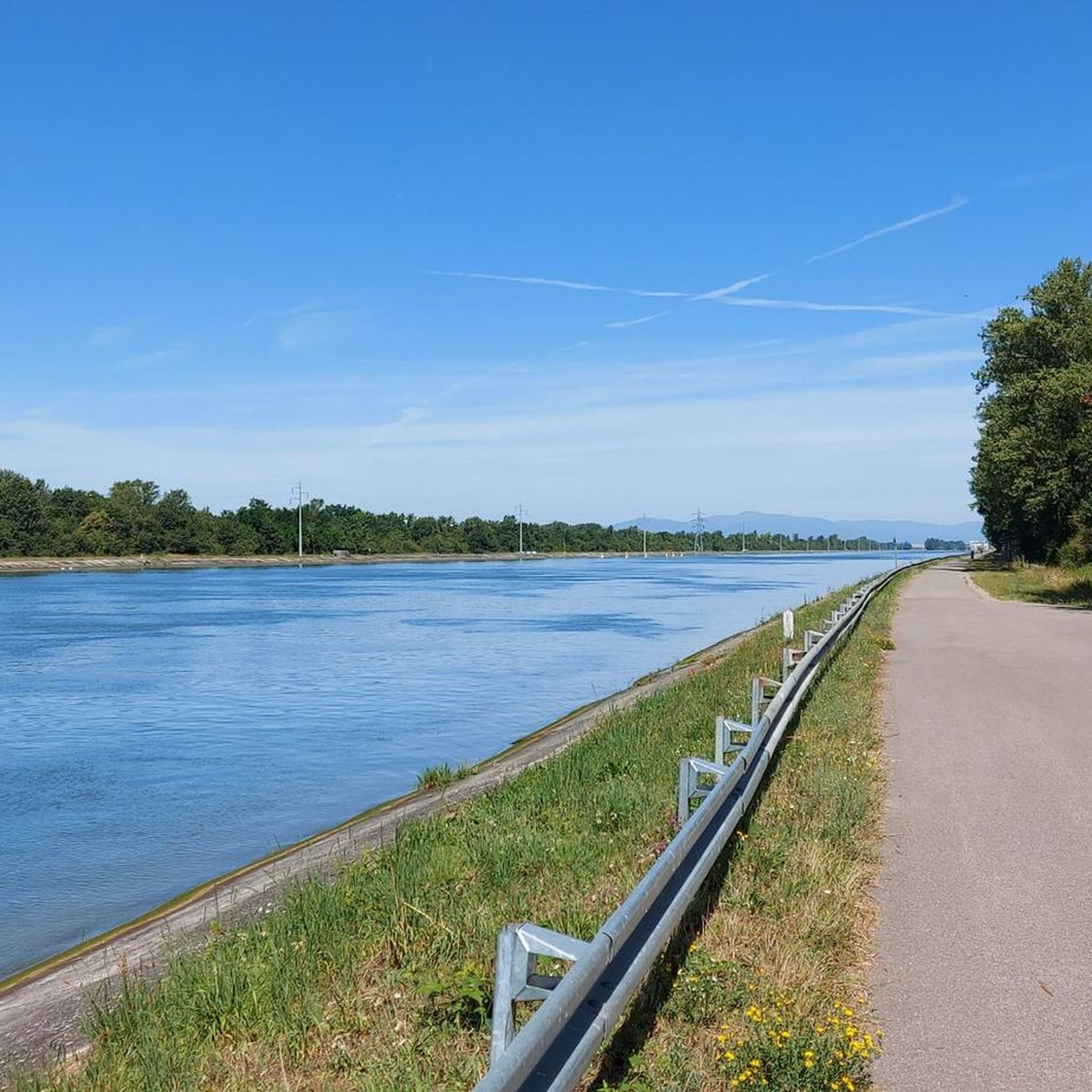
- Another must-see spot is Huningue Canal, a river that connects the Grand Canal of Alsace and the Canal du Rhône au Rhin. Its banks are popular with cyclists, offering a route that passes through the Petite Camargue Alsacienne.
- Visitors also love Mittlere Au Observatory, a viewpoint nestled within the nature reserve. From this location, visitors can observe the wetlands and a variety of bird species, including grey herons and kingfishers.
- Réserve Naturelle De La Petite Camargue Alsacienne is known for its nature reserves, canals, and observatories. The region offers a variety of attractions to see and explore, from historical buildings to diverse natural habitats.
- The attractions in Réserve Naturelle De La Petite Camargue Alsacienne are appreciated by the komoot community, with 177 photos and 523 upvotes across 18 highlights.
Last updated: July 5, 2026
Huningue Canal
Highlight (Segment) • River
Translated by Google •
Tip by

Petite Camargue Alsacienne Nature Reserve
Highlight (Segment) • Natural
The marsh adjoins the Rhine and extends over 904 ha where dragonflies, grasshoppers, fish, amphibians and orchids are preserved.
Translated by Google •
Tip by

Sign up now to discover places like this
Get recommendations on the best single tracks, peaks, & plenty of other exciting outdoor places.
Sign up for free
Petite Camargue Alsacienne Nature Reserve
Highlight • Other
Translated by Google •
Tip by

La Petite Camargue Alsacienne
Highlight • Other
A thank you to all the volunteers.
Translated by Google •
Tip by
Huningue Canal
Highlight • Other
Translated by Google •
Tip by

Sign up for free to discover even more attractions in Réserve Naturelle De La Petite Camargue Alsacienne.
Sign up for free
Already have an account?
Start today with a free account
Your next adventure awaits.
Login or Signup
Popular around Réserve Naturelle De La Petite Camargue Alsacienne
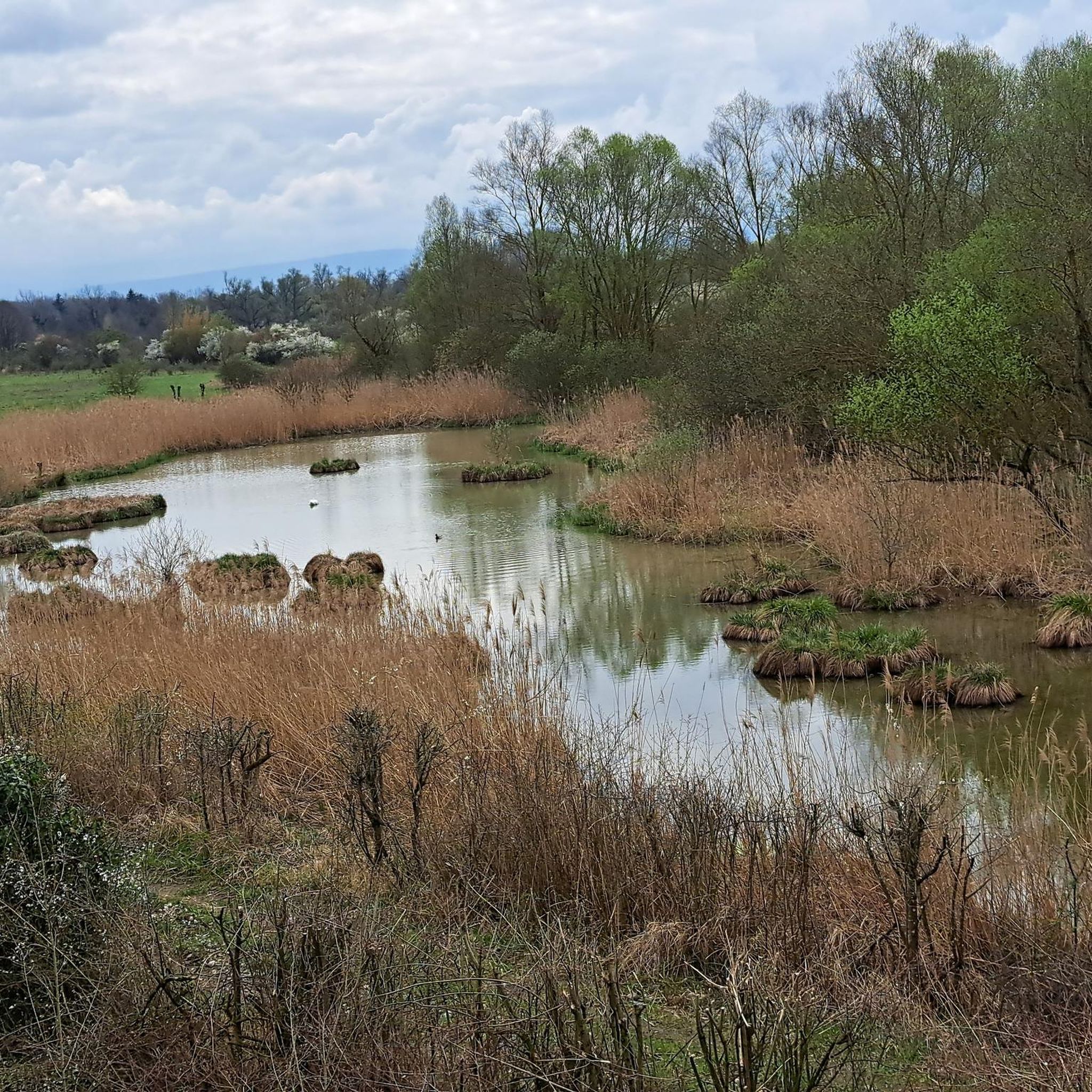
Running Trails in Réserve Naturelle De La Petite Camargue Alsacienne
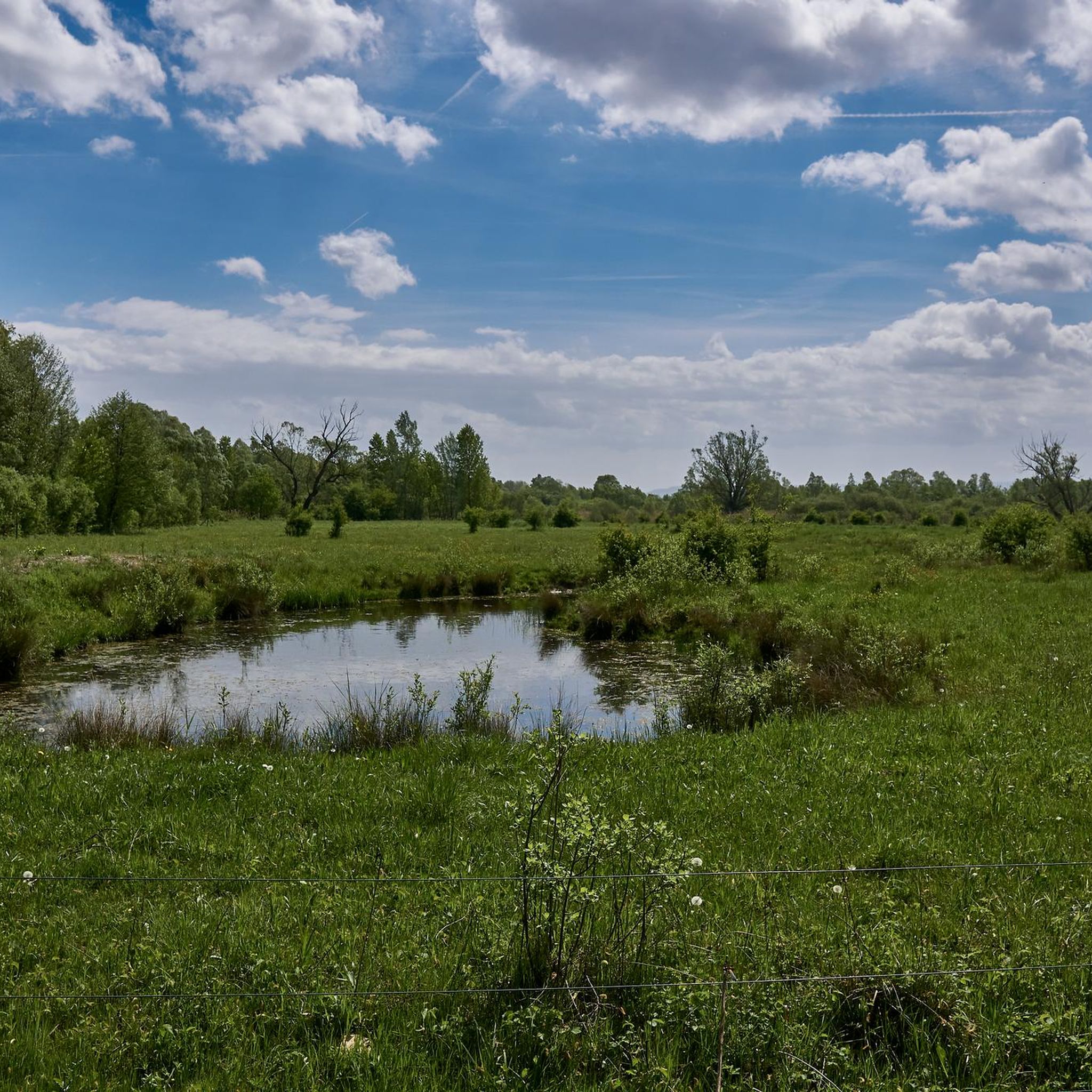
Cycling in Réserve Naturelle De La Petite Camargue Alsacienne
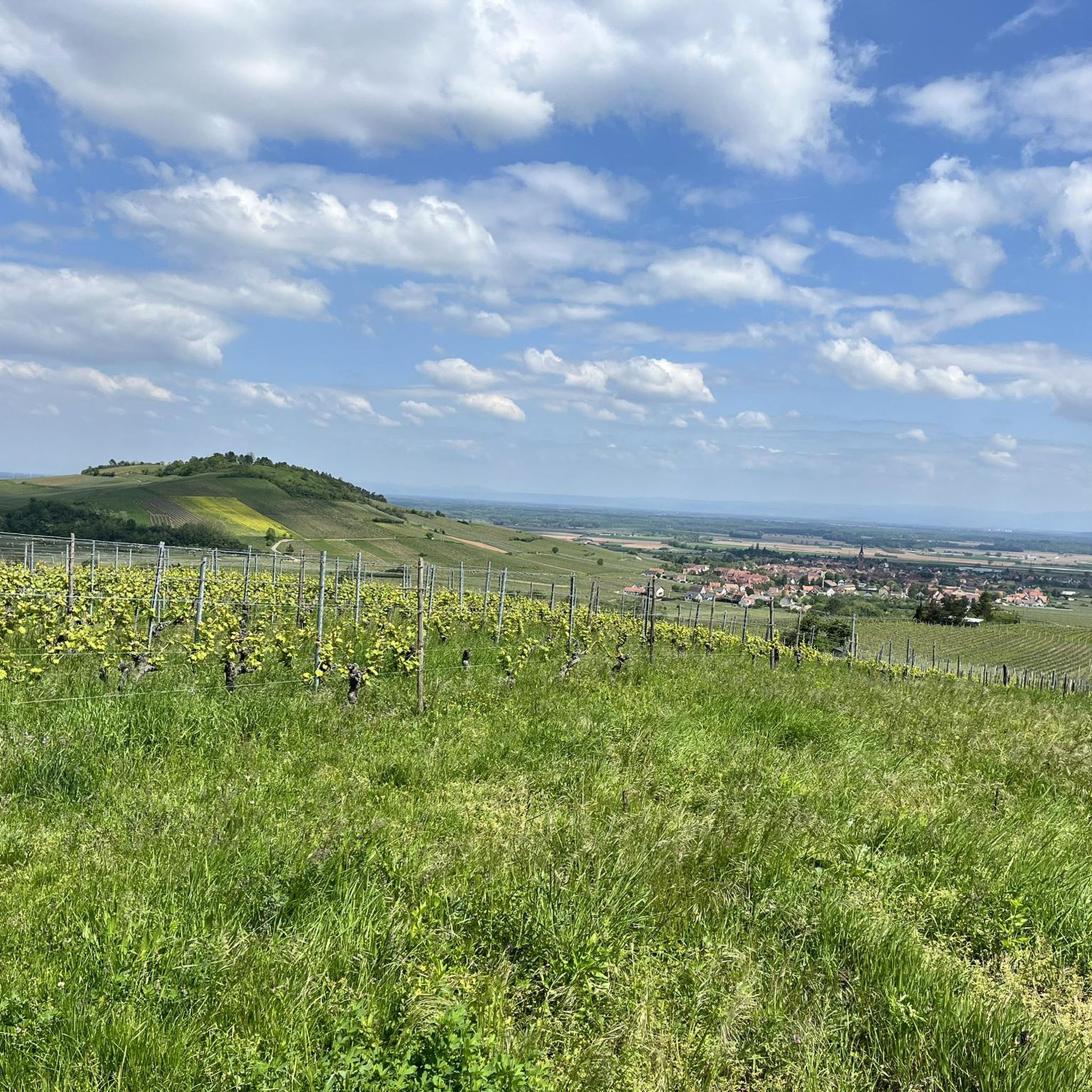
Hiking in Réserve Naturelle De La Petite Camargue Alsacienne
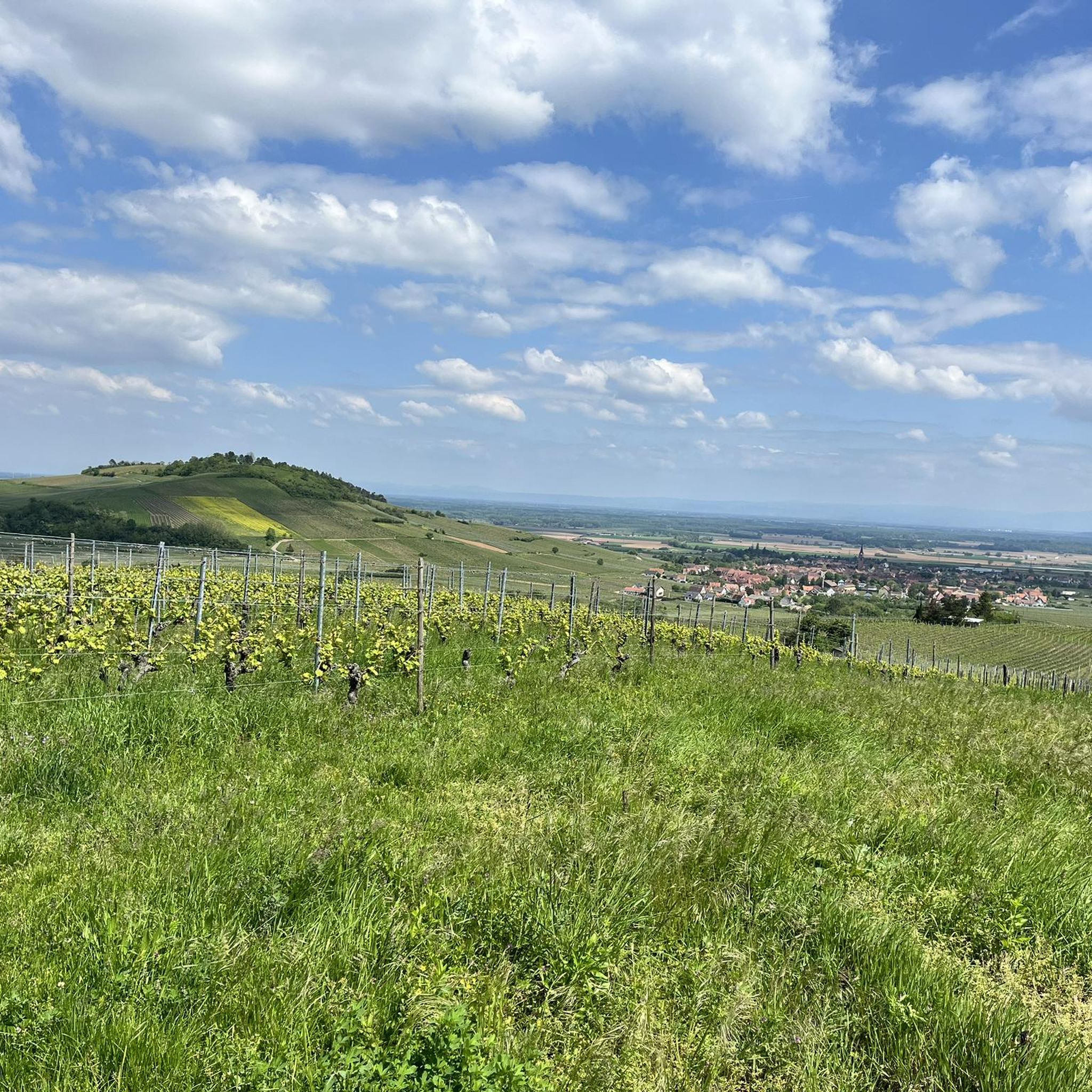
Road Cycling Routes in Réserve Naturelle De La Petite Camargue Alsacienne
Gravel biking in Réserve Naturelle De La Petite Camargue Alsacienne
MTB Trails in Réserve Naturelle De La Petite Camargue Alsacienne
Tips from the Community

Fast gravel track to connect Switzerland
0
0

Beautiful nature reserve
3
0
You can enjoy super cycling here quietly and relaxed
3
1

Located in the south of Alsace, the Petite Camargue Alsatienne is the oldest nature reserve in the region. It’s also the biggest! Created in 1982, the objective was to preserve the wetlands formed by the flooding of the Rhine and to raise public awareness of nature protection. Today, it is the ideal place for observing fauna and flora: there are no less than 40 species of trees, 180 of birds, 16 of amphibians, 40 of dragonflies...
0
0

Beautiful cycle paths along the canal
0
0
Wonderful bike path along the water in the great outdoors
0
0

Absolutely flat as it follows the canal. Surface made of compact marl - can also be easily done with a racing bike - even at higher speeds. At the lock in the middle of the Petit Camargue, be careful when the metal mesh bridge is wet, as it is slippery.
0
0

This canal between Huningue and Niffer connects the Grand Canal of Alsace and the Canal du Rhône au Rhin. Crossed by the EuroVelo 15, its banks are popular with cyclists. On the landscape side, it has the advantage of going through the pretty little Alsatian Camargue.
5
0
Frequently Asked Questions
What kind of natural environment can I expect to find in Réserve Naturelle De La Petite Camargue Alsacienne?
The region is Alsace's oldest and largest nature reserve, spanning 904 hectares within the former major bed of the Rhine. You will discover a unique mosaic of wetlands, forests, and grasslands, including humid depressions, reed beds, ancient Rhine river arms, wet meadows, and alluvial forests. This diverse environment supports an extraordinary array of flora and fauna.
Where can I go for birdwatching and wildlife observation?
The reserve is well-equipped for wildlife viewing. The Mittlere Au Observatory is a popular spot to observe wetlands and various bird species like grey herons, kingfishers, and great crested grebes. The Georges Muller Observatory is another excellent location for birdwatching. The area known as 'Bird Paradise' is particularly enchanting in the early morning for its sounds of birds and frogs.
Are there any historical sites within the reserve?
Yes, the reserve features the historical Imperial Fish Farm Building (Pisciculture Impériale), which dates back to 1852. Additionally, the Maison de la Réserve (House of Nature) serves as a central information point and often hosts exhibitions related to the reserve's history and ecology.
What types of plants and animals can I see in the Petite Camargue Alsacienne?
The reserve is a haven for biodiversity. You can find 451 species of flowering plants, including 17 orchid species. The fauna is equally rich, with nearly 200 bird species (including little bitterns and great egrets), 15 amphibian species (like the yellow-bellied toad), 5 reptile species (such as the European pond turtle), and a significant insect population with 40 butterfly species and nearly 50 dragonfly species. Various mammals, from hazel dormice to Highland cattle, also inhabit the area.
Are there family-friendly activities or areas suitable for children?
Yes, the reserve offers several family-friendly options. The Petite Camargue Alsacienne Nature Reserve has discovery trails with boardwalks that are easy to navigate. The Aquatic Plant Garden features wooden walkways, allowing for close appreciation of flora and observation of associated wildlife, which can be engaging for children. The observatories also provide a quiet way for families to spot animals together.
What kind of cycling opportunities are available?
The region offers excellent cycling. The Huningue Canal is particularly popular with cyclists, offering a route that passes through the Petite Camargue Alsacienne. Its banks are part of the EuroVelo 15. For more detailed routes, you can explore Road Cycling Routes or Gravel biking routes in the area, with options ranging from easy to moderate difficulty.
Are there walking or hiking trails in the reserve?
Absolutely. The Petite Camargue Alsacienne Nature Reserve features three sign-posted trails and various paths for walking. There are circular routes, some with boardwalk sections, and several observation towers or shelters along the paths for birdwatching. For easy hikes, you can find more information and specific routes in the Easy hikes in Réserve Naturelle De La Petite Camargue Alsacienne guide.
What is the best time of year to visit Réserve Naturelle De La Petite Camargue Alsacienne?
The reserve offers different experiences throughout the year. Spring and autumn are particularly good for birdwatching, as many species are nesting or migrating. The early morning in any season is ideal for experiencing the natural sounds of the 'Bird Paradise'. The Aquatic Plant Garden is best appreciated when plants are in bloom. From mid-August to October, hundreds of storks and birds of prey rest here, making it a great time for observing migratory birds.
What unique natural features define the reserve?
The reserve is characterized by its intimate link to the Upper Rhine, featuring a mosaic of humid depressions, reed beds, and ancient Rhine river arms. It also boasts wet meadows, dry grasslands with rare orchids, and alluvial forests. The presence of phreatic springs contributes to its unique hydrological system, supporting a rich and diverse ecosystem.
What is the significance of the Petite Camargue Alsacienne Nature Reserve?
The Petite Camargue Alsacienne Nature Reserve holds significant ecological importance as Alsace's oldest and largest nature reserve, established in 1982. It protects 904 hectares of a unique natural environment, acting as a crucial site for biodiversity and a vital stopover point for migratory birds. It is administered by an association dedicated to its preservation and enhancement.
Can I explore the Ile du Rhin (Rhine Island) within the reserve?
Yes, the Ile du Rhin is a protected area within the reserve that offers further opportunities to explore preserved nature. It features trails accessible from both the French and German sides of the border, allowing visitors to experience this unique island environment.
What kind of information is available at the Maison de la Réserve?
The Maison de la Réserve (House of Nature) serves as a central point for visitors to gather information about the reserve. It often hosts exhibitions, providing deeper insights into the local flora, fauna, and the history of the area. It's a good starting point for planning your visit and learning more about the conservation efforts.
Most popular routes in Réserve Naturelle De La Petite Camargue Alsacienne

Get inspired with the komoot mobile app


Explore more
Still not found the Highlight you’re looking for? See guides of the top attractions in other regions:
