The best road cycling routes in Wildruhefläche Gaistal
4.5
(73)
3,876
riders
23
rides
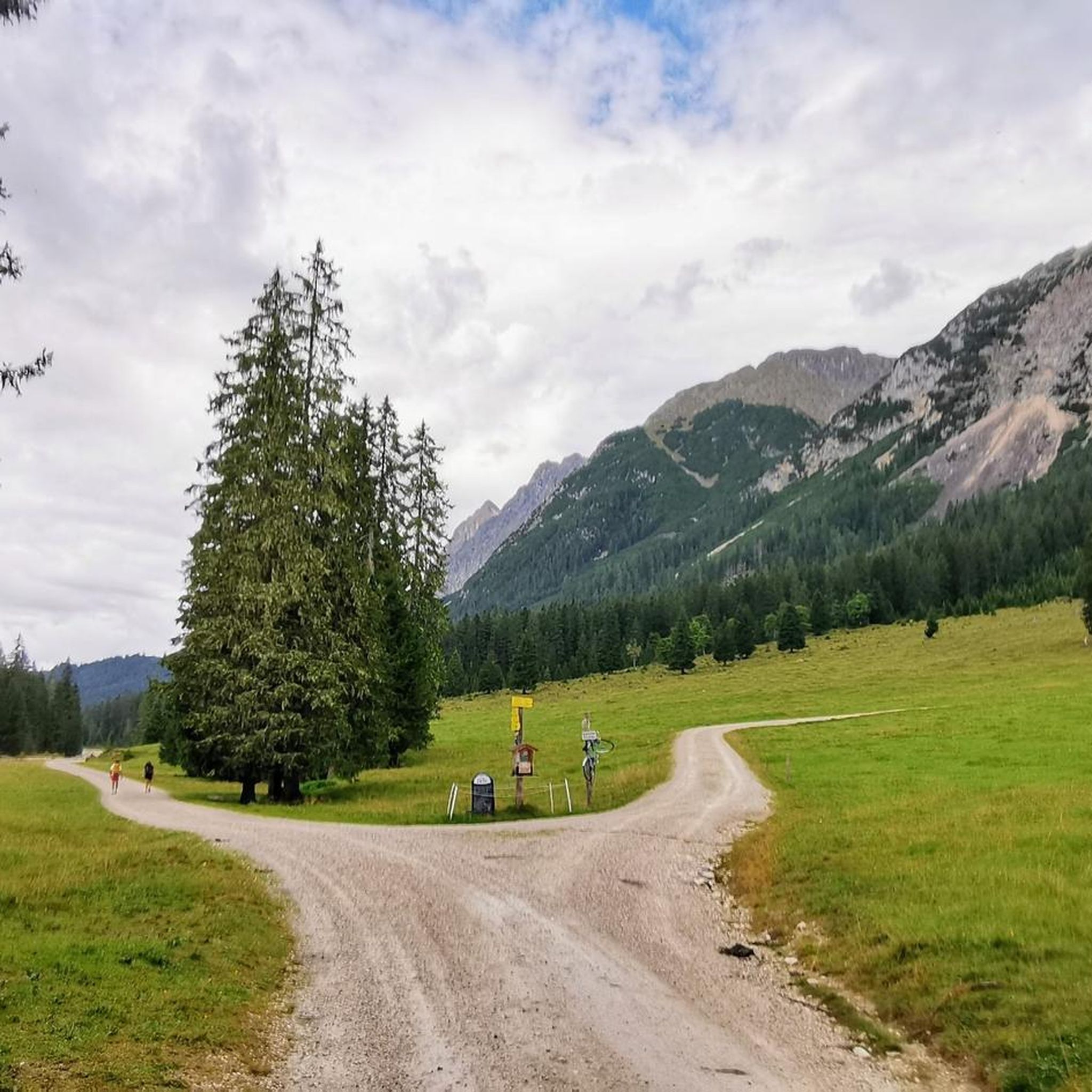
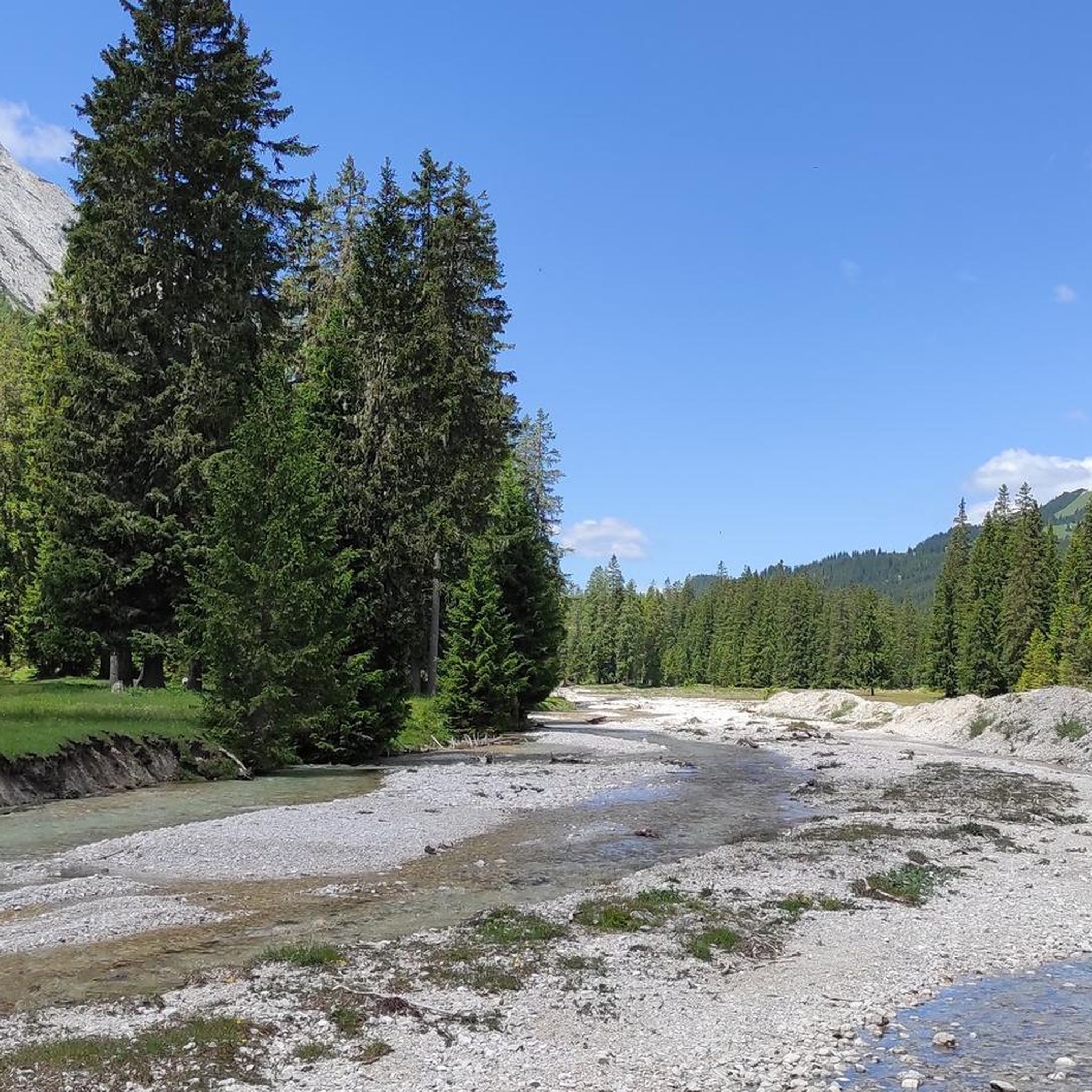
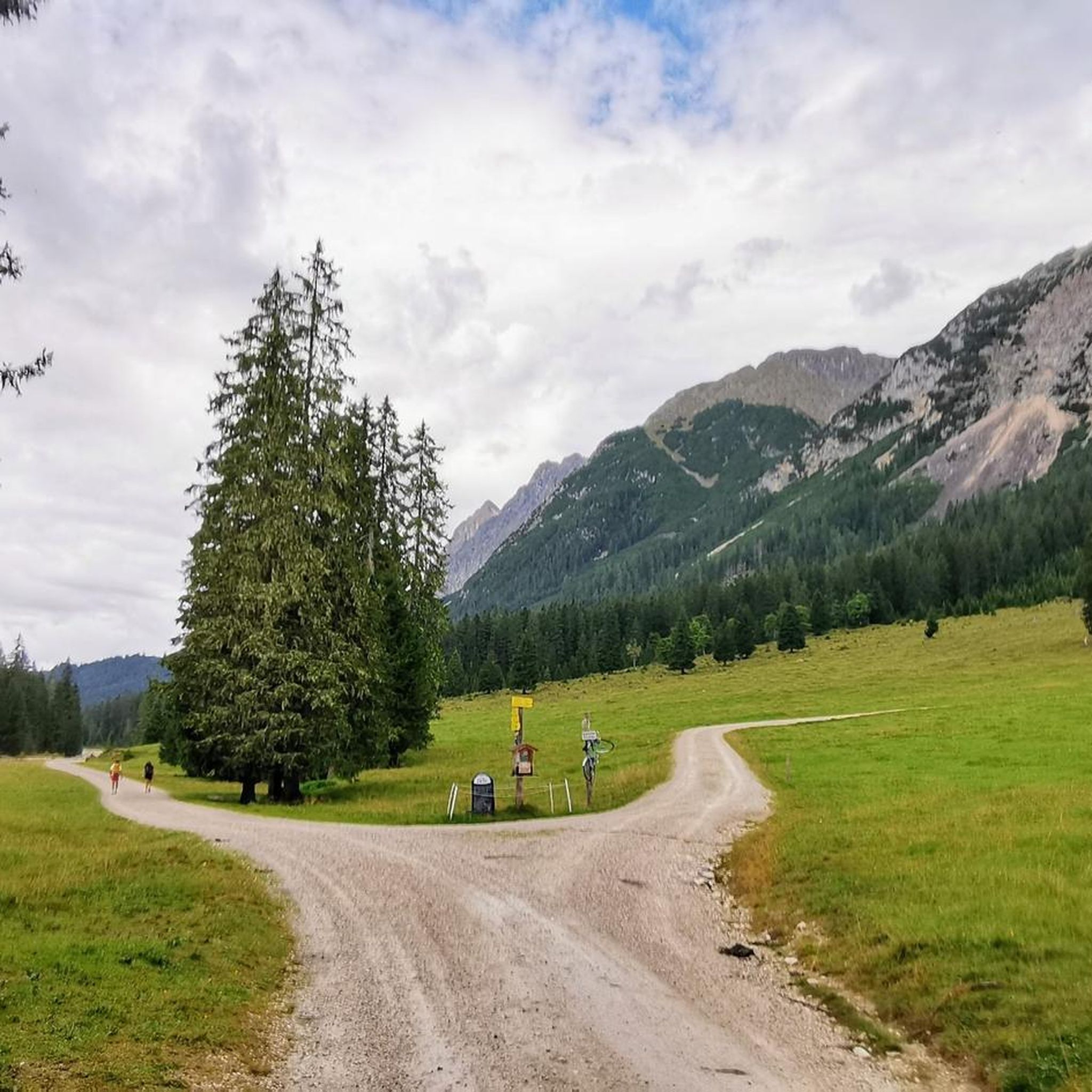
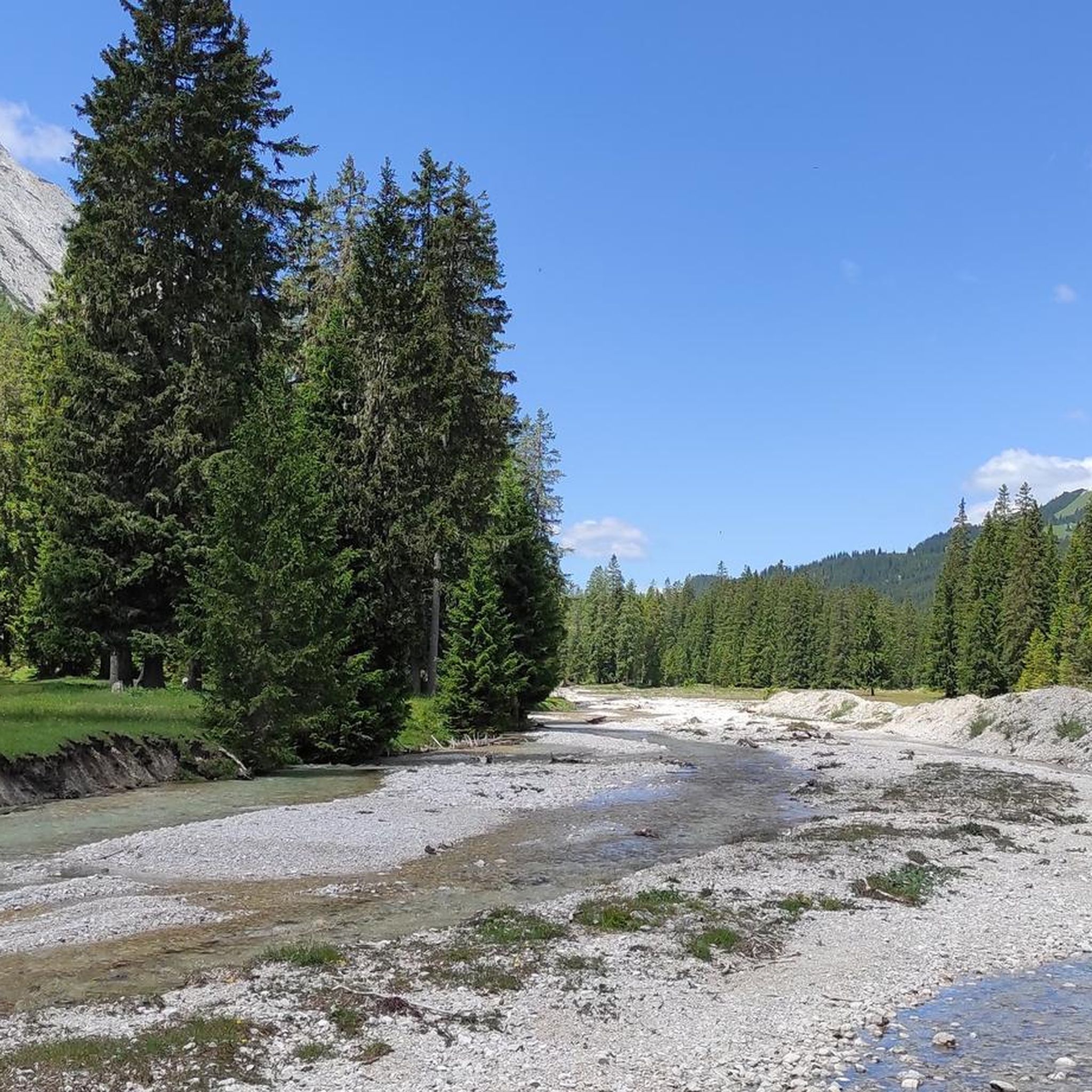
Road cycling routes in Wildruhefläche Gaistal traverse a high valley in Tyrol, Austria, situated between the Wetterstein mountains and the Mieminger Kette. The terrain features wide mountain meadows, wooded areas, and the Leutascher Ache stream, which often runs alongside cycling paths. Dedicated road bike routes in this region include both paved sections and well-maintained forest roads, offering varied surfaces for cyclists. The landscape is characterized by its alpine setting, with views of surrounding mountain ranges.
Best road cycling routes in…
Last updated: July 10, 2026
5.0
(1)
82
riders
20.0km
00:51
140m
140m
Easy road ride. Great for any fitness level. Mostly well-paved surfaces and easy to ride.
4.0
(1)
32
riders
Easy road ride. Great for any fitness level. Mostly well-paved surfaces and easy to ride.

Sign up for free
11
riders
16.8km
00:48
230m
230m
Easy road ride. Great for any fitness level. Mostly well-paved surfaces and easy to ride.
14
riders
30.6km
01:29
420m
420m
Moderate road ride. Good fitness required. Mostly well-paved surfaces and easy to ride.
4.5
(8)
395
riders
Easy road ride. Great for any fitness level. Mostly well-paved surfaces and easy to ride.
Get access to more routes and recommendations from other explorers.
Sign up for free
Already have an account?
Our route recommendations are based on thousands of hikes, rides, and runs completed by other people on komoot.
Start today with a free account
Your next adventure awaits.
Login or Signup
Tips from the Community

Cafés invite you to linger
0
0


Stams Abbey – a Baroque gem on the Inn Valley Cycle Path – is a magnificent Cistercian monastery in the Tyrolean Inn Valley, founded in 1273. It is particularly famous for its Baroque abbey church with twin towers, the richly decorated high altar, the princely crypt, and the atmospheric Bernardi Hall. Today, the abbey is not only a spiritual center, but also a place of education (with its own high school) and culture. Due to its location directly on the Inn Valley Cycle Path, the abbey is an excellent destination or stopover for cyclists. The tranquil abbey courtyard, the café in the abbey area, and the opportunity to take a guided tour offer cyclists a relaxing and culturally enriching break. The view of the surrounding Tyrolean mountains also makes the visit worthwhile.
3
1

History of the Cistercian Monastery of Stams The Cistercian Monastery of Stams was founded in 1272 by Count Meinhard II of Gorizia-Tyrol as a burial place for the Tyrolean princes in memory of the last Hohenstaufen dynasty, Conradin, and settled a year later. The monastery's Baroque and Rococo furnishings date from between 1650 and 1750. A monastery school has been documented since the 17th century. The monastery was dissolved in 1807 and re-established in 1816 under Emperor Francis I. In 1938, the foundation was dissolved again by the Nazi regime. A new beginning was made in 1945. Monks from the Cistercian monastery of Stična (Parakeet) in Slovenia made a significant contribution to the abbey's revival. Text / Source: MEDIA OFFICE OF THE RELIGIOUS ORDER ORDERS AUSTRIA, Vienna https://www.ordensgemeinschaften.at/portal/ordensgemeinschaften/ordenswiki/address/589.html#:~:text=The Cistercian monastery of Stams was founded in 1272 by Count Meinhard and dates back to the period between 1650 and 1750.
18
1
The History of Stams Abbey The first documented mention of "Stambs" dates back to 1065, when a document describes a fiefdom of the noble family of Wangen in the central Inn Valley, with a settlement and a much-visited pilgrimage church dedicated to Saint John the Baptist. Stams Abbey was founded in 1273, when the founding convent, led by the first abbot, Heinrich von Honstetten, moved into Stams. Count Meinhard II of Gorizia-Tyrol had intended to establish a monastery here some time before, which would henceforth serve as the burial place of the Counts of Gorizia-Tyrol. The popular legend surrounding the founding of the monastery is now considered historically refuted, but it clearly demonstrates the connections of the Counts of Tyrol and their class consciousness: It states that the founding of the monastery was due to the gruesome death of the last Hohenstaufen, Conradin (beheaded in Naples in 1268). Conradin's mother, Elisabeth of Wittelsbach (d. 1273, her first marriage to the Hohenstaufen King Conrad IV), is said to have asked her husband, Count Meinhard II, to establish a memorial for her unfortunate son ("Mors Conradini – Vita Stamsii"). The mother monastery, the Cistercian monastery of Kaisheim (north of Donauwörth in Bavaria), was closed at the beginning of the 19th century as part of the secularization process. Text / Source: Association of Tyrolean Rifle Companies, Brixner Straße 1 / 6th floor, A-6020 Innsbruck https://www.tiroler-schuetzen.at/tirol_lexikon/stift-stams/
18
1

Inn Bridge near Telfs
0
0
Frequently Asked Questions
How many road cycling routes are available in Wildruhefläche Gaistal?
Wildruhefläche Gaistal offers 23 road cycling routes, catering to various skill levels. You'll find 9 easy routes, 9 moderate routes, and 5 more challenging options to explore the stunning alpine landscape.
What kind of terrain can I expect on road cycling routes in Wildruhefläche Gaistal?
The road cycling routes in Wildruhefläche Gaistal feature varied terrain, including both paved sections and well-maintained forest roads. While many paths are suitable for road bikes, some routes may involve unpaved sections or gravel tracks, particularly as you venture deeper into the valley. The region offers a mix of wide mountain meadows, wooded areas, and paths alongside the Leutascher Ache stream.
Are there any family-friendly road cycling routes in Wildruhefläche Gaistal?
Yes, Wildruhefläche Gaistal offers several family-friendly road cycling options, particularly among its 9 easy routes. These routes often follow less challenging terrain, allowing families to enjoy the scenic beauty together. The Leiblfing Chapel – Telfs loop from Telfs is an easy 12.1-mile route with minimal elevation gain, suitable for a relaxed family outing.
What are some notable landmarks or viewpoints along the road cycling routes?
As you cycle through Wildruhefläche Gaistal, you'll be treated to breathtaking vistas of the Wetterstein mountains and the Mieminger Kette. Highlights include views of the majestic Hohe Munde. You can also cycle alongside the crystal-clear Leutasch Stream. The region is known for its wide mountain meadows and peaceful atmosphere, offering numerous scenic spots.
Where can I find refreshments or places to stop during my ride?
Several popular destinations along the routes offer opportunities for refreshments. The Tillfussalm is a well-known stop, providing a playground and delicious cakes. Another beautiful refreshment stop often combined with the Tillfussalm on cycling tours is the Gaistalalm. These alpine huts are perfect for a break amidst your ride.
Are there any circular road cycling routes in Wildruhefläche Gaistal?
Yes, many of the routes in Wildruhefläche Gaistal are designed as loops, allowing you to start and end at the same point. For example, the Mieminger Plateau – Simply beautiful loop from Telfs is a 10.4-mile circular trail that takes you through the picturesque Mieminger Plateau.
What is the best season for road biking in Wildruheflaeche Gaistal?
The best season for road biking in Wildruheflaeche Gaistal is typically from late spring through early autumn. During these months, the weather is generally mild, and the mountain passes are clear of snow, offering optimal conditions to enjoy the wide mountain meadows and wooded areas. The region's natural beauty is particularly vibrant in summer.
What do other road cyclists enjoy most about road cycling in Wildruhefläche Gaistal?
The komoot community highly rates road cycling in Wildruhefläche Gaistal, with an average score of 4.5 stars from over 60 reviews. Cyclists often praise the stunning natural beauty, the varied terrain, and the peaceful atmosphere of the valley. The well-maintained routes and breathtaking views of the surrounding mountains are frequently highlighted as key attractions.
Are there any longer road cycling routes for advanced riders?
For more advanced riders seeking longer distances, Wildruhefläche Gaistal offers routes like the Schlierenzau Suspension Bridge – Stams Abbey loop from Oberhofen im Inntal. This route covers nearly 30 miles (48.4 km) and provides a good challenge while exploring the wider region. There are 5 difficult routes in total for experienced cyclists.
Can I combine road cycling with other activities in the area?
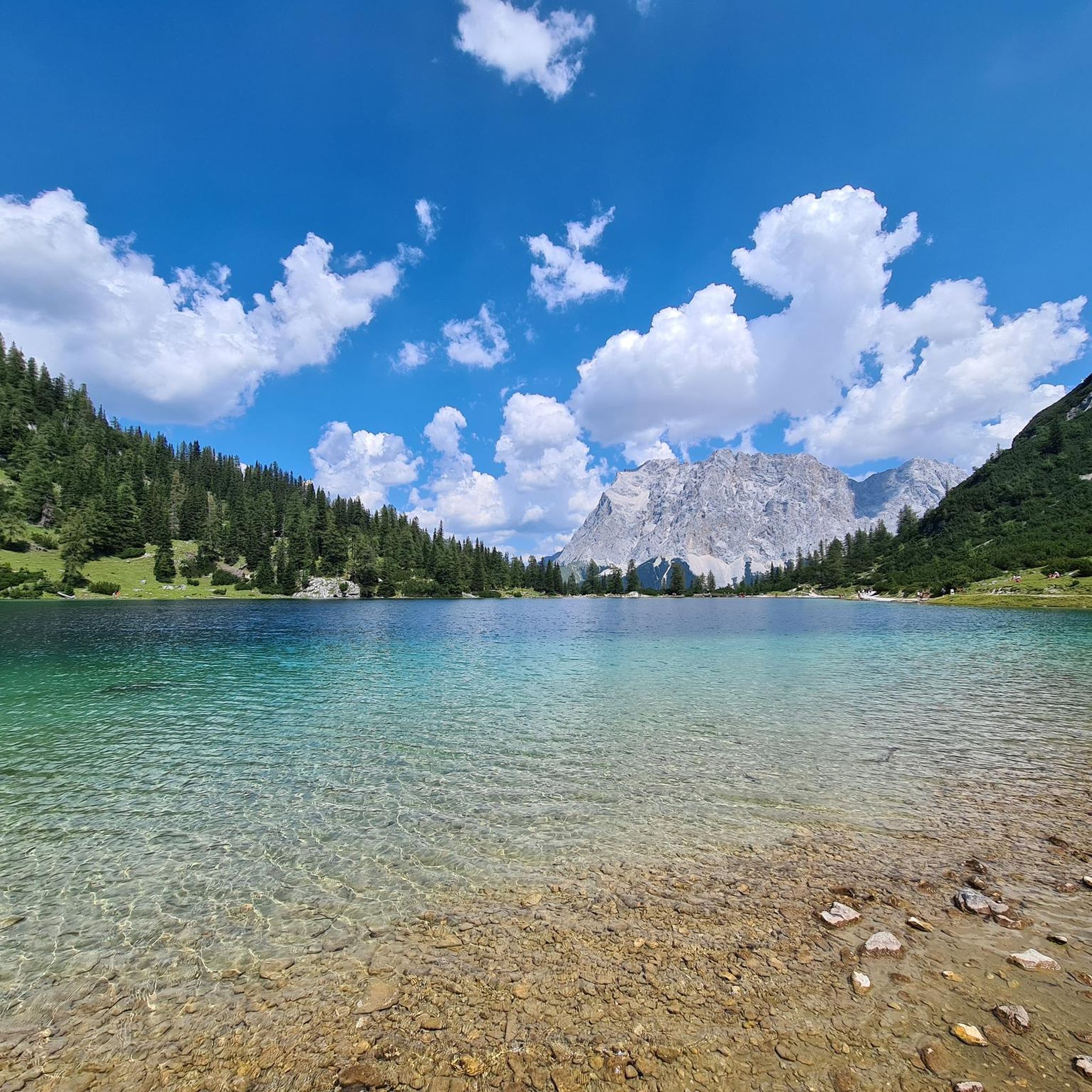
Absolutely. The region is rich in natural attractions. You can find a refreshing Natural Kneipp Facility near the Salzbach parking lot, perfect for cooling off after a ride. The turquoise-blue Seebensee in the upper Gaistal is also a popular destination for nature lovers, offering a beautiful spot to relax and enjoy the alpine scenery.
Is there parking available for road cyclists in Wildruhefläche Gaistal?
Yes, parking facilities are available at various points, such as near the Salzbach parking lot, which is a convenient starting point for many routes. These areas provide access to the cycling network and amenities like the Natural Kneipp Facility.
Are there routes that follow river paths?
Yes, several cycling paths run alongside the scenic Leutascher Ache stream. These routes offer constant views of the river and the surrounding snow-capped mountains, providing a tranquil and picturesque cycling experience. The Stams Abbey – Inn Cycle Path near Telfs loop from Telfs also follows the Inn Cycle Path, offering river views.
Most popular routes in Wildruhefläche Gaistal
Most popular attractions in Wildruhefläche Gaistal

Get inspired with the komoot mobile app


Explore more
Browse the best Road cycling routes in other regions.
