The best cycling routes in Firnhabermoos
4.4
(2839)
15,100
riders
494
rides
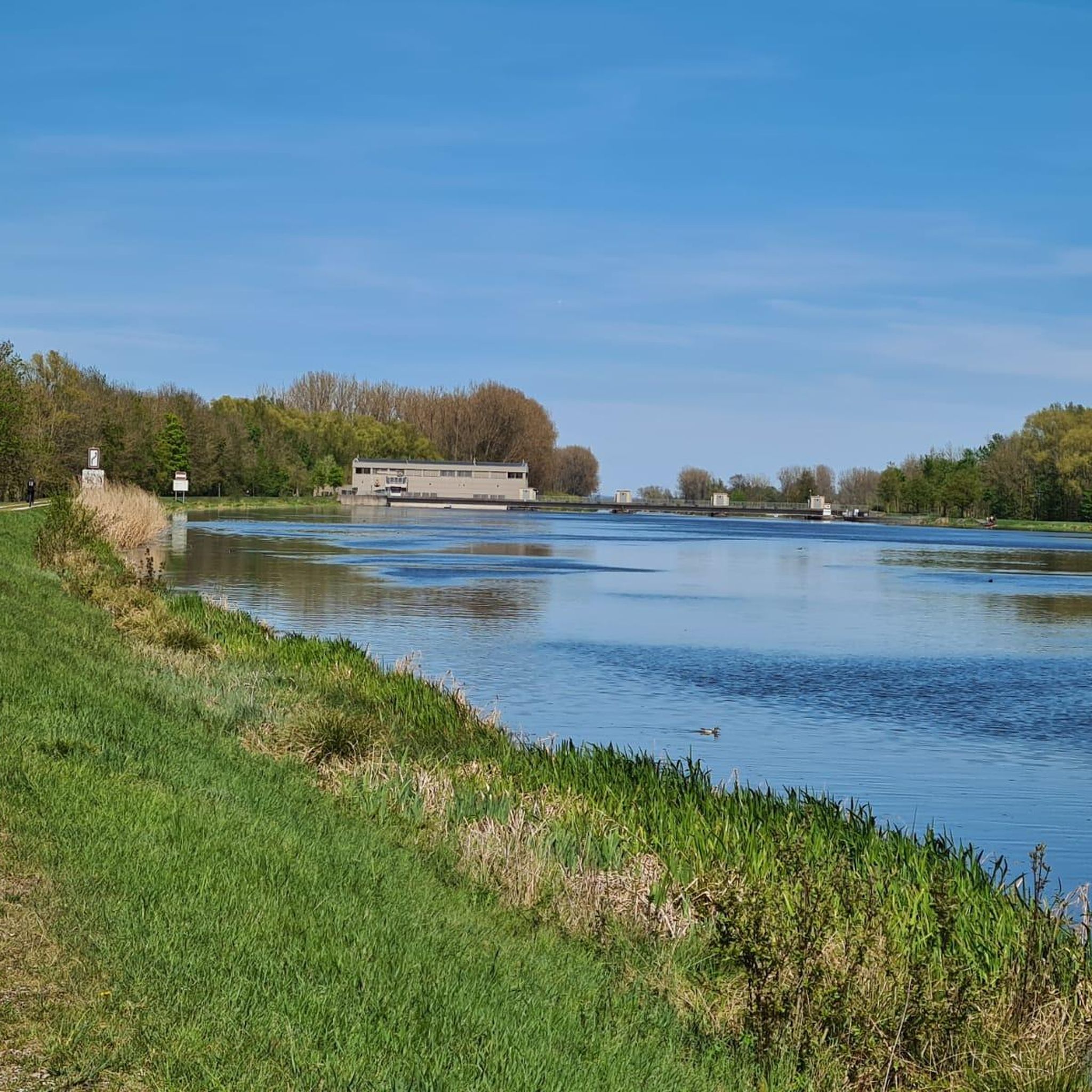
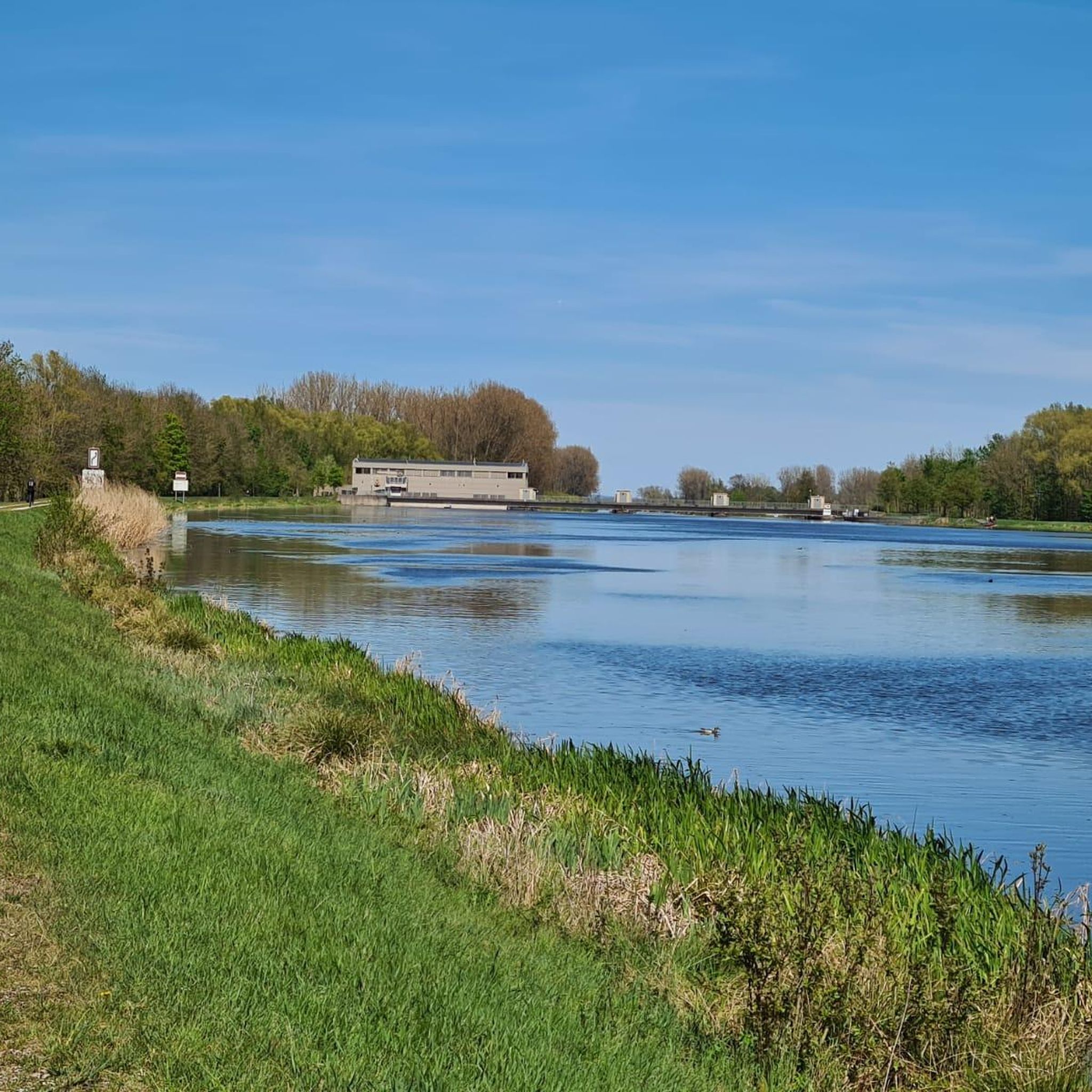
Touring cycling routes in Firnhabermoos traverse a landscape characterized by river valleys, agricultural fields, and small towns. The region features gentle elevation changes, making it suitable for various cycling abilities. Routes often follow the courses of rivers like the Danube and Zusam, offering flat sections and views of the surrounding countryside. The terrain primarily consists of paved roads and well-maintained paths, connecting local communities and natural areas.
Best touring cycling routes in Firnhabermoos
- The most popular touring cycling route is…
Last updated: October 8, 2026
10
riders
Moderate bike ride. Good fitness required. Mostly paved surfaces. Suitable for all skill levels.
4.5
(2)
7
riders
Easy bike ride. Great for any fitness level. Mostly paved surfaces. Suitable for all skill levels.

4.3
(7)
29
riders
Easy bike ride. Great for any fitness level. Mostly paved surfaces. Suitable for all skill levels.
3.0
(7)
77
riders
Easy bike ride. Great for any fitness level. Mostly paved surfaces. Suitable for all skill levels.
4.0
(3)
34
riders
Easy bike ride. Great for any fitness level. Mostly paved surfaces. Suitable for all skill levels.
Get access to more routes and recommendations from other explorers.
Already have an account?
Our route recommendations are based on thousands of hikes, rides, and runs completed by other people on komoot.
Start today with a free account
Your next adventure awaits.
Tips from the Community

Donauwörth is a very nice little town, where there is a lot to discover.
3
0

The marketplace in the heart of the historic center of Donauwörth has been the social and economic center of the city for centuries.
1
0
The Wörnitz shapes the cityscape of Donauwörth in a special way. Shortly before it flows into the Danube, the river flows calmly along the historic old town, creating an idyllic backdrop with plenty of nature and water right on the outskirts of the city. The paths along the bank, in particular, invite you for a relaxing walk or a short hike.
7
0

It is an oversized wooden bench (a so-called XXL bench) located on the grounds of the Hofgut. It is built so large that an adult sitting on it feels like a small child – feet usually dangle in the air, making it a perfect spot for fun souvenir photos.
0
0

Beautiful market square with inviting seating – Donauwörth – Donau-Ries district
1
0
Sebastian Franck (also Sebastian Franck von Wörd, Latin Sebastianus Francus Woerdensis, pseudonyms Friedrich Wernstreyt, Felix Frei; * 1499 in Donauwörth; † 1542 in Basel) was a German theologian, writer, publicist, chronicler, geographer, philosopher, translator, and printer. After studying theology, Franck initially served as a Catholic priest, then embraced the Reformation and became a Lutheran preacher. Later, he relinquished the ministry and devoted himself to writing, adopting a radical Reformation stance and a critical view of authority. In Strasbourg, he published a world chronicle in which he offered scathing criticism of both ecclesiastical and secular authorities, leading to his expulsion from the city. In Ulm, where he ran a printing press from 1535 onward, his "heresy" once again brought him into serious conflict, which again ended with his powerful opposition forcibly expelling him. Consequently, in 1539 he fled to Basel, where he continued to work as a writer and printer in his later years. At the heart of Franck's worldview and understanding of history was an unusually radical rejection, for the time, of any form of religious paternalism. As someone affected by the bitter religious conflicts of the Reformation, he saw the root of the problem in confessional dogmatism. He considered this an inevitable consequence of the establishment of the institutional church system. Therefore, he fundamentally rejected all forms of church organization and advocated for impartiality in confessional disputes. He saw the church institutions as the cause of the corruption of Christianity. Above all, he condemned the connection between church and state and state intervention in religious disagreements. Far from the controversy surrounding the state, he condemned the connection between church and state and state intervention in religious disagreements. ] ... Franck replaced external authorities, including the Bible, with the "inner word" in the mind of the individual as the guiding principle, the norm of knowledge, and the sole source of salvation. He also emphasized the role of historical and individual experience as a source of knowledge. His historical studies led him to a devastating assessment of the exercise of power in the monarchical state. However, he saw no path to improvement in violent rebellion. ........ Source: https://de.wikipedia.org/wiki/Sebastian_Franck
4
0

Water is good and cool
0
0

The actual fountain, the Fisherman's Fountain, is a little further back.
0
0
Frequently Asked Questions
How many touring cycling routes are available in Firnhabermoos?
Firnhabermoos offers a wide selection of touring cycling routes, with over 500 options to explore. This extensive network ensures there's a suitable ride for nearly every preference and skill level.
What kind of landscape will I experience while touring cycling in Firnhabermoos?
Touring cycling routes in Firnhabermoos primarily traverse river valleys, agricultural fields, and charming small towns. You can expect gentle elevation changes, with many routes following the courses of rivers like the Danube and Zusam, offering flat sections and views of the surrounding countryside.
Are there routes suitable for beginners or families in Firnhabermoos?
Yes, Firnhabermoos is very welcoming for beginners and families. Over half of the routes, specifically 260, are classified as easy, featuring gentle terrain and well-maintained paths. An excellent option is the Fish ladder in Geopark Ries – Tapfheim Danube Bridge loop from Rettingen, which is an easy 12.6-mile (20.2 km) trail following the Danube.
Are there any challenging touring cycling routes in Firnhabermoos?
For those seeking a more demanding ride, Firnhabermoos offers 68 difficult touring cycling routes. One such challenging option is the Donauwörth Old Town – Donauwörth Old Town loop from Zusum, a 9.5-mile (15.3 km) path that explores the historic Donauwörth Old Town with varied terrain.
What do other touring cyclists enjoy most about Firnhabermoos?
The touring cycling experience in Firnhabermoos is highly rated by the komoot community, with an average score of 4.5 stars from over 2,000 reviews. Cyclists often praise the region's varied terrain, the scenic river valleys, and the well-maintained paths that connect local communities and natural areas.
Are there any circular touring cycling routes in Firnhabermoos?
Yes, many touring cycling routes in Firnhabermoos are designed as loops, allowing you to start and end at the same point. Examples include the easy Catholic Parish Church of St. George loop from Mertingen or the Zusam River near Rettingen – Weichselbaumallee loop from Mertingen, which leads through riverine landscapes.
What are some scenic stops or landmarks I can see along the routes?
While cycling in Firnhabermoos, you can enjoy views of the surrounding countryside, particularly along the Danube and Zusam rivers. Routes often pass through picturesque agricultural fields and small towns. The Fish ladder in Geopark Ries – Tapfheim Danube Bridge loop from Rettingen, for instance, passes a notable fish ladder.
Are there routes that explore historical areas?
Yes, some routes offer a glimpse into the region's history. The Donauwörth Old Town – Donauwörth Old Town loop from Zusum is a challenging route that specifically explores the historic Donauwörth Old Town, offering a cultural experience alongside your ride.
What is the typical terrain like for touring cyclists in Firnhabermoos?
The terrain in Firnhabermoos primarily consists of paved roads and well-maintained paths. While there are gentle elevation changes, the region is characterized by its river valleys and agricultural fields, making for generally smooth and accessible cycling.
How long do touring cycling routes typically take in Firnhabermoos?
Route durations vary depending on length and difficulty. For example, the easy Roman Square, Mertingen – Catholic Parish Church of St. George loop from Mertingen, covering 9.5 miles (9.5 km), can be completed in about 1 hour 12 minutes. Longer routes will naturally take more time.
Can I find routes that connect different local communities?
Absolutely. The touring cycling network in Firnhabermoos is designed to connect local communities. Routes often link towns and villages, allowing you to cycle between them and experience the local charm of the region.
Most popular routes in Firnhabermoos

Get inspired with the komoot mobile app


Explore more
Browse the best Cycling routes in other regions.
