The best MTB trails in Unteres Remstal
4.5
(3945)
16,944
riders
494
rides
Mountain biking in Unteres Remstal features a diverse landscape shaped by the Rems river valley, rolling hills, and extensive vineyards. The region offers a mix of riverside paths, trails through agricultural areas, and ascents to viewpoints overlooking the valley. Terrain varies from paved sections to natural dirt paths, catering to different mountain biking preferences.
Best mountain bike trails in Unteres Remstal
- The most popular mountain bike trail is Beinsteiner Gate on the Rems – Mühlwiesen Park Großheppach loop from Waiblingen…
Last updated: July 5, 2026
5.0
(1)
20
riders
15.8km
00:58
140m
140m
Easy mountain bike ride. Great for any fitness level. Suitable for all skill levels.
5.0
(2)
13
riders
Easy mountain bike ride. Great for any fitness level. Suitable for all skill levels.

Sign up for free
8
riders
12.6km
00:48
130m
130m
Easy mountain bike ride. Great for any fitness level. Suitable for all skill levels.
4.7
(76)
303
riders
Hard mountain bike ride. Good fitness required. Advanced riding skills necessary. Some portions of the route may require you to push your bike.
4.5
(91)
208
riders
Easy mountain bike ride. Great for any fitness level. Suitable for all skill levels.
Get access to more routes and recommendations from other explorers.
Sign up for free
Already have an account?
Our route recommendations are based on thousands of hikes, rides, and runs completed by other people on komoot.
Start today with a free account
Your next adventure awaits.
Login or Signup

Tips from the Community

It all started in December 1967, when the poplar was felled for the first boat - it all began at the children's home in Münster. Together with educator Peter Sonder (*1931, † 2016), young people carved the first wooden boat out of this poplar - a so-called dugout canoe. From 1967 to '69, they built the outrigger boat based on South Sea models. It was christened "Tigekadopemic", a compound name from the initial letters of the builders (Till, Gerd, Karl, Dorle, Peter, Michael, Claudio). The boat was launched for the first time in 1969. So that this and other boats would find a suitable home, the boathouse was built in 1971 at the Max-Eyth-See. The "Bootshausschuppen" (boathouse shed) was ceremoniously opened on July 10, 1971. New boats were added, old ones had to withstand the weather. They sailed, went kayaking and canoeing, and even back then, there was a weekly supervised, open paddling offer. The "Tigekadopemic" made its last tour in 1986 on the Max-Eyth-See. In addition to smaller outrigger boats, there were two sailing dinghies and surfboards at that time. These were made available then, as they are today, to children, young people, and institutions.
3
0

Stop or continue? Tempting in good weather.
1
0

The Beinstein Gate Tower is located on the edge of the old town, directly on the Rems River in the Baden-Württemberg city of Waiblingen. It is the only remaining city gate of Waiblingen's medieval town layout. The structure is a protected cultural monument under Section 28 of the Baden-Württemberg Monument Protection Act. The tower was built in 1491 on a rectangular plan. It has four stories of masonry, topped by a timber-framed upper story. Two paintings from 1938, depicting events in the city's history, adorn the side facing away from the city. The stone bridge on this side was built in 1735 by Johann Adam Groß. Originally, the tower served as the city prison and, from 1818 to 1864, as the district prison. In 1864, the tower narrowly escaped demolition. The two other city gates of the fortifications, the Schmiden Gate and the Fellbach Gate, were demolished in 1832 and 1838, respectively. The gatehouse was demolished in 1834/1835. The tower was formerly also called the "Sauturm" (Pig Tower), as pigs were driven through the gate to pasture. Until 1934, all traffic from Schwäbisch Hall and Nuremberg to Stuttgart passed through the gate and the old town of Waiblingen (Reichsstraße 14). The monument underwent extensive renovation in the late 1970s. By 2011, the building was showing serious defects. Consequently, the roof and exterior plaster were repaired in 2012 and 2013, and parts of the timber framing were replaced. Source: https://de.wikipedia.org/wiki/Beinsteiner_Torturm
0
0
The Beinstein Gate Tower (also known as the Pig Tower) was built in the 13th century. In 1491, the tower was raised to 22.3 meters and adorned with the coat of arms of Eberhard (Count/Duke Eberhard im Bart of Württemberg). In 1938, a sgraffito depicting Waiblingen's history was added. The motif glorifies a battle from 1519. In 1979 and 2013, the Waiblingen Local History Society recognized the tower as an exemplary restoration. The tower narrowly escaped demolition in 1864. Source: https://de.wikipedia.org/wiki/Waiblingen
2
1
Probably the oldest of the larger bridges in the Rems-Murr district. During the Thirty Years' War (1643), it was the site of a skirmish between Bavarian and French-Swedish troops. It was filled in in 1975 and partially uncovered again in 2018 for the 2019 Remstal Garden Show.
3
0

A very historic tower
6
1
The terraced vineyard is maintained and cultivated by volunteers. This cultural and historical gem, the only steep slope vineyard in the Waiblingen district, located at the southern end of the "Unteres Remstal" nature reserve, can thus be preserved.
7
0
The Remstal Viaduct between Waiblingen and Neustadt was built between 1875 and 1876 and spans the Rems River between Neustadt and Hohenacker. The viaduct is part of the Murr Valley Railway, is 45 meters high and 240 meters long, and was opened in 1876. Neustadt was given its own station. On April 21, 1945, a section of the viaduct was senselessly blown up by members of the Wehrmacht. However, the viaduct was repaired by the summer of 1946 by installing a temporary support pier. The Murr Valley Railway was double-tracked and electrified between Waiblingen and Schwäbisch Hall in 1965. It is now part of the Stuttgart–Nuremberg railway line. In 1981, the Neustadt-Hohenacker station was connected to the S-Bahn (suburban railway).
7
0
Frequently Asked Questions
How many mountain bike trails are available in Unteres Remstal?
Unteres Remstal offers a wide selection of mountain bike trails, with over 460 routes recorded on komoot. This includes a diverse mix of easy, moderate, and difficult options to suit various skill levels.
Are there easy mountain bike trails suitable for beginners or families in Unteres Remstal?
Yes, Unteres Remstal has over 90 easy mountain bike trails. A great option for a relaxed ride is the Rems Viaduct – Haufler Vineyard Terraces loop from Waiblingen, which is 7.8 miles (12.6 km) long and offers scenic views through vineyards.
What kind of challenging mountain bike trails can I find in Unteres Remstal?
For experienced riders seeking a challenge, there are over 60 difficult mountain bike trails. An example is the View of Korber Kopf vineyards – View of the Remstal Valley loop from Neustadt-Hohenacker, a 21.2-mile (34.1 km) route with significant elevation gain through vineyards, offering panoramic views.
Are there mountain bike trails with scenic viewpoints in Unteres Remstal?
Many trails in Unteres Remstal offer scenic viewpoints, especially those that ascend into the vineyard-covered hills. The View of the Remstal Valley – Hörnle Trail loop from Neustadt-Hohenacker is a challenging 24.4-mile (39.3 km) route known for its vistas over the valley.
What is the typical length and duration of mountain bike trails in Unteres Remstal?
Trail lengths vary significantly. Easy routes like the Beinsteiner Gate on the Rems – Mühlwiesen Park Großheppach loop from Waiblingen are around 10 miles (16.1 km) and take about an hour. More challenging routes can extend to over 20 miles (32 km) and require several hours to complete.
Are there circular mountain bike routes in Unteres Remstal?
Yes, the majority of mountain bike trails in Unteres Remstal are designed as loops, allowing you to start and finish at the same point. This is convenient for riders who drive to the trailheads.
What can I see along the mountain bike trails in Unteres Remstal?
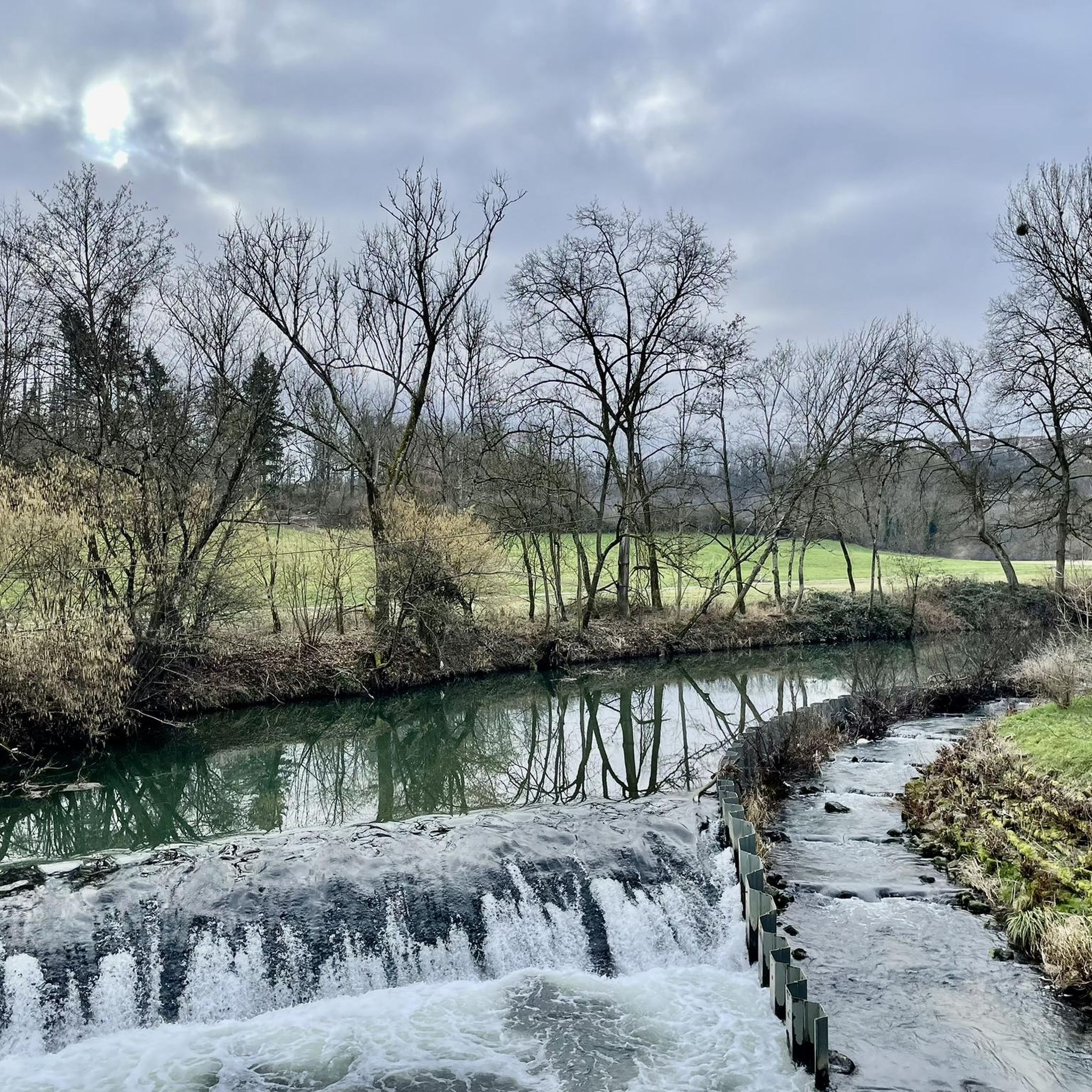
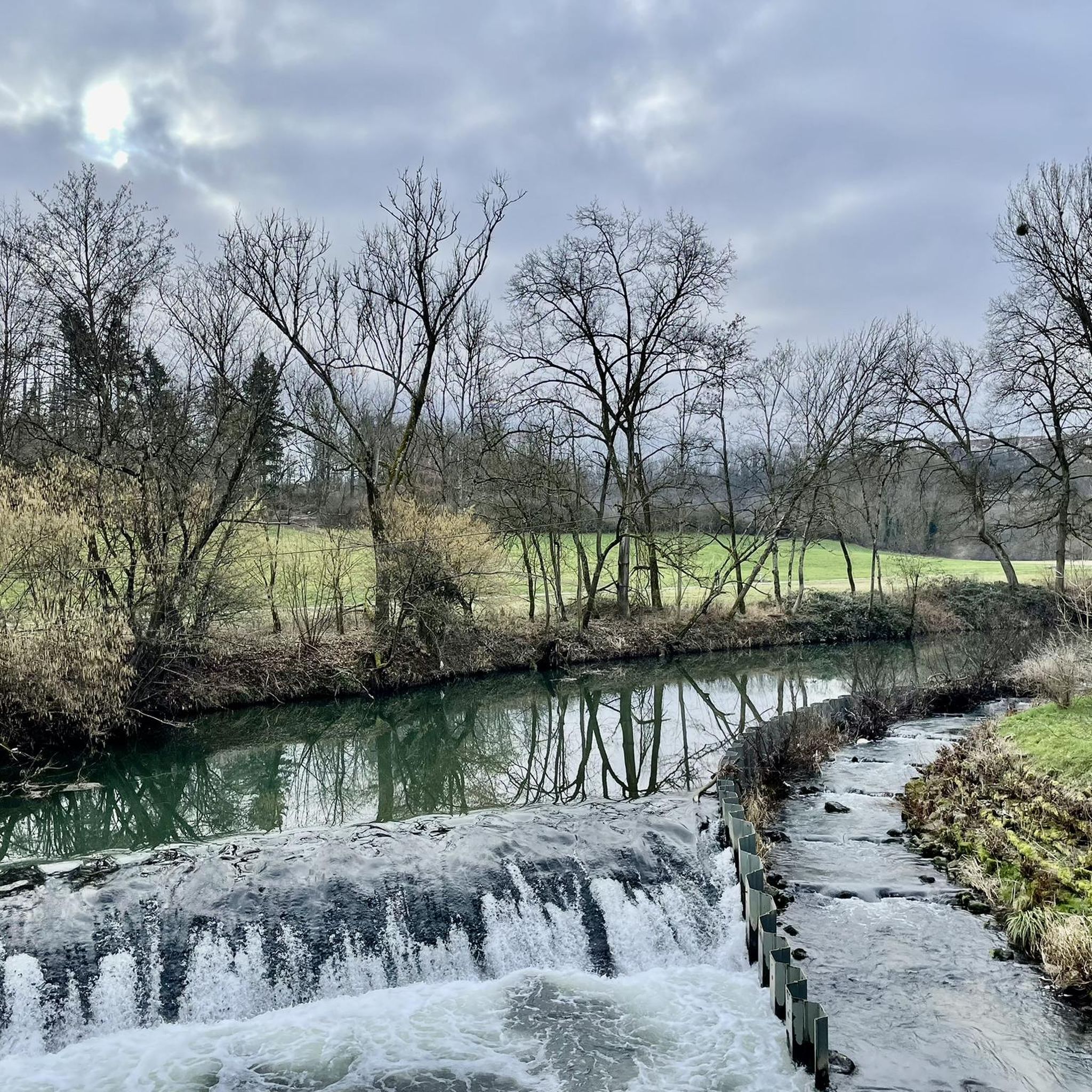
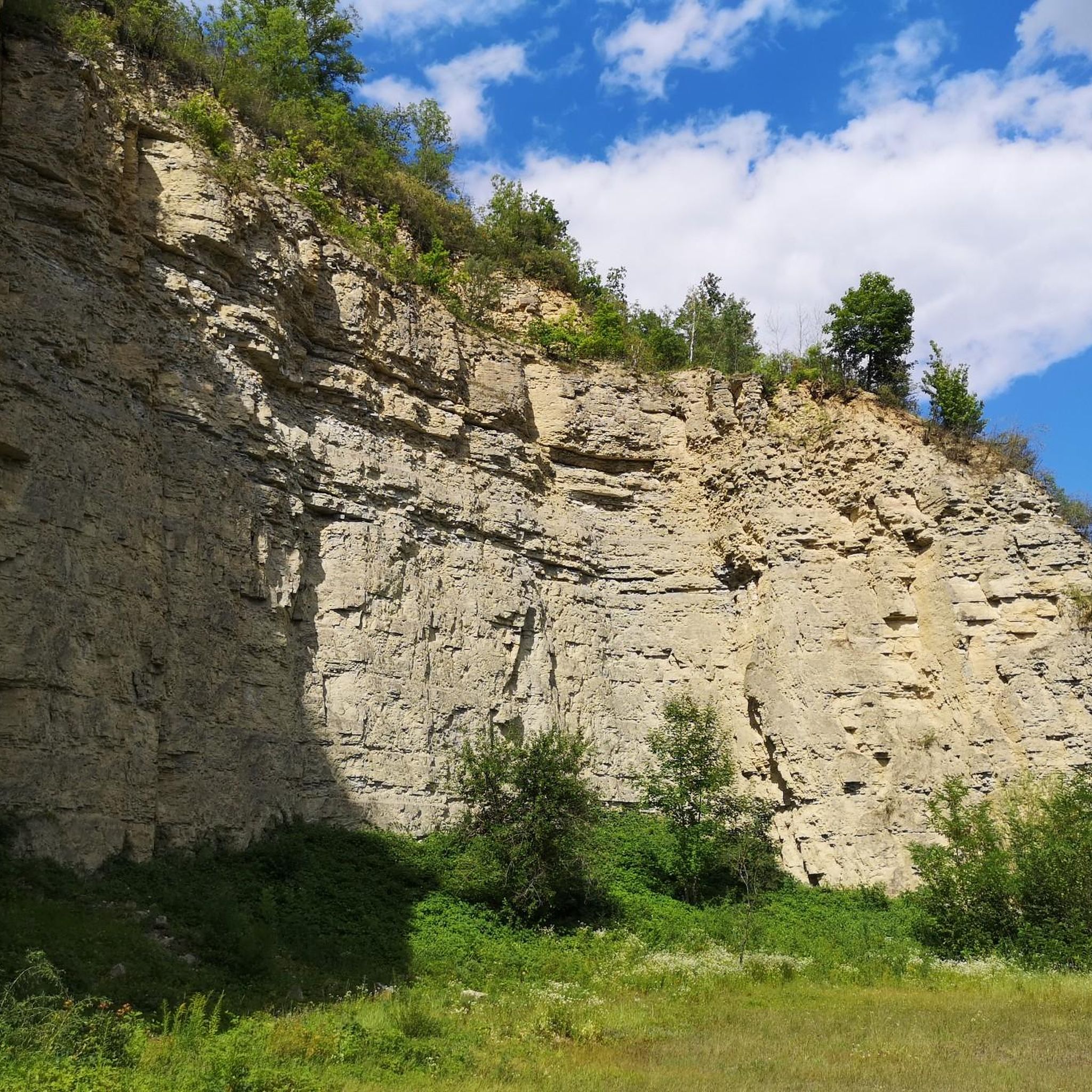
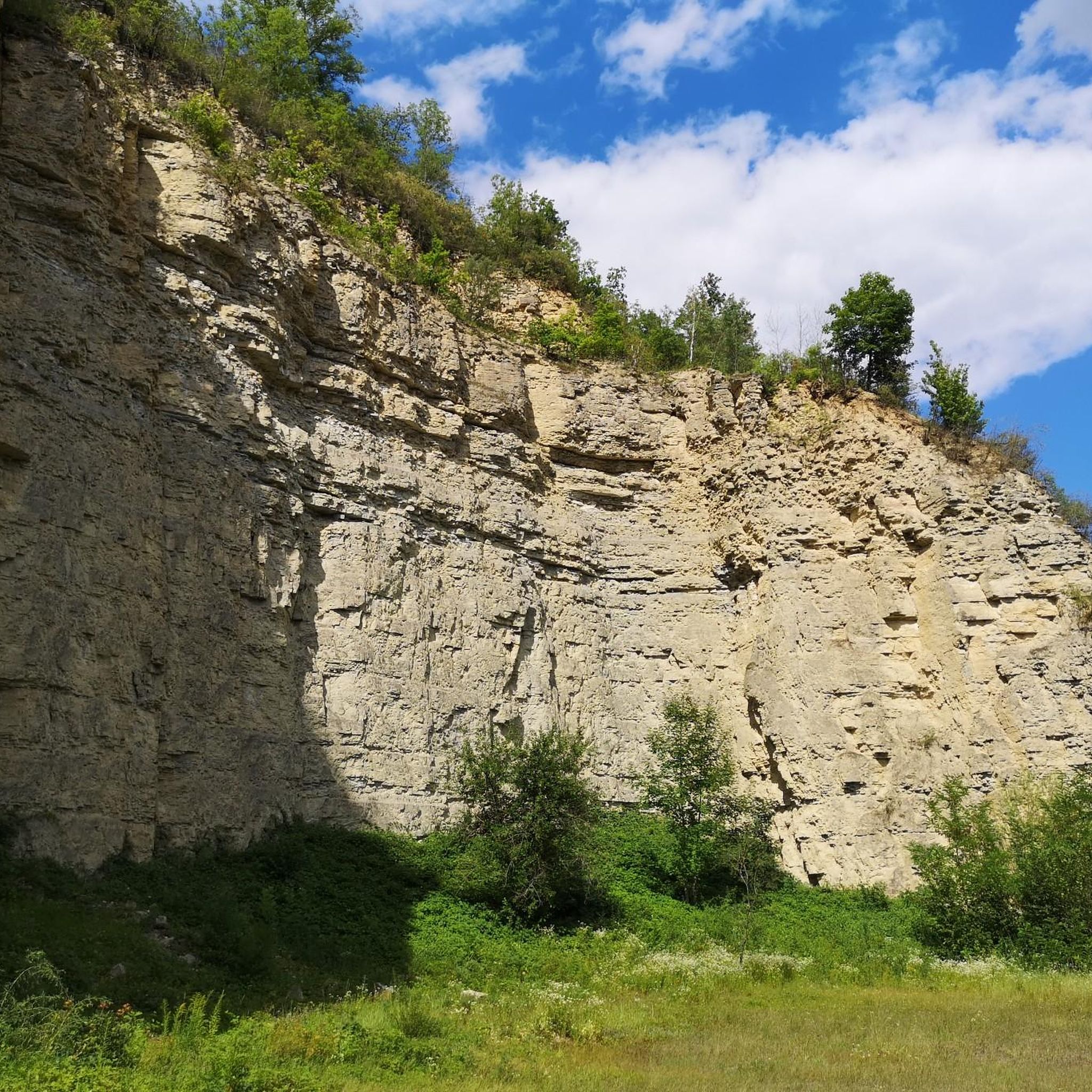
Along the trails, you can explore various points of interest. These include natural features like the Abandoned quarry and the Haufler Vineyard Terraces, as well as historical sites like the Vogelmühle (Remsmühle). Many routes also follow the scenic Rems Riverside Path.
What do other mountain bikers enjoy most about mountain biking in Unteres Remstal?
The komoot community highly rates mountain biking in Unteres Remstal, with an average score of 4.5 stars from over 3400 reviews. Riders often praise the diverse landscape, which combines riverside paths with challenging ascents through vineyards, and the well-maintained trails.
When is the best time of year for mountain biking in Unteres Remstal?
The region is generally suitable for mountain biking from spring through autumn. The mild climate allows for pleasant rides, with spring offering blooming landscapes and autumn showcasing vibrant foliage in the vineyards. Summer can be warm, so early morning or late afternoon rides are often preferred.
Are there mountain bike trails in Unteres Remstal accessible by public transport?
Many towns in Unteres Remstal, such as Waiblingen and Remseck, are well-connected by public transport, including S-Bahn and bus services. This makes it possible to reach various trailheads without a car, though specific route accessibility by public transport may vary.
What are the typical trail conditions for mountain biking in Unteres Remstal?
The terrain in Unteres Remstal is varied. You'll encounter paved sections, gravel paths, and natural dirt trails. Conditions can range from smooth riverside routes to more rugged, technical sections in the hills and vineyards, especially after rain.
Are there places to stop for refreshments or cafes near the mountain bike trails?
Given the region's agricultural and wine-growing character, you'll find numerous opportunities for refreshments. Many towns and villages along the Rems river and within the vineyards offer cafes, restaurants, and traditional 'Besenwirtschaften' (seasonal wine taverns) where you can stop for a break.
Most popular routes in Unteres Remstal
Most popular attractions in Unteres Remstal

Get inspired with the komoot mobile app


Explore more
Browse the best MTB trails in other regions.
