Naturpark Stromberg-Heuchelberg
Naturpark Stromberg-Heuchelberg
The best cycling routes in Naturpark Stromberg-Heuchelberg
4.5
(4315)
19,465
riders
643
rides
Touring cycling routes in Naturpark Stromberg-Heuchelberg traverse a landscape characterized by the Stromberg and Heuchelberg mountain ranges, part of the Keuper Uplands. The region features gentle hills, extensive forests, and undulating vineyards, particularly on the southern slopes of the Stromberg. This varied terrain offers both challenging ascents and relaxed stretches, providing diverse experiences for cyclists. Valleys contain charming villages, small bathing lakes, and meandering streams.
Best touring cycling routes in Naturpark Stromberg-Heuchelberg
- The most popular touring cycling route is Nature…
Last updated: August 22, 2026
4.7
(85)
410
riders
41.6km
03:10
510m
510m
Hard bike ride. Very good fitness required. Mostly paved surfaces. Suitable for all skill levels.
4.7
(86)
406
riders
40.1km
02:53
440m
440m
Moderate bike ride. Good fitness required. Mostly paved surfaces. Suitable for all skill levels.

Sign up for free
4.7
(61)
250
riders
43.0km
02:55
510m
510m
Hard bike ride. Very good fitness required. Mostly paved surfaces. Suitable for all skill levels.
4.6
(58)
204
riders
34.3km
02:07
300m
300m
Moderate bike ride. Good fitness required. Mostly paved surfaces. Suitable for all skill levels.
4.6
(57)
178
riders
30.2km
02:08
310m
310m
Moderate bike ride. Good fitness required. Mostly paved surfaces. Suitable for all skill levels.
Get access to more routes and recommendations from other explorers.
Sign up for free
Already have an account?
Our route recommendations are based on thousands of hikes, rides, and runs completed by other people on komoot.
Start today with a free account
Your next adventure awaits.
Login or Signup
Popular around Naturpark Stromberg-Heuchelberg
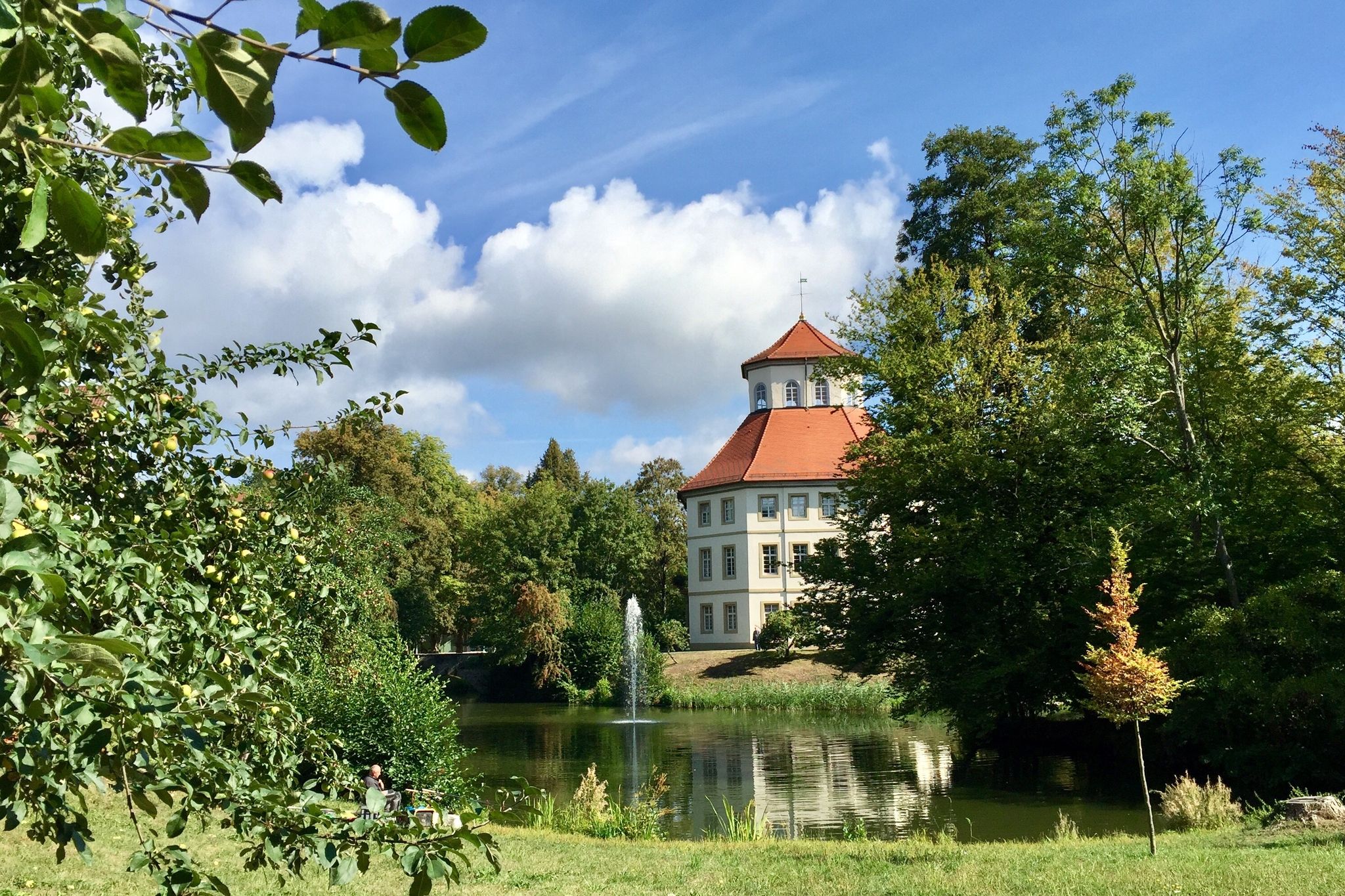
The Stromberg Murrtal Bike Path – 7 stages of nature and culture
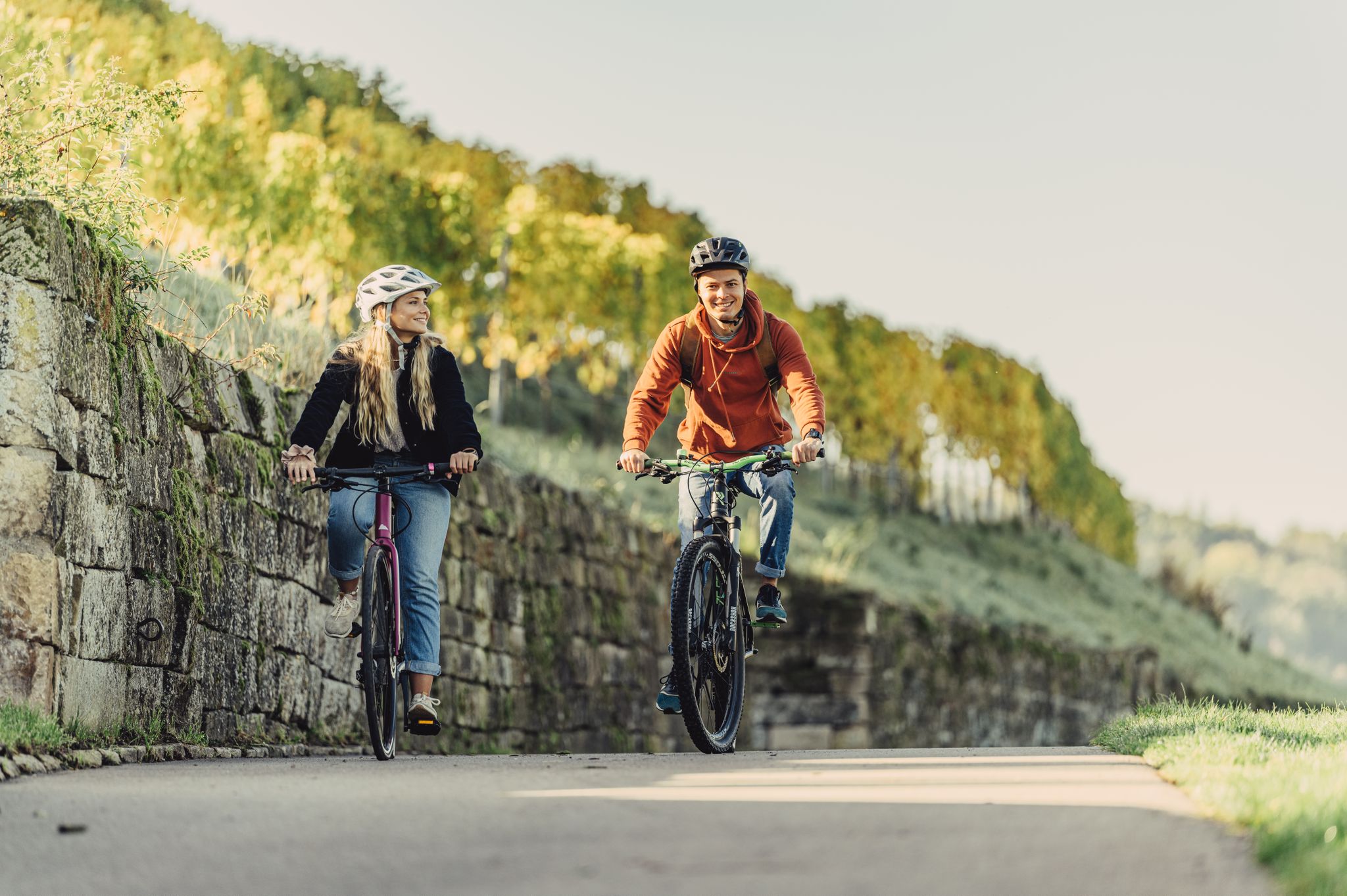
Vineyards, River Valleys & Panoramic Views: Cycling in the HeilbronnerLand
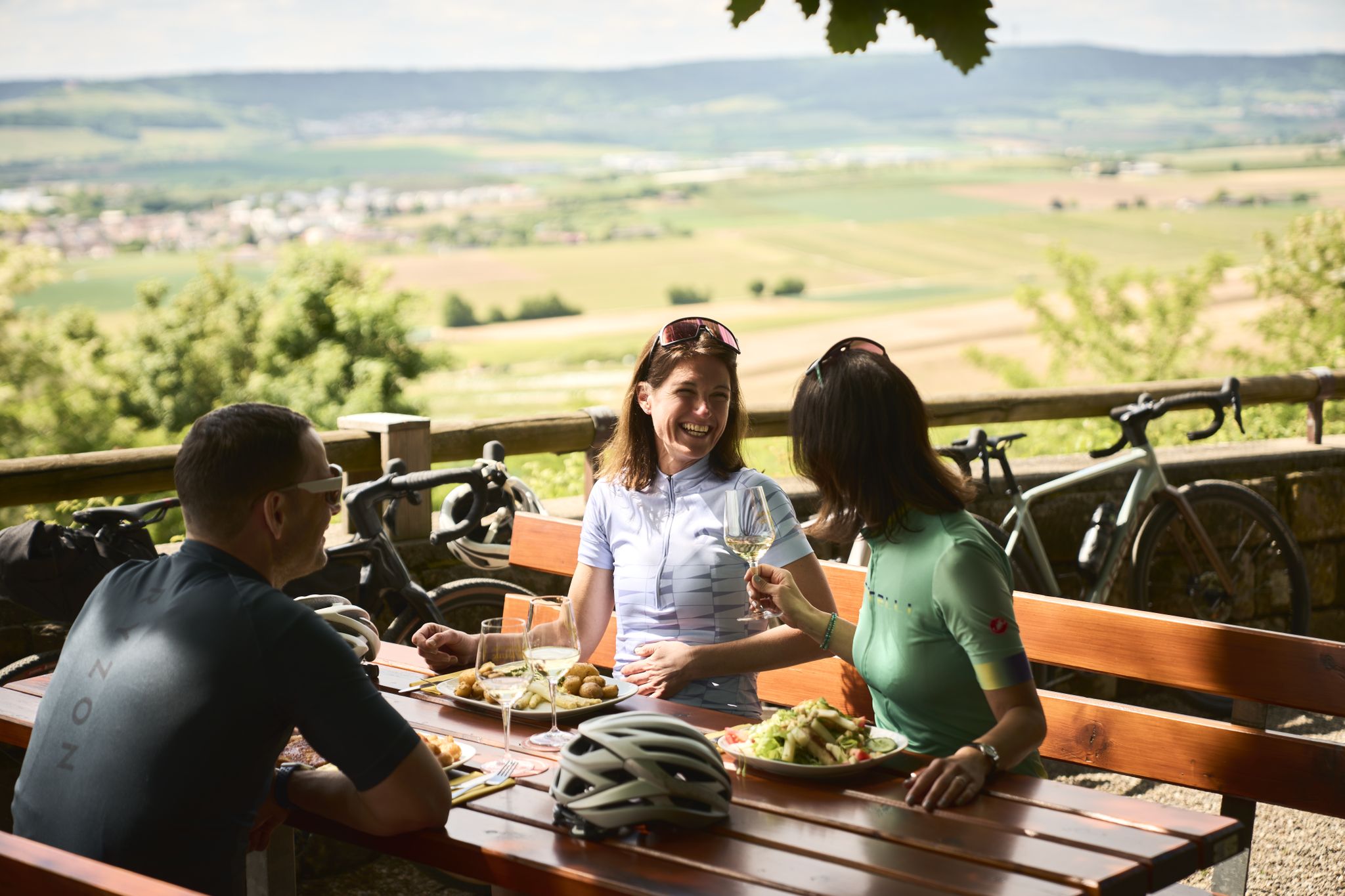
Cycling and local cuisine – pleasure rides in the Süden ganz oben
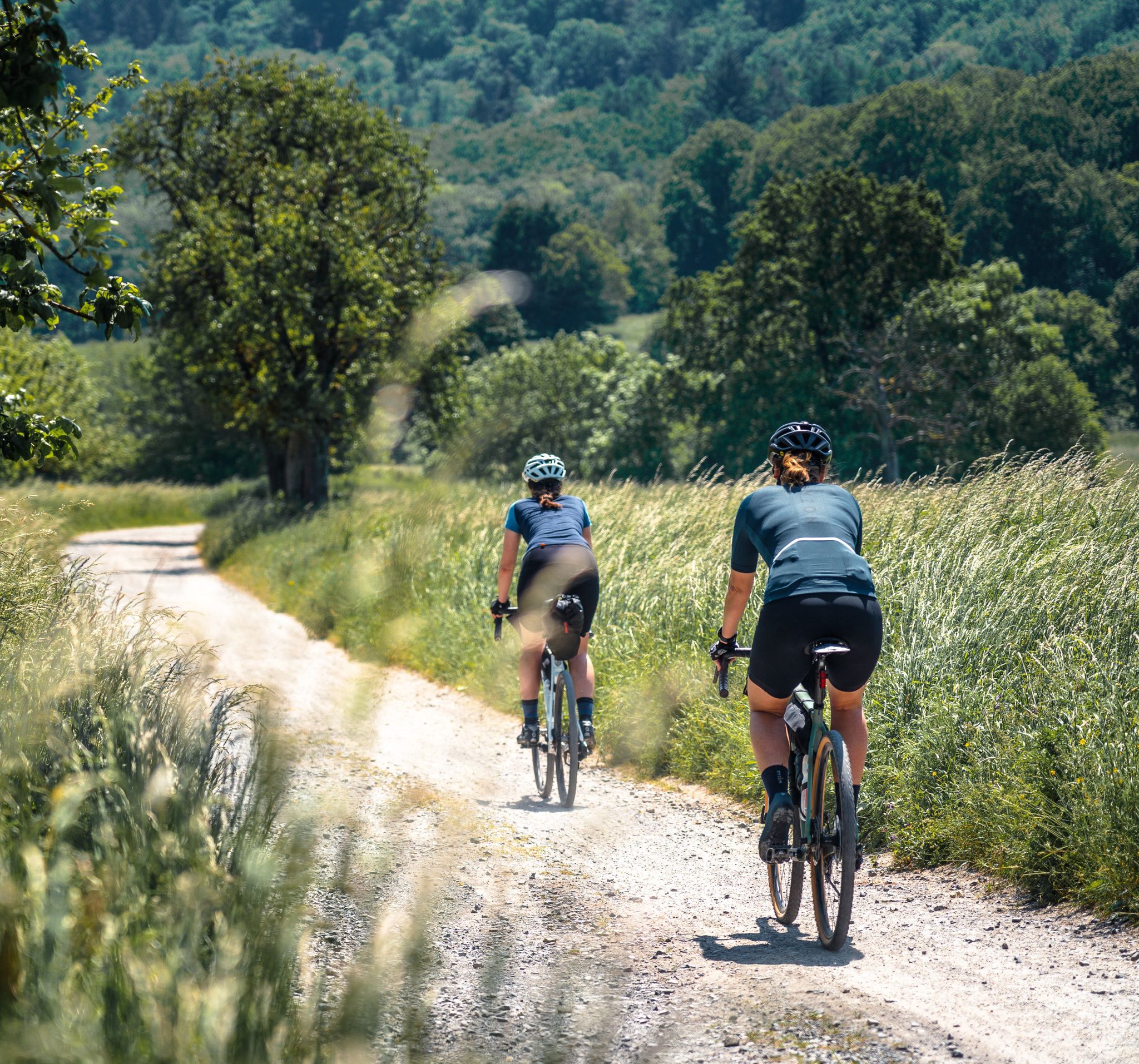
Gravel pleasure in the land of 1,000 hills
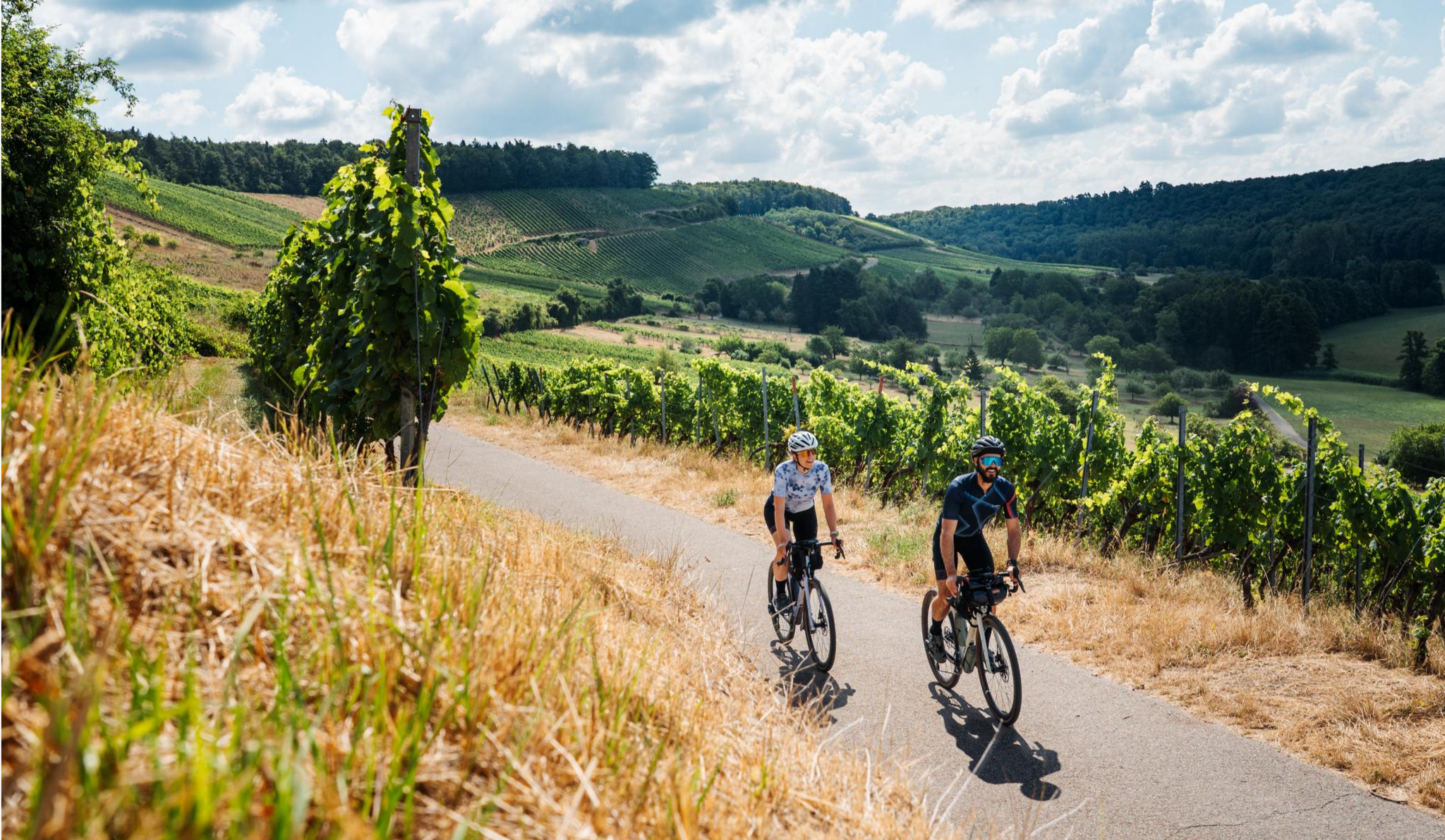
The Kraich- and Metterradweg - from the Rhine to the Enz
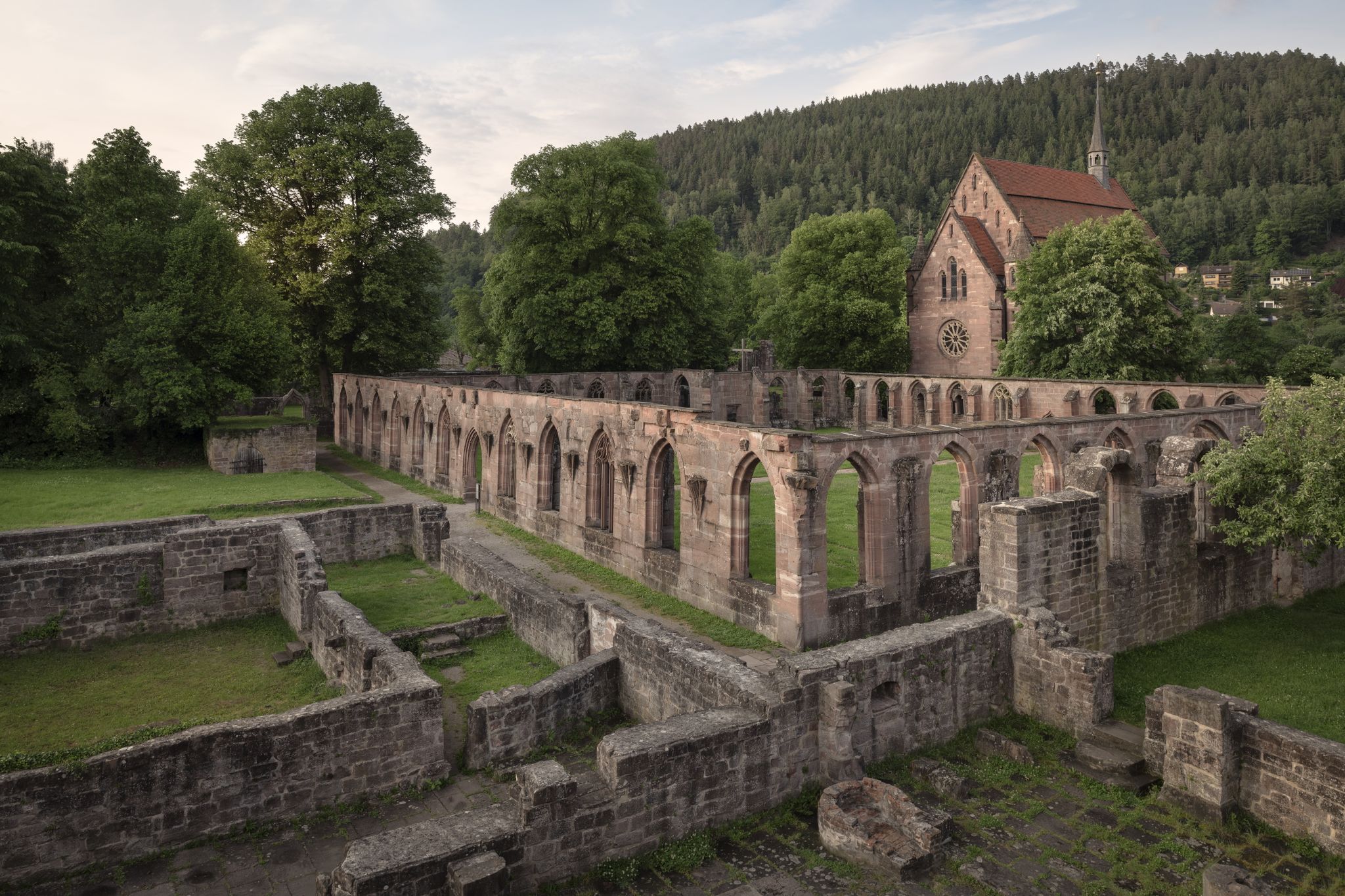
Cycling the Monastery Route in the Northern Black Forest
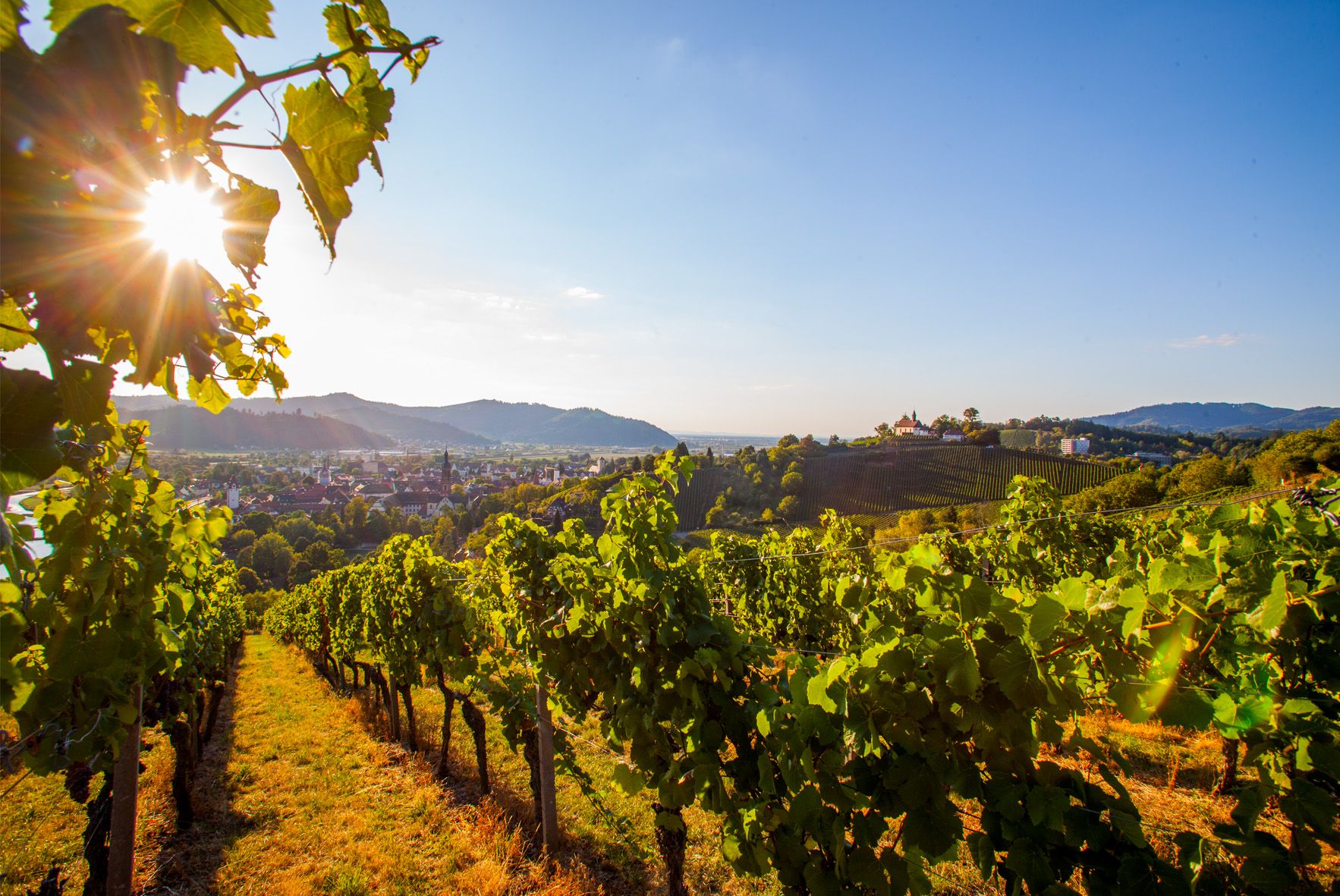
Right the Black Forest, left the Rhine – the Baden Wine Cycle Route
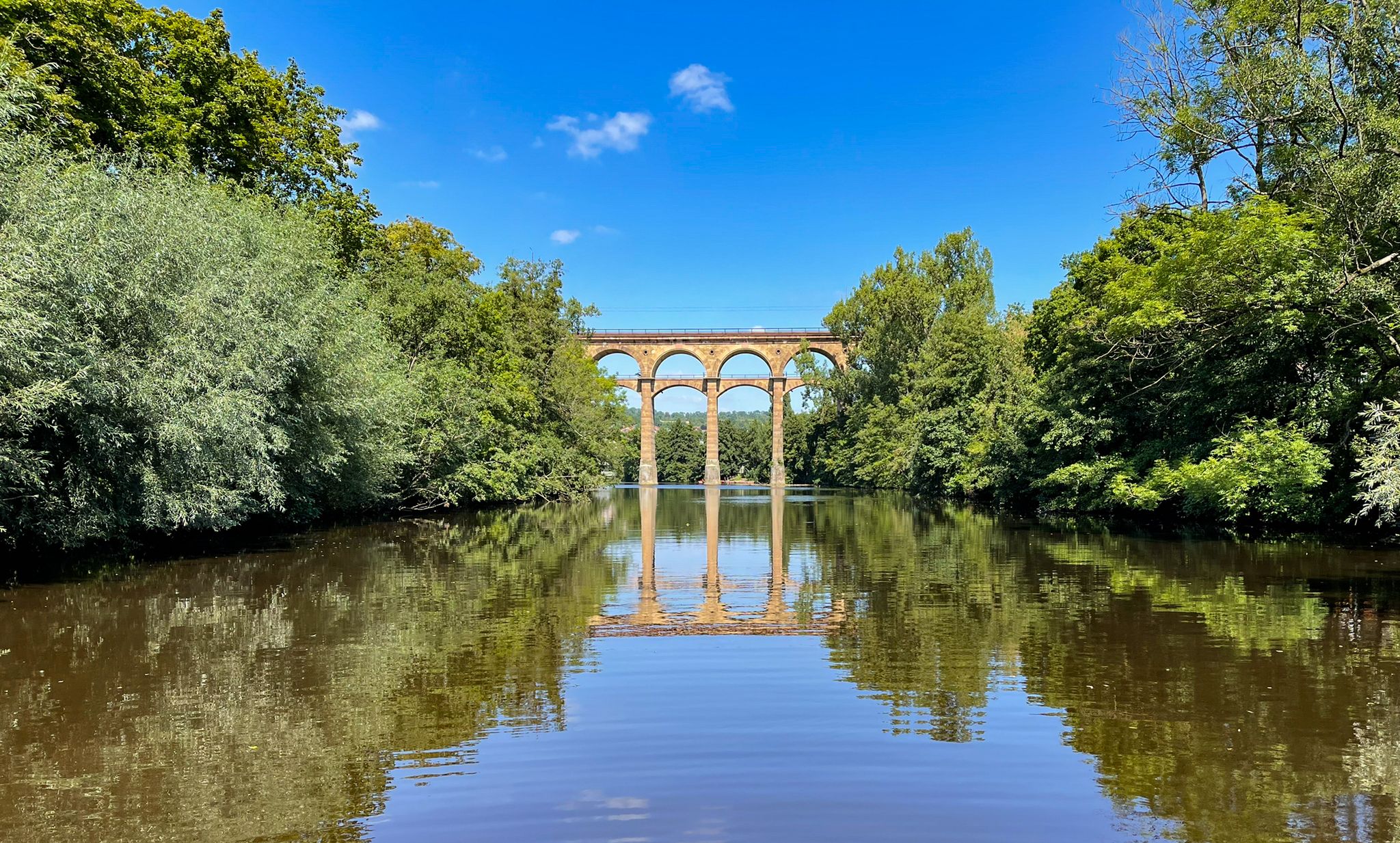
The Stromberg Murrtal Bike Path – 7 stages of nature and culture
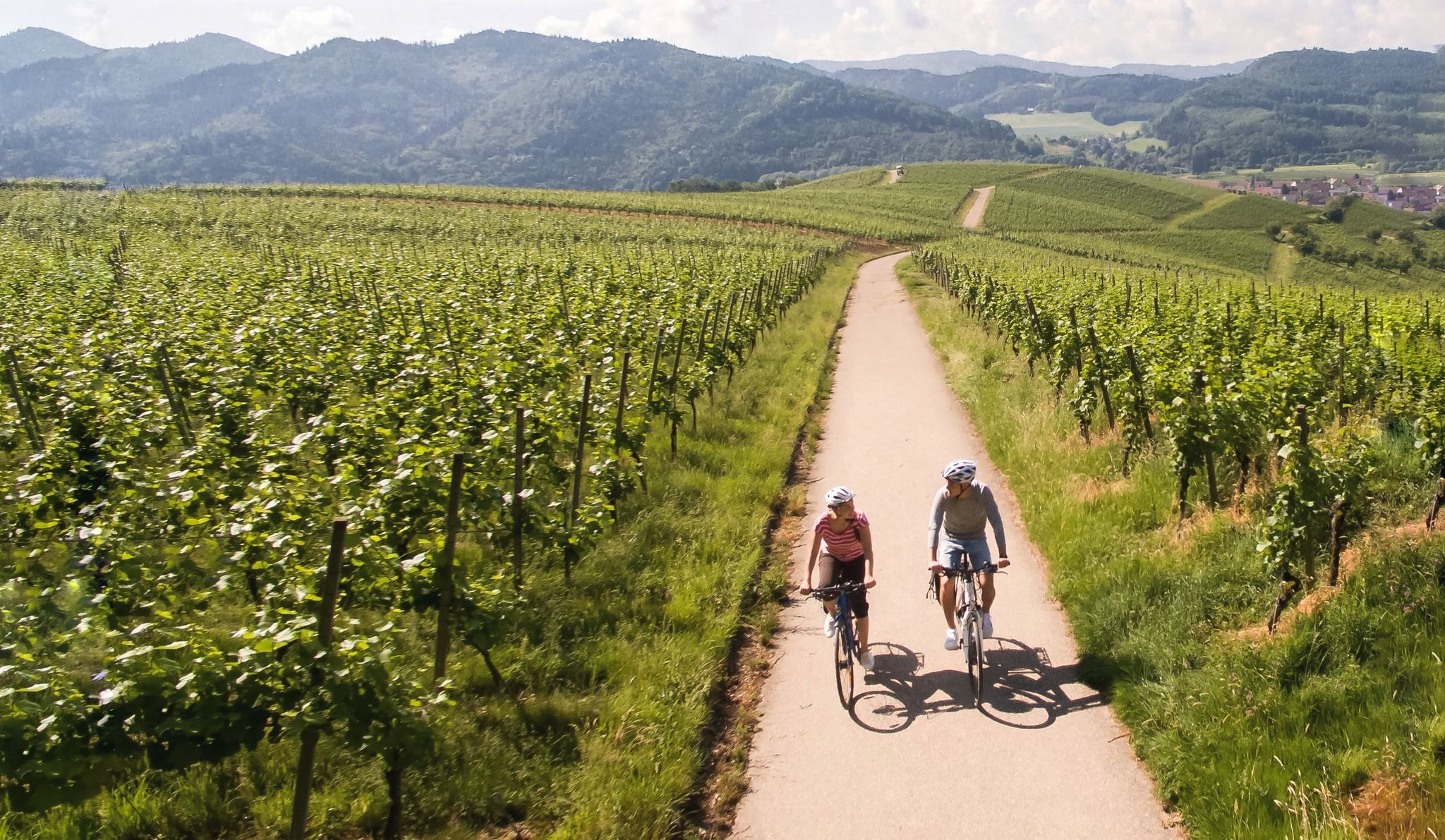
Vineyards and the Rhine Valley – the Baden Wine Cycle Route
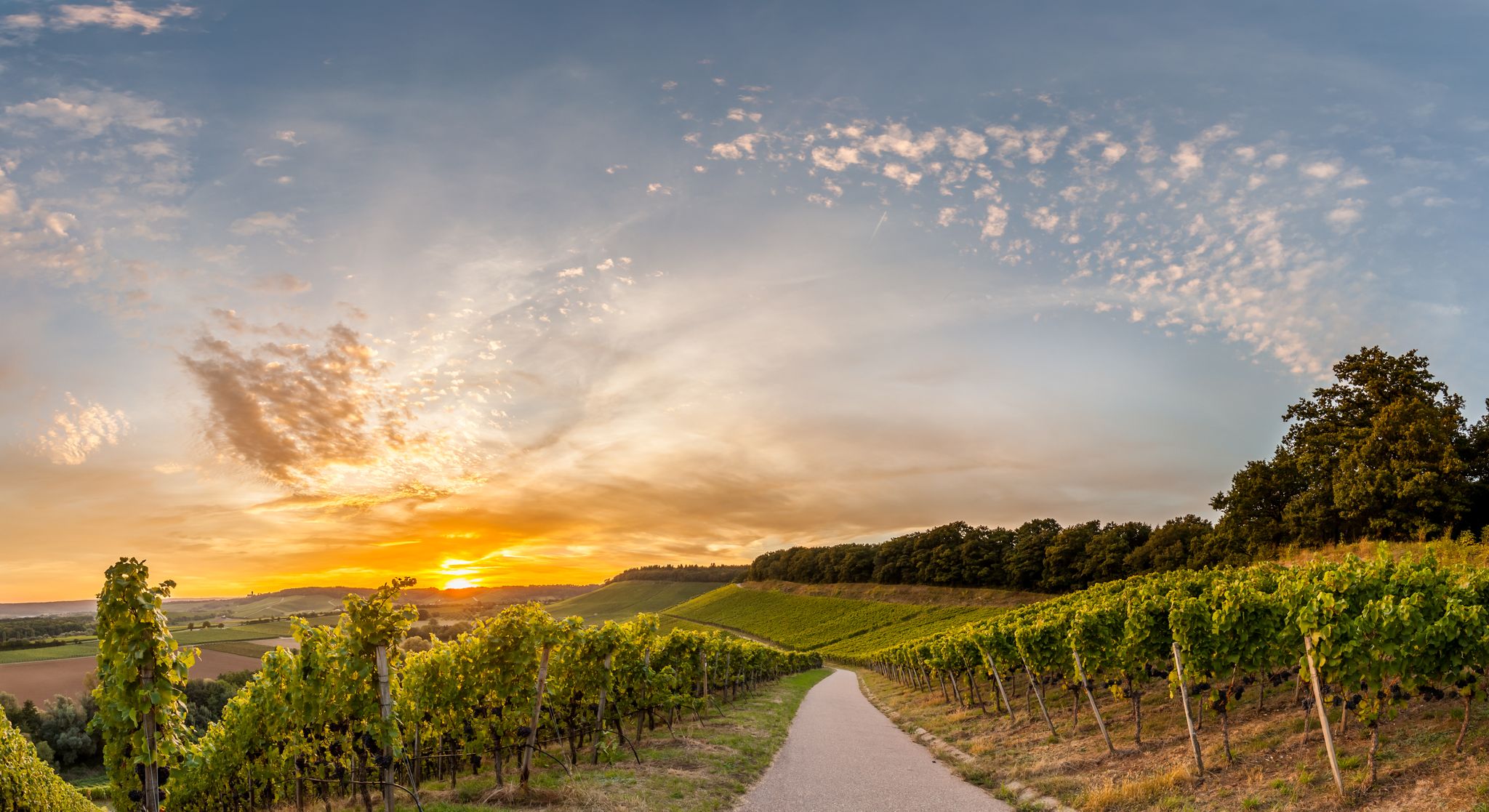
Cycling in the land of 1,000 hills in southern Germany – Kraichgau-Stomberg
Other adventures in Naturpark Stromberg-Heuchelberg


Tips from the Community

A lovingly designed park. Very clean and everyone is very friendly and accommodating.
0
0

https://www.knittlingen.de/stadt-knittlingen/stadtgeschichte "Monday, June 2nd, I will depart. My heart expanded in all the expectations of what I will see and hear. Never have I felt so well as when, half an hour from here, I rode down the mountain – and below me lay Knittlingen…" (Friedrich Hölderlin in a letter from 1788)https://As "Württemberg's foremost bulwark and border fortress against the Palatinate" Knittlingen was first mentioned in a document in 843, then still as "Cnudelingen". In 1148, the Maulbronn monastery, completed a year earlier, acquired the rights over Knittlingen, where one of the monastery's seven granges also arose. In the following centuries, Knittlingen suffered major destruction multiple times – for example in 1360 by the Count Palatine of the Rhine, in the Thirty Years' War in 1632 by the troops of Imperial General Ernesto Montecuccoli, and in 1692 by the French. Partially devastating fires affected many historical buildings. Great influence on the development of urban life was exerted in 1490 by the idea of the Taxis dynasty (since 1650 Thurn und Taxis) to establish a horse relay post from Dutch Mechelen to Austrian Innsbruck and to open a post station in Knittlingen. From 1806 Knittlingen was part of the Oberamt Maulbronn, and in 1840 the place was officially granted town rights. From 1938 to 1972 Knittlingen belonged to the Vaihingen district, and since its dissolution to the Enzkreis in the administrative district of Karlsruhe. The history of Knittlingen's sub-districts Freudenstein (first mentioned in documents around 1251 as "Frodenstein") and Hohenklingen (first mentioned in writing in 1312) also dates back to the 13th or 14th century. The Waldensian village of Kleinvillars was founded in 1699 by reformed religious refugees from Piedmont. The incorporation of Kleinvillars into the town of Knittlingen took place on February 15, 1972, and the amalgamation of Freudenstein-Hohenklingen on August 9, 1975. Also not to be forgotten are the two Spanish partner municipalities Benaoján and Montejaque, with whom Knittlingen has been friendly connected for over 50 years, and since 2010 there has also been an official partnership. www.knittlingen.de/tourismus-freizeit/radtouren
0
0

🏘️ The market square in Eppingen is the vibrant heart of this charming half-timbered town and a true magnet for lovers of historic architecture. Nestled within one of the best-preserved old towns in southern Germany, it offers a delightful blend of medieval romance and neoclassical elegance.
2
0

A visible landmark in Eppingen between the town hall and the old town.
2
0
The market square, with its tree and water feature, is a popular meeting place in Eppingen. Surrounded by the town hall and the old half-timbered houses, you can stroll from here into the old town.
1
0


From late spring until autumn, water buffalo live here
0
0
Frequently Asked Questions
How many touring cycling routes are available in Naturpark Stromberg-Heuchelberg?
Naturpark Stromberg-Heuchelberg offers a wide network of touring cycling routes. You can find over 590 routes, catering to various skill levels, from relaxed rides through vineyards to more challenging ascents in the forested hills.
What kind of landscapes can I expect to see while cycling in Naturpark Stromberg-Heuchelberg?
The region is known for its diverse landscapes, often called the 'Tuscany of Kraichgau'. You'll cycle through gentle hills, extensive forests, and undulating vineyards, especially on the southern slopes of the Stromberg. Expect charming villages with half-timbered houses, small bathing lakes, and meandering streams in the valleys.
Are there any family-friendly cycling routes in the Naturpark Stromberg-Heuchelberg?
Yes, the Naturpark Stromberg-Heuchelberg offers many routes suitable for families. With nearly 200 easy routes, you can find paths that are less strenuous, often following flatter sections through valleys or along lakes. These routes provide a relaxed way to explore the natural beauty and charming villages.
What are some notable attractions or landmarks I can visit along the cycling routes?
You can combine your cycling tour with visits to several significant attractions. Don't miss the historic Maulbronn Monastery, a UNESCO World Heritage Site. Other points of interest include the Ehmetsklinge Reservoir, the Katzenbachsee, and the West shore of Aalkistensee. The region also features historical castles like Burg Ravensburg and the Weißen Steinbruch (White Quarry) near Pfaffenhofen.
Can I find circular cycling routes in Naturpark Stromberg-Heuchelberg?
Yes, many of the touring cycling routes in Naturpark Stromberg-Heuchelberg are designed as circular paths, allowing you to start and end at the same point. For example, the Culture Tour - around Maulbronn Monastery is a popular moderate loop that takes you through cultural landscapes and past the historic monastery.
What is the best time of year to go touring cycling in this region?
The Naturpark Stromberg-Heuchelberg is enjoyable for cycling throughout the warmer months. However, autumn, often referred to as 'Indian summer,' is particularly special due to the vibrant colors of the vineyards and forests, and the numerous wine festivals and tastings that take place during the harvest season.
Are there routes that focus on the region's wine culture?
Absolutely. The region is famous for its viticulture, especially on the southern slopes of the Stromberg. The Lemberger-Tour is a prime example, traversing Germany's largest red wine landscape and passing through the 'Lemberger metropolis' of Brackenheim. You'll find opportunities for winery visits and tastings along these routes.
What do other cyclists say about touring cycling in Naturpark Stromberg-Heuchelberg?
The touring cycling routes in Naturpark Stromberg-Heuchelberg are highly regarded by the komoot community, with an average rating of 4.5 stars from over 3,500 reviews. Cyclists often praise the varied terrain, the well-maintained paths, and the beautiful blend of natural scenery and cultural highlights.
Are there any routes that offer wide views of the landscape?
Yes, the park's landscape, characterized by the Stromberg and Heuchelberg mountain ranges, offers numerous points with wide views. Routes like the Nature Park Tour – Nature Park Stromberg-Heuchelberg traverse varied landscapes including vineyards and forests, providing expansive vistas across the region.
Where can I find information about the natural environment and wildlife of the park?
The Naturpark Stromberg-Heuchelberg is recognized as a bird sanctuary and FFH area, protecting rare animals and plants, including a small population of wildcats. The Nature Park Center at Ehmetsklinge Reservoir near Zaberfeld offers an interactive exhibition where you can learn more about the park's unique ecology and wildlife. You can also find more information on the official website of the Stromberg-Heuchelberg Nature Park.
Are there any routes that pass by lakes or offer opportunities for relaxation by the water?
Yes, the region features several beautiful lakes that are perfect for a break during your cycling tour. The Seen-Tour - around Knittlingen and Maulbronn is an excellent option, as it passes by several of these tranquil spots. The Ehmetsklinge and Katzenbachsee lakes are particularly popular for relaxation and picnics.
What is the typical duration for a touring cycling route in Naturpark Stromberg-Heuchelberg?
The duration of routes varies depending on their length and difficulty. Many popular touring routes, such as the Nature Park Tour (41.6 km), can take around 3 to 4 hours to complete at a moderate pace, allowing ample time to enjoy the scenery and make stops.
Most popular routes in Naturpark Stromberg-Heuchelberg
Most popular attractions in Naturpark Stromberg-Heuchelberg

Get inspired with the komoot mobile app


Explore more
Browse the best Cycling routes in other regions.
