Attractions and Places To See in Réserve Naturelle Prënzebierg - Top 7
Best attractions and places to see in Réserve Naturelle Prënzebierg, also known as Prënzebierg-Giele Botter, is a protected natural area in Luxembourg. This reserve was transformed from a former open-pit mine into an ecological haven, showcasing a blend of natural beauty and geological insights. It is part of the European "Natura 2000" network, dedicated to preserving threatened habitats and species. The landscape features a distinctive "red and green" appearance, reflecting its mining past and subsequent natural regeneration.
Best attractions and…
Last updated: October 9, 2026
Giele Botter Nature Reserve
Highlight • Natural
Translated by Google •
Tip by

Fatima Chapel in the Petingen Forest
Highlight • Religious Site
Translated by Google •
Tip by

Sign up now to discover places like this
Get recommendations on the best single tracks, peaks, & plenty of other exciting outdoor places.
Schlammefeld Iron Ore Mine Entrance
Highlight • Structure
Translated by Google •
Tip by

De Plang (Former Mining Incline)
Highlight • Historical Site
Translated by Google •
Tip by
View of Niederkorn
Highlight • Viewpoint
Tip by

Sign up for free to discover even more attractions in Réserve Naturelle Prënzebierg.
Already have an account?
Start today with a free account
Your next adventure awaits.
Popular around Réserve Naturelle Prënzebierg
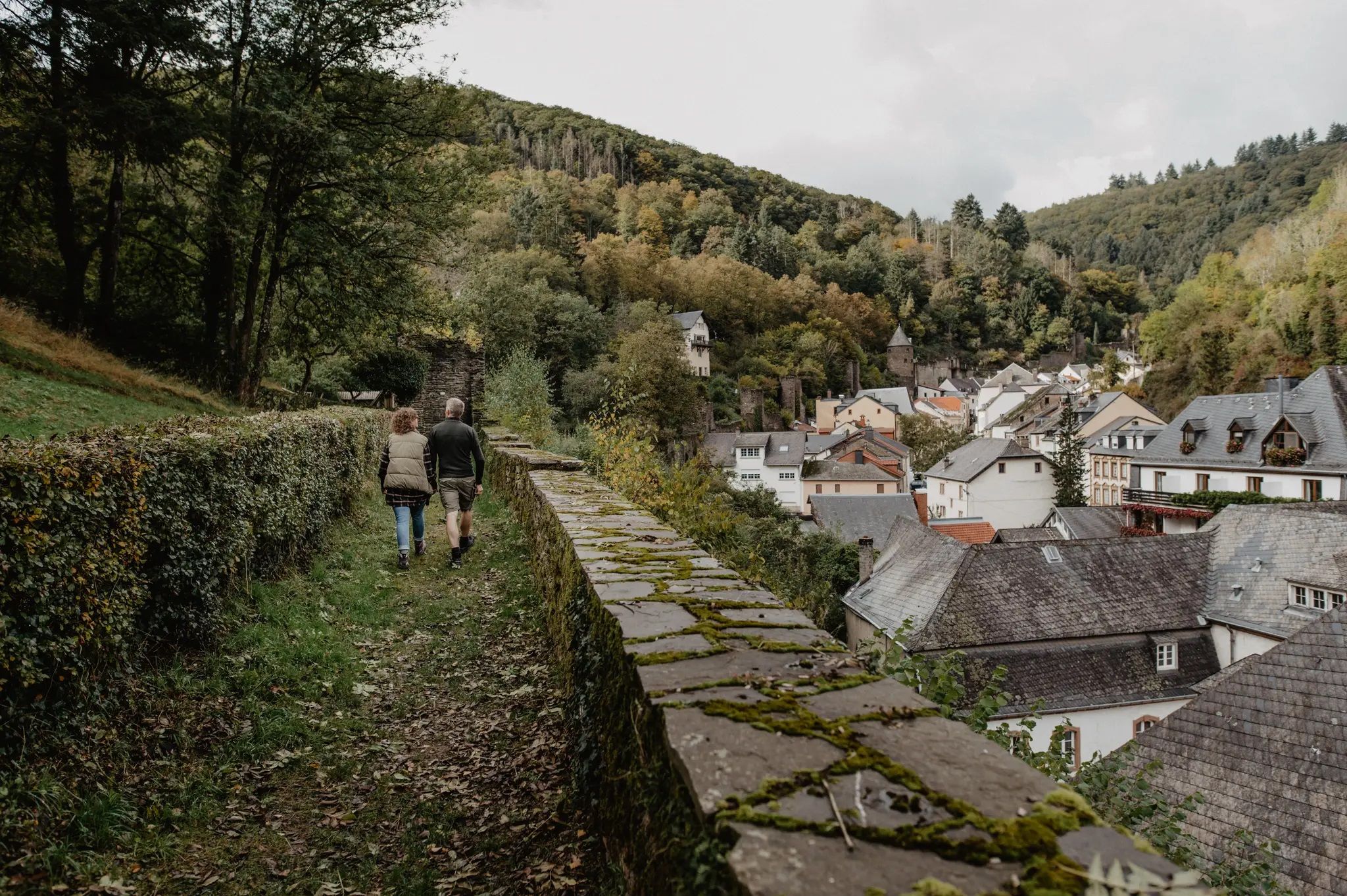
Enjoy the silence – autumn and winter hiking in Luxembourg
Road Cycling Routes in Réserve Naturelle Prënzebierg
MTB Trails in Réserve Naturelle Prënzebierg
Running Trails in Réserve Naturelle Prënzebierg
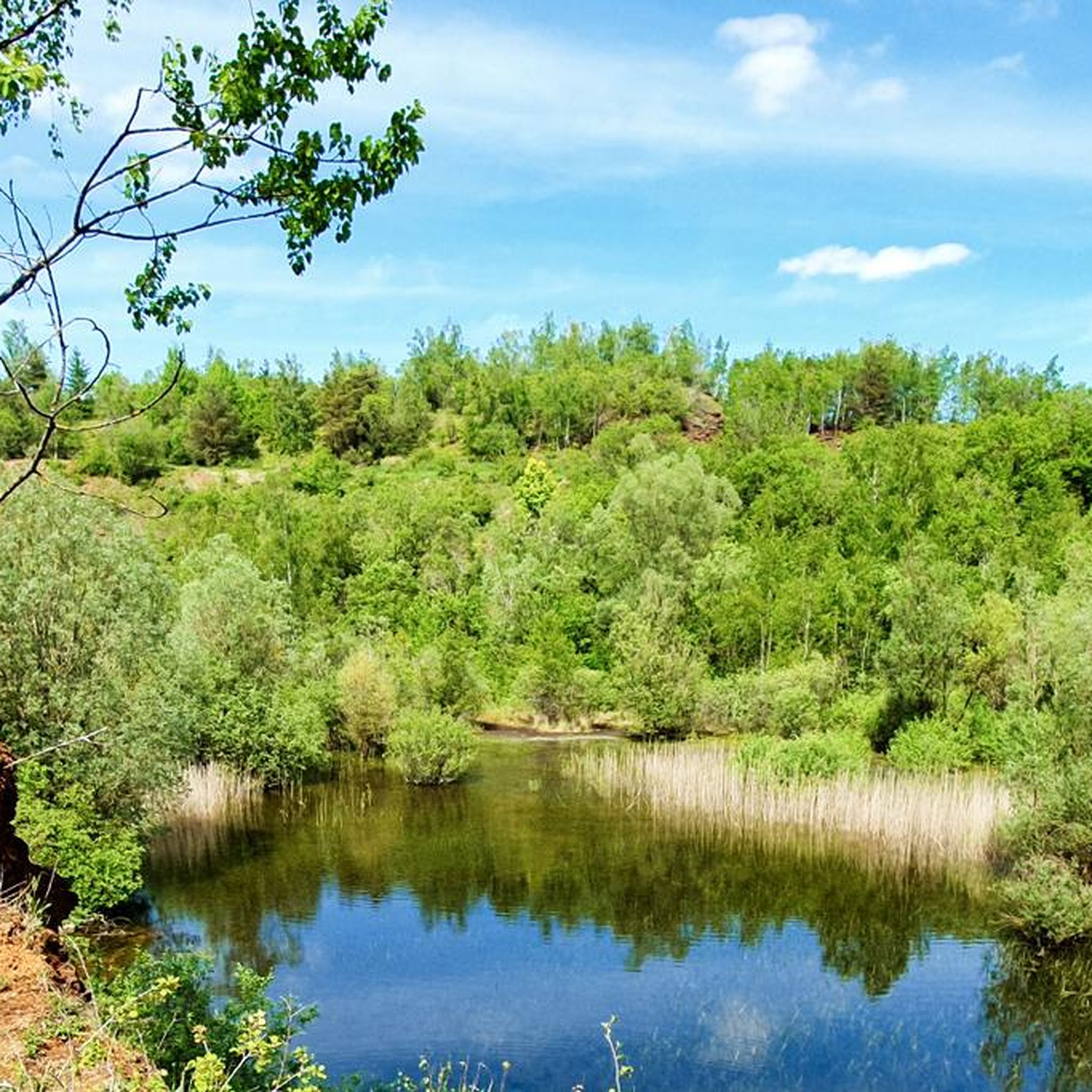
Hiking in Réserve Naturelle Prënzebierg
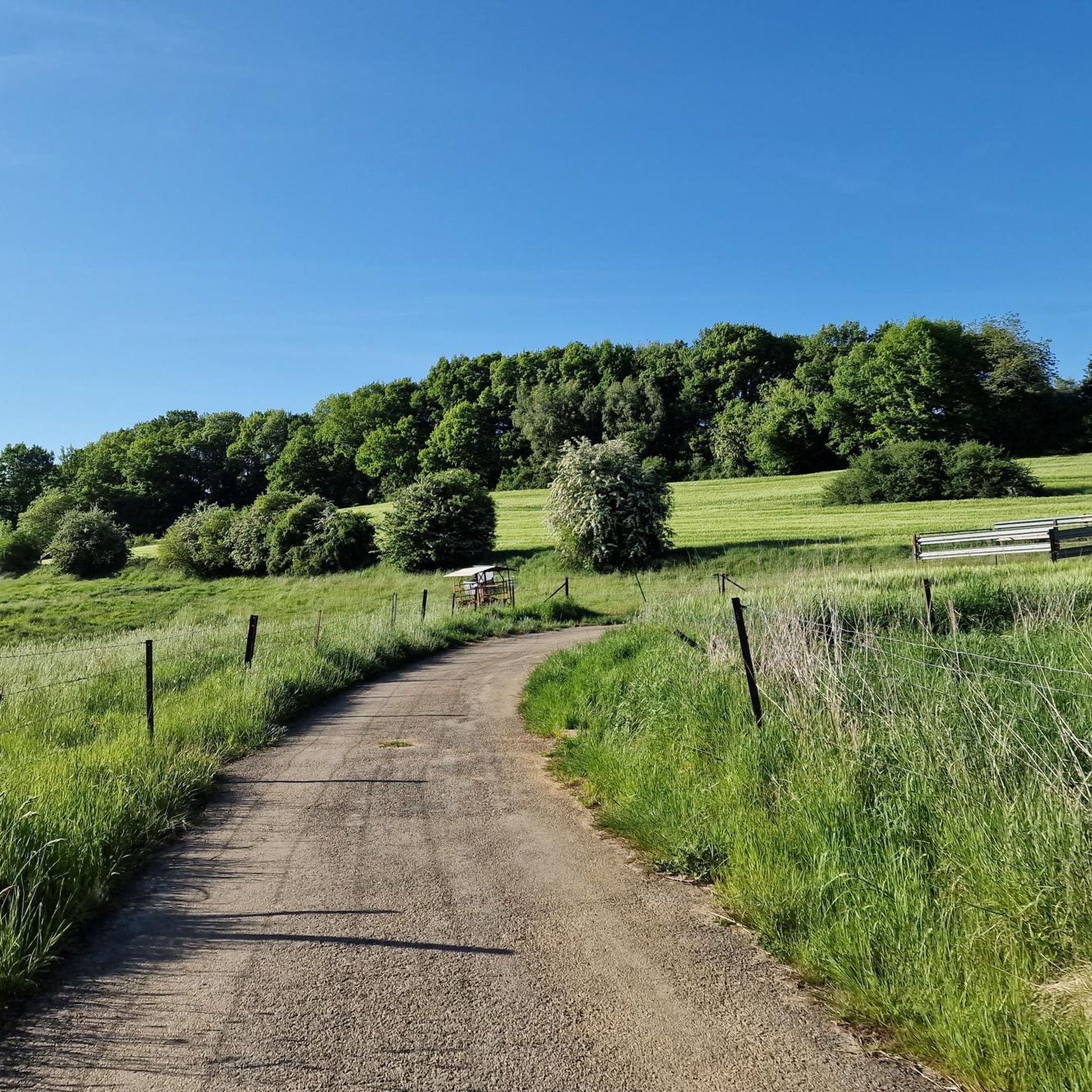
Cycling in Réserve Naturelle Prënzebierg
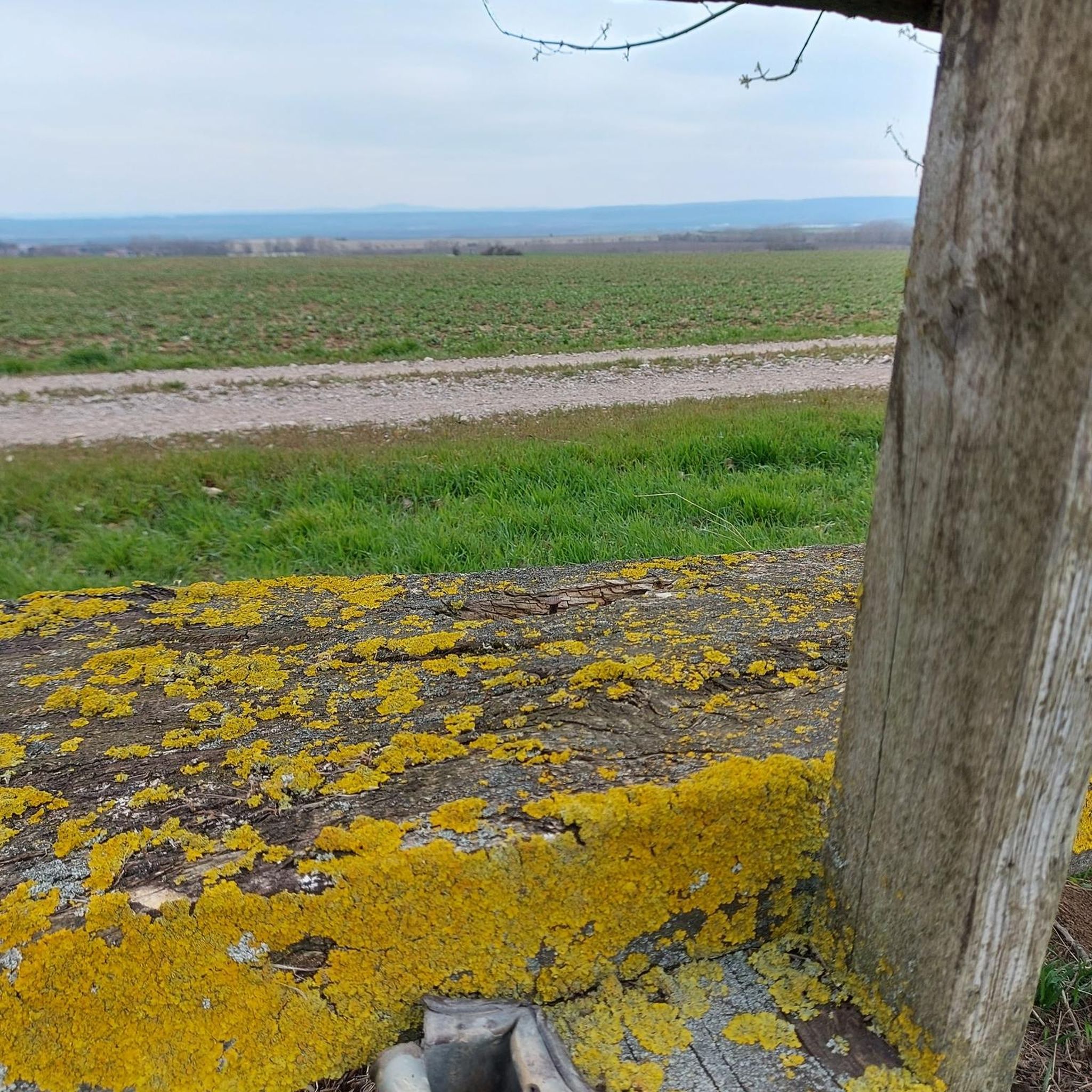
Gravel biking in Réserve Naturelle Prënzebierg
Other adventures in Réserve Naturelle Prënzebierg

Tips from the Community


Beautiful walk in a nature reserve in a former open-cast mine
1
0

This small forest Fatima prayer site was built after the Second World War by the Pétange Scouts to thank Mary. The surviving scouts came back from the war or concentration camps in Germany and had decided to build a small chapel to thank the Holy Mother Mary. Every year, on the anniversary of St. Francis of Assisi, the Pétange Scouts celebrate a forest mass at this chapel in October in honor of their deceased members. At the same time, they also built the new scout chalet, which is now located in the nature reserve, with their own hands. By the way, the Pétange Guiden a Scouten (boy scouts) are celebrating their 100th anniversary this year in 2025 Group Saint Francois d'Assisi
1
0

From this spot you get a nice view of Niederkorn, a small within the commune of Differdange, situated along the Chiers River. The town is home to FC Progrès Niederkorn, a football team competing in Luxembourg's National Division. This is a great place to catch your breath and admire the views before continuing onward.
1
0

Be sure to take a closer look at the entrance. It looks very beautiful. It makes a good photo background.
1
0

Very exciting, here and so many beautiful impressions
1
0
Frequently Asked Questions
What natural features can I explore in Réserve Naturelle Prënzebierg?
The reserve, a former open-pit mine, is now a rich ecological haven. You can discover diverse biotopes, including wetlands and ponds like those near "De Plang", and pioneer forests. The landscape itself is a unique "red and green" testament to its mining past and natural regeneration. A key area to explore is the Giele Botter Nature Reserve, known for its varied vegetation.
What kind of wildlife can I expect to see in Réserve Naturelle Prënzebierg?
Réserve Naturelle Prënzebierg boasts impressive biodiversity. You might encounter over twenty species of wild orchids, a large number of butterflies, amphibians, reptiles, and various bird species. The Schlammefeld Iron Ore Mine Entrance, for instance, now serves as winter quarters for bats, highlighting the reserve's role as a habitat for diverse wildlife.
What is the historical significance of Réserve Naturelle Prënzebierg?
The entire reserve is a significant reminder of the region's mining history. It was once an active open-pit mine, and its landscape still bears the marks of iron ore extraction. Sites like De Plang (Former Mining Incline) and the Schlammefeld Iron Ore Mine Entrance offer direct insights into this industrial past.
Are there specific viewpoints in the reserve?
Yes, the reserve offers several spots with scenic vistas. One notable viewpoint is the View of Niederkorn, which provides a nice perspective of the surrounding area. The former open-pit mine areas also offer unique views of the geological formations.
What are the main hiking trails in Réserve Naturelle Prënzebierg?
Two prominent trails are the "Giele Botter" Discovery Trail, an approximately 7 km path exploring diverse vegetation and biotopes, and the "Giele Botter" Geological Trail, about 2.5 km long, which focuses on the formation and evolution of soil materials along exposed rock faces. You can find more hiking options, including easy routes, in the Easy hikes in Réserve Naturelle Prënzebierg guide.
Are there easy walking routes suitable for beginners or families?
Yes, the reserve offers several easy walking routes. For example, the "Giele Botter" Discovery Trail is generally considered an easy path with only one challenging section. You can find specific easy routes, such as the "De Plang (Former Mining Incline) – View of Niederkorn loop" or the "Highland Cattle Pasture – Wildflower Meadow loop," in the Easy hikes in Réserve Naturelle Prënzebierg guide.
What other outdoor activities are available in the Réserve Naturelle Prënzebierg area?
Beyond hiking, the Réserve Naturelle Prënzebierg area is suitable for various outdoor activities. You can enjoy cycling, mountain biking, and trail running. For specific routes, check out the Running Trails in Réserve Naturelle Prënzebierg guide or the Road Cycling Routes in Réserve Naturelle Prënzebierg guide.
Is Réserve Naturelle Prënzebierg family-friendly?
Yes, the reserve is considered family-friendly. Many trails, including parts of the "Giele Botter" Discovery Trail, are easy to navigate. Highlights like the Giele Botter Nature Reserve and the Schlammefeld Iron Ore Mine Entrance are categorized as family-friendly, offering engaging experiences for all ages.
What is the best time to visit Réserve Naturelle Prënzebierg?
The reserve offers different experiences throughout the year. For observing the rich flora, especially the wild orchids, spring and early summer would be ideal. The "red and green landscape" is a visual treat in various seasons, and the area is particularly pleasant for hiking and outdoor activities during milder weather. The komoot community notes that the Giele Botter Nature Reserve is especially great in sunshine.
Are dogs allowed in Réserve Naturelle Prënzebierg?
While specific rules for dogs are not detailed, nature reserves typically require dogs to be kept on a leash to protect wildlife and maintain the natural environment. It's always best to check local signage upon arrival for any specific regulations regarding pets.
Are there guided tours available for the reserve?
Yes, guided tours are available to enhance your experience and provide deeper insights into the reserve's unique qualities, geology, and biodiversity. For more information on guided tours, you can check external resources like Visit Luxembourg.
What is the significance of the informative panels throughout the reserve?
Numerous informative panels are placed throughout the reserve to provide visitors with insights into its unique characteristics. These panels explain the geology, biodiversity, and the history of the former mining operations, particularly along the "Giele Botter" Geological Trail, where they detail the formation and extraction of "Minette" (iron ore).
What is the purpose of the itinerant sheep grazing in the reserve?
The itinerant flock of sheep is part of the reserve's eco-friendly maintenance strategy. Their grazing helps manage the open areas, preventing overgrowth and contributing to the preservation of specific habitats within the reserve. This method also supports the local economy.
Most popular routes in Réserve Naturelle Prënzebierg

Get inspired with the komoot mobile app


Explore more
Still not found the Highlight you’re looking for? See guides of the top attractions in other regions:
