Attractions and Places To See around Bad Wilsnack - Top 20
Attractions and places to see around Bad Wilsnack include historical landmarks, cultural sites, and natural features within the Prignitz district of Brandenburg, Germany. The town is known for its past as a significant pilgrimage destination and its current status as a spa town. Visitors can explore a blend of architectural heritage, green spaces, and the surrounding river landscapes. The area offers opportunities to experience both historical significance and natural tranquility.
Best attractions and places to see around Bad Wilsnack
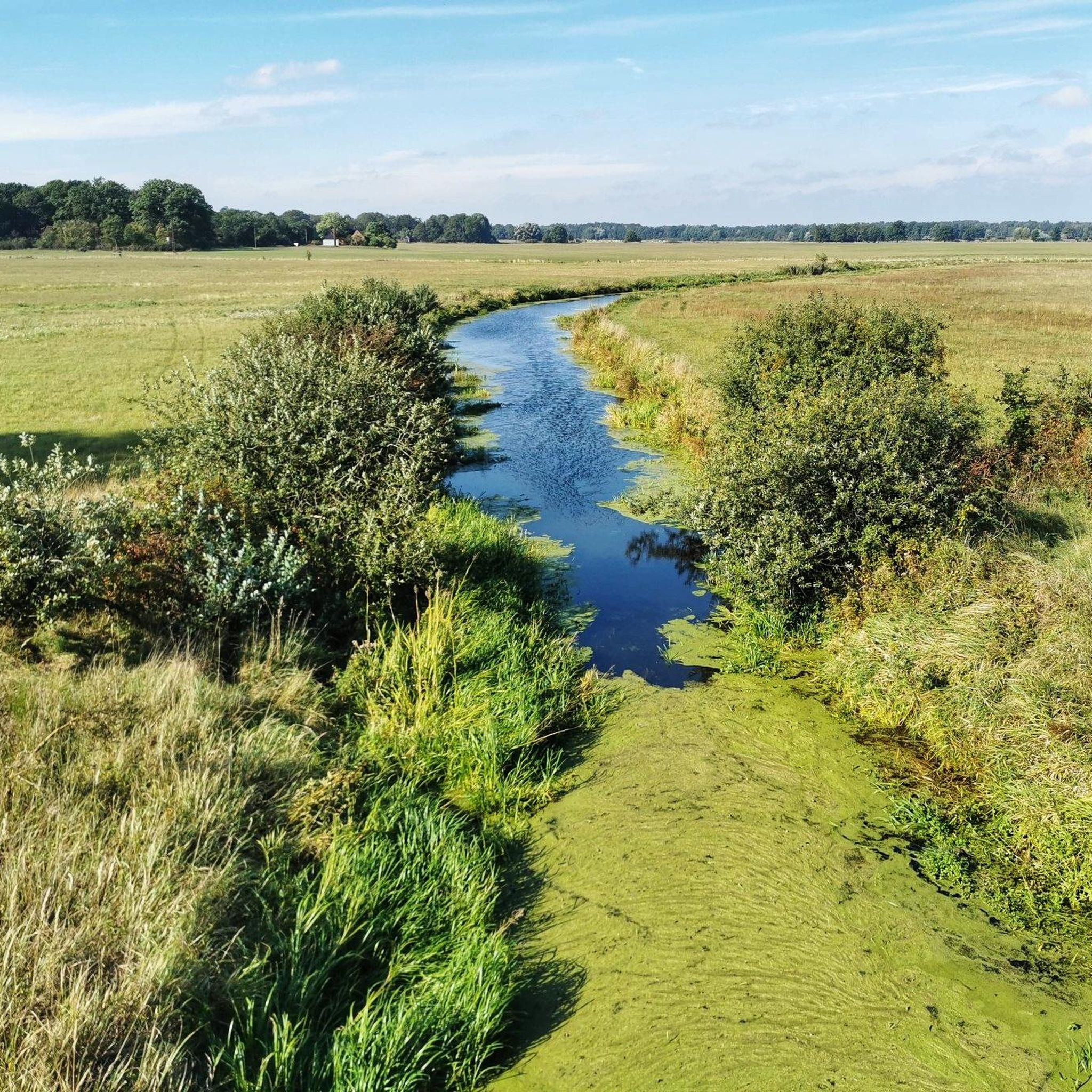
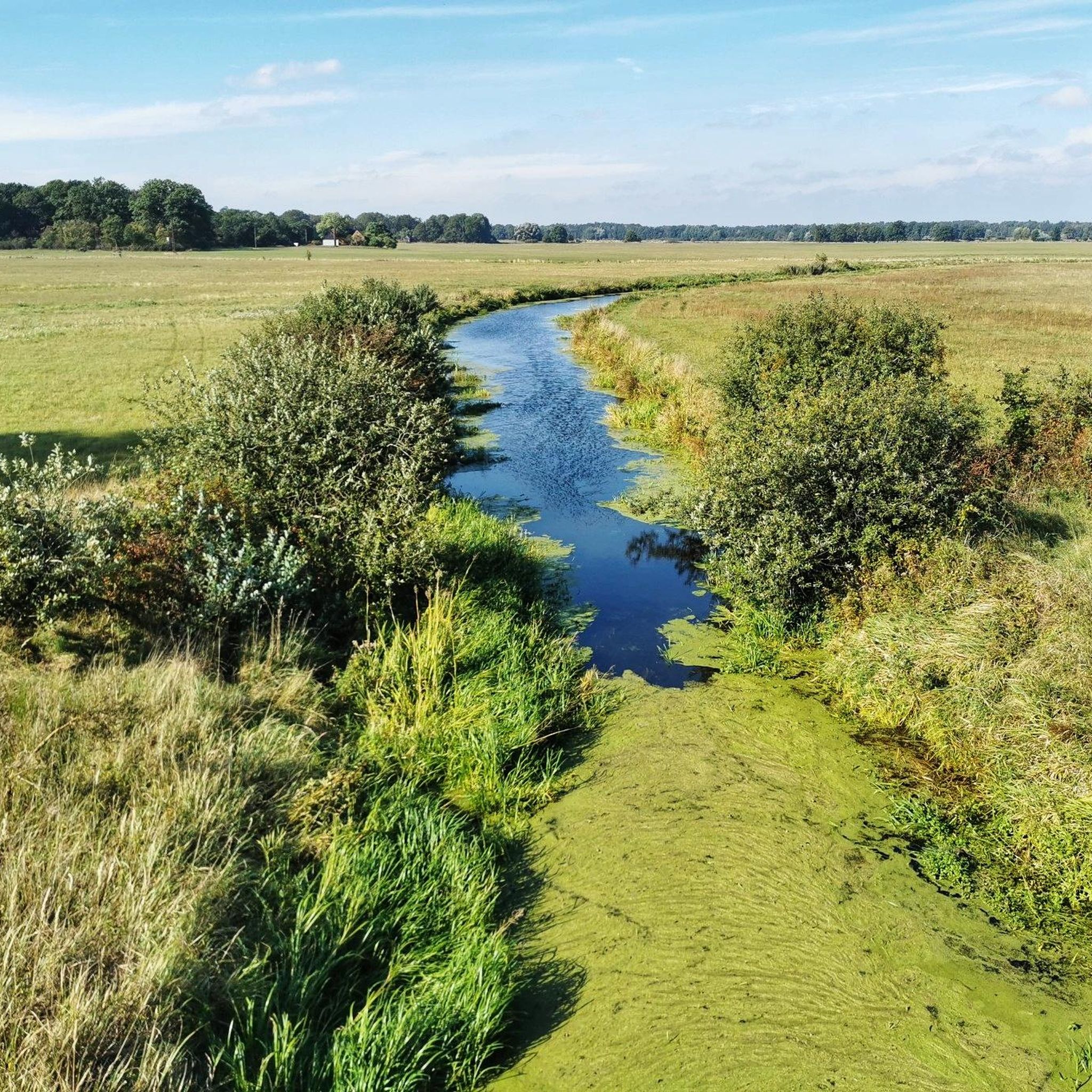
- The most popular attractions is Confluence of the Gnevsdorfer Vorfluter and the Elbe, a river that marks where the Elbe and Havel meet. This location is a significant hydraulic engineering project and a point where several cycle paths converge.
- Another must-see spot is Stork Village Rühstädt, a settlement known for its large population of white storks. Visitors can observe numerous stork nests and experience a village designed around this natural phenomenon.
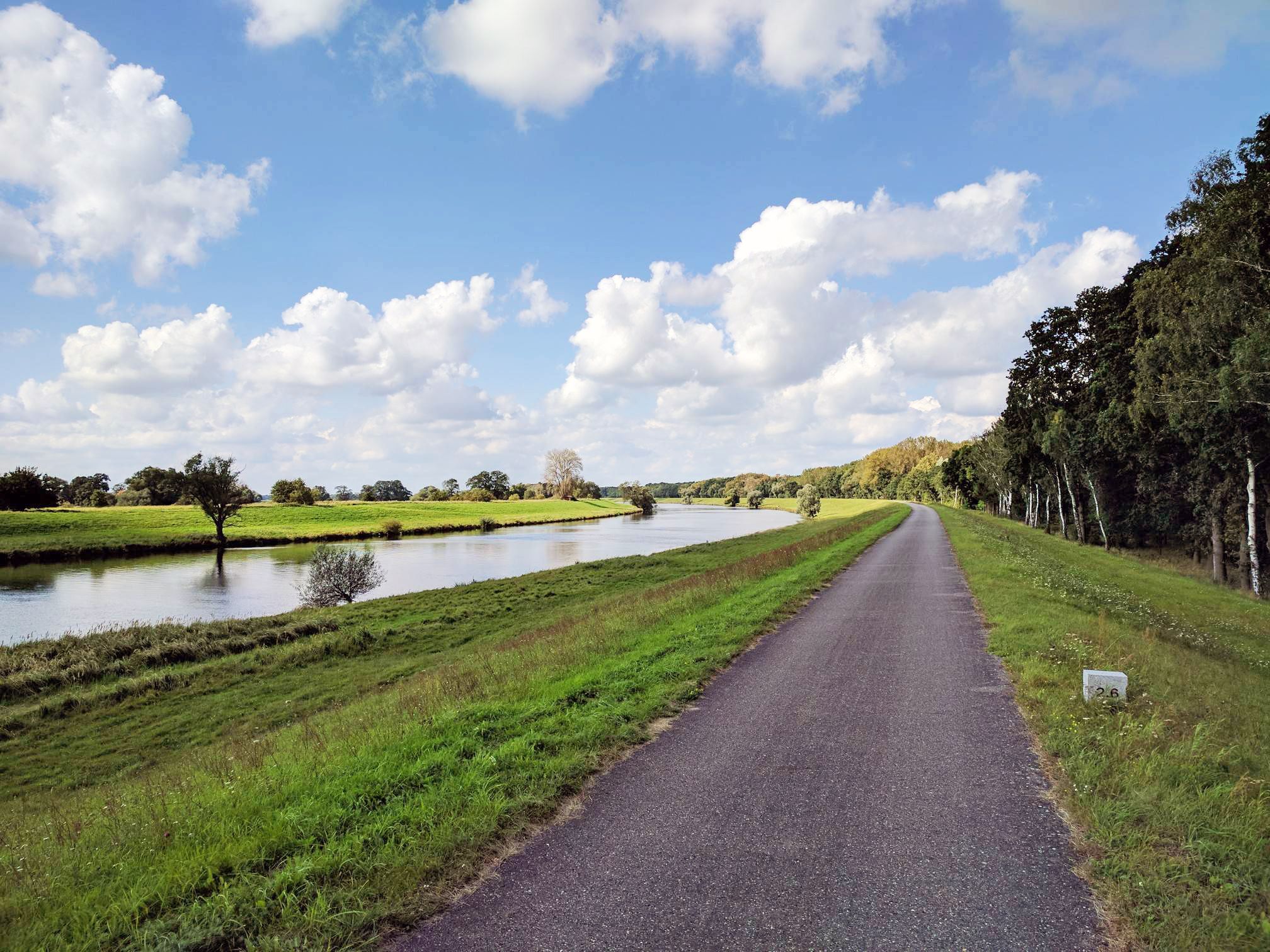
- Visitors also love Elbe Cycle Route in the Brandenburg Elbe River Landscape Biosphere Reserve, a well-developed cycle way. This route runs mostly on top of the dike, offering views of the Elbe River and opportunities for wildlife observation.
- Bad Wilsnack is known for its historical sites, natural landscapes, and cycling routes. The area offers a variety of attractions to see and explore, from significant churches to thermal baths and river confluences.
- The attractions around Bad Wilsnack are appreciated by the komoot community, with more than 1500 upvotes and over 130 photos shared.
Last updated: August 16, 2026
Confluence of the Gnevsdorfer Vorfluter and the Elbe
Highlight • River
Translated by Google •
Tip by

Old Oil Mill Wittenberge
Highlight • Historical Site
Translated by Google •
Tip by

Sign up now to discover places like this
Get recommendations on the best single tracks, peaks, & plenty of other exciting outdoor places.
Sign up for free
View of the confluence of the Elbe and Havel
Highlight • Viewpoint
Translated by Google •
Tip by

Stork Village Rühstädt
Highlight • Settlement
The place is beautifully decorated and offers several options for a good stop.
Translated by Google •
Tip by

Elbe Cycle Route in the Brandenburg Elbe River Landscape Biosphere Reserve
Highlight (Segment) • Cycleway
You pass nice villages and breakpoints "nature" that provide enlightenment. Storks, herons, geese and many unknown and beautiful bird sounds.
Translated by Google •
Tip by

Sign up for free to discover even more attractions around Bad Wilsnack.
Sign up for free
Already have an account?
Start today with a free account
Your next adventure awaits.
Login or Signup
Popular around Bad Wilsnack
Germany's Elbe Müritz Cycle Path — Ride past rivers and lakes
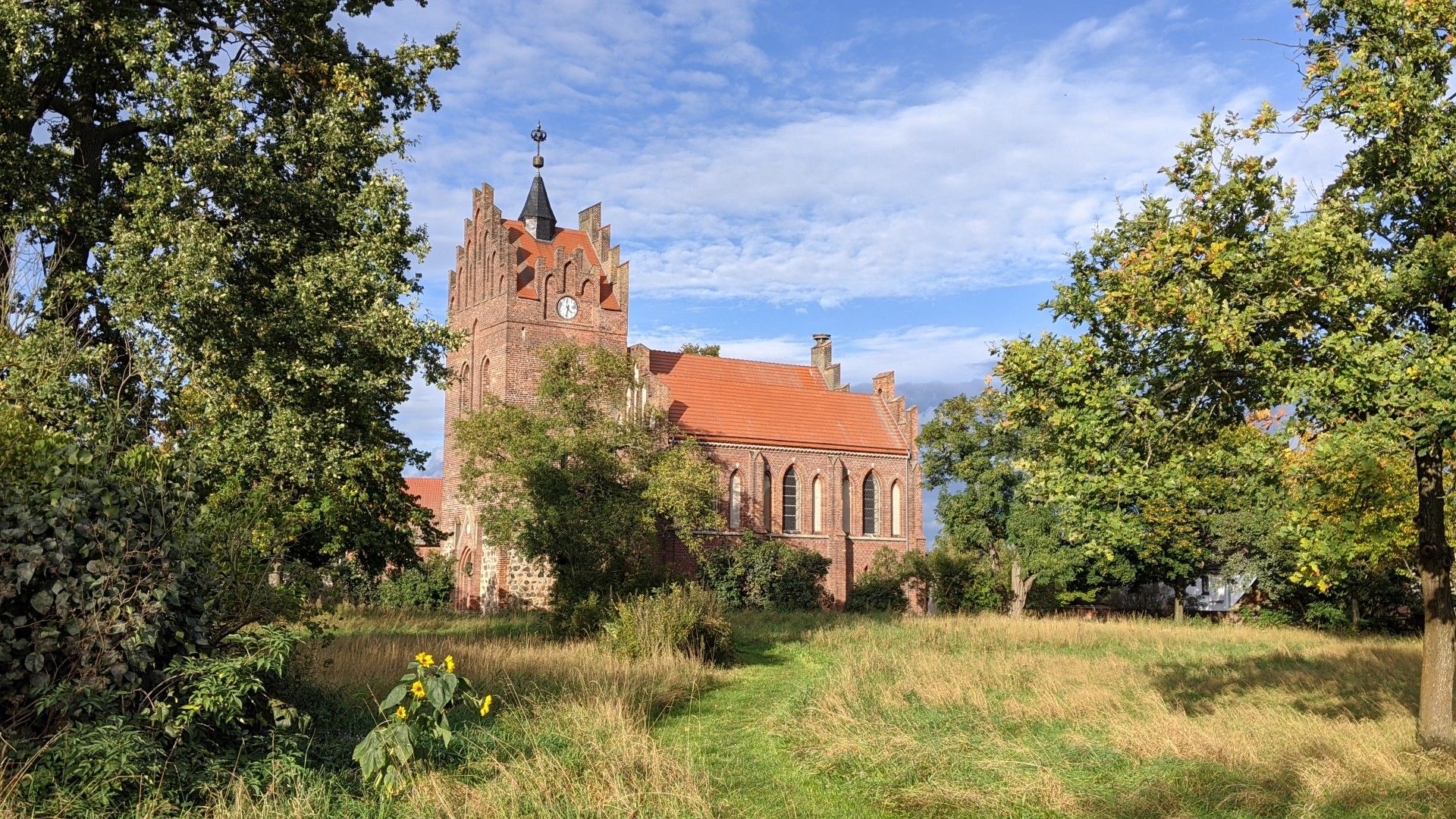
Pilgrimage route Berlin ► Bad Wilsnack ► Tangermünde
Cycling around Bad Wilsnack
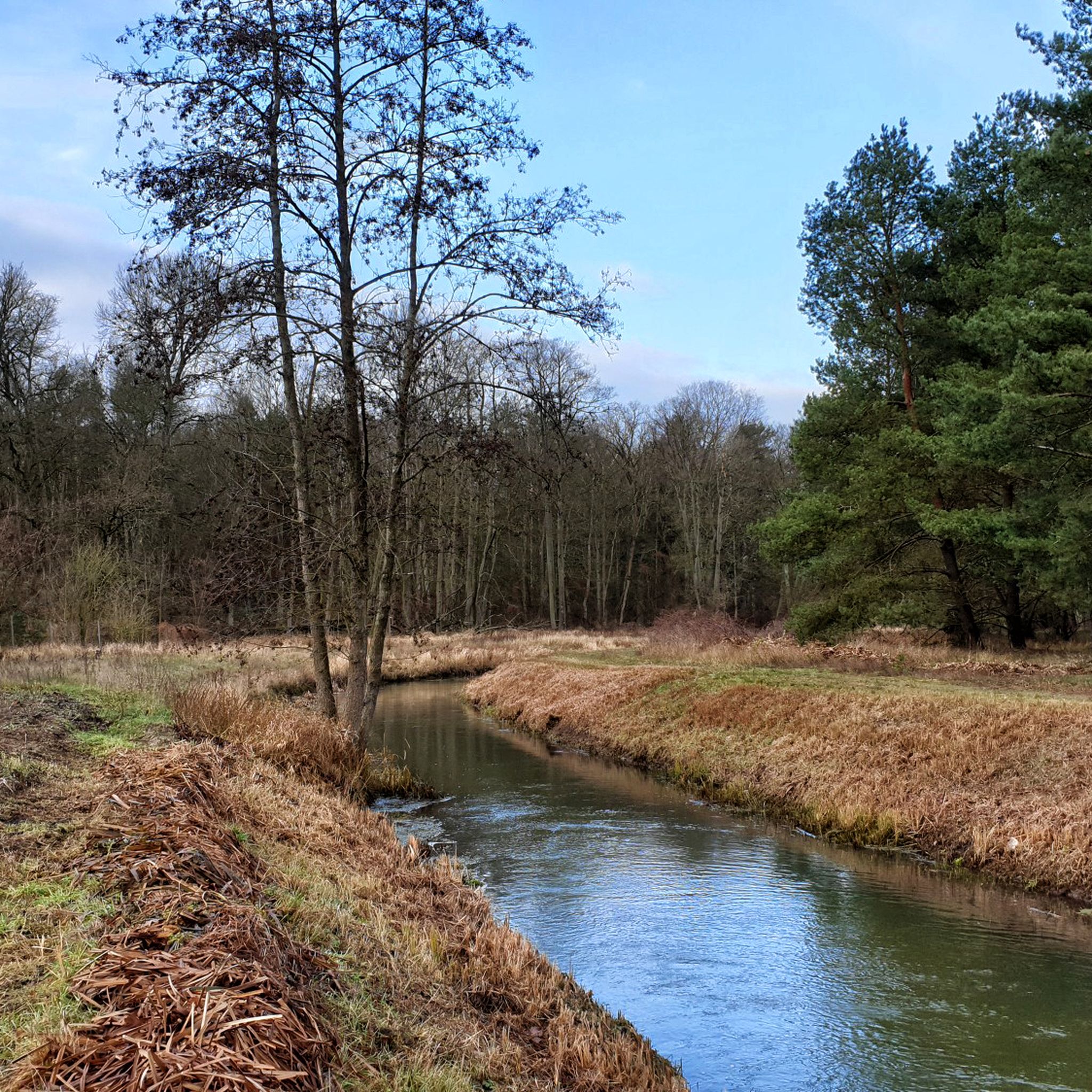
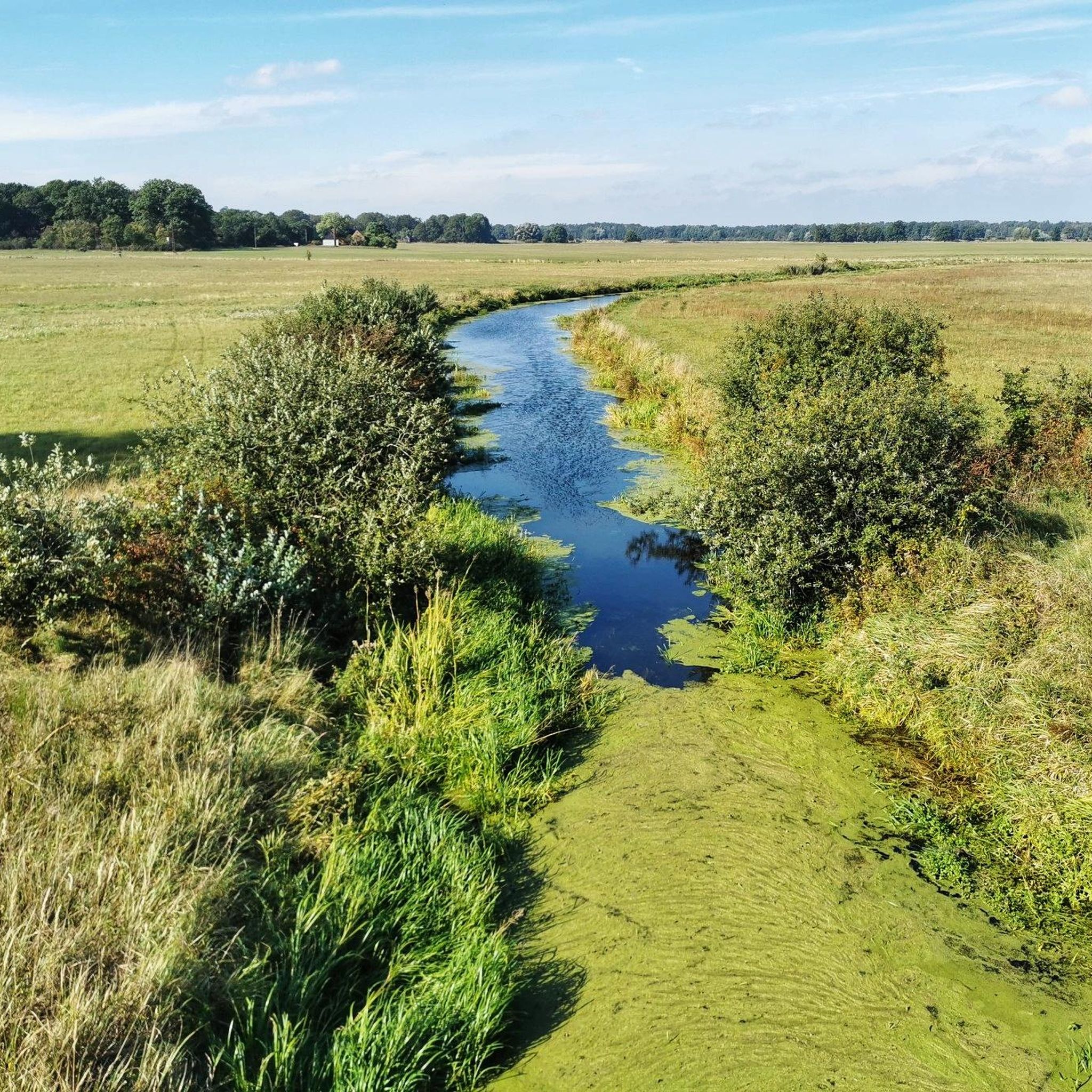
Hiking around Bad Wilsnack
Road Cycling Routes around Bad Wilsnack
MTB Trails around Bad Wilsnack
Running Trails around Bad Wilsnack
Gravel biking around Bad Wilsnack


Tips from the Community

Great natural landscape here, where the rivers run parallel for 20km and then merge.
1
0

I particularly like the cycle path between the Elbe and the Havel tributaries, from Gnevsdorf to Quitzöbel. It's pure nature. There are two observation towers from which you can easily observe many animals, especially birds. Coming from Wittenberge, cycle over the Gnevsdorf weir and at the oxbow weir, return to the mainland to Quitzöbel, then cycle back to Wittenberge or to Netzow and then on to Werben and Havelberg.
1
0

Fantastic views and well-developed cycle paths
3
0

The "Wittenberge Oil Mill" is a listed building in the town of Wittenberge on the Elbe. The building complex, consisting of the administration building, the mill's main body, workshops and storage facilities, was built in the middle of the 19th century to produce crude oil. Oil production was abandoned following German reunification in 1991. A company then took over the use of the buildings and set up the "Zur Alten Ölmühle" hotel in them. A restaurant and a brewery are attached. Delicious beer and great service!
6
0
The Gnevsdorf drainage canal is an approximately eleven-kilometer-long, artificially constructed canal between the Havel and Elbe rivers, serving as an additional outlet into the Elbe. Its design aimed to shift the Elbe's backwater level downstream to a lower level, thus effectively relieving pressure on the Lower Havel during floods. Simultaneously, the canal improves the flow of Havel water to the Elbe, which has a steeper gradient. The Gnevsdorf drainage canal is part of a comprehensive flood control system that also includes several weirs and the Havelberg lock. A fantastic route along the Elbe Cycle Path, a relaxed tour with no significant difficulties. The scenery is beautiful, always by the water, pure nature. The old farmhouses are charming, and the route is very varied.
8
1
Top section of the route! If you don't know the area, you move almost imperceptibly from the Elbe to the Havel. It's good that there is very good signage here in addition to the “Komoot navigation voice”. Fantastic views are guaranteed. It's worth it!
4
1

The Elbe cycle path is a very beautiful and varied river cycle path. Absolute driving recommendation!
1
0
It looks quite interesting when storks become such close neighbors. The clattering could also be funny. Nice to be able to see something like that.
6
0
Frequently Asked Questions
What historical and cultural sites can I explore in Bad Wilsnack?
Bad Wilsnack is rich in history. You can visit the impressive Wunderblutkirche St. Nikolai, a late Gothic brick hall church famous for its pilgrimage history and colorful choir windows. The Historic Town Center, including the Altes Rathaus and Apotheke, showcases beautiful architecture. Don't miss the Old Oil Mill Wittenberge, a listed industrial building now offering recreational opportunities, or the Historic Bad Wilsnack Train Station with its painted facade depicting the town's past.
Are there any natural attractions or places for wildlife observation near Bad Wilsnack?
Yes, the region offers several natural highlights. The Stork Village Rühstädt, just 6 kilometers away, is renowned for its large population of white storks, providing unique opportunities for nature observation. You can also visit the Confluence of the Gnevsdorfer Vorfluter and the Elbe, a significant hydraulic engineering project where several cycle paths meet, offering scenic views of the river landscape.
What wellness and relaxation options are available in Bad Wilsnack?
For wellness, the Kristall Kur- & Gradier-Therme provides a unique experience with its Andalusian-style design, eight themed saunas, indoor and outdoor pools, and a whirlpool. A notable feature is Brandenburg's first Gradierwerk (graduation tower), which produces iodine-rich air beneficial for respiratory health.
Are there family-friendly activities or attractions in the Bad Wilsnack area?
Many attractions around Bad Wilsnack are suitable for families. The Stork Village Rühstädt is a fantastic place for children to observe storks in their natural habitat. The various parks, such as the New Kurpark (Karthane-Park), offer green spaces, a pond, fitness facilities, and even beach volleyball courts. The Confluence of the Gnevsdorfer Vorfluter and the Elbe is also tagged as family-friendly, ideal for a leisurely outing.
What cycling routes are available around Bad Wilsnack?
Bad Wilsnack is a great starting point for cycling. The famous Elbe Cycle Route runs through the Brandenburg Elbe River Landscape Biosphere Reserve, offering scenic paths mostly atop the dike. For more options, you can explore various cycling tours, including routes to the Old Oil Mill Wittenberge or Stork Village Rühstädt. Find detailed cycling routes in the Cycling around Bad Wilsnack guide.
Where can I find hiking trails near Bad Wilsnack?
There are several easy hiking trails around Bad Wilsnack that allow you to explore the town's green spaces and historical sites. Popular loops include routes connecting the Wunderblut Church of St. Nikolai, Karthane Park Bad Wilsnack, and the Gradierwerk Bad Wilsnack. You can find more information and specific routes in the Easy hikes around Bad Wilsnack guide.
Are there any castles or historic fortresses to visit nearby?
Yes, approximately 8 kilometers from Bad Wilsnack, you can visit Plattenburg. This is one of the largest water castles in northern Germany, with origins dating back to the 12th century. It often hosts various events and has a castle cafe.
What are the main parks and green spaces in Bad Wilsnack?
As a spa town, Bad Wilsnack features several well-maintained parks. These include the Schlosspark (Goethepark), Stadtpark (Birkengrund), Kurpark at the Kurklinik, and Mühlendammpark along the Karthane River. The expansive New Kurpark (Karthane-Park) offers a spa garden with a pond, fitness facilities, and a natural garden with an observation tower.
What do visitors enjoy most about the attractions around Bad Wilsnack?
Visitors frequently praise the well-maintained cycling paths, especially the Elbe Cycle Route, for its scenic views and opportunities for wildlife observation. The peaceful atmosphere of the Stork Village Rühstädt and the historical significance of sites like the Wunderblutkirche St. Nikolai are also highly appreciated. Many enjoy the blend of natural beauty and cultural heritage the region offers.
Is there public transport available to reach attractions near Bad Wilsnack?
Bad Wilsnack has a historic train station, which now houses the tourist information center. While specific public transport routes to every individual attraction may vary, the town itself is accessible by train. For attractions further afield, local bus services or cycling are common ways to get around.
What is the best time of year to visit Bad Wilsnack?
The spring and summer months (April to September) are ideal for visiting Bad Wilsnack, especially for outdoor activities like cycling and hiking, and for observing storks in Rühstädt. The parks are in full bloom, and the weather is generally pleasant. The Kristall Kur- & Gradier-Therme offers a relaxing experience year-round.
Most popular routes around Bad Wilsnack
Most popular attractions around Bad Wilsnack

Get inspired with the komoot mobile app


Explore more
Still not found the Highlight you’re looking for? See guides of the top attractions in other regions:
